
Despite the common sense notion that power corrupts, the reality is far more complicated. When societies moralise against the idea of power rather than understanding it, they only drive it underground, where it concentrates, mutates, and becomes more dangerous. Here is a different way of thinking about power, drawing on key thinkers from Michel Foucault to Plato.
The word “Power” has been vulgarised and disfigured into something rotten: the evil force which drives humanity’s most vile deeds. Many ascetics throughout history have attempted to crush it, to shame it, to make an incision in the collective, and remove all those undesirable organs whose machinations serve power. These compassionate surgeons would even liberate us from our skin, if it meant staving off future disease.
Yet, the act of condemning power only causes it to concentrate underground, where all those exorcised spirits of unwanted ambition find refuge and plot together. Now, we begin to feel the tremors of violent excitation…
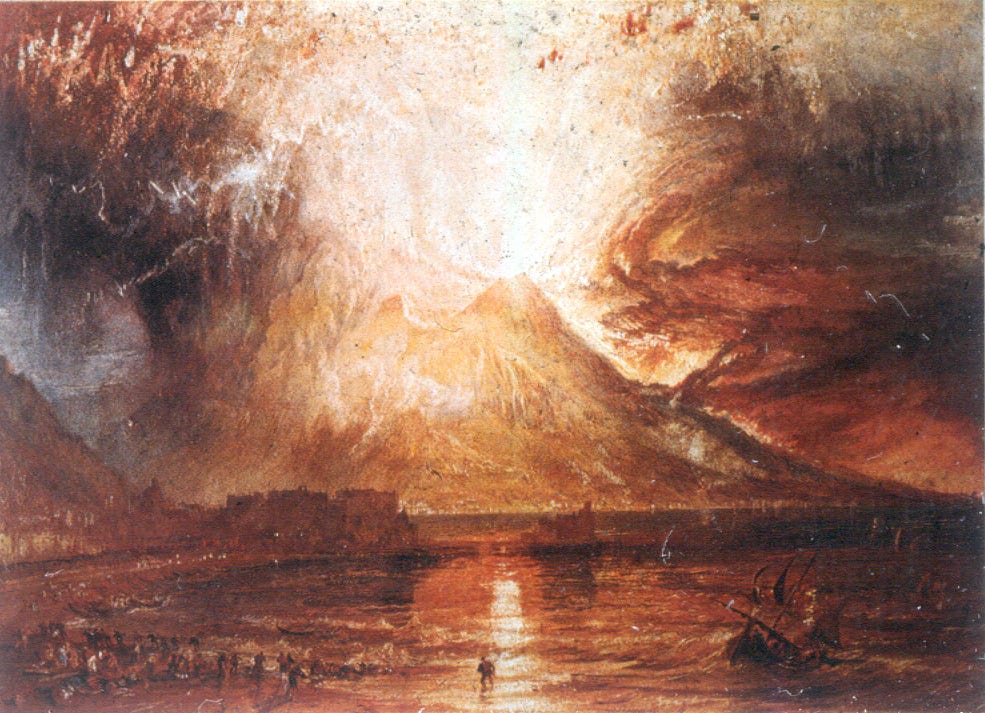
Before proceeding, we must properly define power, in accordance with the greatest utility—this, after all, is language’s use. The most recognised understanding of power is the ability to dominate over others, however this is a crude definition capturing only one aspect of the phenomena. Power is better regarded (and here I posit only a frame of thought, rather than a metaphysics) as the energy required for one’s actions, and by extension, the degree to which they can successfully achieve their goals. It is multifaceted, affected from the outset by material conditions, and then by the relationships of cooperation or competition which naturally arise within them.
The complication is that there are many modes through which power is expressed: politics, art, warfare, religion. All modes require people to assert themselves to some degree, though some disguise themselves behind chastity or humility or meekness, making it unclear which expressions are having the greatest influence on society as a whole. Even a monk, through sheer self-mastery, can shift the perspective of what is moral or immoral, just or unjust, and steer humanity’s actions to align with his or her own values. Thus, to understand the movements of power, one must look past common sense notions and the superficial rhetoric of each faction.
A key factor in this definition is that power itself has no implicit morality. He who is weak shall use power to drive his malice, for he already has notions of vengeance in his mind. He who is strong would prefer to invest it in some project that he has devised for himself; perhaps a work of art, a mountain he wishes to scale, or even the unification of a kingdom.
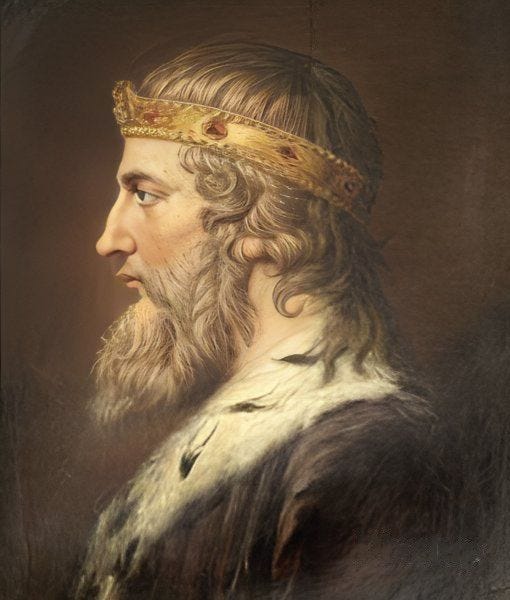
This definition of power is farther-reaching, and acknowledges the reality that every one of us is dragged this way and that by its tides and undercurrents. To assert that one seeks power whilst another does not, becomes a misnomer, and only serves to obscure reality.
Modern people often use the word power interchangeably with governance and leadership, since these roles grant the most explicit means of achieving material goals. Those in positions of authority (including here, those who lobby and monopolise) are able to harness the movements of the collective to make changes at the national or even global level. The common error is to assume that government is synonymous with power, rather than dependent on it as an entity with its own ambitions and goals. This distinction becomes evident whenever individuals are able to create pockets of local resistance by drawing power back to themselves, and thereby weakening the stranglehold of the state.
Here, one can see how the energetic understanding of power gives a more comprehensive picture than binary thinking. For all intents and purposes, power is neither created nor destroyed, but transferable within the interplay of agents and systems.
Those within, or conspiring with government, are generally aware that their power is contingent on the legitimacy that they can devise for themselves, and how much individuality they can erase. If the population can be convinced that subservience is either necessary or desirable, the state can continue to thrive.
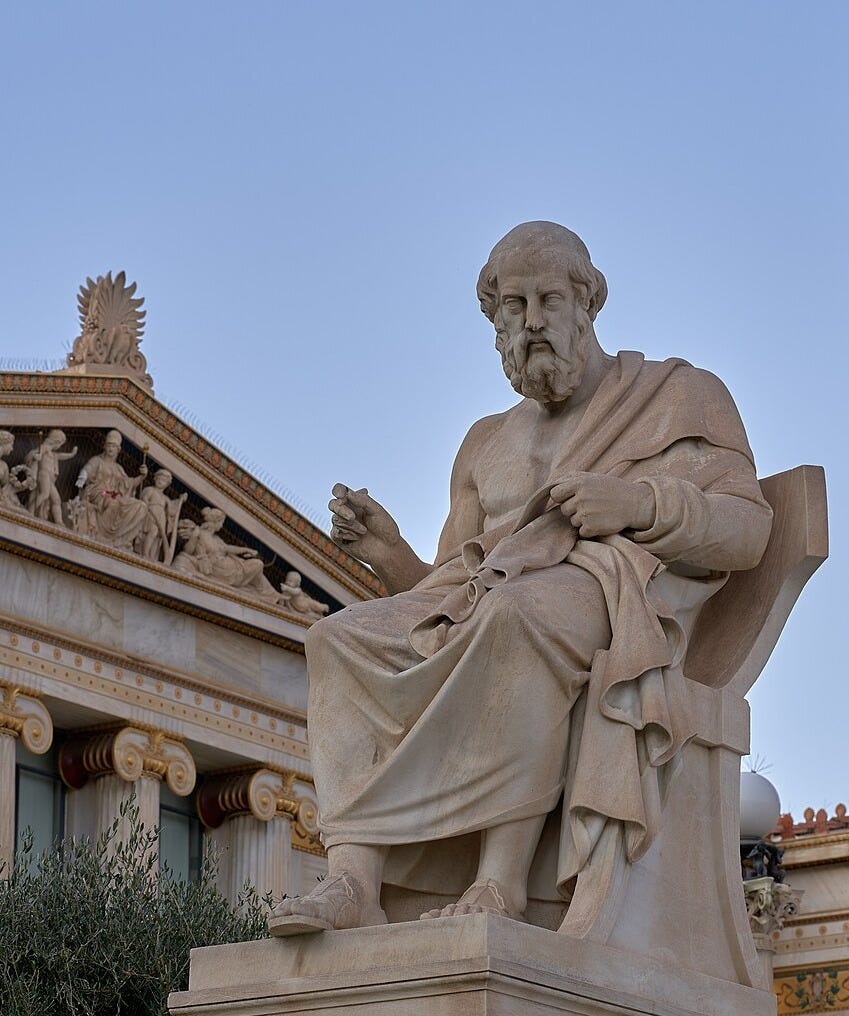
This awareness likely predates recorded history and was certainly present over 2000 years ago. For example, in The Republic (c. 375 BC), Plato laid out the ideal state through the voice of his teacher Socrates. In this book, he proposed the idea that a state might propagate a “noble lie” to convince the polis that each person was made of a certain metal, from bronze, to silver, to gold. This would allow people to be assigned certain stations in life whilst assuring them that they were in the position that they were divinely destined for. Though there isn’t evidence that this specific regime was implemented, there are many examples of the same overarching theory used in other states. Indeed, few doubt that religion itself has at many times been cynically exploited for social cohesion and control. However, the relative ease in enforcing these beliefs in past times likely made the rulers a little less dangerous and a little more complacent.
But what of the modern day, where citizens are on guard against all convenient myths, and the truly exceptional among them see through both botched and sophisticated guises? The selection pressure upon those who truly hold political power is now more intense, for they must be constantly innovating on their deceptions and systems of control.
What kind of person is created by the adaptations required to thrive in these conditions?
What kind, in fact, will emerge out of this epoch, when nations collapse under the weight of the civilizational cycle?
Presumably, an even more sophisticated type of manipulator.
Evidence for this process of control mechanisms becoming more refined over time is outlined in Discipline and Punish (1975) by Michel Foucault. Throughout, he charts the long history of state punishment, which eventually culminates in the modern prison system. Foucault observes that public executions and torture were typically used to make examples of their victims. However, this publicity would sometimes lead to sympathies amongst the crowd, and it was even possible for riots to break out. Problems could be exacerbated by technical failures of the execution mechanisms, which might undermine the sense of right and control held by the authority. This, unsurprisingly, had the potential to undermine legitimacy and lead to political turmoil.
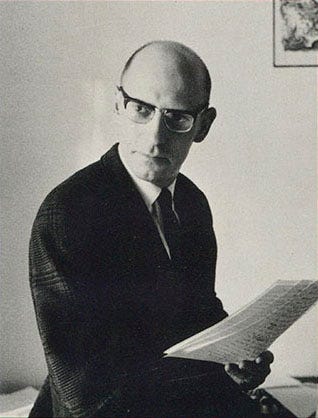
And so, the long, drawn out processes with myriad possibilities of failure was replaced by a simple guillotine, which was subsequently replaced by the gallows. These were even more “humane” by design, creating the illusion of morality and civility at the state level. Eventually, executions were moved to prison systems and there were even prohibitions against anyone attempting to view them. This kept punishment out of sight, in order to avoid public sympathies, whilst still preserving the same threat.
The publicity of early punishments was, in part, intended to dissuade crime. Upon viewing such an event, one’s faculty for remembering rules was heavily engaged in order that they would not transgress laws and meet the same fate:
“It was by the help of such images and precedents that man eventually kept in his memory five or six “I will nots” with regard to which he had already given his promise”
— Friedrich Nietzsche - The Genealogy of Morals, Second Essay, §3
However, when punishment was hidden in rumours and shadows, the threat was diminished in intensity. As such, new mechanisms had to be put in place to compensate for this loss.
Foucault draws an analogy using the panopticon, a prison design proposed by Jeremy Bentham in the eighteenth century. In the original design, a single guard tower is placed in the centre of a prison, with windows allowing a 360 degree view of every prisoner. No-one can see into the tower, and so there is no way to determine whether or not it is currently staffed. The prisoners must conclude that they are being watched at all times… just in case!
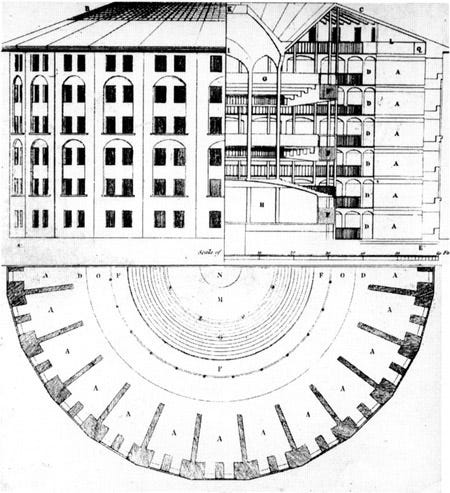
Foucault suggests that the psychological theory behind the panopticon is how the state now continues to enforce its policies. It uses mass media to manipulate social norms (even to the point of encouraging violence against the contrarian), actual or imagined surveillance to create a sense of being constantly watched, and the threat of imprisonment to maintain fear of punishment in the population. One feels exposed at all times, even needing to push down dissident thoughts to avoid the risk that they might one day surface by accident.
Ironically, the moral sentiments of our ancestors, who sided with the punished, were precisely those who made the state more secretive and strategic. They pressured governments to hide their violence: to put on the guise of morality, and feign servitude to the will of the people. “We are just public servants.” They say. But all who have eyes to see, know that this is not so.
The morality of sympathising with the victim and rejecting violence is largely owed to Christianity and its genealogical antecedents. The religion as a whole has bestowed upon humanity many useful insights and benefits: the improvement of interpersonal conduct between local groups, the sharpening of rationality, the development of awe-inspiring cultural works, and an increased capacity for self-reflection.
However, Christians and cultural Christians face unique problems as regards the viability of universal doctrines, as well as certain mechanisms which may undo their entire project. This can be understood by reflecting on the theories of René Girard, a Christian thinker who made substantial contributions to theology, anthropology, and literary critique.
Girard is best known for his theory of Mimetic desire, wherein desires are always emulations of other people’s desires. For example, when one sees that their friend wants an item of clothing, one becomes drawn towards that item as well. The desire bounces from person to person, all the while growing in intensity.
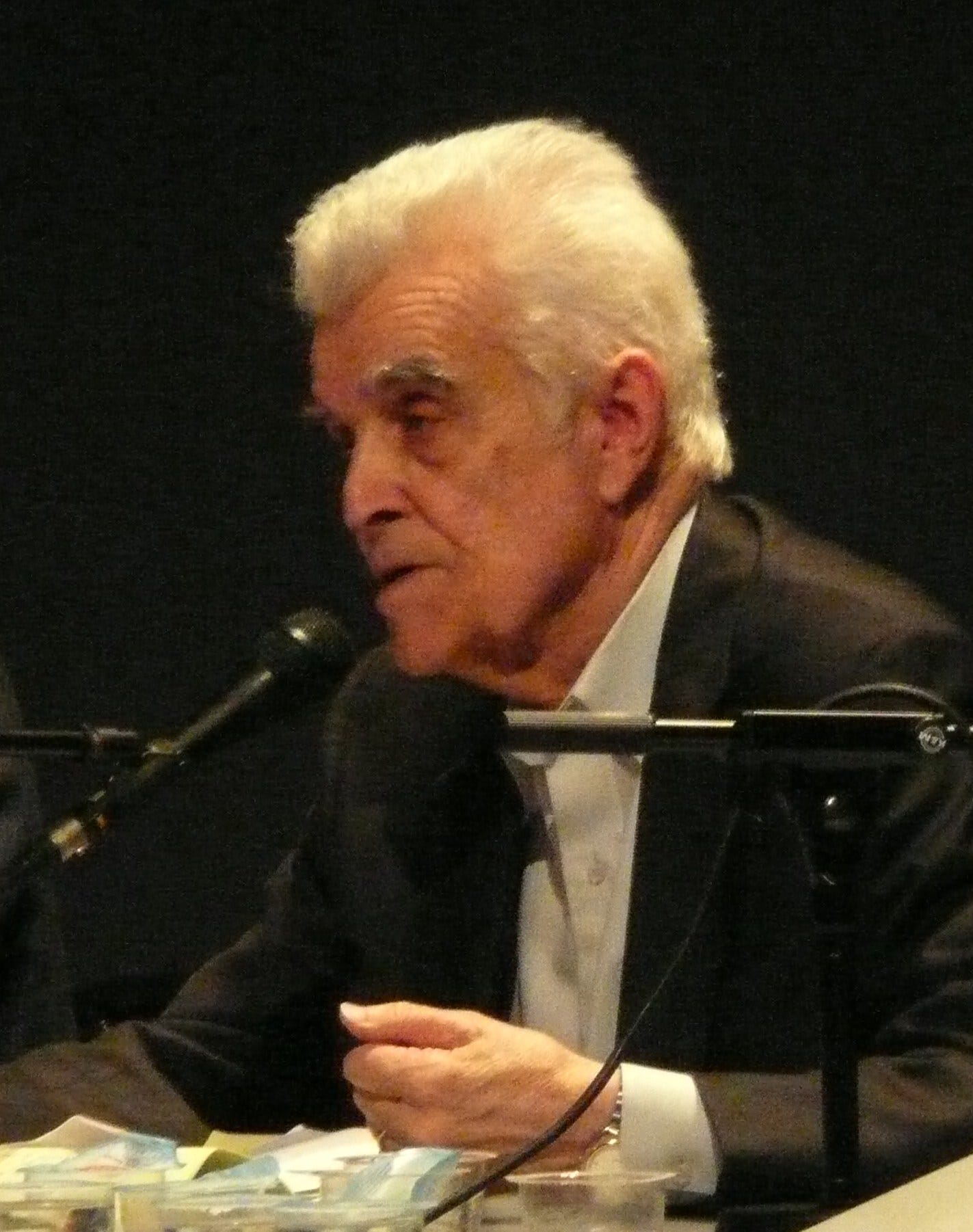
Charting this process over the long term, Girard observes that individuals in societies naturally come to desire the exact same signifiers of status, reifying them as their ideal. It is impossible for everyone in a society to acquire these items of prestige, since they are only valuable by virtue of their scarcity and general inaccessibility. The dispossessed, who are not able to obtain what they want or need, eventually seek out a victim to be blamed for all of society’s problems. Then they sacrifice that victim in a type of cleansing ritual.
Girard calls this process the scapegoat mechanism, based on pagan sacrifices which entailed the killing of a goat to expel bad spirits. He emphasises that the victim must, in the moment of the sacrifice, be recognised as guilty of all of the ills and evils that have befallen the community. By this act, all onlookers are alleviated of their resentment and normal life can continue.
Girard says that since Christ is considered an incarnation of God in Christianity and absolutely innocent, his disciples in the crowd naturally oppose his scapegoating. The mob cannot sustain the illusion of a guilty victim since they find themselves staunchly divided on the judgement. By placing this event at the centre of Christian morality and culture, it acts as a constant reminder which makes future scapegoating futile and encourages society to take the side of the victims.
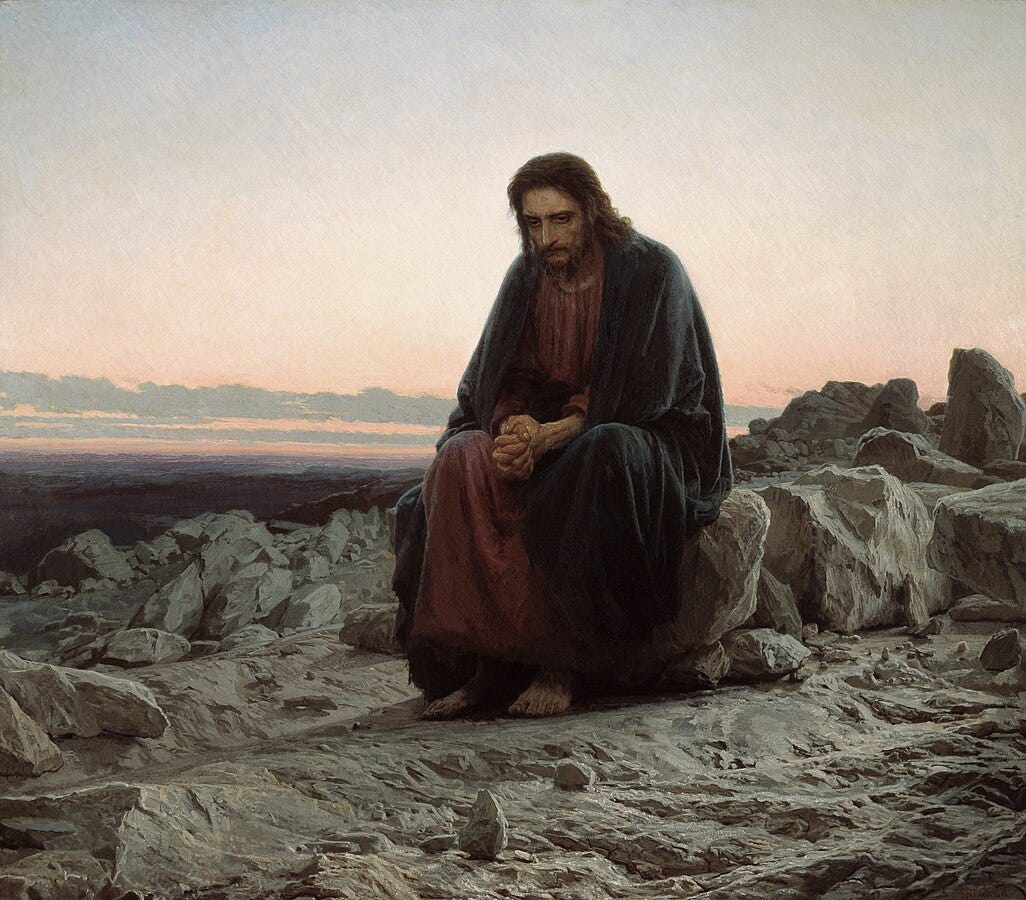
The common-sense, modern view sees this shift as an unambiguously positive development, for no longer is irrational ritual violence permitted. However, Girard also recognises that the scapegoat was once a pressure valve for culture, allowing violence to be released in controlled bursts, rather than going atomic. He explains how culture will eventually be led to literally apocalyptic levels of violence and destruction if it does not deal with this new challenge—an outcome even highlighted in the scripture itself.
Girard’s continued support of Christianity, despite it setting in motion the possibility of apocalypse, stems from the moral stance that ritual sacrifice is never justified. He concludes that fulfilling the Christian project of universal love is the only path to averting disaster, since this eliminates those emotions of resentment (or ressentiment to be more precise) which lead to violent outbursts. The following section will discuss the improbability of this strategy succeeding in practice, and why attempting to employ it may even hasten the collapse.
Many public intellectuals of far lesser calibre than Girard, believe that Christianity has straightforwardly delivered us into the best societies—”proven by their fruits”—and that we must simply fight to preserve them. However, they must always concede that current societies have at the same time been twisted into something antithetical to their original design. Then, these intellectuals claim that wherever there is discord and decadence, such problems can be blamed on the pathological, psychopathic types or those who wish to overturn society (the Marxists being often targeted under this critique).
Now… a plane is not effective if it is not configured to the physics of the atmosphere. A medicine is counterproductive if it reacts badly with chemicals in the body. Should one blame the environment or human physiology for these failings? Such a claim is preposterous. Likewise, a morality or politics which solves for the ideal, rather than the reality, cannot be called an effective system. And, as in the previous examples, a failure to address actual conditions can be actively harmful in practice. Let us apply this logic to politics (speaking broadly), where the scale of potential harm or benefit is at its greatest.
Governing roles will always offer a confluence of material resources and influence, so they are a tempting goal for ambitious people. Any moral system which blocks off avenues to the higher echelons of a society only ensures that the most stringent adherents of the morality find themselves lacking power. This makes the path to the top far easier for psychopaths and narcissists who are willing to transgress moral and cultural boundaries. Thus, Christian doctrine and its cultural manifestation, instead of diminishing power outright, only concentrates it into those that the religion itself considers immoral.
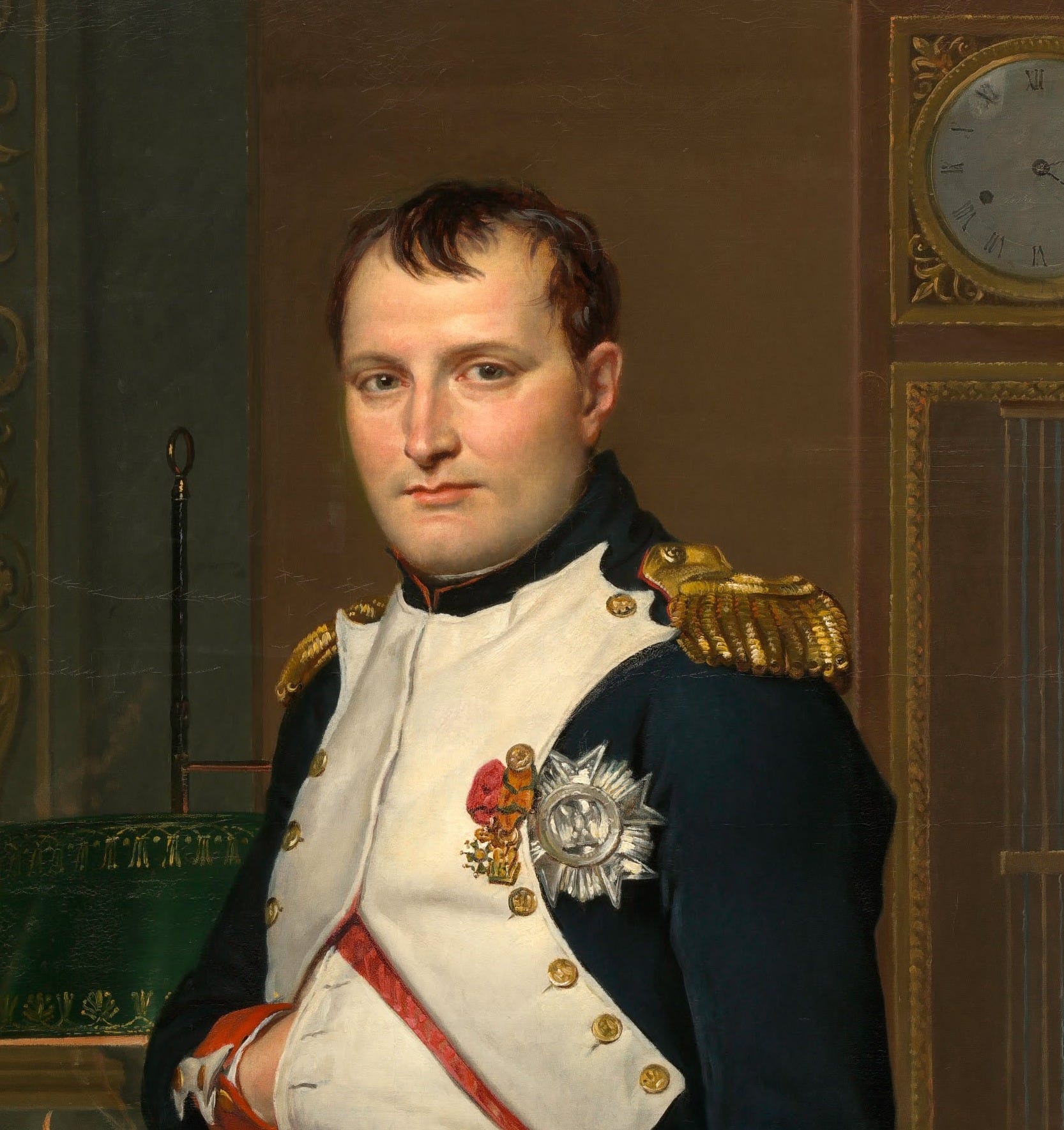
As one proof of the counter-productive tendencies of this system, the word “politician” has become inextricable from sentiments of corruption, greed and low-cunning. The selection mechanism currently produces a type which neither serves humanity, culture, nor the immediate needs of the population. In this respect it fails by every measure of value which extends beyond the benefit of a handful of individuals.
Contrary to the modern prejudice, the past is not simply a story of rulers abusing their worldly power to serve private interests. Such abuses only imprint a stronger impression on modernity, and break through the noise of history. It is more often when reaping the harvests of culture, that rulers are allowed to settle into patterns of weakness, opulent spending, and totalising self-interest. Therefore, while certain checks and balances against corruption may be necessary, one should be particularly concerned with creating systems and situations which produce leaders of strong character—without the interference of idealistic pretensions.
To restate, the will to leisure and luxury, to consumption and gluttony: these are what really corrupt; power is only the energy which actualises such motivations. That one’s goals should be knotted and twisted is no strike against power. Yet, so much energy has been dedicated to vilifying it that the least compassionate, least concerned with others are the only ones willing to embrace it. The project of universally rejecting power has once and a thousand times been undone by itself, yet this lesson has not been learned.
Comments
Nothing yet. Say the first thing.
Sign in to join the conversation.