Unless you’ve been living under a rock, you heard of prediction markets and of the controversies linked to insiders who made profits on wars and other state affairs usually falling within the remit of “national security”.
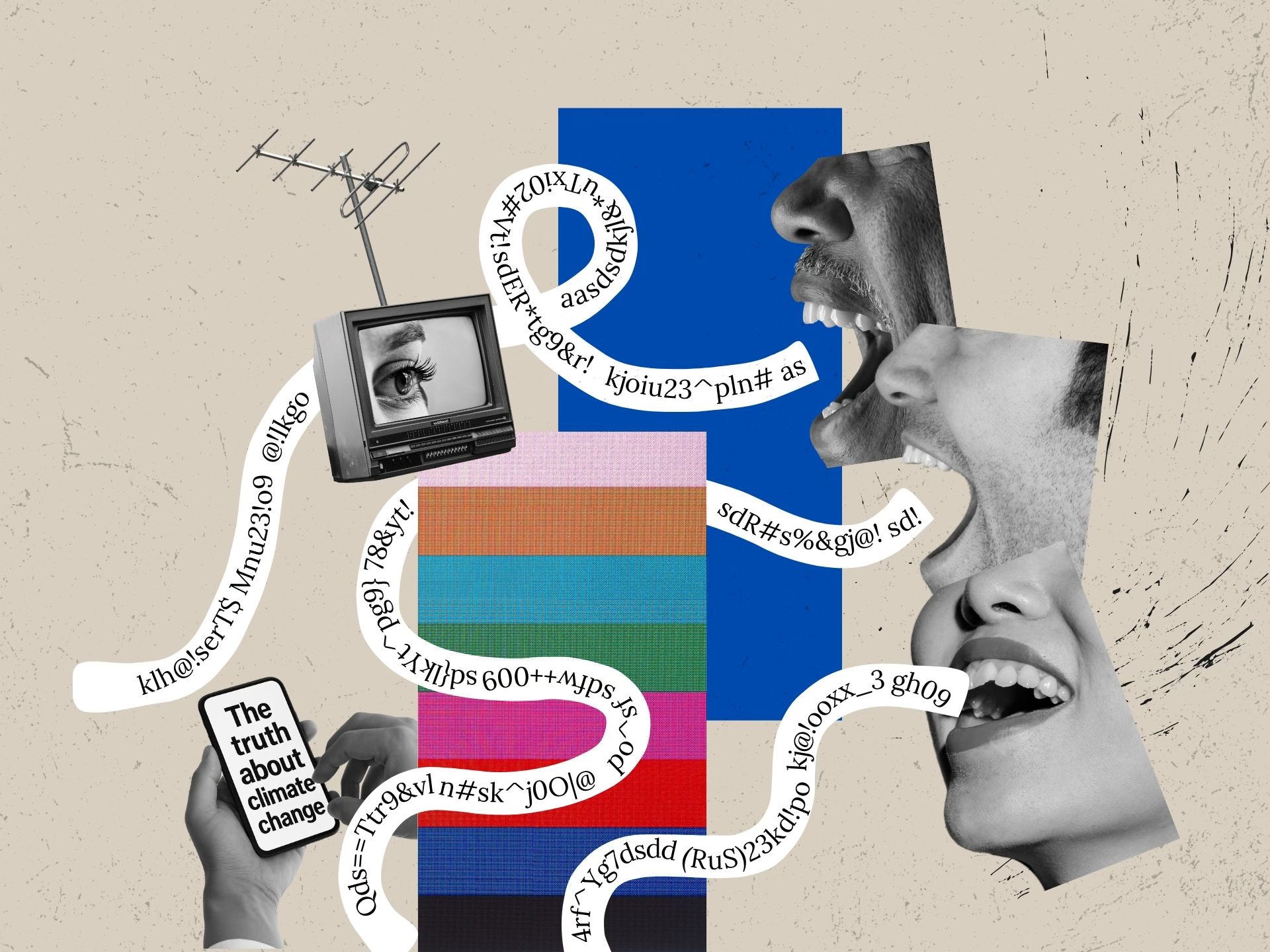
Disinformation—the intentional spread of misleading or false information—is no longer a niche issue for policy wonks. My latest article examines the European Union’s ban on Russian media RT and Sputnik and its implications for free speech and democracy.
After 7 years of research, 50+ interviews, and countless experiences with information disorder, I’ve come to a troubling realisation: EU efforts to fight disinformation risk undermining the very democratic values they aim to protect.
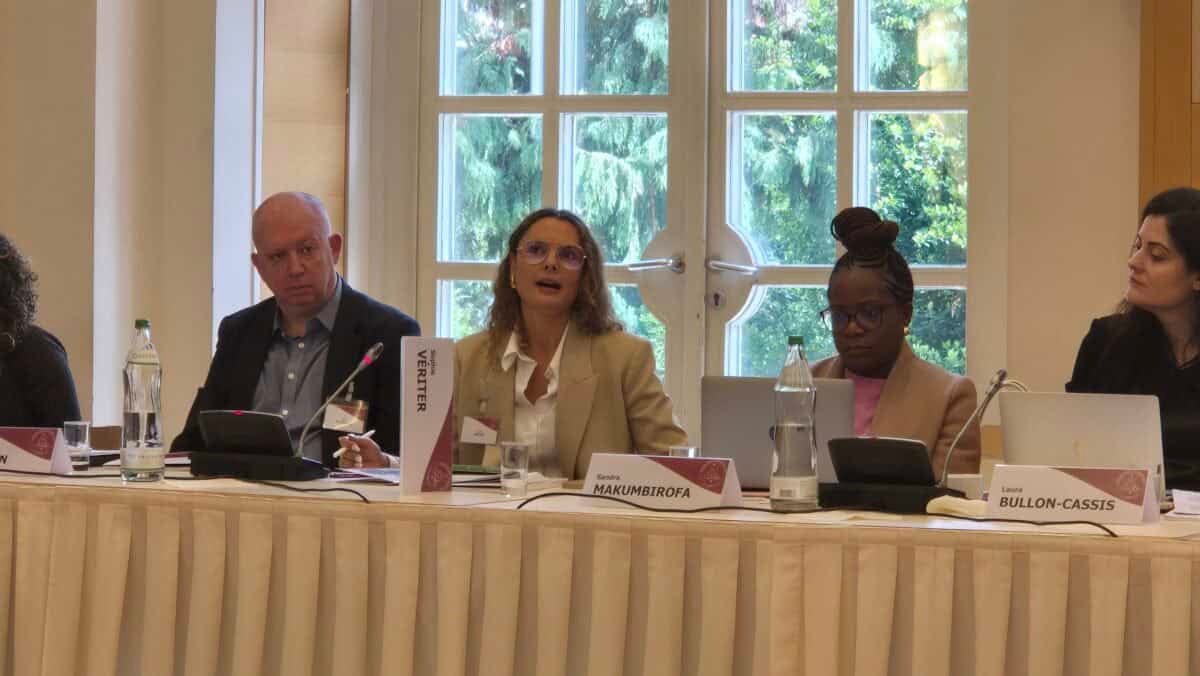
At the Milton Wolf Seminar 2025, during the first round of questions, someone dared to ask about a potential new world order. While we were promptly recalled to be realistic, the thought has not left me since then...
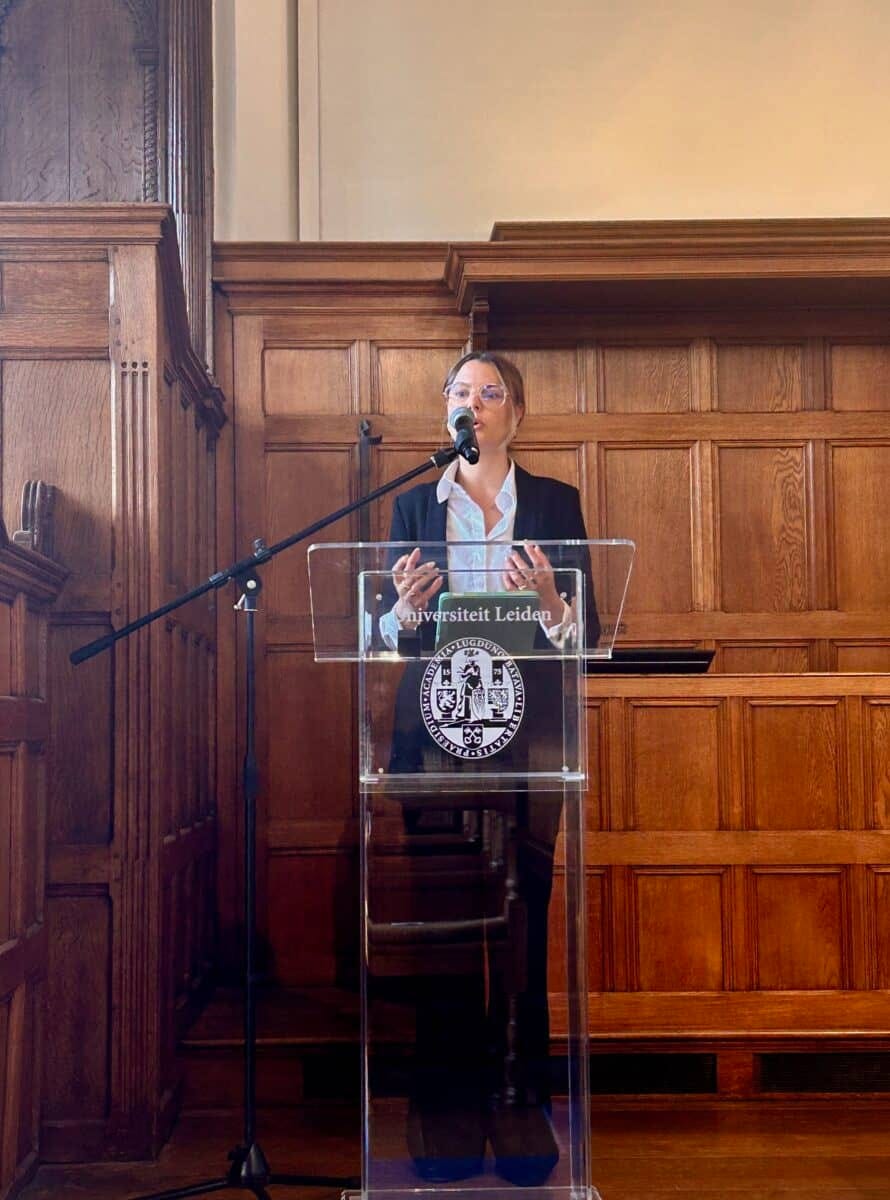
I had the opportunity to give a short speech at the start of my PhD defence ceremony, to introduce my dissertation “Countering Misinformation in the European Union: Origins, Evolution, and Prospects”. This speech is written below as it was delivered on Tuesday 3 June at Leiden University.