
Dear Readers - welcome to the Global Corridor newsletter. The world is experiencing massive restructuring of its economy, territory and technologies through new global infrastructure projects. Many of the investments in new railways, data-centres, real estate developments, port expansions, special/extractive zones, highways, and more are proceeding through transnational, multi-modal corridors. We are seeing the making of a new global geography at an unprecedented pace and scale. I’ll be providing a round up of some of the most interesting news, stories, data, opinion + academic work that can help us make better sense of this transforming world, including news from my own project.
A round up of some of the biggest news on global infrastructure projects and emerging implications:
US-backed consortium attempts to acquire 40% stake in Glencore DRC mines
A US-backed consortium’s bid for a 40 per cent stake in Glencore’s Democratic Republic of Congo (DRC) copper and cobalt assets marks a new stage in the global critical minerals competition. Under a non-binding memorandum with Glencore, the Orion Critical Mineral Consortium (Orion CMC) is set to purchase stakes in the Mutanda Mining and Kamoto Copper Company projects, valuing the interests at roughly $9 billion. Of most significance is that the bid is supported by the US International Development Finance Corporation, alongside the private partners. The transaction would leave Glencore in operational control while granting Orion rights over offtake and board representation.
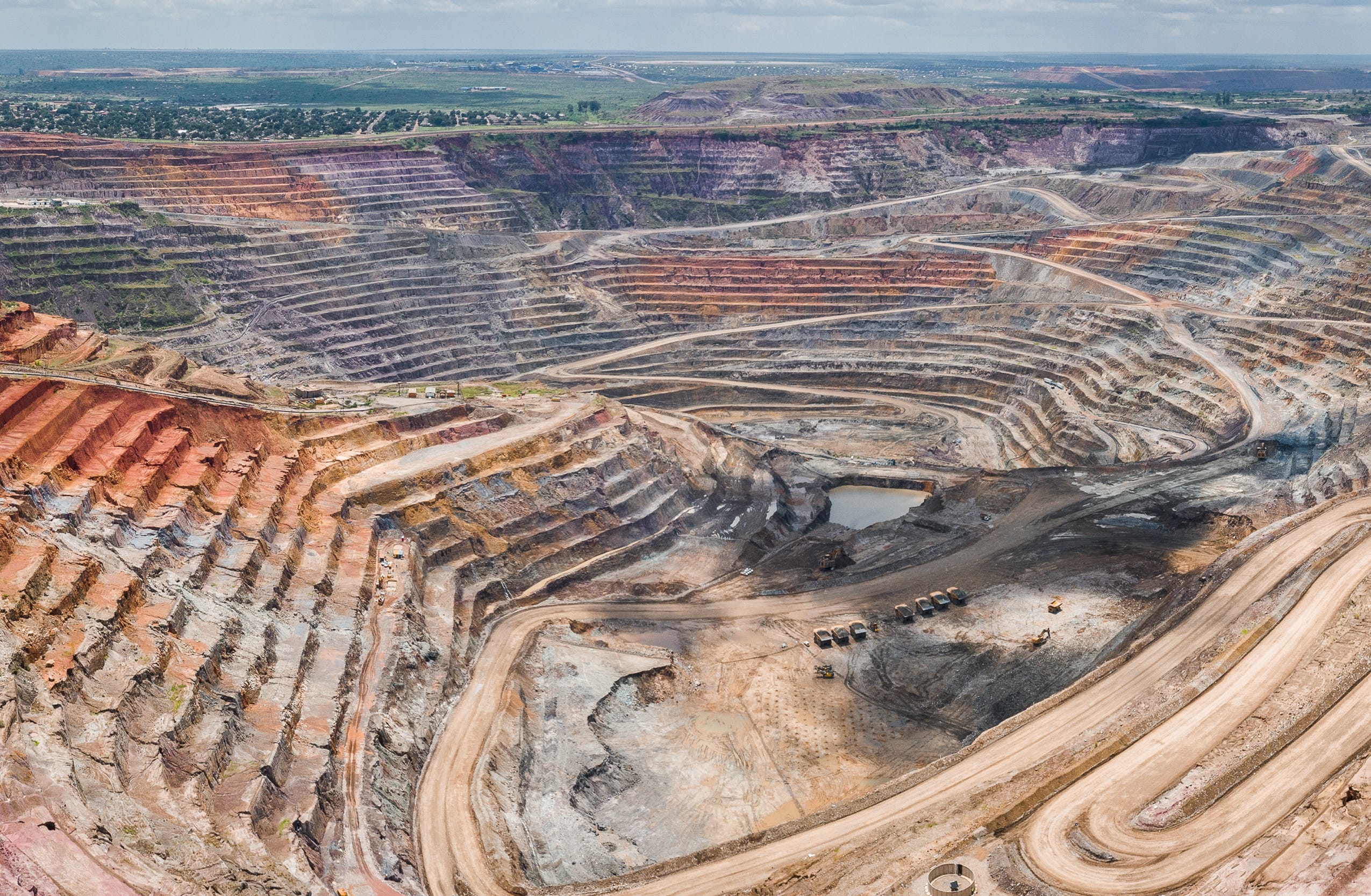
The initiative underscores DC’s intensifying efforts to secure supply chains for copper and cobalt, essential to electrification, defence and renewable technologies, and to diversify away from perceived (feared?) Chinese dominance in African resource and transport infrastructure. The potential deal sits alongside broader US involvement in the region, most notably the Lobito Corridor aimed at linking the mineral-rich Copperbelt to Atlantic ports, again backed by substantial US development finance. Washington’s focus on minerals, corridors and “strategic supply chains” is likely to prioritise US industrial and security needs over Congolese development. This attempt to secure the mineral resources in the region and transport them on US financed infrastructure is framed as transformative, yet under current designs largely serves to accelerate the extractive operations that export raw materials rather than build domestic value chains. While governance and transparency are emphasised, decision-making power remains concentrated among foreign states, financiers and multinationals
For Kinshasa, deeper ties with Western capital could boost investment and infrastructure development and politicians insist they are “not selling their resources for nothing”. What’s clear is this proposed stake sale alongside the accompanying infrastructure plans over the last few years signal a marked reconfiguration of influence in Africa’s critical-minerals landscape, with implications well beyond the DRC’s borders
The return of the Trans-Saharan Gas Pipeline?
Algiers and Niamey have initiated high-level energy talks with the explicit aim of reviving momentum on the long-planned Trans-Saharan Gas Pipeline, a $13 billion mega infrastructure project designed to transport Nigerian gas through Niger to Algeria’s Mediterranean hubs for onward export to Europe. The discussions, held in Niamey last month, marked the first senior engagement since bilateral cooperation was suspended in April 2025 amid diplomatic disputes tied to broader Sahel geopolitics.
Algeria’s Minister of State for Hydrocarbons and Mines, Mohamed Arkab, and Niger’s Minister of Petroleum, Hamad Tinni, reviewed the status of previous agreements and outlined steps to reinforce collaboration on the TSGP. Both delegations underscored the pipeline’s potential to strengthen regional energy security and diversify export routes at a time when Europe seeks alternatives to Russian supplies. The project, first envisaged two decades ago, has struggled with technical, financial and security hurdles, with previous studies halted after Niger temporarily suspended key technical work amid political tensions.
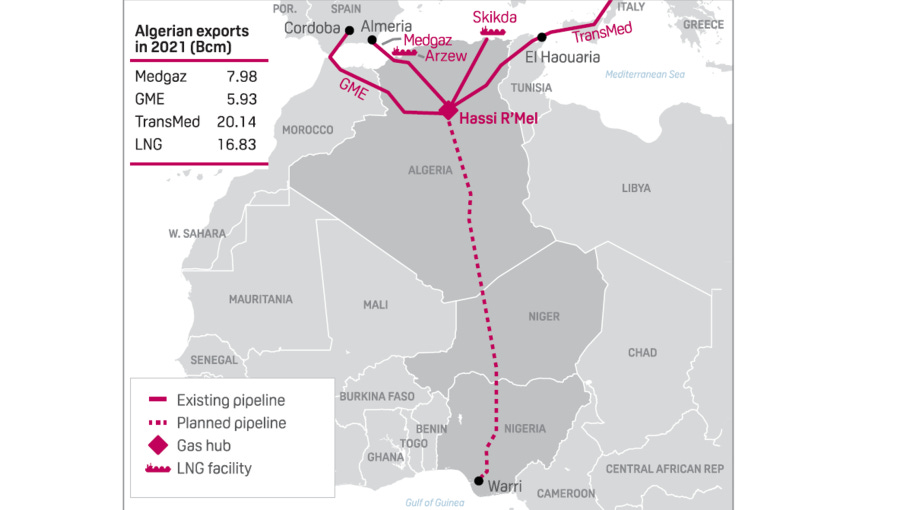
Industry sources note that a UK firm is on track to complete an updated feasibility study this year, a milestone seen as critical to unlocking finance and private sector interest. However, the pipeline continues to face competition from rival West African export proposals, such as the Nigeria-Morocco corridor, which has advanced feasibility and engineering phases.
Environmental and social risks remain a material obstacle to the Trans-Saharan Gas Pipeline, underscoring why the project has struggled to advance. The 4,000km route would cut across fragile desert and semi-arid ecosystems, raising concerns over habitat disruption, methane leakage and long-term maintenance in extreme climatic conditions. Civil society groups also warn that communities along the corridor, particularly in Niger and northern Nigeria, risk displacement and limited consultation. These concerns are sharpened by the legacy of environmental damage from oil and gas projects in Nigeria’s Niger Delta, which has fuelled scepticism about promised safeguards.
JD Vance’s TRIPP
Worth keeping an eye on this week is Vice-President JD Vance, who is scheduled to visit Armenia and Azerbaijan to reinforce U.S. commitment to TRIPP. The result could be that the corridor takes another step toward implementation. U.S. officials have underlined that infrastructure and investment deals will accompany the talks, though concrete construction timelines remain elusive and dependent on co-financing with private and foreign partners. The initiative, agreed at a summit hosted by former U.S. President Donald Trump in August 2025, aims to link mainland Azerbaijan with its isolated Nakhchivan exclave via a 43-kilometre corridor running through Armenia’s southern Syunik region.
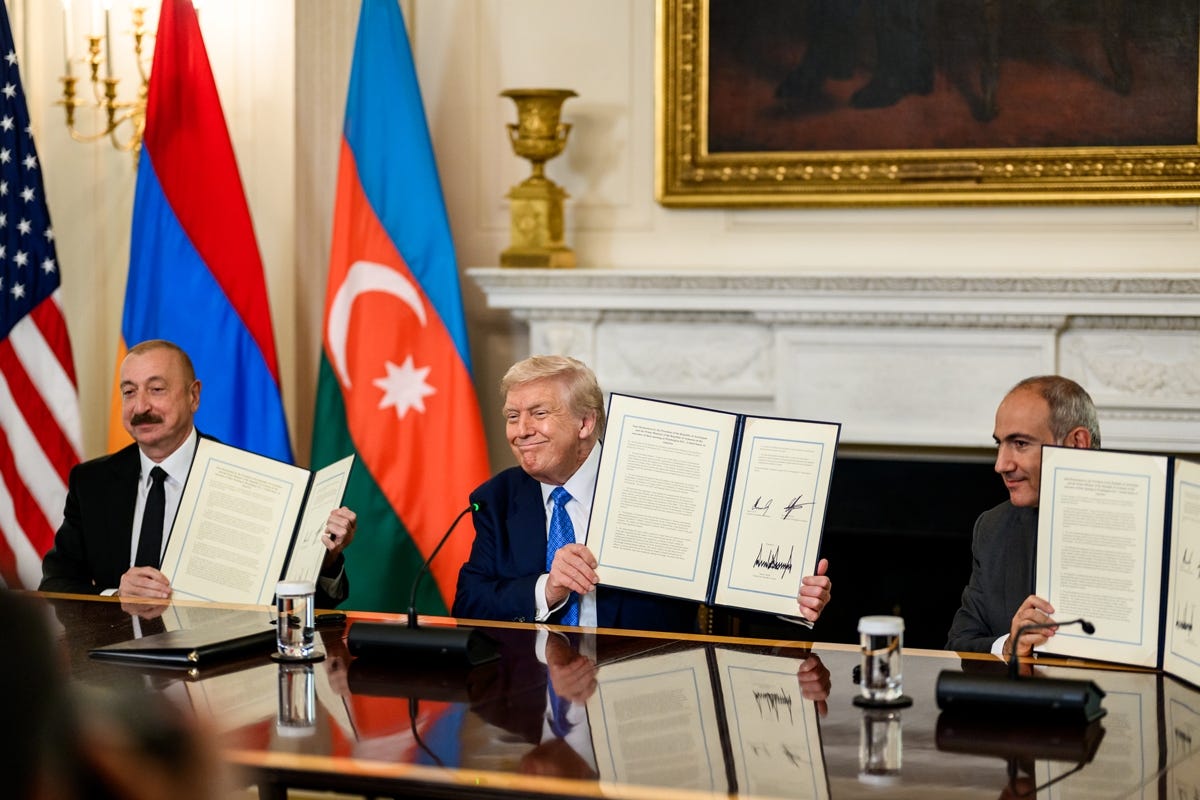
There has already been some interesting finance moving in, Baku is stepping up construction along its border (the Goradiz–Agbend railway segment around 110 km of track approaching the Armenia frontier) ahead of a planned start of works in Armenia in late 2026, underscoring both commercial ambitions and geopolitical shifts in the region. And Mitsubishi UFJ Financial Group has put up €2.4 billion that will underpin the construction of the 224‑kilometre Kars–Iğdır–Aralık–Dilucu railway, a double‑track, electrified line linking eastern Turkey to the Dilucu border crossing with Azerbaijan’s Nakhchivan exclave. The line forms a critical supporting infrastructure to the TRIPP. More news likely later this week!
Panama’s Supreme Court voids CK Hutchison’s port concessions
Panama’s Supreme Court decision to void CK Hutchison Holdings Ltd.’s port concessions at Balboa and Cristóbal has once again put the country at the centre of questions about who controls vital global trade routes. The court ruled that the contracts, which had been extended in 2021, were inconsistent with constitutional requirements, citing concerns over exclusivity, tax exemptions, and limited regulatory control. The plenary of the Court ruled that the legal framework underpinning the concession, notably Law No. 5 of 1997, its subsequent addenda and the 2021 extension of the lease, contravened Panama’s Political Constitution, undermining constitutional safeguards on public assets and state oversight.
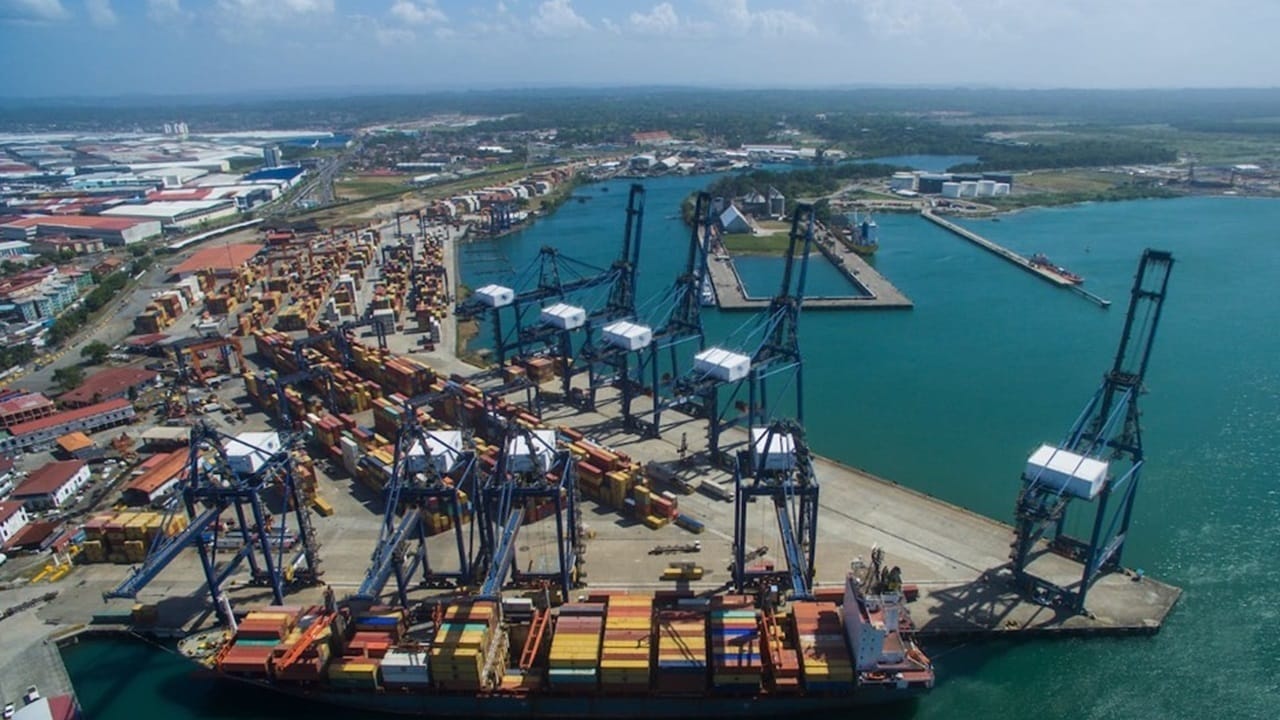
In its formal declaration, the Court annulled the statutes and executive acts that gave legal effect to the concession, effectively wiping the contract off the legal books. It did not immediately specify a timeline for enforcing the annulment or the mechanism for transfer of operations. In response, Panama’s president has outlined a transition plan in which the Panama Ports Company (PPC) continues to operate until the ruling becomes final and a technical team prepares a new competitive process under terms Panama deems more favourable (and open to US interests). PPC has criticised the ruling as lacking legal basis and warned it jeopardises not only its operations but broader economic stability. It has launched international arbitration under commercial rules, a process that could take years.
Updated Destiny
The Financial Times has provided an update on the Nevis-based Destiny SEZ story covered in the last newsletter. It suggests that the wealthy bitcoin investor’s company was involved in the shaping of the Special Sustainability Zones Authorisation Act (SSZAA). One person commented to the FT that “When you read the SSZ Act, you can see that it could very well have been drafted for this libertarian group.”
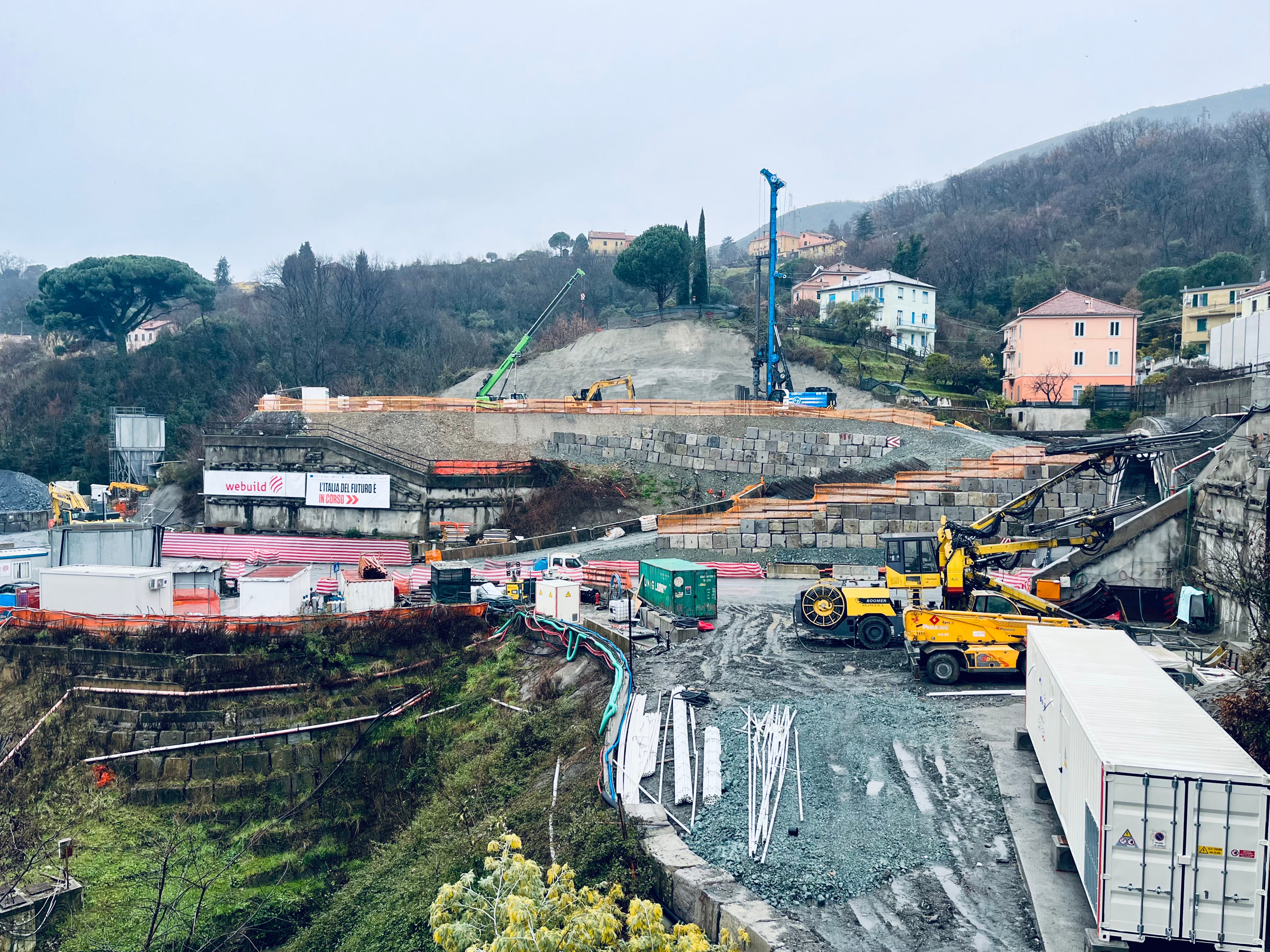
Last week I was out with Alberto Valz Gris and Francesca Governa learning about the massive engineering works surrounding the Terzo Valico dei Giovi, a new train-line connecting Genoa to the cities of Turin and Milan and onto the Ten-T network (Photo: J.Silver).
The Mauritania Railway is a 704-kilometer line linking the iron-mining center of Zouerat with the port of Nouadhibou. Atop a hopper car, we journey through vast Saharan landscapes with the people who rely on the train for their survival.
Featuring a selection of new academic papers (and a book!) covering various types of scholarship on global infrastructure:
Silicon Elsewhere Nairobi, Global China, and the Promise of Techno-Capital by Andrea Pollio, California University Press (Open Access Book)
Heralded as Africa’s “Silicon Savannah”—a cradle of innovation—Nairobi has become a technology and innovation capital for Kenya and for the continent at large. With a national strategy that has prioritized digital technology for the last two decades, many Chinese digital champions, smaller startups, and investors have since chosen Nairobi as their African landing pad. Mapping the interface between Nairobi’s innovation scene and China’s digital presence there, Silicon Elsewhere tells a unique story of ingenuity and adaptation, failure and speculation, and hopefulness and pragmatism. Andrea Pollio’s ethnography draws on interviews with cautious venture capitalists, renegade entrepreneurs, dedicated bureaucrats, and ambitious data scientists to explore the competing meanings of contemporary techno-capital. Moving between leafy coworking spaces and the temperature-controlled rooms of brand-new data centers, Pollio locates Nairobi among the experimental capitals, not peripheries, of technological change in the early twenty-first century.
Lunar roads and connectivity: Infrastructure, governance, and resource politics beyond earth by Caitlin Ahrens and Bohumil Dobo in Space Policy
This paper explores the strategic importance of roads on the Moon as a foundational element of future lunar infrastructure, focusing on their implications for geopolitical influence, resource management, and international collaboration. Drawing on the concept of connectography, we argue that roads on the Moon will serve not only practical purposes but also strategic functions: enabling resource access, facilitating territorial soft power, and anchoring multinational management. Within the legal and ethical frameworks of space treaties, like the Outer Space Treaty, we examine how lunar roads could evolve from utilitarian pathways into instruments of cooperation or conflict. Finally, we assess how road networks could contribute to sustainable lunar development and open legal questions.
Paving the empire: Roads, compulsory labor, and logistical governance in late-Ottoman modernity by Orhan Hayal in Journal of Historical Geography
This article argues that road construction in the late Ottoman Empire was a contested socio-material project in which the state attempted to regulate circulation, discipline labor, and territorialize authority. Ottoman technocrats envisioned calculable and governable imperial space through standardized road geometries, technical surveys, and labor regimes; the state undertook to build the material conditions for highly networked circulation and mobility through well-paved chaussées. Roads became a contentious public asset over time as a central political object, especially because of the prestation/compulsory labor system — a legal obligation imposed on all male for road construction — which individualized people as taxable bodies while also totalizing them into a productive workforce. The paper favors a techno-political understanding of Ottoman modernization by outlining that infrastructural modernity was less a straight path to progress and more an improvised assemblage in which political imaginations, expertise, technical flaws, environmental frictions, and compulsory labor resentments co-produced a fragile but enduring form of governance.
No posts
Comments
Nothing yet. Say the first thing.
Sign in to join the conversation.