
On September 12, 2000, the year of Y2K and 364 days before everything changed in America, Emmylou Harris released an album that was noteworthy because the longtime song interpreter had written or co-written 11 of the 12 tracks on it.
“Red Dirt Girl” followed 1998’s “Return of the Grievous Angel,” Harris’ loving and highly successful tribute album to Gram Parsons, her first duet partner. It came five years after the Daniel Lanois-produced “Spyboy” and featured a similar soundscape. This time, however, Harris was totally in charge of the writing.
I highly respect Harris’ earlier works, including her Hot Band albums in the 1970s and ‘80s and the pair of “Trio” albums with Dolly Parton and Linda Ronstadt. Whether covering songs or providing backup to other musicians, she is peerless in her voice and her approach.
But for my money, “Spyboy,” along with the live album from that tour, and “Red Dirt Girl” are the go-tos in her catalogue. And my favorite song from those albums is “Boy From Tupelo.”
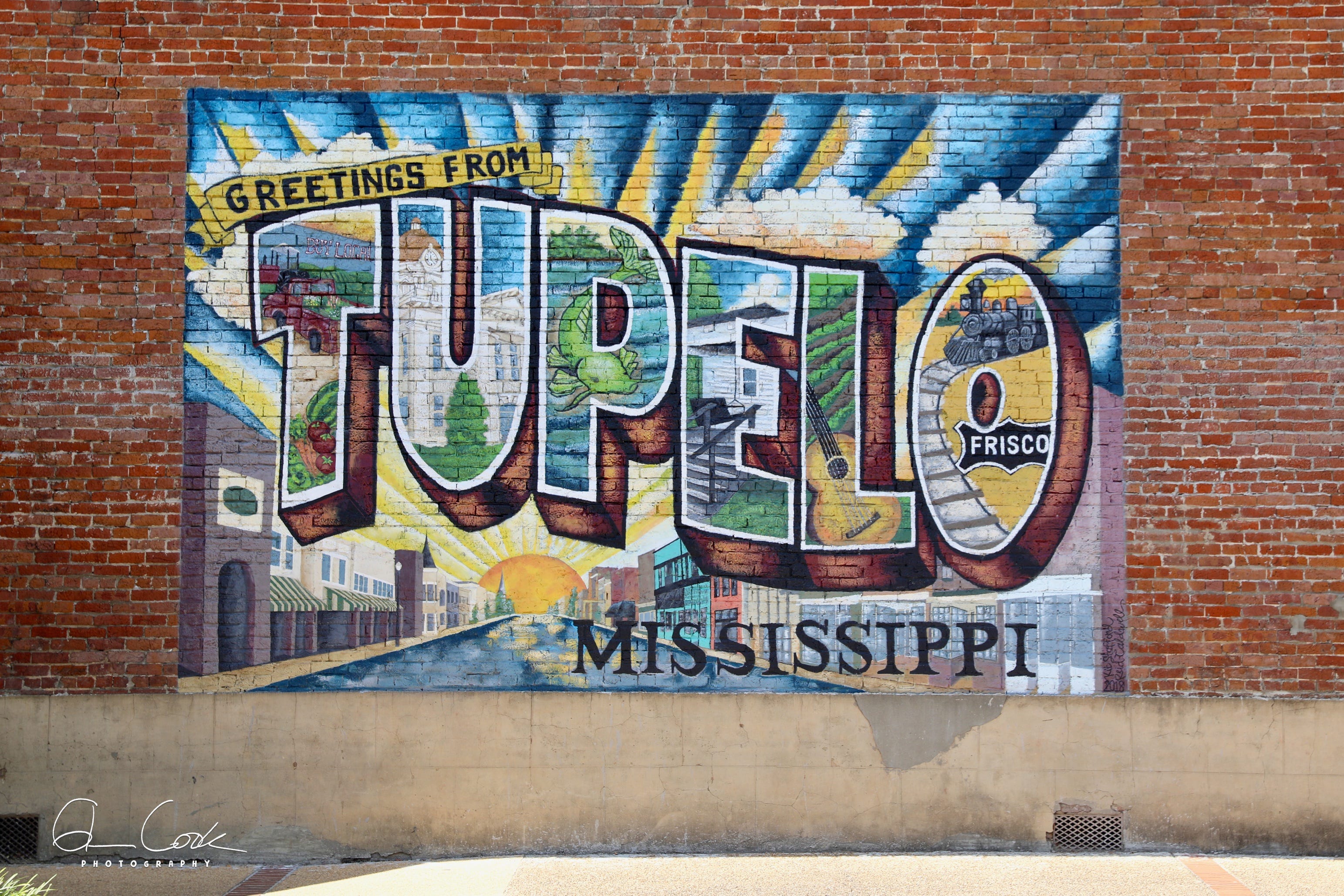
With Malcolm Burns and Ethan Johns doing the heavy lifting instrumentally, and Kate McCarrigle and Julie Miller providing background vocals, the haunting kiss-off song namechecks Parsons (“sweetheart of the rodeo”) and Elvis Presley, Tupelo’s most famous resident.
The song’s sweaty, swampy feel was on repeat as I drove into the town in northeastern Mississippi in the fall of 2019.
Elvis died 49 years ago Sunday in his Memphis, Tennessee, mansion, 23 years before Harris’ song was released. Ironically, Presley’s body of work — some scene changing, some life altering, much of it mixed with extended periods of dreck — also spans 23 years, from 1954’s “That’s All Right” when he was 19 to his prescription drug-addled death at 42.
Of the musicians I’ve photographed and written about, Presley is the artist I’ve devoted the most words to in my life. The reason is mostly personal; thanks to my father and grandmother, I cut my teeth on his music.
When he died, it felt like we had lost a member of the family.
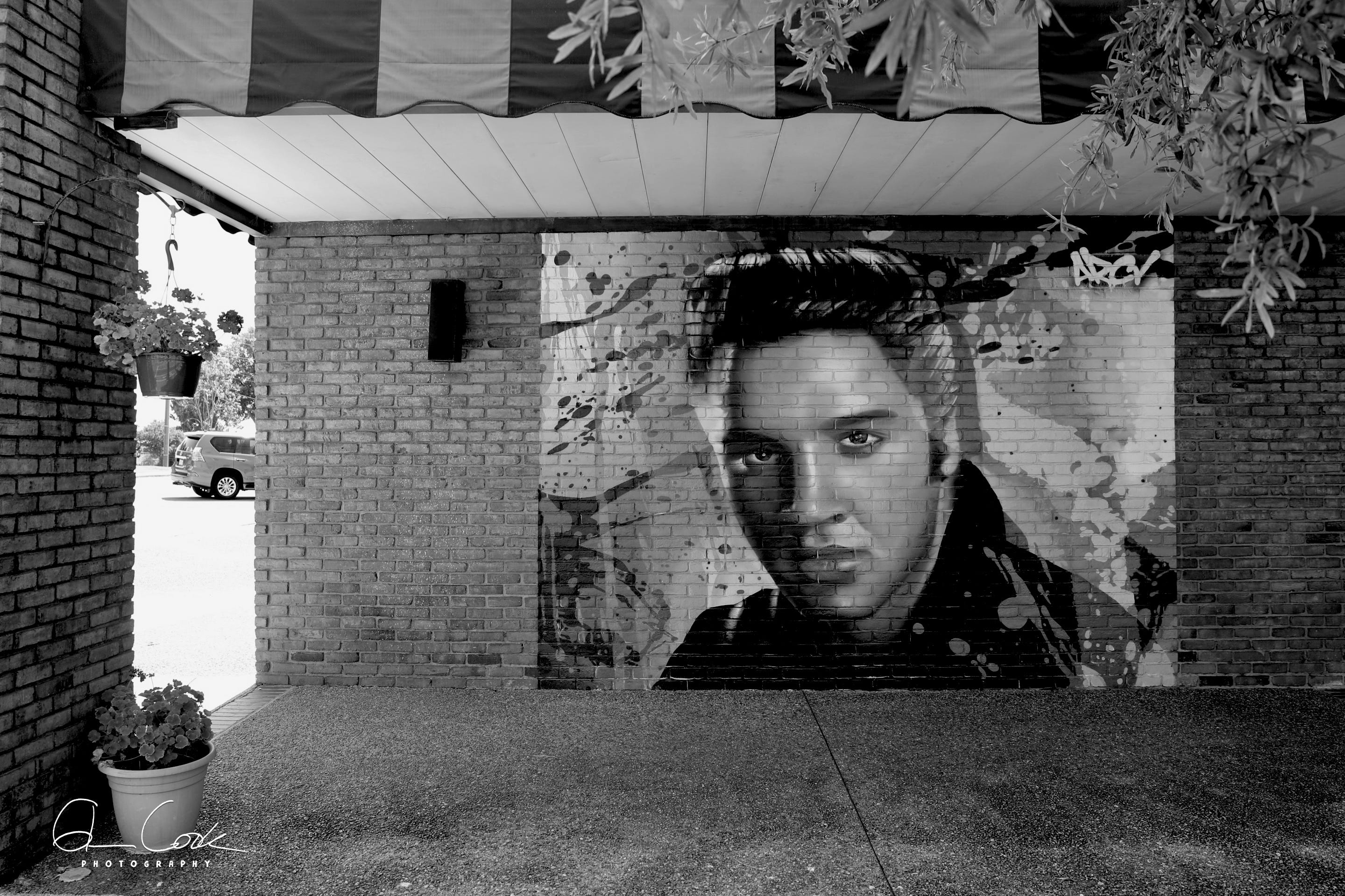
From a journalist’s perspective, Elvis’ often-told story is the ultimate cautionary tale, one repeated so often that is almost feels cliche. A Southern boy with immense talent who grew up in abject poverty, Presley became bigger than he ever dreamed by age 21, never overcame obvious childhood trauma, and lived in a tragic and fatal bubble.
Harris alludes to Presley’s upbringing in the song: “There’s nothing left for me round here / Looks like it’s time to disappear / Like the buffalo / That boy from Tupelo.”
The chorus ends with “Just ask the boy from Tupelo / He’s the king and he ought to know.”
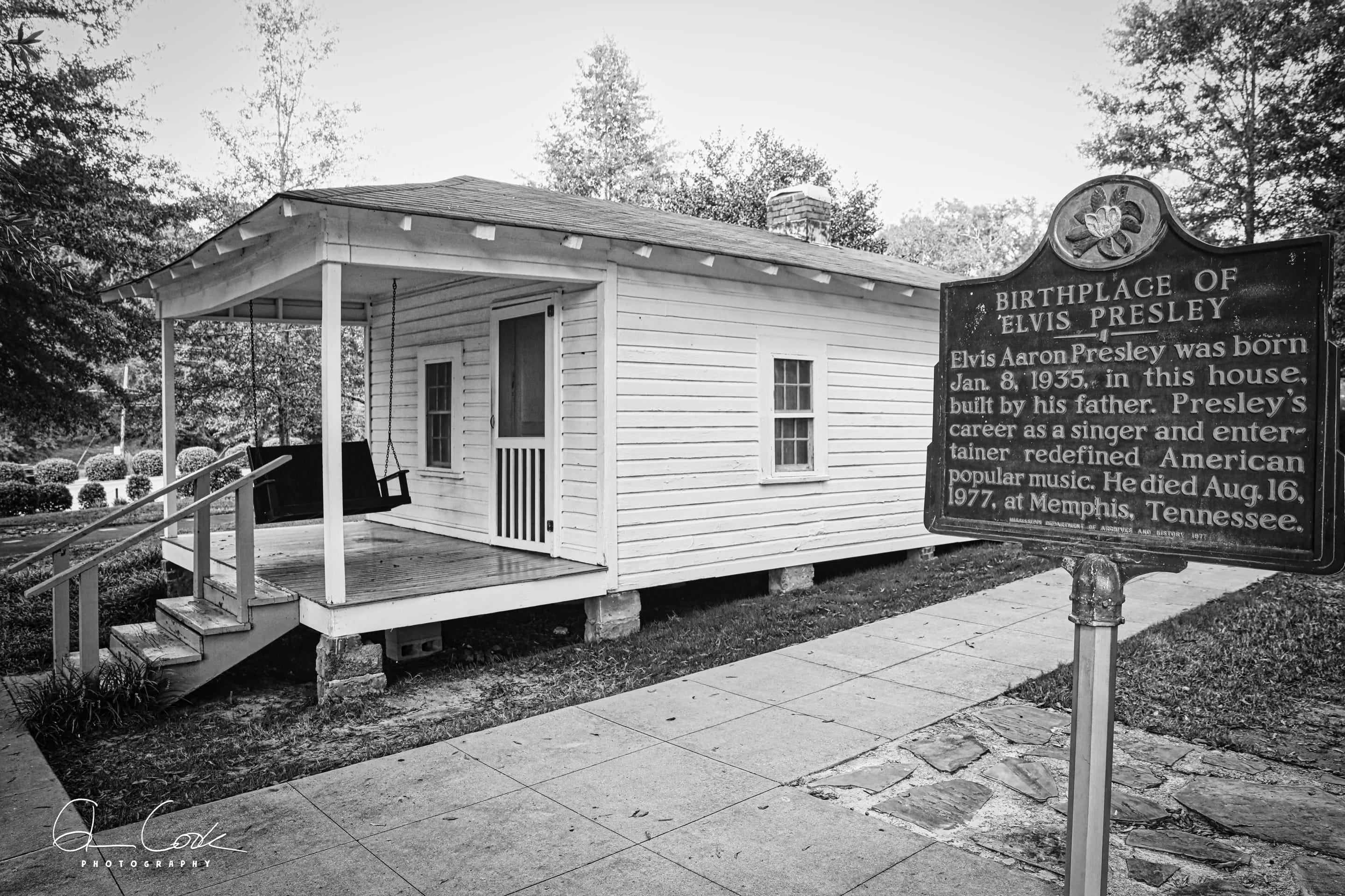
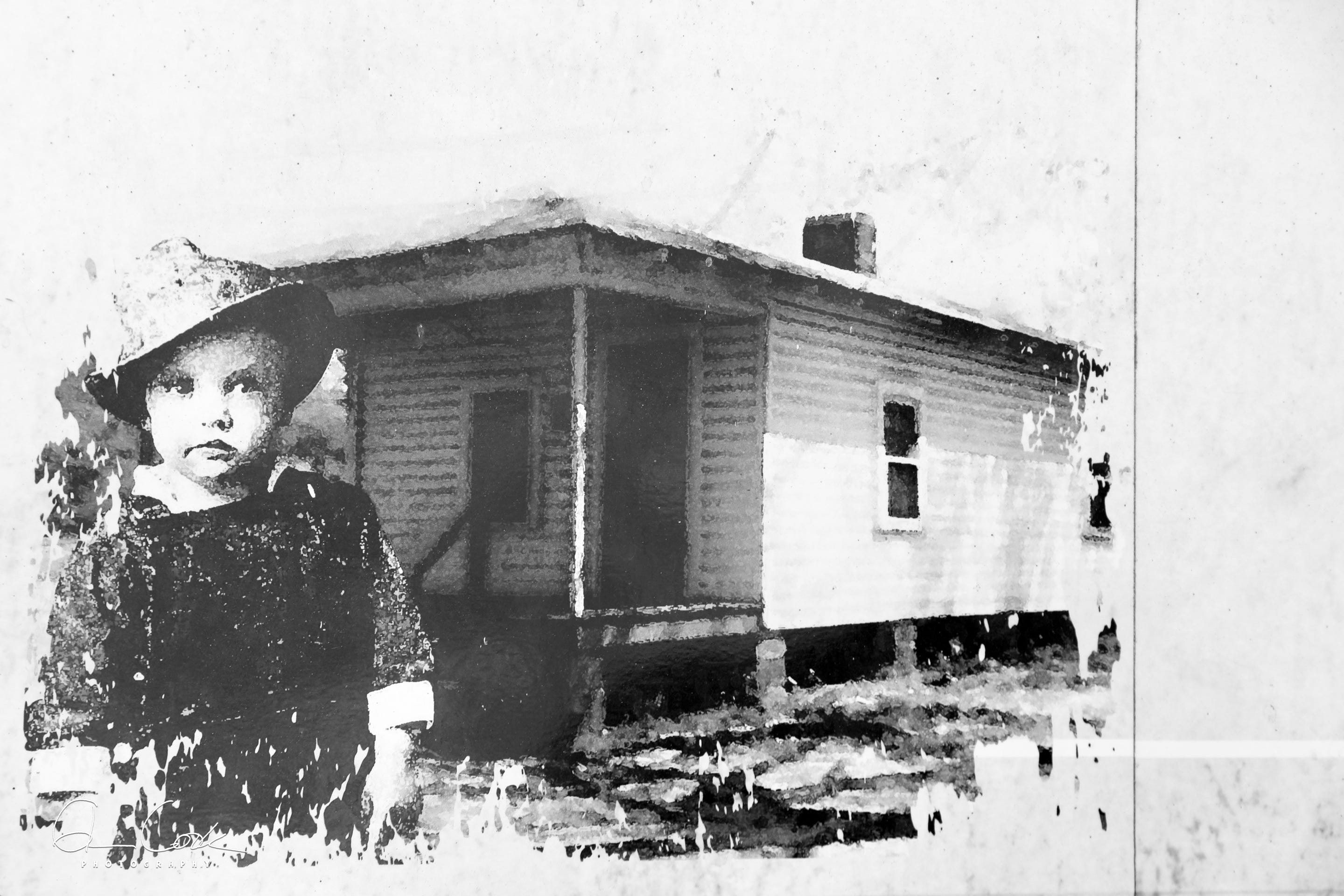
Presley moved with his parents from Tupelo to Memphis at age 13, living in federally subsidized housing throughout high school. After becoming famous, he returned to his hometown for two benefit concerts in 1956 and 1957; the last one helped the city purchase 15 acres of land that included the two-room house where he was born.
I’ve been to Graceland twice over the past dozen or so years. The first time was during an immersive tour of Memphis, where I visited Sun Studios, Stax, and the National Civil Rights Museum, among other iconic places. The second was a drive by after my stop in Tupelo. After seeing Presley’s birthplace, I didn’t need to spend the money on another Graceland tour.
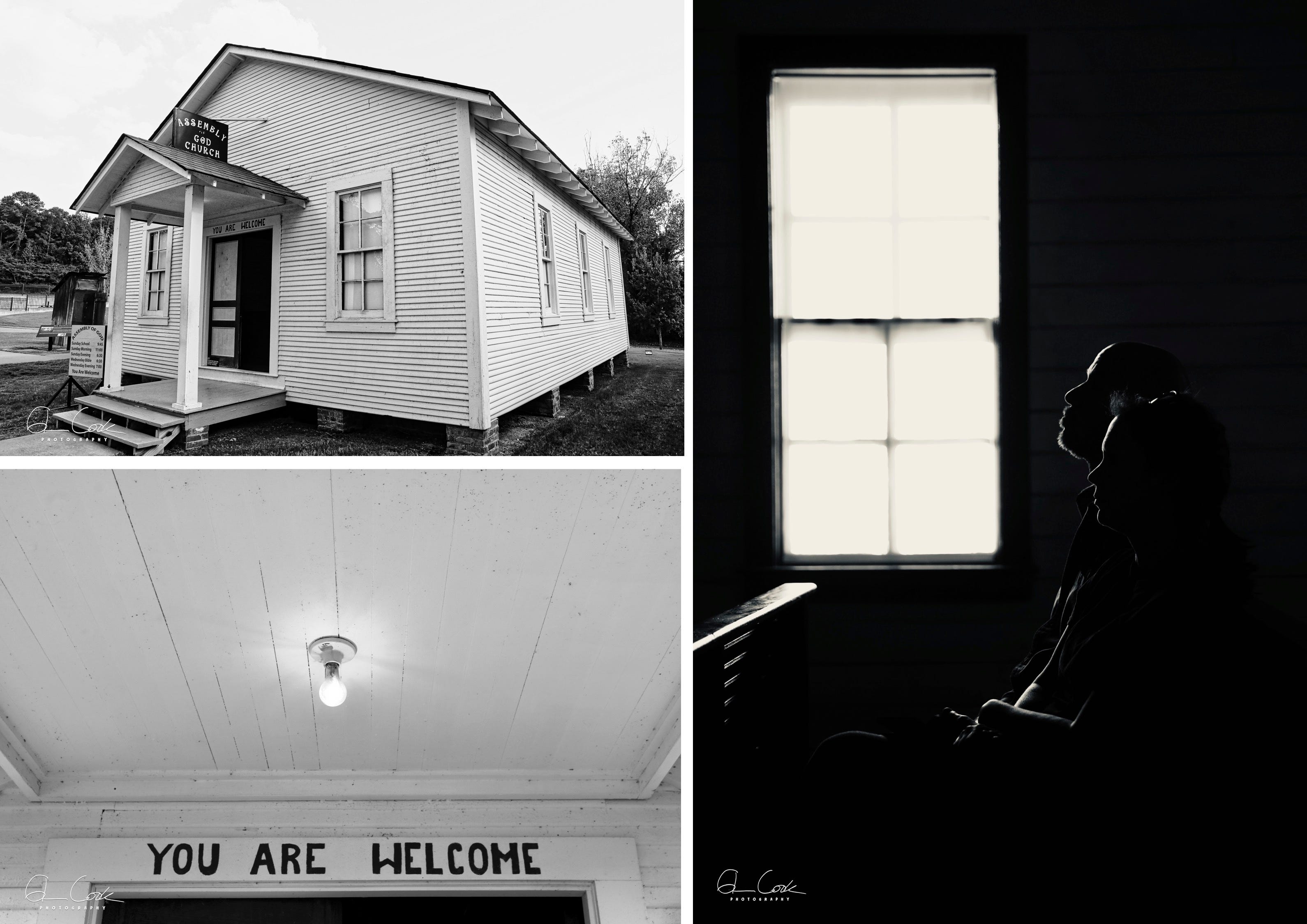
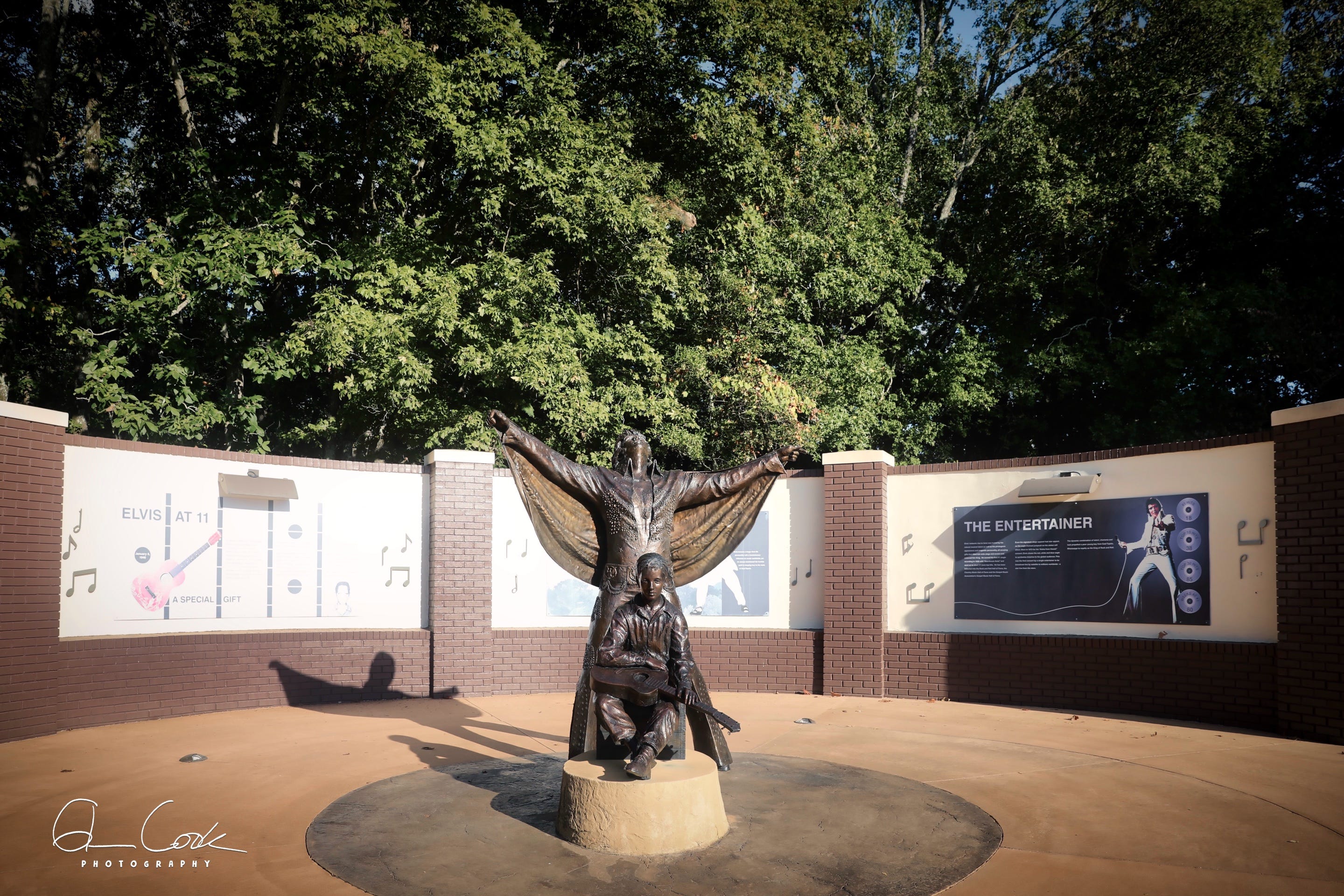
Located halfway between Memphis and Birmingham, Alabama, Tupelo was a hub of cotton textile mills when the Presley family lived there. Elvis’ father, Vernon, built the 300-square-foot home where Elvis was born in 1935. The site is now the Elvis Presley Birthplace Museum, and the grounds include the family’s church where he first began to sing, a replica of the family outhouse (yes, outhouse), the family’s car, a large park, and of course, a gift shop.
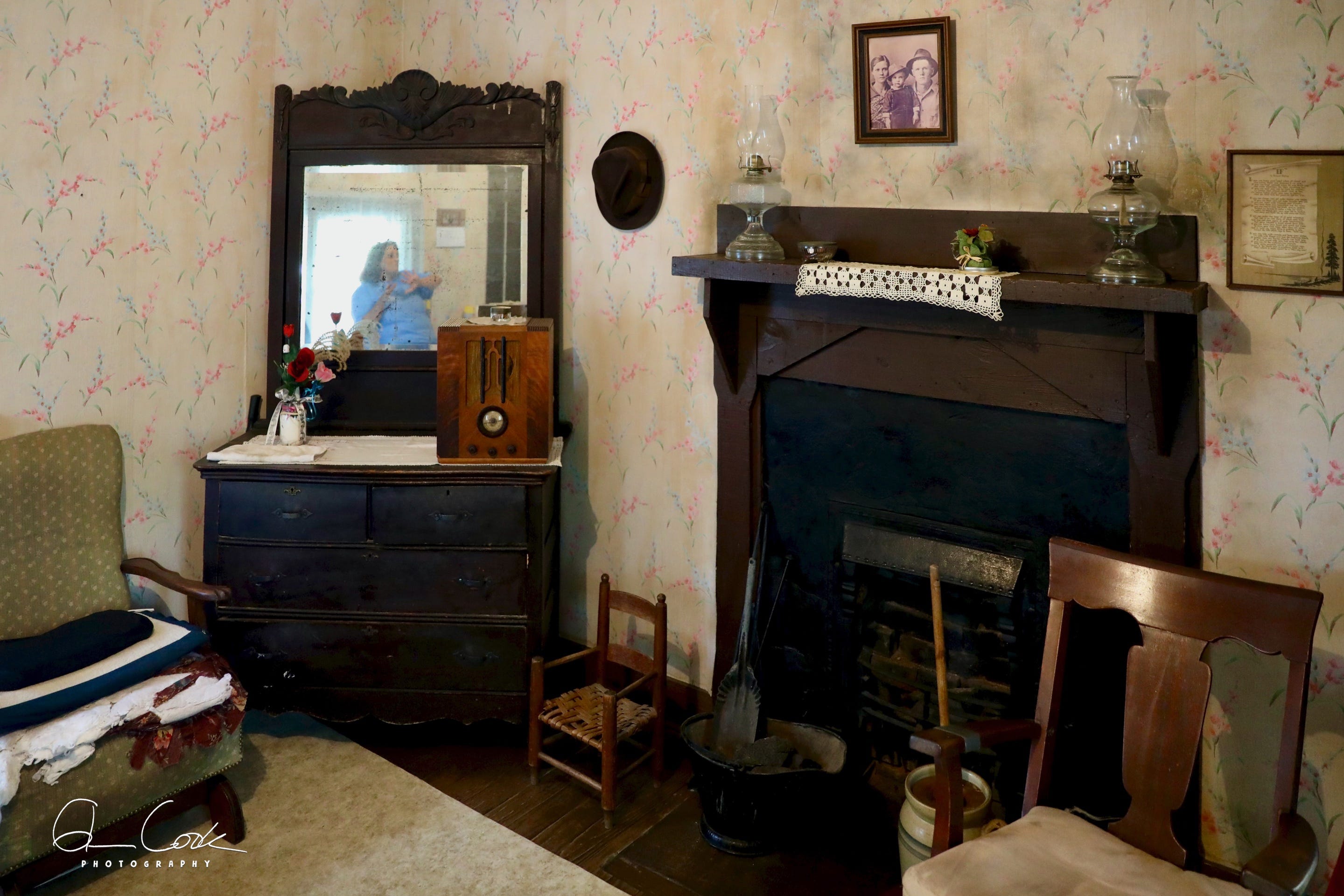
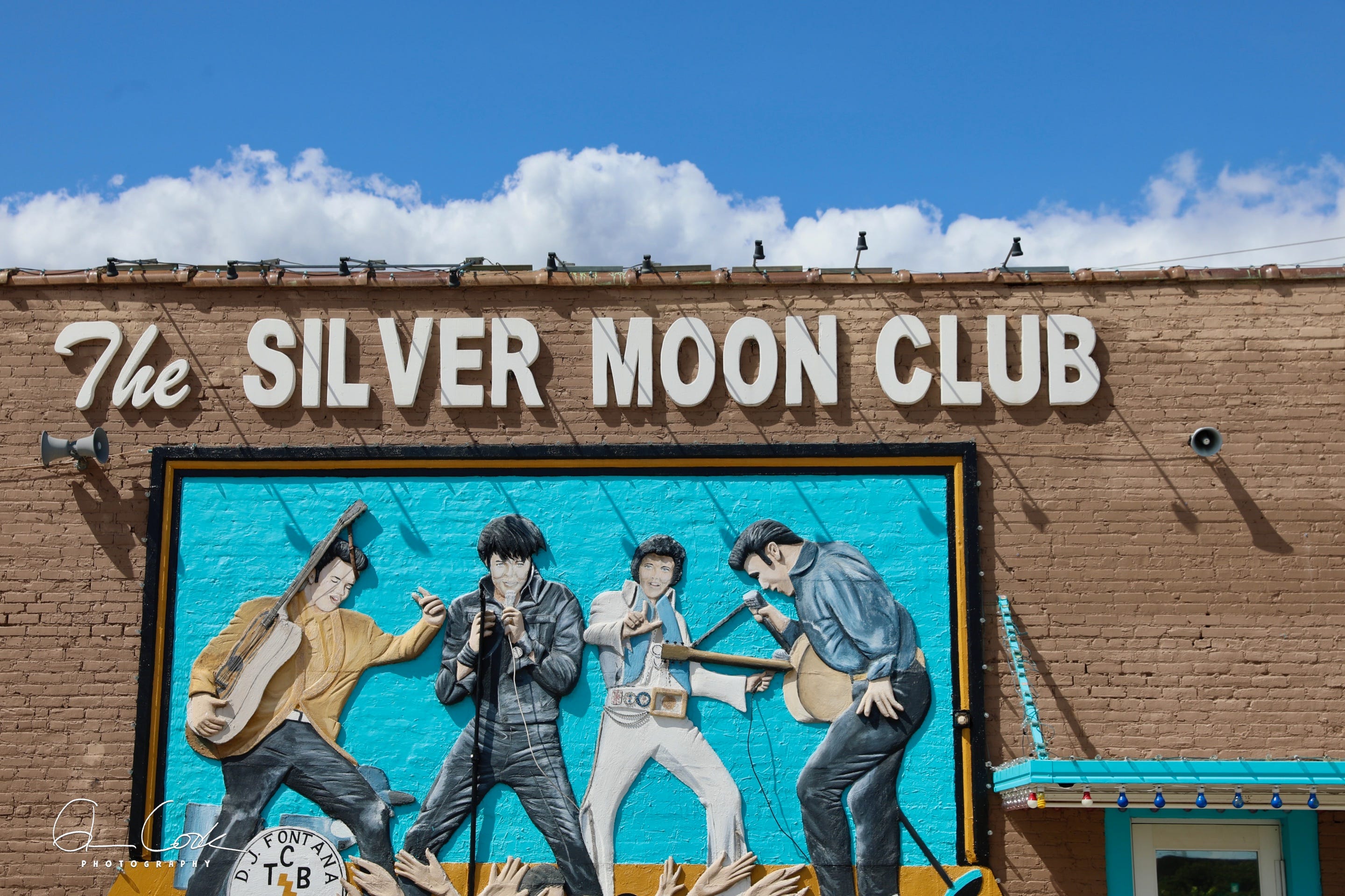
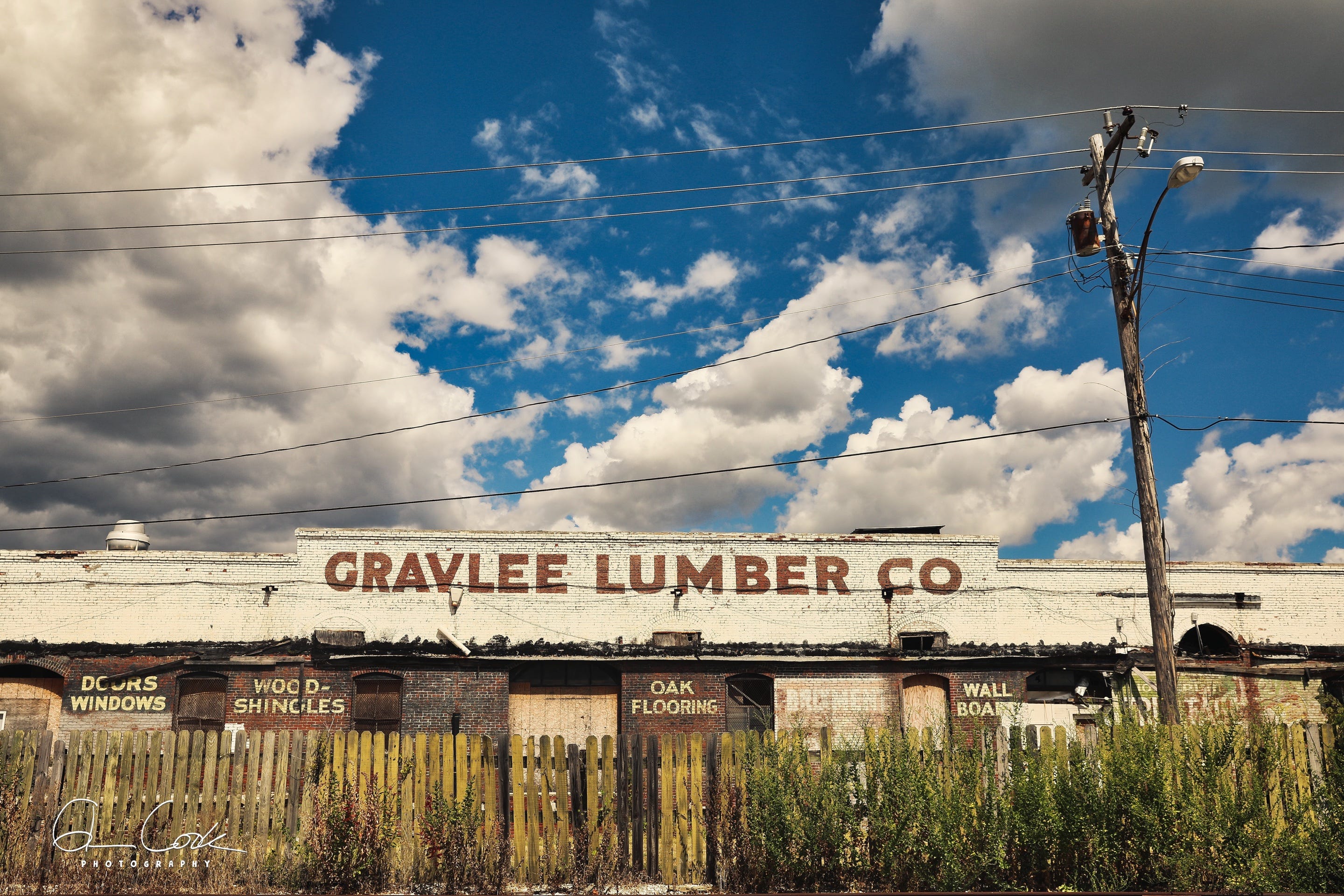
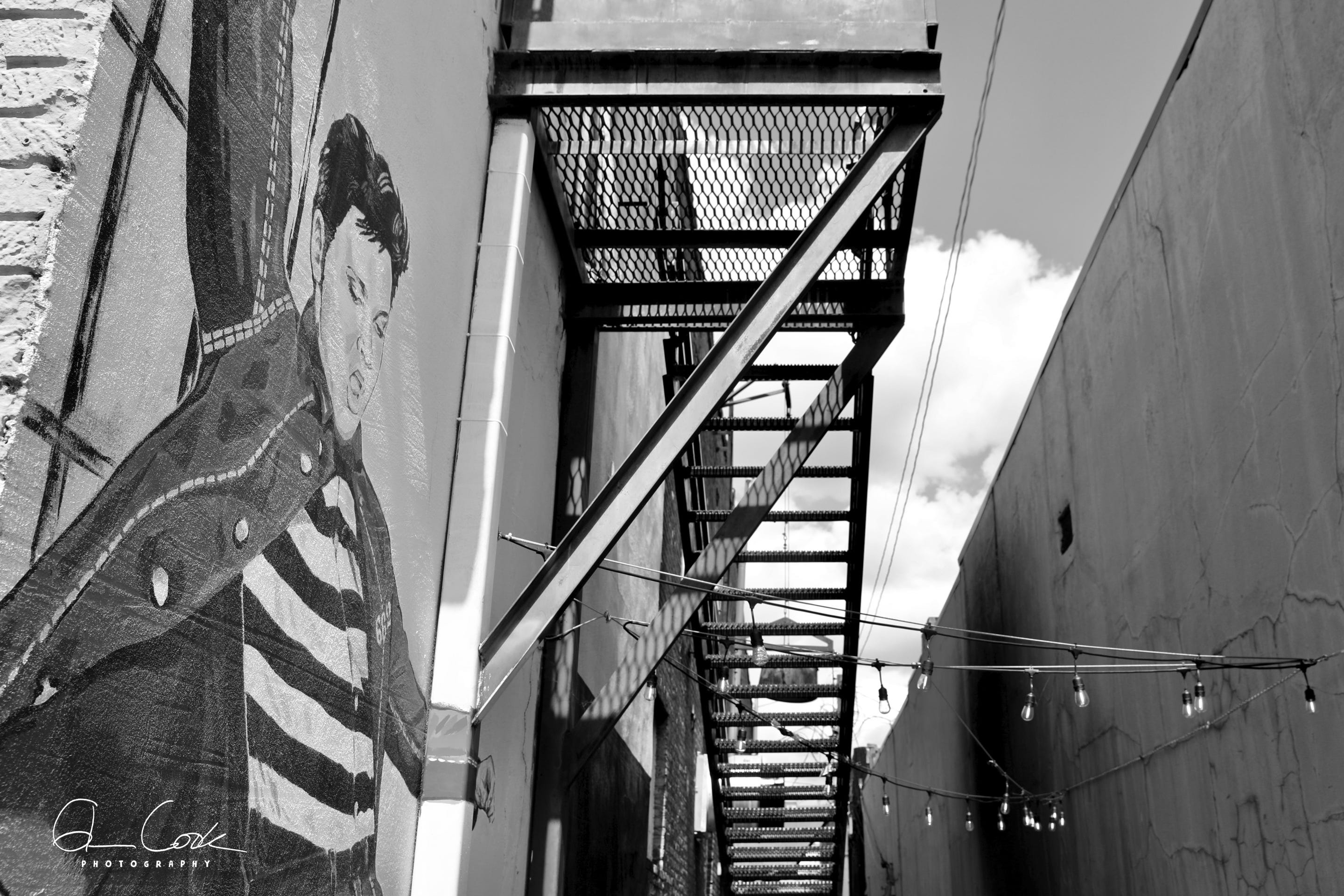
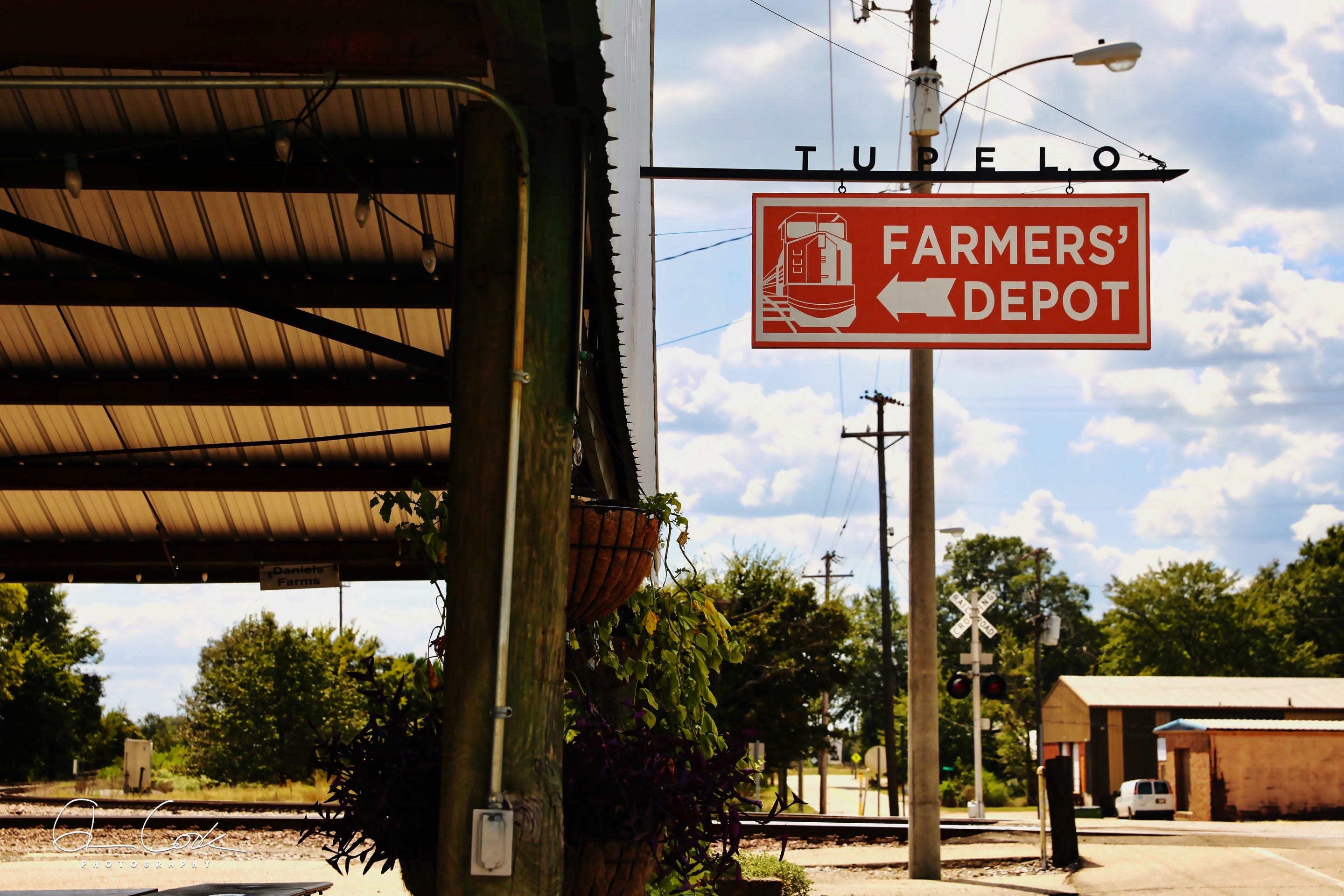
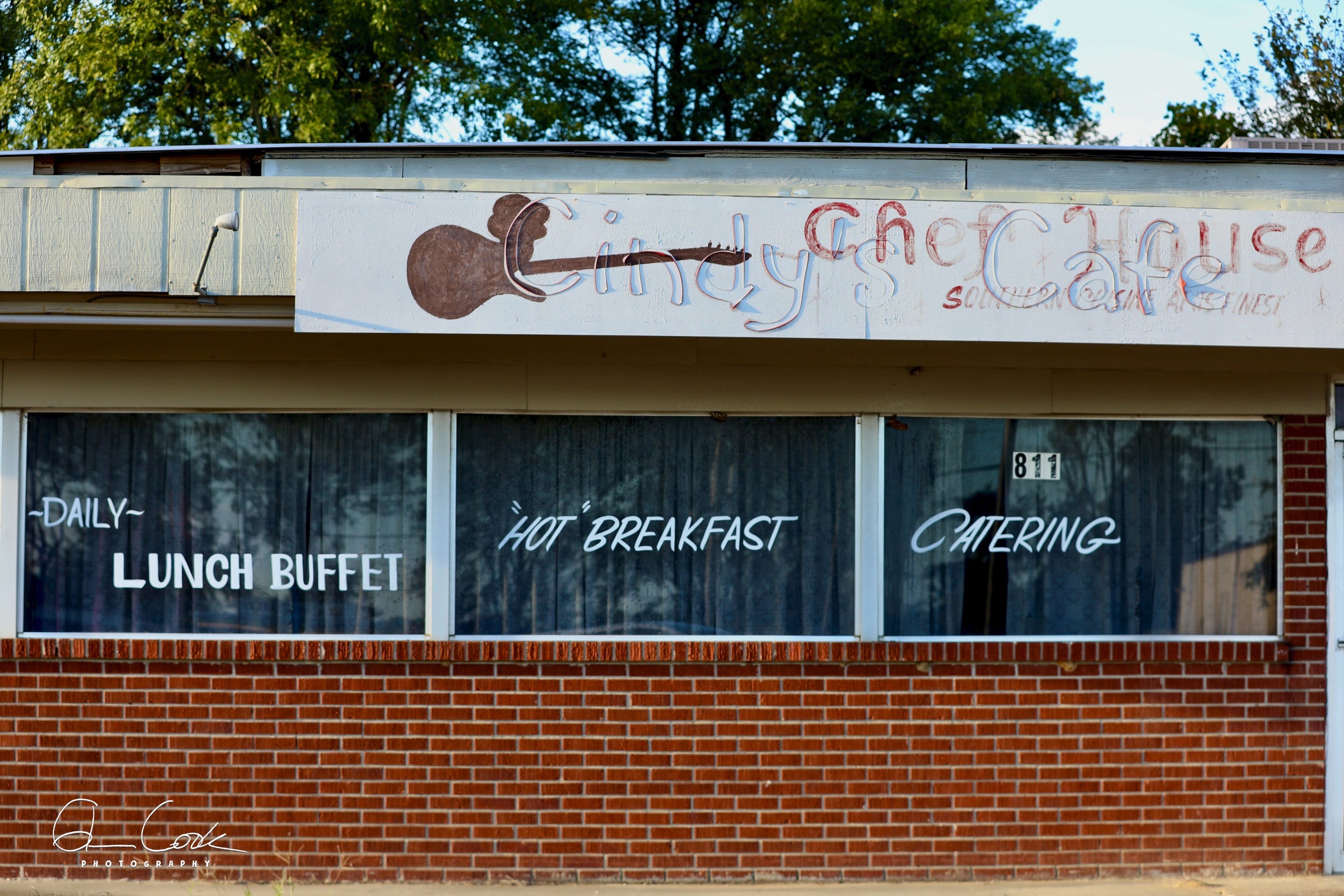
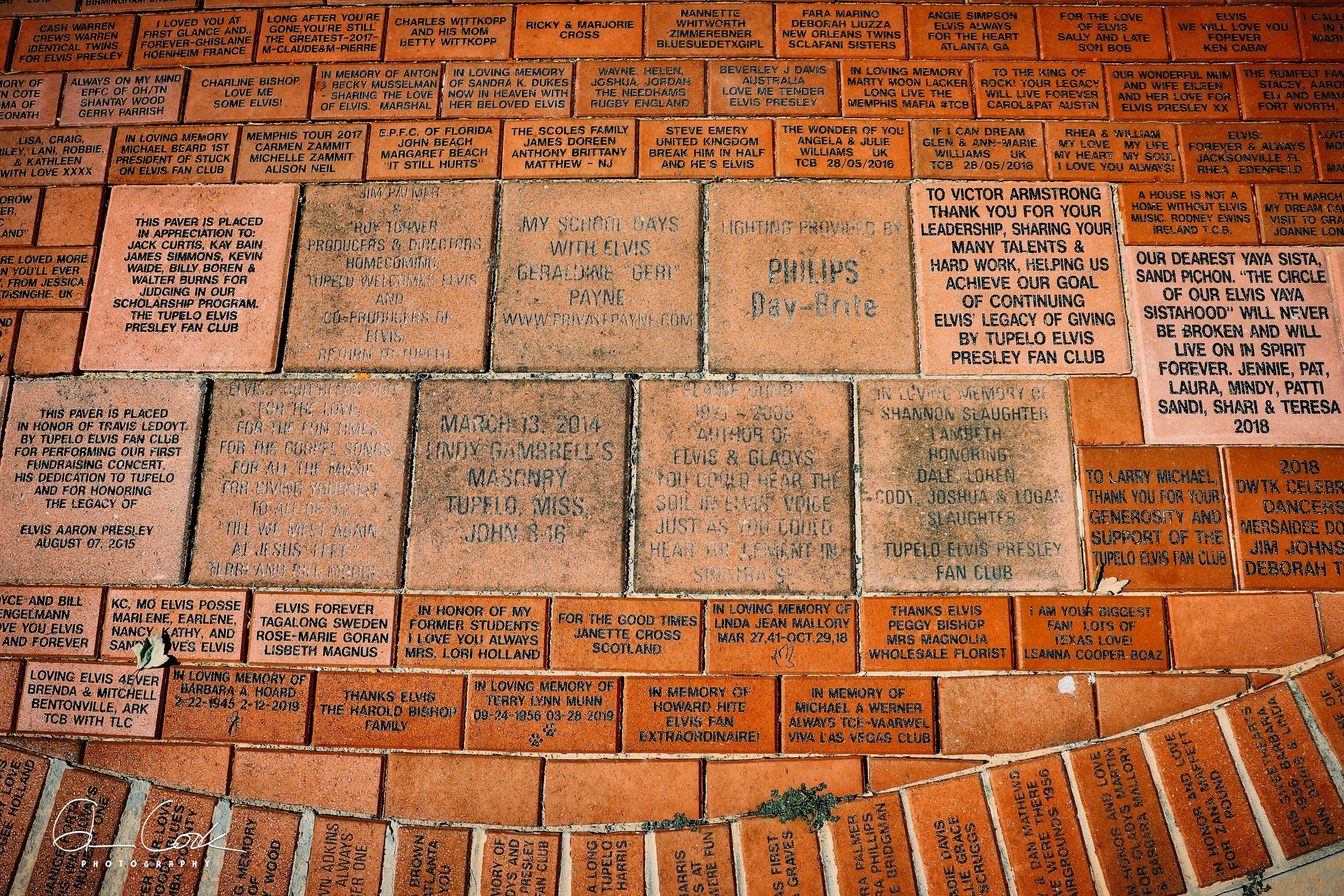
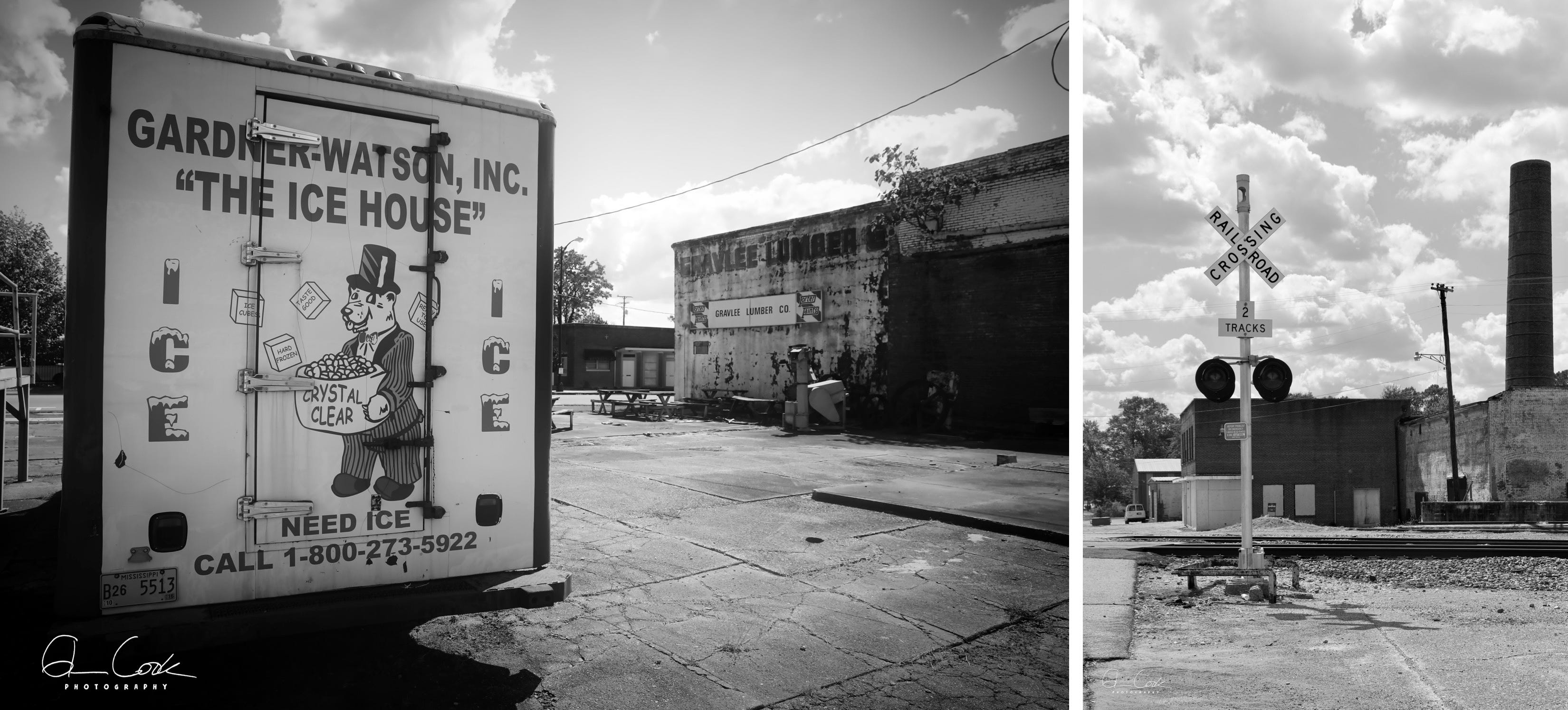
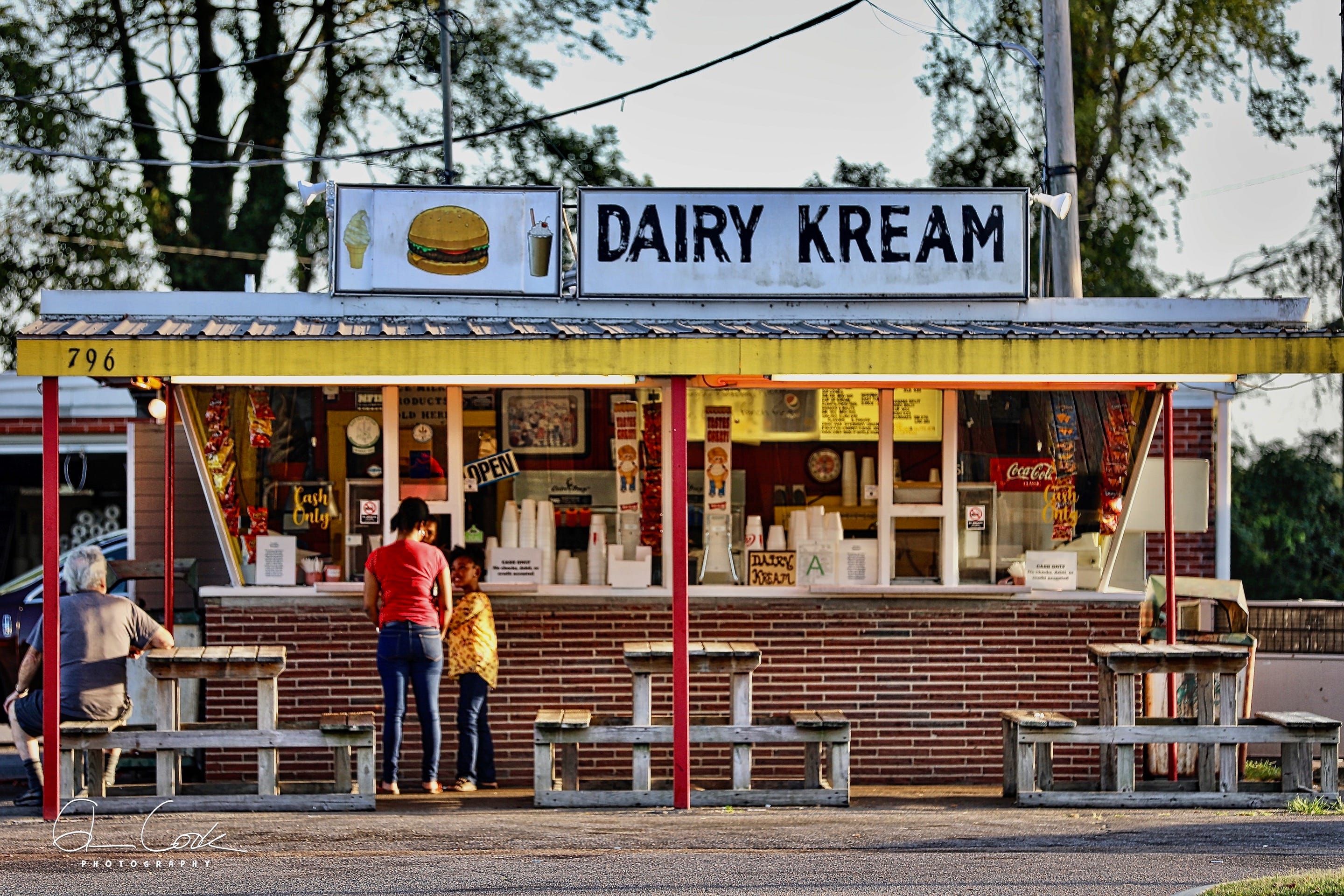
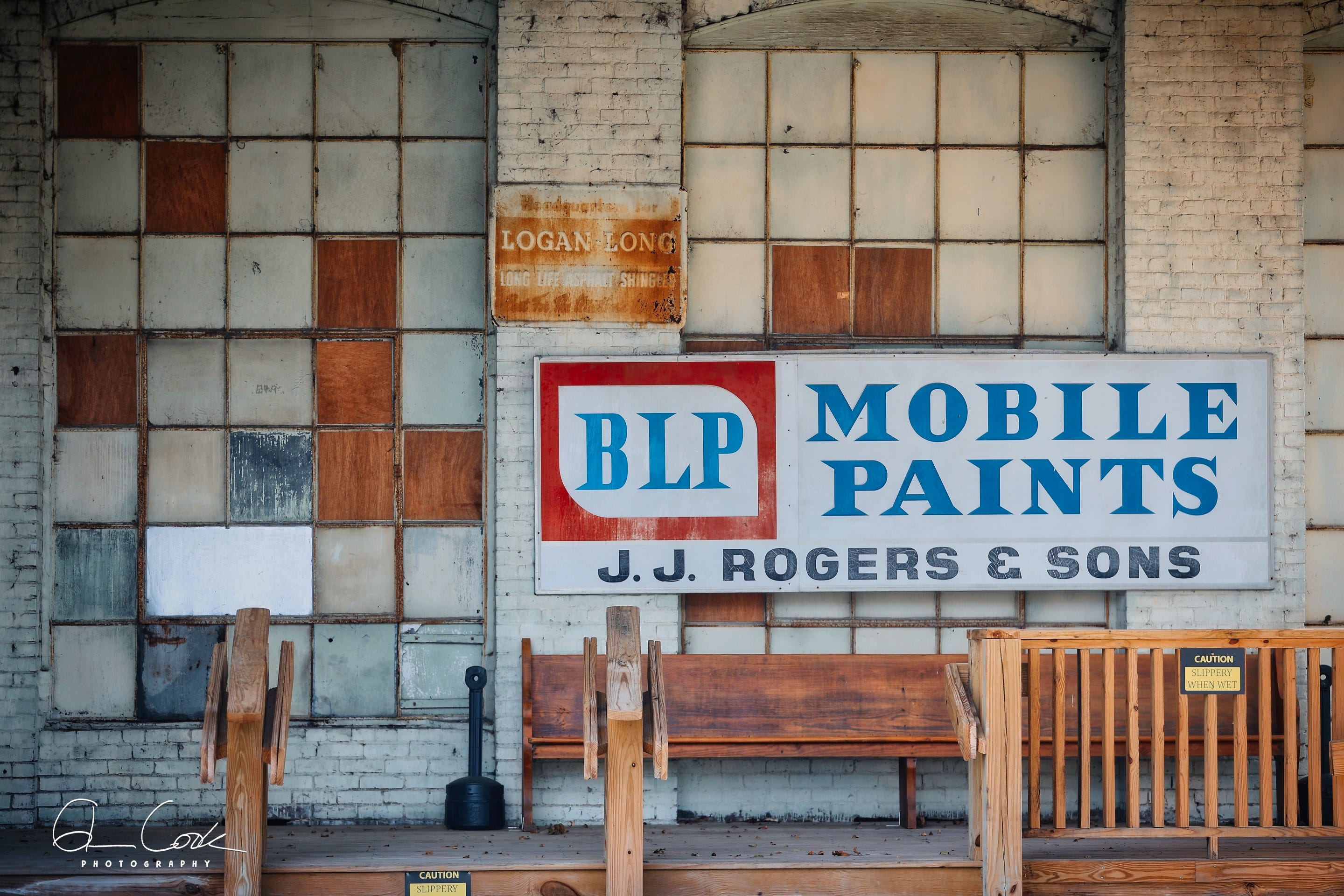
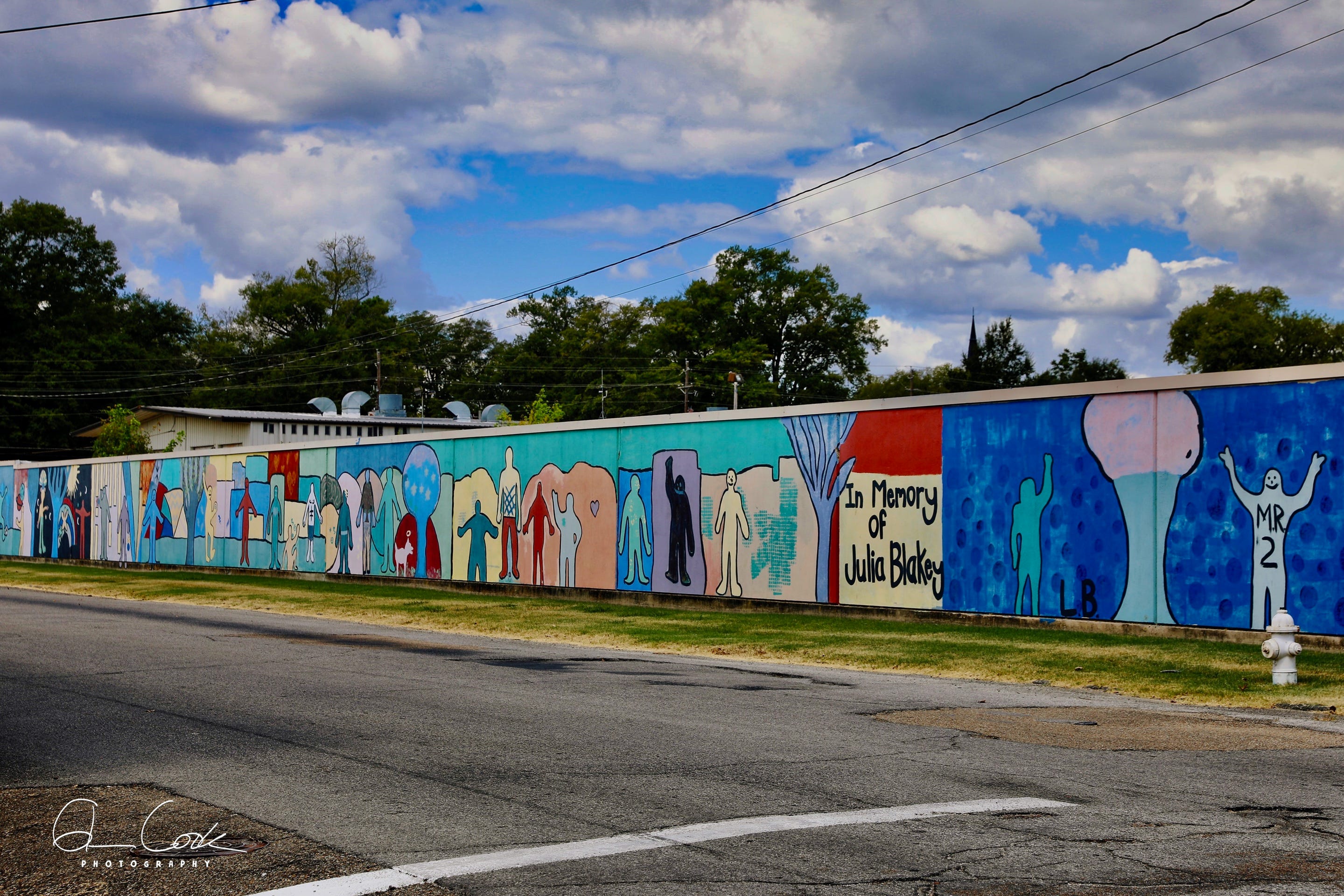
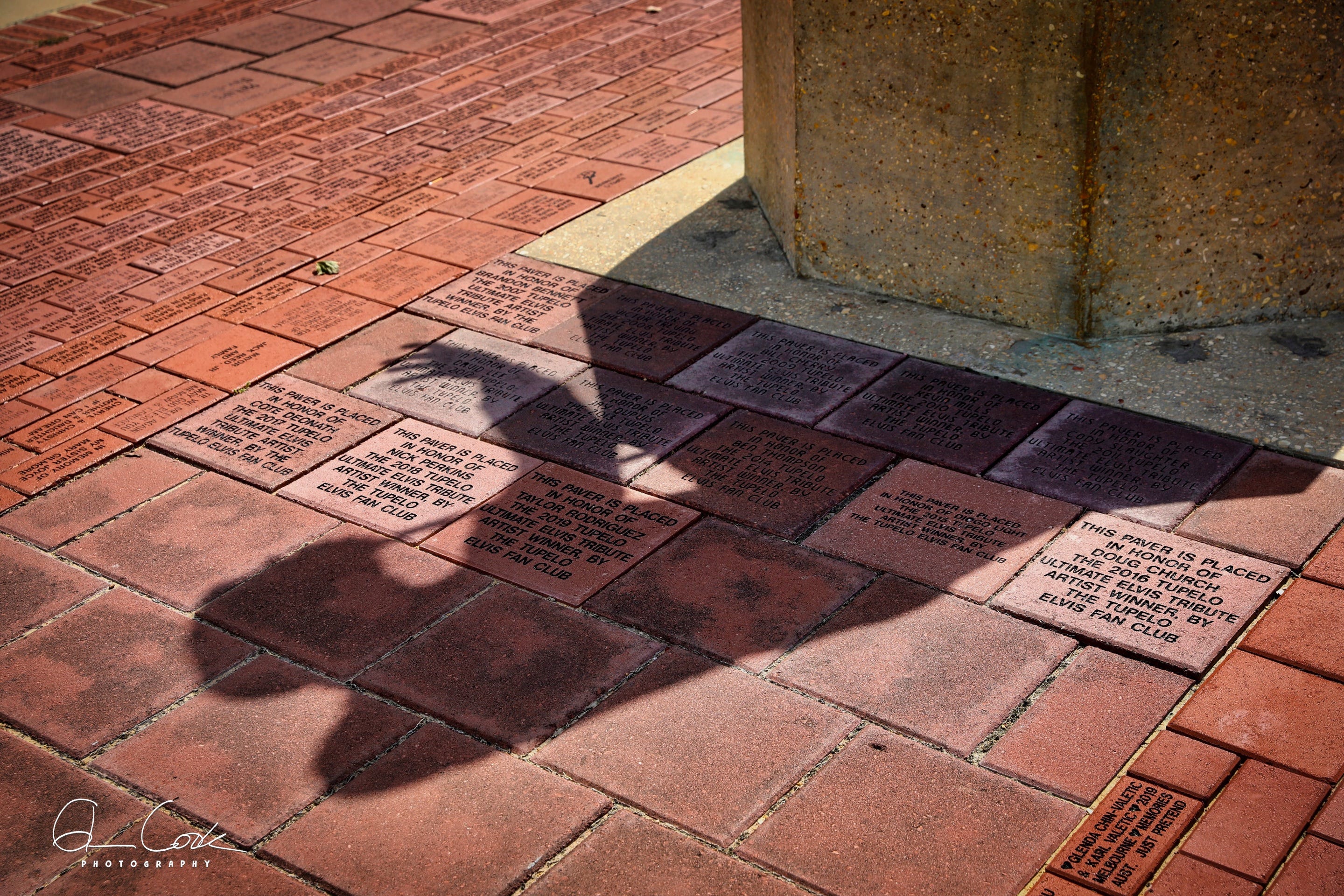
After a brief tour, which included a 15-minute recreation of the Assembly of God church services Presley attended, I drove through the older sections of Tupelo taking photos. It reminded me of many small and mid-sized Southern towns that still dot the landscape, with a remade Main Street that leans in heavily to its ties to its most famous resident.
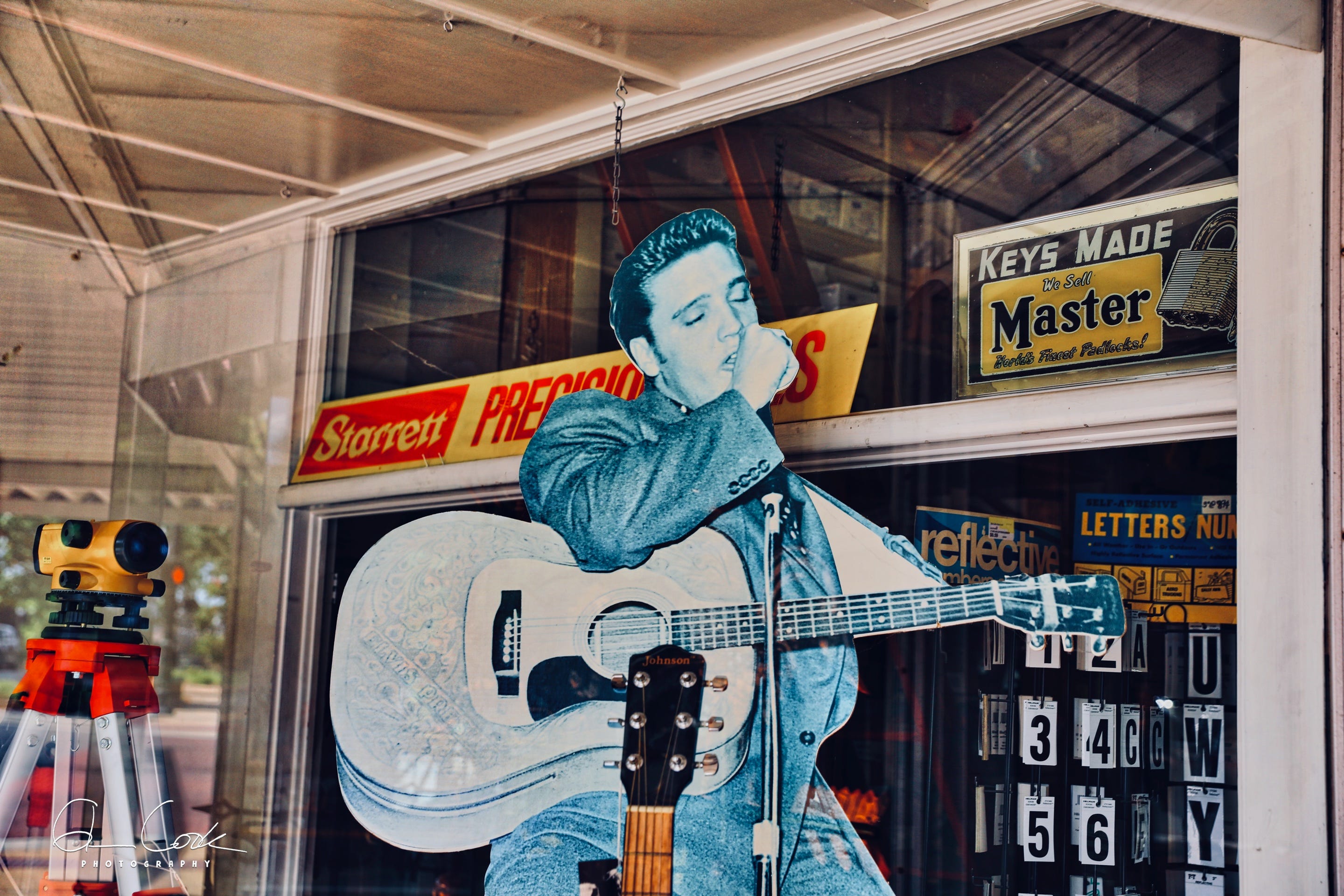
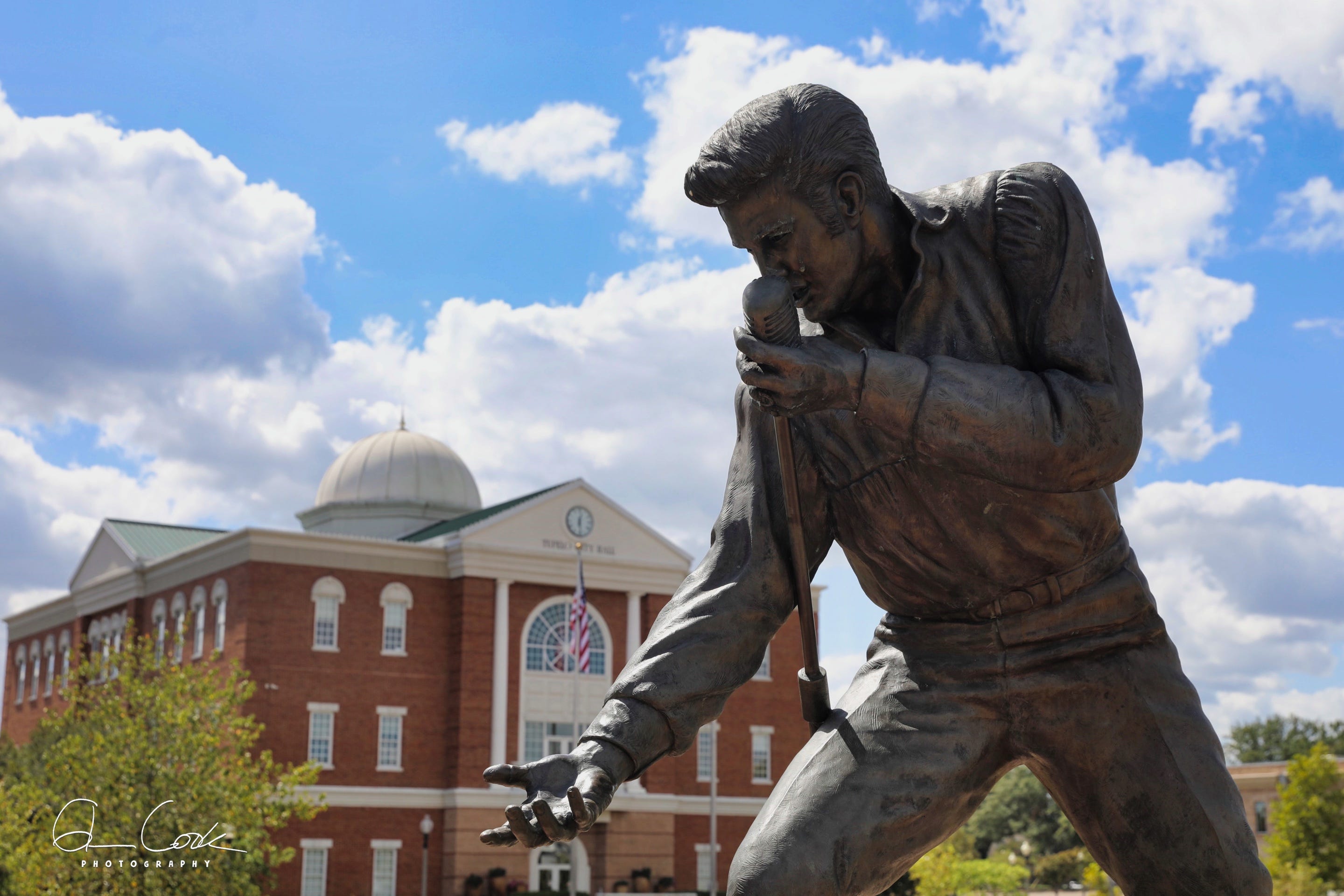
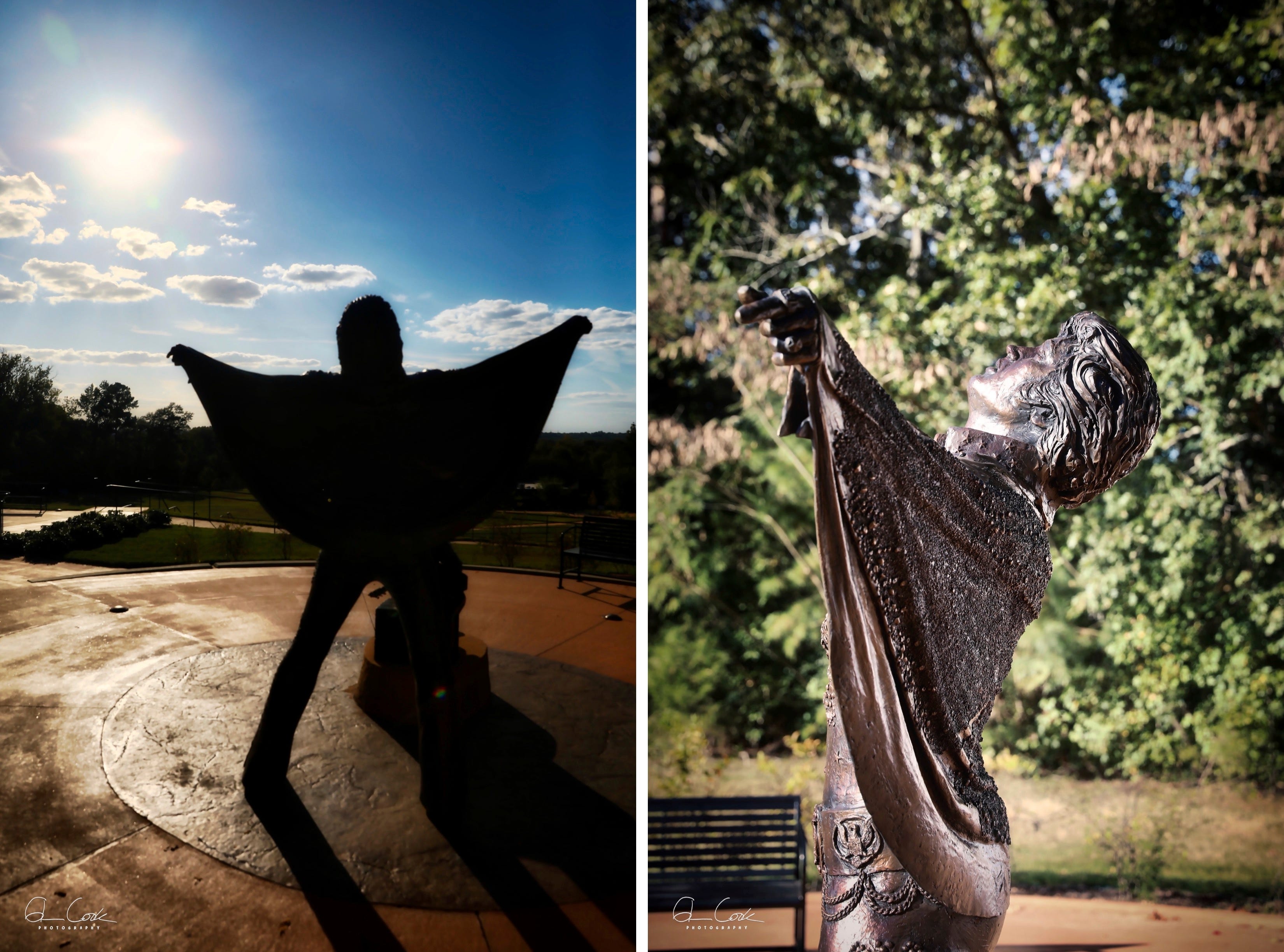
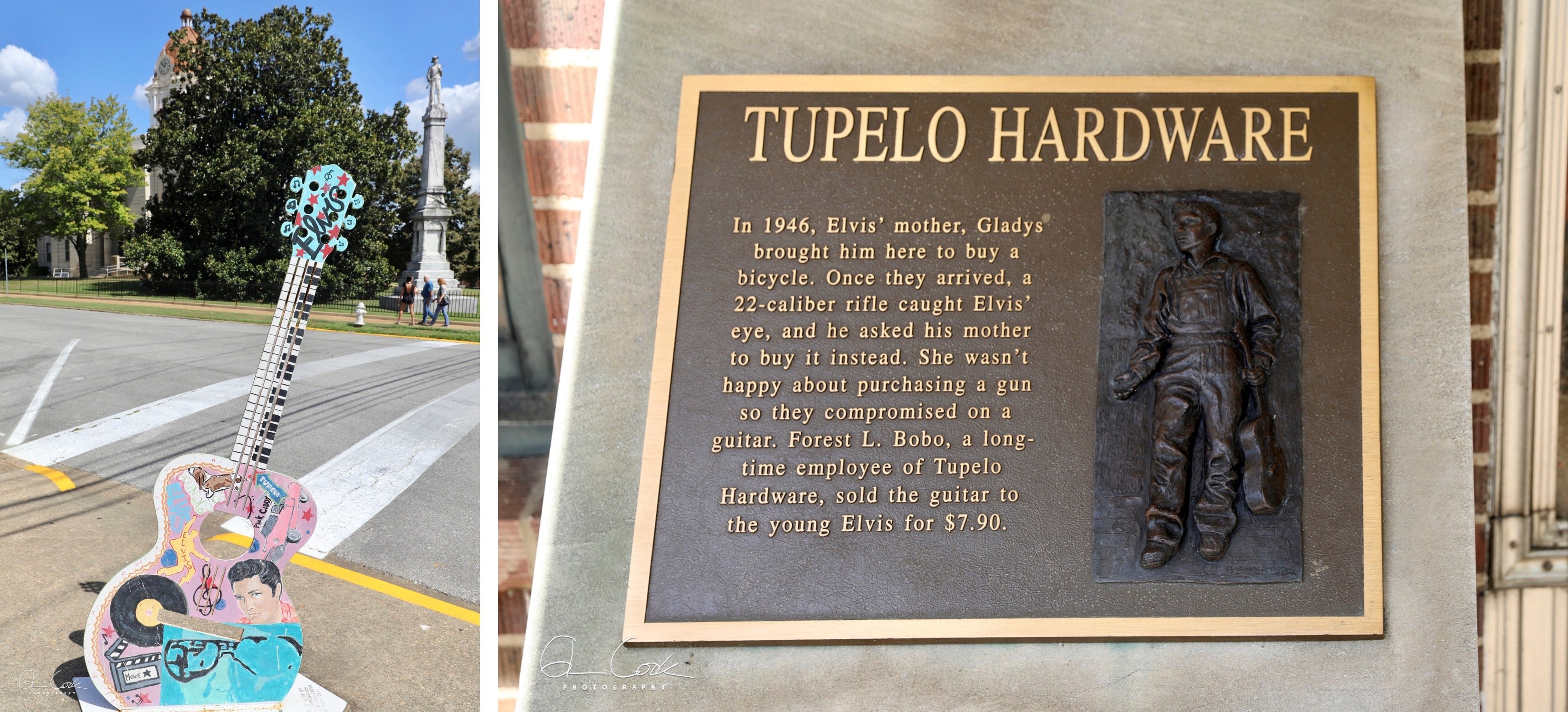
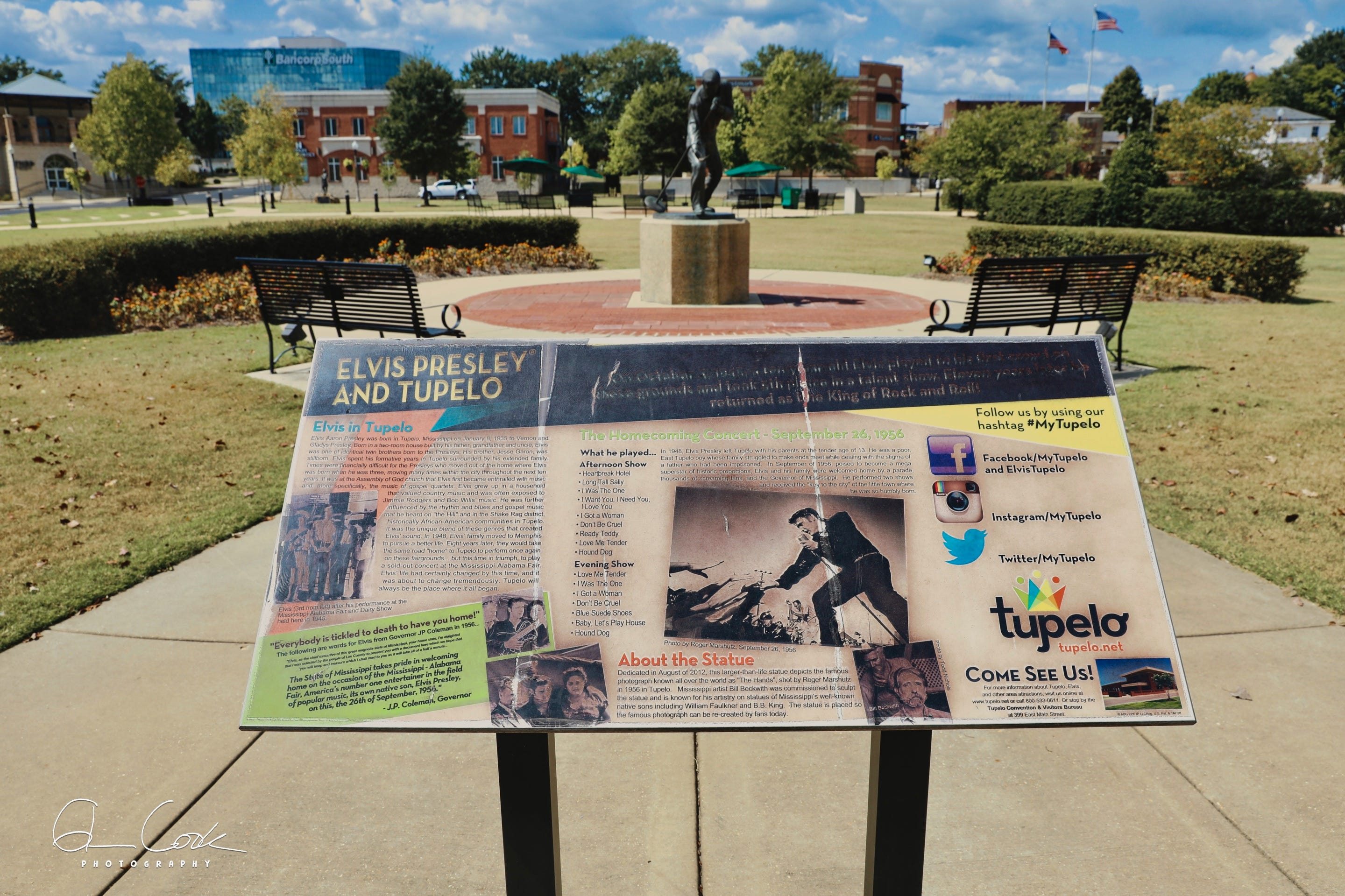
I stopped by Tupelo Hardware, where Elvis’ mother Gladys bought him his first guitar for $7.75 plus tax, and took photos of the bronze statue outside City Hall.
Everywhere you looked, it seemed, had some link to the Boy from Tupelo, who went on to bigger and brighter things more than 70 years ago.
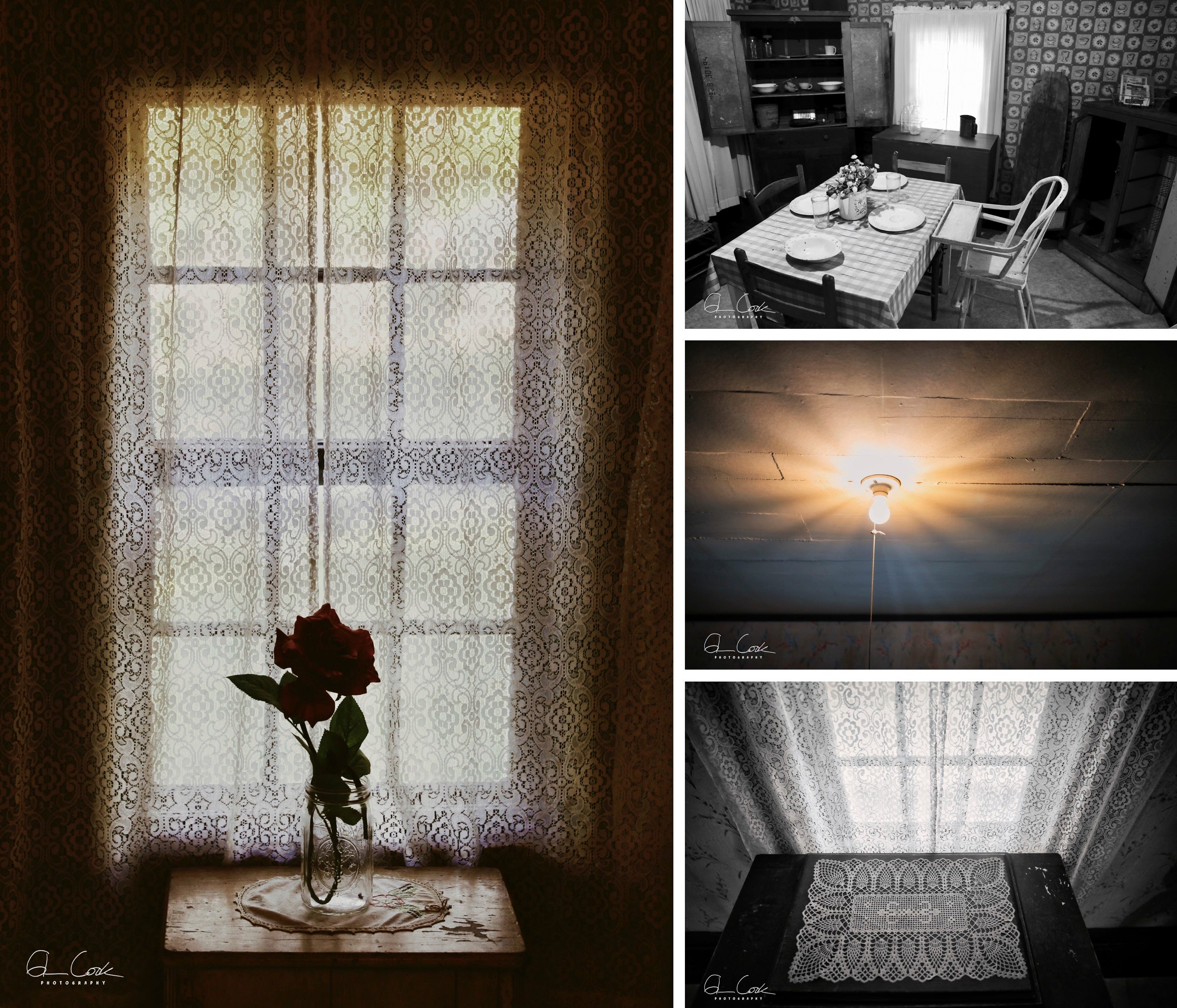
Here are more photos from the trip:
Thanks for reading Our Reality Show! This post is public so feel free to share it.
Comments
Nothing yet. Say the first thing.
Sign in to join the conversation.