
We’re nearing the half-way point of the municipal election campaign in Ontario.
During my two campaigns, this mid-summer period was a slog. The initial excitement from the launch was behind us. Door knocking was hot and sweaty on humid summer days. Some of my key volunteers were away on summer vacation. I’d already visited thousands of homes, but wondered if I’d have time to get to the thousands remaining before October. It was a huge effort to get attention to my platform, and many residents still didn’t even realize there was an election in the fall.
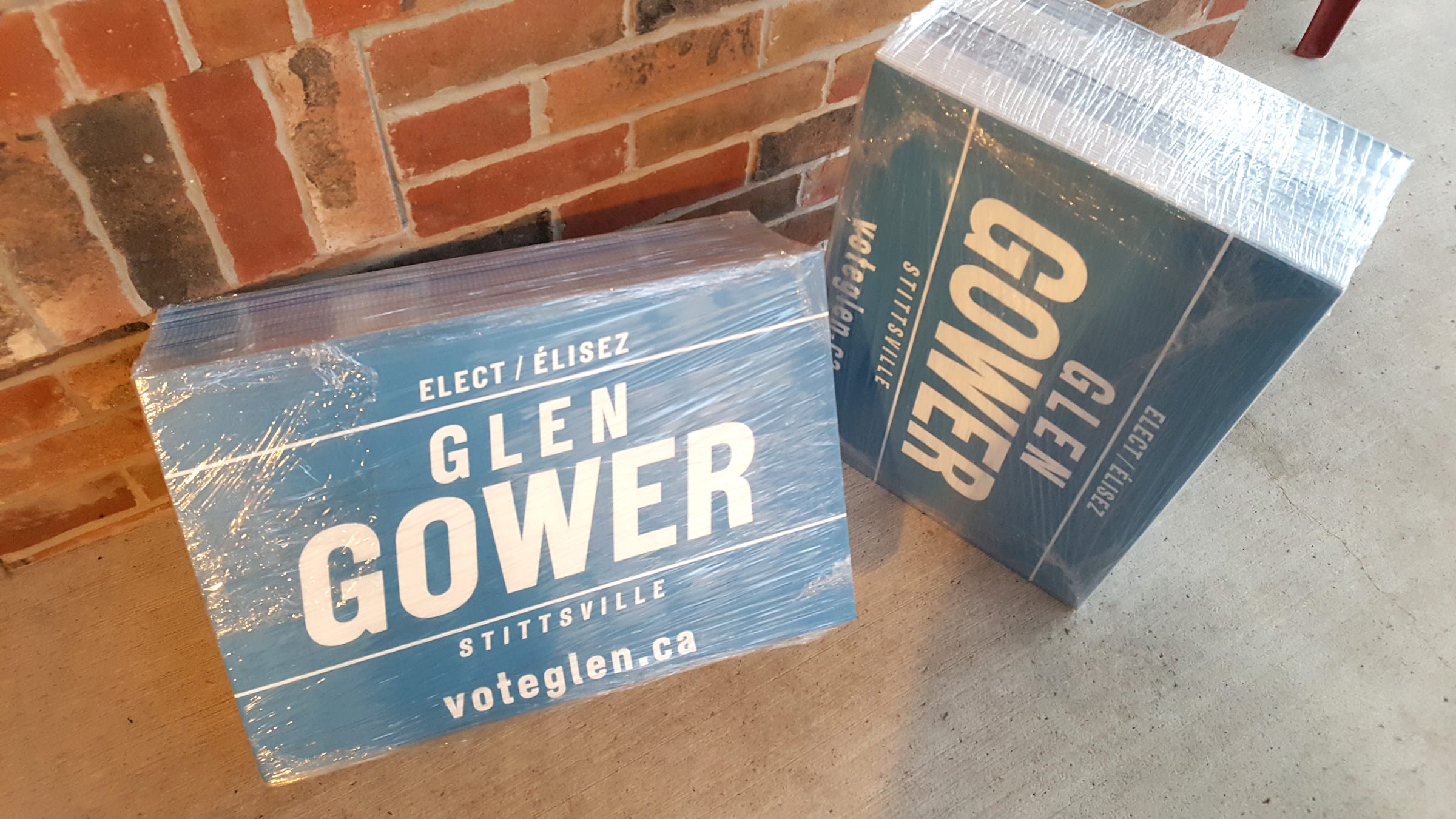
But most of all, we had a cash flow problem. Fundraising was going “ok” but we were nowhere close to our budget goal. So far the expenses were manageable, mostly printing costs for our flyers. But our lawn sign order was looming, and we would need a few thousand dollars more to pay the supplier.
Any time we had a rainy day, I would fundraise: phone calls, emails, contacting anyone I could think of – inside or outside of the ward – for a little bit of cash so that we could keep the campaign going. It was the worst part of running a municipal election campaign.
***
Putting myself into the door-knocking shoes of this year’s candidates, I bet most of them are in the same spot that I was. If you follow any candidate on social media, you’ll see that most of them are posting appeals for donations.
So I want to encourage anyone reading this: go and make a donation to a municipal election candidate.
You can donate up to $1,200 to a single candidate, but every amount makes a big difference. It helps with their cash flow requirements, and it also gives them a big psychological boost at a point in the campaign when they need it most.
It’s easy to make a donation. Many candidates accept credit cards on their web site, or e-transfer via email. Send them an email and ask what they prefer.
Can’t decide on a candidate yet? You could even split your donation between two or three people.
Just about every municipal council candidate, even incumbents, are operating on a very modest campaign budget. Money raised goes mostly goes towards flyers and signs, audit fees, and a couple of campaign events. Other costs could include bank and credit card fees, web hosting, clipboards and pens, campaign buttons, volunteer t-shirts, etc. There’s not enough to rent a campaign office or to pay staff.
Many have taken a leave of absence from work, so not only do they need to come up with $10,000-$15,000, they have no personal income to pull from.
Your donation will have a direct impact on the campaign, and the candidates.
***
By the numbers
In 2022 I raised $14,088 from 93 donors. (I also had a few in-kind donations for services, and contributed about $3,000 of my own money to the campaign.)
The average donation was $151.48; the median donation was $100.
67 donors lived in Stittsville, or 72% of the total.
Only seven people donated more than $250 to my campaign.
In 2018 I raised $12,419 from 116 donors.
The average donation was $107.06; the median donation was $100.
58 donors lived in Stittsville, or 50% of the total. (Many friends and family helped out in the first campaign.)
Only five people donated more than $250.
***
What are the rules for campaign donations?
Any Ontario resident can make a contribution to an Ontario municipal election campaign.
Corporations, businesses, and trade unions are not permitted to make contributions.
Groups such as clubs, associations or ratepayer’s groups are not eligible to make contributions.
Federal or provincial political parties, constituency associations, or registered federal/provincial candidates cannot make contributions.
Individuals can donate up to $1,200 to a single candidate; unless it’s a candidate for Mayor of the City of Toronto, where the limit is $2,500.
The maximum total amount that a contributor can give to candidates in the same jurisdiction (for example, running for the same council or for the same school board) is $5,000.
All contributions above $25 must be made by cheque, money order, or by a method that clearly shows where the funds came from (such as certain debit, credit or electronic transfer transactions).
Municipal contributions are not tax-deductible, however many candidates in Ottawa participate in the municipal contribution rebate program.***
(I deliberately haven’t mentioned the developer donation issue, which is a perennial topic in municipal campaigns in Ottawa. I’ll probably write a separate post about that. I will say this: If you are concerned about developer donations, a very good antidote would be to make your own donation to a candidate.)
***
The municipal election is on October 26, 2026. Here’s a list of candidates registered so far in Ottawa.
Comments
Nothing yet. Say the first thing.
Sign in to join the conversation.