
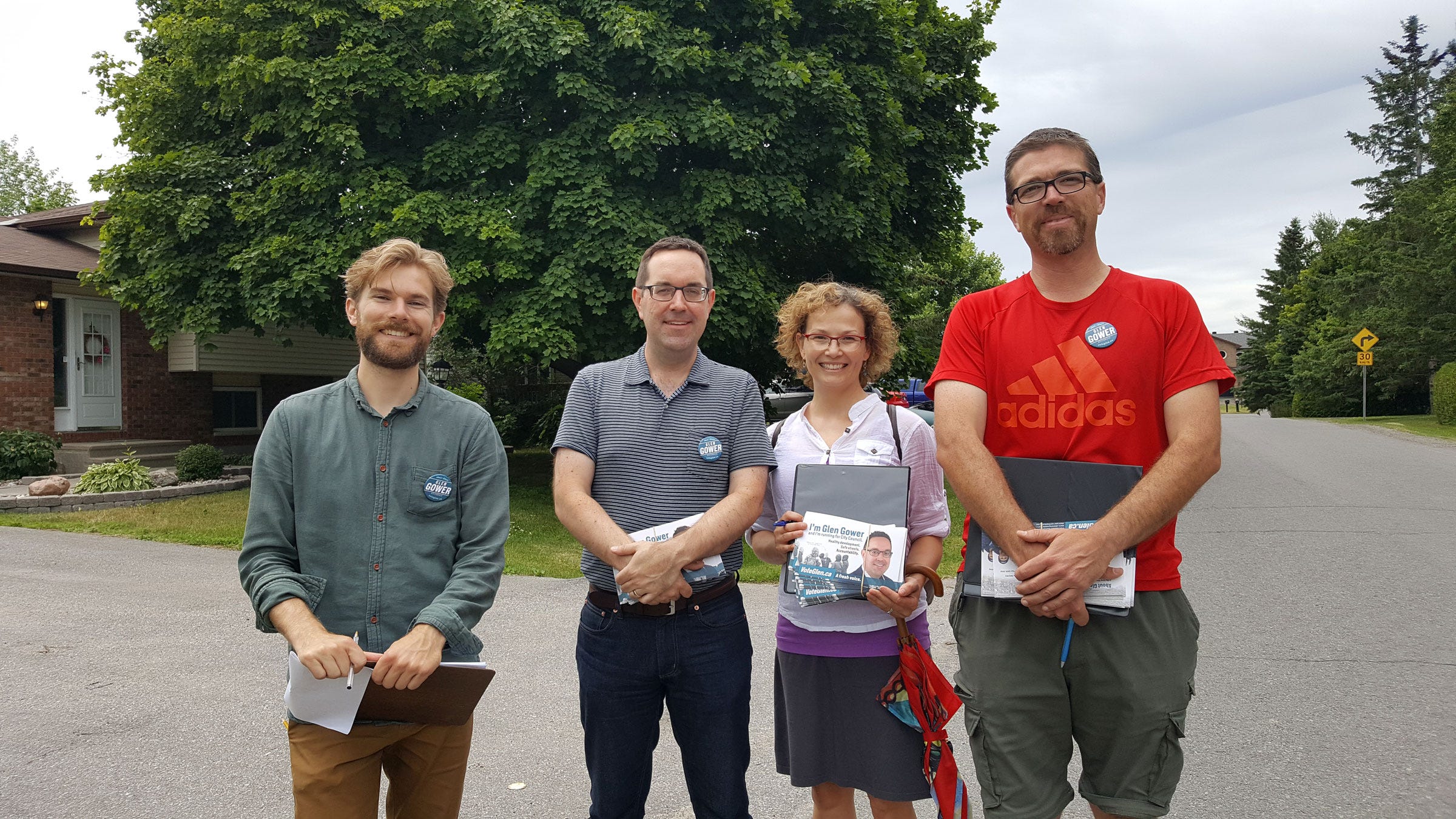
Door knocking, also known as canvassing. The central activity of any municipal campaign. I really enjoyed doing this in 2018 and 2022, but it does take up a ton of time and energy for candidates and volunteers. Several candidates have asked for some of my tips, so here they are.
Do:
Dress for the weather. (Shorts and t-shirt are fine, no need to be too formal.)
Wear a button to identify yourself.
Respect “no soliciting” signs. I know you’re not technically soliciting, but if someone has a sign up, take the hint that they don’t want to be bothered. Move along to the next house.
Knock on the door, instead of ringing the bell. (Ask me about my signature knock.)
Visit late morning, afternoon, and especially in the early evening, when more people tend to be home from work.
When someone answers, tell them a) your name, b) what office you’re running for, c) ask if they have a couple minutes to chat.
If they don’t have time to chat, thank them for their time and ask them to please remember to vote on October 26.
If they do have time, have your quick 15-second pitch ready: “I’m running because x-y-z, any ideas or concerns for the neighbourhood?” (You will say this several thousand times during the campaign.)
You can let the conversation flow from there. A few follow-up questions if you need them: “What issues are important for you? Any young voters in your household? How long have you lived on the street? Have any other candidates been to your door so far? Are you planning to vote?”
Most residents will be happy to chat for 2 or 3 minutes, if it goes longer than that, ask to take down their phone number so you can set up a time to talk in more detail. (Rainy days are great for follow-up calls.)
Compliment people on their gardening skills, their brightly covered door, their creative welcome mat. Write down their dog’s name.
Use a simple clipboard and paper to take notes, instead of tablet or smartphone.
If you can, get a name, an email, a phone number, and track their voting intention (supporter? not a supporter? neutral?)
Accept offers to refill your water bottle.
Ask: “Would you like a lawn sign?”
Ask: “Anyone else on the street I should talk to?”
If nobody’s home, leave your flyer in a secure place where it won’t blow away. (I was surprised how many people do not have a mailbox these days.)
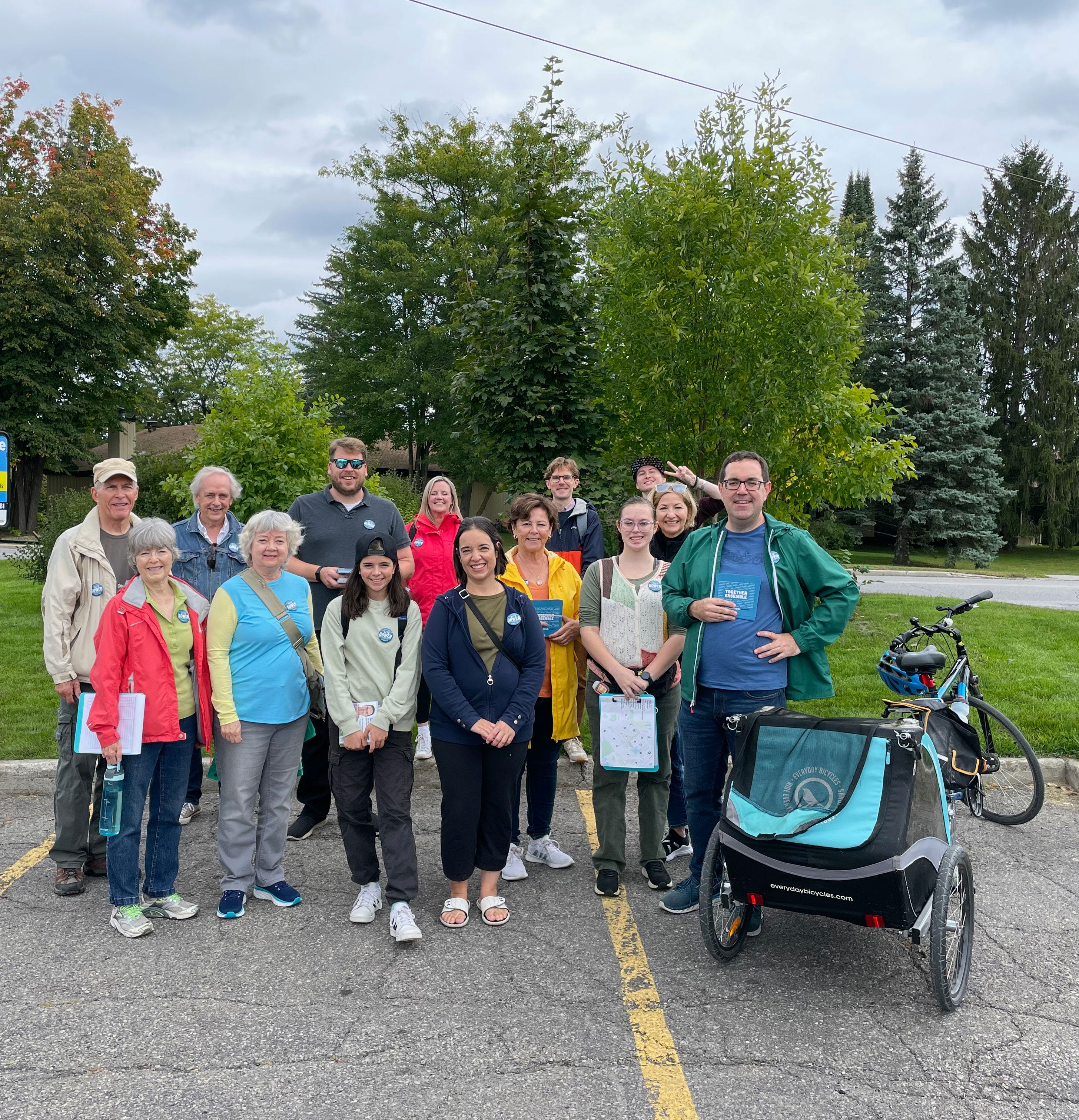
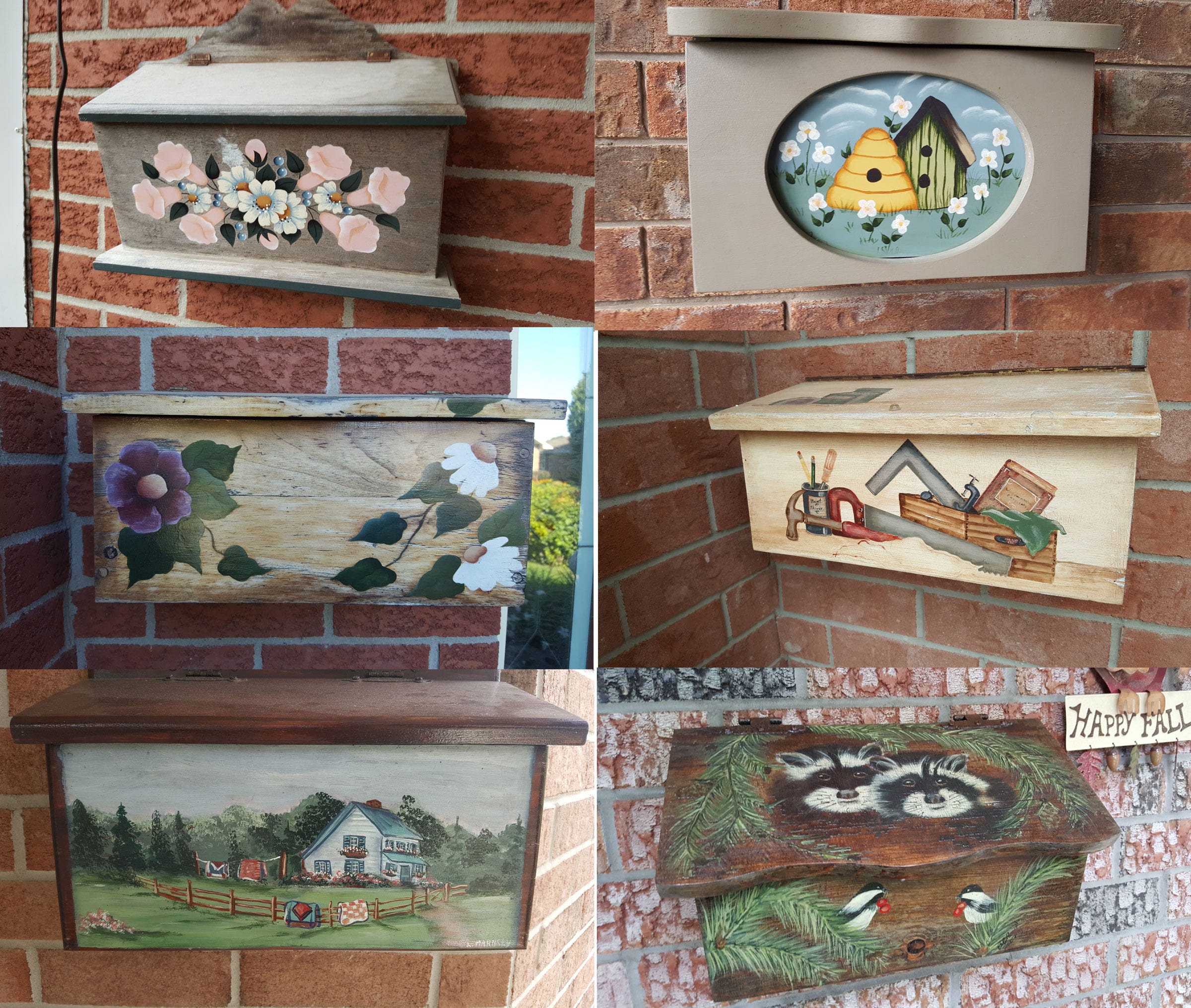
Take photos: with your volunteers, of street signs, of decorated mailboxes, of neighbourhood landmarks.
Keep in mind there’s a very good chance you’re being recorded on a doorbell camera.
Keep track of your step count over the campaign.
Don’t:
Go alone. Bring a volunteer for moral support and for safety.
Go inside.
Canvass after dark.
Walk across lawns.
Spend too long at any single door, you’ve got thousands of people to meet this summer.
Ask your volunteers to explain your platform or ideas. (Your volunteers should be focused on identifying people who really want to talk to you, and then send you to the door for a follow-up.)
Canvass during extreme weather, like thunderstorms or dangerous heat. Safety first, for you and your volunteers. Also “rain-drenched candidate” is not great for making a first impression.
Also:
By and large, people are extremely friendly and respectful at the door. I’ve knocked on thousands of doors over two campaigns, and have had fewer than 10 negative interactions. They were all memorable in their own way, like the time someone mistook me for Pierre Poilievre.
In 2018, we estimated that about 1-in-3 people answered the door. In 2022, that number was more like 1-in-4 or 1-in-5, perhaps due to the pandemic? I am curious what candidates encounter in 2026.
You may think you know your community, but you really have no idea until you’ve spent all summer knocking on doors in different neighbourhoods.
Comments
Nothing yet. Say the first thing.
Sign in to join the conversation.