
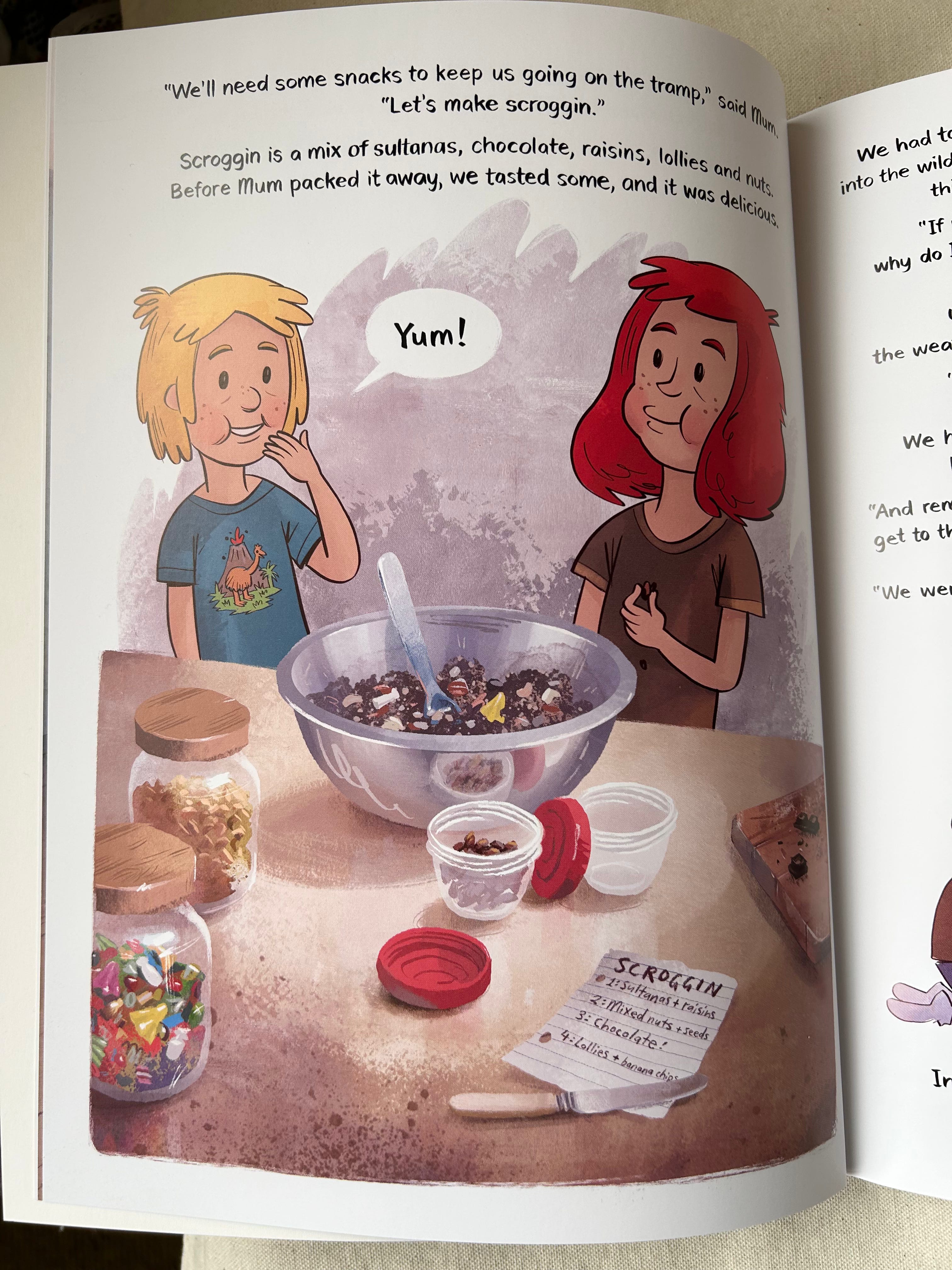
A much loved feature in Mia & Leo Go Wild! is the scroggin recipe. It was mentioned in the interviews I did on RNZ’s The Panel and TVNZ’s Breakfast show. Of course the recipe is the subject to hot debate! With individual preferences ranging from lollies to candied ginger and banana chips. I’m definitely in the candied ginger camp.
Mia & Leo Go Wild! has continued to receive rave reviews. It’s been featured in the Air New Zealand inflight magazine, and in Backcountry and Wilderness magazines. My favourite review, though has to be Rohan’s review on Suzy Cato’s channel.
Other reviews from families and their children can be found here:
https://www.kiwireviews.nz/review/9180-mia-leo-go-wild/Tucker
Meanwhile, my books in the explore and discover series, such as At the Beach, In the Garden and In the Bush have become children’s classics. I was delighted to see them stickered as Paper Plus favourites. Around 75,000 books in this series have been sold, which for the small New Zealand market is a decent amount.
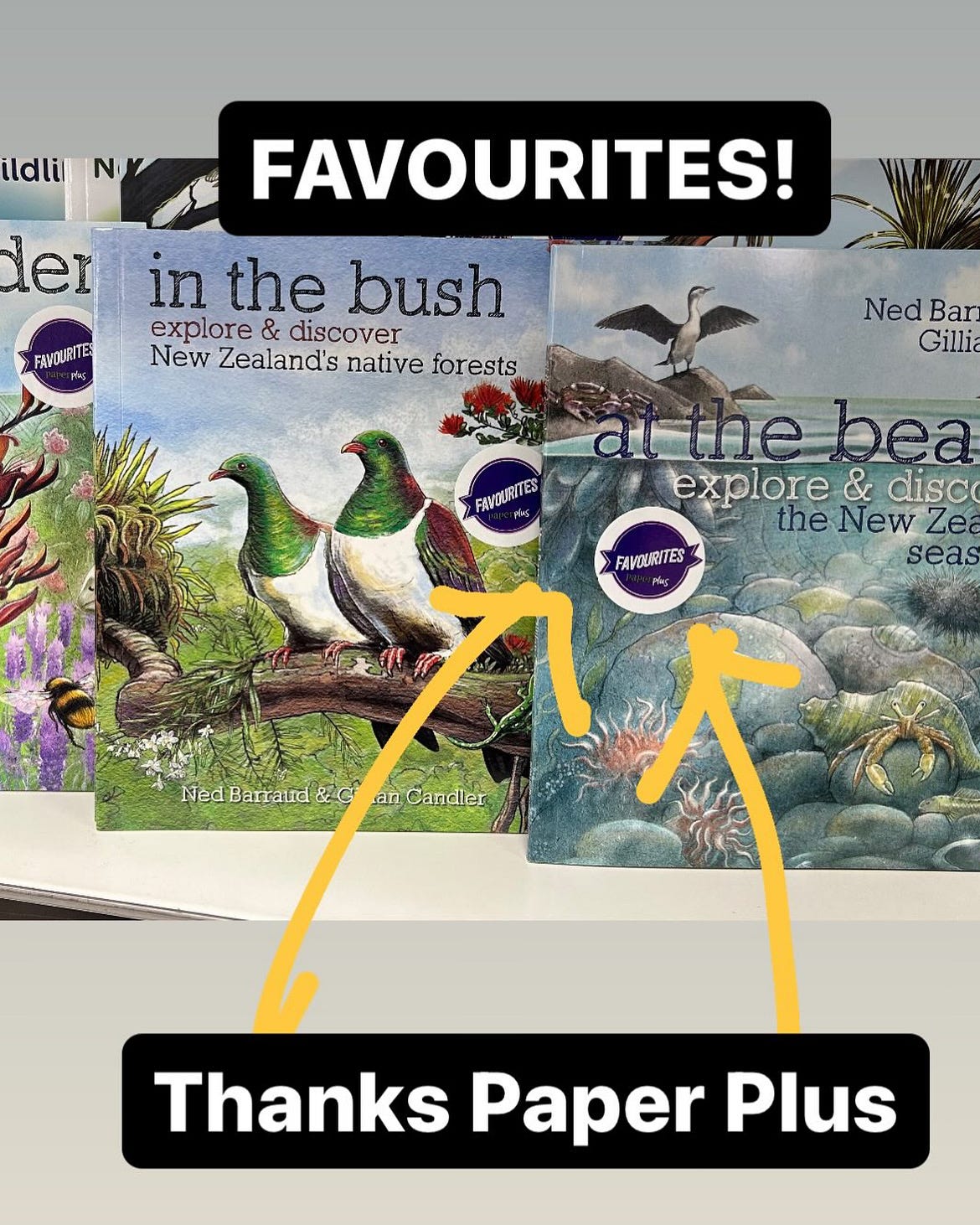
From Instagram
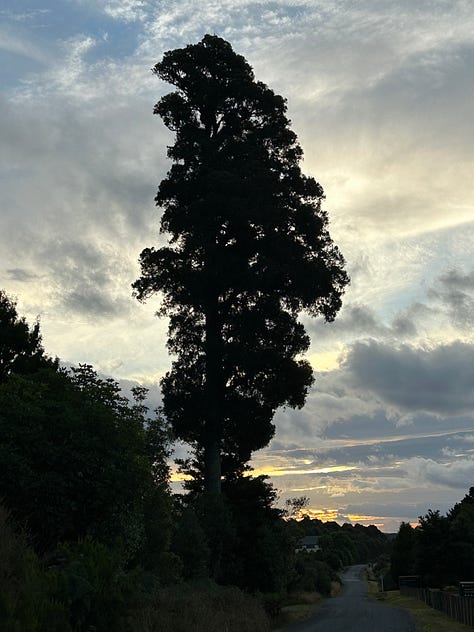
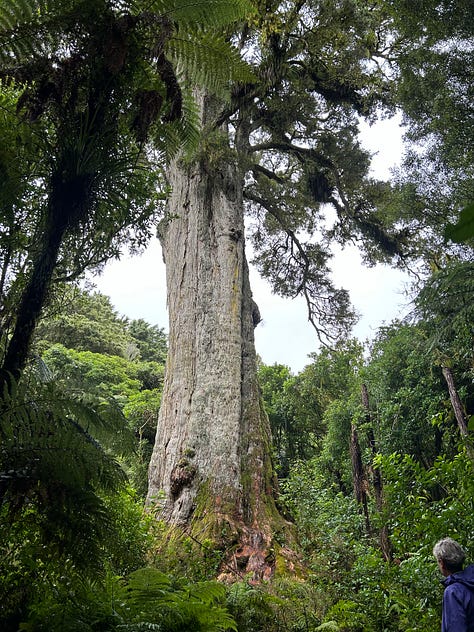
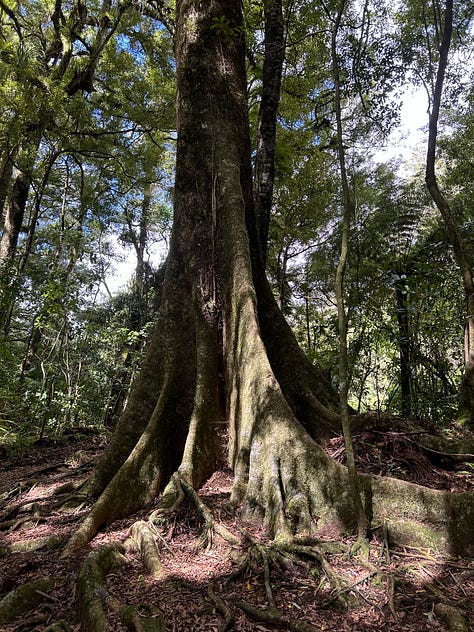
This summer I had the privilege of tramping in Pureora Forest and some other wonderful forests in and around Rotorua. I was intrigued to see that there are no beech trees in Pureora Forest which is dominated by podocarps, the oldest of which are thought to date back to just after the Taupō eruption 1800 years ago.
In Pureora, my friend and I saw and heard a pair of North Island kōkako on the Waipapa Loop Walk. The highlight of the trip! But not one that could be captured on Instagram.
From my blog
Some intriguing finds from the beach, known as mermaid’s purses, these come from a more surprising source.
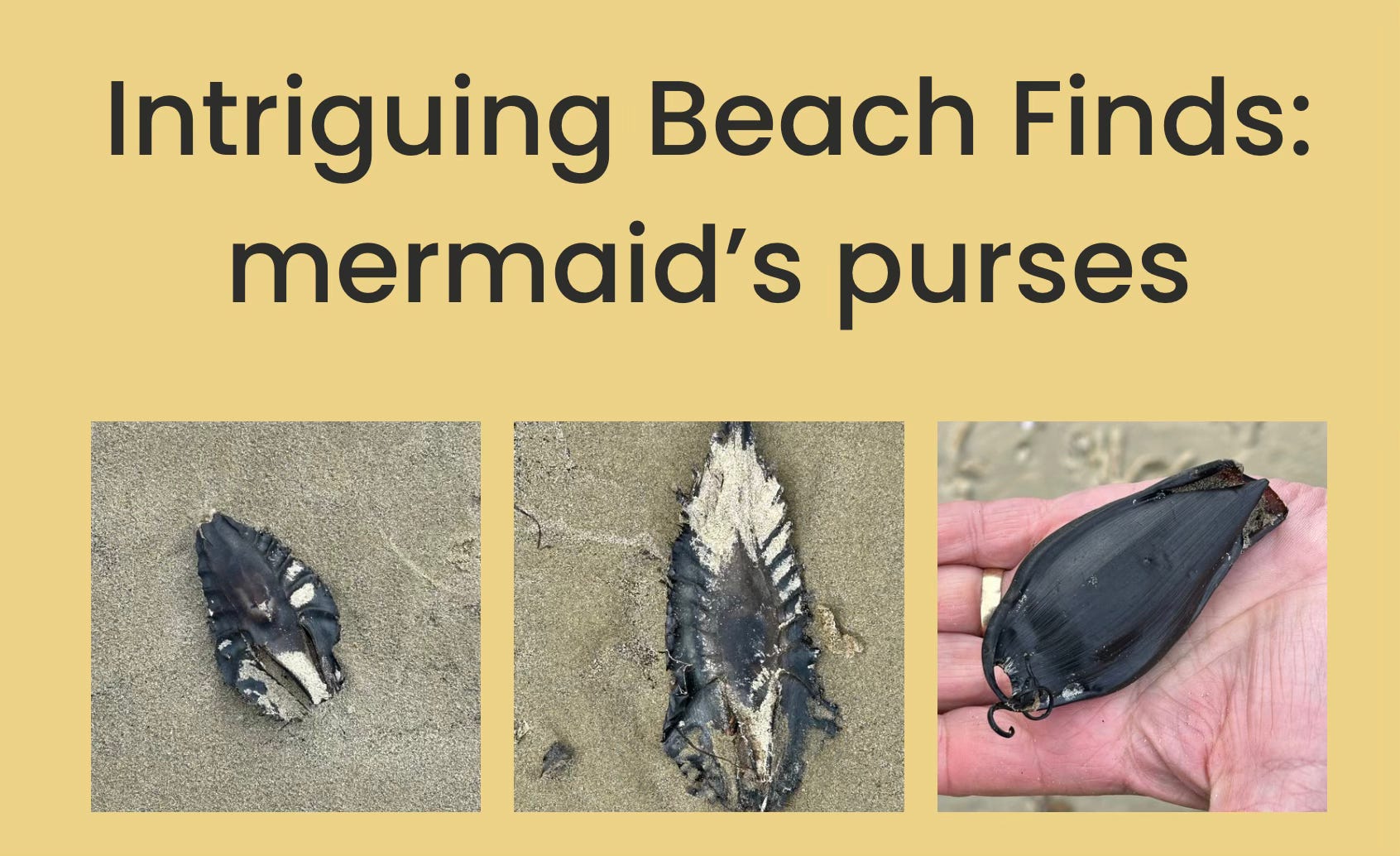
Find out more here: https://www.gilliancandler.co.nz/discovernatureblog/intriguing-beach-finds-mermaids-purses
My tramping group visited Kaharoa Kōkako Sanctuary, where I saw my third N.I. kōkako in the wild. The amount of work that the Kaharoa Kōkako Trust has put in to trapping to protect these iconic birds and their habitat is impressive.
We also joined in with Friends of Tarawera Trail to tackle invasive honeysuckle. After tramping the trail a few days earlier, it was a delight to be able to give back to those who care for the trail. These opportunities to meet up with local Nature Heroes were the highlight of our week of tramping in the Rotorua region.
I also volunteer with Friends of Mana Island in my own region, and spent a weekend there in January, helping clear tracks, and working on various citizen science projects.
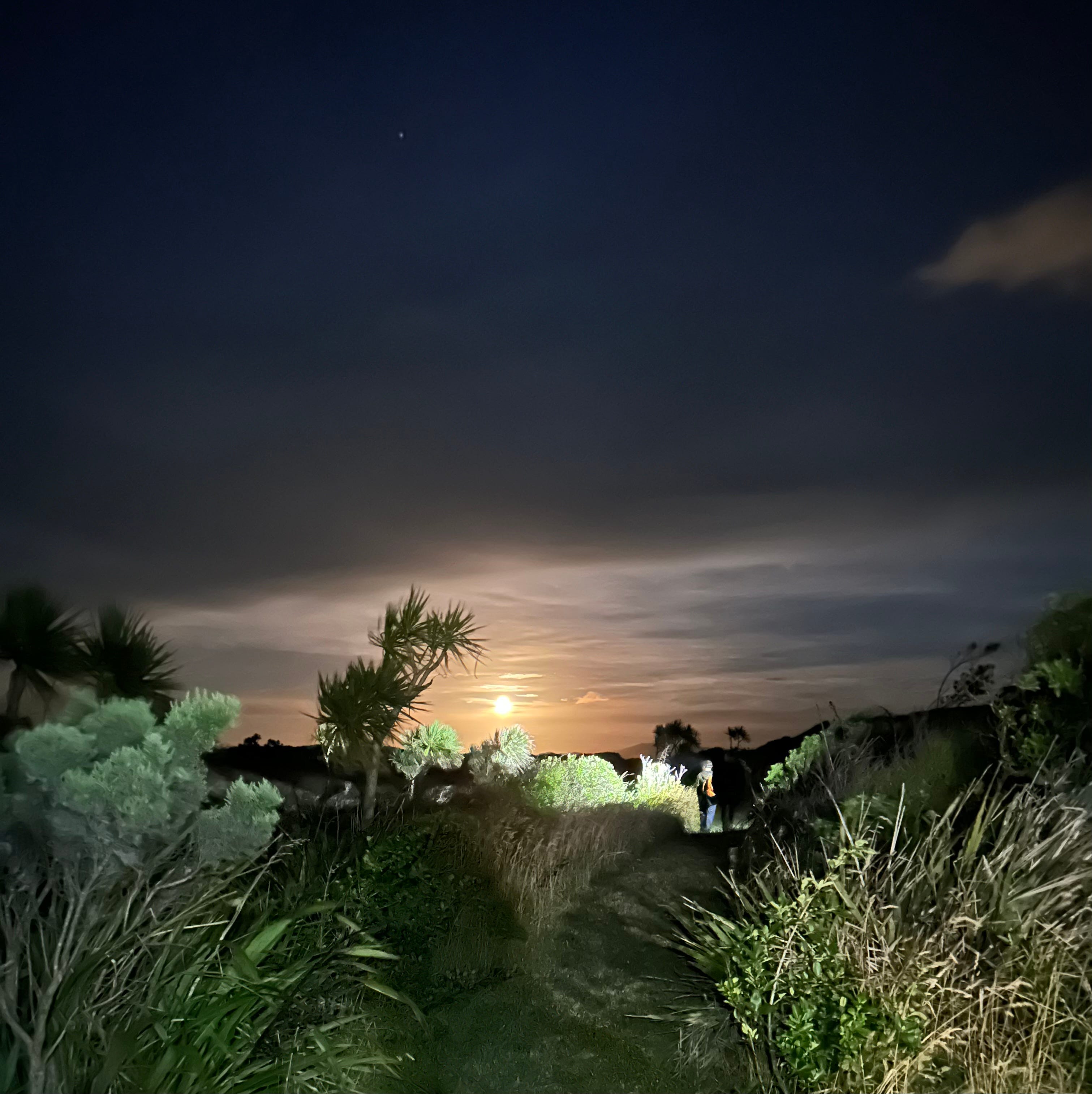
Many families and schools are making use of Mia & Leo Go Wild! as a source of activities, whether it’s planning a tramp, packing a backpack or making tramping food. I updated and shared some favourite muesli bar recipes on my blog. But if baking isn’t your thing, making scroggin is an easy option! See above.
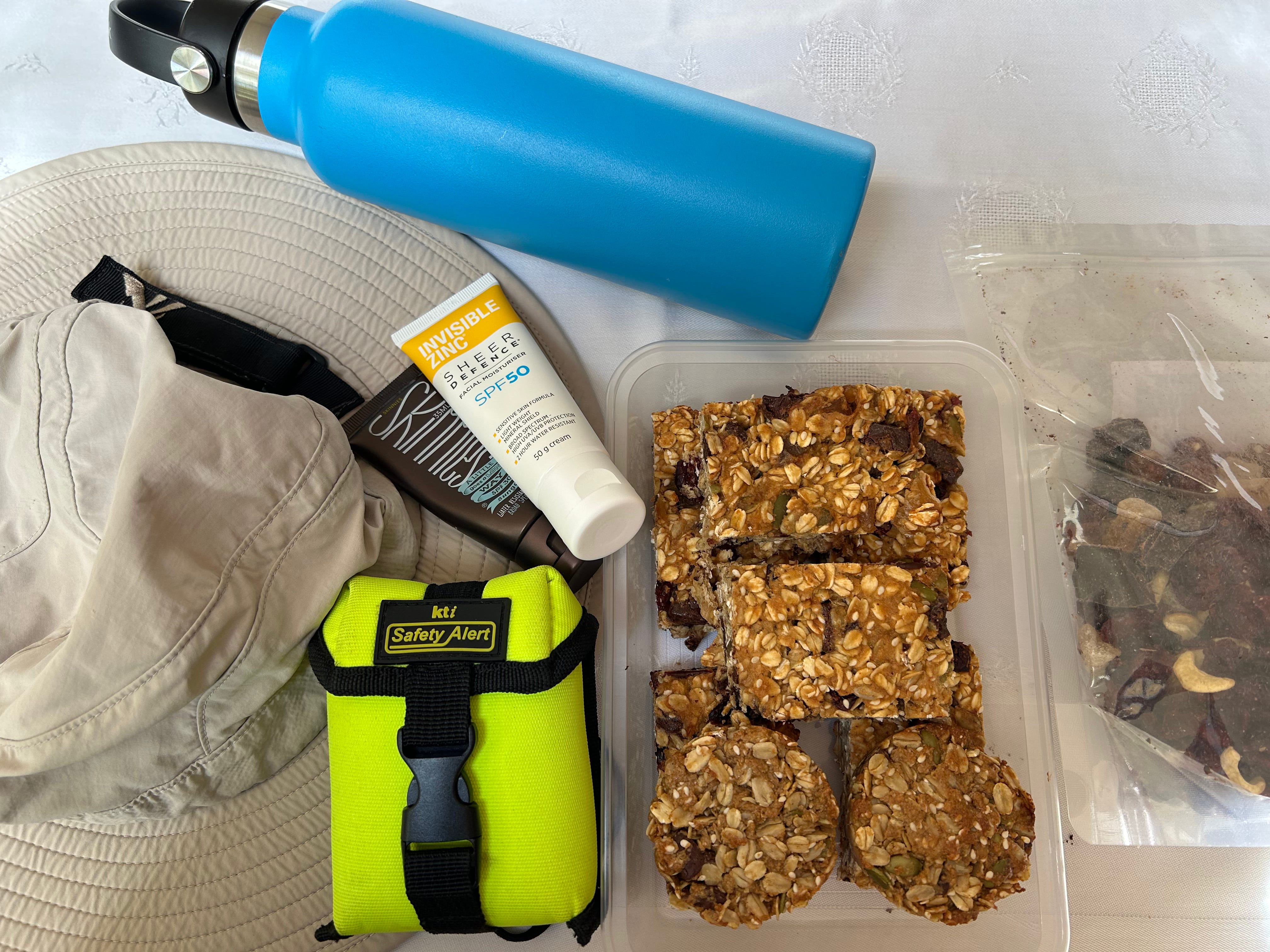
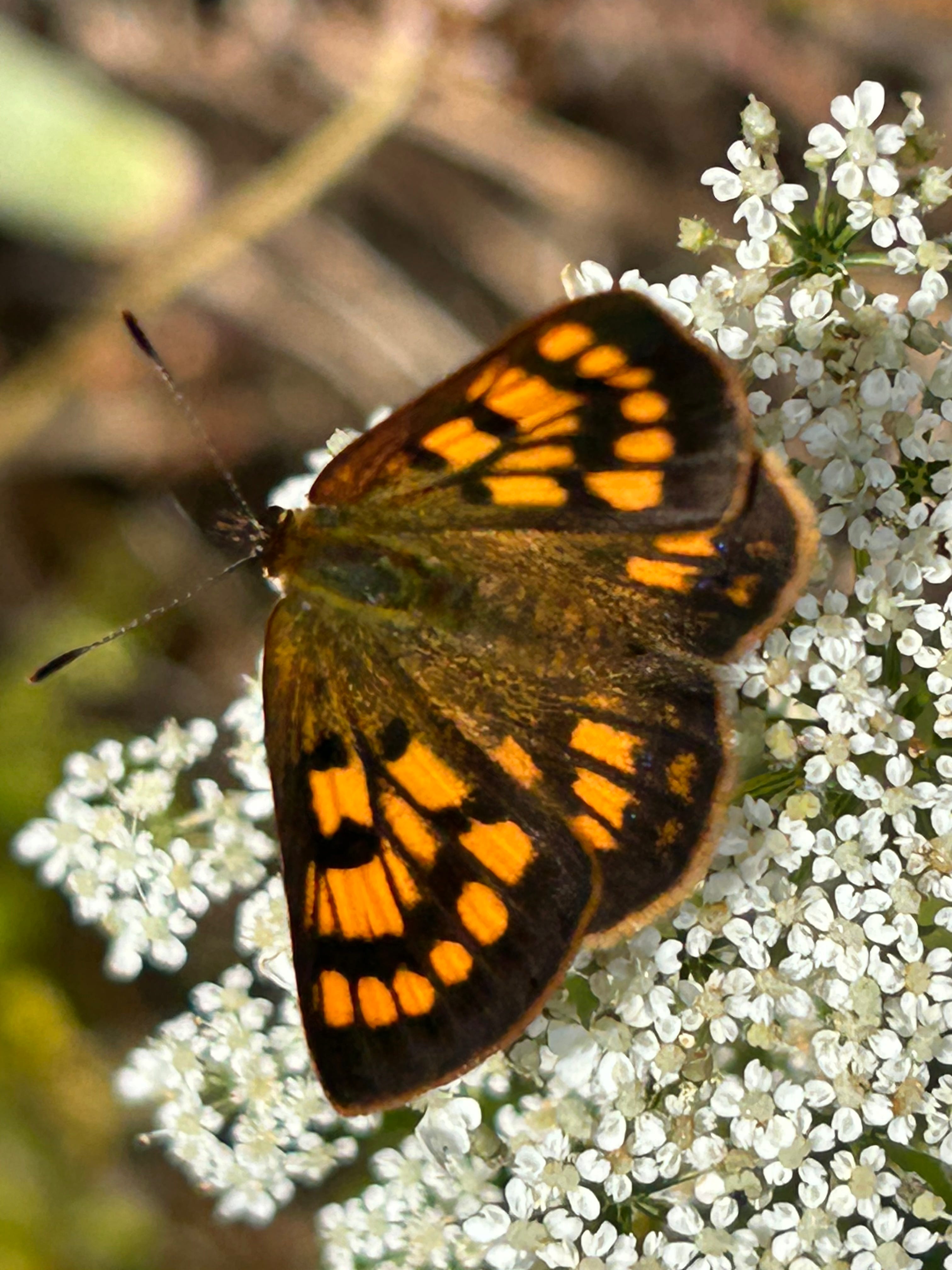
A citizen science project that would have been ideal for children to take part in was the Big Butterfly Count. This year’s was held in February, so follow the Moths and Butterflies of NZ Trust and look out for it next year. For my count this year I found a lot of copper butterflies along the coast. However this year I’ve not seen a single live red admiral. Annual counts are a good way to keep track of species so we can understand better about which ones are in trouble.
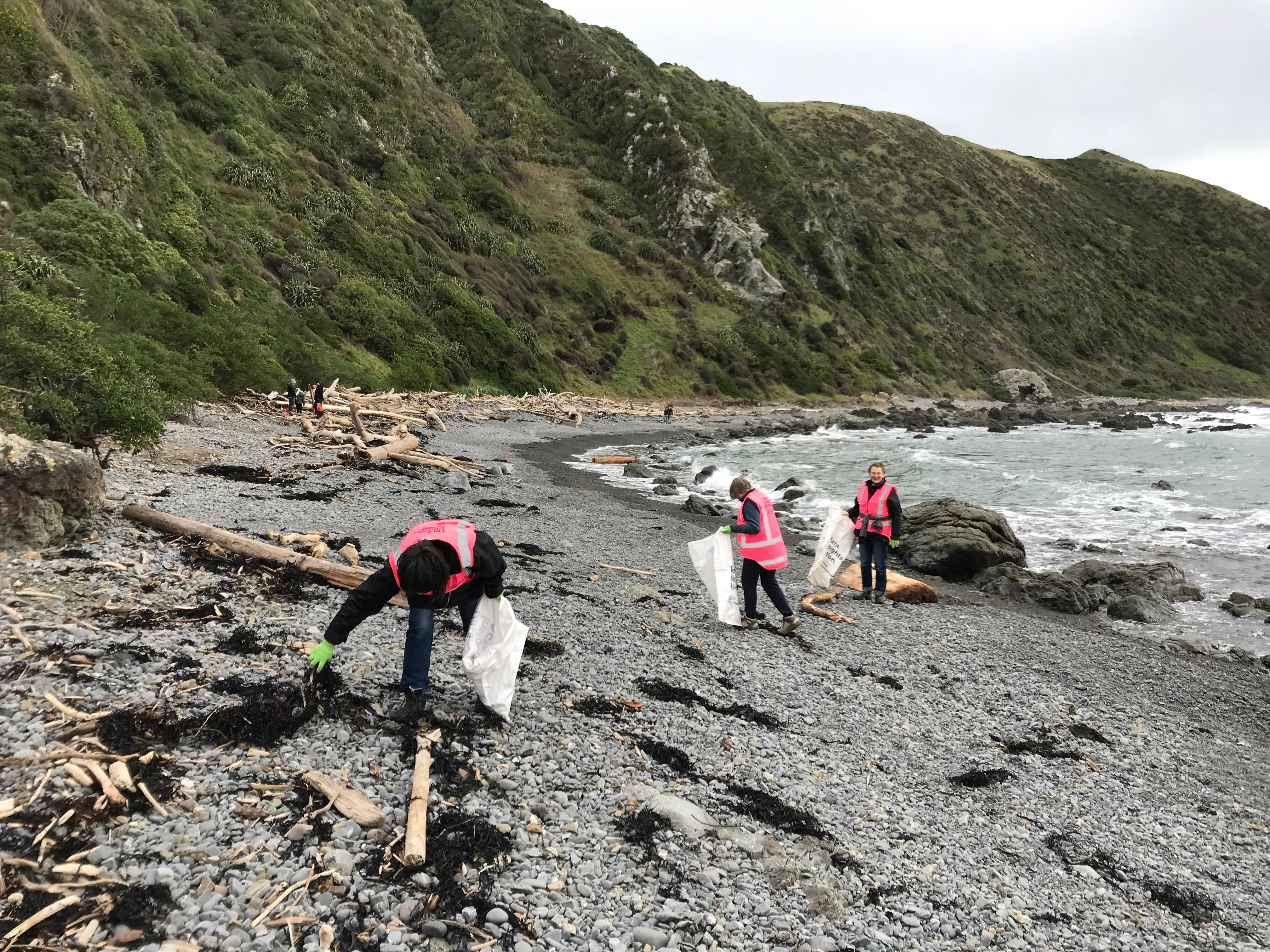
Another volunteer project I am involved with is the Sustainable Coastlines Litter Survey , you can read a blog I wrote about it a few years ago here. Our local project is still going strong. Picking up beach litter at this time of year is a surprisingly rewarding activity for children as storms often bring more litter to our beaches after autumn and winter storms.
This selection of books all focus on drawing nature, an important tool for naturalists. I find drawing plants, animals and fungi a very good way to pay close attention to nature. Adding names and notes on features has been a helpful way to improve my identification skills. (Combining drawing and notes in this way is called Nature Journaling.) So it was with interest I picked up these titles to read and enjoy. All would be suitable for young artists or naturalists, too.
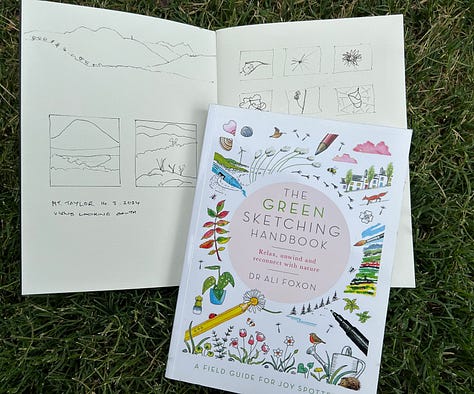
The Green Sketching Handbook: relax, unwind and reconnect with nature by Ali Foxon encourages drawing out of doors, and focuses on the mental health benefits of this practice. The activities are easy to do, regardless of whether you think you can draw or not, and would be fun for children too. I tried them all and agree with the author that this is a great way to connect with nature. I will definitely keep this practice going. The activities would also work well as a warm-up to more detailed Nature Journaling. https://alifoxon.com/book
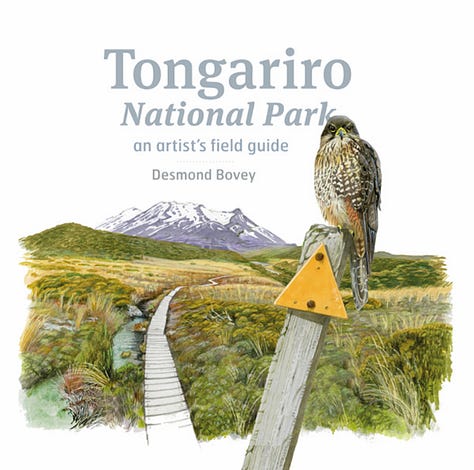
Tongariro National Park: an artist’s field guide by Desmond Bovey is a delightful book. It is a must-read if you are visiting Tongariro National Park, as it includes useful information about the geography, fauna and flora of the region. And if you are interested in Nature Journaling, this is full of inspiration, even if you are unlikely to visit the park. https://www.pottonandburton.co.nz/product/tongariro-national-park/
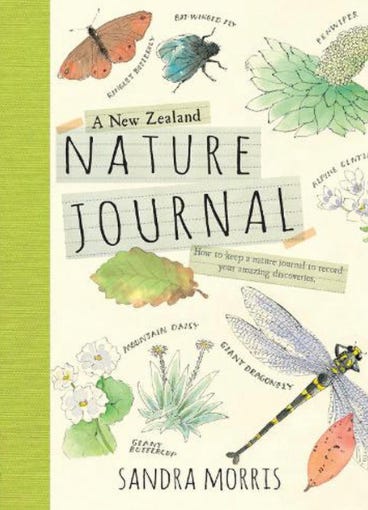
A New Zealand Nature Journal: how to keep a nature journal to record your amazing discoveries by Sandra Morris is a classic children’s book, which I was inspired to revisit again, when I attended a Nature Journaling course run by Sandra. This guide is full of inspiration and ideas for youngsters who are either interested in nature or in art. https://shop.shorebirds.org.nz/shop/a-new-zealand-nature-journal/
No posts
Comments
Nothing yet. Say the first thing.
Sign in to join the conversation.