
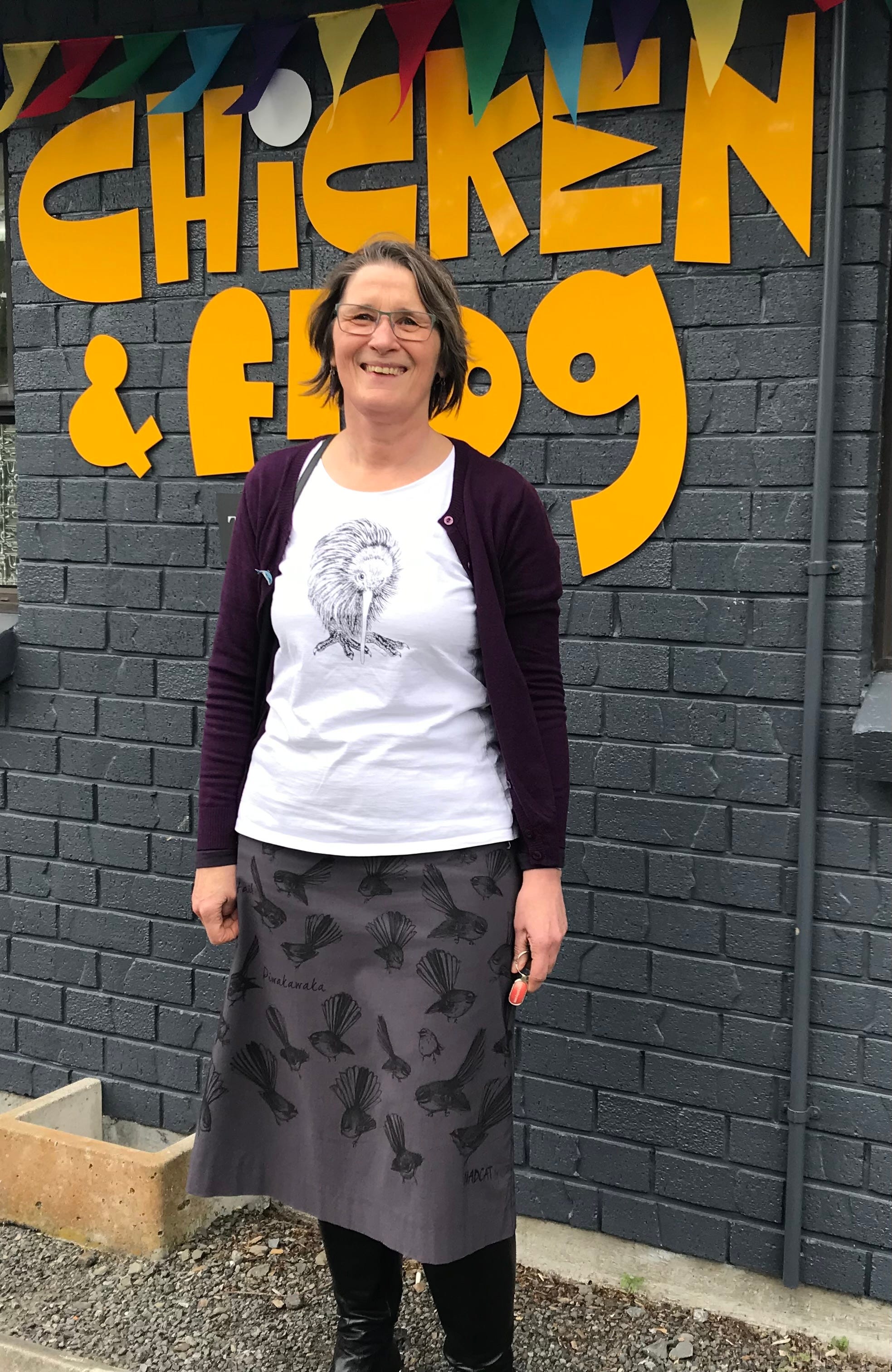
I’m heading to Featherston Booktown in May
Come to meet me at Featherston Booktown on Sunday May 11, 1pm. Bring the kids for an imaginary tramp through the bush. Based on my books Mia & Leo Go Wild and In the Bush.
It’s free to register. After this fun session, I’ll be at the Chicken & Frog bookstore sharing scroggin and book signing.
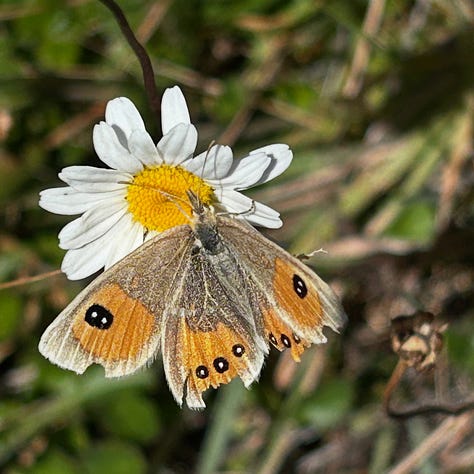
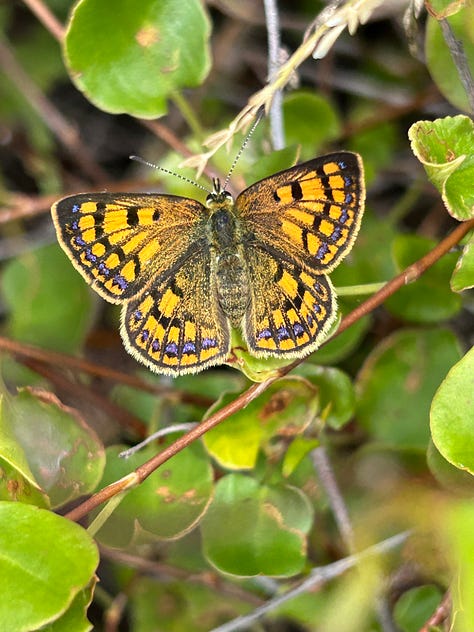
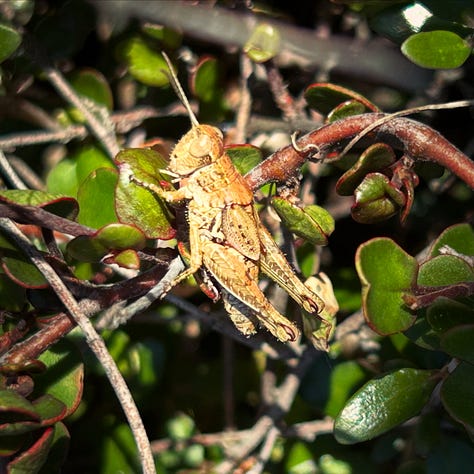
I’m always on the lookout for butterflies and moths. A first for me was spotting Common Tussock butterflies. There were dozens of them along the St James Cycleway but only one co-operated long enough for me to take a photo! Cyclists would barely see them, but we were going for a slower stroll through this lovely tussock land, finding grasshoppers and copper butterflies too. The tussock butterfly is a bit tattered, I guess it’s had a busy life.
Although I see them often, I still love to see copper butterflies. I’ve learned to identify Maui’s copper with the help of scientists on iNaturalist. The blue spots on the centre butterfly show that this is a female Maui’s copper.
There are many different copper butterfly species in Aotearoa, lots of them undescribed or not easily identifiable. Moths and Butterflies of NZ Trust is crowd funding for The Butterfly Discovery Project which is using DNA to uncover and describe copper butterfly species. It’s hard to make the case for protecting species when so little is known about them, so this is a great project to support.
I was also fascinated to observe various grasshoppers and katydids over the last few months, including this New Zealand Grasshopper near where I live. Curiosity led me to write about What’s the difference between grasshoppers and katydids?
Create a Butterfly and/or Lizard Garden
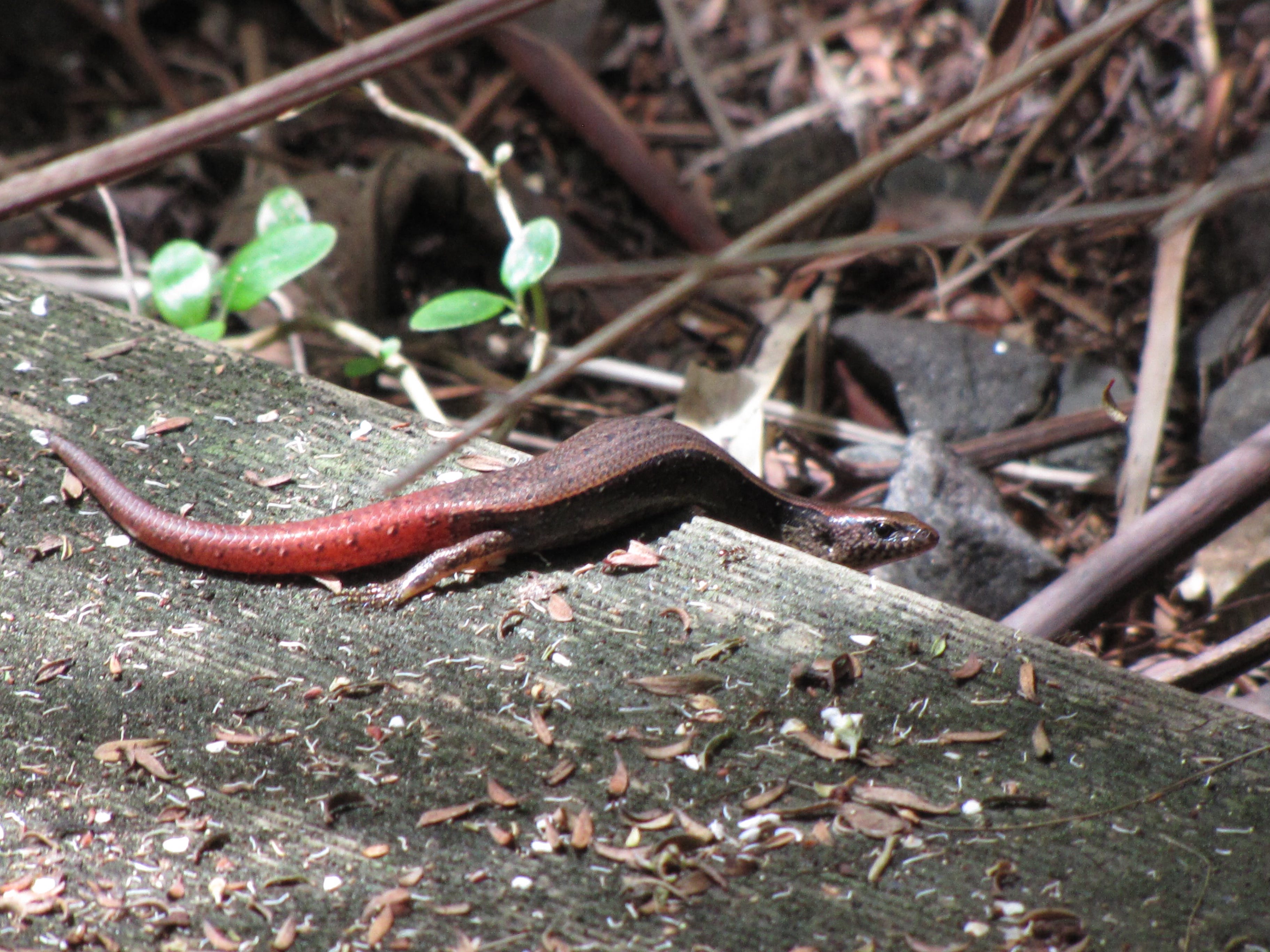
Autumn is a great time to make some changes in your garden (or school grounds) to make it friendlier to native invertebrates and lizards. The latest issue of Forest and Bird magazine discusses the benefits of wild gardens to invertebrates, birds and lizards. It’s not as simple as just leaving part of the garden uncared for, plants and habitats make a difference. Children could find out what plants and garden styles benefit different creatures. For example, what flowers attract butterflies? what protection do lizards need from predators? Then they could plan some simple changes.
In this blogpost I wrote about butterfly gardens https://www.gilliancandler.co.nz/discovernatureblog/2021/03/finding-rare-butterfly-butterfly-moth.html
For more on lizard friendly gardens see: https://www.doc.govt.nz/get-involved/conservation-activities/attract-lizards-to-your-garden/
Freshwater seems to have been the theme of my last three months of nature adventures.

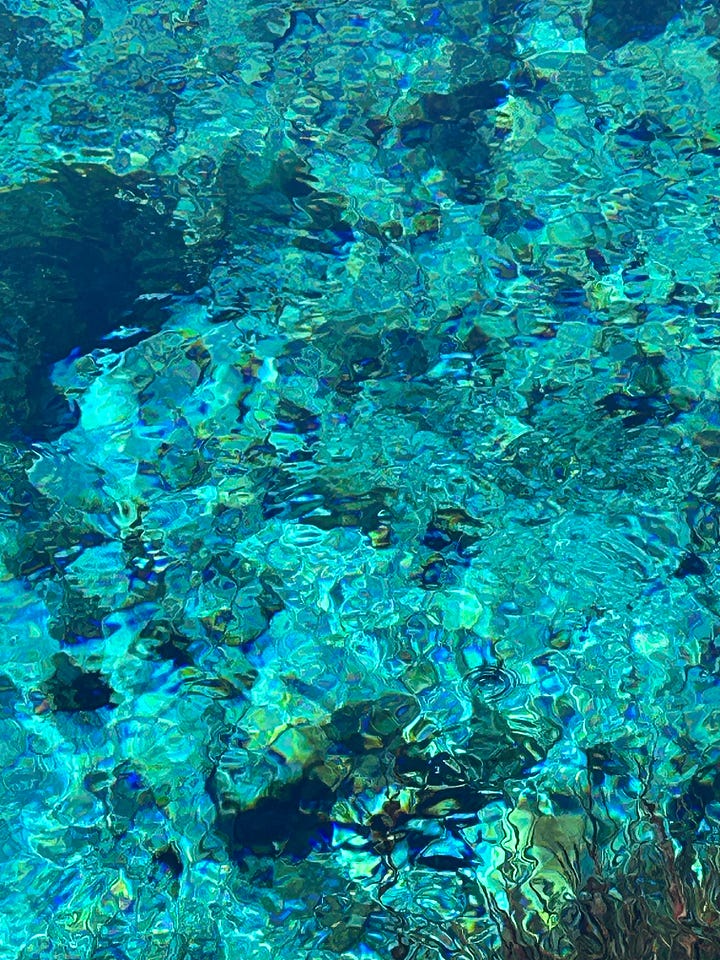
The fast melting of our largest glacier due to global warming and the threat of pollution from mining from the Fast-Tracked Sam’s Creek mine, were top of mind when I visited these awesome places.
Our life is dependent on abundant and clean freshwater from healthy freshwater ecosystems, which are so vulnerable to human interference no matter how well meaning - whether it be introduced pests like didymo and willows, irrigation schemes and river straightening, mining, or human-induced climate change. Like me you can support groups like Sam’s Creek Collective and Save our Springs or Forest and Bird who are campaigning for our freshwater.
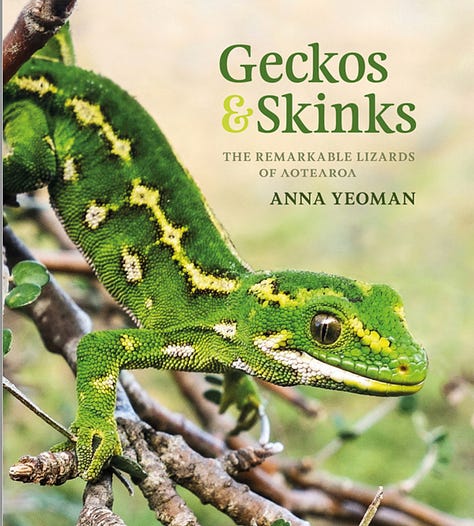
Geckos and Skinks: the remarkable lizards of Aotearoa by Anna Yeoman
A must-read for New Zealand nature enthusiasts. Our geckos and skinks are not well known, even now new species are being found in remote places. Anna Yeoman sets about redressing this lack of knowledge among the general population by taking us from south to north, telling us stories of lizards that live in different parts of Aotearoa. These stories are of discovery and surprise as well as of the dangers faced by our endemic lizard species. Both entertaining and informative, this is not a guide book, rather it’s a book to enjoy reading from cover to cover. First published in 2024.
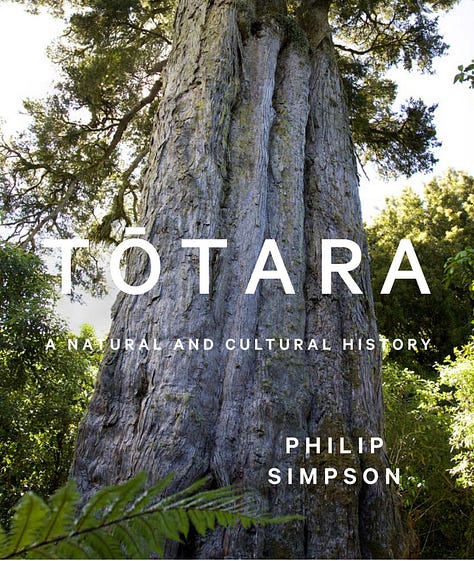
Tōtara: a natural and cultural history by Philip Simpson
Curiosity about what seemed to be unusual growth habits of podocarps I saw last year in Pureora forest, led me to this book. I was rewarded many fold for my curiosity. First published in 2017, this book is available as an ebook, and should be in most libraries around New Zealand. The subtitle says it all, it’s not just an in-depth look into the natural features of tōtara - my questions about growth habits was answered, along with many more I’d not thought to ask - but also an in-depth look into its cultural history. What a mine of information! I was fascinated to learn about the uses Māori put tōtara too, including using the bark to create ‘take-away’ containers without destroying the tree. I also hadn’t fully appreciated how useful the wood was to European settlers thanks to the properties of totarol in the wood. What amazing trees. Highly recommended.
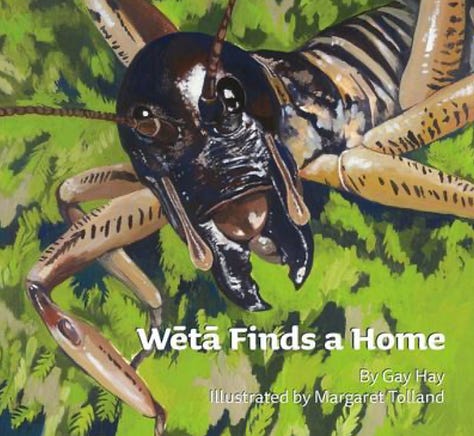
A non-fiction book for young children about wētā. As wētā looks for a home in the bush, each niche is already occupied by another bush creature. Wētā are often unfairly maligned, so it’s great to see a book that presents them in a more positive light. Beautifully illustrated by artist, Margaret Tolland. Gay has written books like this on green geckos, fantails, native snails all well worth sharing with young children.
No posts
Comments
Nothing yet. Say the first thing.
Sign in to join the conversation.