
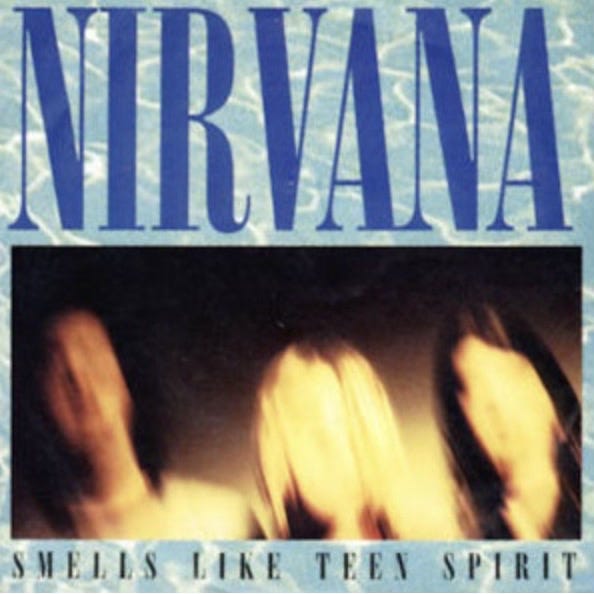
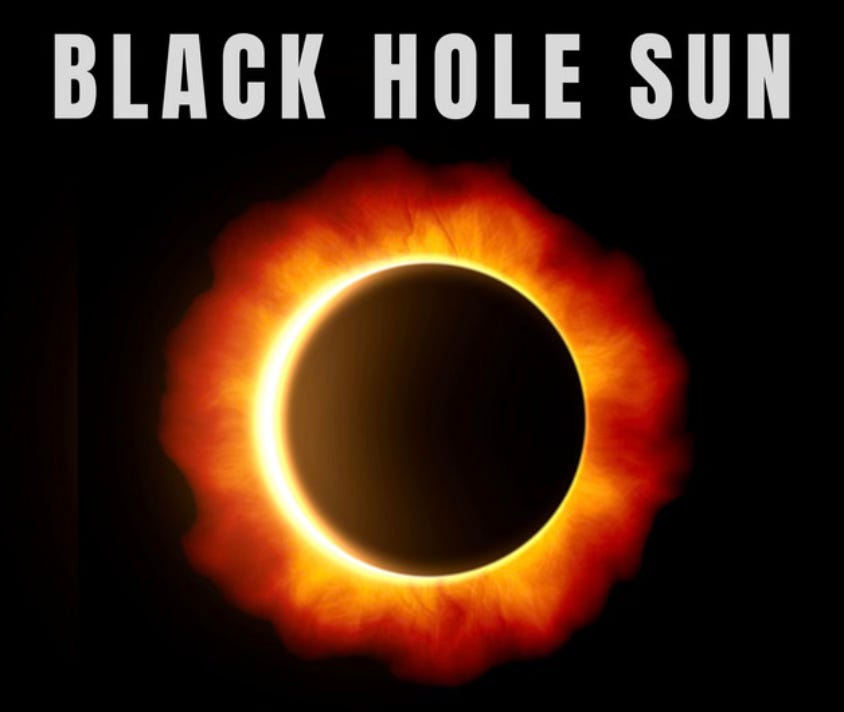
Around this time in 1994, Soundgarden released “Black Hole Sun.” And Grunge did something wholly unexpected.
It grew up.
Nirvana had already detonated the cultural bomb with Nevermind in 1991. But after Kurt Cobain died in April 1994, Grunge seemed destined to become a brilliant, flannel-clad afterthought — a mood, a moment, a cautionary tale about what happens when genius collides spectacularly with self-destruction.
Then came “Black Hole Sun.”

It was not mayhem. It was melody with melancholy, not menace. Eerie, intelligent, controlled. Less primal scream therapy, more cathedral collapsing in slow motion. This was Grunge with ambition. Grunge that had looked in the mirror, combed what was left, and decided to stick around.
It proved the movement was not just one band’s beautiful wreckage. It had range. It could evolve. Grunge, it turned out, had been playing the long game all along — which came as considerable news to the music industry, which had already quietly booked the funeral.
I missed most of Grunge the first time around. I was in grad school, working, and generally engaged in activities incompatible with looking meaningfully disheveled in Seattle rain. By the time I caught up, Grunge had changed. So had I. The Beatles were not coming back. Apparently, this was non-negotiable.
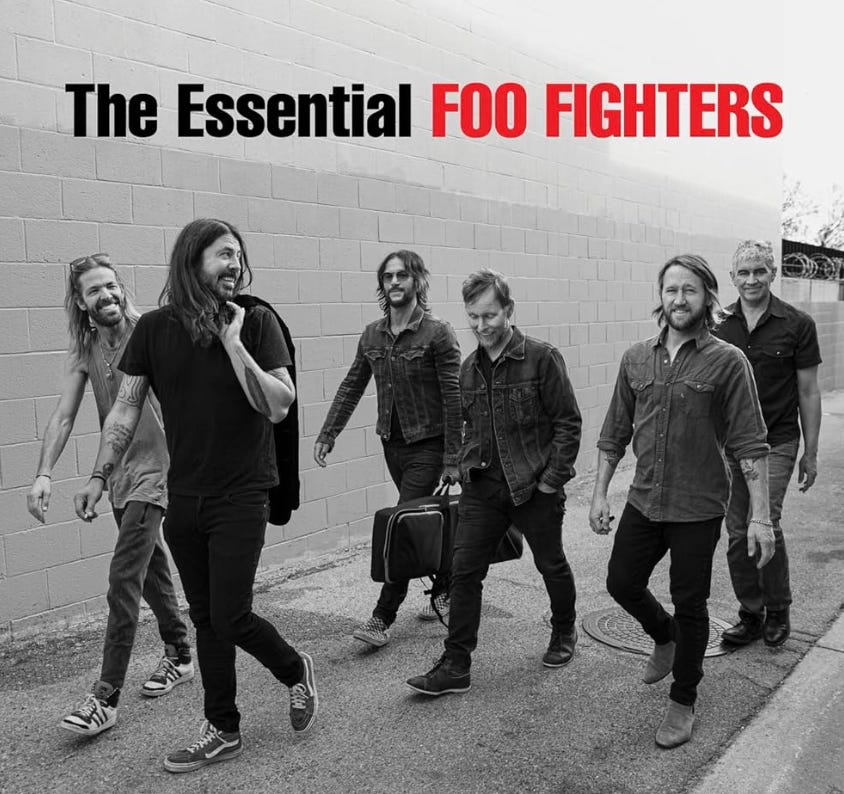
But Grunge had entered the broader bloodstream of music. The Foo Fighters made it more accessible without betraying its roots — a diplomatic achievement of no small order, given how fiercely Grunge had felt about accessibility in the first place. Rap followed a similar arc: from fringe to force, from subculture to default setting.
No serious band today needs to call itself “Grunge.” It’s just Rock. Or Pop. Or whatever label the algorithm coughs up before lunch. Just not Techno-Punk Cyber-Christ. Even Rolling Stone has limits.
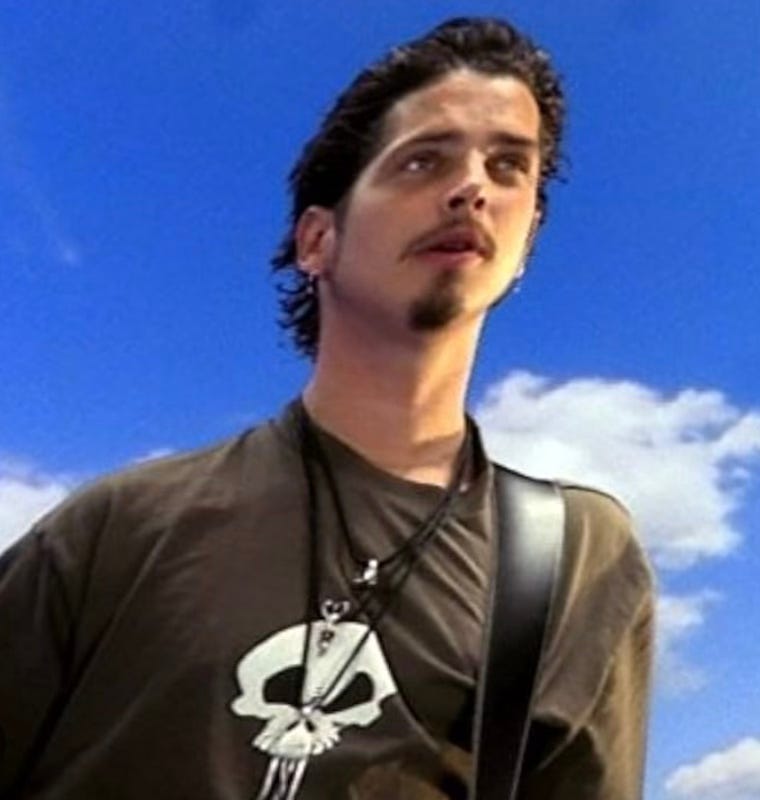
ChatGPT arrived in late 2022 the same way Nevermind arrived in 1991: without warning, without apology, and with the strong implication that everything before it had been slightly embarrassing.
At first, the establishment did what establishments always do. It dismissed the whole enterprise as noisy, unstable, and probably bad for our children. (Historians will note this is precisely what the establishment said about Rock and Roll, Rap, the internet, and, depending on the decade, democracy itself.)
Then something happened. The interfaces grew smoother. The answers more conversational. The outputs more persuasive. More useful, more intuitive. More human. It got professional and, ahem... responsible. The rough corners remained, but the mainstream learned to live with them.
In other words, just like Grunge, AI became less menacing as it became more polished.
But here the analogy doesn’t break. It inverts.
Grunge became less dangerous as it became more polished. AI may become more dangerous for exactly the same reason.
Because the greatest risk with AI is not when it appears alien. It is when it appears trustworthy. The more natural it sounds, the more authority we instinctively assign to it. The more friction disappears, the less skepticism survives.
We are, historically speaking, not good at this. We made televised political advertising smooth, intuitive, and emotionally irresistible — then spent fifty years in open-mouthed astonishment that it kept working on us. We will prove no less susceptible to machines that flatter us, anticipate us, and agree with us in perfectly grammatical prose.
Unlike Grunge, AI is not merely influencing culture. It is beginning to influence judgment itself. Not changing what we listen to. Potentially changing how we think.
That distinction should make us more vigilant, not less.
So yes, perhaps this is AI’s “Black Hole Sun” moment. Not because it is dark. Because it pulls us in so easily — quietly, compellingly, elegantly.
Grunge eventually became part of culture. AI may eventually become part of cognition itself. The greatest danger is not its intelligence. It is the allure.
And black holes, by their nature, offer no escape.
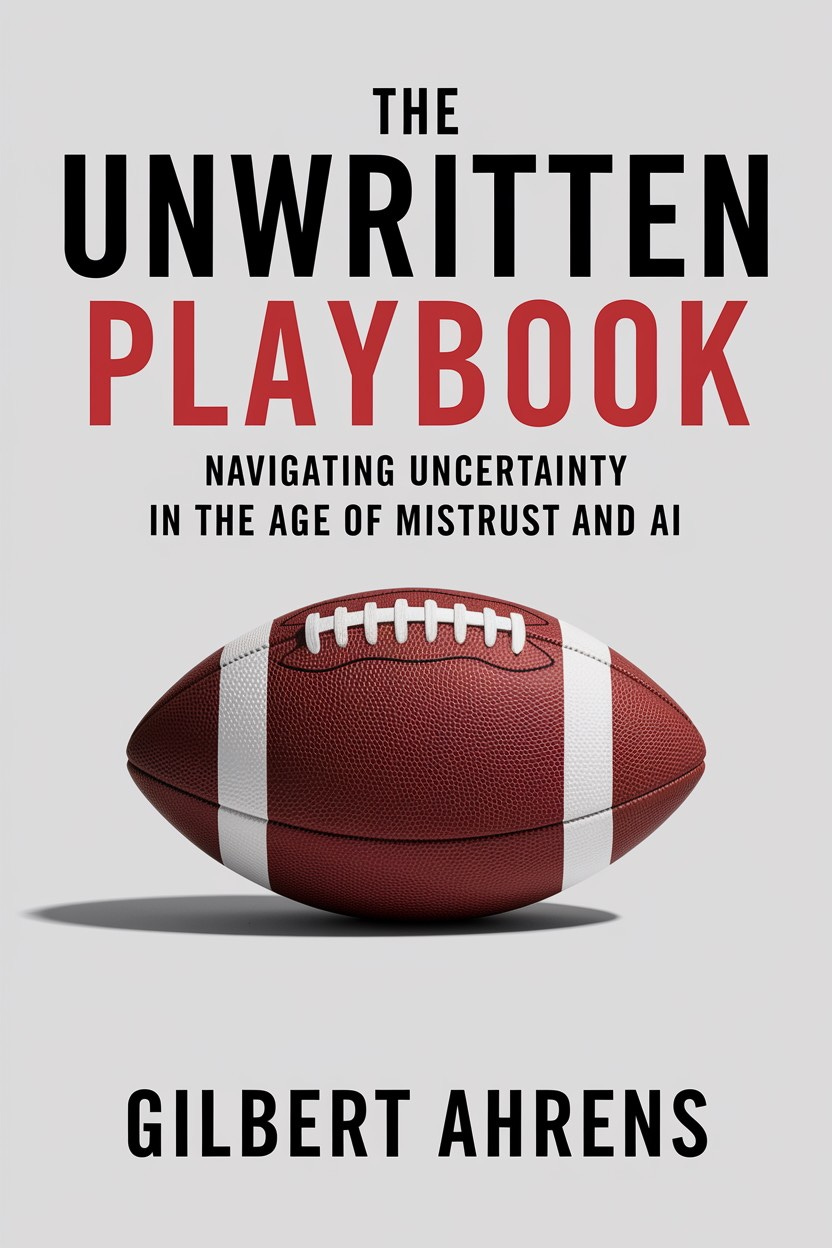
For entrepreneurs and business leaders determined to get a great night’s sleep while pretending to read great business literature, my latest book will surely satisfy.
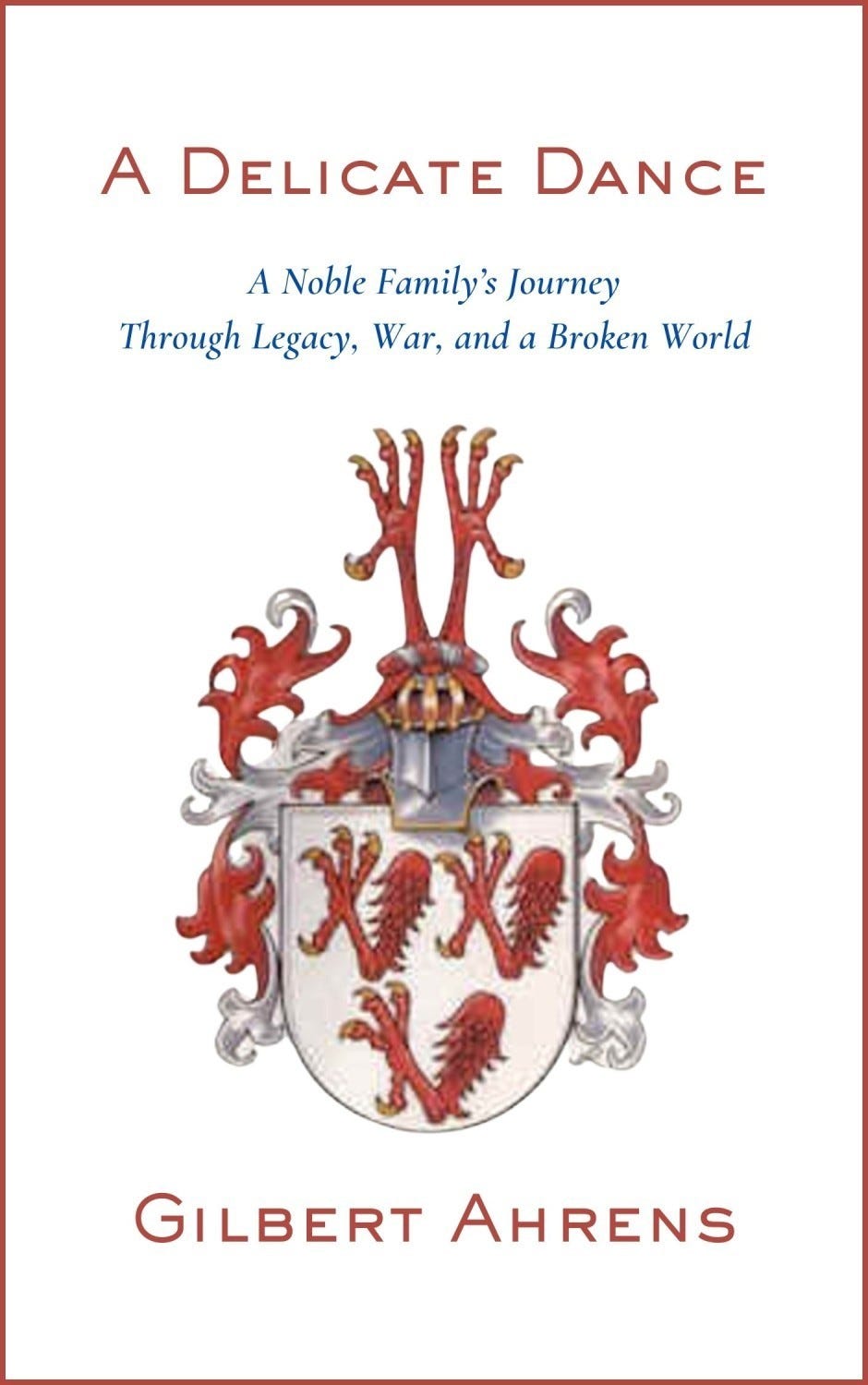
For a unique perspective on the tumultuous period of Great War of 1914-18 through World War II, please check my recent book, A Delicate Dance: A Noble Family’s Journey Through Legacy, War, and a Broken World.
Comments
Nothing yet. Say the first thing.
Sign in to join the conversation.