
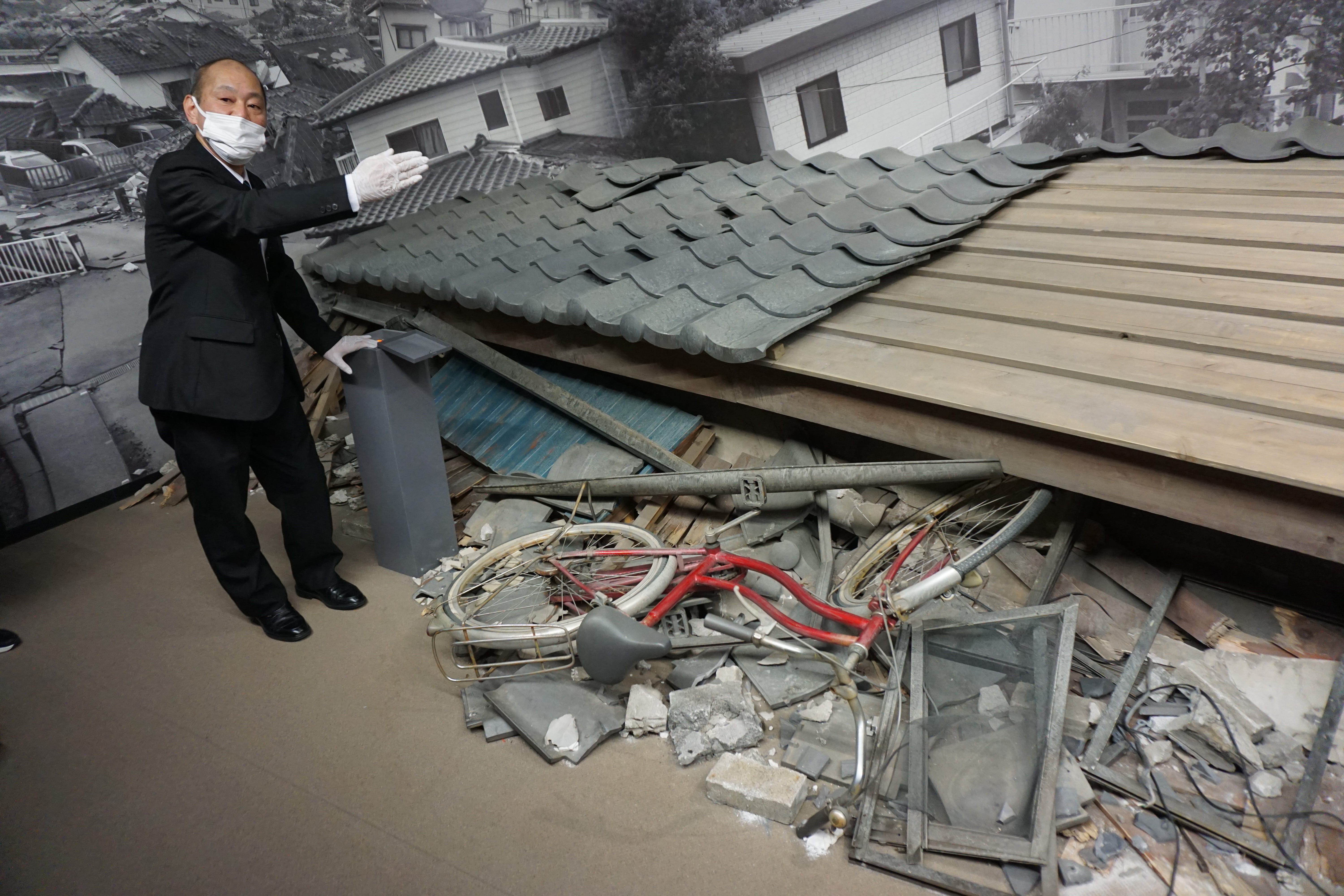
Dear readers, this is the second article in my three-part series about disaster prevention. You can read the first post here.
According to the Japanese government, there is a roughly 70% chance that a magnitude-7-class earthquake will strike the southern Kanto region within the next 30 years. Seismologists’ predictions are even grimmer, but dates aside, everybody agrees that it is a matter of “when,” not “if.” Considering that even moving somewhere else is not really an option, as nowhere in this country is completely safe, there are only two alternatives left: leaving Japan for good or getting ready as best you can. So, eager to learn as many survival tips as possible from an expert, I met Yamazaki Jun’ichi, Director of the Management Center at Tokyo Rinkai Disaster Prevention Park. The park is regularly visited by schools, regional offices and even families who want to learn more about how to deal with a major disaster.
“Obviously, there are things we can’t control,” Yamazaki says, “but we can certainly take a number of measures to be as safe as possible, and one of the main areas where we can actually do something is home safety.”
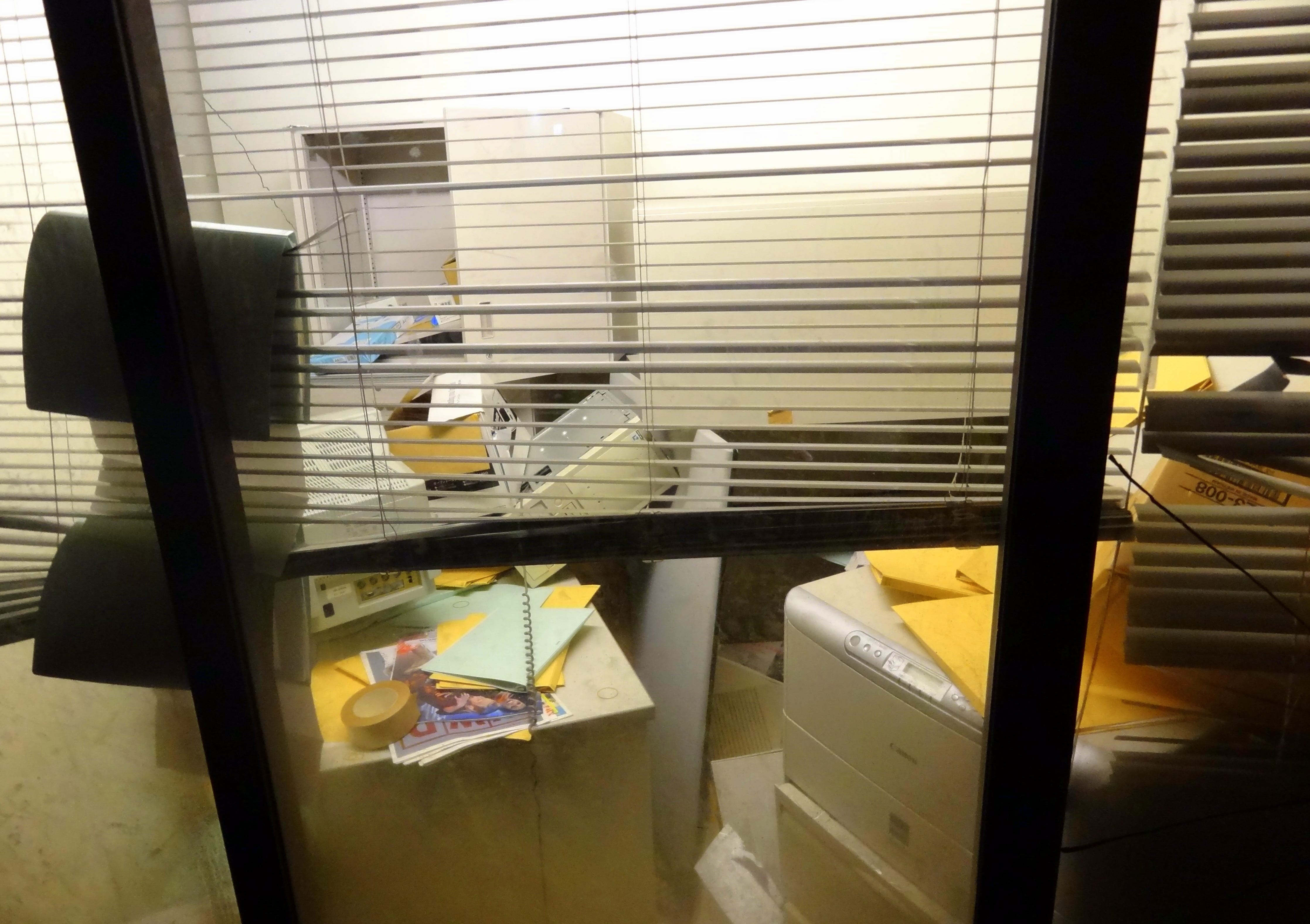
To explain what he means, Yamazaki takes me on a tour of the Center and shows me two identical rooms in very different states. They are meant to demonstrate what a house looks like before and after a massive earthquake.
“In 1995, Kobe experienced a disastrous earthquake,” he says, “and most of the 6,500 people who died on that occasion were crushed to death. Of course, many were killed by collapsed buildings or falling debris, but another major cause was falling and moving furniture. This is one area where each of us can actually do something to prevent this sort of accident. For example, furniture should be fixed to the wall so it doesn’t fall on your head. Also, if you put tall furniture near a door and it topples over, chances are you will be trapped inside the room with no way to escape. Of course, putting tall, heavy furniture near your bed or hanging something above it is equally dangerous. The kitchen is a particularly dangerous place because there are a lot of dishes and glasses, and even the fridge can turn into a deadly moving object.”
We walk through a life-size disaster-zone diorama. A convenience store sports a strange sticker on the door.
“It says that they provide help in case of a major disaster,” Yamazaki explains. “In big cities like Tokyo and Yokohama, particularly in their central districts, there is a big difference between the daytime and nighttime populations. This is because a lot of people regularly commute to work from the suburbs and other cities. However, evacuation shelters in each district have been built with only the residents in mind. So the problem arises of how to deal with all those people who actually don’t live there.
“In such emergency situations, we need the aid of other places, and convenience stores, gas stations and sometimes even family restaurants have offered their help. Here you can find water and disaster-related information, and you can even use their restrooms.”
Next, we watch a video showing a simulation of a major earthquake in Tokyo. It is 6:00 p.m., and the blackout that soon follows plunges the whole city into darkness, except for those areas where fires have broken out. All traffic grinds to a halt. Buildings and other infrastructure that are not quake-proof are seriously damaged.
“The problem with fires is that their sheer number makes firefighting extremely difficult,” Yamazaki points out. “Another problem is that many people’s first instinct is to head home. Unfortunately, this mass exodus causes a great deal of chaos, including street congestion, which in turn makes the rescuers’ work more difficult. Therefore, ideally, all these people who are stranded away from home should just stay where they are and head to the nearest evacuation site.”
“Another related problem is that even before beginning their long trek home, people start making phone calls to check on their loved ones. Everybody does it at the same time, causing all cell phone communication to fail. However, if everybody just leaves a short message, this problem is less likely to occur. Therefore, a message system has been devised that can be used both with a cell phone and a public telephone.
“For example, if you know a family member is home alone, your first reaction is to go home and check on their safety. But if they leave a message and let you know they are all right, you may take it easier.”
Yamazaki advises people to always carry a flashlight and a bottle of water with them.
“As I said, a major quake is immediately followed by a massive blackout, so a flashlight can be very useful. As for the water, one of the worst things that can happen, besides being injured, is finding yourself trapped in an elevator. Consider that in the event of a major quake in Tokyo, the elevators in about 30,000 buildings are going to stop automatically for safety reasons. You could spend two or three days inside one of them and having some water with you will greatly improve your chances of making it out alive.”
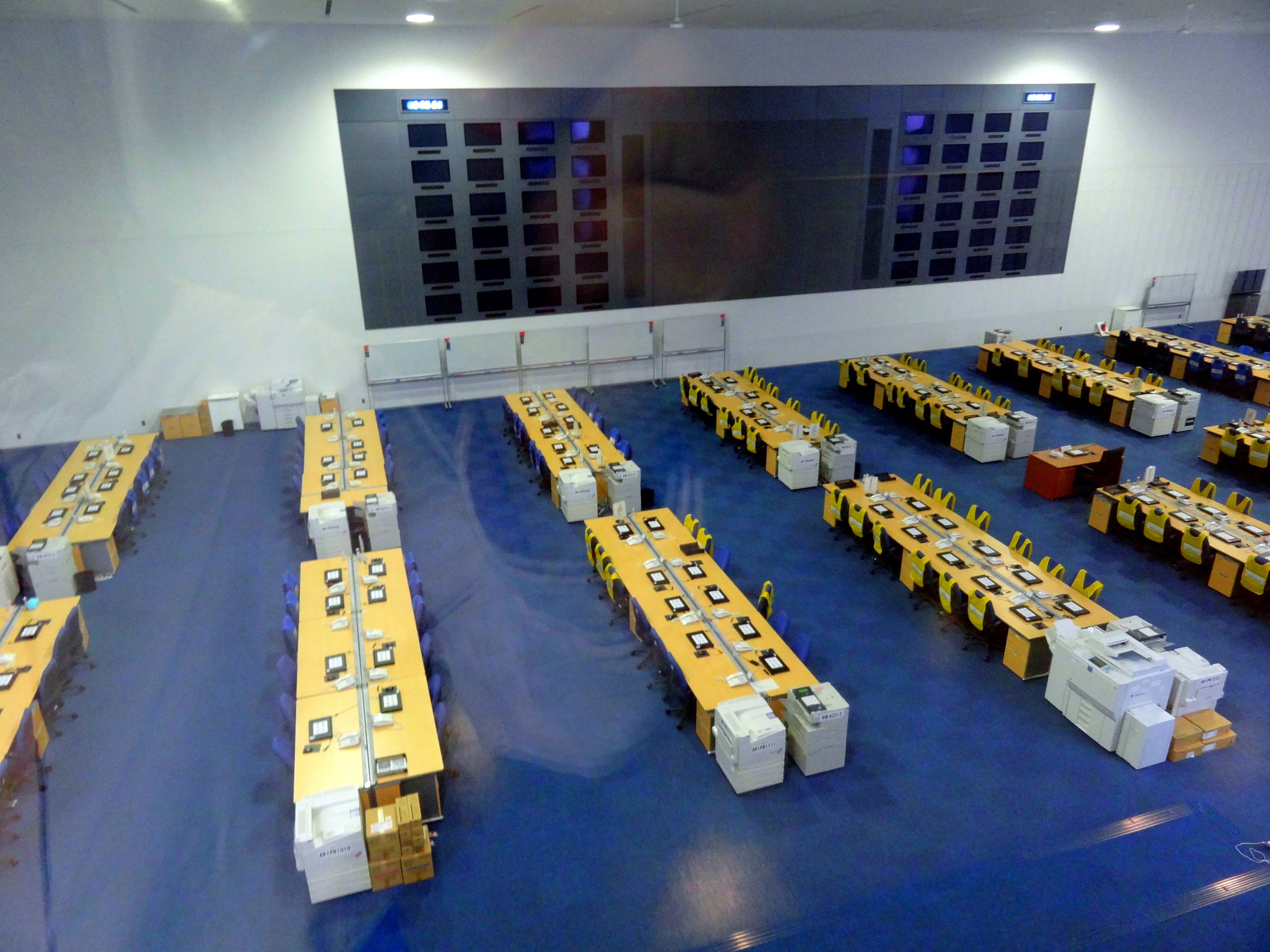
Finally, we climb onto the roof of the building and enjoy a 360-degree view of Tokyo Bay. Indeed, this place—which in the event of a major disaster would become a rescue control center—was chosen because it is easily accessible from the air by helicopter, from the sea and from the city center, where the government offices are located.
“Visitors never fail to ask us two questions. Is this place safe from a tsunami? And what about liquefaction?
“Regarding a tsunami, Tokyo Bay is much shallower than the Pacific Ocean. According to past data, even if a tsunami reaches Tokyo, the sea level does not rise higher than 2.7 meters. However, we are about eight meters above sea level, so the place is reasonably safe.
“As for liquefaction, this is a man-made island, and yes, liquefaction is going to happen. However, both the heliport and the control center are quake-absorbing structures built on strong foundations, so they can withstand a quake as strong as magnitude 7.”
Yamazaki compares earthquake prevention to dental health.
“Many people don’t see a dentist until their teeth really start to hurt, but at that point it may be too late,” he says, “and the doctor may have to pull the bad tooth. This can be compared to losing a family member in a disaster. The difference is that you can always replace a pulled tooth with a fake one, but you can never replace a dead person. That’s why prevention is so important.
“In any case, what everybody must understand is that an earthquake can strike at any time, day or night, and it is so sudden that we often don’t have time to react in any way. Now, for example, all cell phones and smartphones in Japan are equipped with an earthquake alarm system that is supposed to alert you a few seconds before an earthquake strikes, but it is usually too late to do anything. The only way to increase your chances of survival is to think ahead and be prepared.
“When you think about it, people always get ready for a number of things, like studying hard before a test or training before a sporting event. However, there are no drills to prepare people to deal with a major disaster like an earthquake. So it’s up to you to think about your own safety.”
Congratulations Francis Turner for guessing the two items that people should always carry with them: a flashlight and a bottle of water.
Paid subscriptions are always gratefully accepted.
At the same time, I want it to be as easy as possible to show your support. That’s why I’ve introduced a sliding-scale annual subscription, where you can choose the level that feels right for you (book not included):
No posts
Comments
Nothing yet. Say the first thing.
Sign in to join the conversation.