
Hello Sustainability Managers!
Just before we start, there are still 7 days left to join the waiting list for the “AI for Sustainability” Masterclass to benefits of the Early birds tarif (EUR 300/person, instead of EUR 400/person. After 12th August, the Later bird fee will apply until 31st August. Join HERE
Thanks for reading The Sustainability Manager! This post is public so feel free to share it.
Now, we are back for episode 3 of the rules of ecodesign and this time I want to step away from frameworks and regulations for a moment and just talk shop.
I spend a good part of my week reading CMF reports, materials newsletters and product teardown and I keep noticing the same three undercurrents showing up everywhere, from a phone casing to a dining chair to a shampoo bar. So today it is less “here is the rule” and more “here is what I am seeing on the ground”, coffee in hand.
Before we dive in, a quick note on why this matters beyond aesthetics.
The EU Ecodesign for Sustainable Products Regulation is starting to bite. The Digital Product Passport registry went live and the first delegated acts are landing for iron and steel, with textiles, furniture, aluminium and electronics queued up right behind. That means the decisions CMF and material teams make today (which finish, which polymer, which supplier) are becoming compliance decisions too. Trend and regulation are converging and that is exactly why this episode felt urgent to me.
Let’s get into it. Three macro trends, seen through electronics, consumer goods, consumables and furniture.
Trend one: CMF is trading spectacle for restraint
For years CMF was about standing out on a shelf. High gloss, chrome accents, saturated color drops every season. That logic is no longer valid. What I am seeing now across categories is a shift toward palettes and finishes that read as calm, mineral and durable rather than loud.
In electronics this shows up as matte, soft touch housings replacing glossy plastic and chrome trims, partly because matte textures hide wear and fingerprints far better over a two or three year lifecycle and partly because brands have realized that a scratched glossy surface photographs terribly on resale marketplaces. Earbud cases and wearables in particular are leaning into undyed or lightly pigmented recycled aluminum and bio based composites, where the material’s natural variation becomes the decoration instead of a coating on top of it.
In consumer goods, especially small appliances and personal care devices, I keep seeing the same “quiet luxury” palette: warm greys, clay tones, deep green and a teal that keeps popping up in trend decks as the standout shade for the season. These are not decorative choices, but rather emotional ones. Designers are telling me the goal is to create a sense of permanence, something you will not want to swap out in eighteen months because it never screamed for attention in the first place.
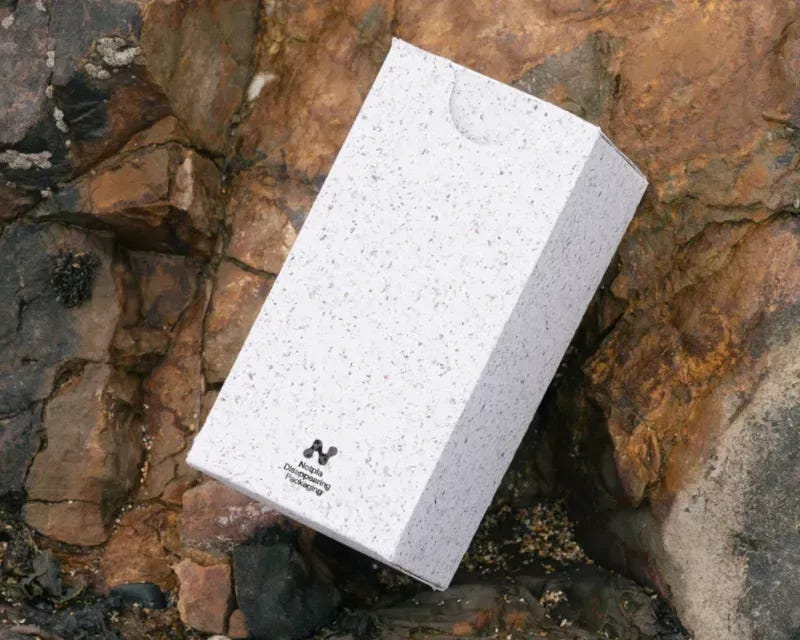
Consumables are the trickiest category for CMF because packaging still has to sell on shelf, but even there the direction is toward kraft and unbleached substrates, single spot color printing instead of full coverage and finishes that signal “this came from somewhere real” rather than “this was manufactured to look flawless”. Visible fiber, slight texture variation and a rawer print register are being used deliberately now, where five years ago they would have been rejected in quality control.
Furniture is where this trend is most mature. Oiled and waxed wood finishes that age visibly are outselling high gloss lacquer in a lot of the mid to premium segment, and designers I talk to describe this as choosing finishes that “age well” rather than finishes that “look new forever.” That distinction, aging well versus staying new, is honestly the best one line summary of where CMF is heading across every category I just mentioned.
Thanks for reading The Sustainability Manager! This post is public so feel free to share it.
Trend two: materials are getting more honest about where they came from
If CMF is about how something looks and feels, this second trend is about what it is actually made of, and the honesty part is not optional anymore, it is being pulled forward by regulation and by a genuinely more literate customer.
Electronics is leaning hard into recycled aluminum and ocean bound plastics for housings and mono material construction is becoming a real design constraint rather than a nice to have, because a casing made of one polymer family is dramatically easier to shred and reclaim than one bonded to three different plastics and a metal insert. I am also seeing more transparency around rare earth and battery sourcing simply because the EU Battery Regulation forces disclosure whether a brand wants to volunteer it or not.
Consumer goods are experimenting with bio based polymers derived from agricultural byproducts, things like PLA blends, mycelium composites for protective packaging and coffee ground or rice husk fillers in place of virgin plastic. None of these are perfect substitutes yet, some have real trade offs in durability or cost, but the direction of travel is unmistakable and I would rather see brands test and disclose the limitations honestly than greenwash a partial solution.
Consumables are probably furthest along here because the category has fewer excuses, refillable formats, compostable single material sachets and concentrate formats that cut water weight out of shipping are all becoming mainstream rather than niche. What used to be a founder led sustainable brand differentiator is now table stakes for anyone selling in the EU.
Furniture is rediscovering reclaimed and FSC certified wood at scale, alongside agri fiber boards made from wheat straw or hemp that replace traditional particleboard and its formaldehyde laden resins. What strikes me most is how many furniture brands are now willing to publish material composition sheets voluntarily, ahead of the delegated act that will eventually require it for their category around 2027 to 2028. That is not altruism, that is brands positioning themselves early so the eventual passport requirement is a formality instead of a scramble.
Trend three: design for disassembly is becoming a design language
The third trend ties the first two together. It used to be that “design for disassembly” lived in the engineering team’s repair manual, invisible to the end customer. Now it is becoming visible, almost stylistic and I think that is the most interesting shift of the three.
In electronics, exposed screws instead of hidden adhesive, modular battery compartments and snap fit housings are being marketed as features rather than hidden as engineering compromises, because repairability scores are now a purchase driver in several EU markets and a regulatory requirement is coming for others. The aesthetic of “you can see how this comes apart” is becoming a trust signal.

Consumer goods brands are shifting toward mono material assemblies and reducing the number of unique components in a product specifically so a future digital product passport can describe the item without a spreadsheet of forty subparts. Fewer parts, fewer adhesives, fewer mixed material joints, all in service of a bill of materials that is simple enough to actually be transparent.
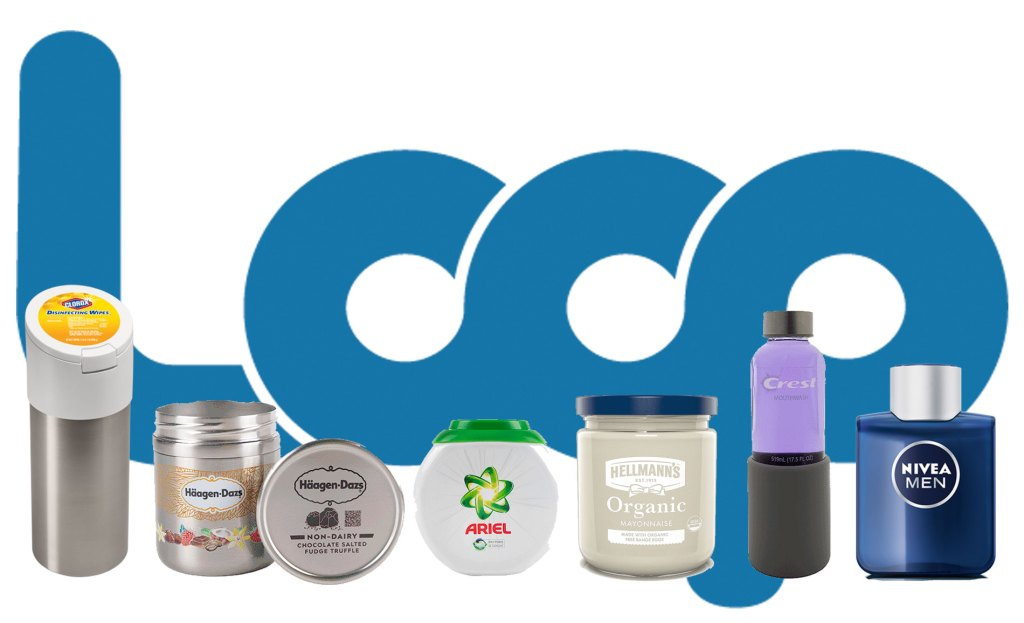
Consumables are applying this logic to refill systems, where the durable outer shell is designed to survive dozens of cycles while only the consumable insert changes, shifting the environmental burden away from single use packaging and onto a component built for longevity.
And furniture, again, is where this is most visually confident. Knock down furniture with visible joinery, reversible fasteners instead of glue and modular systems that let you replace one damaged panel instead of the whole piece are moving from flat pack budget territory into premium design language. Circularity used to be hidden. Now it is the design statement.
So that is what I am seeing right now: restraint in CMF, honesty in materials and visibility in design for disassembly and all three are being accelerated by the same regulatory wave coming out of the EU. If you manage sustainability for a product team, my honest advice is to stop treating CMF, materials and design for disassembly as three separate workstreams. They are converging into one conversation and the passport requirements landing over the next two years will reward the teams who already treat them that way.
That is it for episode 3. Next time I want to dig into how the Digital Product Passport rollout is actually going to change supplier contracts, which is a less glamorous topic but arguably a more urgent one. Let me know in the comments which category you want me to dig into first, and as always, questions welcome.
Talk soon,
Gianluca
No posts
Comments
Nothing yet. Say the first thing.
Sign in to join the conversation.