
Dear reader,
Northwest Coast art is built on lineage. For generations, knowledge has passed from elders and master carvers down to apprentices - a time-honoured system where technique, symbolism, and cultural protocol are handed down hand to hand, often within families, over years.
It’s how the tradition has survived some of the darkest periods of its own suppression. It’s also why a self-taught artist in this world tends to draw a second look.
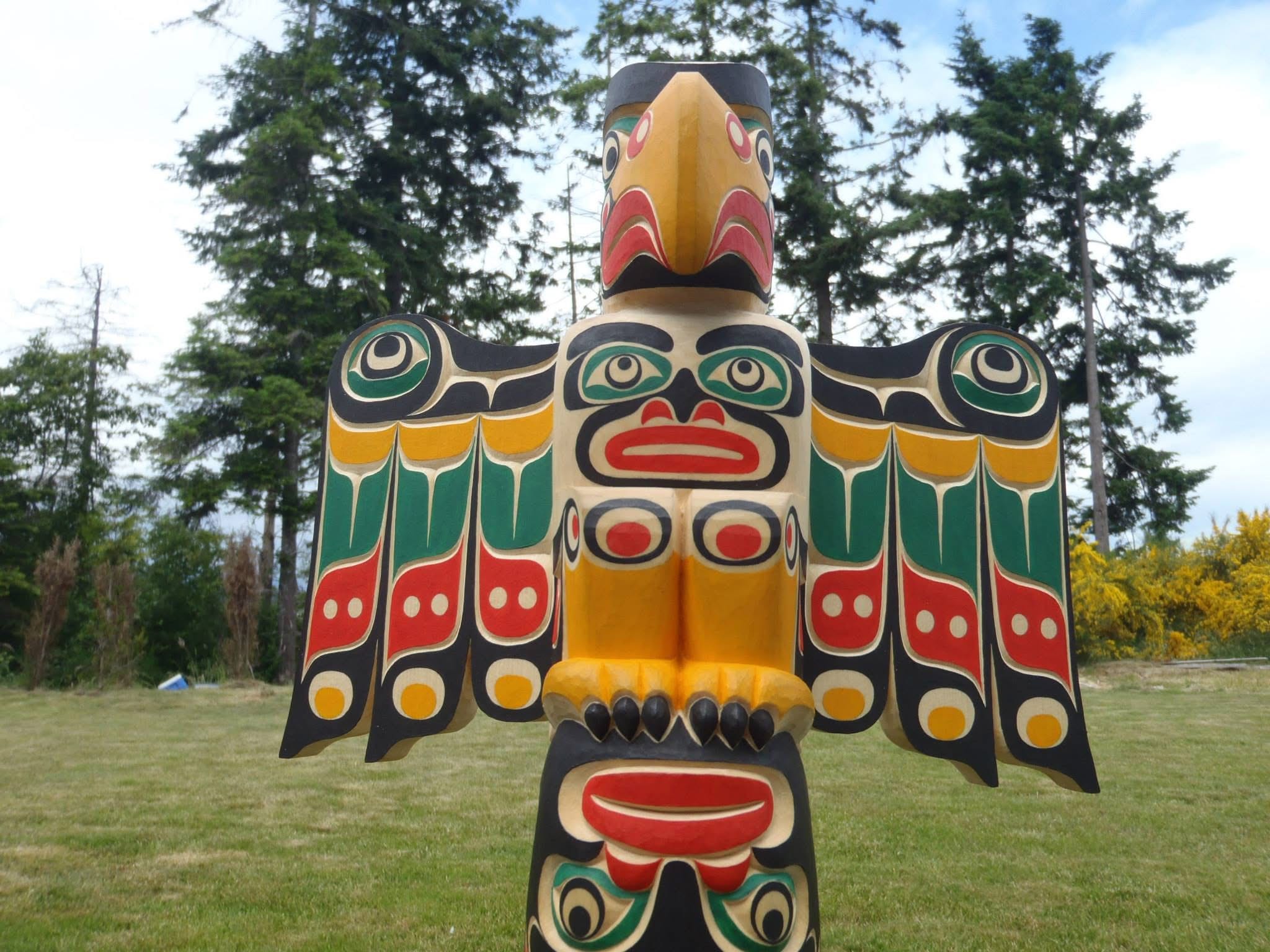
Raymond Shaw is one of those cases. Born in 1982 in Campbell River, B.C., Shaw is a member of the Wei Wai Kum band of the Ligwilda’xw people, part of the southern Kwakwaka’wakw, whose territory runs along the Vancouver Island coastline between Cape Mudge and Campbell River. He had no formal teacher, no structured apprenticeship. He taught himself by studying museum pieces and books, and by looking closely at the work of the late Willie Seaweed, one of the most significant Kwakwaka’wakw carvers of the last century.
It’s worth saying: self-taught doesn’t mean self-invented. Scholars who’ve studied the field closely have documented that self-taught paths sit alongside apprenticeship and formal art school training as recognized routes into this practice - and that artists who take that route typically build their knowledge the same way Shaw did, through ethnography, museum research, and close study of established masters. That’s the tradition working the way it’s supposed to, even without a single teacher standing over the shoulder.
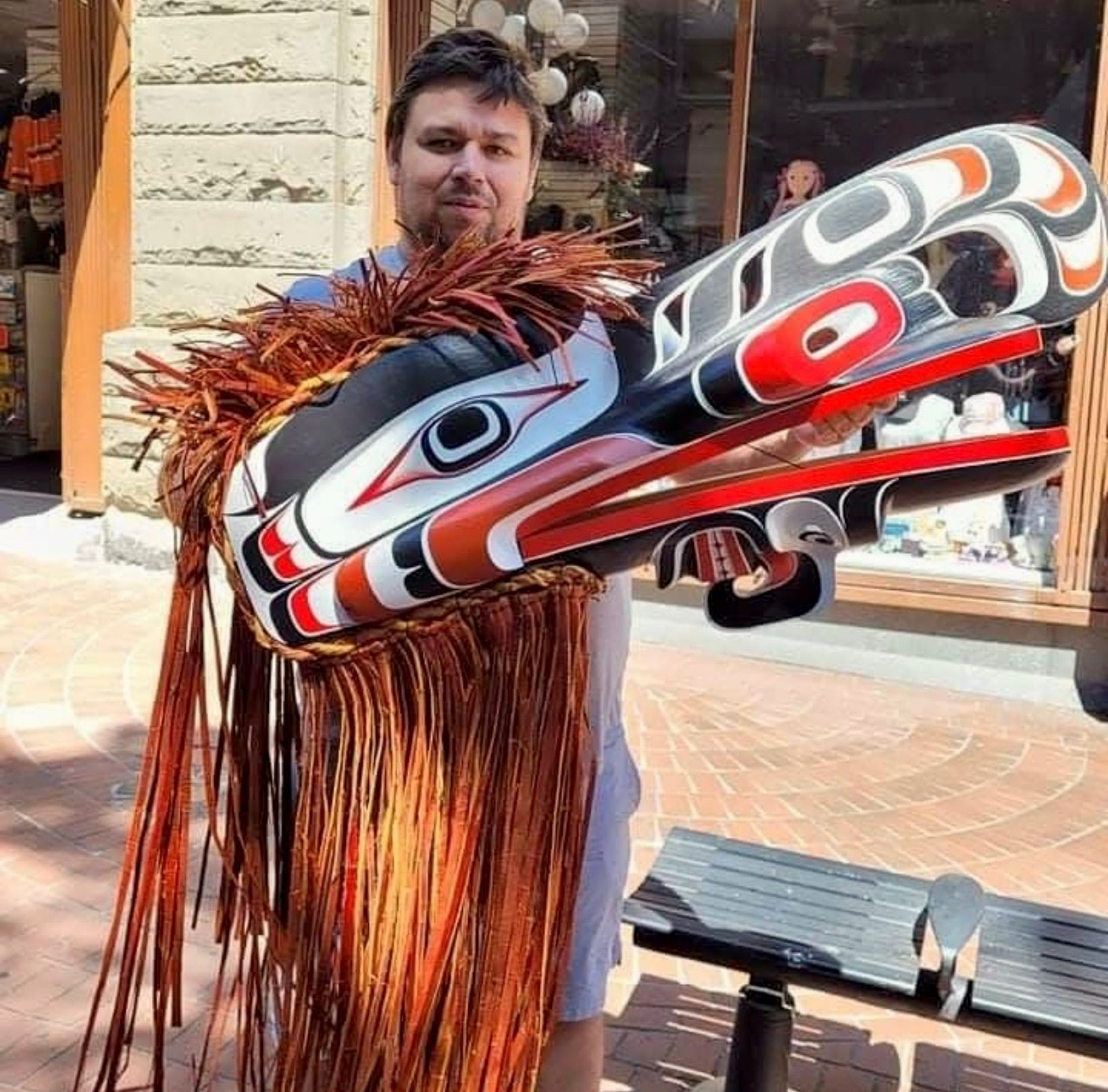
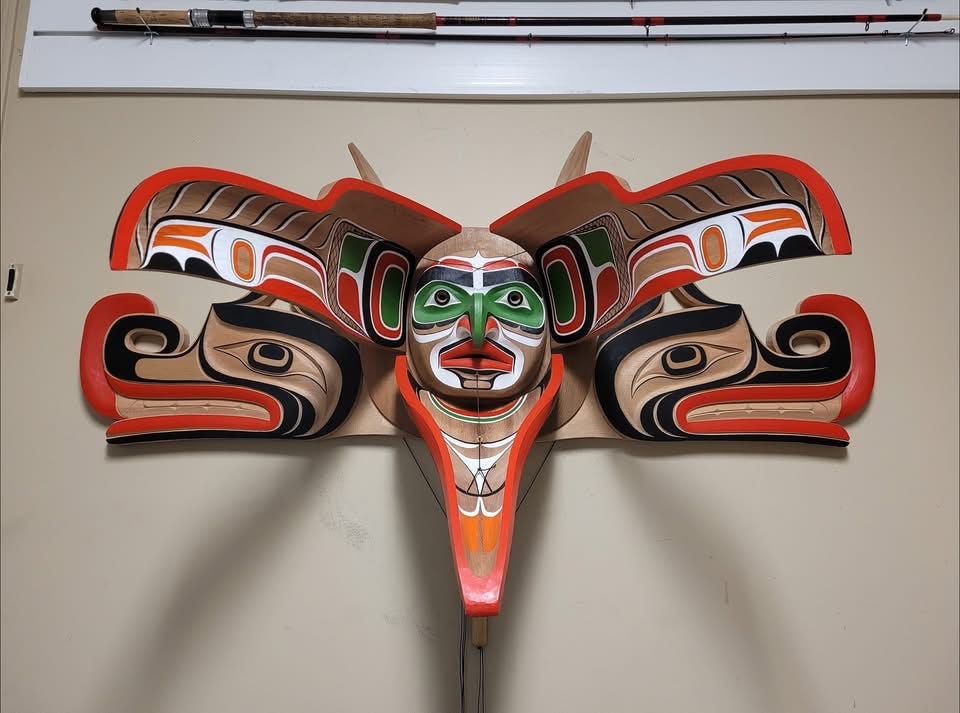
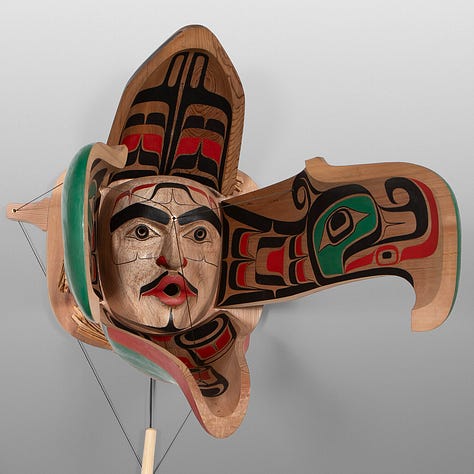
That said, the self-taught label only means something if the work backs it up, and that’s where decades of handling this art comes in - you learn to check the piece rather than the story. A few things stand out with Shaw’s. His Eagle Transformation mask, carved from red cedar with cedar bark, copper, and twine, opens to reveal a second face inside it. Transformation masks are among the hardest pieces to pull off - the carver has to resolve two complete designs, an outer form and an inner one, hinged so both hold their proportion whether the mask is closed or open. That’s not decorative carving. That’s closer to engineering.
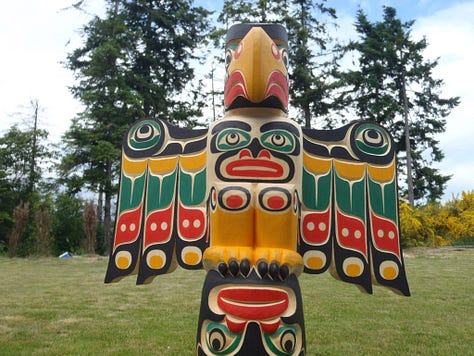
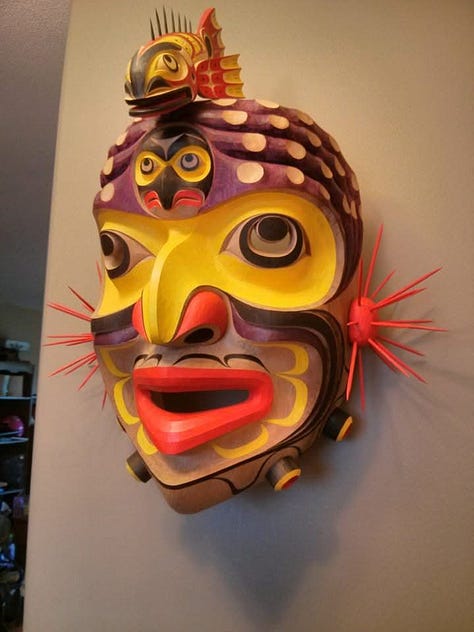
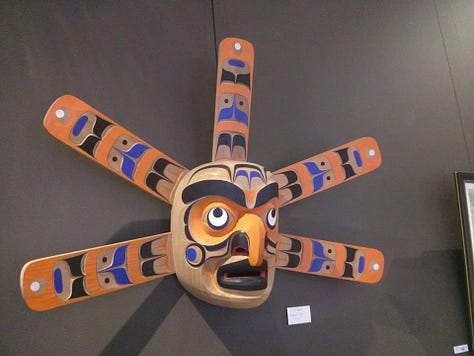
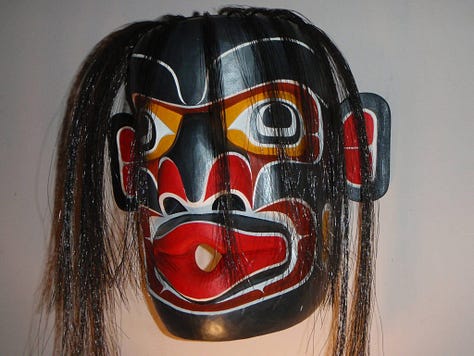
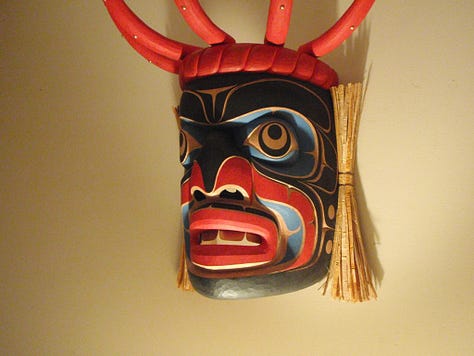
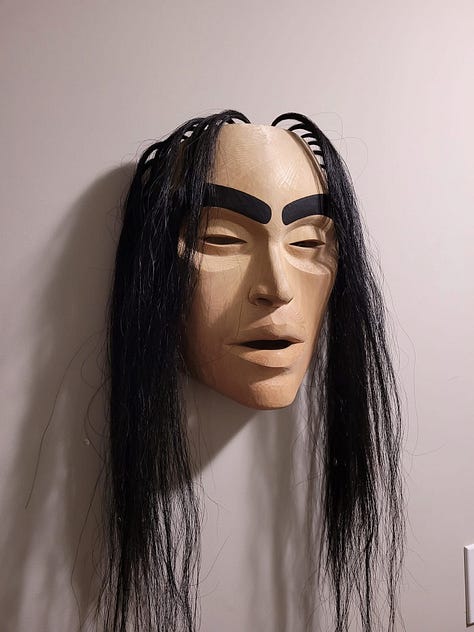
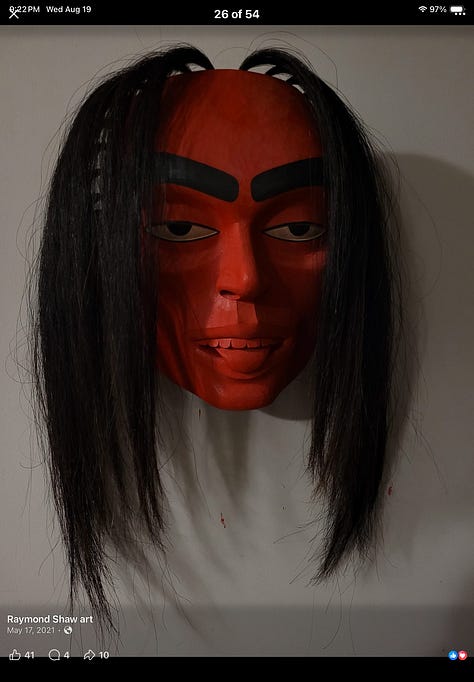
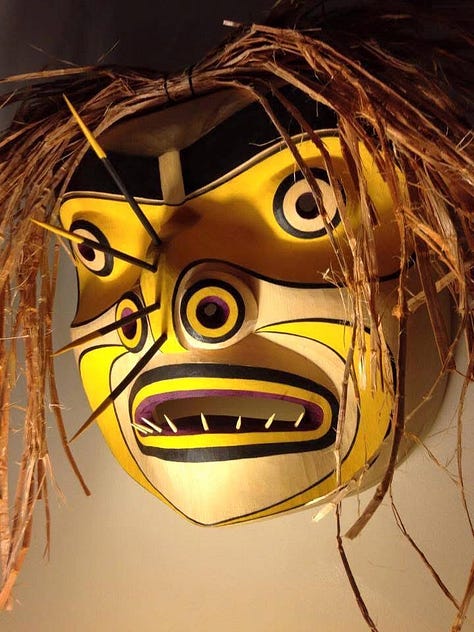
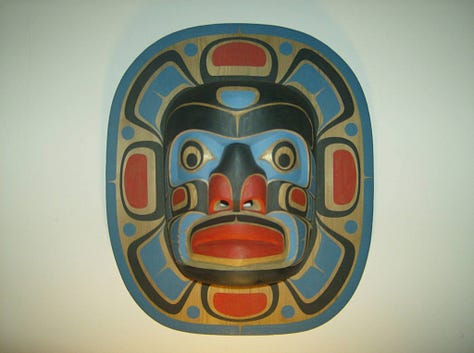
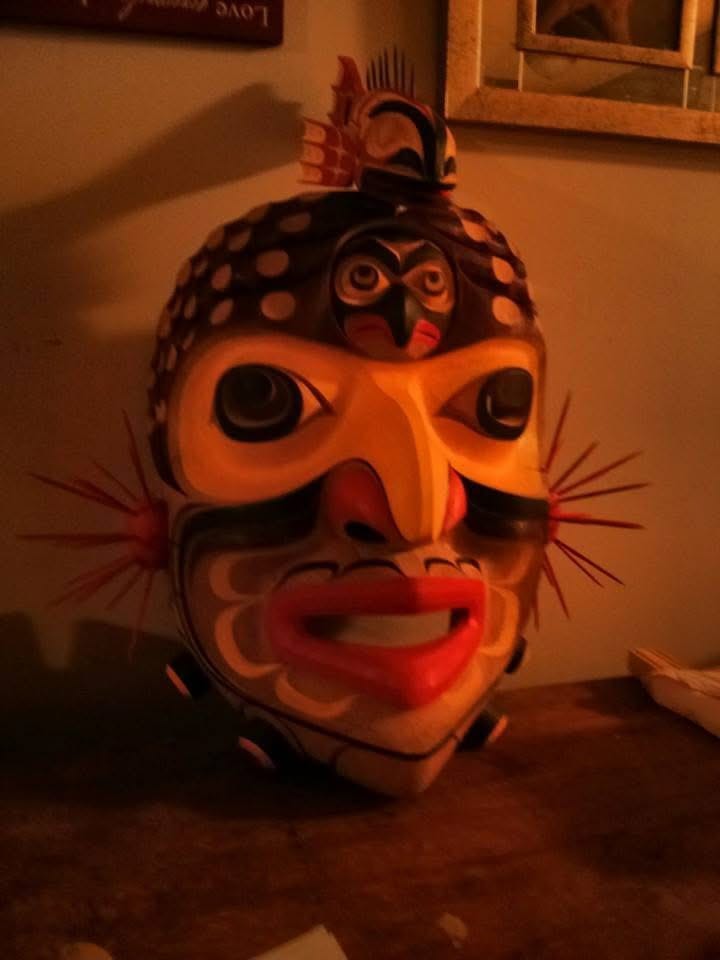
The finish work tells a similar story. On pieces like his Shaman Mask, Shaw has used a finishing knife to leave deliberate texture across the wood, then worked graphite into it to bring that texture forward rather than sand it away. It’s a technique that rewards patience and shows immediately when it’s rushed.
His later work, especially carved alongside Tom Hunt and Gordon Dick, shows that discipline sharpening further. Those are two respected names in this field, and carving beside them isn’t something that happens without the technique to back it up. He’s also stayed connected to the more communal side of the practice - photographed carving a dugout canoe with hand-adzes and crooked knives alongside fellow carver Junior Henderson, using the same tools generations of Kwakwaka’wakw carvers have relied on.
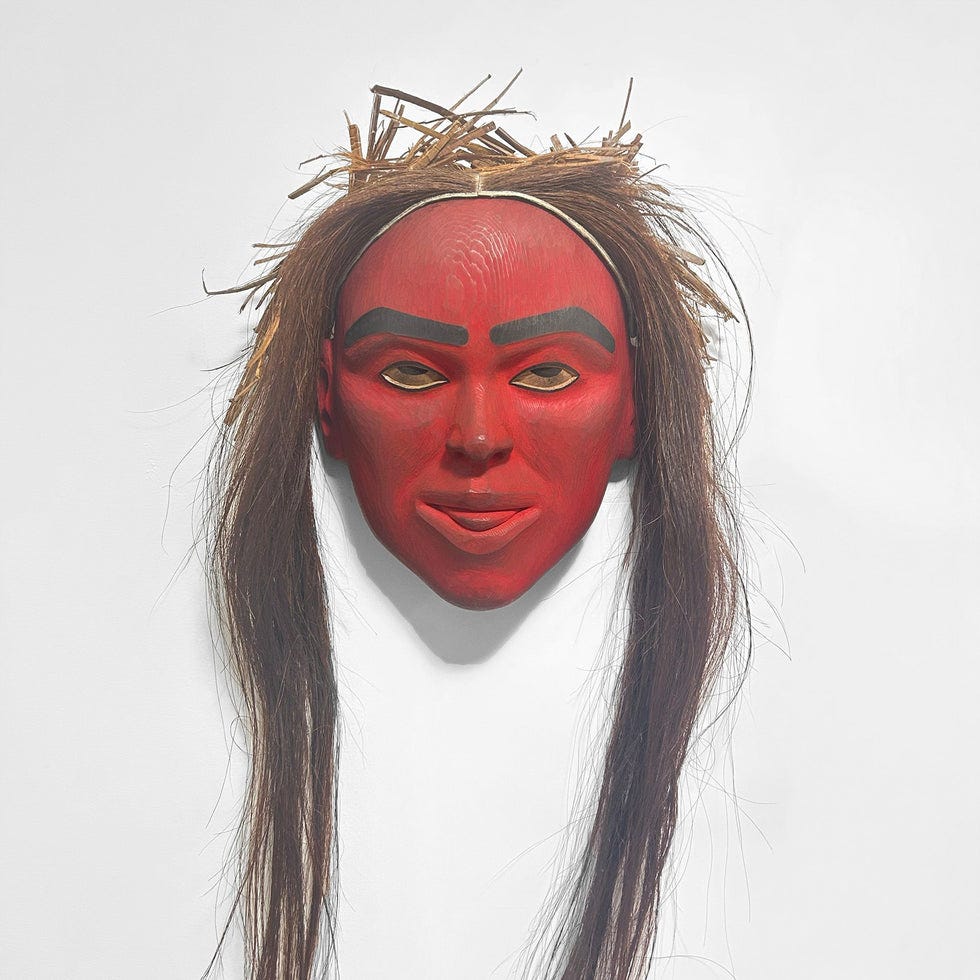
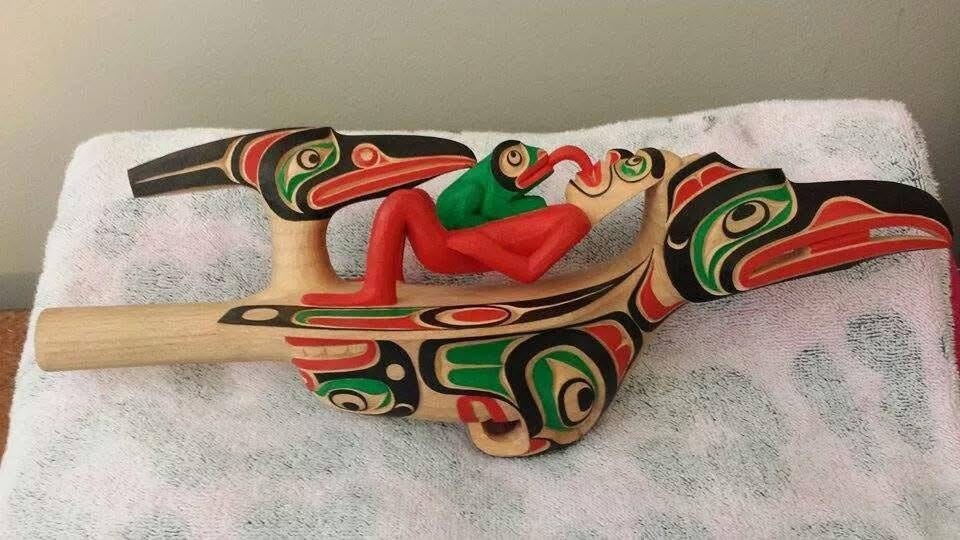
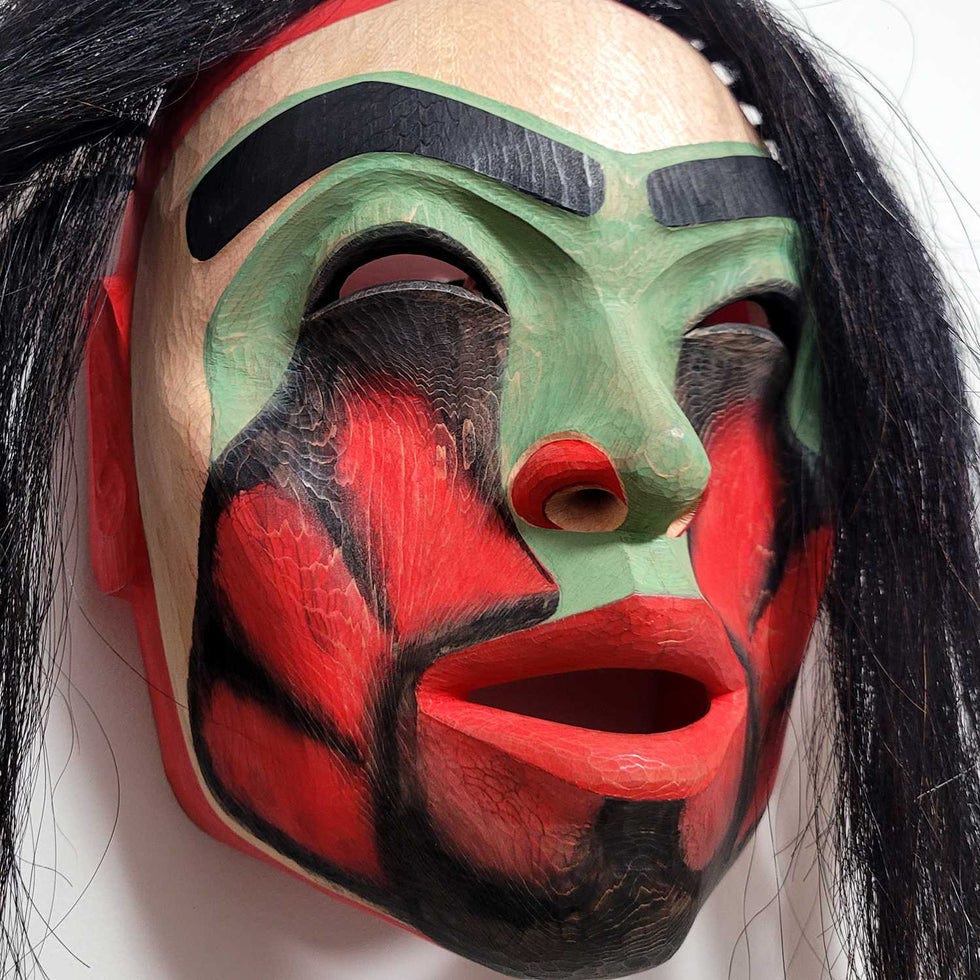
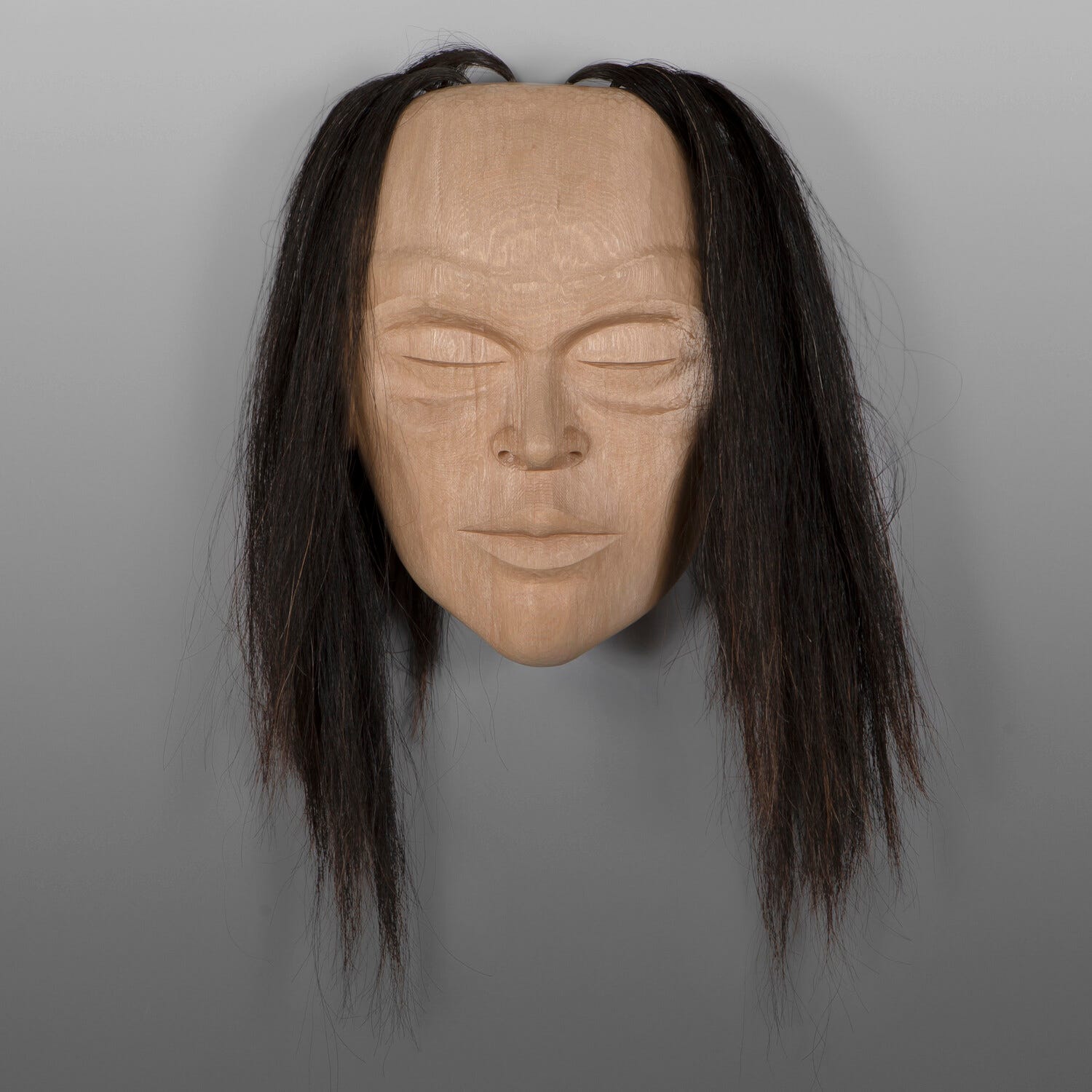
The gallery record backs that up. Shaw’s work has moved through some of the most respected names in the field: Vancouver’s Lattimer Gallery and Coastal Peoples Fine Arts Gallery, Seattle’s Steinbrueck Native Gallery, Douglas Reynolds Gallery in Vancouver - where his Bukwas Mask recently listed at $36,000, his highest recorded price - along with Canada House Gallery and Spirits of the West Coast. These aren’t souvenir shops. They’re the galleries serious collectors watch, the ones that vet an artist’s technique and provenance before they’ll put a name on the wall. Beyond the gallery circuit, his pieces have gone into museum collections in London, Mexico City, and Vancouver, and a standing commission hangs at the Fairmont Waterfront Hotel here in Vancouver. Curators and gallery owners alike are selective by nature, and a self-taught carver earning that kind of reach across multiple continents doesn’t happen without the work doing the talking.
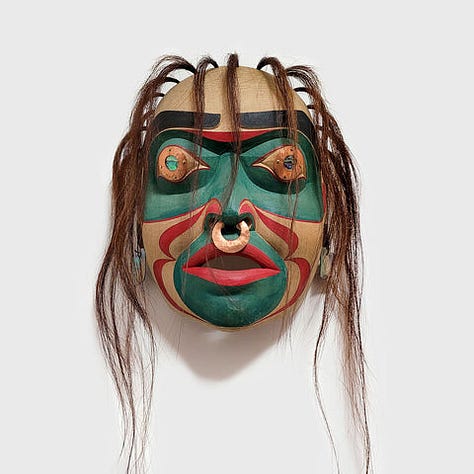
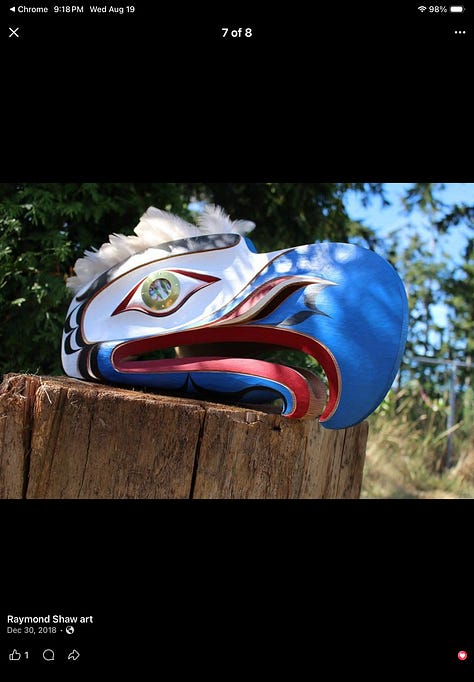
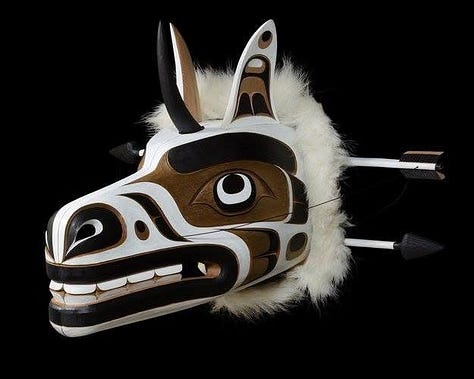
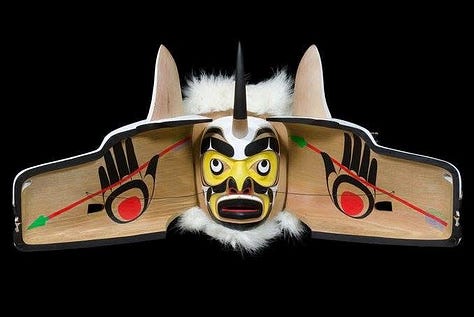
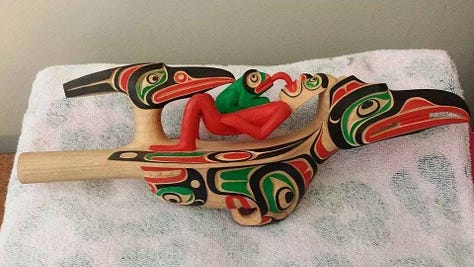
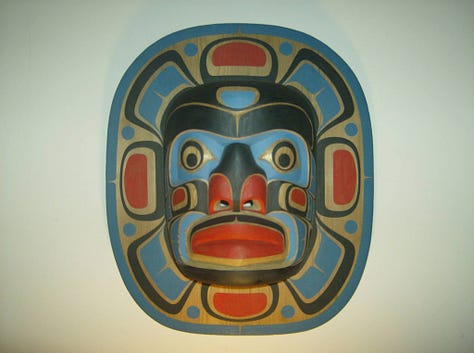
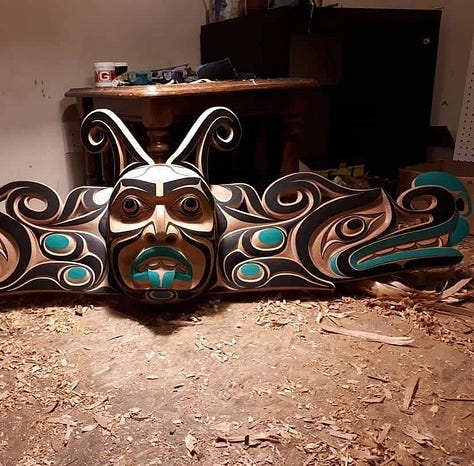
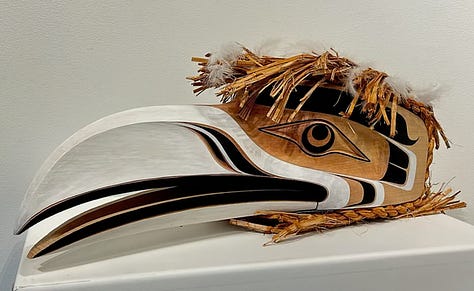
Why it matters: every piece like this is a living thread connecting to a tradition that colonial policy spent a century trying to break. When a Kwakwaka’wakw carver’s transformation mask hangs in a London museum, that’s the culture asserting itself on the world stage, on its own terms.
Go paid - Decades spent around this art teaches you how to separate the real thing from the merely decorative. Paid subscribers get that eye applied to every artist profile I publish, plus the deeper story behind the pieces. Go paid and get the full picture.
Share - Know someone who’d want to see Raymond Shaw’s work through a longtime collector’s eye? Share this one.
Comment - Have you seen a Raymond Shaw piece in person, or come across a self-taught carver whose work stopped you in your tracks? Drop it in the comments.
Go paid - Nearly 40 years collecting Northwest Coast art has taught me things you won’t find in a gallery brochure - which pieces matter, why, and what separates good work from great work like Raymond Shaw’s. Paid subscribers get that depth on every profile. Go paid and get the full picture behind the work.
Share - Know someone who’d want to see this? Share Raymond Shaw’s story - it’s how more people find out about artists like him.
Comment - Have you seen Raymond Shaw’s work in person, or come across another self-taught carver whose work deserves this kind of recognition? Drop it in the comments.
Comments
Nothing yet. Say the first thing.
Sign in to join the conversation.