
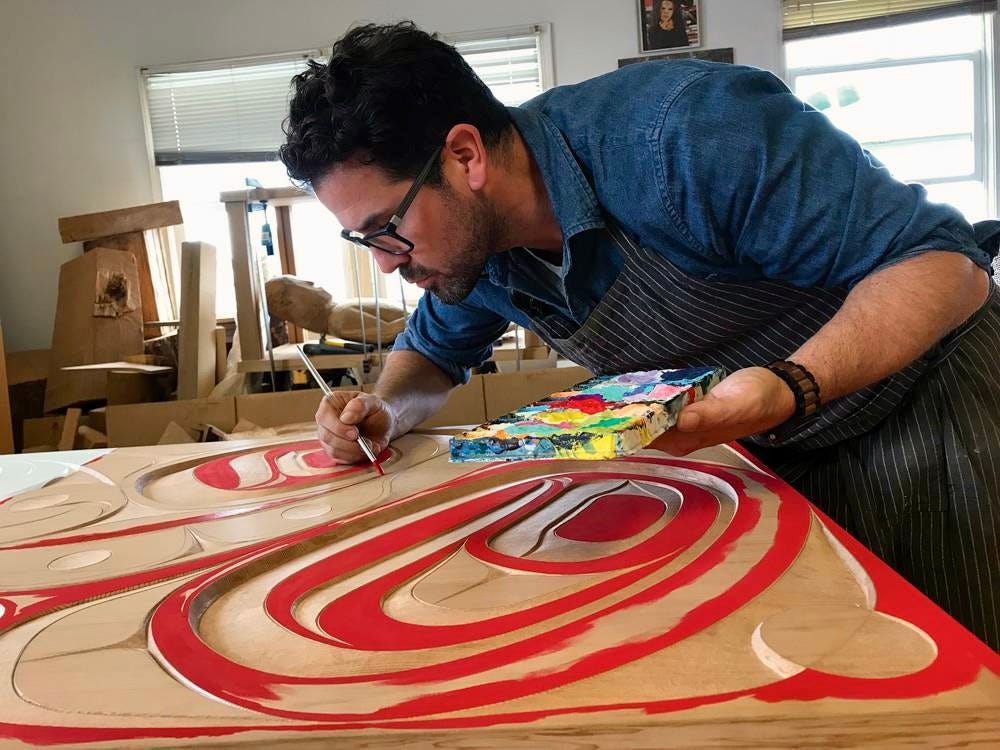
Rande Cook, Kwakwaka’wakw multimedia artist and chief of the ‘Namgis Nation, at work
Dear reader,
I’ve spent forty years looking, collecting art, my favourite, Northwest Coast Art.
Every so often, I see something that is truly outstanding, dazzling and mesmerizing.
Rande Cook’s work fits the description.
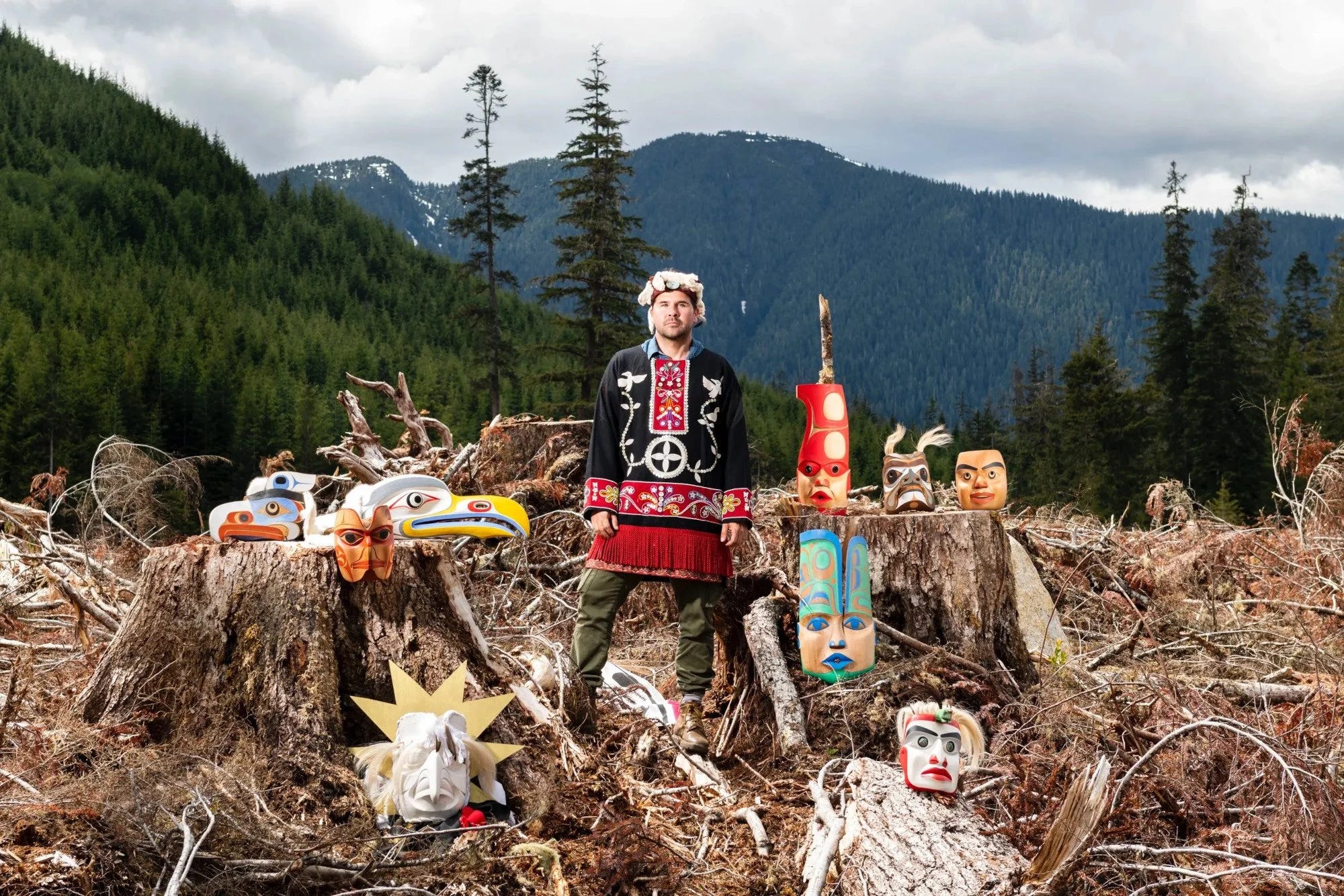
WHO TAUGHT HIM TO DO THIS
Before you can appreciate how easily Cook moves between traditional and modern, it helps to know exactly whose hands shaped his. This isn’t an artist who picked up a chisel and found his own way. He apprenticed under master carver John Livingston starting in 2002, studied metalwork under Robert Davidson - one of the most significant Haida artists alive - and learned woodcraft under Calvin Hunt. Beau Dick and Don Yeomans mentored him. Bruce Alfred taught him the traditional engineering of bentwood boxes. That’s about as serious a lineage as exists in Northwest Coast art right now, and Cook didn’t just pass through it - he apprenticed under Livingston for years.
Then he went looking for more, well outside the tradition he’d already mastered. In 2010, he traveled to Italy to study European repousse and chasing metalwork technique under master Valentin Yotkov, then followed up with further study in Yotkov’s New York studio. In 2017, he took an artist residency at Pilchuck Glass School in Washington - the school Dale Chihuly himself helped found - and shortly after, a second residency at the Museum of Glass in Tacoma, learning to translate his traditional forms into glass alongside professional glass-blowing teams.
That’s the answer to how he moves so easily between the traditional formline and something entirely his own: he didn’t arrive at that fluidity by accident or instinct alone. He built it deliberately, mentor by mentor, medium by medium, treating Western glasswork and European metalworking with the same seriousness he brought to Kwakwaka’wakw carving under Livingston.
WHAT STRIKES ME MOST
What strikes me first isn’t any single piece, it’s the scope of the whole practice. Cook moves between the traditional formline his mentors spent decades teaching him and something entirely his own, and he does it without ever looking like he’s choosing one at the expense of the other. That’s rare. Most artists working across that line end up flattening one side to serve the other, tradition reduced to decoration, or innovation reduced to a gimmick layered on top of an old form. Cook doesn’t do either. Watching him move back and forth between the two isn’t just skillful, it’s close to breathtaking, a genuine journey of discovery rather than a technique on display.
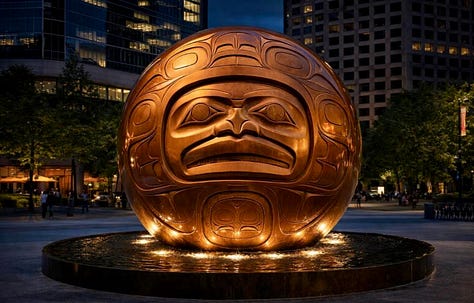
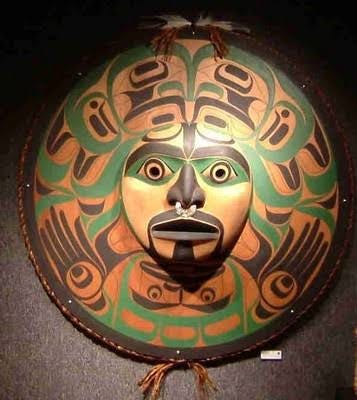
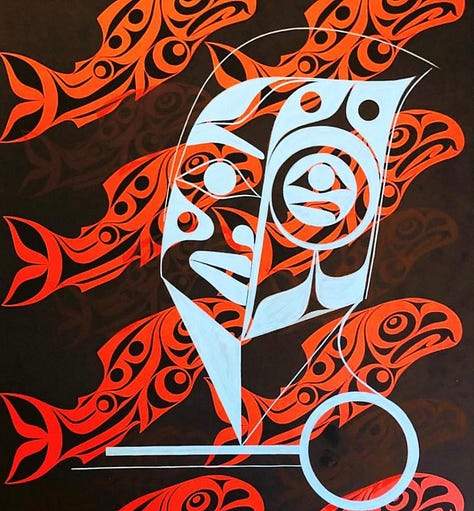
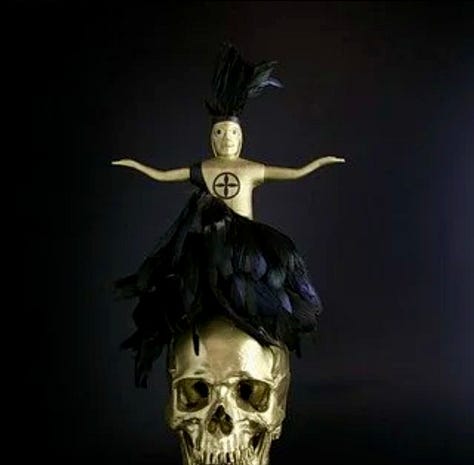
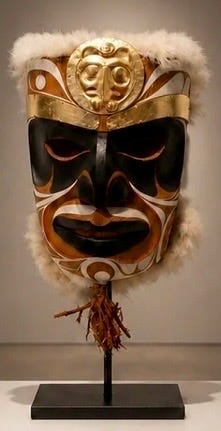
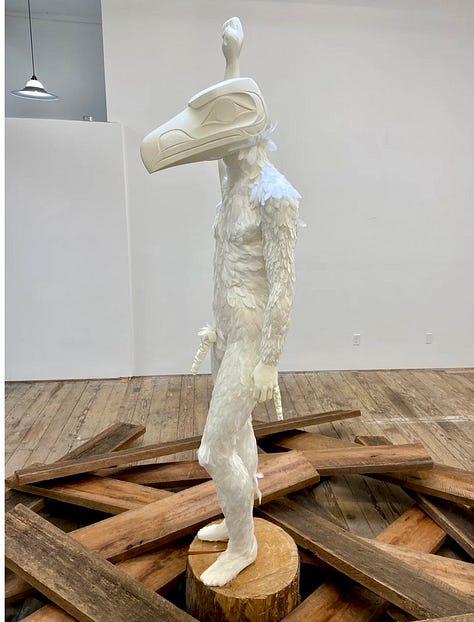
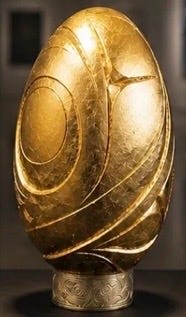
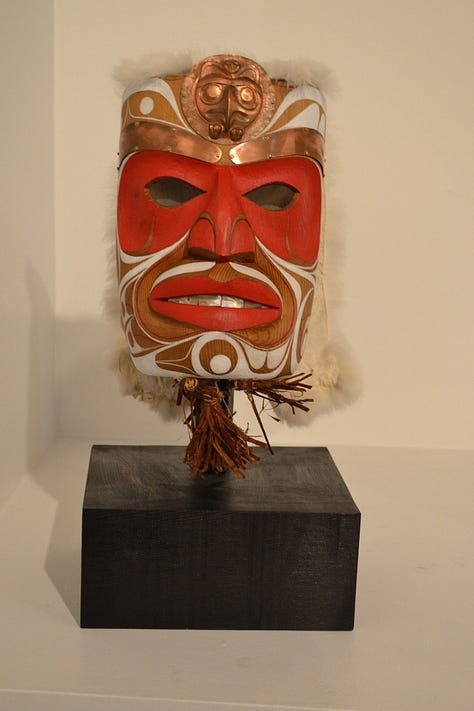
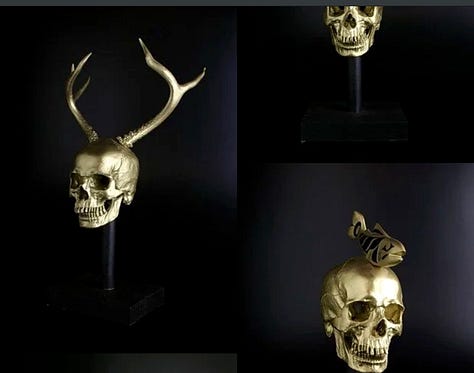
I don’t say this lightly: he may be the most important living artist working in this tradition today, precisely because he makes that fluidity look effortless when it’s anything but.
IN HIS OWN WORDS
Cook has said, about as plainly as an artist ever states their own mission, exactly what he’s trying to do:
“It is my intentions to break barriers between Indigenous art and the art of the world by fusing many ideas that will enrich the body of my art form. My hope is that by doing this we as a society can see the beauty in all cultures and embrace the spirit that connects us all in an ever embracing rainbow of colour.”
Read the whole piece with that sentence in mind and everything else about him snaps into focus. This isn’t an artist who happens to work across traditions. Breaking that barrier deliberately, as a stated mission, is the entire point of the practice.
A RECORD THAT BACKS UP THE CLAIM
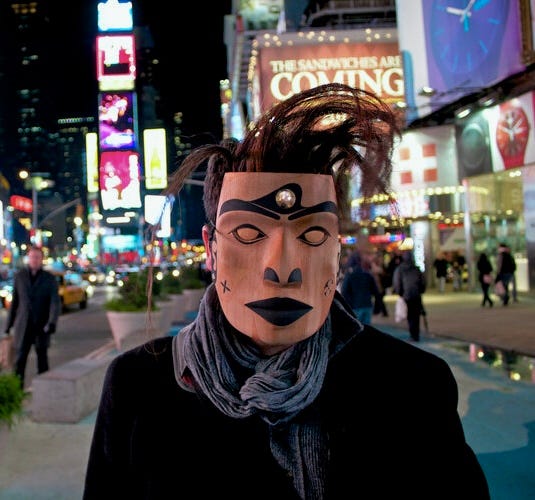
None of this is a hunch on my part. Cook was featured in Changing Hands: Art Without Reservation 2 at the Museum of Art and Design in New York in 2005 - a major, internationally watched survey of contemporary Indigenous art. His photographic self-portrait Look Mom, I’ve Arrived, depicting him in a hand-carved Kwakwaka’wakw mask walking through Times Square, was acquired by the Portrait Gallery of Canada.
In 2015, the province of British Columbia recognized him with a BC Achievement Award in First Nations Art. That same year and the next, he held the Audain Professorship of Contemporary Art Practice of the Pacific Northwest at the University of Victoria - the first artist from a Vancouver Island nation to hold that position.
His work today sits in galleries and private collections across Canada and the United States, and in institutional and private collections internationally. He’s also chief of the ‘Namgis Nation, a role he’s described as making sure his people are fed in every sense, not just the literal one - the same reciprocity, I’d argue, that shows up formally in his art: something given, something exchanged, nothing extracted without a return.
SEEDS OF TOMORROW
His latest major work makes the case better than I can. Seeds of Tomorrow isn’t one sculpture, it’s four, carved from salvaged red cedar and finished with acrylic paint, abalone, and aluminum. Each piece embodies one of the four elements - Air, Fire, Water, and Earth - not as abstractions, but as living relationships, the way Kwakwaka’wakw knowledge systems have always understood them: land, culture, and ceremony as one continuous fabric, not separate categories.
The origin of the work is almost as telling as the work itself. The first Seed wasn’t planned as part of a series at all - it emerged in response to Cook’s exhibition Culturally Modified: The Relationships That Marked a Place in Time. But that first piece, Cook has said, already carried the seed of the other three inside it. Together, the four sculptures now form what the artist describes as a cycle of becoming: Air breathes life into beginnings. Fire clears space for emergence. Water binds all relations. Earth receives, remembers, and renews. Cedar itself, the Tree of Life in Kwakwaka’wakw tradition, roots all four.
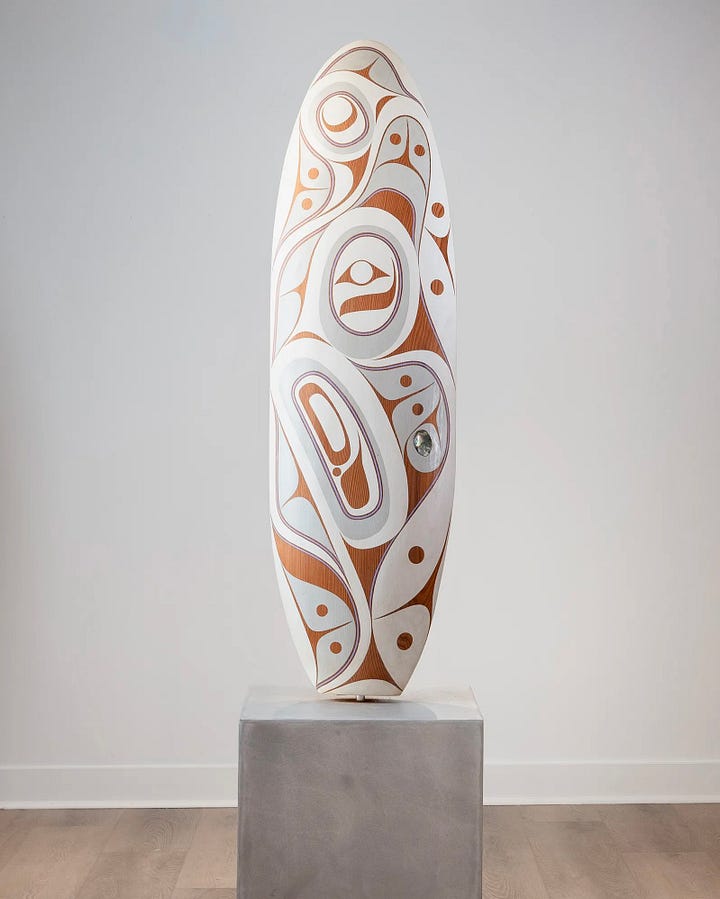
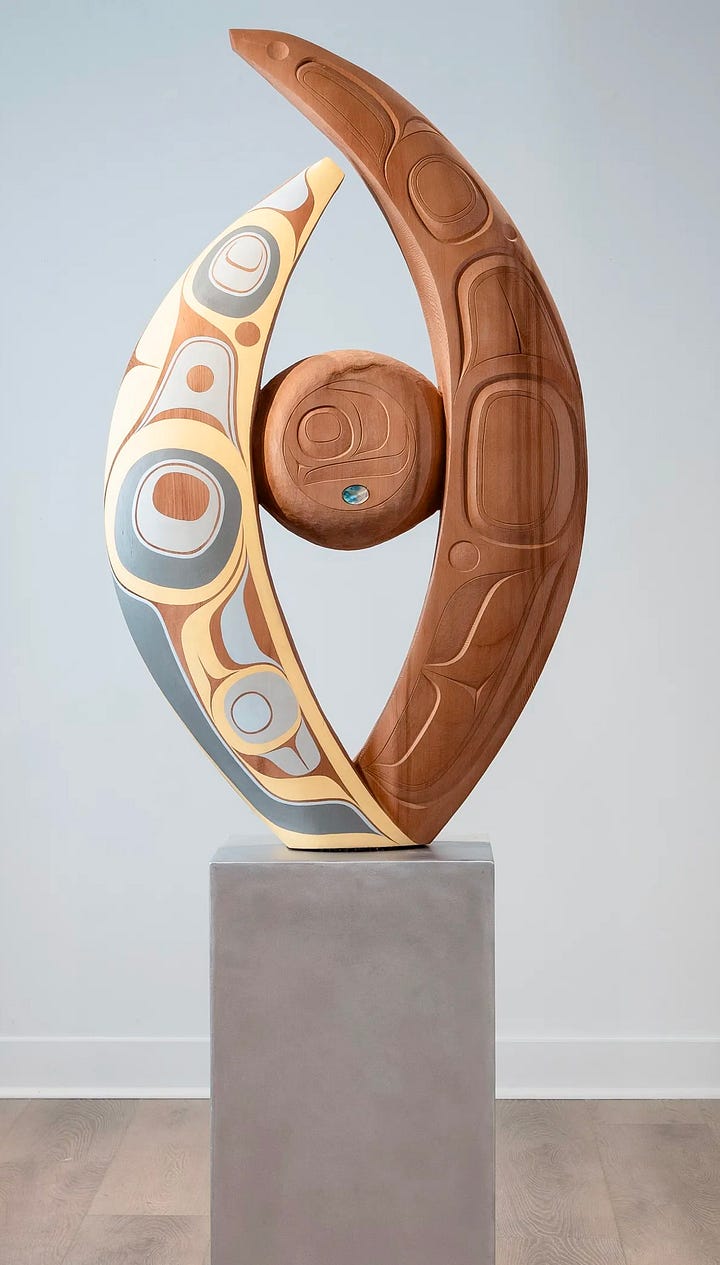
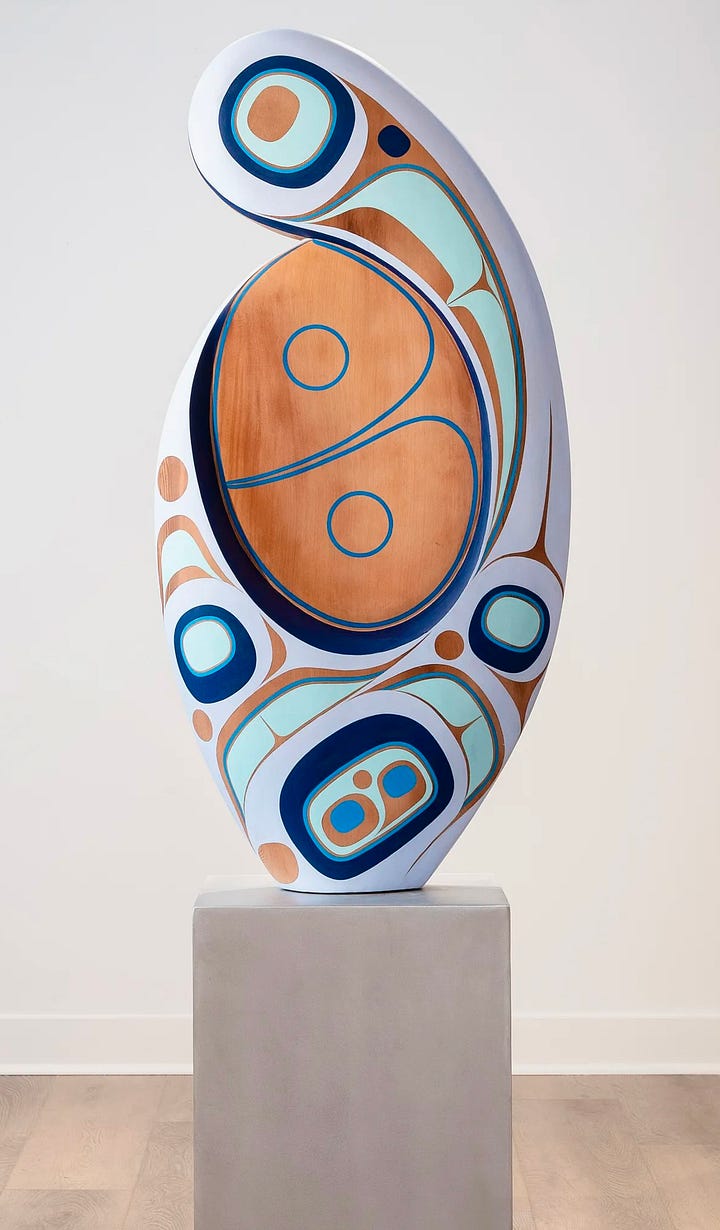
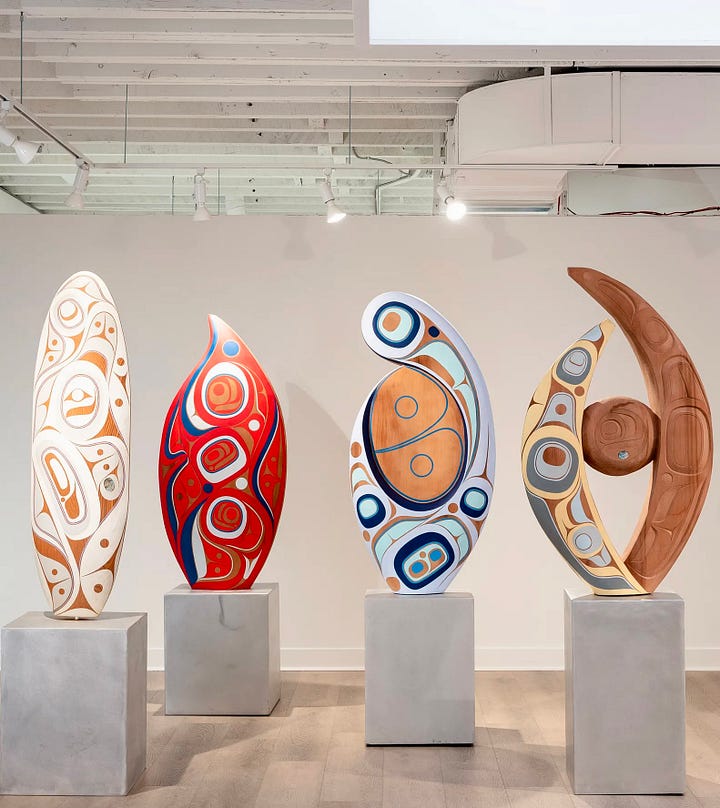
That’s the part I keep coming back to. These aren’t metaphors mounted on a wall for effect. They’re teachings, built to argue - quietly, in wood and abalone rather than words - that Indigenous knowledge isn’t a historical artifact. It’s urgently relevant right now, and it’s asking something specific of anyone standing in front of it: choose relationship over extraction, responsibility over profit, continuity over erasure.
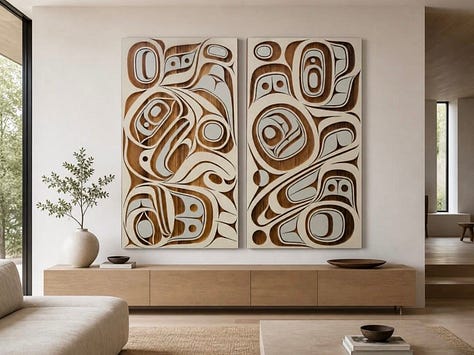
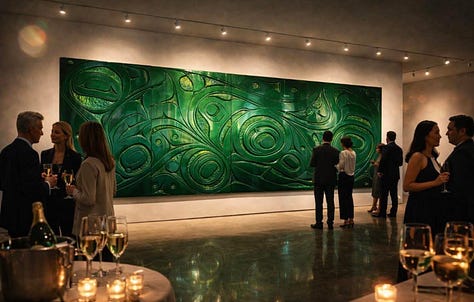
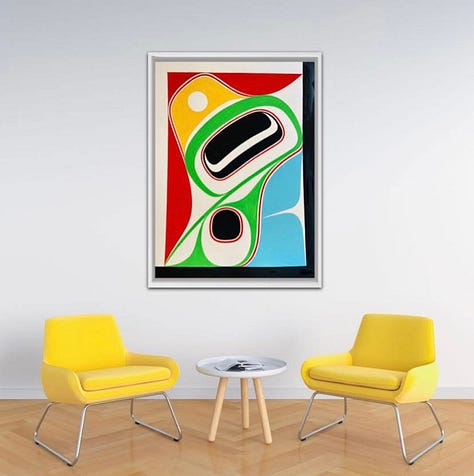
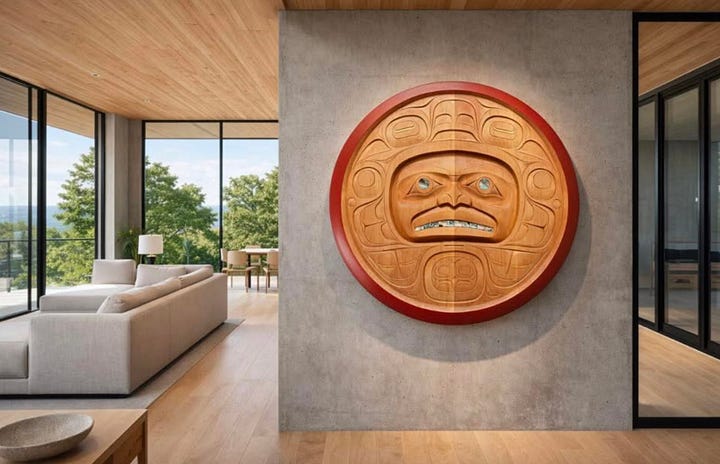
One of the best way to illustrate his fluidity of adapting the old with the modern is in home and gallery settings. Here you can see clearly how the two meld together effortlessly - the art with the modern.
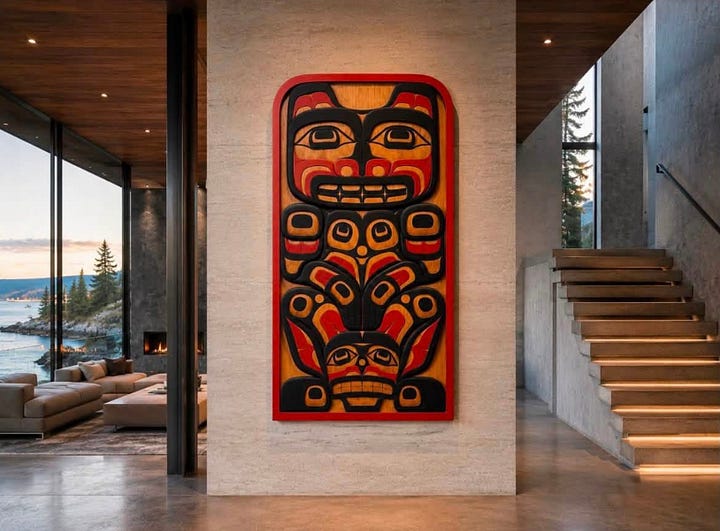
An artist who apprenticed under a master carver for years, studied metalwork in Italy, learned glassblowing at the school Chihuly built, and still calls himself on a mission to fuse it all into “an ever embracing rainbow of colour” isn’t finished. By his own telling, he’s only partway through the work he set out to do.
I’ll be watching for what comes next. You should be too.
Drop a comment. Have you seen Cook’s work in person, or is this the first time his name has crossed your feed? I want to know.
Share this with someone who thinks Indigenous art belongs in the past tense. It doesn’t.
Go paid - profiles like this take real research, real time, and real relationship-building with the artists themselves before they're ready. Paid subscribers get every Froehlich Gallery feature first.
Comments
Nothing yet. Say the first thing.
Sign in to join the conversation.