
In 2015, the National Alliance for Caregiving and AARP estimated that 43.5 million people provided unpaid care. By 2025, the Johns Hopkins Bloomberg School of Public Health projects this number will rise to 53 million. These caregivers make up most of the 63 million family caregivers in the United States, nearly one in four adults, who provide ongoing care for complex medical conditions or disabilities. (Reinhard et al., n.d.)
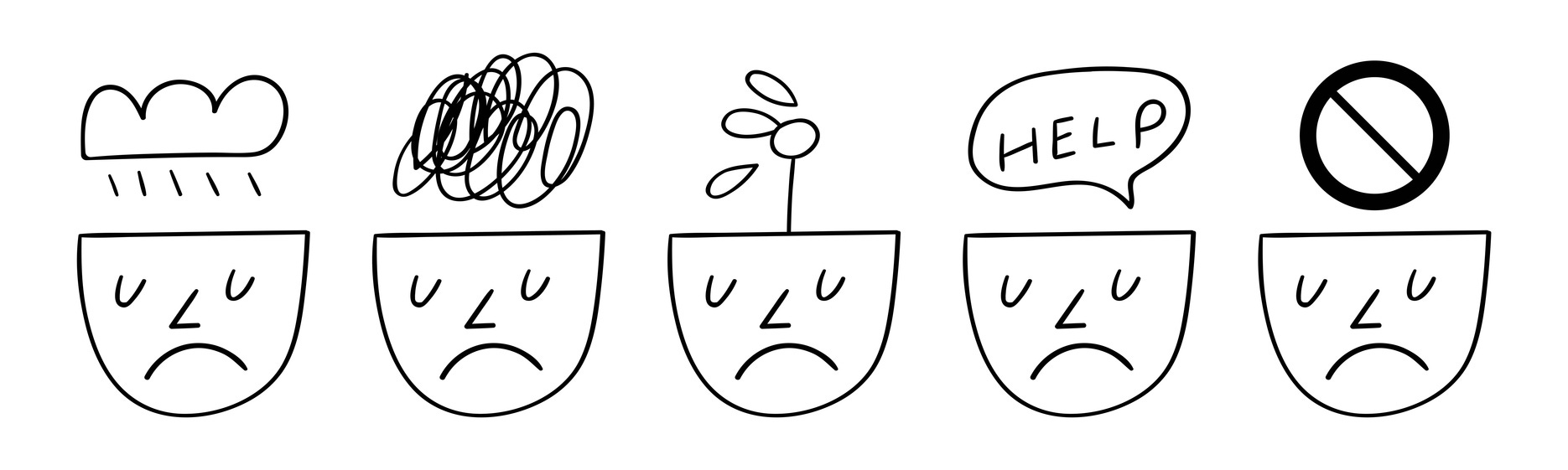
The financial impact is significant, particularly from wage losses. A 2024 study by the Columbia University Mailman School of Public Health estimates that unpaid caregiving accounts for about $873.5 billion in uncompensated labor. (McHugh, 2024) Although caregiving is often seen as a family duty, it frequently imposes substantial physical, mental, and financial burdens on caregivers. (ME et al., 2017)
This situation is concerning, but it also offers communities a chance to support caregivers, offset potential federal funding cuts, and build a sustainable care infrastructure for aging populations. To move from awareness to action, communities can begin by forming a local caregiving task force that brings together stakeholders, including caregivers, healthcare professionals, faith-based groups, and local leaders. One of the first steps could be conducting a community needs assessment to identify caregiver challenges, available resources, and service gaps. Policymakers play a vital role in facilitating these community efforts by providing grants, offering technical assistance, and creating regulatory support that makes local solutions easier to implement. These actions can encourage partnerships, reduce barriers, and help scale innovative approaches. Together, these efforts can strengthen community independence and make the case that communities must act now to build a self-sufficient system.
Lessons Learned from the COVID-19 Pandemic
During the pandemic, the closure of public resources led to new approaches to caregiving. The pod model, originally used for schoolchildren, was later adapted for adults needing supervision. For example, the Oasis concept reduced costs. It provided respite for family members, allowing them to return to normal activities, maintain employment, and regain self-esteem affected by changing roles.
Many states support Structured Family Caregiving (SFC), a Medicaid-funded model that pays family caregivers an average of $100 per day. (RN, 2025) Compared to community-based models, SFC can be less costly for payers in the short term and provides direct support within the home, but it often benefits only one household at a time. (Vertrees et al., 1989, pp. 65-78) Community-based models, while sometimes requiring greater initial investment and coordination, can yield broader cost savings by leveraging shared resources, reducing caregiver burden, and fostering social engagement among participants. These programs are also more scalable at a community level, adapting to diverse local needs and allowing care recipients to remain more autonomous and socially connected. (Dementia Caregiving as a Public Health Strategy, 2024) Although SFC may be financially attractive to payers, it is not a sustainable long-term solution for several reasons (Chidambaram & Burns, 2024)
Caregivers may lose their current employment, which can negatively impact household income.
Caregivers may experience a diminished sense of identity in their parental roles.
Prolonged overwork and lack of respite can lead to reduced caregiver self-esteem.
This model may deprive older adults of social connections that could enhance their quality of life and facilitate caregiving.
Ongoing caregiving responsibilities can negatively affect caregivers’ mental well-being, leading to additional secondary losses. (Kilmer et al., 2024)
An alternative is to establish community-based programs that lower costs and relieve family members of the burden of full-time caregiving. In turn, these programs can prevent unwanted caregiving responsibilities and help care recipients gain autonomy and greater opportunities for social engagement and a sense of purpose. (Kueakomoldej et al., 2024)
Communities can organize independently or join networks of similar groups. Organizers may obtain certification to establish an Oasis, access daily member programs, and facilitate intergenerational activities.
A successful trial program launched during the pandemic on Cape Cod has led to the establishment of a platform for organizers that will provide a solid foundation for programming and support. (Elder Services of Cape Cod and the Islands, Inc. Area Plan 2026-2029, n.d.)
The Oasis model is intentionally small and pod-like. The Corpwell Foundation, a non-profit, has developed a curriculum to simplify program management and help find funding. Community leaders who wish to participate can begin by visiting the Oasis-Virtual.org website, where they will find step-by-step guidance on the certification process, application forms, and contact information for support staff. Interested groups can schedule an informational call or attend an introductory webinar to learn more about program requirements and available resources. To further support and expand innovative models like Oasis, state and federal policymakers could provide pilot funding, offer grants for community-based caregiving programs, and introduce regulatory flexibility that allows these approaches to be adapted locally. Legislative support at the state or federal level would make it easier for communities to launch and scale up these programs, helping more families benefit from their positive impact. The model would work especially well in underserved and rural populations.
The public must realize that it needs to take things into its own hands. Many wish to remain in their homes as they age, yet our current framework is not prepared for this. The rapid increase in the number of uncompensated caregivers has created a significant crisis that demands immediate solutions. We have an opportunity to combine proven strategies with innovative, intergenerational, and affordable approaches to address this gap. Without action, we risk more hospitalizations and unnecessary nursing home placements against their wishes. (Caregiver Burden and Institutionalization, Hospital Use, and Stability of Care: Final Report, n.d.)
Take a moment to consider the needs and challenges specific to your own community. Are there enough local programs and resources for caregivers and older adults? What gaps have you or those around you noticed in available support? By assessing the unique situation in your area, you can help shape targeted solutions and drive meaningful change where it is needed most. Policymakers can take several next steps to support this effort: commission local needs assessments to gather reliable data, fund pilot programs to test innovative approaches in real-world community settings, or convene stakeholder groups to identify priorities and solutions collaboratively. These concrete actions can help transform awareness into tangible progress for caregivers and the people they support.
References:
Family Care Giver Alliance- Caregiver Statistics and Demographics
Public Health On Call.
0:00
-15:27
Corpwell Foundation, Oasis-Virtual, “New Faces of the Future”
Reinhard, S. C., Caldera, S., Houser, A. N., & Choula, R. B. (n.d.). Valuing the Invaluable: 2023 Update Strengthening Supports for Family Caregivers. https://www.aarp.org/content/dam/aarp/ppi/2023/3/valuing-the-invaluable-2023-update.doi.10.26419-2Fppi.00082.006.pdf
McHugh, J. (October 23, 2024). New Report Reveals U.S. Family Caregivers Perform Equivalent of a Staggering $873.5 Billion Worth of Labor, Would Surpass Revenue of Top Global Companies. Business Wire. https://www.businesswire.com/news/home/20241024523052/en/New-Report-Reveals-U.S.-Family-Caregivers-Perform-Equivalent-of-a-Staggering-%24873.5-Billion-Worth-of-Labor-Would-Surpass-Revenue-of-Top-Global-Companies
ME, S., JR, M., A, S., M, B., N, S., NN, M., CH, V. H. & Jr., W. J. (2017). Interventions to Support Caregivers or Families of Patients with TBI, PTSD, or Polytrauma. VA ESP Project #09-009. https://doi.org/10.1002/14651858.CD011600.pub2
RN, M. A. (August 27, 2025). The States That Pay Family Caregivers Through Medicaid. GoodRx. https://www.goodrx.com/health-topic/caregiving/family-caregiver-pay-rate
Vertrees, J. C., Adler, G. S., & Manton, K. G. (1989). Cost-Effectiveness of Home and Community-Based Care. Health Care Financing Review 10(4), pp. 65-78. https://doi.org/10.1016/0197-2456(89)90006-0
(2024). Dementia Caregiving as a Public Health Strategy. Centers for Disease Control and Prevention. https://www.cdc.gov/caregiving/php/public-health-strategy/index.html
Chidambaram, P. & Burns, A. (July 7, 2024). 10 Things About Long-Term Services and Supports (LTSS). Kaiser Family Foundation. https://www.kff.org/medicaid/10-things-about-long-term-services-and-supports-ltss/
Kilmer, G., Omura, J. D., Bouldin, E. D., Walker, J., Spears, K., Gore, J., Ali, A. R., & McGuire, L. C. (August 28, 2024). Changes in Health Indicators Among Caregivers — United States, 2015–2016 to 2021–2022. MMWR, Vol. 73, Issue 34, pp. 740–746. https://www.cdc.gov/mmwr/volumes/73/wr/mm7334a2.htm
Kueakomoldej, S., Dinelli, E., Beestrum, M., Sadler, T., Caldwell, J., McHugh, M., & Heinemann, A. W. (2024). Self-Directed Home- and Community-Based Services Improve Outcomes for Family Caregivers: A Systematic Review. Gerontologist 64(8). https://doi.org/10.1093/geront/gnae068
(n.d.). Elder Services of Cape Cod and the Islands, Inc. Area Plan 2026-2029. https://escci.org/wp-content/uploads/2026/01/REVISED-ESCCI-AAA-Plan-2026-2029-FINAL.pdf
(n.d.). Caregiver Burden and Institutionalization, Hospital Use, and Stability of Care: Final Report. https://aspe.hhs.gov/reports/caregiver-burden-institutionalization-hospital-use-stability-care-final-report-0
No posts
Comments
Nothing yet. Say the first thing.
Sign in to join the conversation.