
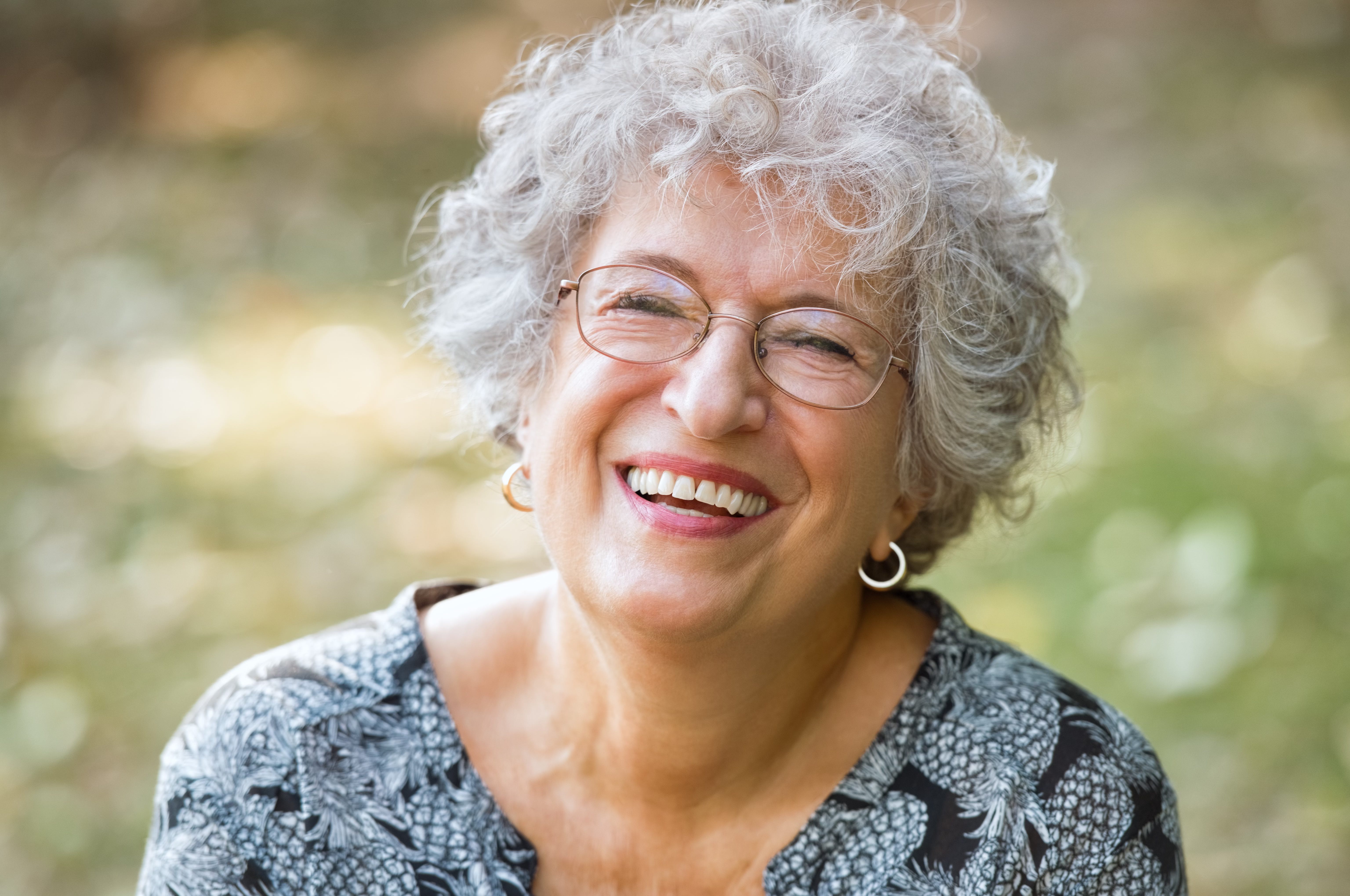
A. Overview of changing perceptions of aging
Aging undergoes remarkable shifts through the decades. People in their 60s, 70s, and beyond look and feel more vibrant not because of cosmetic surgery but because they stay active. Lower rates of chronic illness, advances in medical care, balanced diets, and regular exercise allow them to lead fuller lives.
B. Comparison of past and present perceptions of older adults
Today’s grandmothers do not resemble those in storybooks, with white hair andglasses. Instead, they are vibrant and outgoing. Yet, ageism still influences our judgments and attitudes.
C. Transition from the “third age” to the “fourth age”
The third age no longer matches expectations. As the age range shifts, a transitioning fourth age emerges. What this new wave of young-at-heart older adults wants has changed. Expectations of independence make the new tri-level living (CCRC) almost outdated or better suited for much older clients.
A. Positive Changes in the Health and Lifestyles of Older Adults
1. Fewer Chronic Conditions
While chronic health conditions remain a challenge, doctors report seeing more healthy older adults. People pay more attention to maintaining a healthier lifestyle through exercise and better eating habits.
2. Better Medical Care
Addressing potential complications from elevated cholesterol and vascular issues caused by high blood pressure improves outcomes. Early detection of elevated blood sugar also leads to better results for those who follow treatment plans.
3. Healthier Diets and Regular Exercise
The promotion of better diet and exercise does not solve all current health issues, but we hope future generations benefit from the education and efforts made today.
B. New Expectations for Independence Among Older Adults
As a result of these positive changes, the aspirations and desires of older adults evolve. The idea of handing over their lives and decisions to a third party is no longer a top priority unless they are forced into it by circumstances. Many in the third age prefer to stay in their own homes, modify their living spaces, or choose retirement-style communities that offer expanded services, such as resident-owned condominiums or homes.
According to the AARP 2024 survey, a significant majority of older adults, approximately 90%, (compared to 70% in 2021) prefer to remain in their current homes as they age, a concept known as “aging in place”. These numbers came from 2024 Home and Community Preferences Survey: A National Survey of Adults Age 18-Plus.
C. Reevaluation of Traditional Retirement Community Models
Traditional retirement communities follow the Life Plan model or Continuing Care Retirement Community (CCRC) model. However, new evidence now challenges the effectiveness and relevance of this approach.
A. Definition of Blue Zones
The term Blue Zones originates from an early survey in which scientists marked villages with long-lived populations using a blue pen on a map. Blue Zones are geographic areas where people live exceptionally long lives – often surpassing 100 years – with relatively low rates of chronic diseases…
Note: This is an excerpt form the “New Faces of the Future”, published by Getwell Education and written by Nicolette Asselin M.D
Comments
Nothing yet. Say the first thing.
Sign in to join the conversation.