
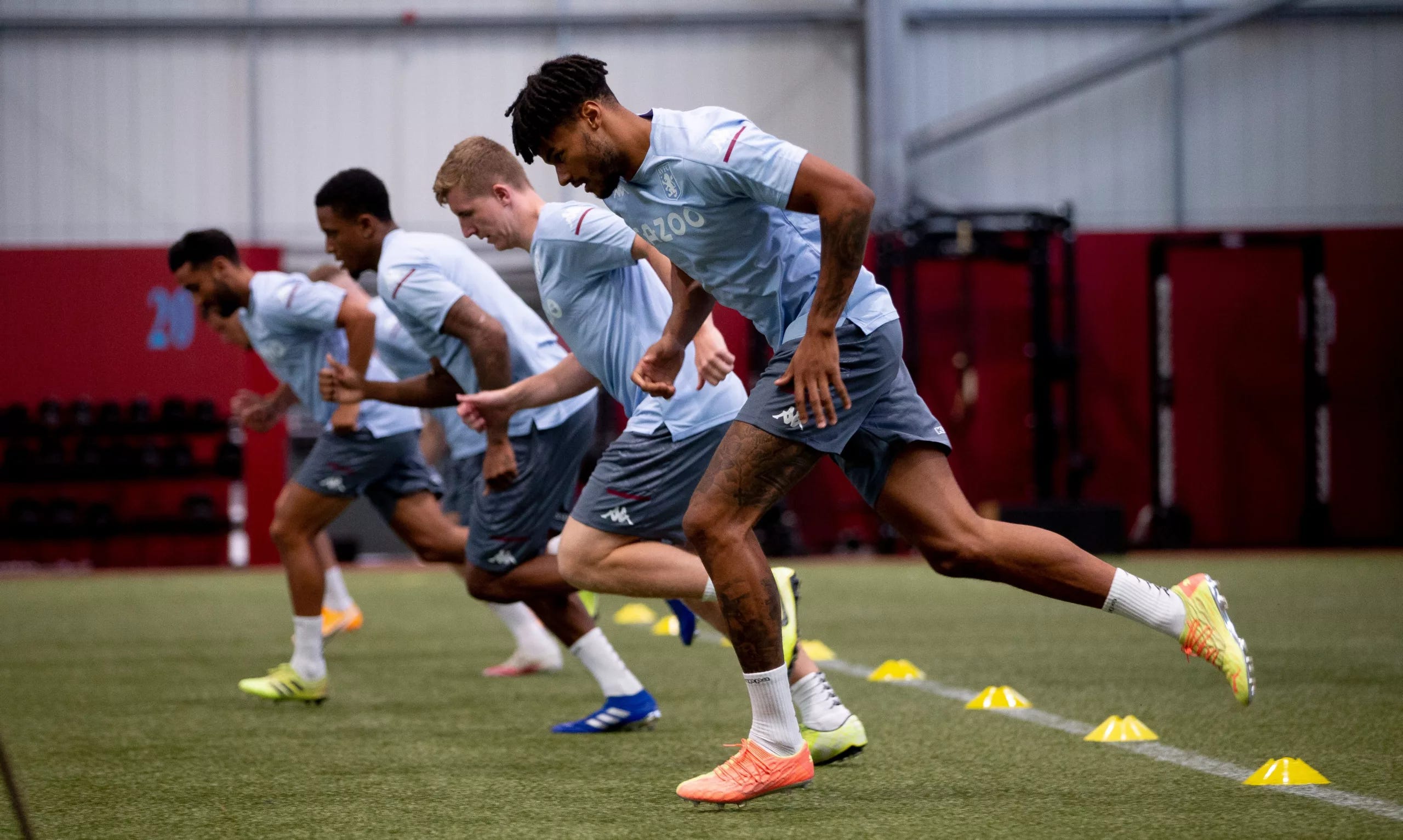
Preseason is finally here. The boots are clean, the pitch is lined, and the energy is high. But as every coach and player knows, preseason also brings long sessions, hot weather, heavy legs, and high expectations.
While fitness and tactical drills build your physical foundation, your attitude is what dictates how much you and your team actually gain from these next few weeks.
Skill gets you on the field, but mindset determines how far you grow. Here is how to show up to every preseason practice with the right attitude and make an immediate impact on your squad.
Fitness testing and heavy conditioning are standard preseason fare. It’s easy to dread the runs, but shifting your perspective changes everything. Instead of viewing conditioning as a punishment, treat it as deposit day. Every extra effort you put in now is a deposit toward winning individual battles in the 85th minute come game day. Embrace the grind, and remember that everyone around you is putting in the same work.
A good attitude is contagious. Preseason can be stressful—players are competing for starting spots, learning new systems, and fighting through fatigue.
Encourage, don’t critique: Lift up teammates when they make mistakes rather than showing frustration.
Bring high energy: High-fives, clear communication, and positive vocal support cost zero physical energy but elevate the entire session.
Welcome new faces: Help new players integrate quickly so the group builds chemistry on day one.
You can’t always control the weather, playing time decisions, or a bad bounce of the ball. You can always control two things: your effort and your focus. When fatigue sets in, the easiest thing to lose is mental sharpness. Staying dialed into the coach’s instructions and maintaining high effort during simple drills proves to the staff and your teammates that you are dependable.
During preseason, coaches are actively evaluating and making tactical adjustments. If a coach pauses play to correct your positioning or decision-making, don’t take it personally. Take it as an investment. Coaching points are shortcuts to making you a better player—listen with an open mind, make the adjustment immediately, and move on to the next play.
Preseason sets the trajectory for the entire season ahead. Physical talent is important, but a player who brings relentless effort, high energy, and a coachable attitude lifts the standard for everyone on the pitch.
Show up ready to work, support your teammates, and let’s make this season exceptional from day one.

Preseason is an exciting time for young soccer players, but it can also be one of the most stressful times of the year. Between competing for starting spots, adjusting to new teammates or coaches, and battling physical exhaustion, kids can quickly feel overwhelmed.
As parents, watching your player carry that stress is tough. While we can’t take the pressure off the pitch away—and shouldn’t, as navigating challenge builds resilience—we can create an environment at home that helps them manage it.
Here is how you can support your child and help them keep a healthy, balanced perspective throughout preseason.
When players feel high levels of stress, it’s often because they believe their performance on the field defines who they are off it.
Focus on effort, not outcomes: Praise hard work, resilience, and sportsmanship rather than goals scored, tackles made, or lineup positions.
Be their safe harbor: Remind them that your love and support are completely unconditional, regardless of how practice went or where they sit on the depth chart.
The drive home after a tough session can set the tone for the rest of the evening. After hours of taking instruction and criticism from coaches, the last thing most kids want is another debrief in the car.
Lead with excitement: Start with a simple, “I loved watching you play today,” rather than “How do you think you did?”
Let them lead: Give them space to talk if they want to, but if they need quiet or want to talk about something non-soccer related, respect that buffer zone.
Anxiety usually stems from worrying about things outside of a player’s control—like coach selections, referee calls, or a teammate’s performance. Help them narrow their focus to what they can manage:
Preparation & Recovery: Encourage proper nutrition, hydration, and sleep habits. Physical fatigue heavily amplifies emotional stress.
Attitude & Effort: Remind them that while they can’t control where the coach places them today, they can control how hard they work and how supportive they are as a teammate.
During preseason, soccer can feel like the center of the universe. Gently reminding them of the bigger picture helps diffuse that intensity.
Maintain normal family routines: Keep family dinners, hobbies, and downtime front and center.
Encourage non-sports outlets: Make sure they have space to unwind with friends, read, or engage in other interests outside of athletics.
Preseason is a marathon, not a sprint. Your child doesn’t need another coach at home—they need a steady, reassuring anchor. By focusing on their well-being, celebrating their effort, and keeping lines of communication open, you give them the confidence they need to handle the pressure on the field and thrive all season long.
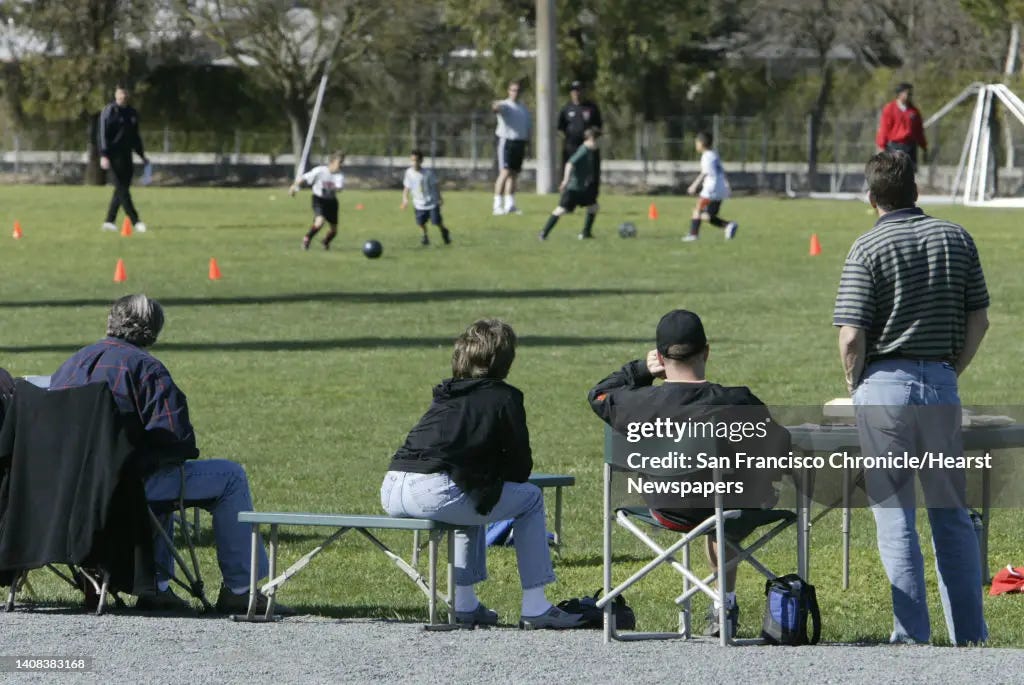
Every experienced coach knows that managing a team isn’t just about tactics, drills, and match strategy—it’s also about building strong relationships with parents.
Youth sports can be emotionally charged. Parents want the absolute best for their children, and coaches want to foster a focused, productive environment for the entire group. When communication between coaches and parents is clear, proactive, and respectful, everyone wins—especially the players.
Here are four essential strategies for coaches to establish smooth, effective communication with parents all season long.
The most effective way to handle parent friction is to prevent it before the first whistle blows. Host a mandatory meeting before the season starts to establish ground rules and align expectations.
Define roles: Clearly outline the coach’s role (instructing and directing play), the player’s role (learning and competing), and the parent’s role (cheering and encouraging).
Explain team philosophy: Outline your approach to playing time, player development versus winning, and positional rotations. When parents understand the why behind your decisions, they are far more supportive.
Emotions run high immediately after a match, making post-game sidelines the worst time to discuss playing time or tactical decisions.
Require parents to wait 24 hours before reaching out about a concern from a game.
This cooling-off period allows both sides to digest what happened and approach the conversation with logic and calmness rather than heat-of-the-moment frustration.
Uncertainty creates anxiety. Providing clear, timely updates about schedules, dress codes, arrival times, and tournament details prevents a flood of individual emails.
Choose one primary communication tool: Use a single app or email channel for official team business so information doesn’t get lost across text messages or social media.
Set office hours: Let parents know when you are available to respond to non-urgent messages (e.g., weekday evenings between 6:00 and 8:00 PM), protecting your personal time and keeping interactions professional.
When tough conversations do arise, keep the player’s development at the center of the dialogue.
Use “and” instead of “but”: For example, “Alex has made incredible strides in technical footwork, and our next step is building match stamina so they can impact the full 70 minutes.”
Show parents that you genuinely care about their child’s progress as both an athlete and a person. When parents feel heard and know their child is valued, trust naturally follows.
Parents aren’t adversaries—they are your biggest allies in creating a positive, memorable season. By establishing clear boundaries, communicating proactively, and keeping the focus on long-term player development, you build a supportive sideline culture that benefits the entire team.
> The 2026 World Cup goal of the tournament has been awarded to Sidny Cabral of Cape Verde for his long-range effort against Argentina in the round of 32.
> Mexico’s all-time scorer Javier Hernandez is reportedly signing for USL Championship expansion side Atletico Dallas
> NWSL’s Washington Spirit reclaimed top spot after a 1-0 win over Denver Summit, with Trinity Rodman’s assist meaning she has 12 goal involvements in 11 matches
> Wrexham will play Liverpool at Yankee Stadium in New York on Wednesday (July 29), having already beaten Leeds United 3-2 in Tampa, Florida on Saturday.
Thanks for reading Get Soccer! This post is public so feel free to share it.
No posts
Comments
Nothing yet. Say the first thing.
Sign in to join the conversation.