


There is a specific kind of pause that happens when you’re meeting new people, right after someone asks what you do for a living. You say “Product Manager” and watch them quietly fit you somewhere between project manager and “something with apps.” Most of your relatives and friends still ask “wait, what did you do again?” every couple of months.
This edition is about that. Not another attempt at the perfect elevator pitch, but an honest look at why the job resists one. The work is at its best when nobody notices it: management and the team end up on the same page without ever being in the same room, and “success” looks like a launch that simply didn’t catch fire. We get into what PMs actually do all day (spoiler: more than run standups), and how the ones who thrive stop waiting to be understood and start making their impact impossible to miss.
So the next time someone asks what your job is, you have two options: the long answer, or sending them this newsletter edition. Choose wisely.

Article by Zara Malik, Product Management Consultant at Product People.
As much as we love the world of product - making an impact for our users, being the maestro behind the orchestra - product management is not for the faint of heart. It tests you in ways no other job does. You lead without authority. You build without control. You take responsibility without a position.
Whenever a feature goes live - the designers design, the engineers build, ops executes, and they all get credit- while the orchestrator sits in silent victory of weeks of data analysis, collaboration, planning, and troubleshooting having paid off. And this, my friends, is the dark side of product.
The biggest challenge I’ve had in my entire product career is explaining my job to others. Engineers see you as a scrum master. Designers see you as a product owner. Business and operations see you as someone who manages engineering. Leadership expects you to run your stream like a mini-CEO, sans the authority. To anyone who doesn’t belong to the world of product, your job is ambiguous. And the truth is, you are all of the above, and much more. A true jack of all trades.
Product requires you to be a chameleon: your role and skill set change with the need of the hour.
You become a data and business analyst when a product just does not function as it should - you write queries, you build dashboards, even formulate metric calculations.
You become a QA engineer when features malfunction, and you’re the first line of defense.
You become a management executive when you build business cases for your product and need to prioritize according to impact.
You get into the dailies with your engineers when you need to execute timelines, assuming the role of an EM.
And you become a vibe-designer and vibe-coder when you need to fast-track testing of your ideas.
But what do you actually do? And how do you help the team around you understand the impact of your work when it’s simultaneously specific and intangible?
As a PM, you live in the shadows. Quietly building, fixing, streamlining. It always reminds me of this quote from The Dark Knight:
“Because he’s the hero Gotham deserves, but not the one it needs right now. So we’ll hunt him. Because he can take it. Because he’s not our hero. He’s a silent guardian, a watchful protector. A dark knight.”
That’s the job, most days. You take the hit for decisions nobody else wanted to make. You absorb the ambiguity so the rest of the team doesn’t have to sit in it. You quietly decipher the unknown and steer the product and the team. And you do it knowing full well nobody’s writing a headline about it.
Almost all successful product leaders and managers have one thing in common: they’re all trusted in their craft, their ability to navigate the unknown, and respected for their leadership.
Product requires patience. It requires grit. And it requires you to stop waiting for the job to explain itself, because it won’t.
You build thought leadership over time. Your consistency is what wins the room, not any single launch. Your job description never gets any clearer, but your reputation precedes you: as the person who understands the business, the domain, the user, and the realm of product.
The path, however, is a lot less mysterious than it feels in the moment:
Make your thinking visible. Let people see the reasoning, not just the feature.
Network and collaborate. It takes empathy and humility to become a PM. Sit with customer service, operations, sales, and engineers, and learn as much as you can. Your superpower is being the glue that brings the pieces together and steers the team out of the unknown.
And be right a lot more often than you’re wrong. Ground yourself in data and trust your instincts. Nothing builds trust faster than a track record nobody has to take your word for.
You don’t get to stop being the silent guardian and orchestrator. That is THE job. But you can make sure people know exactly what they’re not seeing by taking them along the journey.

Being a great Product Manager is only half the battle, the other half is making sure the people around you understand the value you bring. In this livestream, Dr. Viktoria Korzhova, our CEO & VP Product, breaks down how Product Managers can build stronger relationships with their stakeholders, and why that trust is ultimately what turns invisible work into undeniable impact. Watch here:

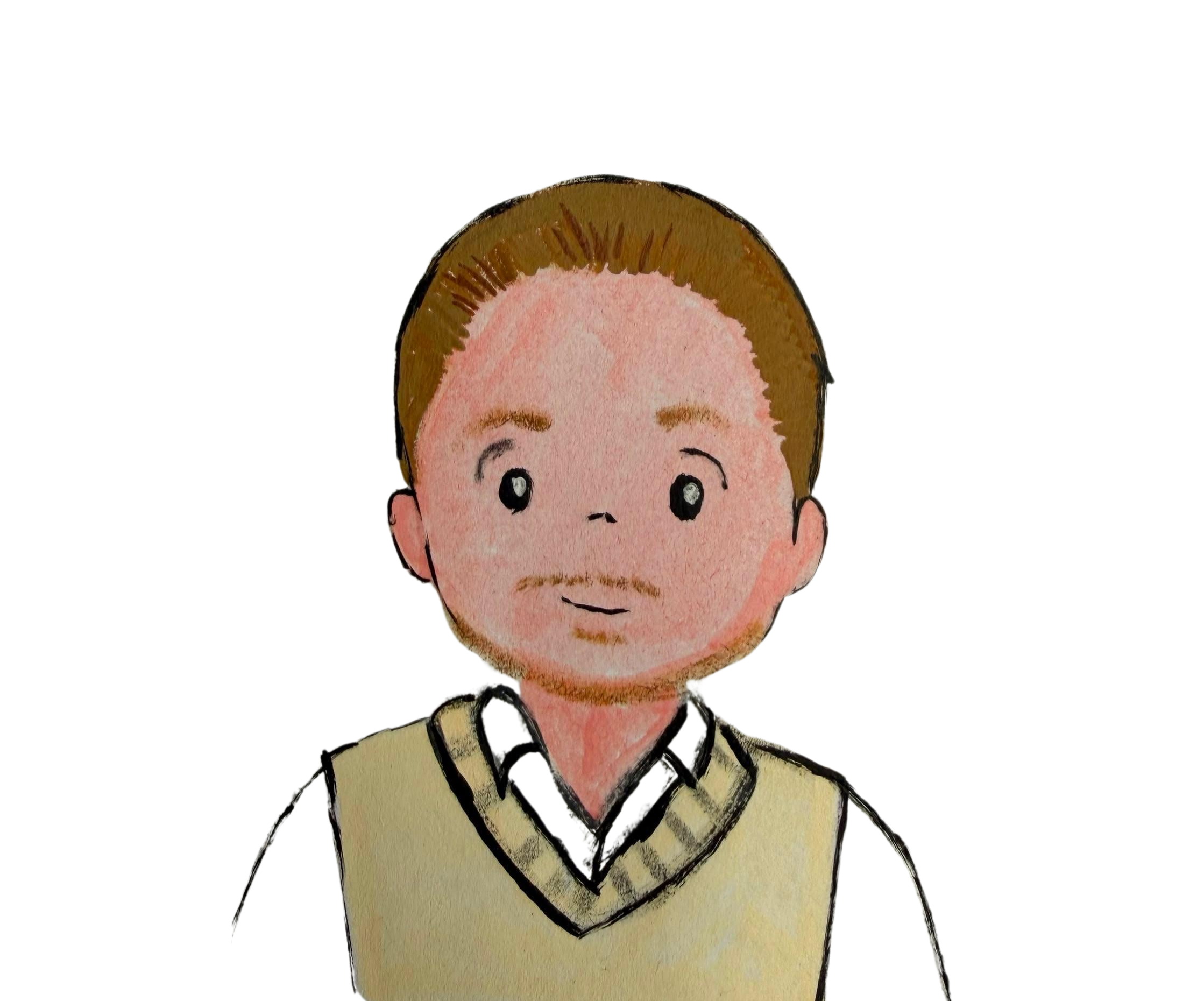
Ahmet was a product manager long before he knew the job existed. Back in high school, he kept describing his dream career as “building something and organizing all the people needed to build it.” Then he studied computer engineering, founded and ran a 2,000-person social responsibility project for three years, and spent five years as a volunteer youth leader in Türkiye. All of it was basically product management. The product just happened to be people instead of software.
Today, as an Associate Product Management Consultant II, he does consulting like the rest of us, but he also quietly keeps the machine running: the website, SEO improvements, the internal knowledge base, and automations for the whole team. That last part is no coincidence. Ahmet has a well-documented weakness for overengineering. If something he built is not running at 100% efficiency, he does not sleep well. He once spent 400 hours in a factory building game called Satisfactory, doing math on actual paper until every single machine and pipeline hit perfect efficiency. In a video game. For fun.
Outside of work, he plays seven instruments, does calligraphy, worked six months as a grill chef (his retirement plan is a big barbecue house that serves pastrami), and has a cat named Bulut. His biggest career dream is to walk into a random cafe one day and know that 3 out of the 10 people there are using something he helped design.
(Pssst, if you like our content, subscribe and share this Newsletter. It makes our editor very happy.)
Our Interim/Fractional Product Managers/Owners, Product Ops, or Product Leaders cover parental leaves, scale your Product Management team quickly, or lead key initiatives while bridging the gap until a full-time employee joins.
We onboard fast, align teams and deliver outcomes.Schedule a Call!
Comments
Nothing yet. Say the first thing.
Sign in to join the conversation.