
A decade had passed since I lived in Osaka. Returning on the eve of my 40th birthday meant that my ideal way of spending time now, compared to my late 20s and 30s, had in some ways evolved. My name is Ru, and I’m a designer at Lonely Planet. I was born in Dublin, where I’m now based but lived in Osaka for 4 years working first as an English teacher and later as a designer and assistant at a contempoary art gallery. I met my husband Hitoshi, and we decided to relocate to Ireland together.
Some of my favourite things to do in Osaka haven’t changed at all, like eating at my old favourite tachinomi (standing bars) in Ura Namba (Sakanaya Hidezo Tachinomi and Ushi tora1), vintage clothes shopping at Kinji Big Step, looking at Japanese stationery and books in Junkudo for hours, sitting in temple grounds, and visiting my favourite art galleries like Tezukayama Gallery…
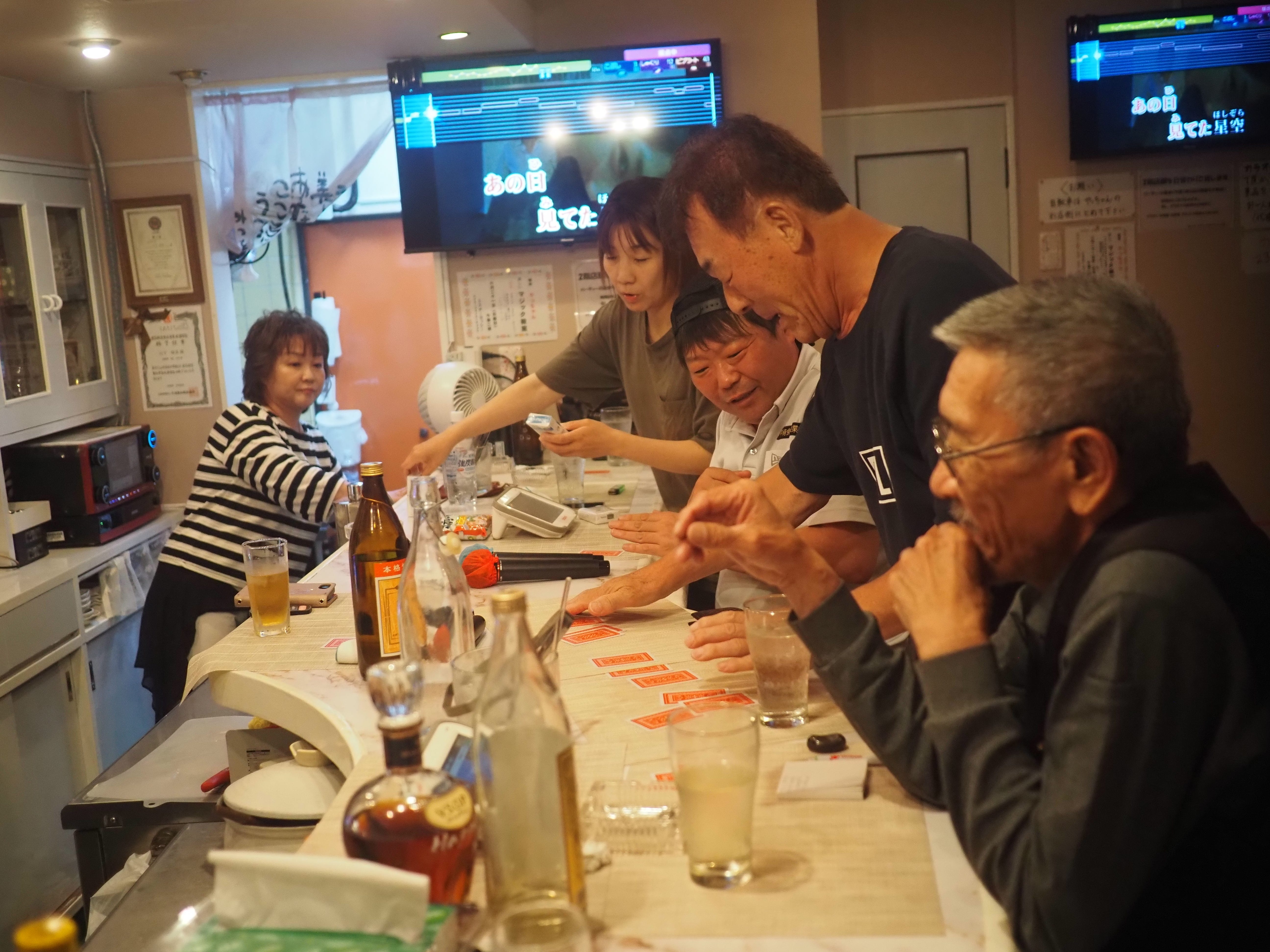
On this trip though, there was one Japanese institution that I hadn’t really had the palate for until now. I found myself a handful of evenings enjoying the company of strangers at some local スナック (sunakku). As someone who’s fond of a sing-song paired with an adult beverage, Snack bars delivered additional delights, like a side of crisps, chatting to elders, and most importantly, the guarantee of a comfortable seat at the bar. The ideal perch for immersing in the experience.
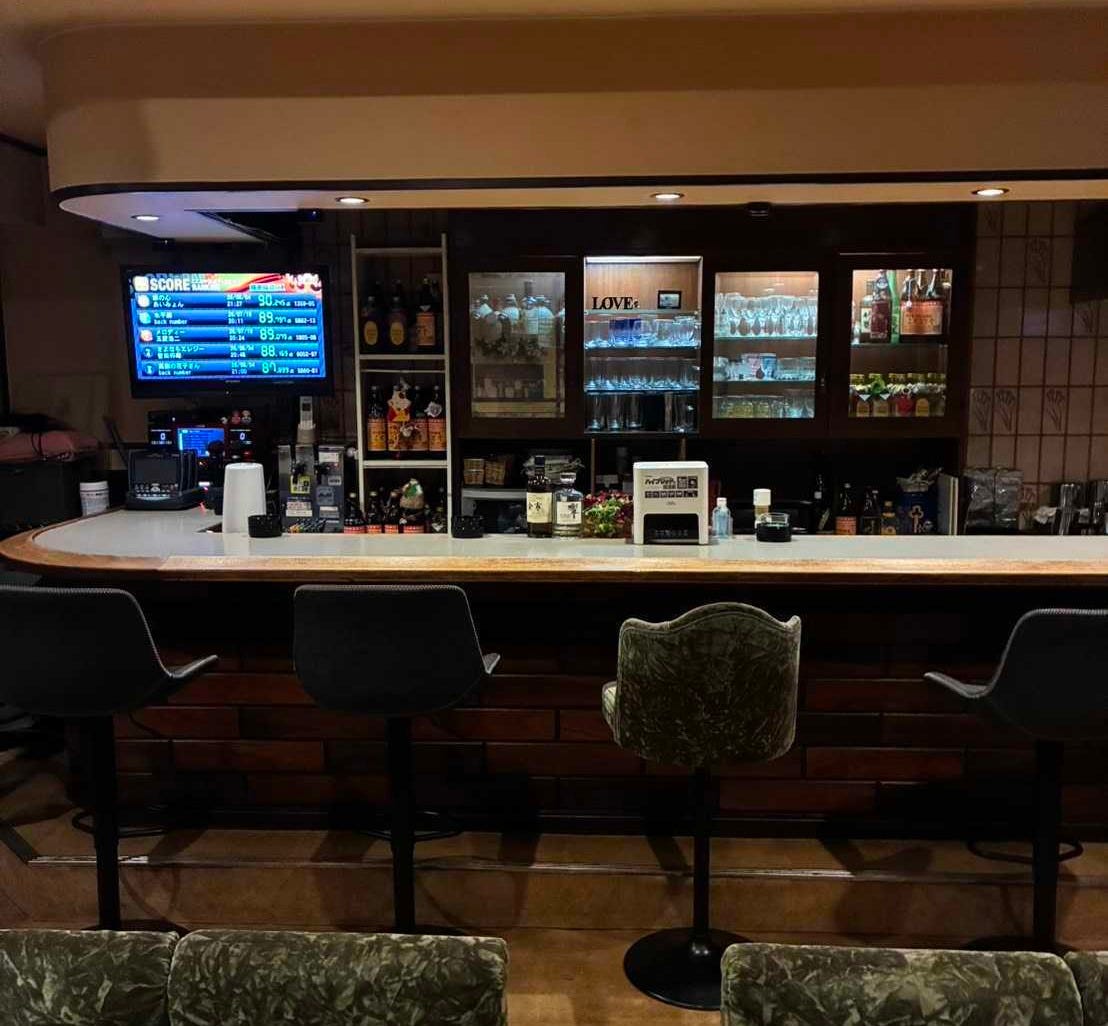
Snack bars are found all over Japan, and within big cities like Osaka, the vast and diverse bar and cafe scene means it’s become harder to categorise them definitively. But a Snack bar is traditionally defined as being fully operated by a woman over 40 (the Mama-san2), with karaoke, and a set cover charge (that usually includes your first drink and snacks). Sometimes indicated on signs outside by the katakana letters スナック (sunakku), or カラオケ (karaoke), many are named after women, flora, or have names that evoke feelings of nostalgia. They are part friendly conversation cafes, part karaoke bar. They are independent, female-run bars that have been serving locals for decades and the unique character of each bar’s Mama-san is often more the reason locals frequent a certain Snack bar than anything else. She is the host, therapist, and conversational anchor.
They can be super chill or pretty hectic depending on the customers and day of the week, which adds to the fun of it all. You truly never know what you’re going to get until you open that door. One thing is for certain, a bit of communal karaoke will break the ice in no time. Lucky for me there are some Irish bands that made it big-in-Japan, whether my singing was up to par or not The Cranberries’ “Dreams” was always a hit. I knew they were just being polite, no one can sing like Dolores, and the singing level in Japan is super high, but it was all good fun and there is no better way to bond with people than through music.
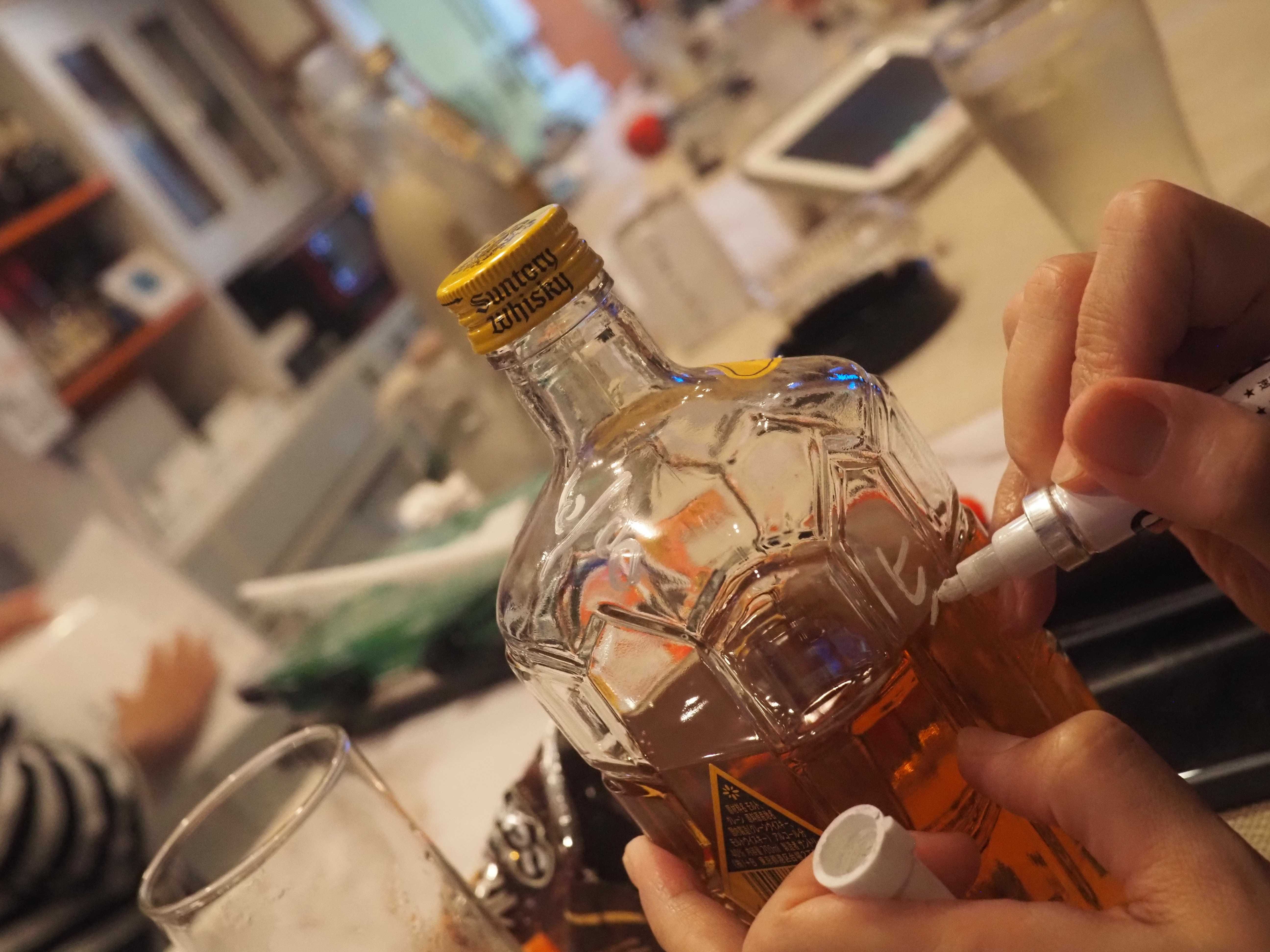
There is certainly a hidden, “regulars” quality to snack bars. You won’t find most of them on google maps or documented in guidebooks, so they are not exactly easy to access by foreign tourists. From the outside they can be dark and intimidating. Most have no windows so you can’t see inside, which for most of us women would normally set off alarm bells. There’s such a sense of excitement and nerves as you push the door of a Snack bar open not knowing if you’ll find an empty bar, one elderly man chatting to the owner, or a bunch of locals singing their hearts out after work. Locals can buy whole bottles of whiskey, write their name on the bottle and Mama-san keeps it behind the bar for them to enjoy over multiple visits. The wall of spirit bottles all with hand-written names is often proudly displayed behind the bar. Most snack bars haven’t changed interior design in over 40 years so they are a cosy capsule, a time slip back to the Showa-era, each with their own personality, crafted carefully by each Mama-san.
For me, it’s the areas outside of Osaka’s downtown districts where I found my favourite Snack bars. Areas where those who lived were historically discriminated against because of their occupations or ethnicities. Here some of the friendliest characters and interesting stories can be heard.
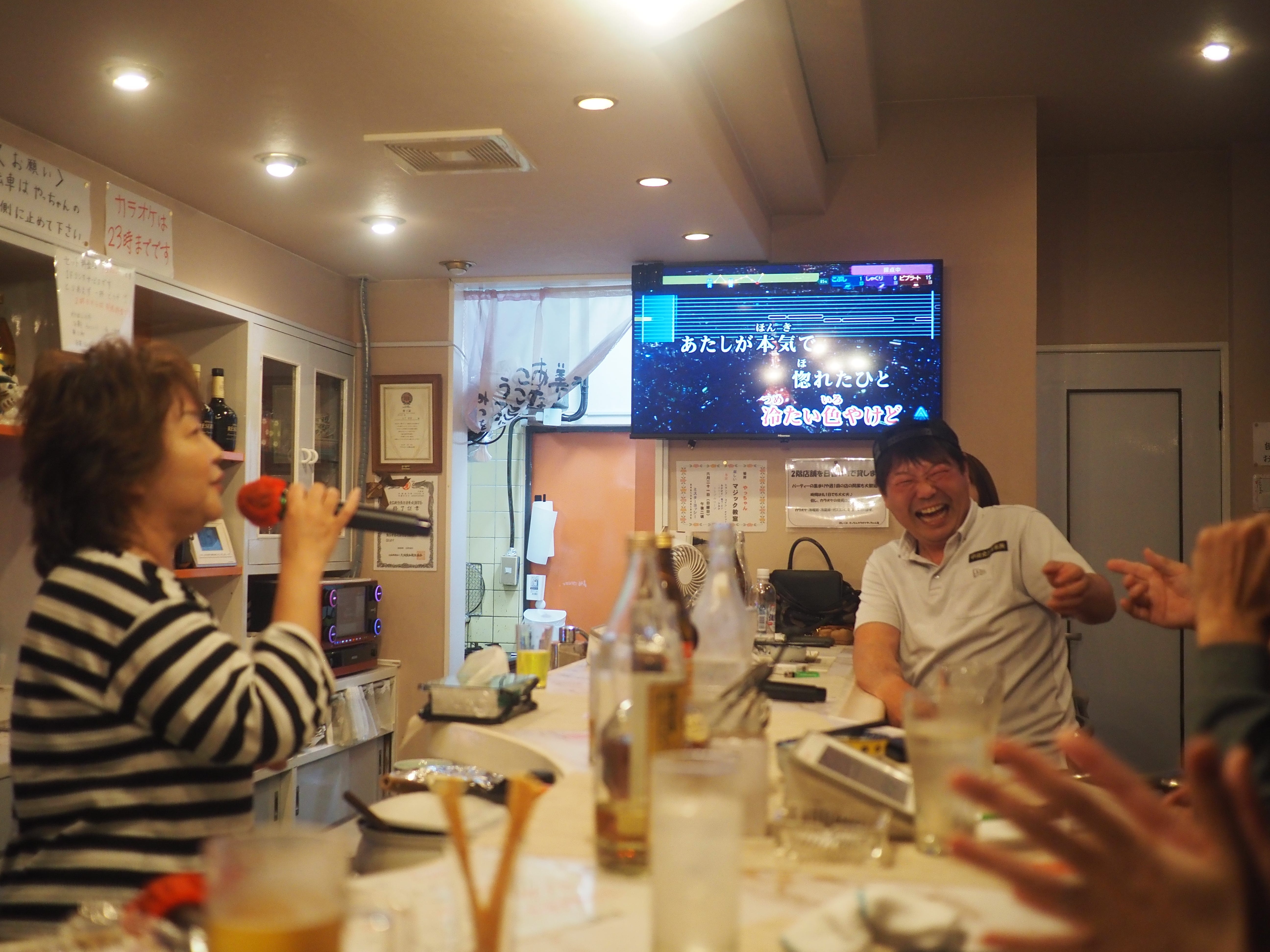
One evening, my friend and her mother took me out to one of my favourite areas, Ikuno-ku (the largest Korean neighbourhood in Japan). The majority of ethnic Koreans in Osaka trace their roots back to Jeju Island, so after several mouth-watering dishes at the very popular Jeju-style izakaya Kiyoshi (きよし), we went to their favorite local snack bar Marguerite.
Marguerite has been run by one woman for 14 years, Ms Young Hee.
Being a weekday evening it ended up being just 3 women. When I asked her what her favourite thing about running the snack bar was she said she’s proud to run a space where women can feel comfortable coming alone, knowing they’ll be safe.
Reminiscing about the last 14 years Mama-san says:
“The way people enjoy snack bars has changed compared to the days when they were at their peak. In the past, it was common for the local factory workers to come drinking with their bosses after work. Nowadays, more people value their private time, and many more women are coming to enjoy a drink by themselves. It feels like both work and leisure have become much more equal between men and women.
It’s a place where there is an importance put on mutual respect for people and the acceptance and support of one another, even if there are passionate discussions. I think it’s much more than just somewhere to drink. Those who come alone are often looking for a place to relax. Some simply want someone to listen to their worries or concerns or maybe just have their only conversation of the day, while others come to blow off steam through karaoke and card games after a stressful day at the office.”
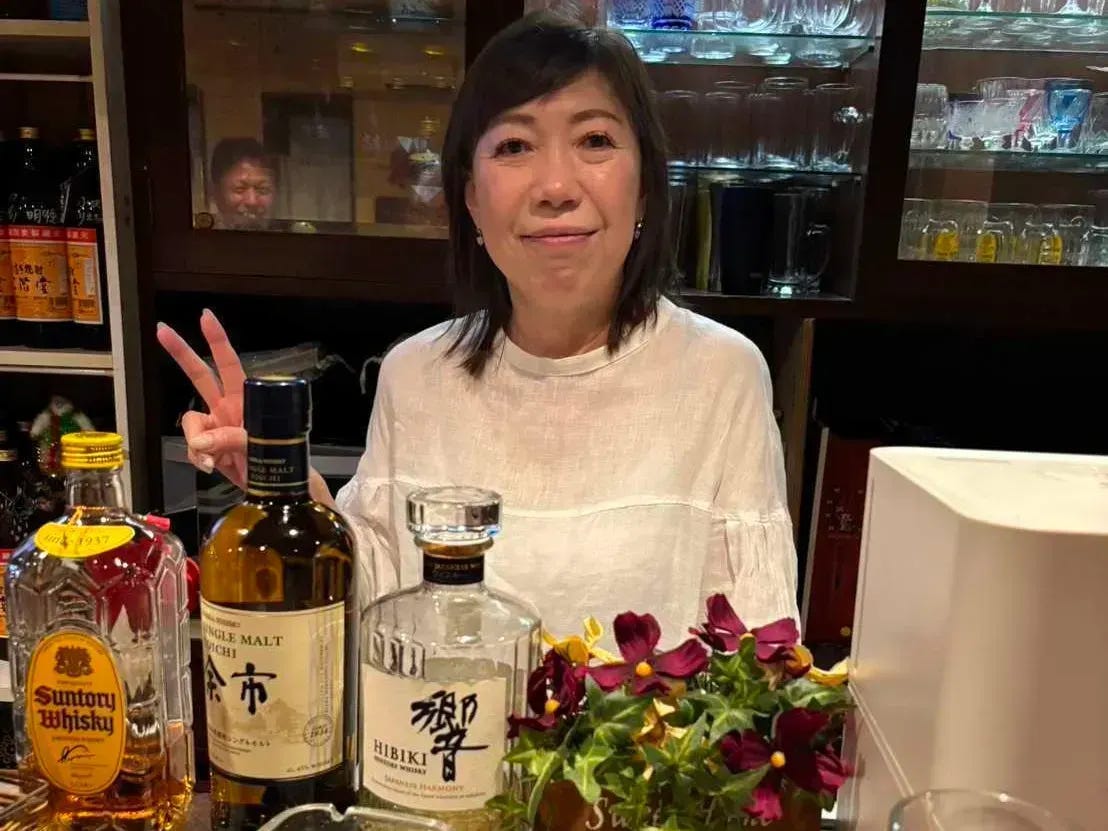
Being able to speak Japanese, even a little bit of course makes the conversation part more enjoyable but when I asked Ms Young Hee about tourists visiting her Snack bar she explained that even if we don’t speak the same language, she believes there are always ways to understand each other.
“With local industries declining, and with business owners getting older, she feels like working-class districts like Ikuno-ku have lost some of their energy. That said, there are still many young business owners working hard in the area and she hopes that snack bars will remain an important outlet and social space for people and contribute to revitalizing the local community.”
In a city with an abundance of corporate maid cafes and hostess bars, Snack bars are independent, woman-owned and run drinking spaces where women can come alone or with friends and know they will be safe and heard.
If you’re a woman, especially traveling alone, consider adding a visit to a local Snack bar to your itinerary. If you hear singing and there is a woman behind the bar when you open the door you’re in for a treat. Be prepared with a translator and come with openness to conversation. You won’t find them on any map so I encourage you to look for the signs, listen for the sounds, and support the legacy of these wonderful spaces.
Marguerite マーガレット at 4-2-19 Nakagawa, Ikuno-ku, Osaka
Yacchan やっちゃん at 4-19-3 Kamigashi, Hirano-ku, Osaka
Queen Bar Tossy 8-14 3F Kamiyamacho, Kita Ward, Osaka
A random snack bar in Nishinari-ward, the area where I used to live
’Til we meet again Mama-san,
Ru Ogata
Visual Designer, Lonely Planet
Comments
Nothing yet. Say the first thing.
Sign in to join the conversation.