
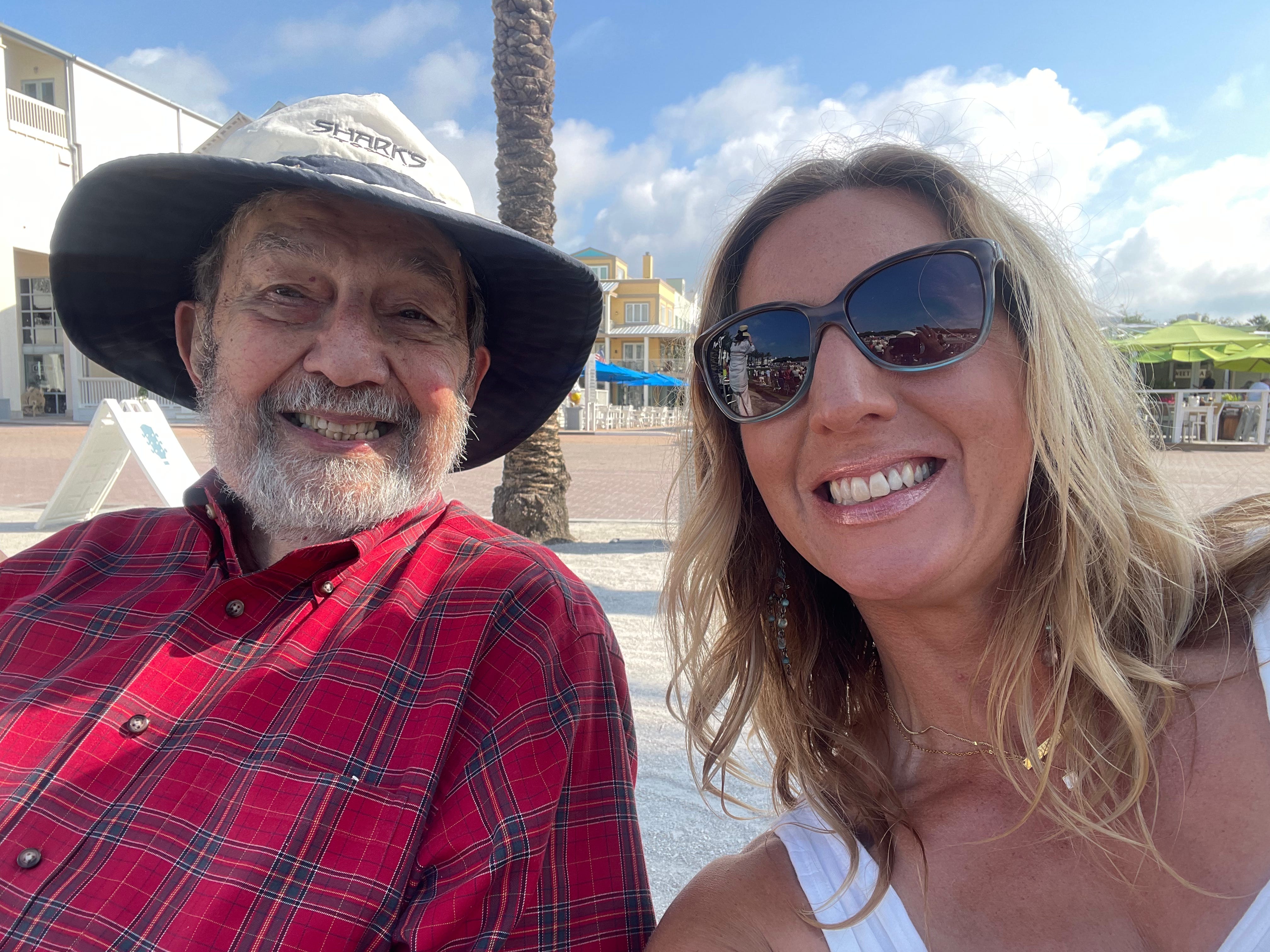
Ten years ago, my brother died unexpectedly in his sleep. There was no warning and no opportunity to say goodbye. This past December, I lost my father after years of chronic illness. As a nurse, a Certified Registered Nurse Anesthetist, and someone who has spent more than two decades caring for critically ill patients, I understood every diagnosis, every procedure, and every complication. Understanding medicine, however, does not lessen the grief.
Throughout my career, I have watched families make impossible decisions. I’ve seen extraordinary recoveries, but I’ve also seen what happens when medicine reaches the limits of what it can accomplish. Modern healthcare has incredible tools, yet every technology, medication, and procedure still has to answer one fundamental question:
Is it making life better for the person—or patient—we’re trying to help?
Over the past few months, I found myself asking that same question again, only this time it wasn’t about a patient in an ICU, it was about two cats who have shared my home, my routines, and some of the most difficult seasons of my life.
This story didn’t begin with a diabetes diagnosis, it began in January while my father was dying. During those weeks, I was away from home more than usual, helping care for him and navigating everything that comes with losing a parent. When I returned home, my kitty baby, Pien (pronounced PEEN), developed a urinary tract infection. Pien was a bit overweight and she had an anxiety issue in which see self-soothed by eating. She became stressed when I was not at home. Stress is well documented as a contributor to feline urinary tract disease. She recovered with medical intervetion, and life slowly returned to normal, or so I thought.
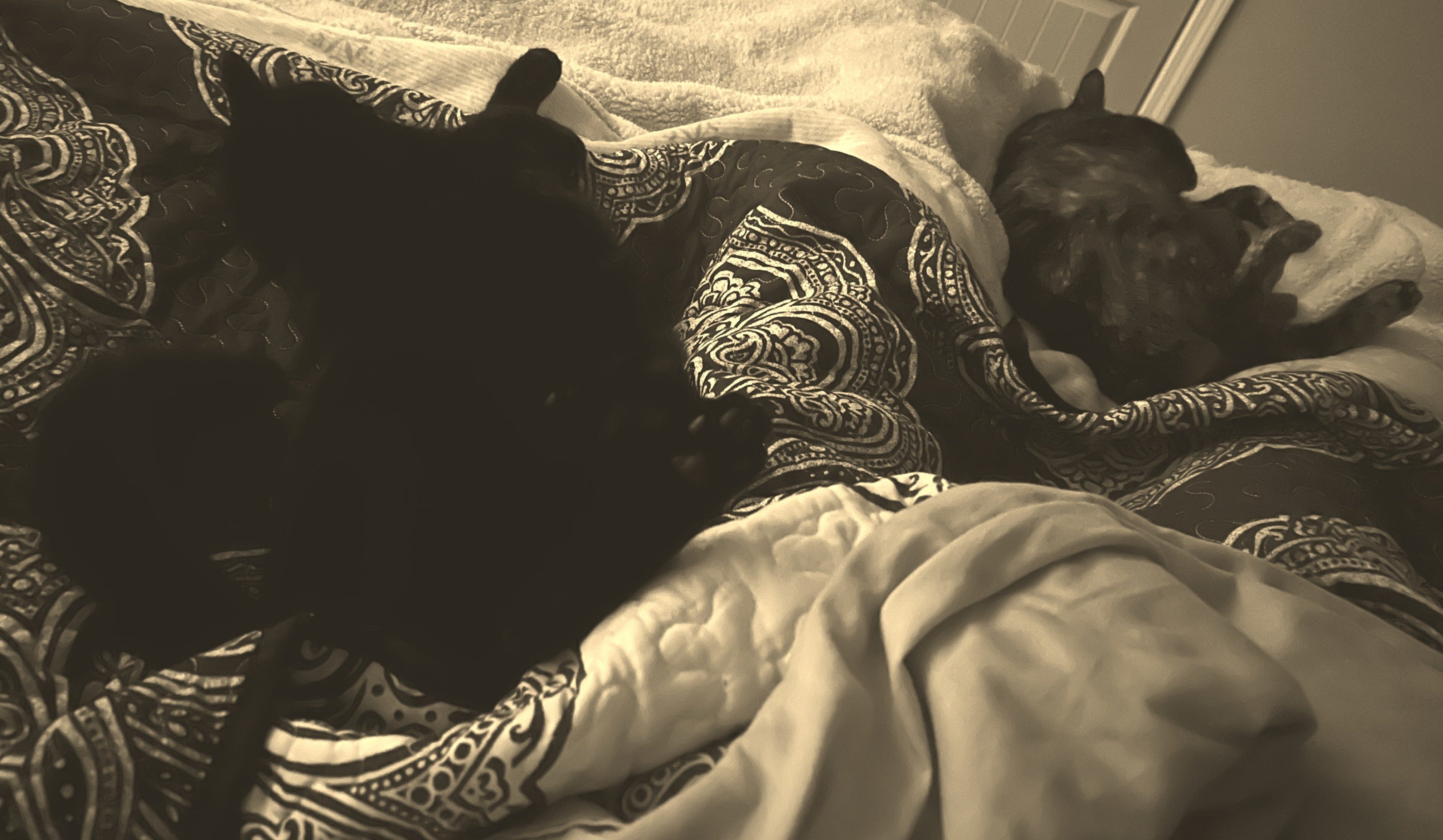
Two months ago, I came home from another trip and immediately knew something wasn’t right. There was vomiting, diarrhea and neither cat was behaving normally. Pien had developed another urinary tract infection. This time, additional testing led to the diagnosis of diabetes. I knew eventually she would develop that or renal failure. I had been adding in special food and supplements to try and slow disease progression.
At almost the same time, Mookie’s long-standing dental disease reached the point where surgery was recommended. I had been trying everything that I could try to reduce inflammation including daily pain medicine. She was a risk for anesthesia with her age and kidney markers. We ended up having to have surgery because the pain became unbearable for her.
I was caring for two chronically ill cats whose lives had become increasingly defined by appointments, medications, monitoring, and uncertainty.
Over the following weeks, I did what I’ve always done: I researched, asked questions, and sought second opinions. I was forced to change veterinary practices when communication broke down, and like so many caregivers, I kept believing there might be one more thing to try.
For Pien, that meant trying to figure out how to manage her newly diagnosed diabetes. We had already tried one oral medication, but she refused it. She would spit it out, stop eating her food, and then I was trying to prick her ears to check her blood sugar. None of it was working. It was stressful for her, and it was stressful for me.
While I was waiting to get her established with the new veterinarian—and while Mookie was having surgery and recovering—I tried an herbal formula instead. When I finally got Pien into the new vet last week, we discovered she had yet another urinary tract infection and needed antibiotics again. This was her third round of antibiotics since January.
At that point, there was only one oral diabetic medication left to try before moving to insulin injections. Whichever direction we went, we still needed a reliable way to monitor her blood sugar.
The next step would have been continuous glucose monitoring: shaving a spot on her shoulder, inserting a wearable sensor beneath her skin, and securing it with adhesive, a bandage, or a shirt so it could remain in place while we collected data and adjusted her medication. I knew Pien. There was no way she was going to tolerate that. There was also the option to monitor with checking the urine with test strips, but that would require yet another break in routine having to use different litter that does not absorb urine so that I can test it. That sounds simple, but she is very particular about both litter and boxes.
Meanwhile, Mookie had finally undergone dental surgery after waiting nearly a month. Instead of bouncing back, she seemed to get worse. She stopped wanting food. She began hissing when I approached her with meals and even attacked me a couple of times. She spent more time hiding. The little things that had always made her Mookie gradually began to disappear.
I added another pain medication in hopes of reducing her inflammation and making her more comfortable. Instead, it made her sick, and eventually I had to stop that too.
That was when I started asking a different question.
Not ‘What else can we do’, but ‘What are we asking them to endure so that we can keep doing it?’
It was becoming more care and more interventions and treatments had become their new daily routines.
Looking back, I wrestle with whether Mookie’s surgery truly served her or simply prolonged a process that had already begun. Had I understood then what the weeks afterward would look like, I don’t know that I would have made the same decision.
Medical decisions are rarely made in isolation. We like to imagine they’re based only on diagnoses and treatment algorithms, but real life is more complicated than that.
Mookie and Pien had always depended on routine and working from home had allowed me to give them a level of care that simply wouldn’t have been possible otherwise. I could monitor them throughout the day, encourage them to eat, administer medications, clean up accidents, and notice the smallest changes before anyone else would have.
I thought I would say goodbye to Mookie and give Pien more time.
Pien was different and diabetes was something we could technically treat. There were still options available to us. For a while, that distinction made the decision seem obvious, but having options isn’t the same thing as having good options.
The more I thought about Pien’s future, the more I realized I couldn’t make the decision based solely on whether her diabetes was treatable. I had to consider what treating it would require from her every single day and what her quality of life would be in the process.
I also had to consider what would happen when I couldn’t provide that level of care myself. My daughter and I talked about whether she could take Pien, but she’s a senior in college and realistically could not provide the level of medical care Pien was going to require.
Eventually I had to ask myself the question I didn’t want to answer:
Was I extending their lives for them, or was I extending them because I wasn’t ready to lose them?
That was when I made the agonizing decision to let them go together.
Making that decision did not make walking into Banfield with them any easier. My daughter and I went together, knowing we were about to leave without two animals who had been part of our family and our daily lives for more than 12 years.
Before anything happened, we talked with the veterinary team about the decision. It wasn’t simply a matter of walking in and saying we wanted to euthanize two cats. There was an ethical conversation about their conditions, their quality of life, what treatment would look like going forward and whether this was the right thing to do. They understood why I had reached this decision, and they supported it.
What struck me was how difficult it was for them too.
The veterinarian who had performed Mookie’s surgery was visibly upset. She wondered aloud whether the surgery had somehow contributed to where we were now and wished there were more time to see if Mookie might improve. I understood that feeling because I had been asking myself the same question for almost 2 weeks post surgical intervention. With Mookie no longer eating or drinking normally, even the veterinarian ultimately agreed that letting her go was a reasonable and compassionate decision.
One of the veterinary technicians shared that she had faced a similar decision with her own dog. Her dog had not been actively dying either, but she knew what was coming and had made the decision before suffering became the defining feature of its final days. She understood exactly why this felt so impossible and her sharing her story of grief mattered more than I can explain. The staff gave us time. There was no rushing us through the process. We were able to sit with Mookie and Pien, hold them, talk to them and simply be with them and we stayed with them as they died.
There are moments in life when there is nothing left to fix, you can only be present. My daughter and I were there for their final moments. As devastating as that was, I am profoundly grateful that we could give them that.They had the people they knew with them, touching them and talking to them as they left this world.
Afterward, the staff didn’t rush us out of the room. They gave us time with them then too. I have spent much of my adult life around illness and death. I have stood beside patients in operating rooms and intensive care units. I have watched families say goodbye. I was there through my father’s decline, and I have lived with the sudden loss of my brother-both of those losses were excrutiatingly painful.These experiences reinforce that there is a difference between preventing death and preventing suffering.
As medicine advances, our ability to intervene continues to grow with more advanced diagnostics, monitoring, medications, and technology. Those advances are remarkable, and in many situations they improve both quality and length of life. That doesn’t change the fact that we should keep asking whether we should continue to intervene.
Every intervention carries a cost. Quality of life cannot be measured by a laboratory value alone. For Pien, there was technically more that we could have done. For Mookie, we could have waited longer to see what happened.
They didn’t understand why I was putting medication into their mouths or taking them back to another veterinary appointment. Pien wouldn’t have understood why I was pricking her ear or attaching something to her body. They only experienced what was happening to them.
Thanks for reading Get Healthy or Get Dead! This post is public so feel free to share it.
The house is different now. There are places where I still expect to see them. There are routines that suddenly have no purpose. I notice the silence in ways I didn’t expect. I miss them and it hurts.
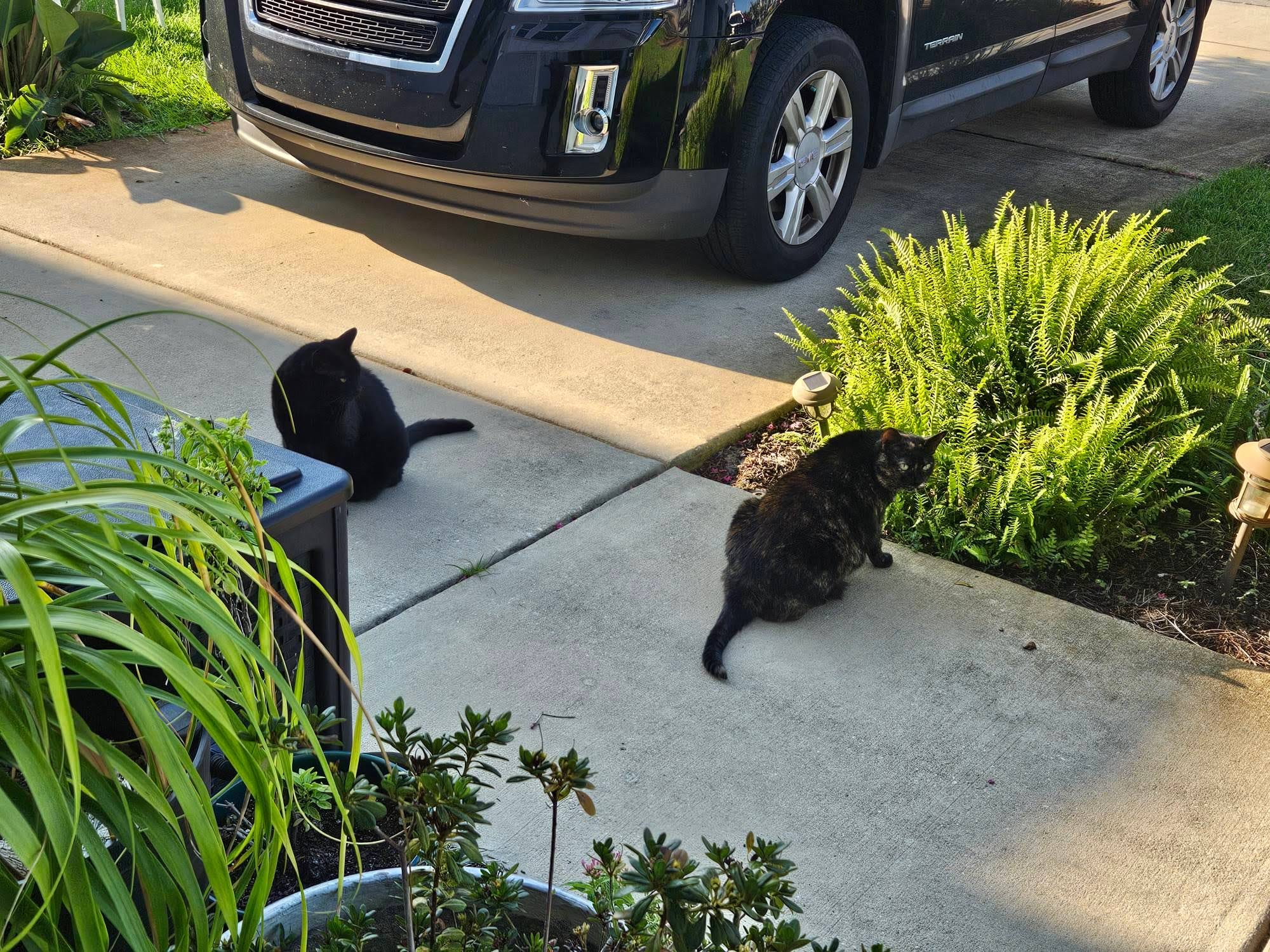
I’ve questioned the decision from every angle imaginable. I’ve replayed conversations, appointments, treatments and outcomes in my head more times than I can count. I still think about Mookie’s surgery and wonder whether I should have made this decision sooner. I still wonder whether Pien might have responded to another medication or insulin and given us more good time.
Now that I am on the other side of the appointment, I can also see something I couldn’t see as clearly while I was desperately trying to manage medications, infections, food, pain and appointments. I could not guarantee those would have been good months or years.
What I could give them was an ending without waiting for a crisis with me and my daughter. We could make sure that the last thing they experienced from us was our presence and love. Sometimes love means fighting with everything we have. Sometimes love means recognizing that the fight itself has become the source of suffering. Mookie and Pien reminded me that sometimes the final responsibility of caregiving isn’t finding one more thing to do.
It’s knowing when you’ve done enough.
A note from me: I decided to make this article free for everyone to read. End-of-life decisions—whether we’re making them for a person we love or an animal who depends on us—can be incredibly isolating, and I hope sharing this experience helps someone else feel a little less alone when they’re faced with one.
If you know someone struggling with a similar decision, please share this with them.
If you value the stories, healthcare perspective, and sometimes very personal experiences I share here, you can support Get Healthy or Get Dead with a paid subscription.
Either way, thank you for reading—and especially for being here for this one.
Comments
Nothing yet. Say the first thing.
Sign in to join the conversation.