
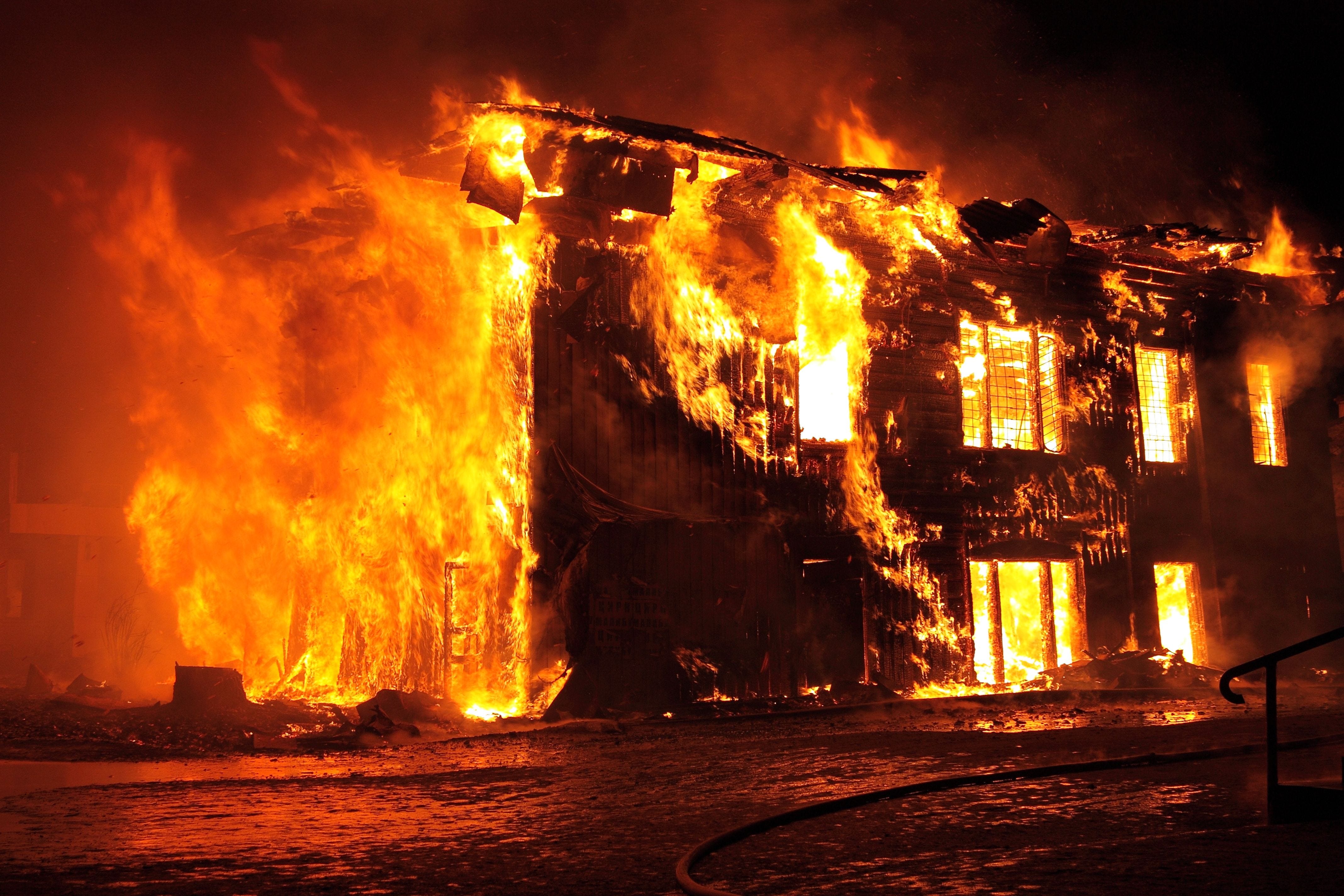
I’m a slow reader - in large part because I mostly read at night, when I’m tired - so I don’t last long. A few nights ago, I was riveted by the words of a religious scholar. I could not put this book down. I didn’t even pause to warm up the bath water that I was sitting in. Mind you: I am not typically drawn to the pedantic writing of an academic but the slow burn of this memoir lit a fire in me.
Centered on two devastating losses - the sudden death of her husband just fifteen months after their six year old child had died - the author asks a most provocative question, especially for those of us who have suffered spiritual or religious abuse: Why Religion? This is also the book’s title.
If you’ve read my essays before, you know that I’m not religious and have little to say about the bible. So, please bear with me through these next paragraphs - the point of which is universal rather than religious.
Through her scholarly research, the author Elaine Pagels, came to understand the bible in ways few people do, including the fact that the ending of the Gospel of Mark was not written by Mark. She writes that Mark’s version concludes with a description of Jesus of Nazareth being mocked, spat on, and beaten before enduring a slow, cruel crucifixion. Mark’s gospel ends abruptly with the women who came to attend to his body fleeing in fear.
Ms Pagels states that one of the early readers of Mark’s gospel must have thought a more positive spin was in order and so wrote a second ending - one that includes the now familiar story of ‘rising from the dead’ etcetera, etcetera.
So what about the stories that end badly, like this author, whose little boy and beloved husband died for no good reason? Or my kind-hearted brother who died way too young, trapped in a fog of alcohol and a destructive relationship? What about the hardworking, loving families whose kids become drug addicts or experience mental illness, devastating diagnoses, or tragic accidents? Or dare I mention entire communities succumbed by flooding, earth quakes, fires, and even wars?
Why do things end badly?
Because sometimes they just do.
My hundreds of friends and colleagues who were caught in the tailspin of cultic coercion weren’t seeking it. Life is complex and sometimes things work out beautifully and sometimes they don’t. That’s the way life works. It dishes out challenges and opportunities, road blocks and open doors, regardless of your work ethic, circumstances, or your capacity.
Of course, cultic religions and groups want us to believe otherwise. They promise a roadmap for a beautiful life if only you do this, that, and the other thing - while spinning the gold of your time into webs of entrapment. The meaning-making mechanism within the human psyche gets hijacked by religious fervor that promises happy endings. In these environments, good and bad is a method of control that whispers lovingly to our cult-brain while life goes on.
Life goes on though good men die.
Edna St Vincent Millay
Life dishes out what it does. Shit happens to good people just as much as to those who appear dubious. How we behave has little influence on these major events.
So this makes me wonder: Can we humans grow strong enough to accept the randomness of tragedy and beneficence? Can we focus our precious life energy on the people, the causes, and the places that matter the most to us? And most importantly, can we find peace with what IS - the beauty, the tragedy, and the mystery all wrapped together?
There’s no choosing sides when a tornado comes or when our neighbor’s dog dies. Facing the hard stuff makes us more human. Maybe that’s why Elaine Pagels prefers Mark’s abrupt ending. She lived through hell for years and she came out of it ok.
Perhaps when things end badly, it’s actually, as gospel-writer Mark said, ‘good news’. In my book, it’s a good thing whenever we humans get real.
And of course, the best way I know to get real, is by spilling words out, cutting away the noisy ones, chewing on the ones that make my chest tighten and eventually finding a place where I can settle - if not fully, at least enough to put my pen down for the night. So there.
I needed to get this one out. Thanks for listening. Let me know what you think.
And hey - if you have thoughts or memories that are begging for your attention, come to Writing to Reckon this Friday - there are a few open spots!
PS: I’m not necessarily recommending that you read Why Religion? but if you do, please let me know. I’d love to have a survivor focused conversation about it one of these days! Ping me if you are interested.
No posts
Comments
Nothing yet. Say the first thing.
Sign in to join the conversation.