
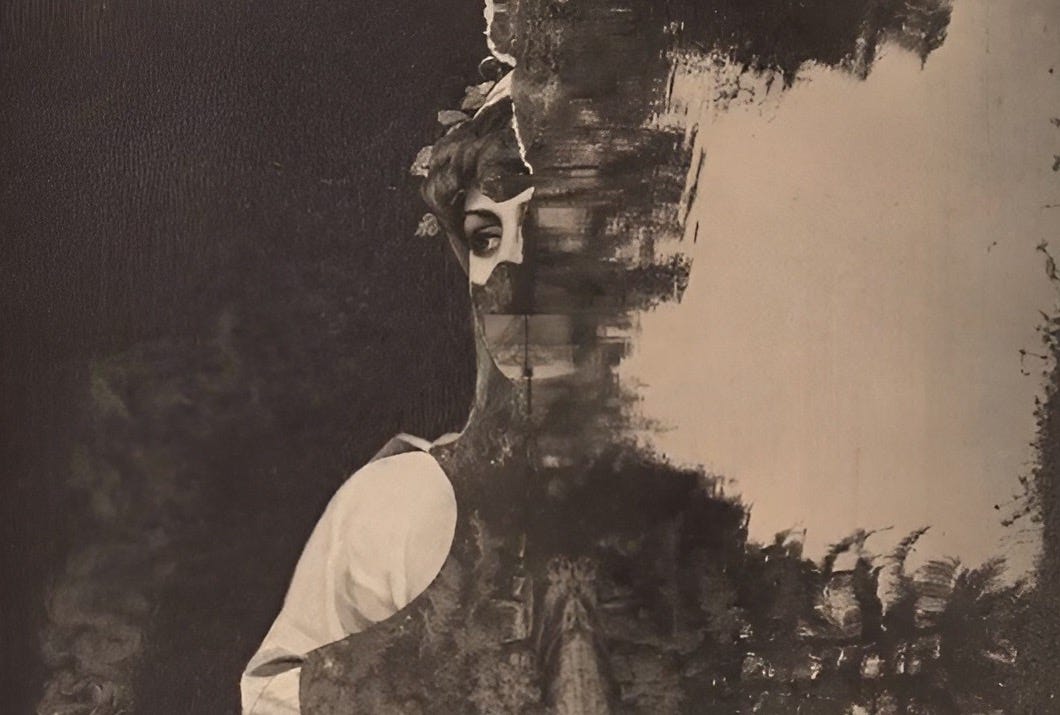
Infertility extends far beyond the physical body. It encompasses the entire person, reshaping identity, challenging assumptions about control, and forcing a deep reckoning with meaning, time, and the essence of being alive.
In therapeutic practice, infertility consistently brings individuals into contact with previously unknown dimensions of the self. It dismantles the widespread modern belief that diligent effort will inevitably yield the desired outcome. This belief operates as an unspoken agreement with life: plan carefully, work hard, and existence will align accordingly. Infertility exposes this as illusion, shattering it without mercy.
When the anticipated path fails to materialise, the disruption reaches beyond changed plans. The very texture of living shifts. The presumed order of existence begins to crumble, rendering what once felt certain profoundly unreliable. Hope collides with disbelief, while the psyche searches fruitlessly for explanation in a process that offers none. Here the experience transcends mere circumstance and touches something fundamental about human existence.
Beneath the practical and medical layers, an existential awakening unfolds. Infertility confronts the individual with the stark limits of human agency. It demands acknowledgement of vulnerability and dependency, alongside the unyielding reality that life refuses to be commanded.
This confrontation makes the human condition starkly visible.
Consciousness frequently emerges through suffering, not as retribution but as initiation into deeper awareness. Infertility serves as such a passage, demanding what comfort could never require: a direct encounter with the self, stripped of illusions, and the deliberate choice of who one becomes when faced with irrevocable limits.
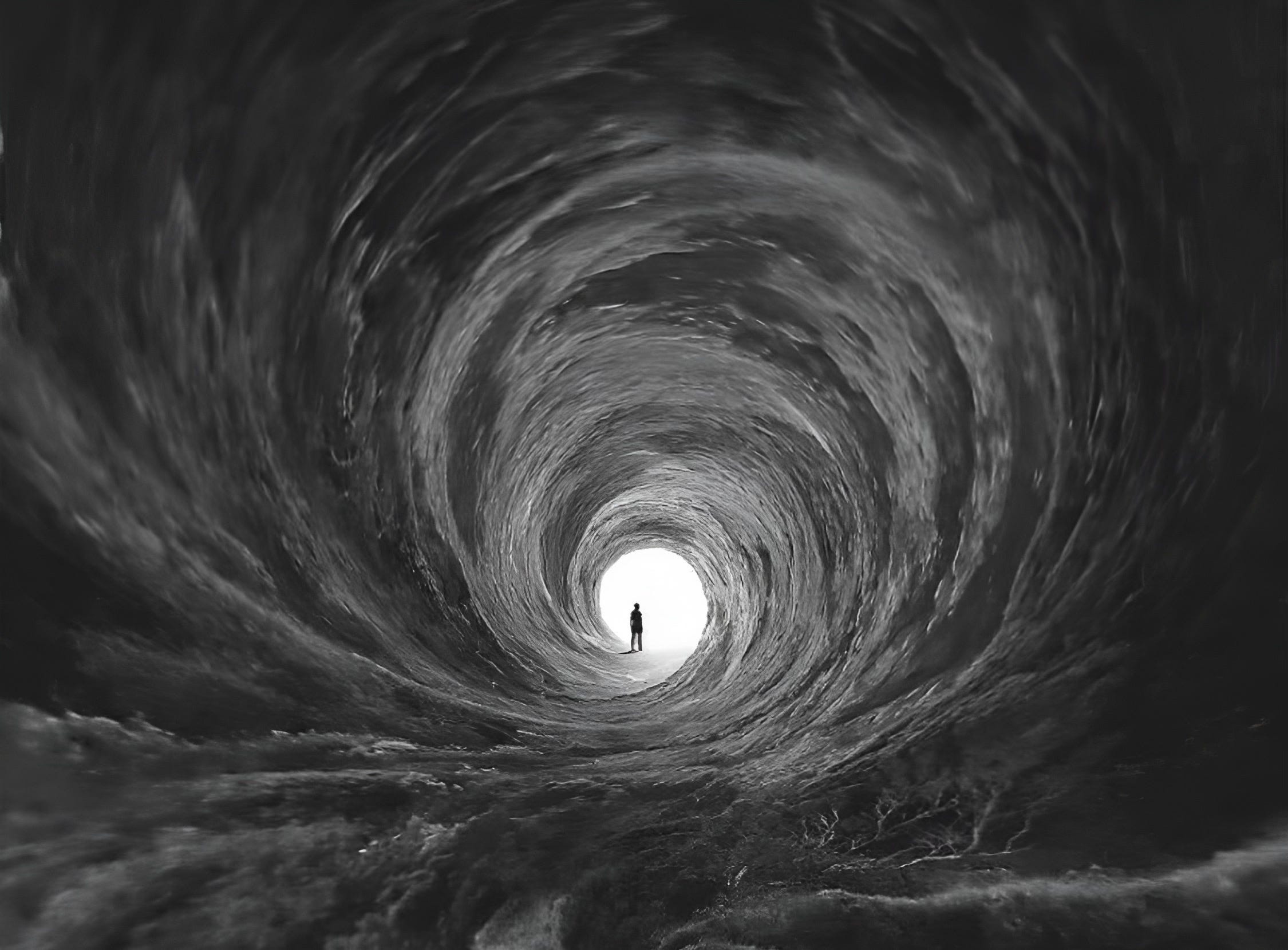
The intense longing for a child reveals an even deeper longing for meaning. It sharpens focus on the perennial human concerns: continuity, legacy, belonging, love. Fragility becomes impossible to ignore. Daily existence reveals itself as an exercise in patience and courage, with hope and despair separated by the thinnest margin. Both life and the act of creating life demand an element of faith.
Nietzsche recognised that a compelling reason for living enables endurance of almost any circumstance. Infertility compels the discovery of precisely such a reason, reaching beyond logic into the territory of meaning.
The journey illuminates the enduring conflict between the mind’s drive for mastery and the body’s requirement of surrender. Medical precision coexists uneasily with emotional turbulence, while active intervention shares space with inevitable release. Yet meaning arises most clearly within this very tension, where illusions fall away and only truth remains.
Infertility removes the protective stories we construct. Life reveals its inherent disorder. Fairness emerges as myth. The individual must hold paradox: gratitude alongside grief, hope alongside resignation. This paradox lies at the core of human experience. We yearn to create and to control, yet the vital force of life eludes both. Surrender becomes the only viable path.
The ultimate outcome extends beyond success or failure in conception. It concerns the self that emerges through unflinching engagement with what cannot be changed.
Frankl observed that when a situation defies alteration, the challenge shifts to transforming oneself. Infertility presents this challenge in its purest form. It transforms life not merely through absence, but through the insistence on inner evolution.
Infertility qualifies as profoundly existential because it compels direct engagement with the nature of being. It places worth, faith, relationship, body, and identity under scrutiny. When superficial layers strip away, what endures is the choice to remain participant in life, even when it withholds the most cherished desire.
That choice defines the human essence: the capacity to embrace life more fiercely amid suffering. The pursuit of creation becomes creation in itself. The willingness to continue forward, even through uncertainty and whilst in the abyss, constitutes the true rebirth of the self.
Comments
Nothing yet. Say the first thing.
Sign in to join the conversation.