What moves the continents, creates mountains, swallows up the sea floor, makes volcanoes erupt, triggers earthquakes, and imprints ancient climates into the rocks? Oliver Strimpel, a former astrophysicist and museum director asks leading Earth science researchers to divulge what they have discovered and how they did it. To learn more about the series, and see images that support the podcasts, go to geologybites.com. Instagram: @GeologyBites Bluesky: GeologyBites X: @geology_bites Email:…
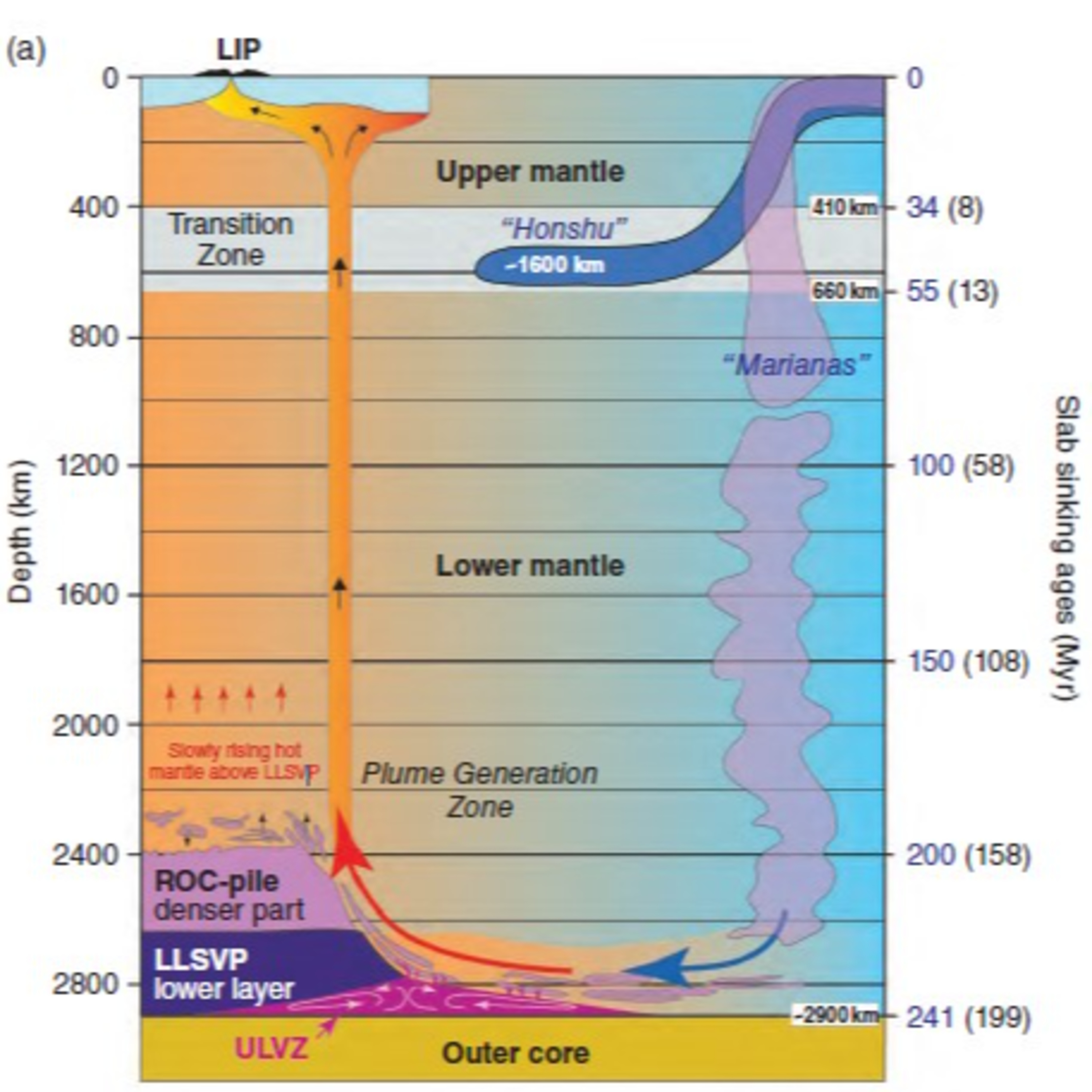
Volcanic island chains like Hawaii record the passage of a plate over a hotspot — a plume of hot rock rising from deep within the mantle. For decades, hotspots were assumed to be fixed, providing a stationary frame of reference against which to measure the absolute motions of the plates. But are they? Bernhard Steinberger has spent his career modeling how mantle flow carries plume conduits…
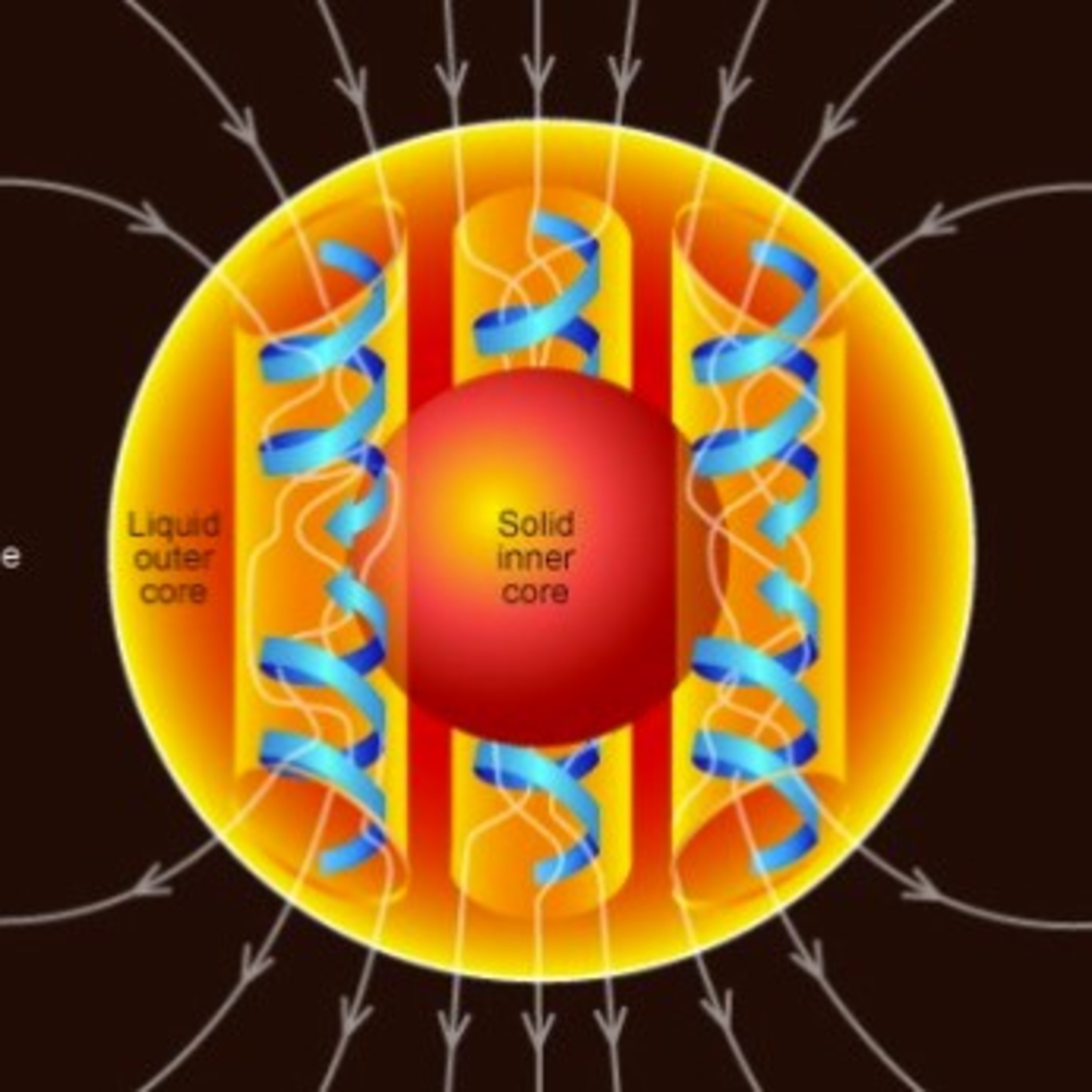
We have known for decades that the Moon once generated a strong magnetic field — comparable in strength to Earth's — throughout the period from about 4.25 to 3.5 billion years ago. Only in the past few years have we learned that the field didn't simply switch off then: it weakened dramatically but lingered on, faintly, until as recently as 1.5 billion years ago, before disappearing entirely. As…
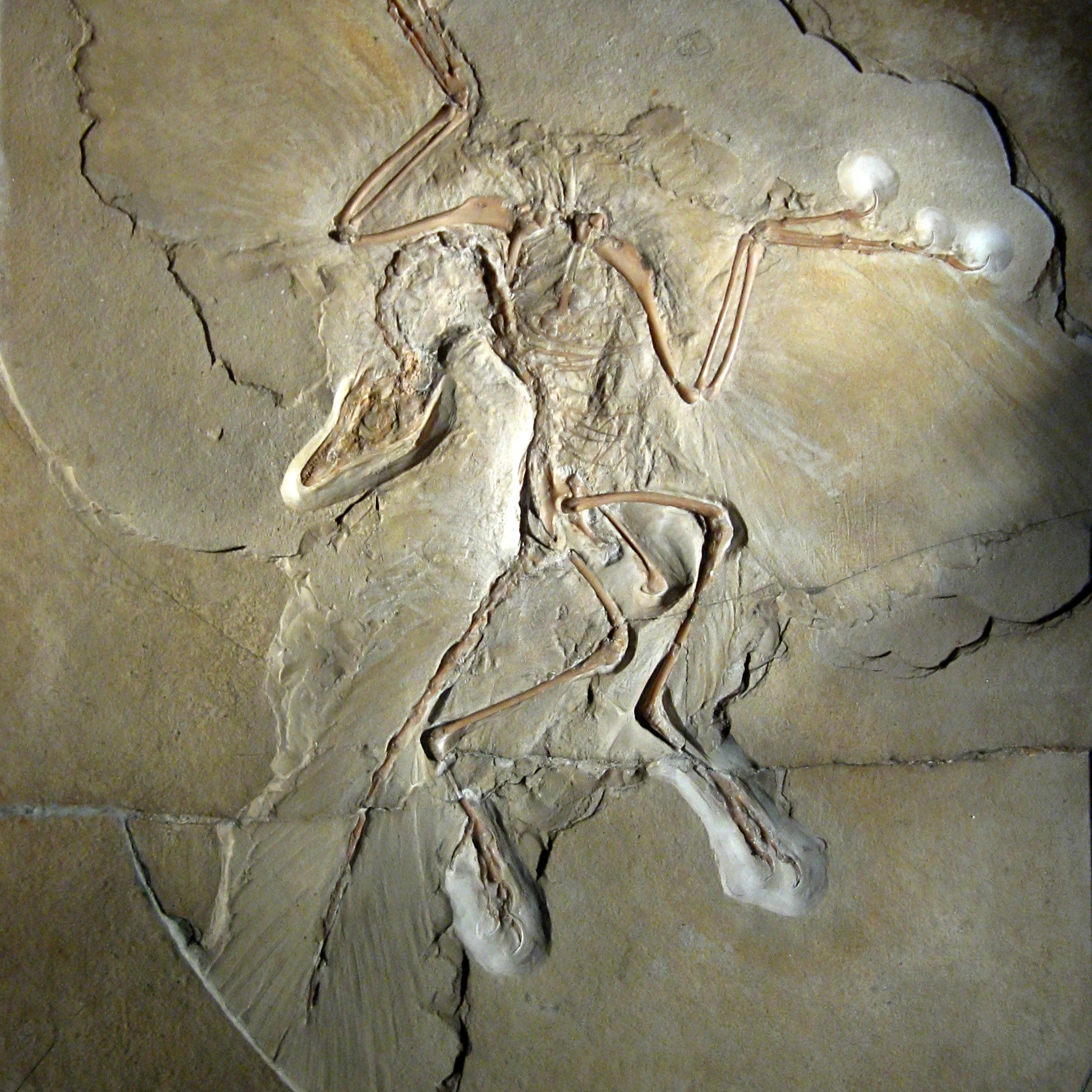
Birds are the only dinosaurs that survived the asteroid impact 66 million years ago — but not all birds did. In this episode, Steve Brusatte draws on the fossil record to explain which birds came through the extinction, and what set the survivors apart from the many that perished alongside the rest of the dinosaurs. He traces the evolutionary transition from ground-living theropods to modern…
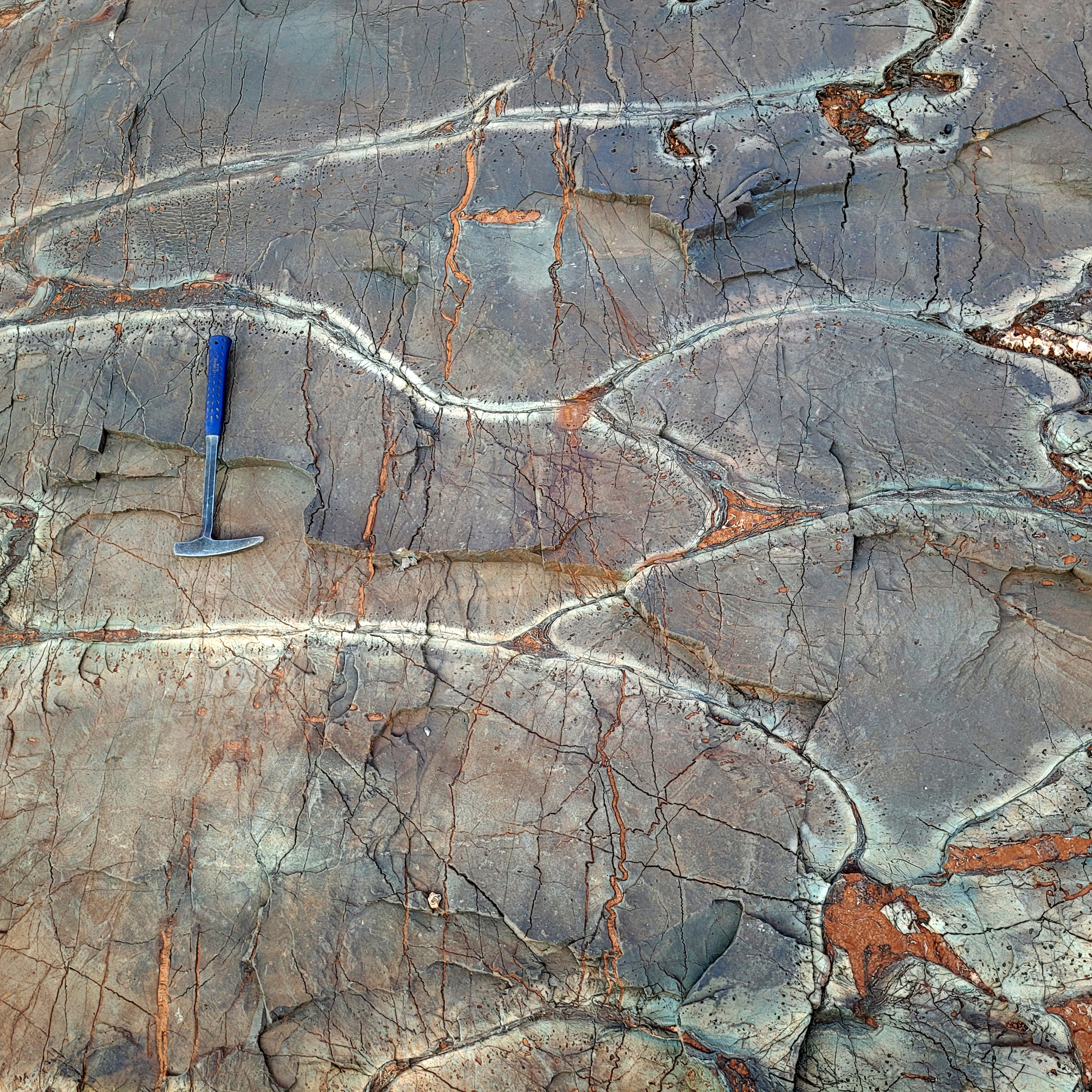
A key development in the history of the early Earth is the formation of lithospheric plates that move independently of one another. In this episode, Brenner describes how he used paleomagnetic methods to detect relative motion between two ancient cratons, the East Pilbara and the Kaapvaal, 3.5 billion years ago. This is a full billion years earlier than any previous such detection, and it enables…
Most of the material in the Earth and other planets exists under extremes of pressure and temperature quite unlike those we inhabit on the surface of the Earth. Steve Jacobsen is a mineral physicist who studies how rocks and minerals behave under such alien conditions. In the podcast, we discuss his experiments and what we’ve learned about three extreme environments: the core-mantle boundary, the…
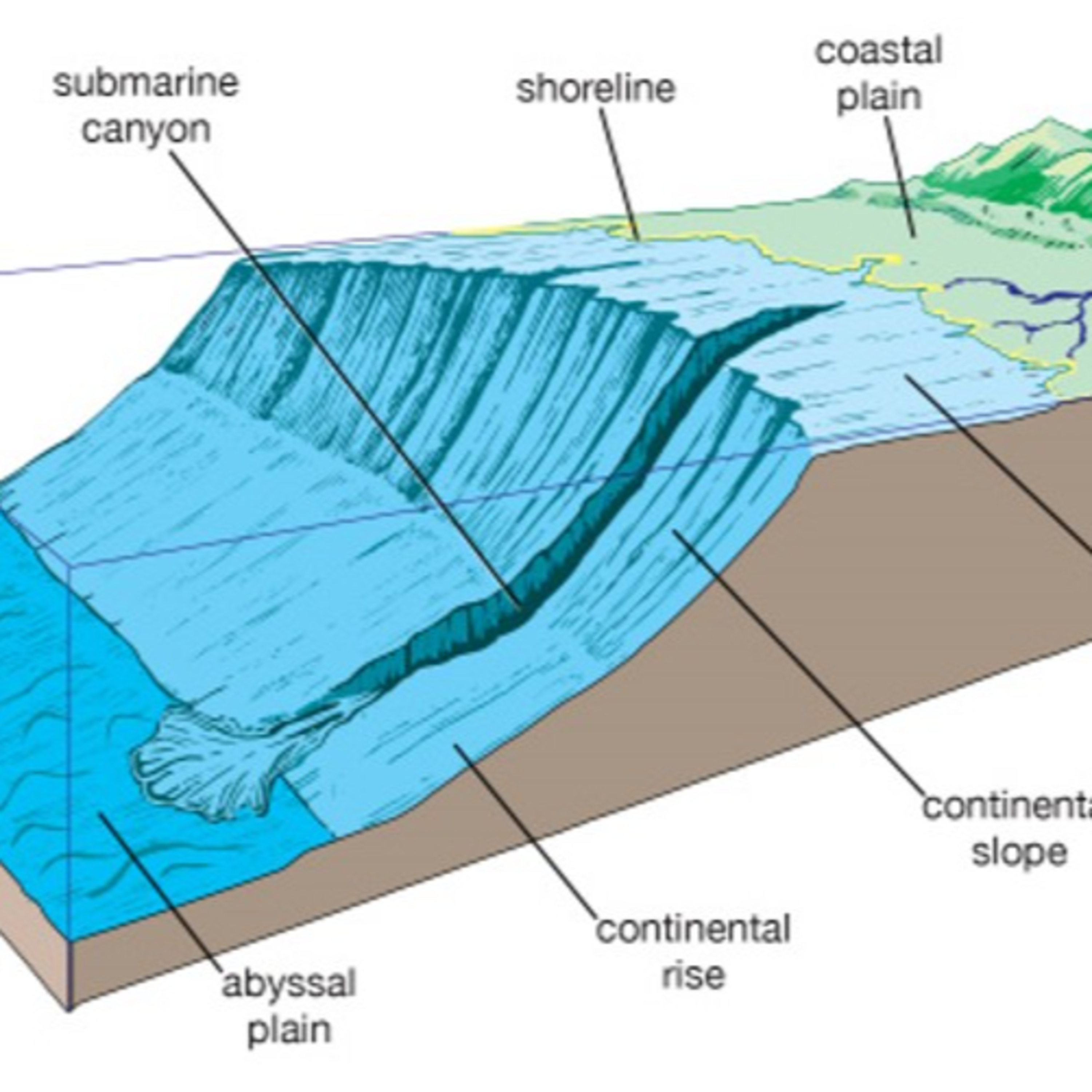
Though turbidity currents are massive and frequent underwater events, we have rarely observed them directly. Esther Sumner is one of the few researchers who has. In the podcast, she describes what it's like to instrument an active submarine canyon, what these flows have revealed about the way sediment moves across the seafloor — and the day her team accidentally flew an underwater robot into a…
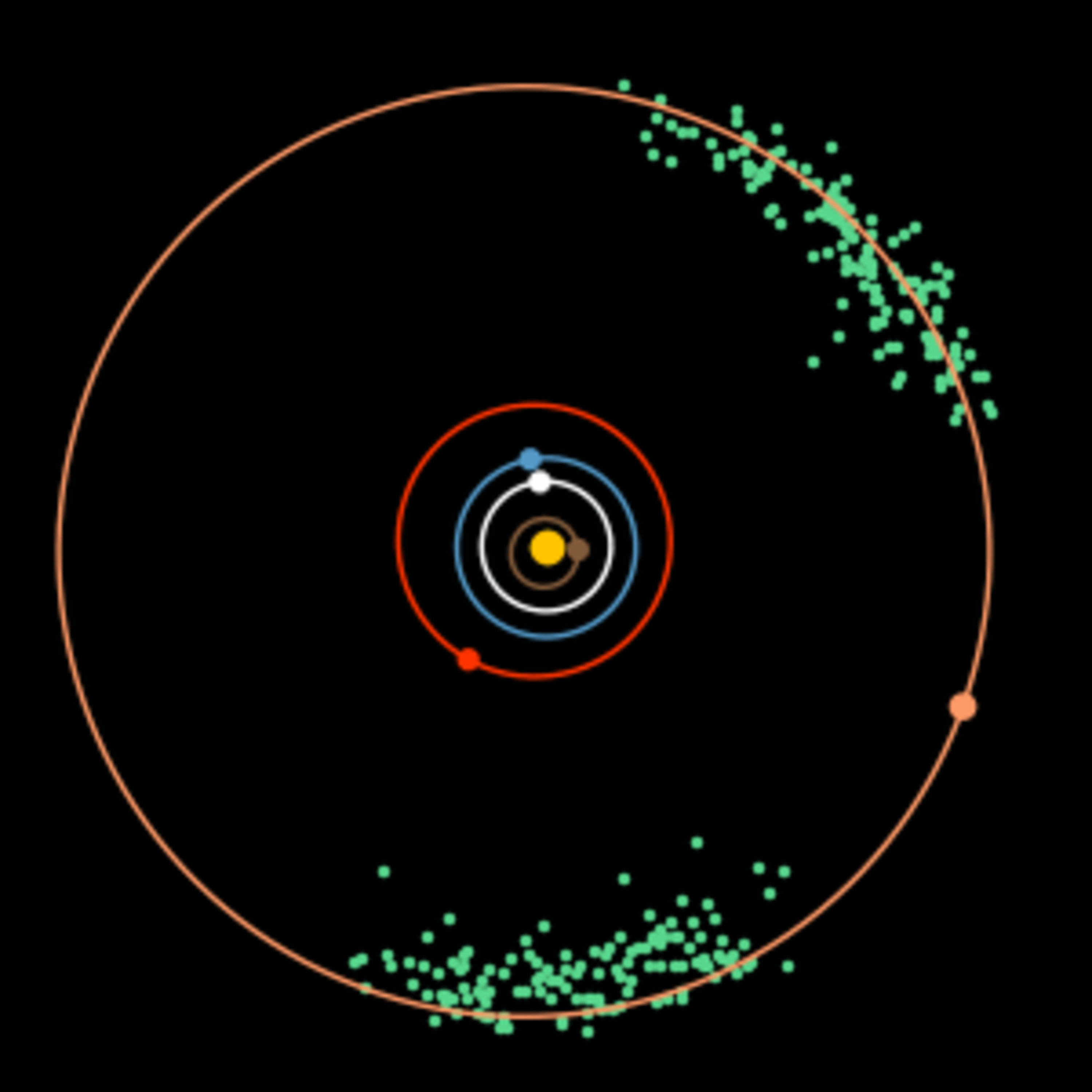
A key question about the early history of the Solar System is whether the giant planets formed roughly at the distances from the Sun they presently occupy, or, as some theories predict, much closer to the Sun. The discovery of other solar systems with radically different configurations of planets has made this question more pressing, since it appears that the configuration of the Solar System…
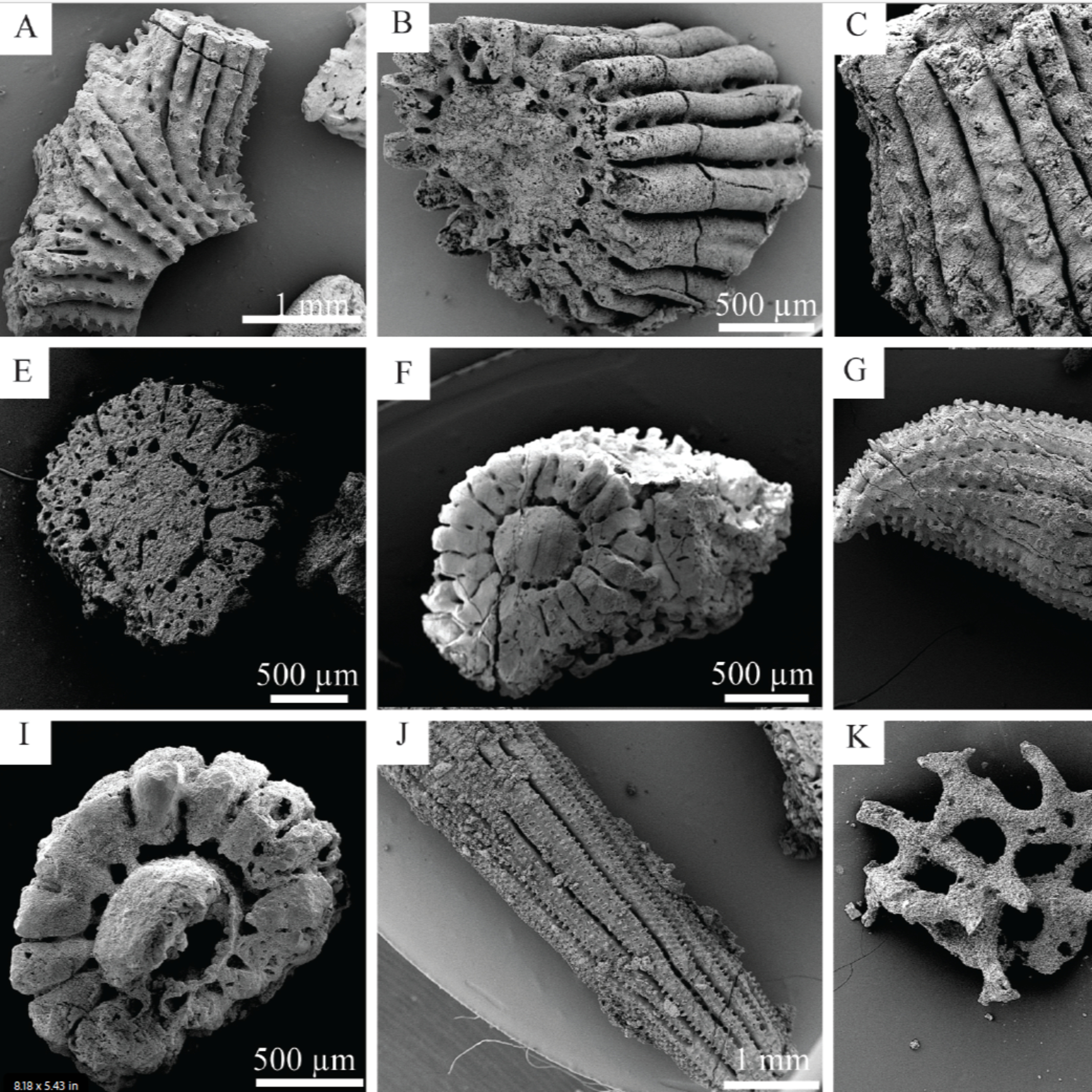
The first multicellular animals to build reefs lived in the Early Cambrian around the time of the Cambrian explosion. They were sponges called archaeocyaths. In the podcast, Sara Pruss suggests that the rise of the archaeocyaths fostered an increase in animal diversity. But they were relatively short-lived, and when they died out in the Middle Cambrian, the diversity declined. Over geological…
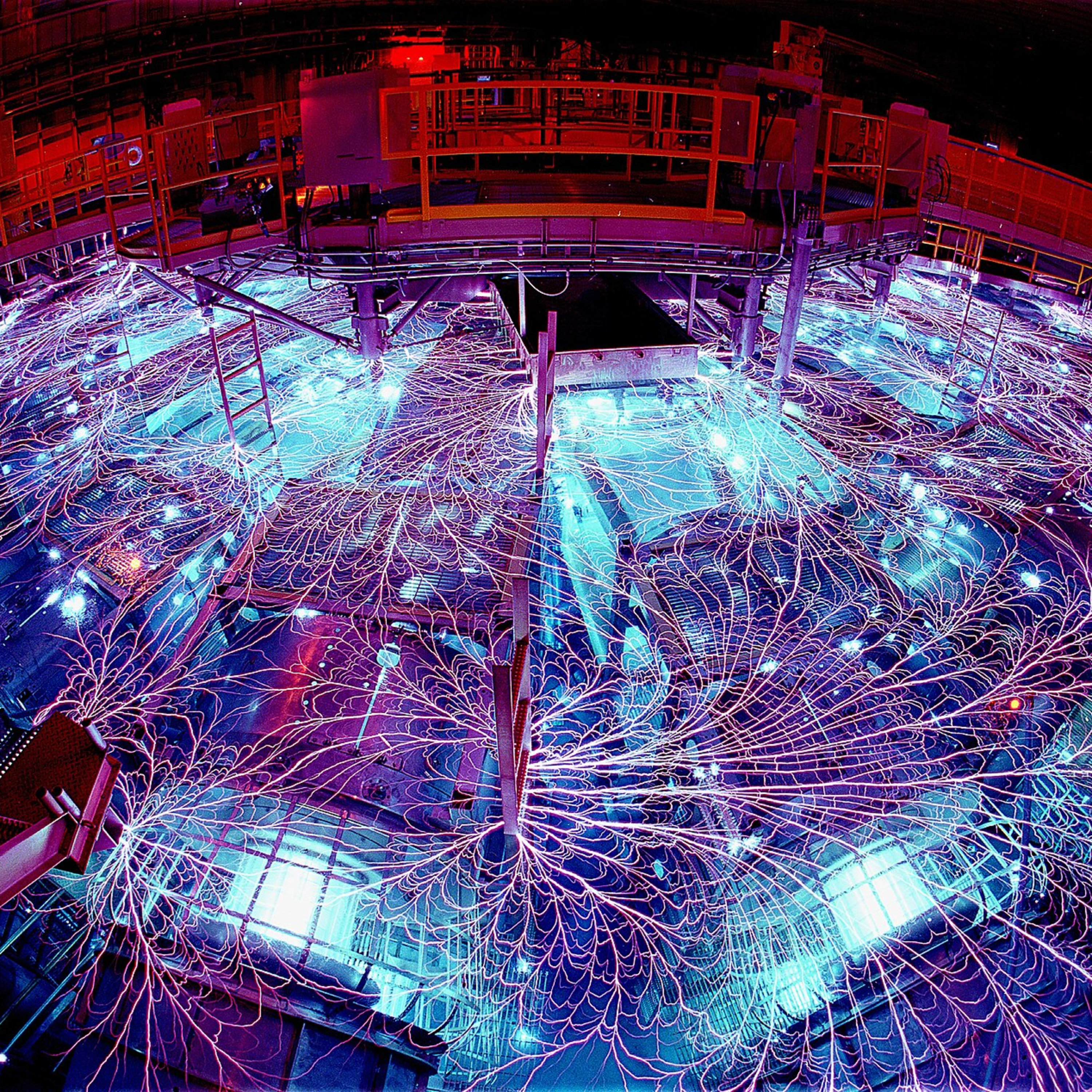
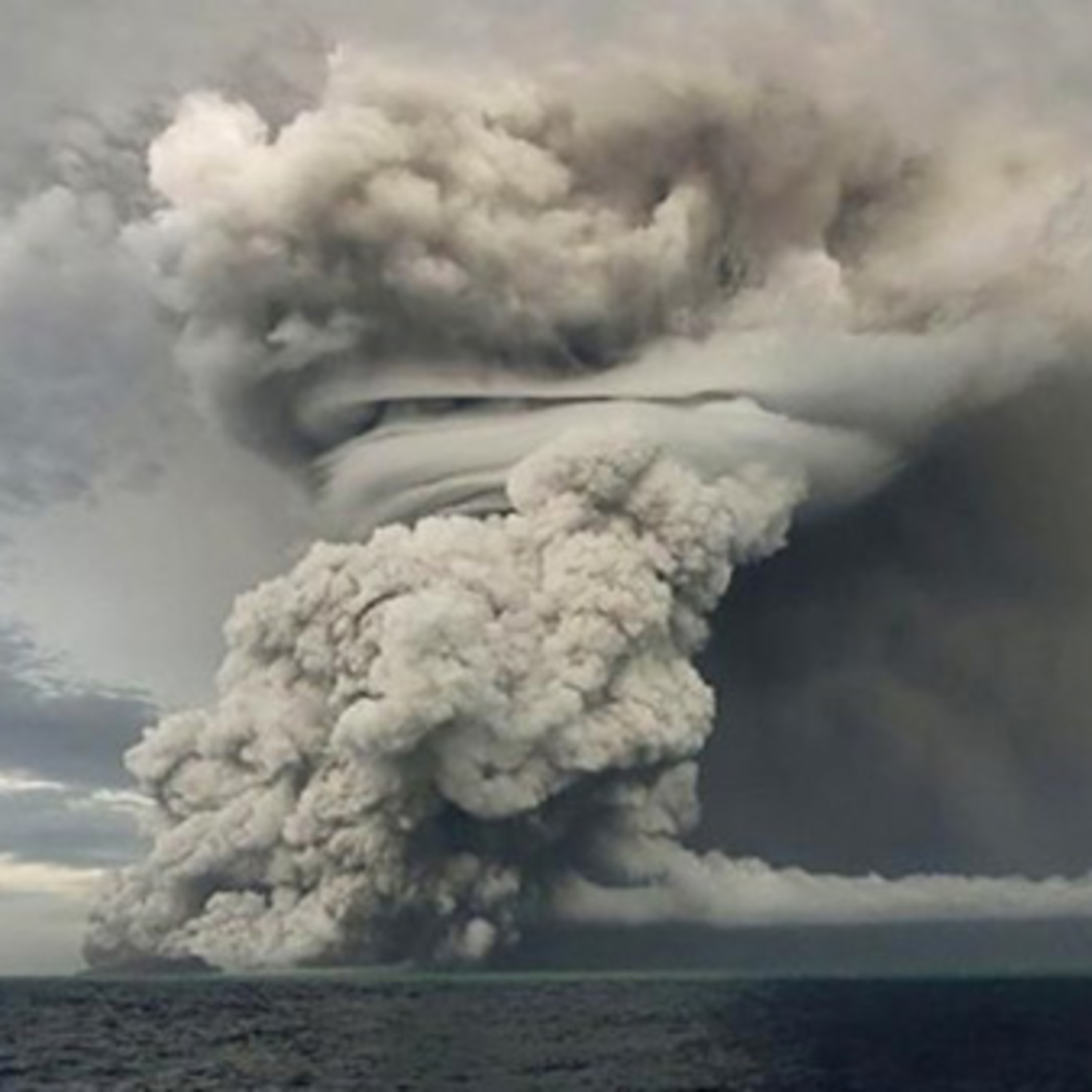
Water can have a dramatic effect on the style of an eruption. In the podcast, Michael Manga explains how the most powerful eruptions, such as the 2022 Hunga Tonga eruption, occur when hot magma comes into contact with water and suddenly generates vast quantities of steam. Water dissolved in magma as it rises to the surface and depressurizes can also drive destructive volcanic eruptions. Manga also…
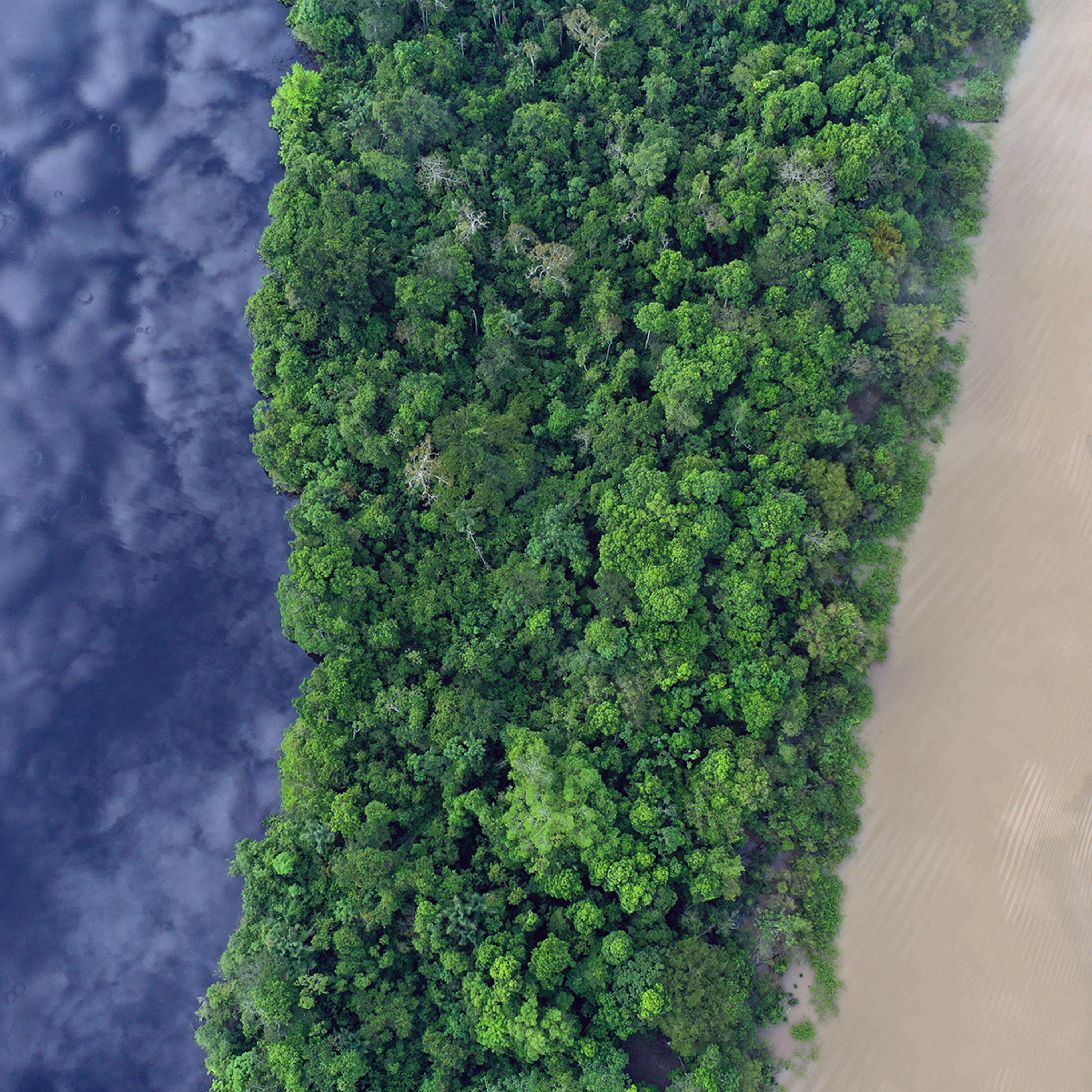
The Amazon Basin is the most biodiverse region on Earth, being the home of one in five of all bird species, one in five of all fish species, and over 40,000 plant species. In the podcast Carina Hoorn explains how the rise of the Andes and marine incursions drove an increase in biodiversity in the Early Miocene. This involved the arrival of fresh river-borne sediments from the eroding mountains and…