
Hi, If you’ve been here before, you know this as Fine-Tuned by Genloop. 22 editions of industry news, model releases, and takes on where enterprise AI was heading.
We went quiet in December. Not because the work slowed down. Because it sped up.
Today we’re back, with a new name and a different focus: The Genloop Digest.
Same community. The format is shifting. Less “what the industry shipped this week,” more “what we built, what we learned, and what we think it actually means.”
Three things to know before you dive in:
Genloop is now free to try. Connect your warehouse, no demo required.
We shipped Liveboards. Free dashboards on your warehouse, with AI that explains what changed and why.
We hit #1 on Spider 2.0, the world’s hardest enterprise text-to-SQL benchmark, with 96.7% accuracy. Ahead of AT&T (86.3%) and Snowflake (75%).
There’s more inside. Let’s get into it.
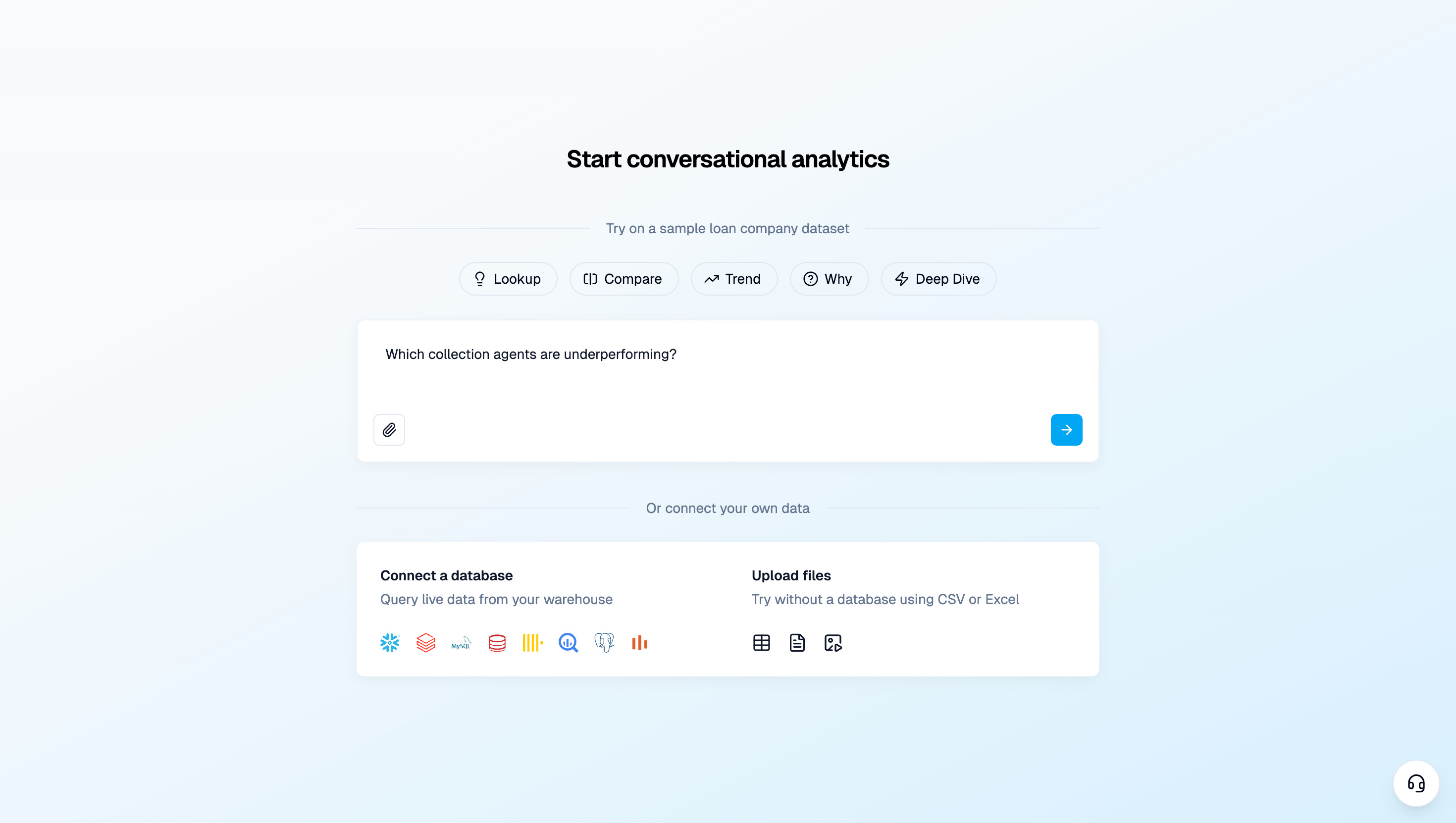
If you’ve been hearing about talking to your data and getting answers in plain English, without waiting on the data team, that’s what Genloop is built for.
Getting started used to mean scheduling calls and a week of context setup before you could ask your first question.
That changes now.
What’s new:
Connect your data estate, Genloop auto-discovers your data architecture, processes, decisions, and team context.
Business context is ready in minutes, then builds with every query, feedback, and validated answer
Free dashboards, built directly on your warehouse. No data copies, no seat-based pricing.
Get insights where your team works. Genloop works natively with tools like Slack, Claude Code, and other surfaces.
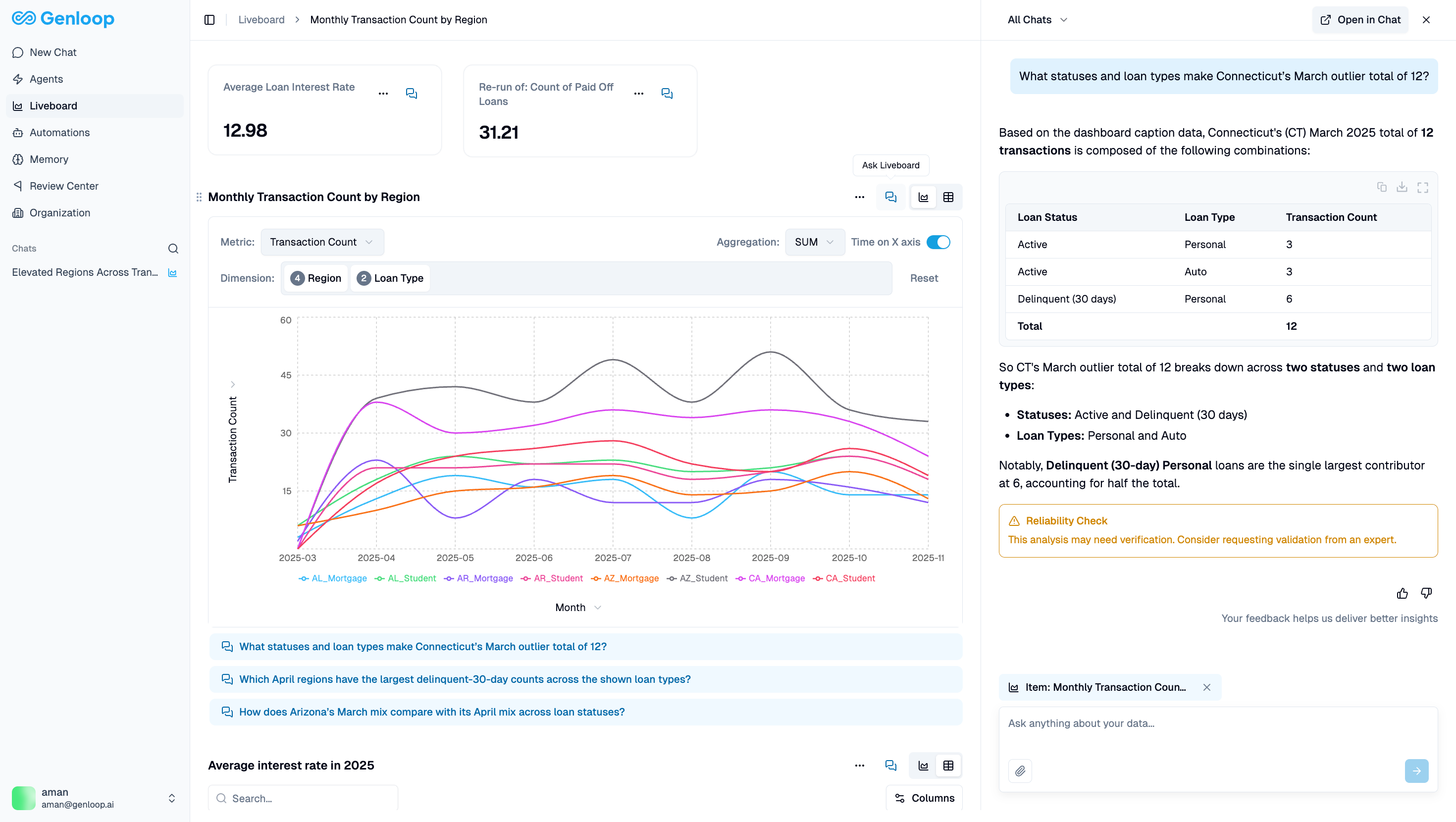
Dashboards were built to display data, not explain it. That’s been broken for a long time.
Liveboards fixes this: built directly on your warehouse, no data copies, no seat-based BI pricing. Just insight, right there, right then.
What’s new:
Pin recurring questions as panels: your top business questions, checked daily, on one screen
Insight-driven summaries on every chart: not just what changed, but why it matters
Ask follow-ups directly from charts, without losing filters, time range, or context
Collaborate with teammates, with role-based access controls baked in
Schedule reports and share presentations directly with your team
Going deeper: Are Dashboards Dying?
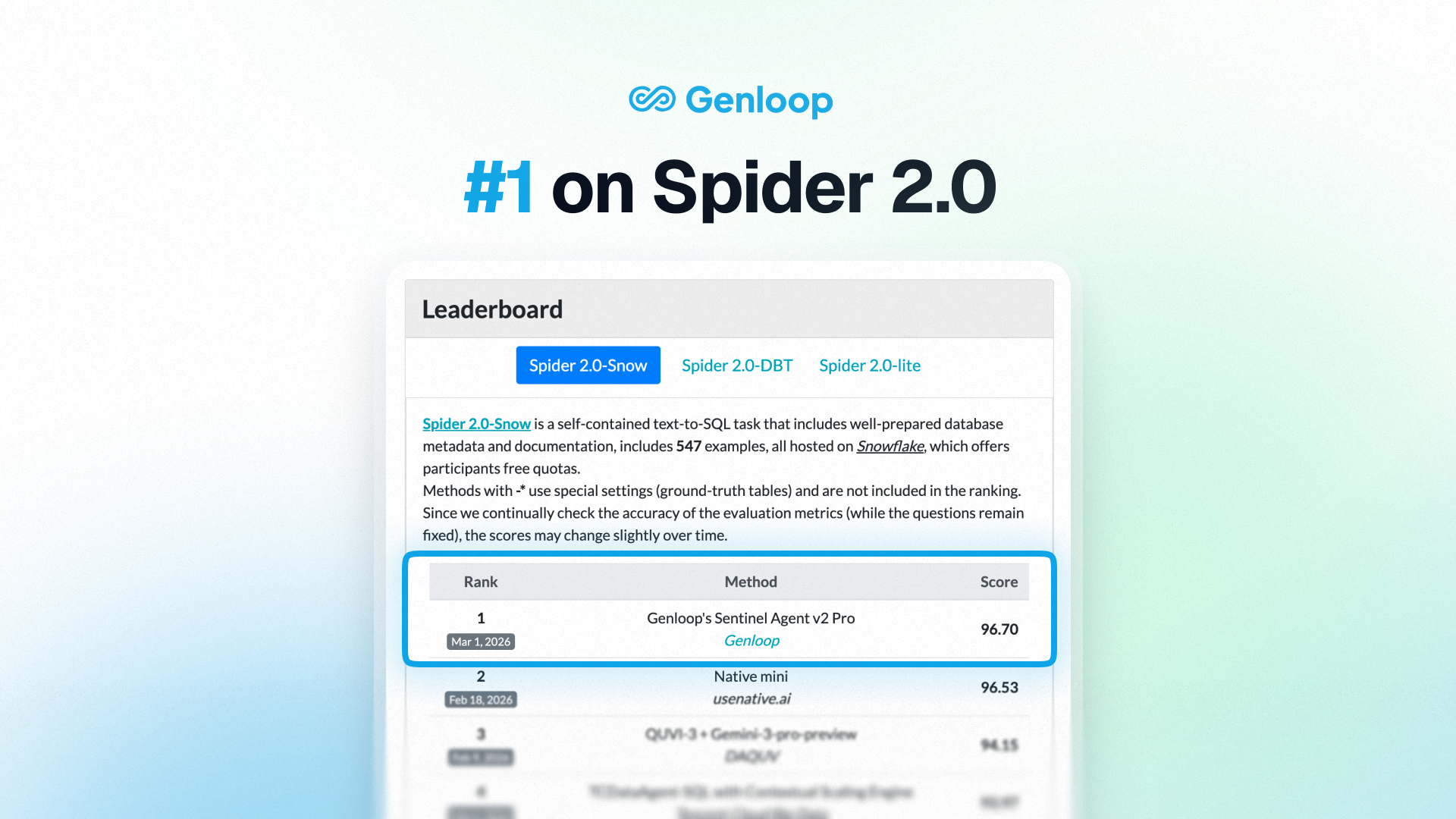
We started at #8. Genloop’s Sentinel Agent v2 Pro is now #1 on Spider 2.0-Snow with 96.7% accuracy, the highest score on the world’s toughest enterprise text-to-SQL benchmark.
The gap:
Genloop: 96.7%
AT&T: 86.3%
Snowflake: 75%
We don’t just translate questions into SQL. We reason over a Living Context Graph, so Genloop already knows what “revenue” means in your schema before the question lands.
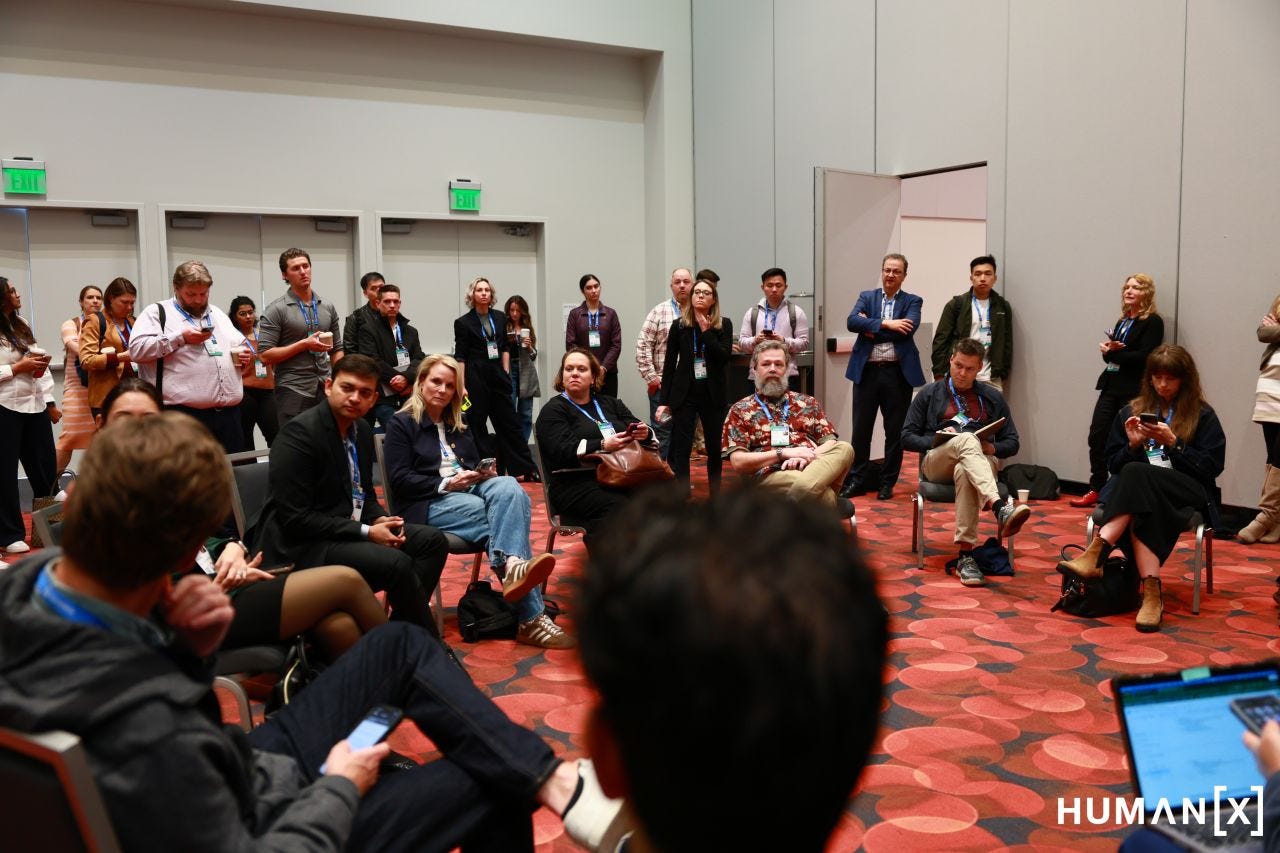
A room full of data leaders at HumanX. The moderator asked: how do you actually measure if AI for analytics is working?
Everyone went quiet.
Time saved. Token consumption. Query counts. None of it felt right.
The only metric that matters is Decision Adoption Rate. Did someone act on what the AI suggested? Did that action change the KPI it was supposed to change? If you can map those two, you have ROI. If you can’t, you have a chatbot dressed up as insight.
Most analytics tools can’t close this loop because they don’t own enough of the stack. They give you an answer and walk away.
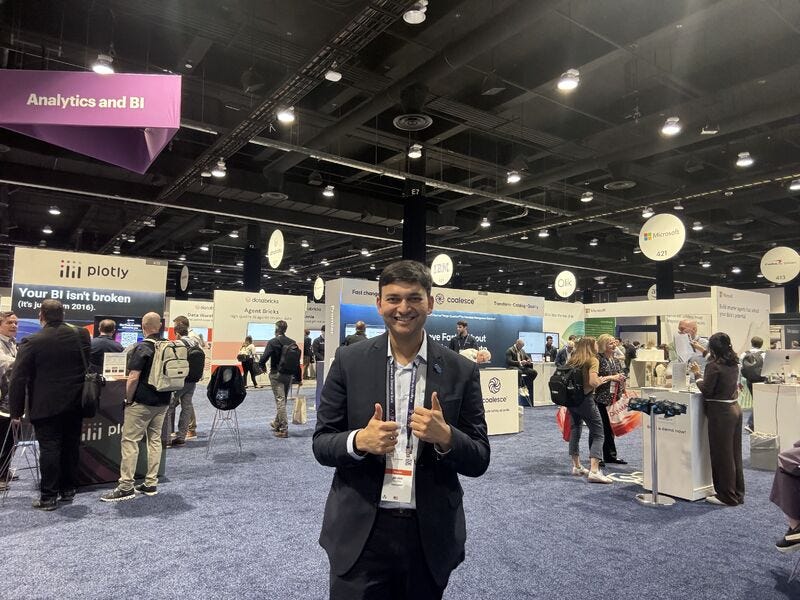
Most of what’s being sold as “Context Graph” today is data context: tables, KPIs, column relationships. Useful. But one layer of four.
The winning stack needs all of them:
Data context: what your data means and how it connects
Process context: how work actually gets done in your org
Decision context: how choices get made, by whom, with what tradeoffs
User context: who is asking, what they care about, what they’ll do with the answer
Today’s tools satisfy layer one. Tomorrow’s won’t.
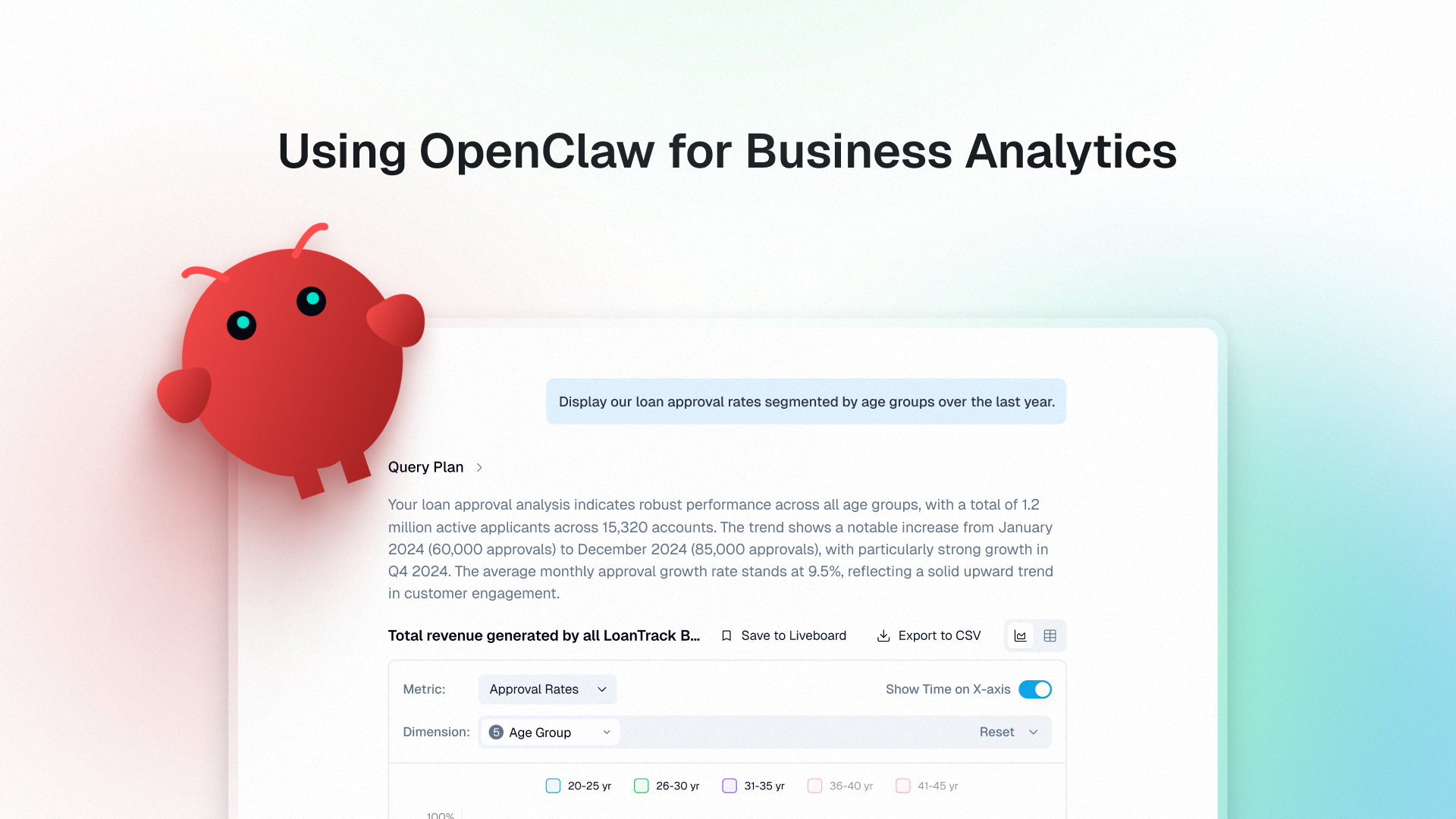
The guide walks through connecting OpenClaw to your stack and using it for trend investigation, root cause analysis, and cross-functional performance comparisons.
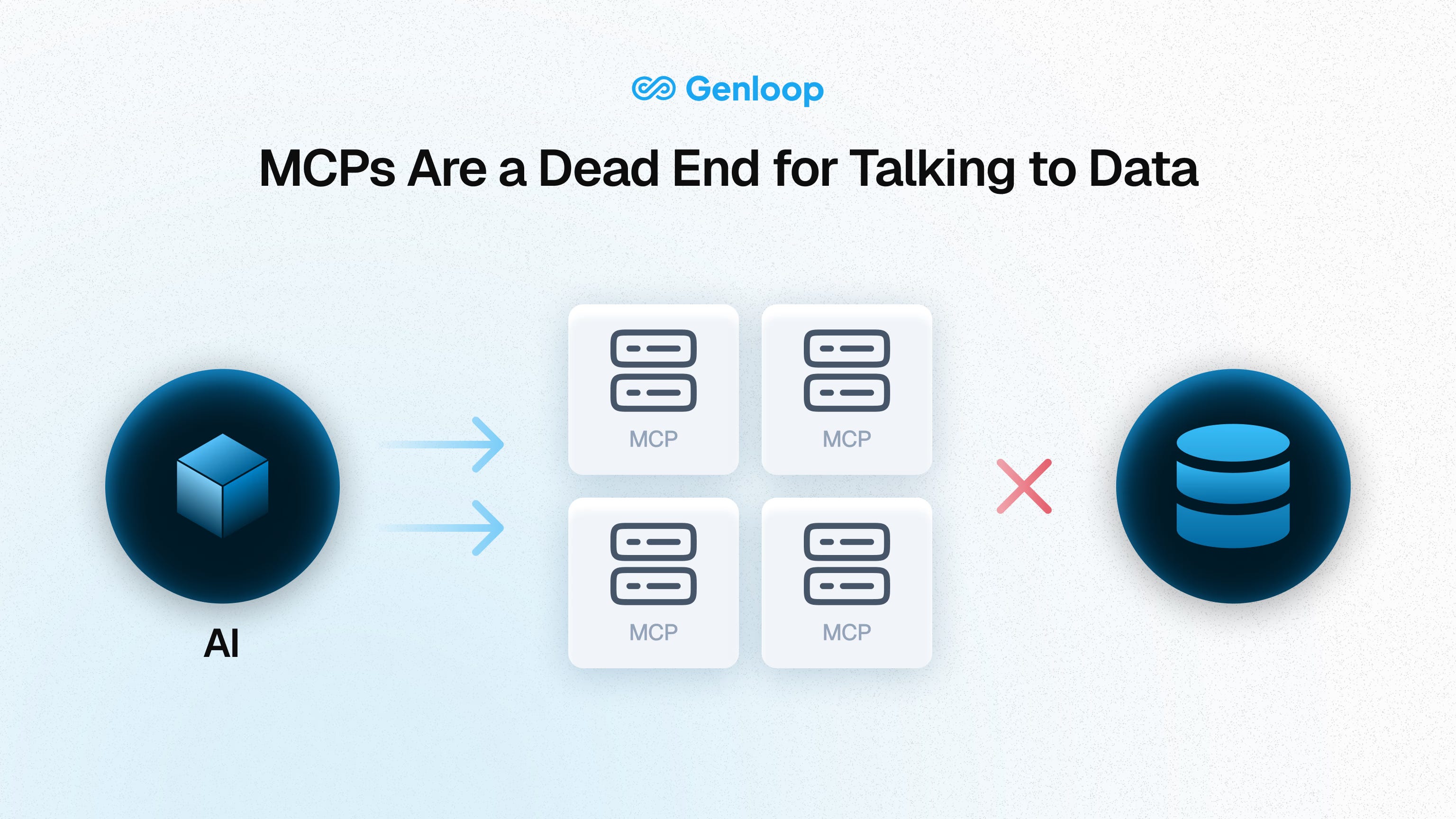
MCP-based architectures are failing in production:
93% query failure rate at one Fortune 500
Major pharma pilot discontinued
Why: MCPs must be pre-built for every path, encode no business context, and compound latency.
The fix: AI that reasons over unified enterprise context and executes deterministically.
That’s it for Issue 1. A lot has changed since the last time we wrote one of these. The product, the thinking, and honestly, the ambition behind where this is going. There’s a lot more to share, and we’re just getting started.
Expect more of this: Genloop updates, things we’re learning, and content that’s actually useful if you’re thinking about data and AI.
Thanks for reading, and thanks for being early to this journey with us.
The Genloop Team
No posts
Comments
Nothing yet. Say the first thing.
Sign in to join the conversation.