
One of the many poetry fragments I wrote when I was last in Japan, thirty years ago, was
Text within this block will maintain its original spacing when published
In the mountains the sound of a gong.
In the strip-malls the sound of a song
from America. Is anything wrong?
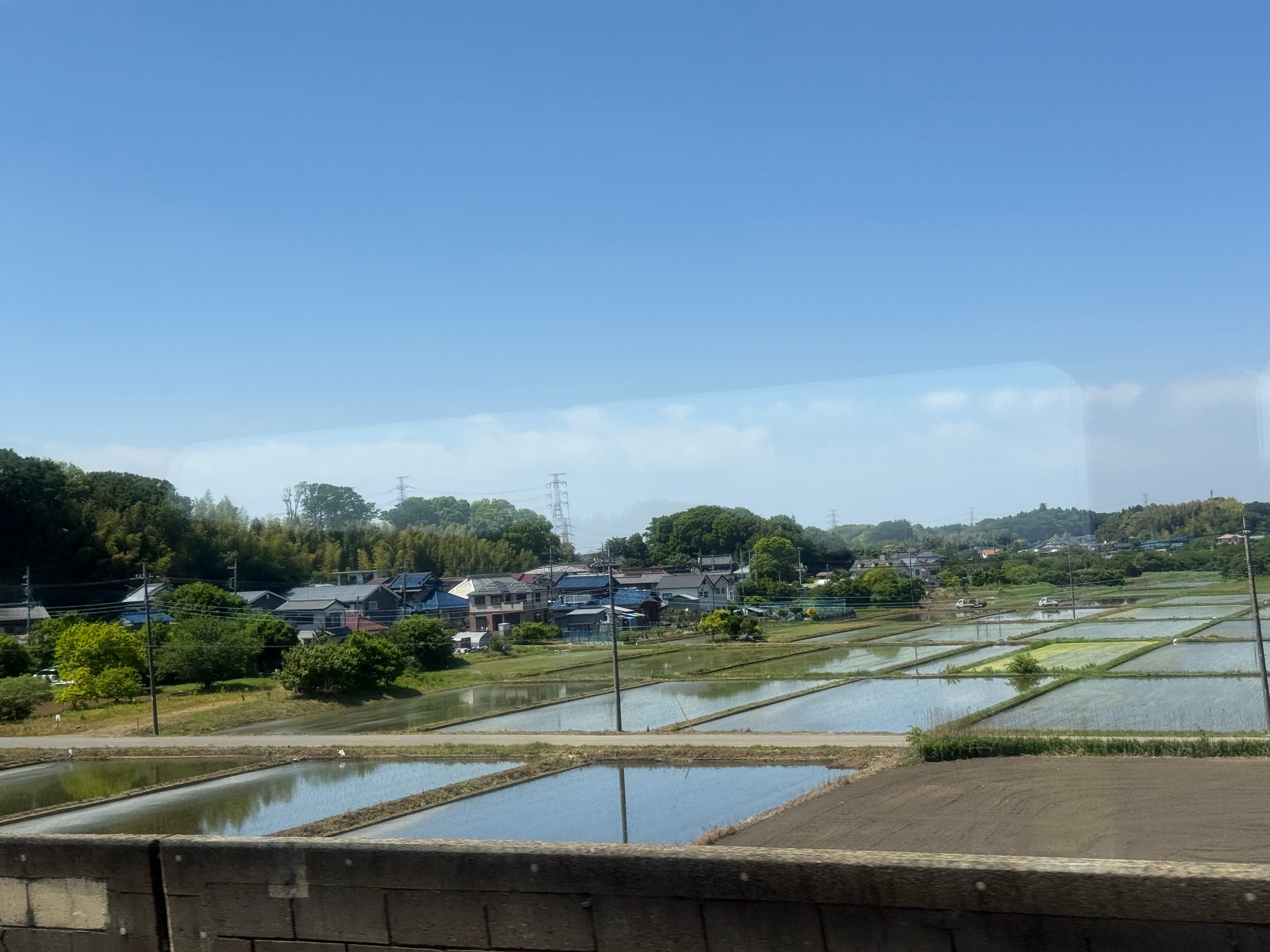
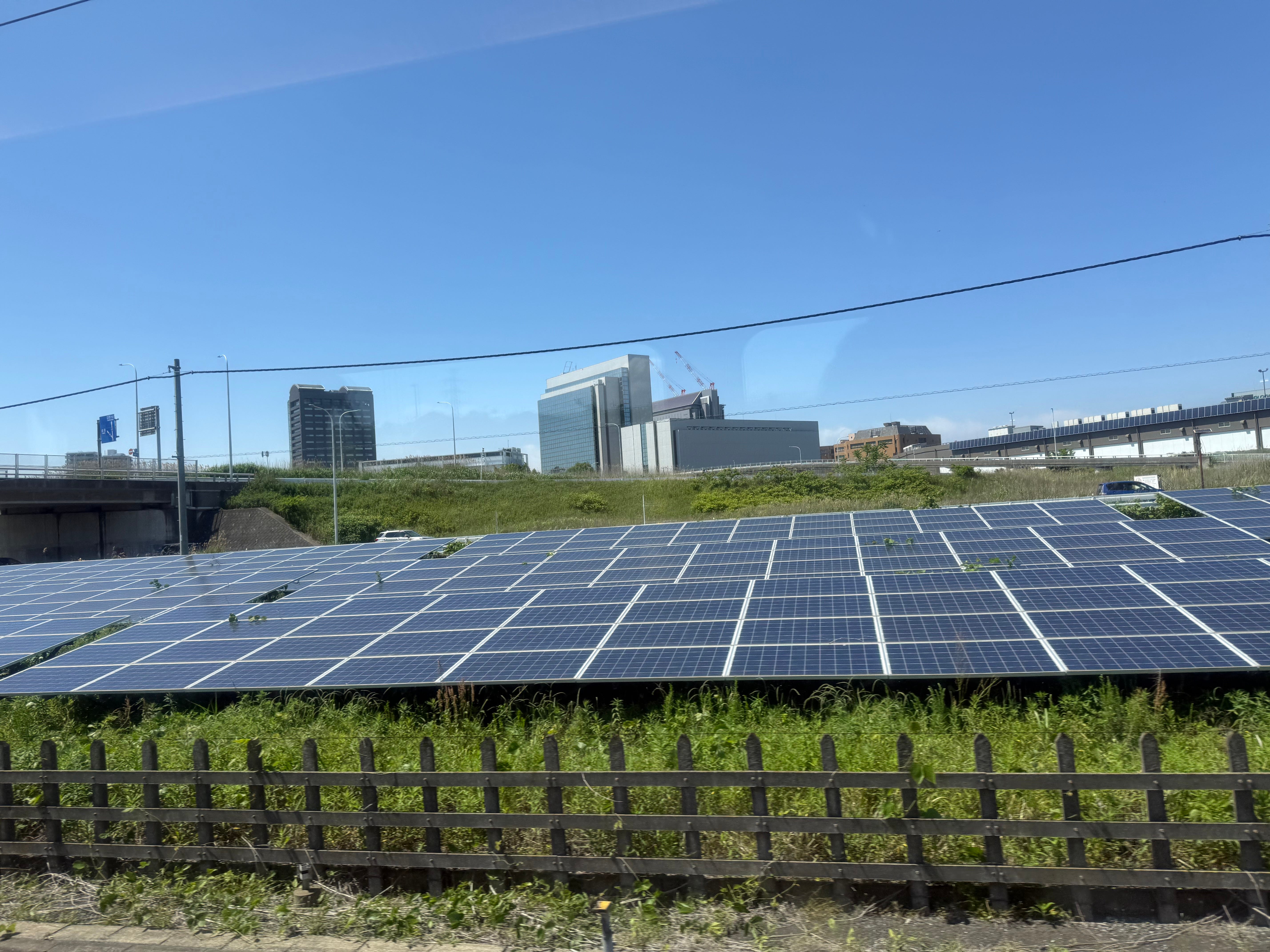
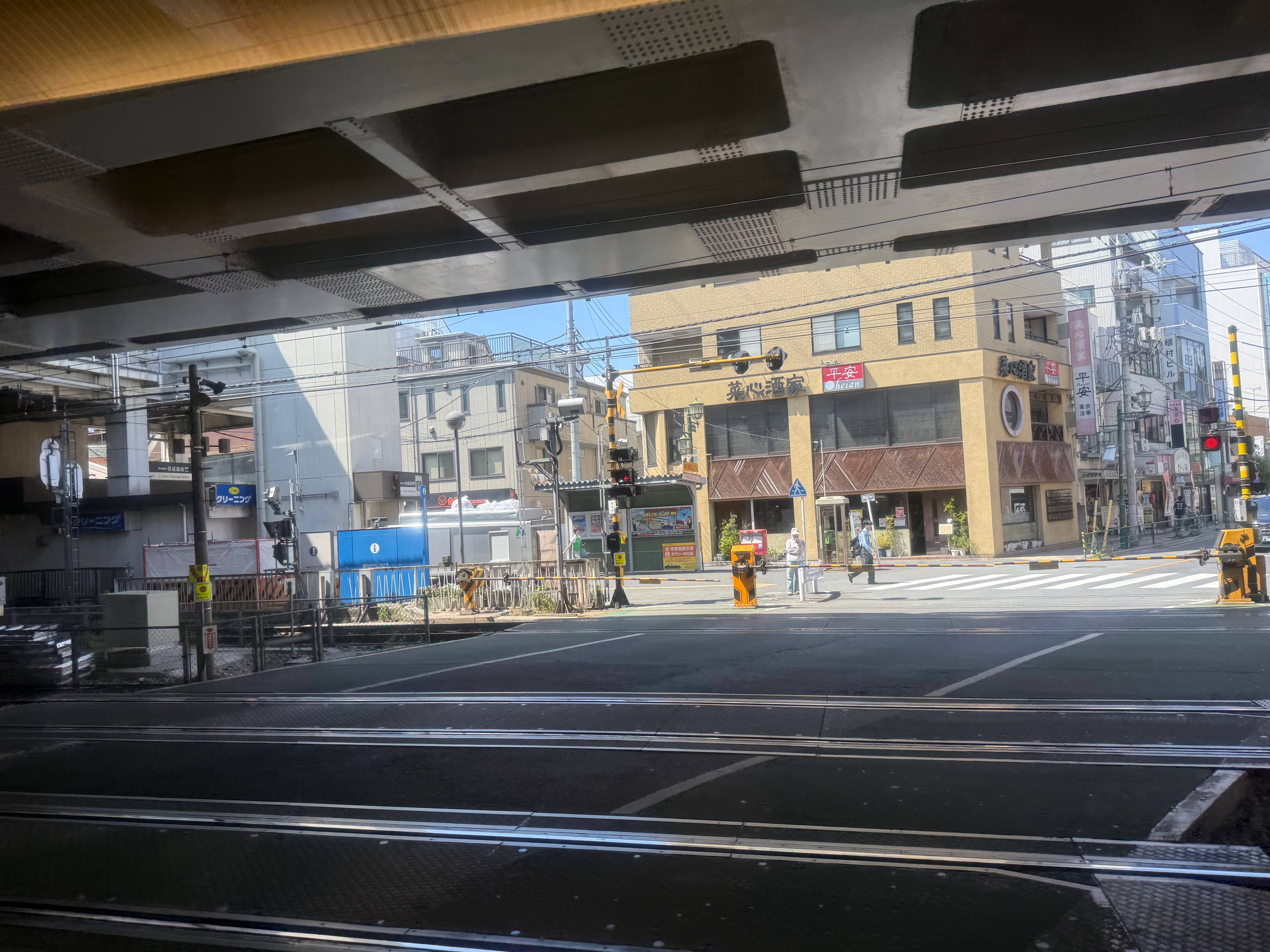
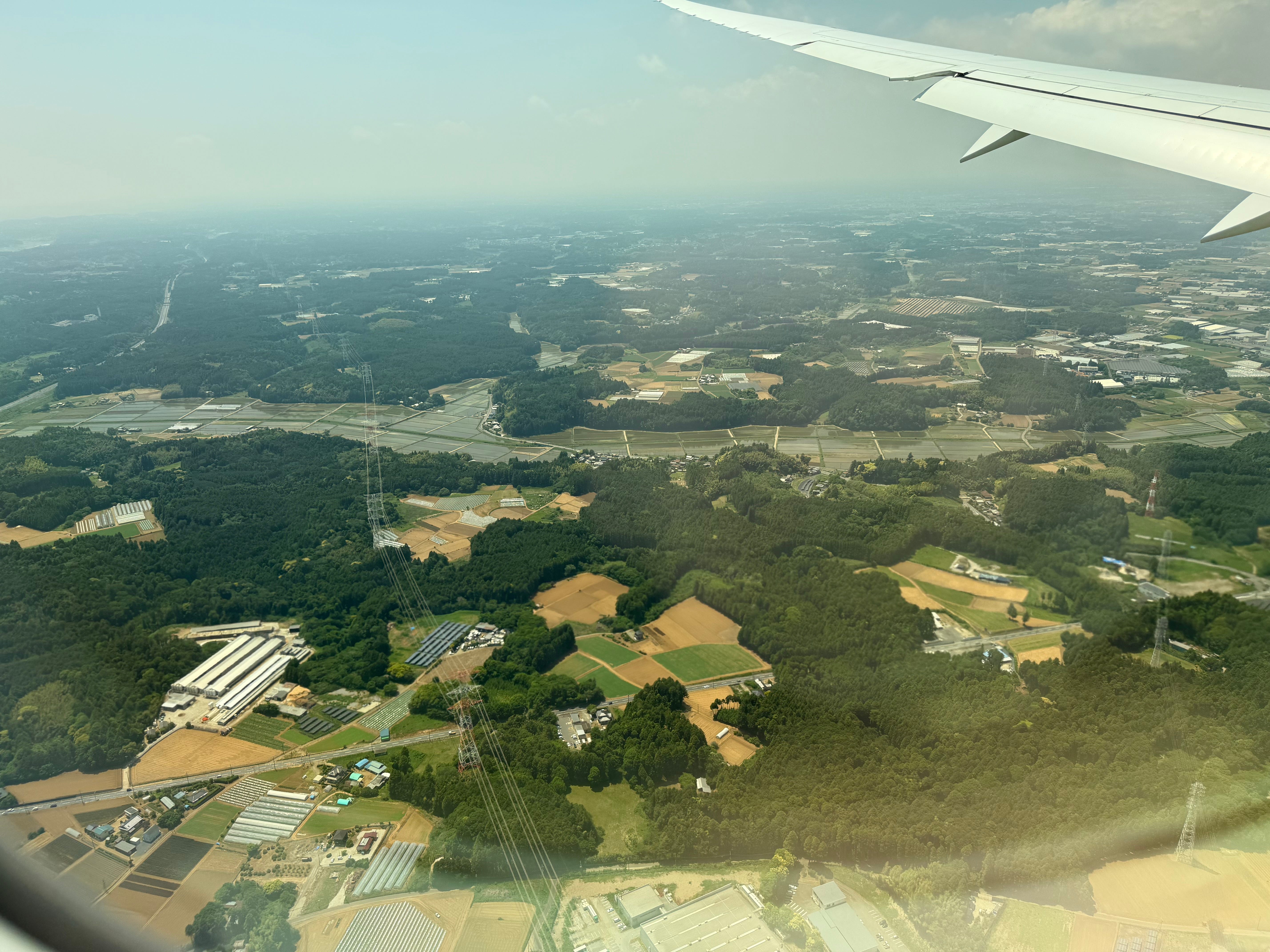
As I rode the train from Narita airport to Tokyo, I was struck, once again, how Japan is a land of dramatic contrasts. Flooded rice paddies were interspersed with villages and even inserted into what looked like semi-urban landscapes. Solar panels were all along the tracks, occasionally giving way to large patches of bamboo forest. Another collection of rice paddies gave way to the houses of a town, which gave way to an ancient temple surrounded by bamboo forest. As we neared Tokyo, the landscape became more urban, but again flashed past in an assortment of detatched and semi-detached houses, small shops, another temple, a train station, large apartment buildings, carefully controlled rivers between high embankments, and then more of the same, with ever more apartment buildings and high-rises breaking up the same wild assortment of narrow streets, shops, cemeteries, and tile-roofed houses.
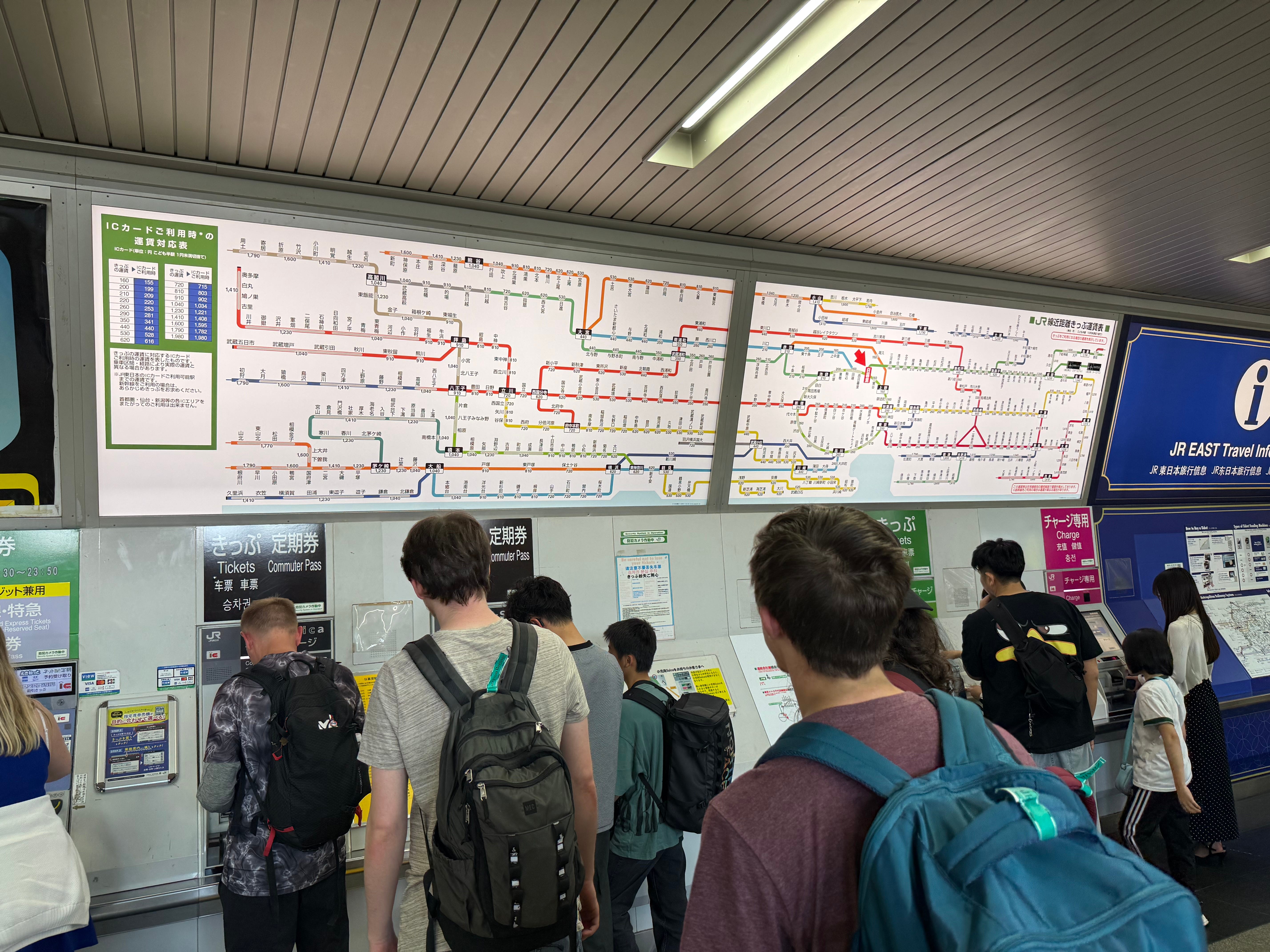
These dramatic contrasts only increased as we arrived in Tokyo. We stopped and bought our high-tech personalized rail-system cards in front of a sprawling subway- and train-system maps, and then almost immediately, as we made our way out of the train station and climbed a set of stairs I was curious about, found ourselves in the quiet reverence of an ancient Japanese cemetery.
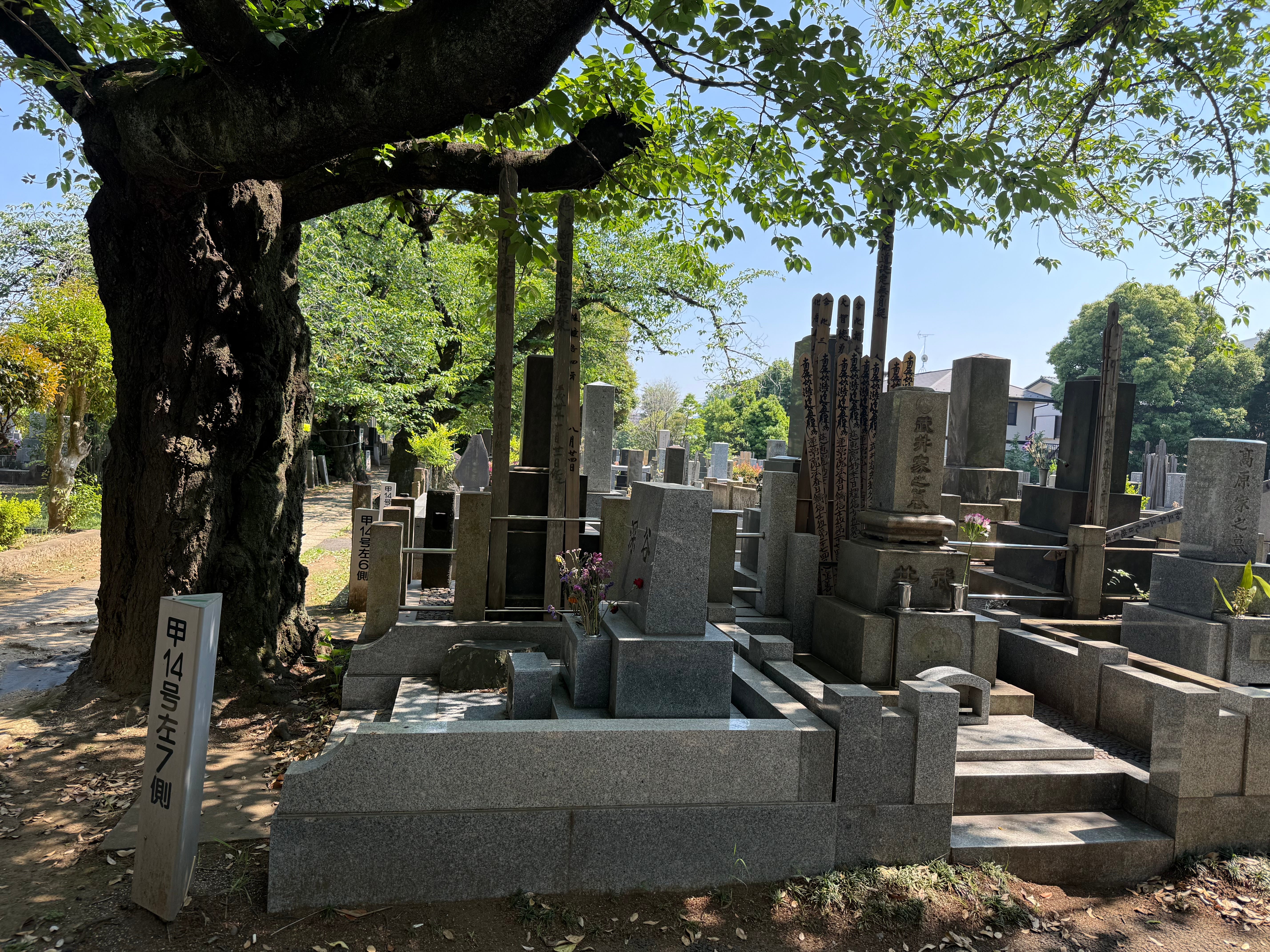
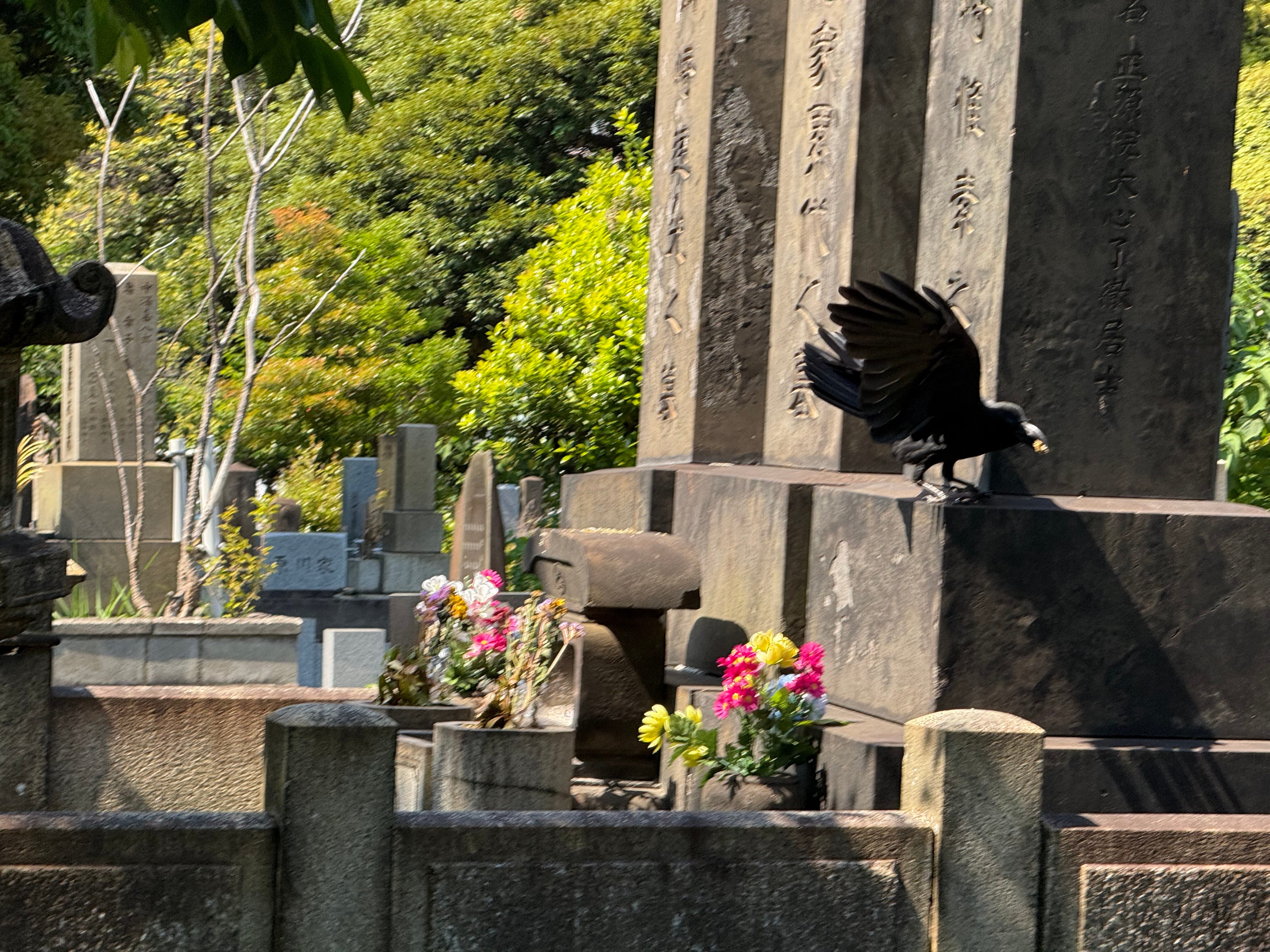
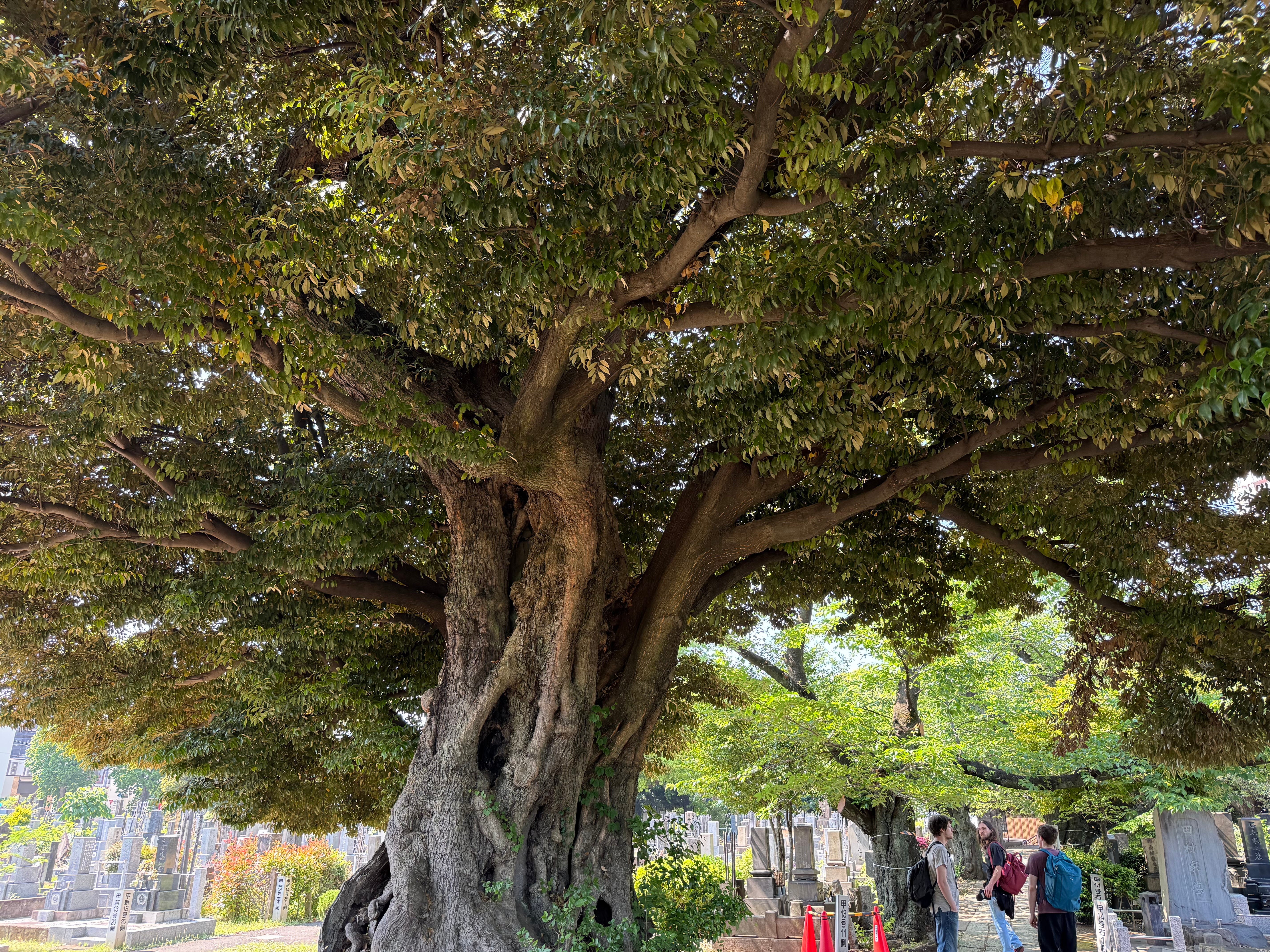
I have to say that the parts of Japan I still love the most are the remnants of their older traditions. To be fair, the Japanese people have done an amazing job of preserving these remnants and even inserting them into the many Westernizations they have adopted as the islands have become covered with people. High technology co-exists with old temples; the living play baseball beside the dead behind the old cemeteries. Rice paddies are inserted everywhere possible and the bamboo forests are preserved, as are the old temples, in the midst of the new developments, within view of the rushing trains. Convenient vending machines can be found everywhere, even in quiet of the neat, residential back alleyways that somehow preserve an element of individual humanity in the very midst of the crowded, polite chaos that adorns the main streets of the city.
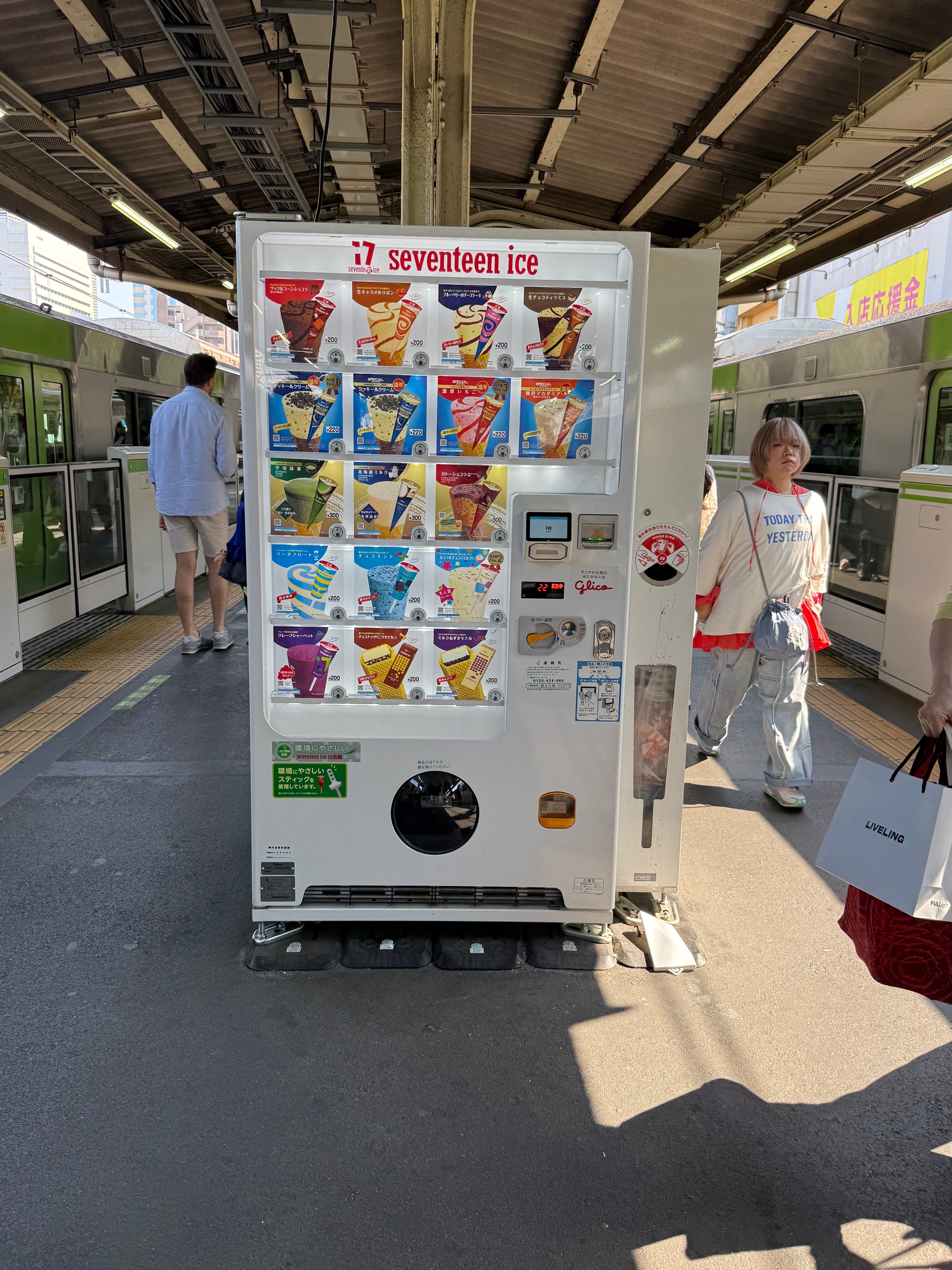
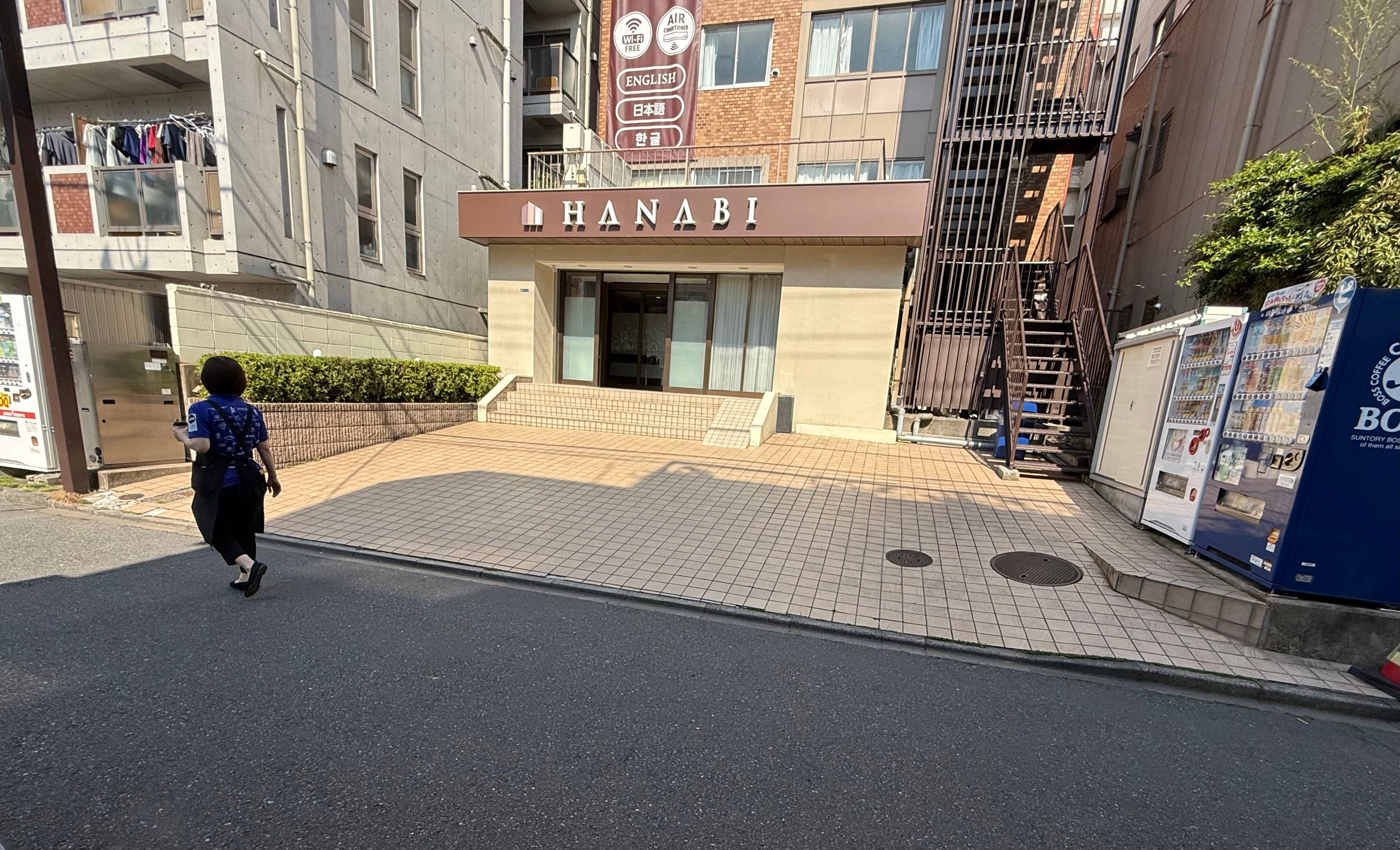
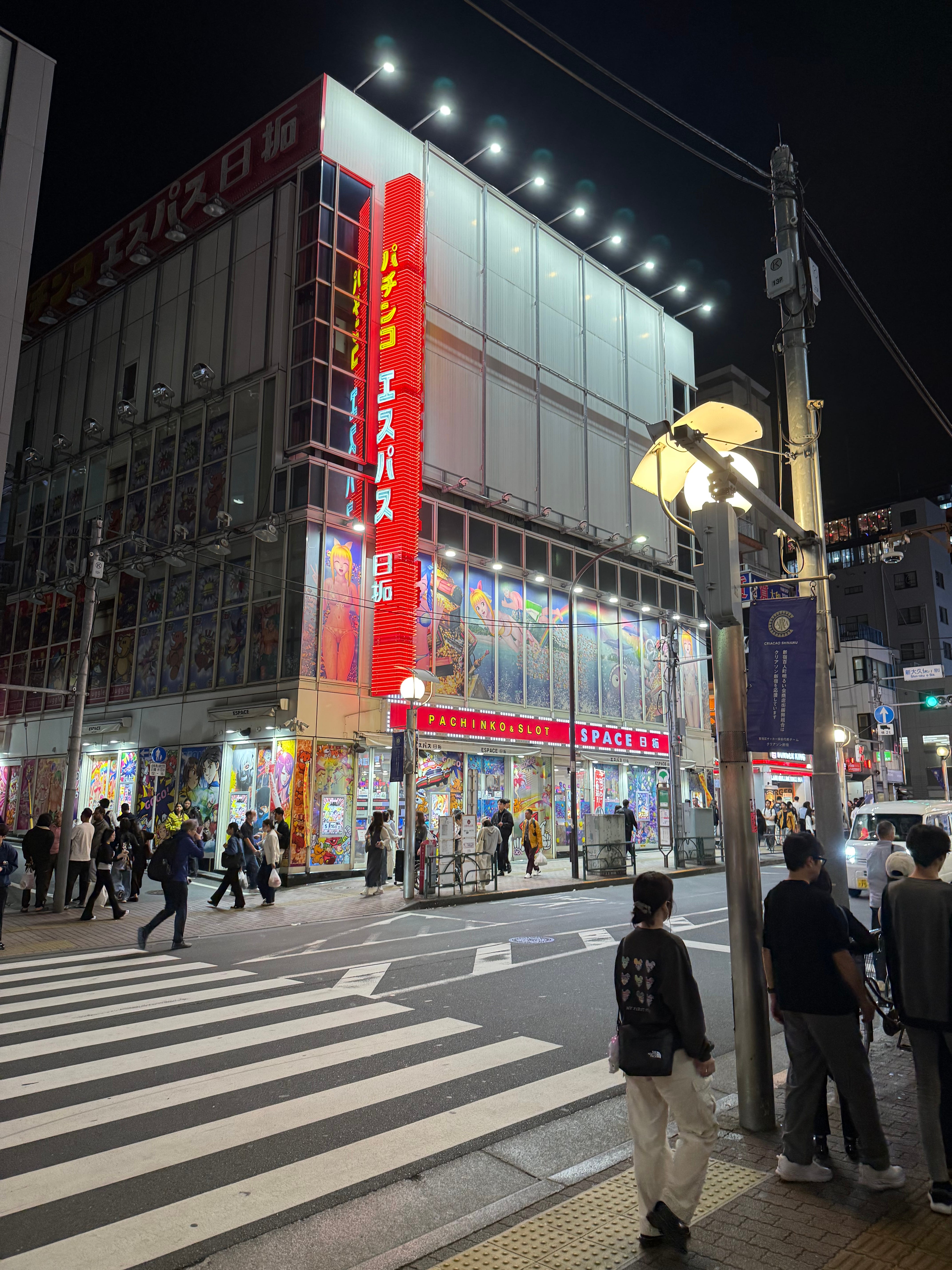
Of course I prefer the old, the peaceful, and the traditional over the new and crowded and chaotic, the ancient East over the modern West, but modern Japan’s innovative fusion, and even confusion, is the only thing that makes possible the proliferation of people here, and is done, as is everything here, in a mostly thoughtful manner that also makes possible the preservation of the past. It’s not perfect (perhaps unlike the idealized past), but it somehow mostly works, making for a landscape in which rivers of population- and past-preserving rice-paddies flow under high-voltage power lines between solar-panel-powered farms which surround and help feed the big cities.
No posts
Comments
Nothing yet. Say the first thing.
Sign in to join the conversation.