
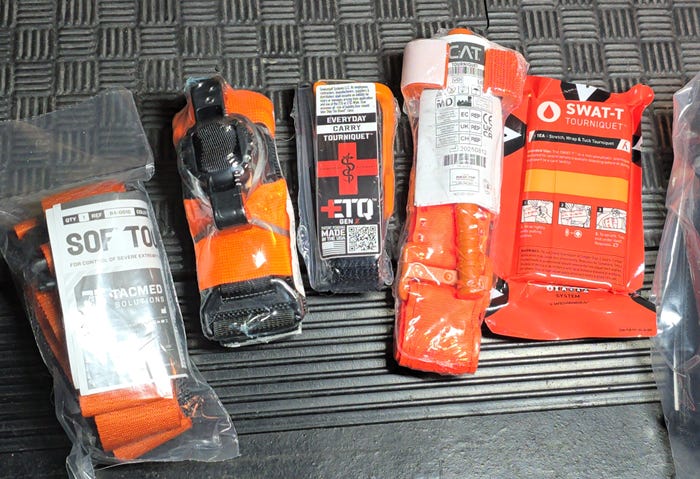
All tourniquets do the same core job:
They stop life-threatening bleeding from an arm or leg by squeezing the limb hard enough to stop blood flow.
Where they differ is:
how they tighten
how easy they are to use under stress
how small or flexible they are to carry
how well they work on different body sizes and injury types
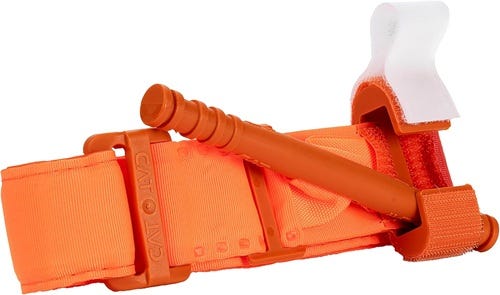
C-A-T Combat Application Tourniquet
- North American Rescue
Check it out https://geni.us/5Tgyk7
Made by North American Rescue, this is the most widely issued tourniquet in military and law-enforcement use.
- Appeared Early 2000s
How it works
It uses a strap and a solid windlass rod. You pull the strap tight, then twist the rod until bleeding stops.
Why people trust it
It has decades of real-world use in combat, EMS, and police work. It is easy to learn, easy to inspect, and very reliable.
Best use cases
General emergency kits
Law enforcement and military
Civilian trauma kits where space is not extremely limited
What to know
It is not the smallest option, but it is often considered the safest default choice.
SOF Tourniquet (Generation 5)
- TacMed Solutions
Check it out https://geni.us/lBoV
Produced by TacMed Solutions, this tourniquet is built for extreme durability.
Appeared late 2000s
How it works
It uses a metal windlass and a very wide strap to distribute pressure evenly.
Why professionals use it
It holds up well in harsh environments and works effectively on larger limbs or through thick clothing.
Best use cases
Military and tactical teams
Cold-weather or heavy-clothing environments
Users who want maximum durability
What to know
It is heavier and bulkier than most civilian-focused options.
SWAT-T Tourniquet
Check it out https://geni.us/XL4V
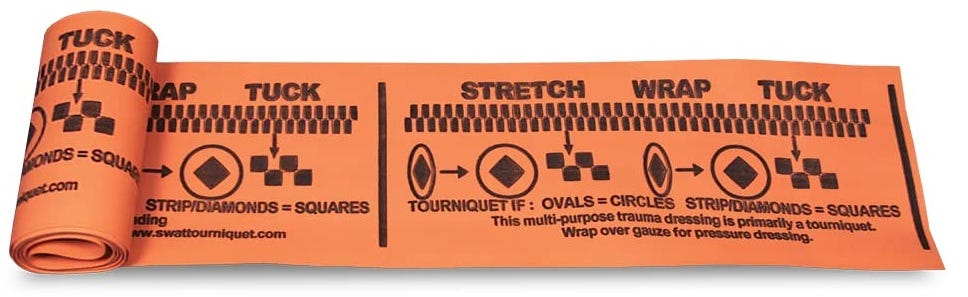
The SWAT-T is a stretch-and-wrap tourniquet rather than a windlass design.
- Appeared early 2010s
How it works
You stretch the rubber material tightly and wrap it around the limb until bleeding stops.
Why it is different
It can also be used as a pressure bandage or compression wrap, making it more versatile.
Best use cases
Pediatric patients
Very small limbs
Backup tourniquet or multi-use bandage
What to know
It requires more training and strength to apply correctly, especially under stress.
https://www.amazon.com/vdp/002c02bbcdae451ebb12b1e63ccdc115?ref_=aipsfvideo&linkCode=ssc&tag=gunwebsitesco-20&src=aipsf
ETQ Gen 2
- Snakestaff Systems
Check it out https://geni.us/Ak2T
Made by Snakestaff Systems, this tourniquet is designed to be extremely compact.
- Appeared early 2020s
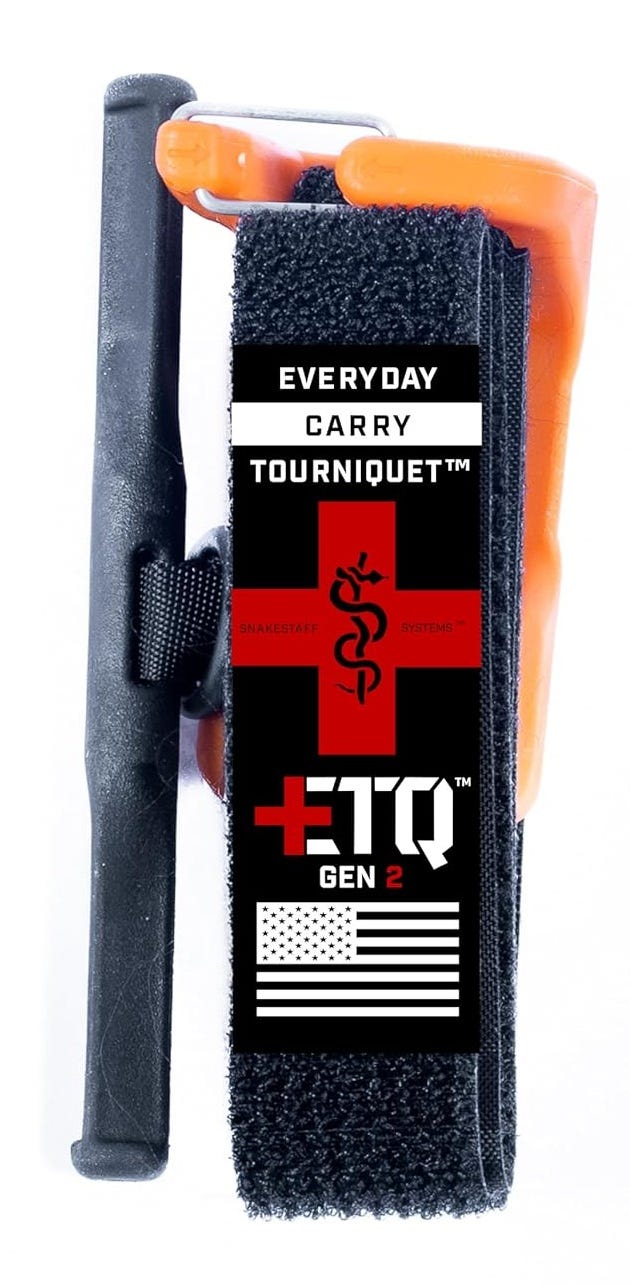
How it works
It still uses a windlass system, but with a slimmer strap and a flatter design to reduce bulk.
Why it exists
Many people want a real windlass tourniquet that fits in a pocket, ankle kit, or low-profile EDC setup.
Best use cases
Everyday carry medical kits
Ankle or belt-mounted kits
Situations where space and concealment matter
What to know
It works like a standard windlass tourniquet, but smaller straps can require more careful placement and tightening.
RATS stands for Rapid Application Tourniquet System.
- Appeared mid 2010s
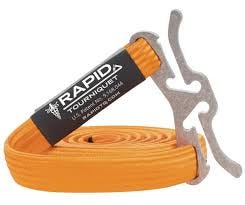
How it works
It uses a thin cord that is wrapped tightly around the limb and locked in place.
Why some people choose it
It is extremely small, light, and easy to carry almost anywhere.
Best use cases
Backup tourniquet
Very small kits
Situations where nothing else fits
What to know
Because it is narrow, it can be uncomfortable and requires careful placement to be effective.
E2G Emergency Tourniquet
- X8T
Check it out https://geni.us/5Nanj
The E2G is a civilian-focused windlass tourniquet aimed at simplicity and cost.
- Appeared early 2020s
How it works
It uses a traditional strap and windlass design similar to larger duty tourniquets.
Why it exists
It gives non-professionals a straightforward tourniquet option without the price or branding of military-issued gear.
Best use cases
Home first aid kits
Vehicle kits
Community preparedness kits
What to know
It is functional and easy to understand, but does not have the same long track record as more established models.
Ancient times
Tourniquets in basic rope-and-stick form were used on battlefields as early as Roman and medieval warfare.Early 2000s
The modern Combat Application Tourniquet was developed during the early years of the Global War on Terror, driven by combat trauma data.Mid to late 2000s
The SOF Tourniquet was introduced as a more rugged alternative for military and special operations use.Late 2000s to early 2010s
The SWAT-T gained popularity as a stretch-based option suitable for children and varied medical uses.Early to mid 2010s
The RATS tourniquet emerged, focusing on extreme compactness and rapid application.Late 2010s to early 2020s
Compact windlass designs like the ETQ series appeared to meet demand for everyday carry medical gear.2020s
Civilian-focused windlass options like the E2G expanded access to tourniquets beyond professional users.
As an Amazon Associate, this site earns from qualifying purchases.
No posts
Comments
Nothing yet. Say the first thing.
Sign in to join the conversation.