
Photography has always been closely tied to how Ariel Nobécourt-Arras experiences the world around him.
Living with a hearing impairment from a young age complicated his relationship with sound and, he believes, strengthened his connection to his other senses, particularly sight. “Not having control over one of your senses really develops the others,” Ariel tells us. “So from very early on I was looking at things pretty closely.”
By his pre-teen years, Ariel tapped into an alternative language. He picked up a camera and began documenting the scenes that surrounded him, paying close attention to how the world communicated visually. How something would move in and out of focus, or how light could completely shift the mood or tone of the story being told.
In college, Ariel took a class called “Picturing Sexuality,” which reframed the way he thought about photography and what he wanted to create. “There was always a strong reciprocity between the questions I was facing in my personal life and the images I felt compelled to make,” he says.
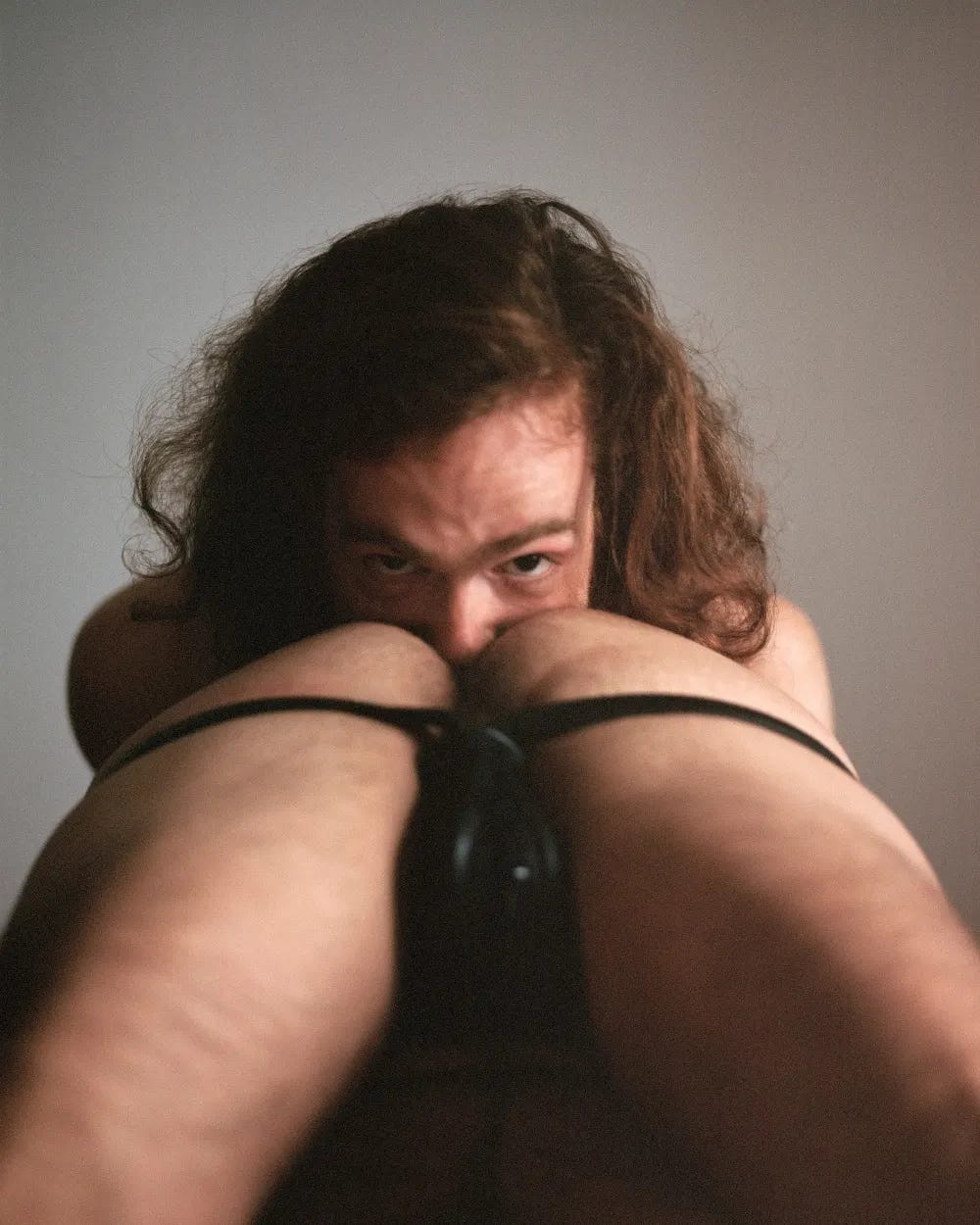
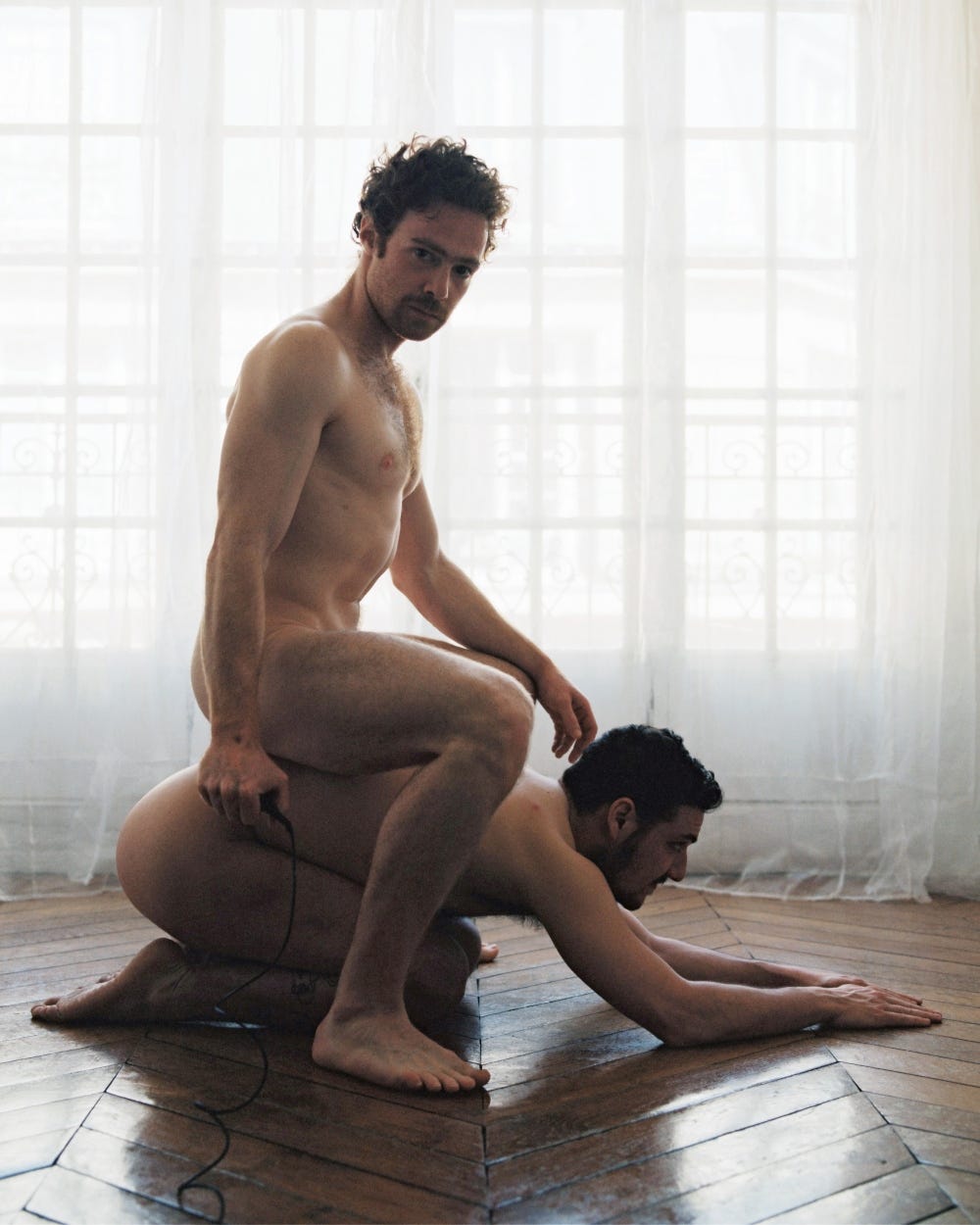
Those questions eventually led Ariel to create Association Libre (“Free Association”), a self-portrait series exploring sexuality, masculinity, and the ways both shape desire and identity.
Ariel developed Association Libre as a “typology of sex,” where his collaborators could create visual narratives surrounding their own personal sexual stories, but translating something so intimate into photographs required a level of trust that went beyond stripping down for the camera.
For some of these men, being recognized could have real consequences as aspects of their lives were incompatible with their sexuality or being publicly associated with the images, Ariel explains, and they “had a lot to lose if these pictures fell in the wrong hands.”
That presented Ariel with an interesting challenge: How do you photograph something so personal while protecting the person sharing it?
His solution was to make himself the subject of his erotic images.
“I needed to make the photographer/subject relationship more horizontal,” he says.
Using his face and body allowed Ariel to protect his collaborators’ identities without relying solely on anonymous bodies, an important distinction to him when developing a series surrounding gay sexuality. “We all know how pervasive headless nudity is in gay culture,” Ariel says. “It was important for me to not make images that harkened to hookup culture, or that could be confused for porn.”
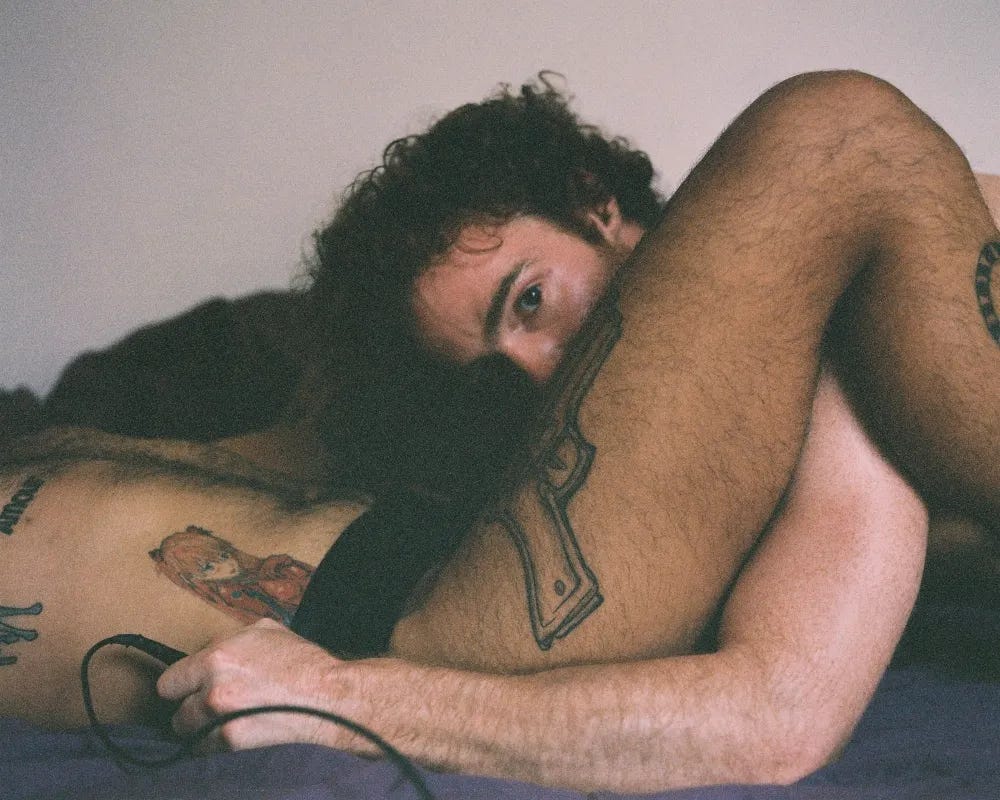
And not because Ariel has anything against porn. He’s quick to recognize pornography's importance in visual culture, but wanted his photographs to exist elsewhere. And they do, both in context and in creation.
Creating the images was painstaking by design.
Working with analog equipment while serving as photographer and subject left little room for error, and the project's intimate nature required careful communication between Ariel and each collaborator. Even with proper planning and preparation, nothing was guaranteed, and Ariel might walk away with only one or two usable images.
The demanding process eventually led Ariel to end the series. “I believe the difficulty in achieving the images was on some level a necessary part of the process,” he says.
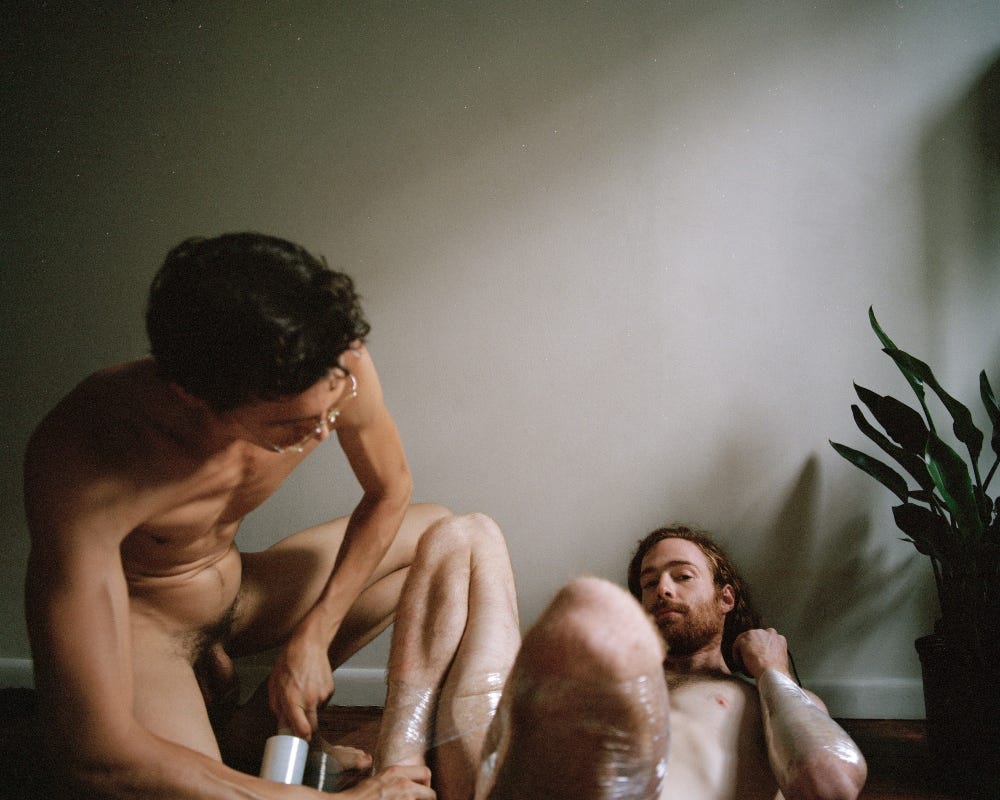
While Association Libre includes sex, kink and fetish, Ariel isn’t necessarily interested in making the images intentionally arousing. Some, he says, are “unsexy, or unsettling.”
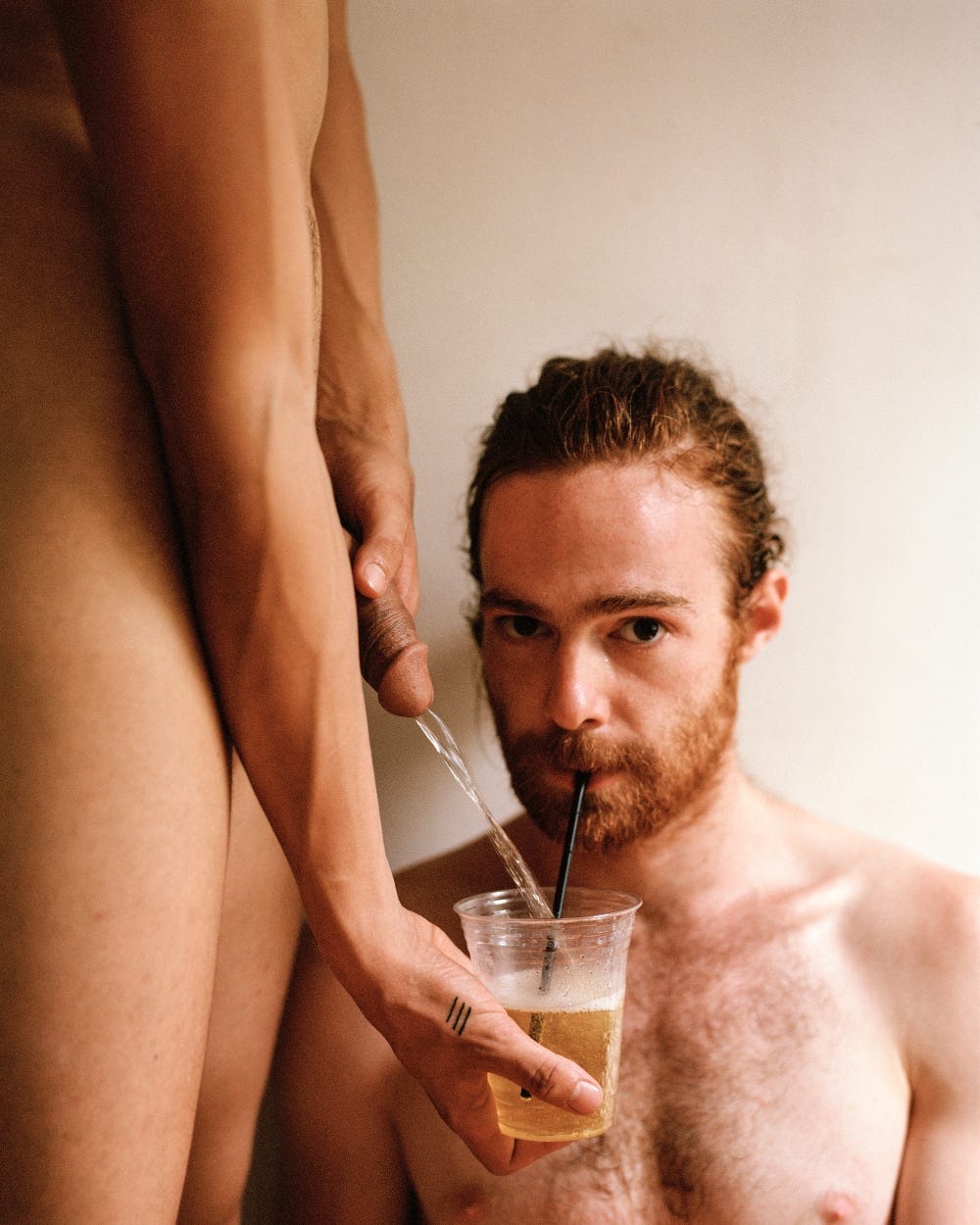
Instead, he’s interested in what our sexual interests can reveal about desire, masculinity and power. Kinks and fetishes, Ariel explains, can replay or subvert the same power dynamics people experience in their everyday lives, making them useful for understanding how desire is formed.
Ariel’s interest in how power and violence show up in our sexual relationships has continued beyond Association Libre.
More recently, he’s been exploring masculinity and sexual violence between men, something he describes as an enormous blind spot in both straight and queer communities.
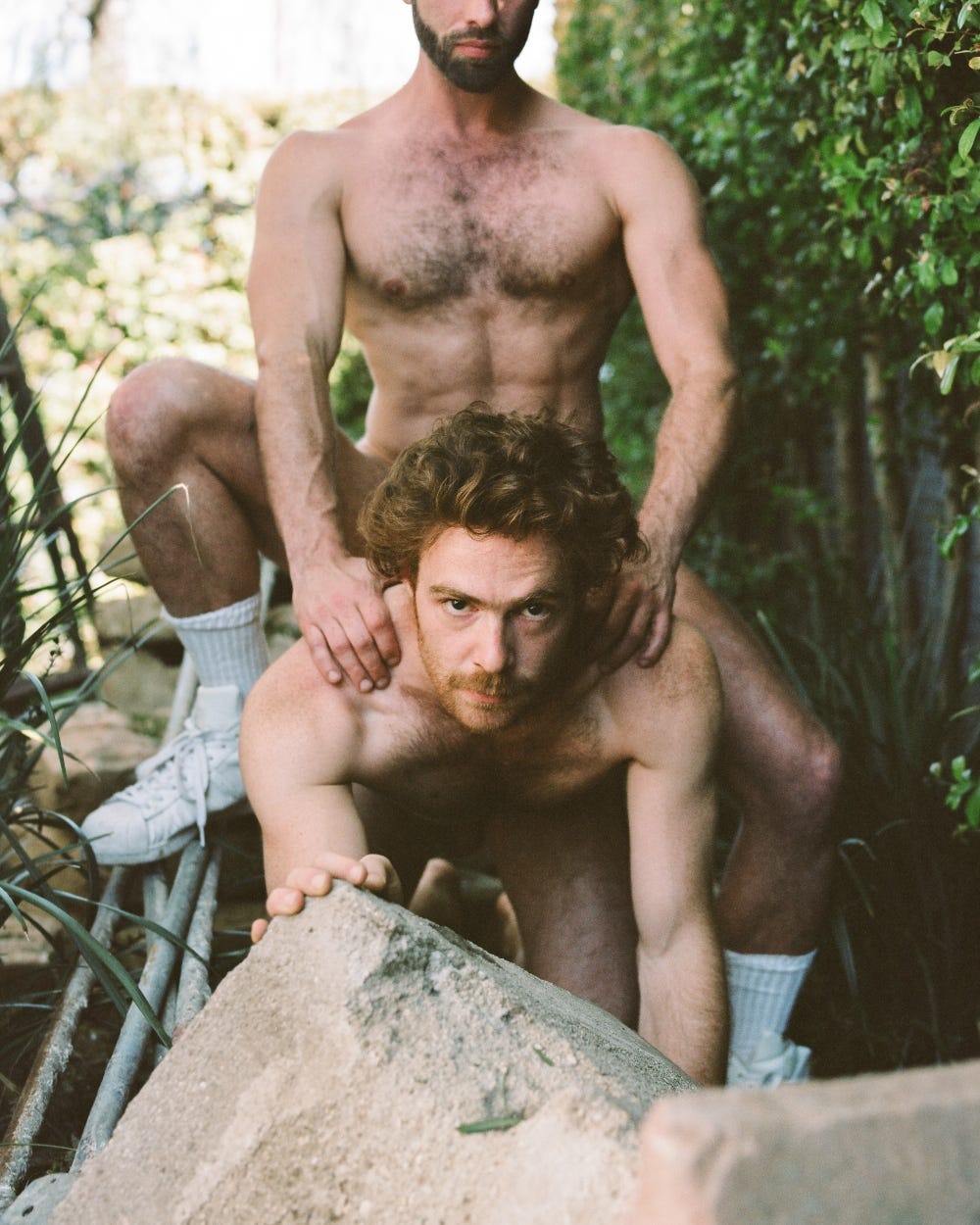
Despite the years of work behind Association Libre, Ariel says he’s had few opportunities to show it. He’s been told the photographs are too difficult, too easily confused with pornography or unlikely to reach a wide audience. That’s part of why he wanted to share them with Gayety.
“What does it mean to desire men today?” Ariel asks. “How are our sexuality and desire formed? How do we relate to each other, and is that still queer?”
Comments
Nothing yet. Say the first thing.
Sign in to join the conversation.