
This World Cup confirms what we’ve long suspected: FIFA is no longer just soccer’s custodian. It is global entertainment’s new tollbooth; extraction is based on emotional drivers like fan dedication and patriotism and is officially marketed as a triumph of “inclusion.”
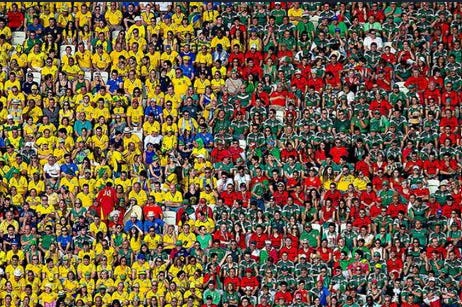
Football imagined globally as “the people’s game” is cheap to play, universal to understand, but tribal and clannish, capable of making total strangers hug in public, chant in unison and spend wildly on team colours, pennants and paraphernalia. FIFA understood this need for human bonding and saw, with the clarity of a derivatives trader, its potential for exploitable human inventory.
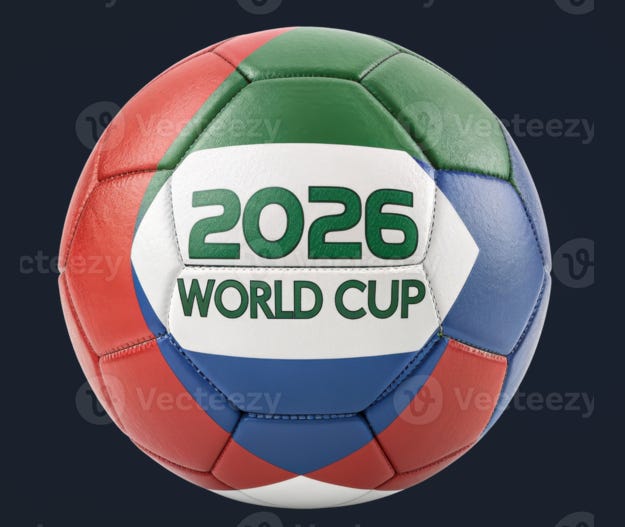
The 2026 expansion, spanning three host nations and expanding the network from 32 to 48 teams, is a calculated strategy for more matches, more broadcast slots, more corporate hospitality, and more saleable “experiences.”
FIFA’s projected direct income for the 2026 World Cup tournament is unprecedented, estimated to be between $10.9 billion and $13 billion across the four-year financial cycle. This is an enormous increase from the previous $7.5 billion generated in 2022.
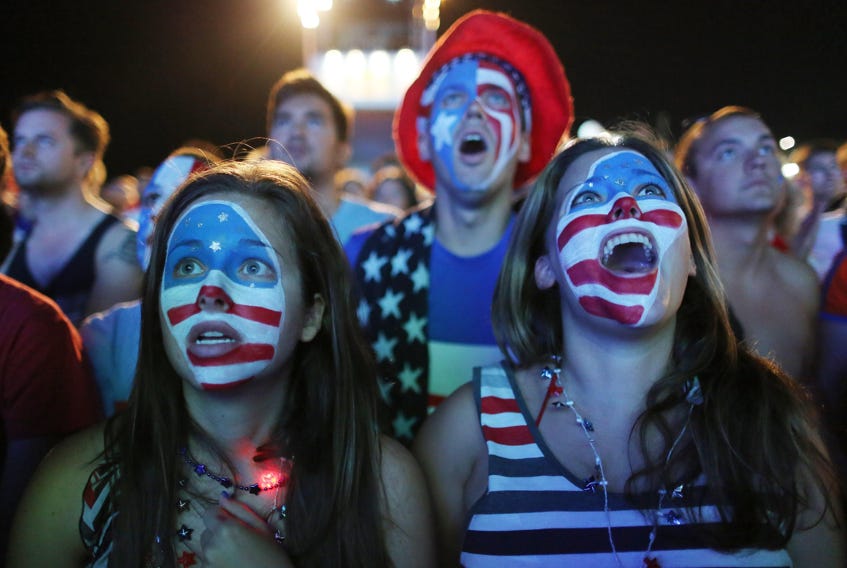
FIFA looked at this miracle of human togetherness and saw, with the icy clarity of a derivatives trader, human assets to be exploited.
The stadiums are packed. Fixtures that sound like an office pool — like New Zealand vs. Iran — are pulling 70,000 fans in Los Angeles at elevated prices.

This new order thrives on four principles.
The expanded grid of more matches, more broadcast slots, more hospitality packages, more branded content, more official partners, more semi-official partners, more regional supporters, more fan zones, more “experiences”.
Dynamic ticketing means tickets no longer have a fixed price; they have a “mood.” It’s real-time emotional extraction.
Mandatory hydration breaks, framed as player welfare, are perfectly timed pauses that double as prime commercial ad breaks.
Host cities foot the bill for police, transit headaches, and civic infrastructure. FIFA quietly enjoys the commercial upside.
Garrett Baldwin’s model of “economic toll booths” is a core investment thesis focused on owning essential infrastructure companies that extract a fee every time a consumer or business interacts with it.
Explored frequently in his Substack newsletter, Postcards from the Edge of the World, Baldwin argues that the global economic plumbing has shifted toward an “architecture of extraction”. He explains positioning capital in “toll-booths” where an exit for the customer can feel economically, socially and existentially irrational. FIFA built the highway infrastructure they wanted, waited until their customers, they’re trapped on it without an off-ramp and then monetized their dependency.
And Yep, I’m one of the those people enjoying the experience.
#FIFA World Cup
#The people’s game
#FIFA record income
No posts
Comments
Nothing yet. Say the first thing.
Sign in to join the conversation.