
Yesterday I was in Brighton, working with a fantastic love-led children’s home.
One of the things we spoke about was lies, and it got me thinking again about the different categories of lies children with trauma often tell.
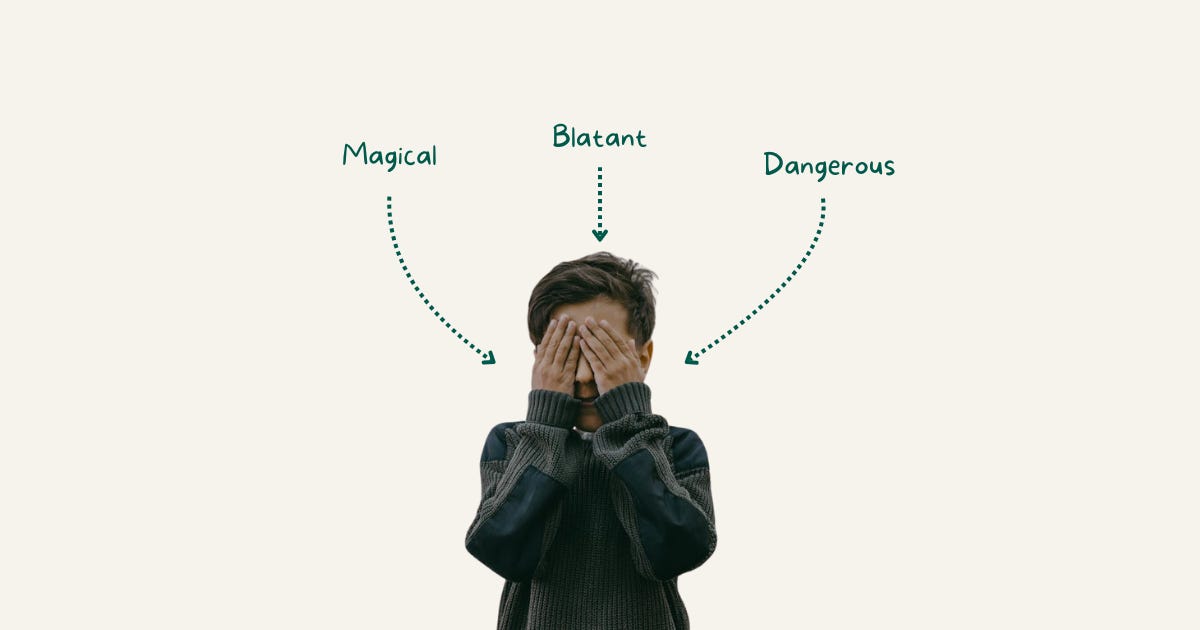
“I’ve got a private jet at home, and a garage filled with supercars.”
These lies are so grand and illogical that it’s immediately apparent they’re untrue.
Appropriate for the emotional age of the child: As a kid, I would pretend to be one of the Power Rangers. Nobody called me a liar. That’s because fantasy and make-believe were appropriate for my age. Many children with trauma are emotionally and developmentally much younger than their chronological age.
Escaping reality: What do many of us do when life gets tough? We turn to fantastical stories (on TV, at the cinema, in books) to escape reality. If life has been unbearably tough, who wouldn’t want to escape for a while?
Escaping invisibility: As a child, your survival depends on being seen. If you tell a simple, boring, realistic story, you may just fade into the background. On this basis, it’s perfectly logical to create a story so grand that it (or you) can’t be ignored.
Gaining control: For children who have been powerless and controlled by others, magical lies offer an opportunity to finally be the one who’s in control.
“I didn’t eat any chocolate!” [Said with a mouthful of chocolate]
These lies aren’t grand or magical. Often they’re quite boring. But they’re still obviously untrue. And for this reason, they can be infuriating.

Piercing the forcefield of shame: If I did take the chocolate and admit to it, you’ll finally see what a terrible person I am. I know there is something deeply wrong with me (the devastating power of shame). I can’t cope with you seeing me that way, too.
Protecting from harm: If the world taught our children that getting it wrong would result in punishment and rejection, they would do everything they could to protect themselves from that happening again.
Autonomic response: When our survival brain kicks in, our logical brain goes offline. This is like doing the dishes and dropping a sharp knife. Logically, we should let it fall. Sometimes, we reach out to catch it. Not logical, but a response we can’t override.
Protecting the relationship: Given the choice between keeping the relationship and being branded a liar, our kids will choose the latter. And who could blame them?
“When I was leaving my lesson today, my teacher hit me.”
These lies could be true, and often must be investigated. They cause pain to all involved (including the child), and often involve people with whom the child has a good relationship.
A test to see if you’ll stay: If the world has taught our kids that relationships always end, it’s a good idea to test the durability of each relationship that comes along—especially the ones that matter.
Complex narratives: If a child can’t put into words how they feel, a useful strategy is to make others around them feel what they feel.
Memories getting mixed up: Significant moments from a child’s earlier life don’t get stored in the same way as more typical cognitive memories, and can resurface in unusual ways. So what they’re saying happened can be true, but it wasn’t yesterday; it was five years ago.
Seeking connection: If attachment is seen as essential, then relationships matter a whole lot. When we reframe attention-seeking as connection-seeking, we start to see the behaviour in a new light.
I’d love to hear from you: What did I miss? Is there anything you see that doesn’t fit into one of these categories, or is my list of logical reasoning missing something important?
If this resonated with you, please consider sharing it with a colleague or a parent who is struggling to cope with the lies their child sometimes tells.
No posts
Comments
Nothing yet. Say the first thing.
Sign in to join the conversation.