
I’ve always wanted to have my own pub. I’d lean over the bar in a leopard print top, outsized earrings and call people ‘Sweet’eart’ and ‘Guv’. I’d develop a smokers’ raspy voice (without smoking because, ew) and dispense wisdom that sounds sage due to my deep voice and slow delivery but is a load of trite nonsense. (“A stitch in time saves nine, Guv”, “Tempus fugit Darling, tempus fugit”), all said whilst slowly cleaning a glass with a filthy rag.
And I’d call it The Accidental Foxglove.
(What’s that? Eastenders called? Apparently, they want their cliché back).
Tragically, I don’t own a pub and nobody comes to me for warm beer and a terrible advice on matters of the heart.
But what I do have is great advice on being a lazy gardener and making it work for you.
So these are the lazy gardener’s top tips.
Have a window box or container by the door? Then if you cook pasta, chuck the cooled water over the plants, they’ll love it. The starch in the water will feed the soil and your plants. BUT don’t salt it, or you’ll kill everything and be cross with me.
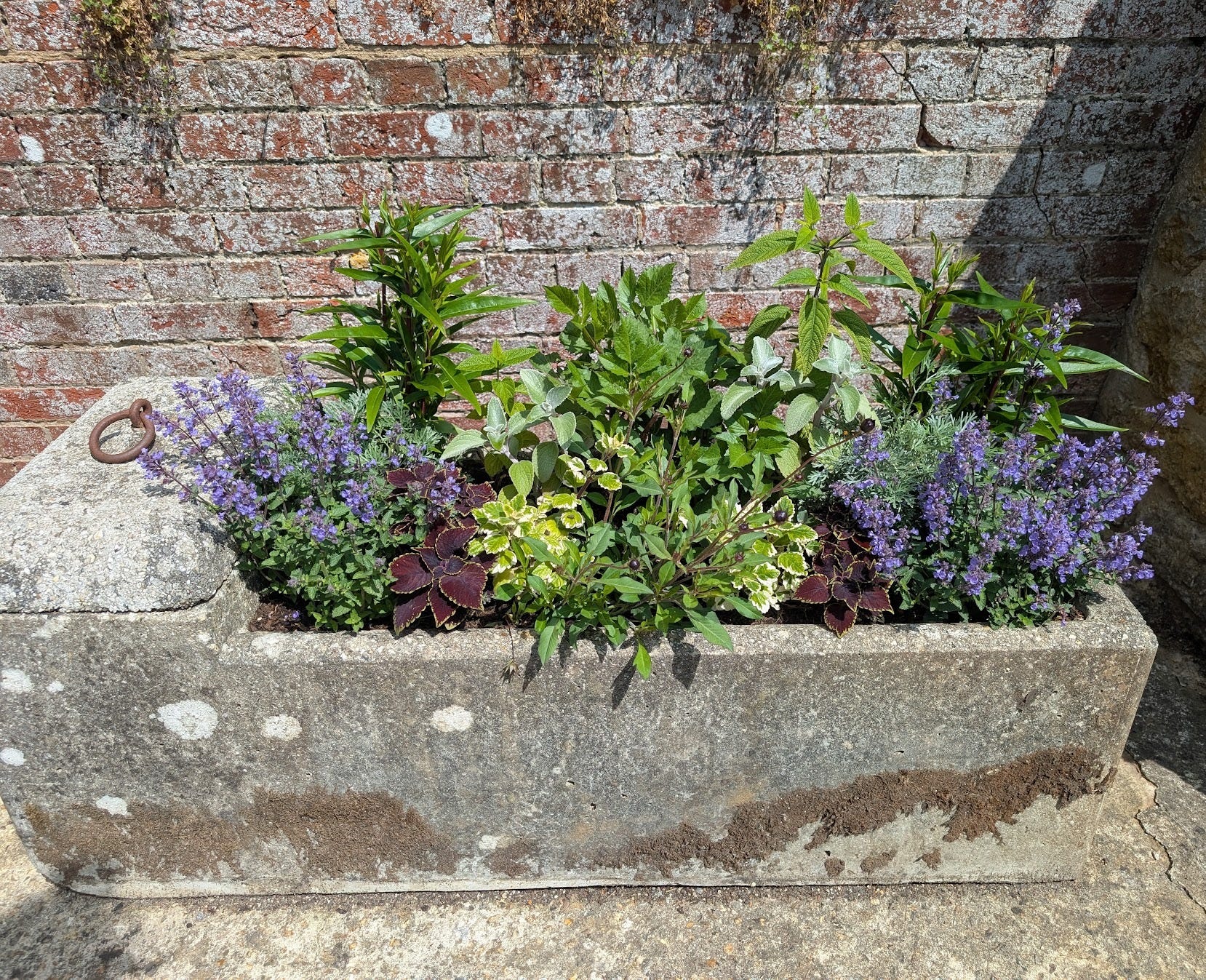
I get it, they look so pretty in the garden centre, luring you in with their flashy colours. But resist! They are just expensive treats, mostly they won’t flourish long-term and are environmentally disastrous. They are the plant version of a sugar rush, all excitement and short-lived enjoyment. Not good for your bank balance or energy levels.
Instead, focus on your perennials, they will come back year after year. Or look at low-maintenance grasses, many can look rather lovely, even in the depths of winter.
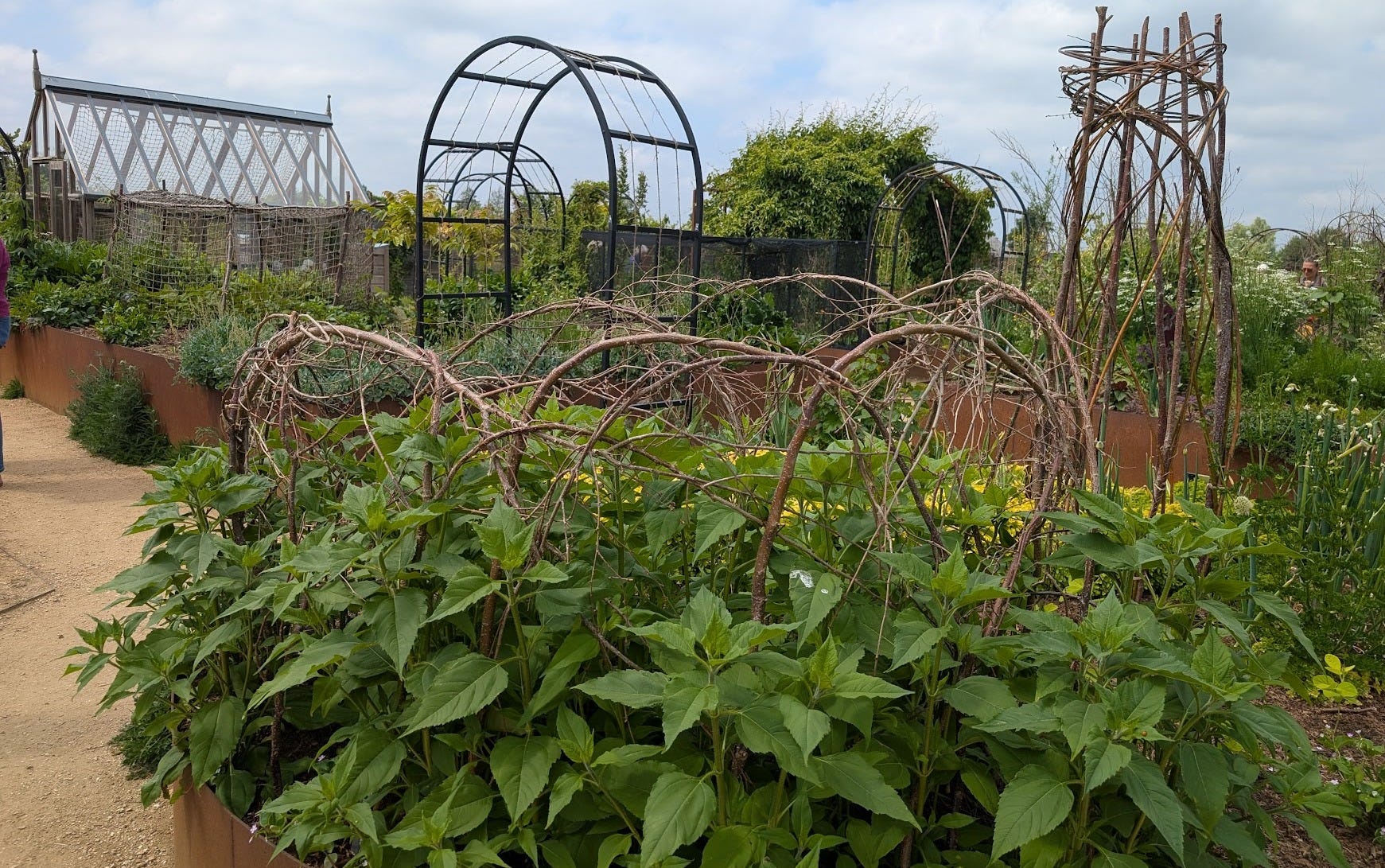
I do appreciate you might not have space for a hazel bush, but if you do I urge you to plant one and use it for canes. The rule of thumb is to cut a third of the canes back in late winter every few years to create a turnover of sticks you can use in your garden. If you’re an arty type, they can be bent into interesting shapes when they are thin and young. When they are older they are better as supports as they become stiffer and less pliable (sounds like me). If you haven’t got space for a hazel bush, then you can forage a cane or two from the countryside, but I didn’t say that…
You know those ’Gardening Gift Sets’ you get for Christmas? Aunt Mabel buys you some god-awful contraption that helps you make your own pots? Take it to the Charity Shop Forthwith. Unless you’re a glutton for punishment, they take ages and are never that good. Scrounge black plastic square pots from friends or Facebook Marketplace instead, they last forever, you don’t have to spend the day fiddling with some badly designed set. Also, square pots fit together more neatly than circular ones, so you can line them up on the bench, which makes watering quicker. Who even has newspapers anymore, anyway?
My new season’s resolution is to collect more seeds. I buy cosmos seeds every year which is madness. This year I’m going to snip the dried heads into an envelope, shake out the seeds, dry them in the airing cupboard and save them for next year.
I shall also be collecting cornflowers, nigella and hollyhocks. OK so this won’t save millions but the smugness will warm my cockles and give me something to brag about at parties. (God, I sound like fun, don’t I?)
I’m not sure if everyone is doing this, if so ignore me. When I am growing on plants, instead of writing out the label repeatedly, I write out one label and them put a coloured label next to it, then I just use that coloured label on all the others.
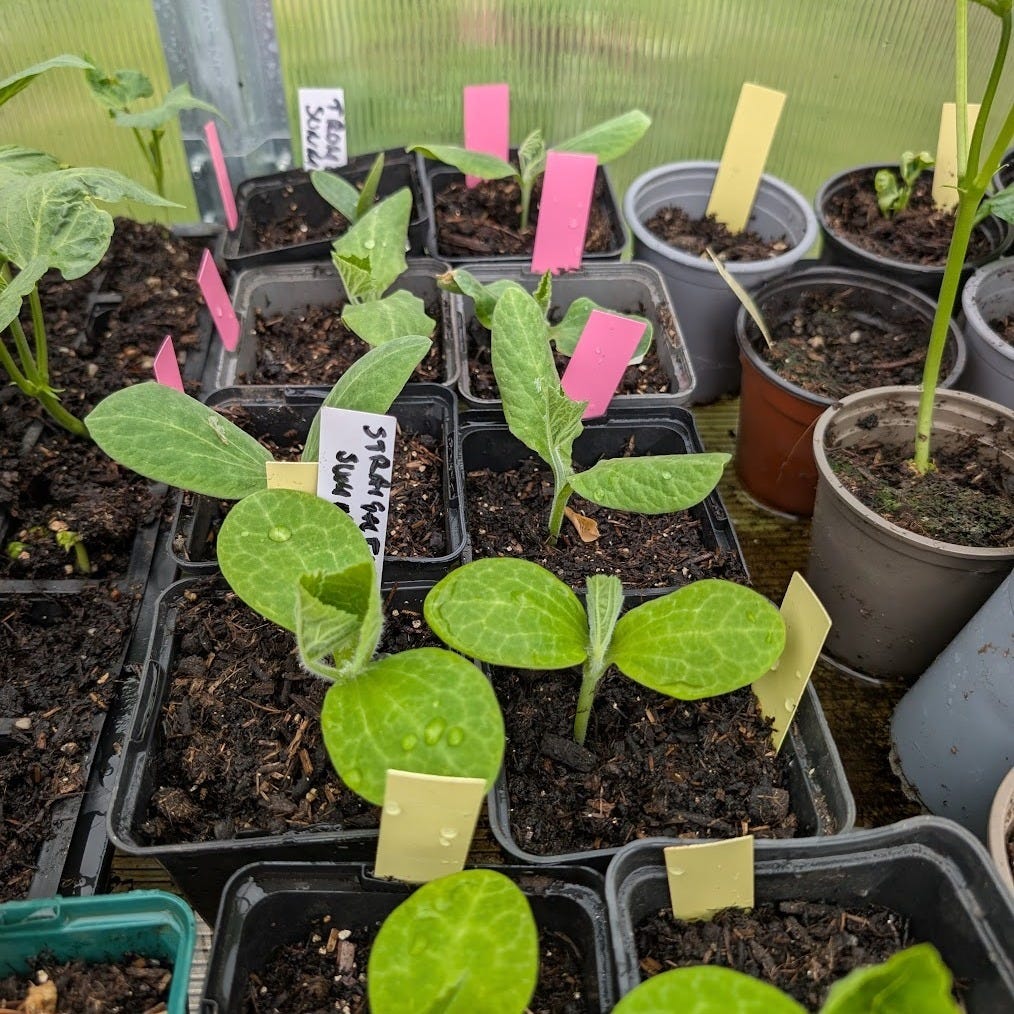
Here I am growing on two types of summer squash. For all the Straightneck, I have placed a yellow marker by the white label so I know all the ones with the yellow label are Straightneck, which saves writing out the label ten times. It’s a massive time save. Do let me know in the comments if this doesn’t make sense and I will explain further.
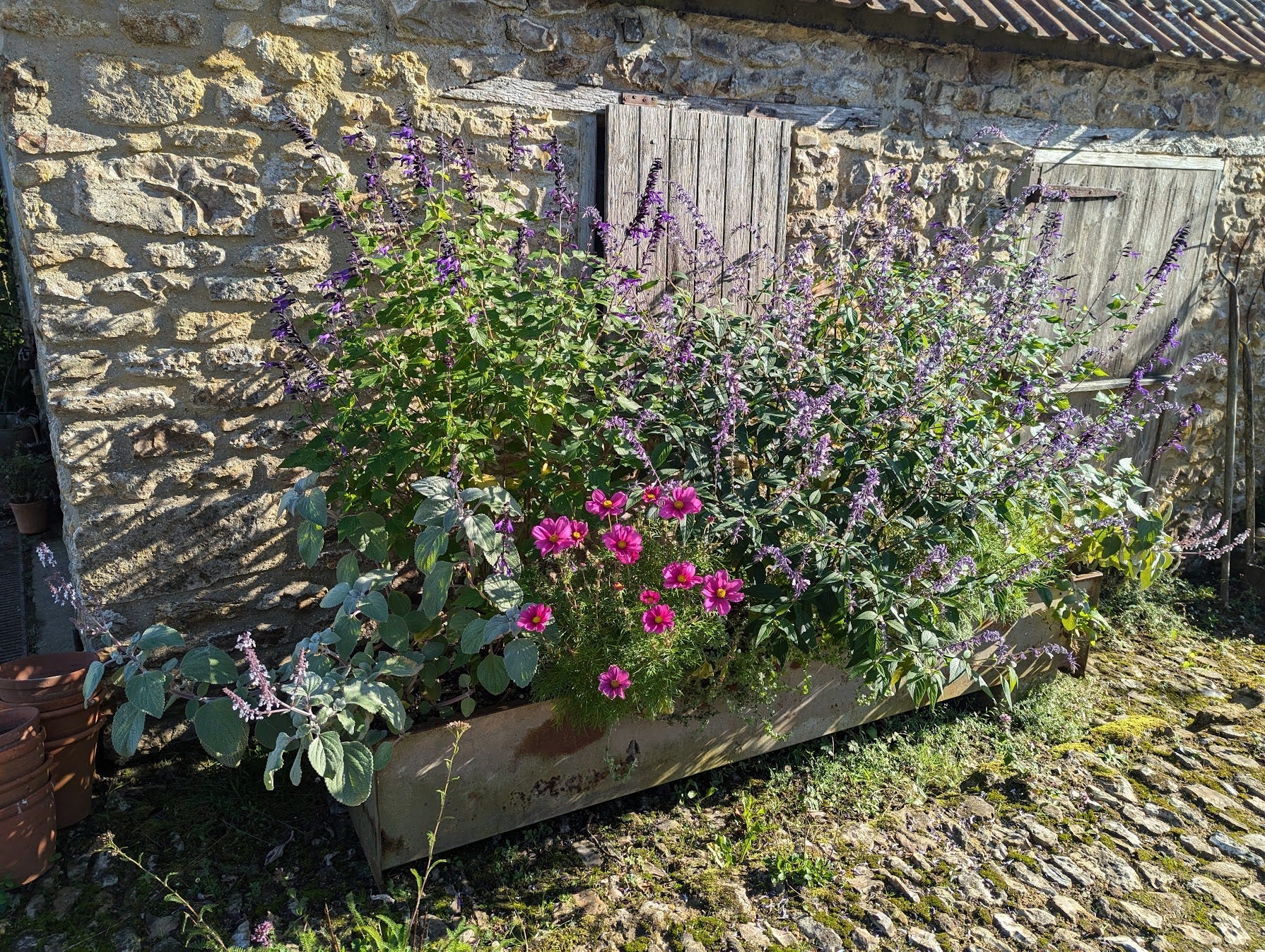
This isn’t necessarily money-saving but it is time-saving. If you use containers or pots at all, go as big as you can. It is entirely more chic to have one giant pot than lots of fussy ones (unless you have a plant theatre in which case all little ones can look rather dashing) but also it saves on watering which is the second most-boring gardening job (the most boring is obviously pricking out). Bigger pots mean you can grow more interesting things, I have Salvia ‘Amistad’ and dahlias in my troughs which I’ve over-wintered and replanted for years and they rarely need watering, except in the driest of heatwaves. Anything that reduces watering is a winner in my book.
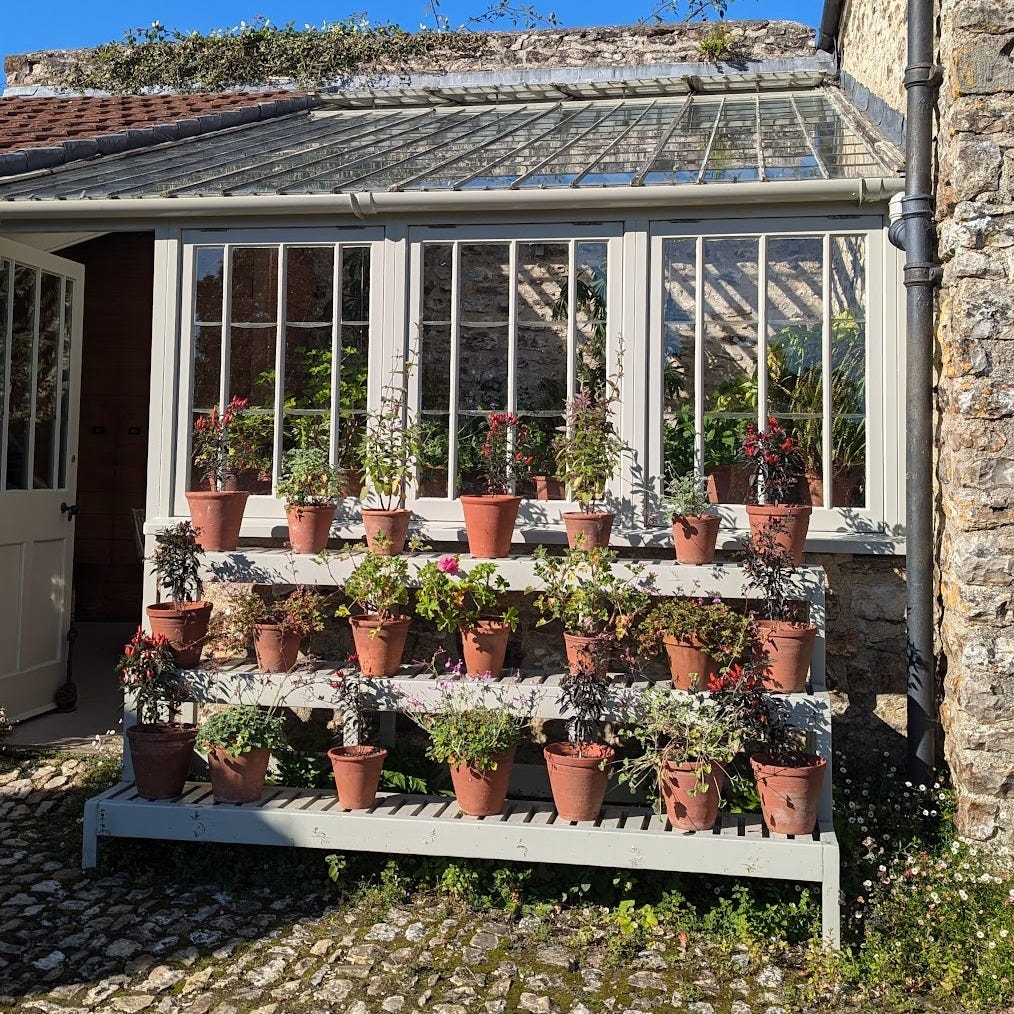
I know when it’s blowing an icy wind that hurts your teeth, you don’t feel like gardening at all. But trust me, getting the structure and pruning right at bleak times is worth triple in summer. Do a couple of hours tying in, mulching or pruning and you’ve earned an extra hobnob with your tea.
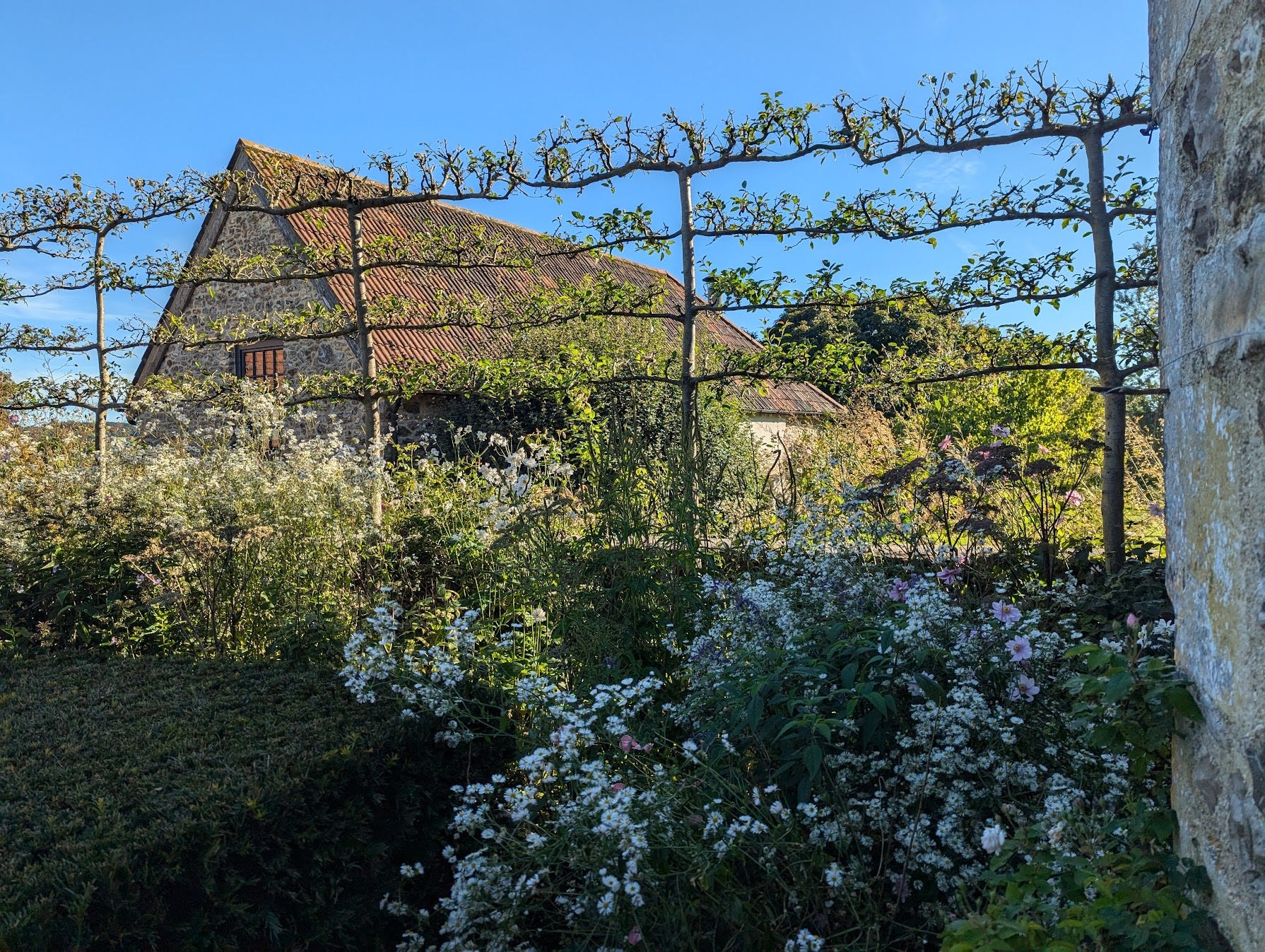
This contradicts the previous point but if it’s really miserable and pouring with rain, you won’t be doing the garden any good by making a mess. You’ll turn the grass to mud if you walk or barrow on it and can destroy a border trying to weed in a deluge. I’m a firm believer that like cooking, gardening done with ill-grace and a sour temper can only produce bad results and frankly, unless it’s your job, why on earth are you dragging yourself out there when it’s rubbish anyway? Stay inside with tea and hobnobs.
I have to credit the excellent Huw Richards for this. Compost is wonderful stuff, homemade compost is even better, it feeds your plants, encourages a good soil structure and is generally delightful. But you can have too much of a good thing. It can be an expensive waste if you’re shovelling it on too thickly. Just pop a little into your planting hole rather than smothering it all over your beds. Better, and cheaper, to cover the beds in spring with a woodchip style mulch, it will help the soil structure but you won’t be at risk of washing unused fertiliser back into the waterways.
Instead of faffing around with compost bins, you can make a ‘Hugelkultur’ bed. Now, this isn’t strictly lazy as it involves digging but it’s a great way to get rid of kitchen waste, green waste or even pruned branches.
Essentially, dig a trench and chuck in layers of matter that will eventually rot down. I’ve done it with an entire tree trunk topped with sticks and leaves but you can just use kitchen waste. Then, top back up with soil and plant into it. The bed will act like a sponge and soak up all the rain and the worms will dispose of your organic matter and make lovely food for the roots of your plants. The benefits of the bed lasts years. I’ve planted mine up with squash as their heavy feeding ways love this bed. This is a good explanation.
So that’s it for sage advice from The Accidental Foxglove. I do hope you’ve enjoyed your time.
Now, drink up everyone, haven’t you got homes to go to?
Comments
Nothing yet. Say the first thing.
Sign in to join the conversation.