
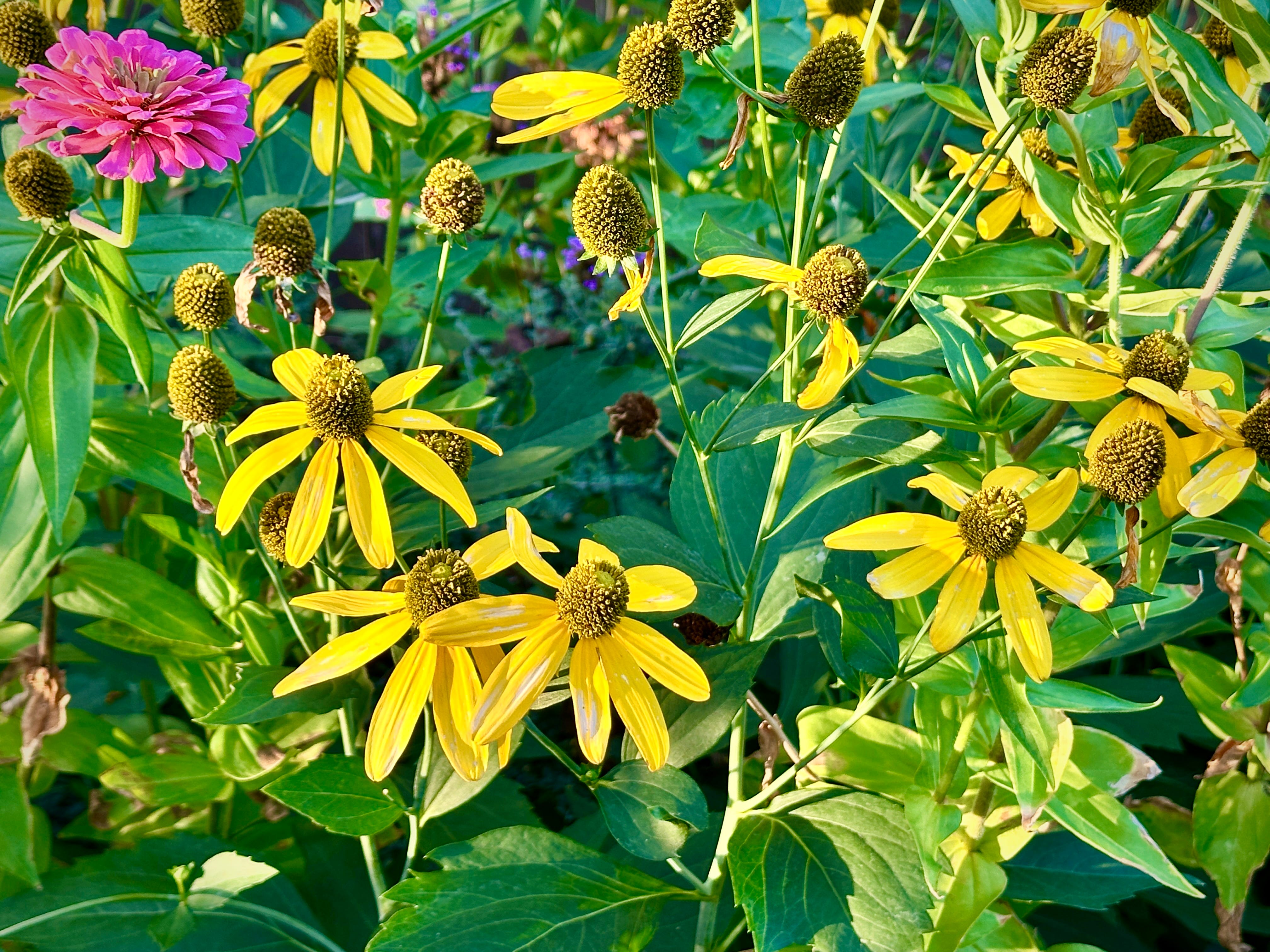
August may not be the busiest planting month in my Central Texas garden, but it has become one of the most important. By now, months of growth have revealed which plants thrive, which need a better location, and what changes would improve the garden next spring. Many of the decisions that shape next spring’s garden begin with the observations I make in August.
It is the month I often decide which plants have proven themselves and deserve to be used more throughout my garden. That’s more than an observation. It’s one of the ways experience changes how you garden.
I make some of those decisions in May when everything looks beautiful, but I also make them near the end of summer.
A walk through your garden today may influence many of the decisions you'll make next spring. I ask myself three simple questions.
The first question I ask is: Can I make this plant happier where it is, or would it do better somewhere else?
Not every August observation leads to buying another plant. Sometimes it simply means moving one.
Warm-climate gardening often comes down to small adjustments. A perennial may need a little less afternoon sun, or a shrub may have gradually become crowded by neighboring plants. Sometimes the problem isn’t the plant at all. It’s what has changed around it.
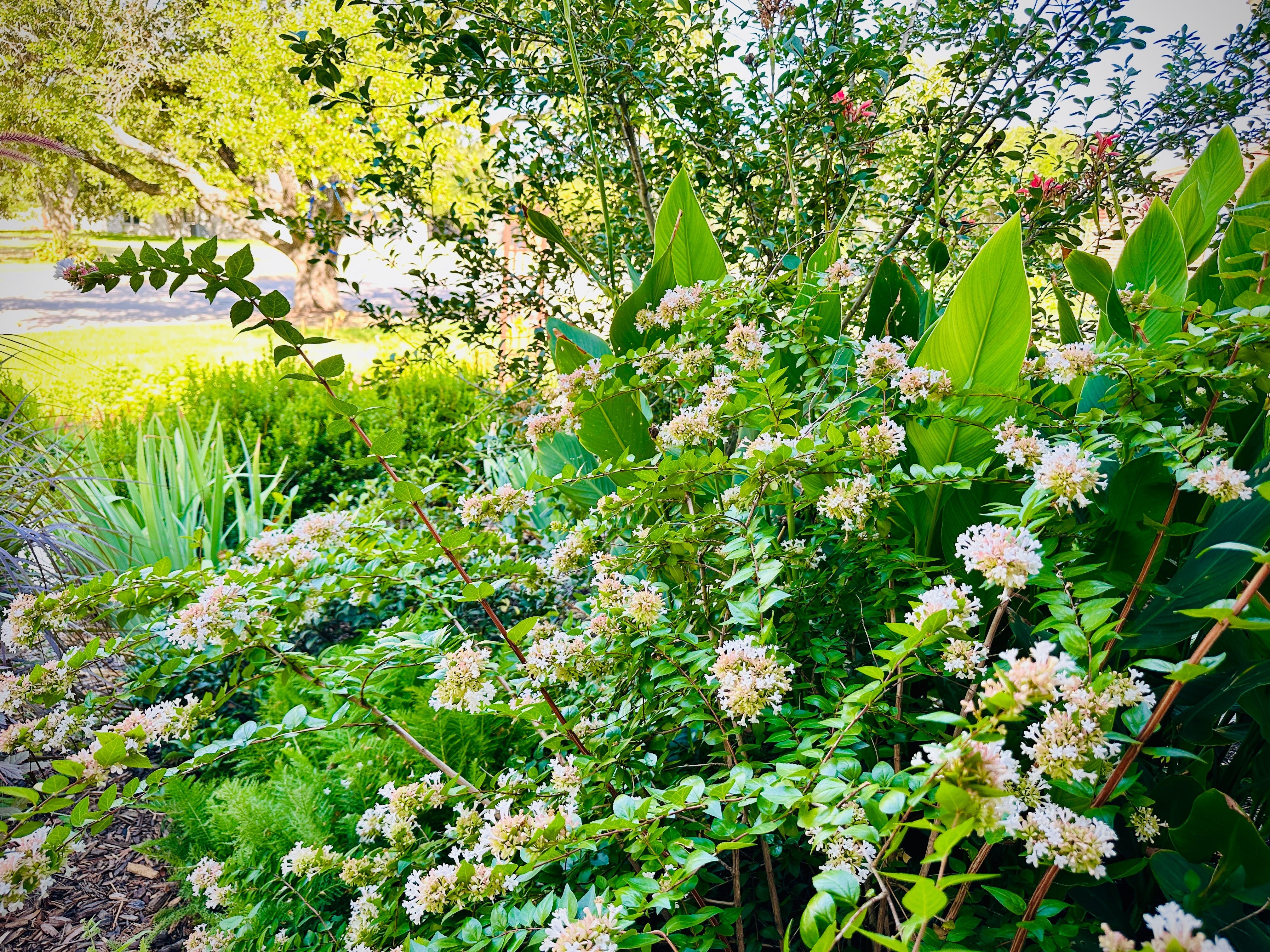
One example from my garden involved a shrub Abelia ‘Canyon Creek’ (Abelia x grandiflora). It had grown beautifully for several years before I noticed leafless branches one spring. My first thought was cold damage, but that didn’t seem likely.
The problem was a nearby canna that had gradually expanded into the shrub’s root zone. Once I thinned the canna, the shrub began recovering.
That changed the way I evaluate struggling plants. Before deciding something needs replacing, I ask what has changed around it. Has a nearby tree grown enough to create more shade? Has another plant begun competing for water or nutrients? A small adjustment can sometimes solve what first appears to be a bigger problem.
I wrote more about this idea in Sometimes a Plant Is Telling You Something, where I share several other examples of plants that were actually responding to their growing conditions rather than failing.
Summer is when I’m paying especially close attention to watering. If you’re evaluating irrigation or hand watering more this time of year, I’ve gathered my favorite watering tools, timers, hoses, and watering aids into this one collection.
As a Texas horticulturist with decades of hands-on experience, I share the observations, strategies, and seasonal decisions that help warm-climate gardeners create more resilient, beautiful landscapes.
Paid subscribers receive more detailed guidance to help gardeners in Zones 8–10 make confident decisions year after year. If you’re ready to move beyond general advice and gain practical guidance tailored to your climate, I invite you to join Miss Charla’s Garden Club.
Comments
Nothing yet. Say the first thing.
Sign in to join the conversation.