
Most gardeners think July means the vegetable garden is winding down. In warm climates, it’s just the opposite. For gardeners who want a second harvest, July and August mark the beginning of another growing season in Zones 8–10, giving us another opportunity to harvest tomatoes, peppers, cucumbers, squash, beans, and more before frost.
The most challenging part of a second vegetable garden is the first few weeks. Young seedlings are getting established during the hottest part of summer, so keeping them watered is especially important and watching for pests. After that, the garden begins working in your favor. Days slowly shorten, nights cool, and by harvest time, spending time outdoors is far more enjoyable.
The good news is that success isn’t about working harder. It’s about knowing when to plant, what to grow, and giving young plants a little extra help during those first few weeks.
As a Texas horticulturist with decades of hands-on experience, I’m dedicated to helping gardeners in Zones 8–10 cultivate resilient, beautiful landscapes that flourish in a warm climate. Subscribe for practical growing guidance, thoughtful design ideas, and seasonal advice designed for the unique challenges and opportunities of warm-climate gardening.
Before deciding what to plant, find here your average first fall frost date. That single date becomes the starting point for planning your second vegetable garden.
Your local Cooperative Extension is another excellent resource. Having worked with Extension for many years, I recommend their vegetable planting calendars and variety recommendations as one of the best places to begin.
Next, check the Days to Harvest (DTH) listed on the seed packet or plant tag. That number tells you approximately how many days the variety needs before harvest.
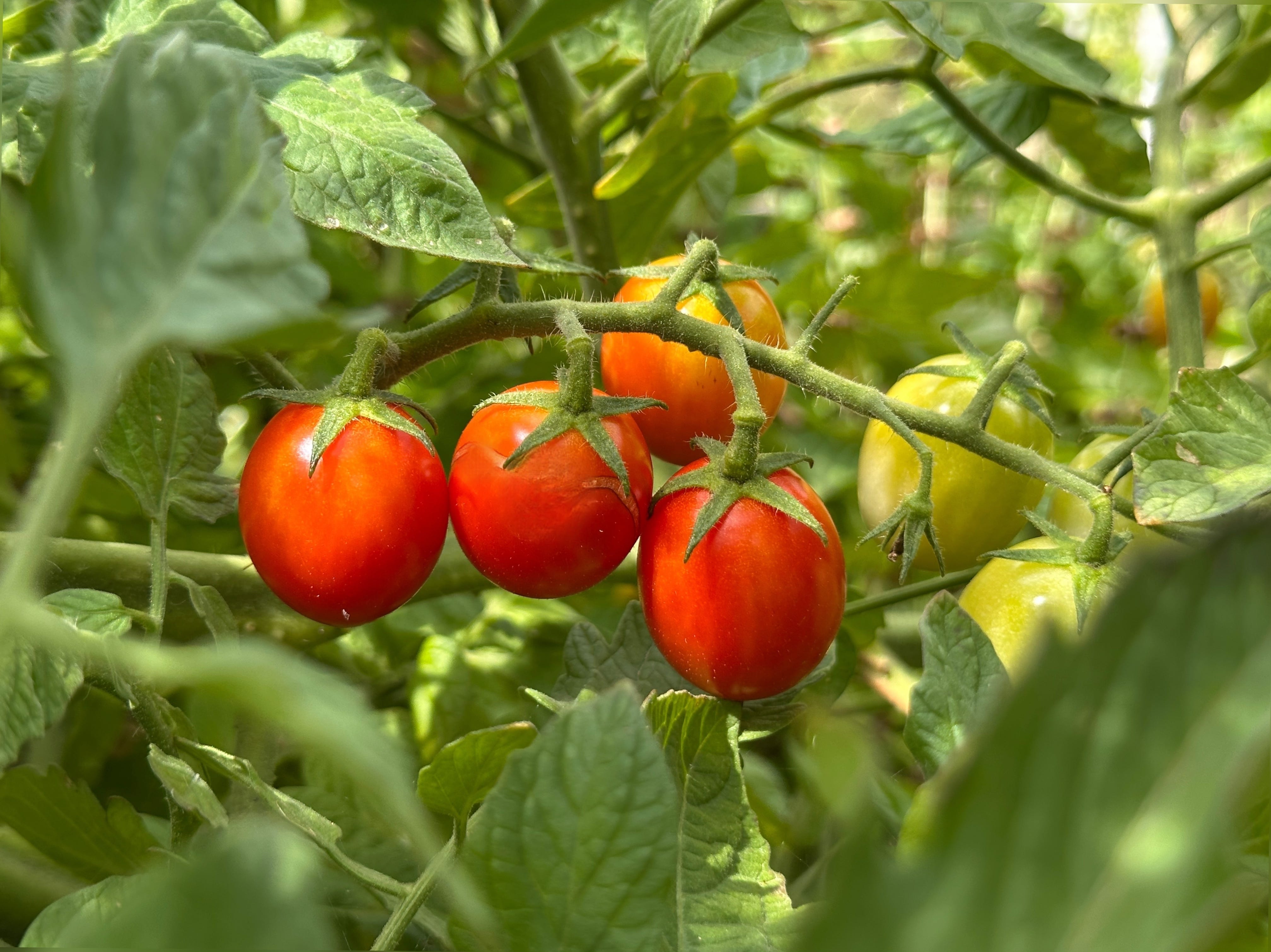
For example, many cherry tomatoes mature in 50 to 70 days. In my Central Texas Zone 9a garden, where the average first frost is November 20, tomatoes are planted from mid-July into early August. Then build in a little extra time because growth slows as the days shorten, and I like to harvest for several weeks before frost arrives.
If this is your first time planting a second vegetable garden, start with just a few crops. Keep notes on planting dates, varieties, weather, and harvest dates. Those observations become one of your most valuable planning tools the following year.
The first couple of weeks determine how well this vegetable garden gets established.
Remove spent crops and be sure to clean out plant debris and weeds. Work plenty of compost into the soil, then incorporate a balanced fertilizer before planting. I like to water the bed the day before so the soil is evenly moist when seeds or transplants go into the garden.
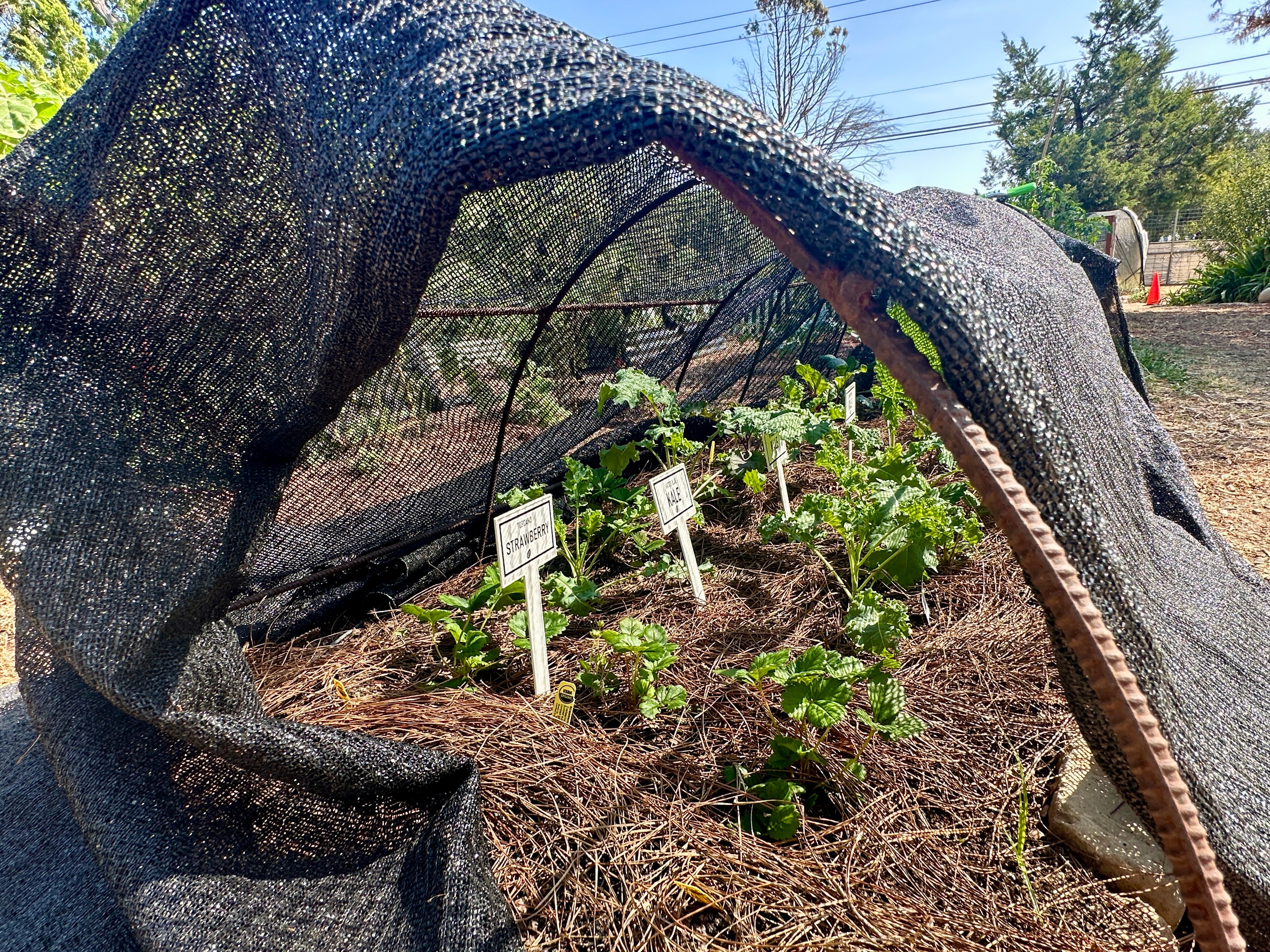
Mulch is essential this time of year. A two- to three-inch layer of pine bark, straw, or wood chips helps moderate soil temperatures, conserve moisture, and keep the root zone cooler during the hottest weeks of summer.
New transplants also appreciate temporary afternoon shade while they become established. A shade cloth placed on the west side for the first two weeks or so makes a tremendous difference.
If you’re direct sowing seeds, remember that germination can be the hardest stage. Keep the top inch of soil consistently moist until seedlings emerge. During hot weather that may mean watering once or even twice each day. An old gardening trick that works is covering the seeded row with a piece of light burlap to help hold moisture until the seeds sprout.
For watering newly planted seeds and transplants, I like using a watering wand with a gentle shower. It delivers water softly enough that seeds stay in place and young plants aren’t disturbed.
When it’s time to plant, I reach for my CobraHead cultivator. It’s one of the hand tools I use most in the garden for planting and cultivating around young plants.
Tomatoes (Transplants)
While tomato plants can be pruned, fertilized, and carried over, I like to start with fresh transplants. Spring tomato plants stop setting fruit once nighttime temperatures remain above 75°F. A fresh July or early August transplant begins setting fruit as nights gradually cool, and can continue producing right up until frost.
For a second planting, choose cherry tomatoes and smaller slicing varieties. They mature sooner than large beefsteak types, giving you more time to harvest before frost. ‘Sun Gold’ is one of the most flavorful varieties, while ‘Juliet’ is another favorite selection. Remember to pay close attention to the Days to Harvest on the plant tag.
Peppers & Eggplant (Transplants)
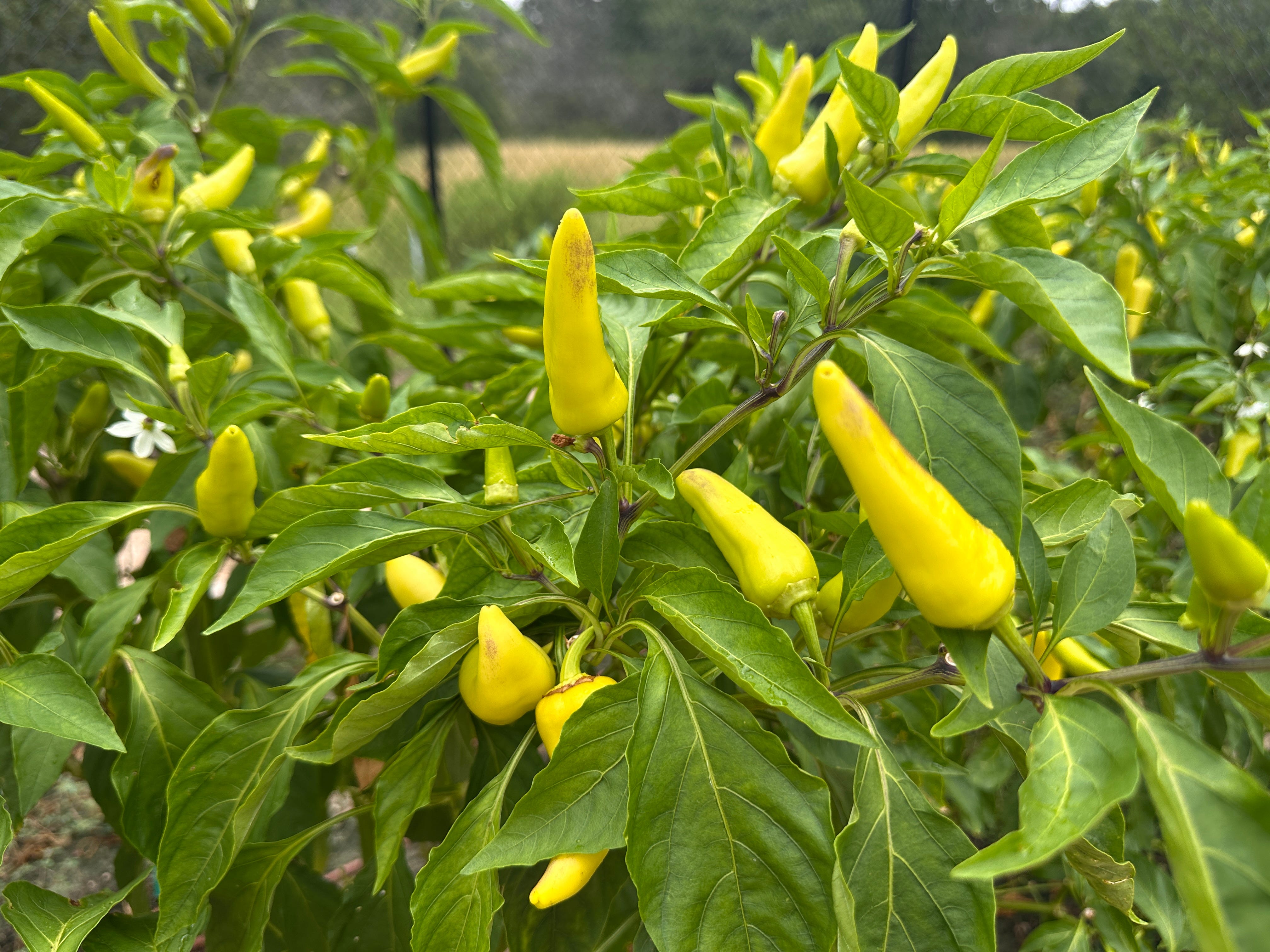
If spring pepper plants still have healthy green stems and foliage, prune them hard, fertilize, and give them another chance. The new flush of growth often produces an excellent late summer and fall harvest. If the plants are in poor condition or diseased, replace them with fresh transplants.
Eggplant loves hot weather, making it a natural choice for midsummer planting. Japanese varieties mature quickly and are especially well suited to planting this time of year. Keep the soil evenly moist to help prevent bitter fruit.
Bush Beans (Seed)
A longtime vegetable-growing friend insisted the fall bean crop was always the best because the beans were more tender and flavorful. Years later, I have to agree. Bush beans are quick to produce, making them an excellent choice for a second planting.
Cucumbers & Summer Squash (Seed)
Choose a smaller cucumber variety that can be grown on a trellis. Trellising saves space and makes harvesting easier. One variety I’ve especially enjoyed is ‘Homemade Pickle.’ It’s excellent fresh and is just the right size for quick refrigerator pickles. Keep the soil consistently moist until seeds germinate.
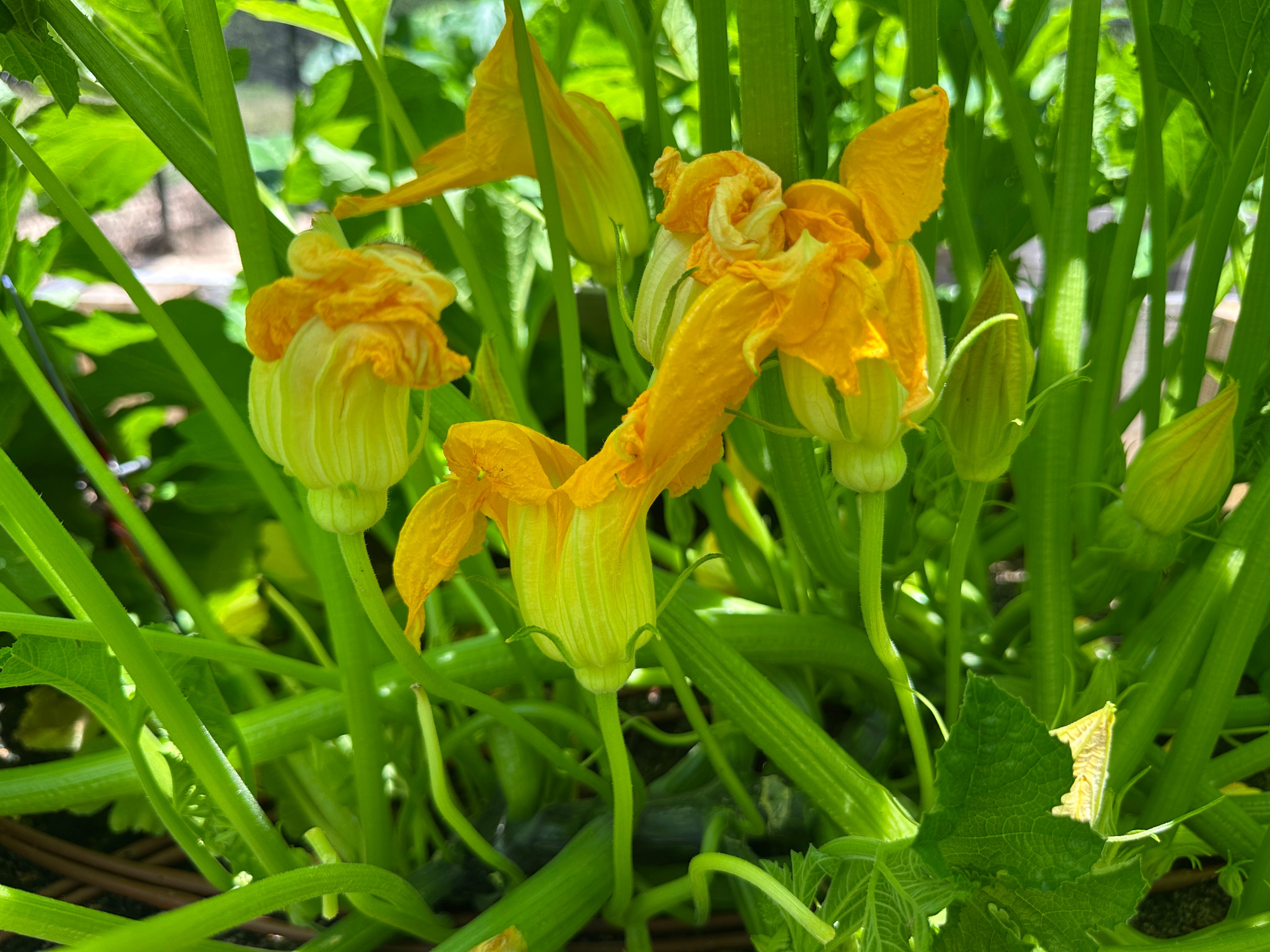
Summer squash is worth another planting, but squash vine borers remain the biggest challenge. After trying pheromone traps, I’ve concluded they may actually attract more vine borers than they prevent. To protect plants, I rely on insect netting, wrapping the lower stems near the soil line and hand pollinating.
If you'd like more detailed variety recommendations and planting information, one of the references I use is my friend Dr. Greg Grant's book, Texas Fruit & Vegetable Gardening. It's practical, concise, and an excellent resource.
Take a look at your vegetable garden and ask yourself what there’s room to grow. If you don’t have one yet, consider this your invitation to start small with just a few of these warm-season crops. Make a list of the vegetables you’d like to plant, gather the seeds, transplants, mulch, and supplies you’ll need, and mark a few dates on your calendar. A little planning now can lead to weeks of harvesting as the weather begins to cool. You may even be serving vegetables from your own garden on the Thanksgiving table.
When these warm-season vegetables begin slowing down, I shift my attention to the cool-season garden. It’s my favorite time to grow vegetables. In much of Zones 8–10, the season is long enough to grow two crops of many cool-season vegetables. If you’re wondering what to plant next, my article, The Easiest Fall Vegetables for Warm-Climate Gardens, is a great place to begin.
There aren’t many times in gardening when you can honestly say the hardest day is the first one. A second vegetable garden is one of them. Give young plants a little extra attention during those first few weeks, and they’ll reward you with fresh harvests as summer begins to loosen its grip.
Keep growing, Charla
Some links may be affiliate links, which means I may earn a small commission at no cost to you. Thank you for supporting my work—it helps keep this space growing.
Comments
Nothing yet. Say the first thing.
Sign in to join the conversation.