
This weekend I was supposed to work on my game, but I watched a YouTube video called 7 Levels of Video Game Complexity instead. And yes, I want to share my notes.
The video’s title seems self-describing, so let’s go straight to the thing:
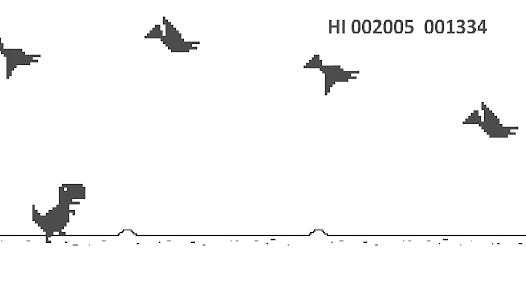
The simplest games are built on a single mechanic, like Alto’s Adventure, Geometry Dash, or the Google Dino. You jump. That’s the whole game.
This would be the place where most platformers fit.
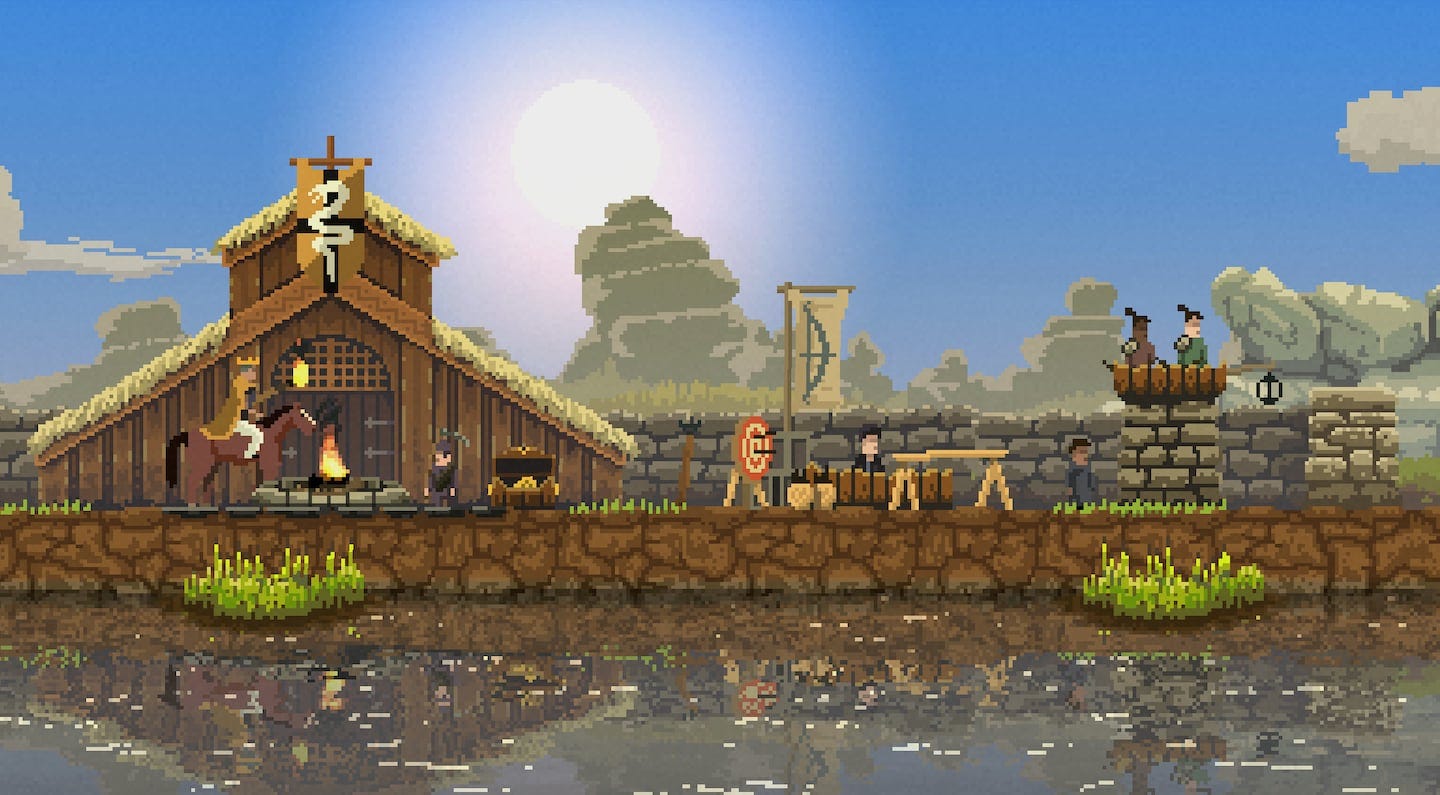
These games look identical to the player as level one games. Simple controls, but underneath, systems run wild.
Kingdom hides an economy, a day/night cycle and base defense behind “walk left, walk right”.
Vampire Survivors hides literally everything. You just move.
I think most games are here.
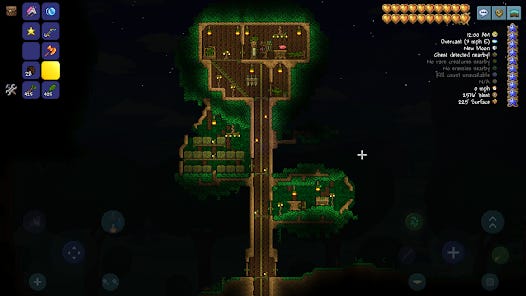
Here, game mechanics talk to each other. In games like Minecraft, Terraria, Subnautica night falls, monsters spawn, so you need a shelter, so you need wood, so you need an axe. A chain reaction of problems creating each other.
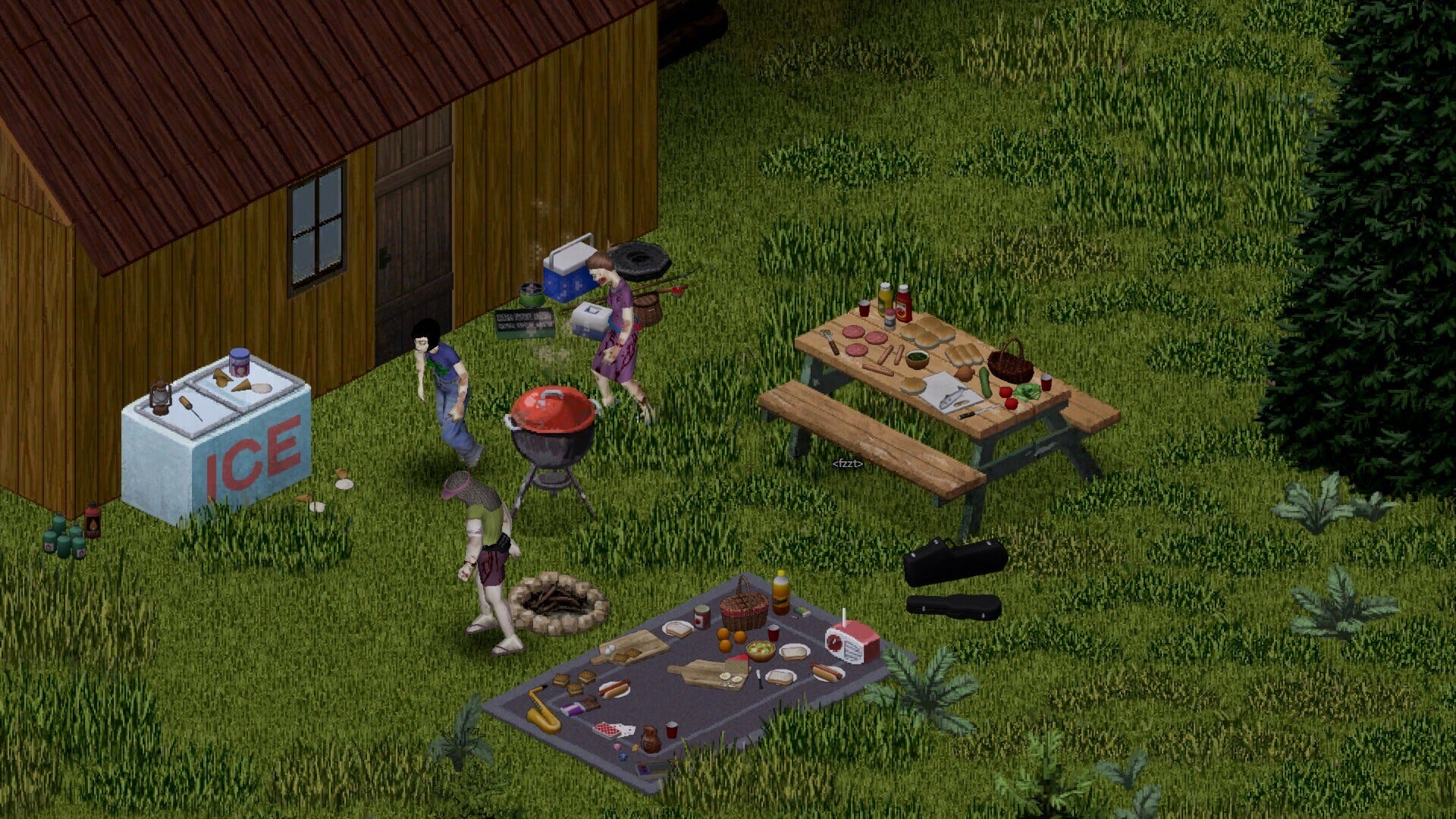
Project Zomboid tracks your diet, your mood, the seasons, and whether that sandwich in your backpack went bad.
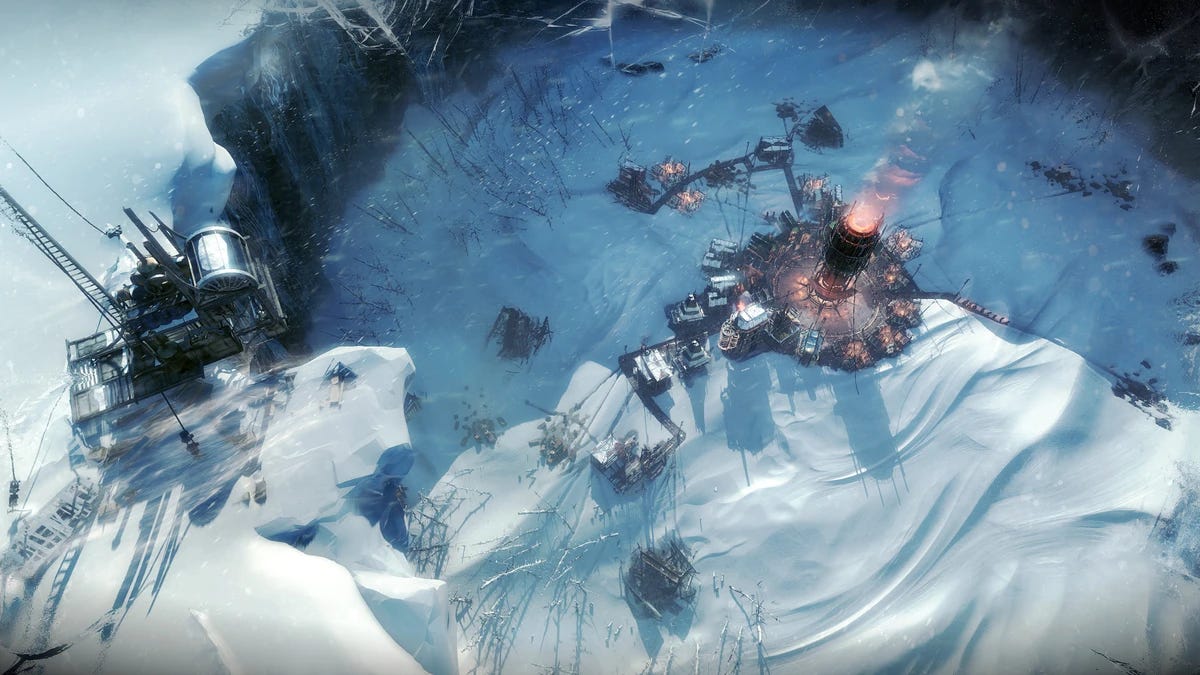
You stop babysitting one character and start managing hundreds, e.g. Frostpunk, Banished, or SimCity. Every decision cascades. Build a factory, hire people, produce value, publish game, achieve success, lay off people anyway, get regret.
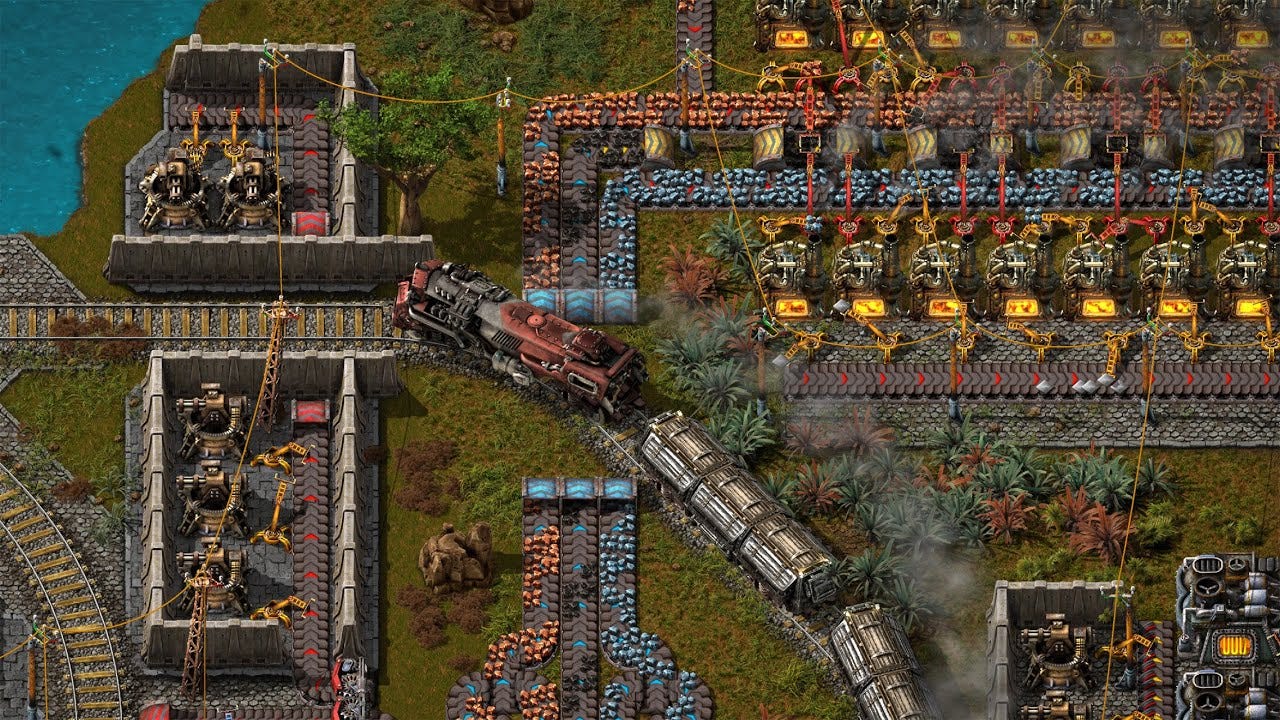
This level belongs to engineers. Like in games like Factorio, Satisfactory. Supply chains, throughput, optimization. Spreadsheets disguised as games. I mean that as a compliment.
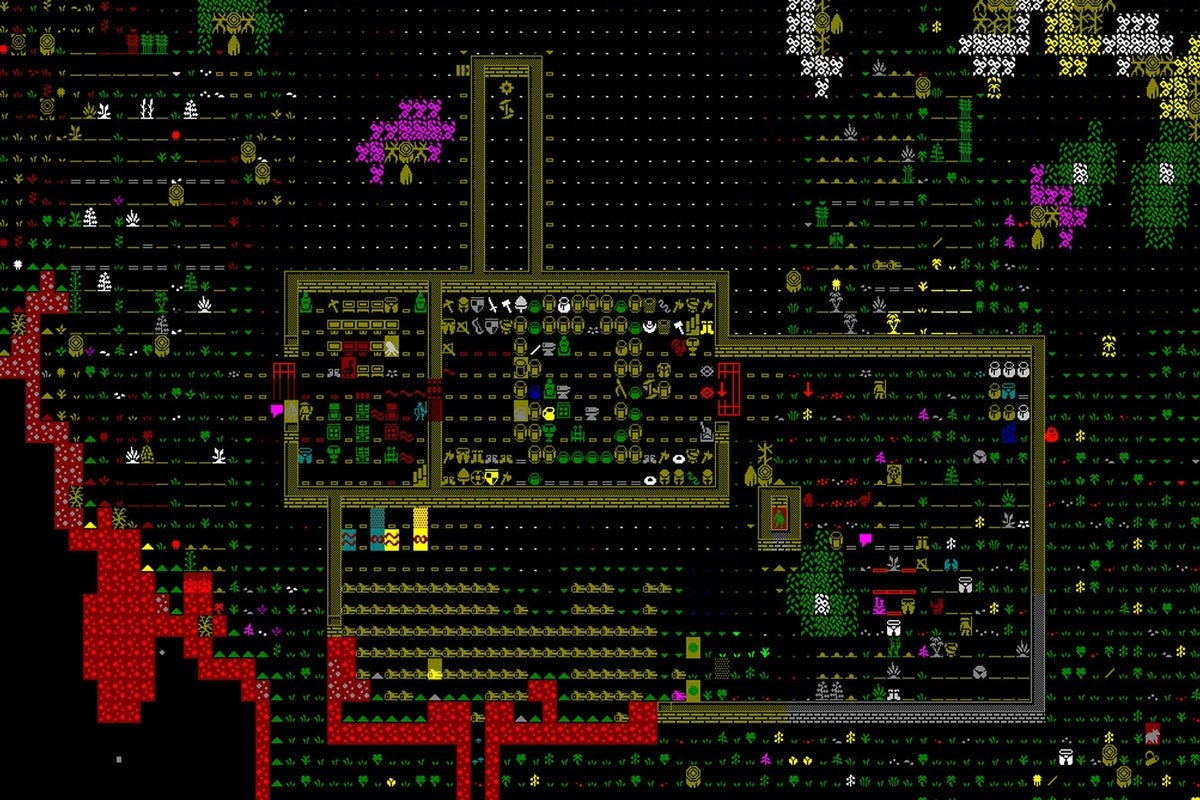
And here, the classic rogue-likes: Dwarf Fortress, NetHack, Caves of Qud. Worlds so detailed that one dwarf having a bad day can end your entire fortress. No cutscene can compete with a dwarf going insane because his favorite chair got flooded.
Those level seven stories are exactly the kind of emergent drama I keep saying games should have. If only one could make them look and play like a Mass Effect game 😉
My first projects will be tiny arcade things. But I constantly find myself sketching full economy systems. While making games with no economy.
But this might become a new criteria to rate prioritize my game ideas.
Every level multiplies systems to build, systems to balance, systems to debug. If you look at the games mentioned above you’ll see that most of these games were made by teams. Sometimes by big ones. With the funny exception of Dwarf Fortress being most complicated and having the smallest team 😂
The sweet spot for solo devs like us might be level two. Simple input, hidden systems. Which is funny given that most games seem to be on this level. But they do not go into systems too much.
Still, comparing these games along with the team size shows one very important conclusion: complexity is not a badge, it’s a budget.
What is your favorite type of complexity in games?
Comments
Nothing yet. Say the first thing.
Sign in to join the conversation.