
I remember as a child going to see Indiana Jones and the Kingdom of the Crystal Skull. It came out in the summer of 2008 and I had to get special dispensation to go (because I was at boarding school, where such liberties are not taken for granted). But, of course, I was allowed an afternoon out at the cinema, not least because the film was perceived as an event. It had been 19 years since the last film in the franchise – a film we’d all grown up with – and the cinema world was abuzz with trepidation about how a, now 65-year-old, Harrison Ford would step back into the whip and fedora.
This was an early example of the Delayquel: a sequel (or prequel) that is cashing in on nostalgia rather than short-term momentum (it is a phenomenon sometimes called, less catchily, a ‘legacy sequel’). And it didn’t even really take off with Crystal Skull, which grossed $786m at the worldwide box office (the best inflation-adjusted return for an Indiana Jones movie) but was hamstrung by negative reviews and difficult comparisons with the original trilogy. In point of fact, it was succeeded by an era when sequels (pure, classical sequels) came out with metronomic regularity as studios recognised that strong IP could be used and used (and used) in order to salt the earth for competitors. It begat the era of Star Wars upping its cadence and Marvel going quids in on properties like Iron Man and Thor.
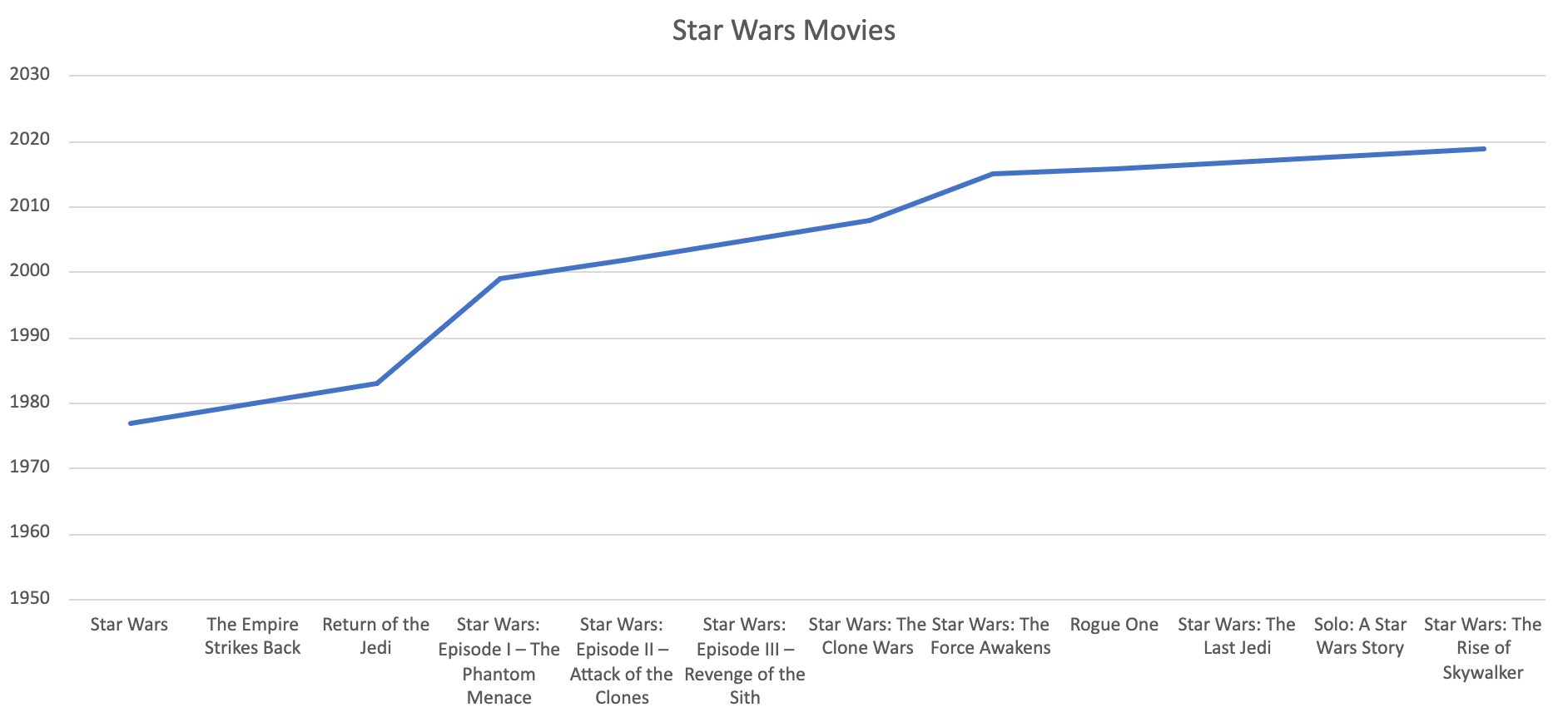
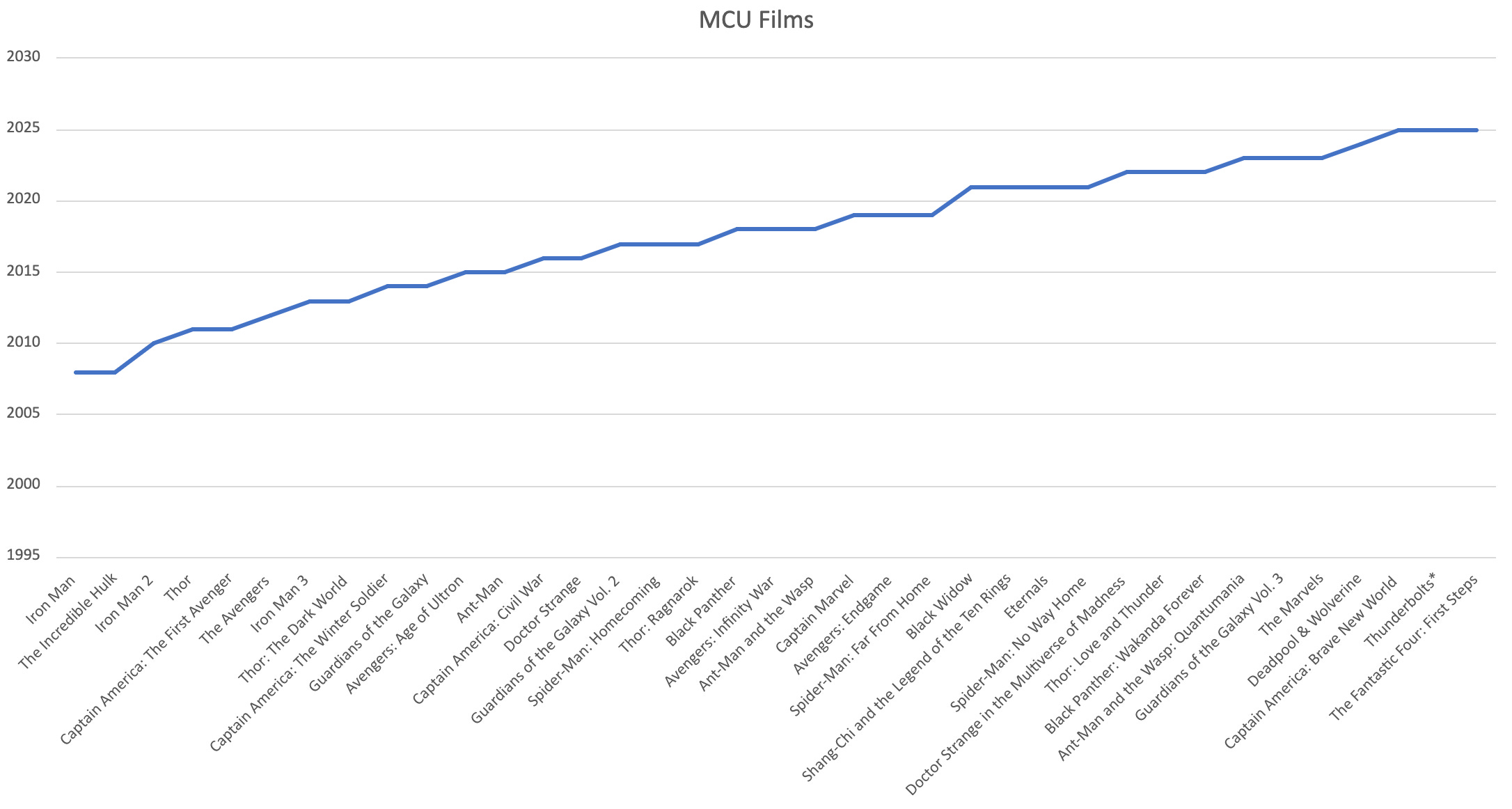
But there’s been a big change in the post-covid era. In part, this has been precipitated by a collapse in theatrical revenues and the continued growth of streaming platforms. But it is also often attributed to a fatigue – a sense that viewers got bored with the sheer density of similar product being served to them. And both of these factors have created the conditions for the rise of the Delayquel.
Comments
Nothing yet. Say the first thing.
Sign in to join the conversation.