
August is the month the garden starts handing everything back.
The beds are heavy now. Onion tops are folding over. Potato leaves begin yellowing, and somewhere in the freshness of an early morning, there’s a hint that the season is beginning to turn the corner.
The tasks change just as the season does.
Less coaxing things to grow.
This is the month the phrase backyard grocery store stops being an idea and becomes something you can see… jars filling, onions hanging to cure, and a cool corner slowly becoming this winter’s pantry.
August is less about growing more, and more about keeping what you’ve grown.
If you only do a few things consistently this month… harvest and cure your storage crops, plant what will carry you into winter, and clear out what’s finished… you will be doing enough.
This is part of a year-long series following the rhythms of the garden through all twelve months.
Each month, I share what is happening in the garden, what to plant, what to harvest, what to preserve, and the small lessons the season teaches along the way.
If you’d like these monthly garden notes, seasonal checklists, and printable garden guides delivered quietly to your inbox, you can subscribe below.
August is the hinge of the season… abundance at its peak, and the first step toward storage and fall.
The garden is still producing heavily, but the work is beginning to shift. Now it’s about curing onions, garlic, and potatoes so they’ll last through winter, planting crops that will carry you into fall, and clearing spent plants before they become a home for pests and disease.
Much of what fills your pantry through winter is decided quietly in August. Not by growing more, but by storing well what the season has already given.
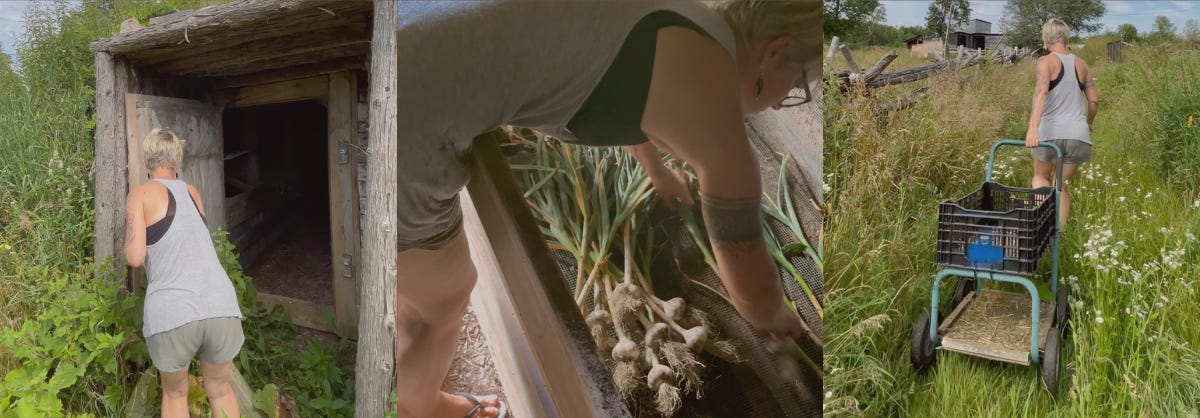
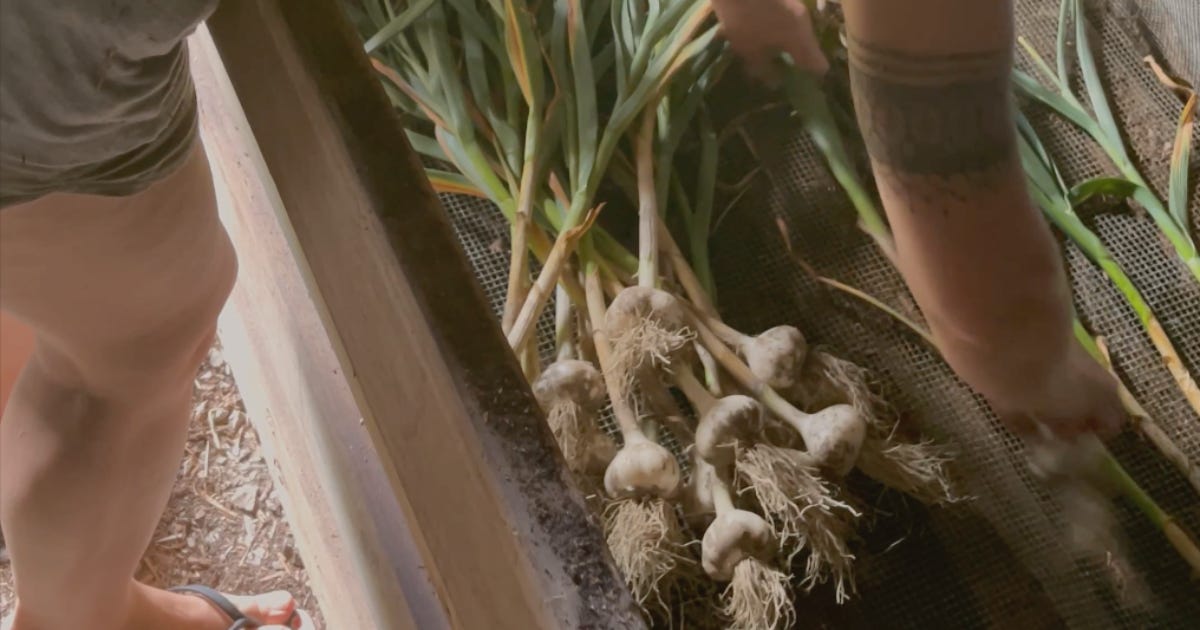
Garlic is always the first crop to disappear into our underground storage. It rests there quietly until the onions, beets, rutabaga, cabbage, squash, and potatoes slowly join it over the weeks ahead.
Cure and store your keeping crops.
Onions, garlic, and potatoes are the backbone of a winter pantry, but only if they’re cured properly first.
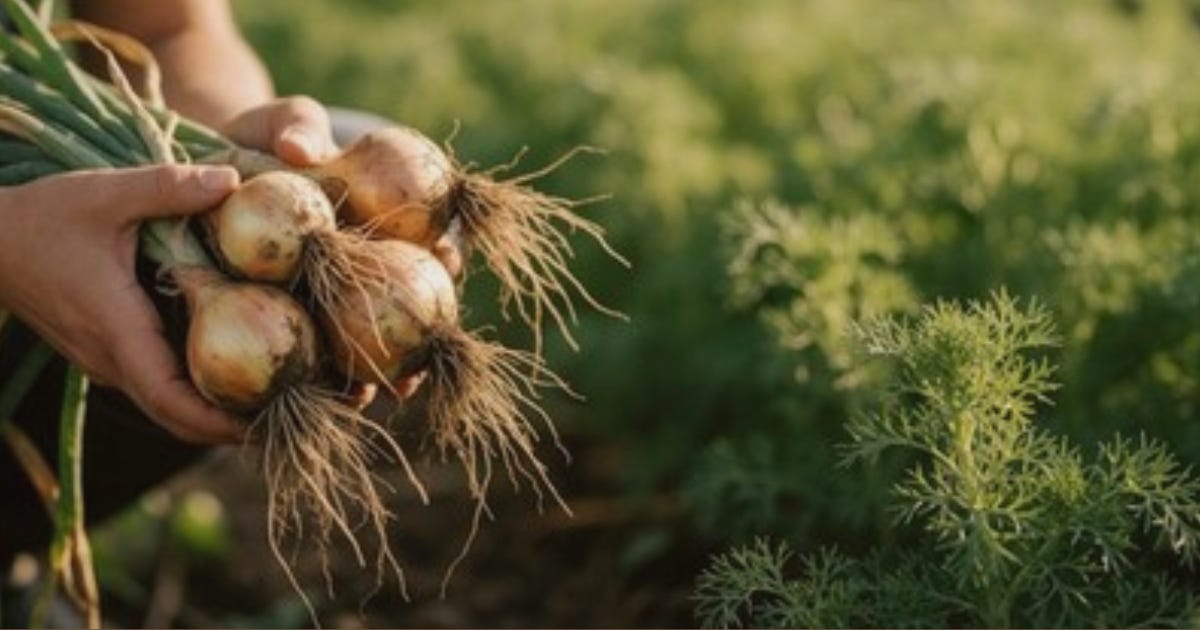
Harvest onions and garlic as the tops dry and fall over. Cut onion tops back to about an inch, allow the cut tops to dry thoroughly, and cure them out of the sun in a cool, dry place for two to three weeks before storing.
Lift potatoes once their leaves have died back. Gently brush away loose soil and cure them before storing over winter. Don’t wash them. Moisture dramatically shortens their storage life.
Then keep all three in a cool, dry place (32-40°F / 0-4°C), always away from apples, which release ethylene gas and dramatically shorten their storage life.
This is the quiet difference between a harvest you eat in August and one that feeds you in February.
Continue checking containers, hanging baskets, and raised beds every day during hot weather.
Water deeply and evenly through the last of the summer heat.
Hoe weeds while they’re still tiny. A few minutes now saves hours of pulling next year once they’ve gone to seed.
Consider sowing cover crops in empty beds if you aren’t succession planting. They’ll feed the soil while protecting it through the coming seasons.
Keep monitoring for disease and insects of all kinds…the pressure doesn’t ease until the weather turns.
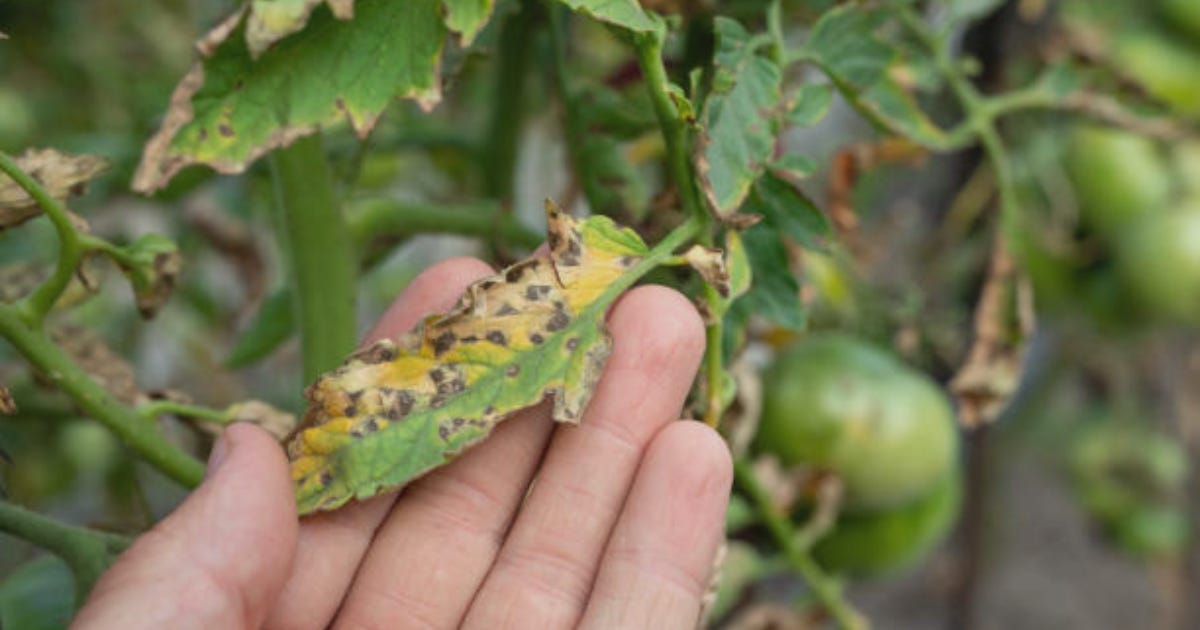
Clear out any plants that have finished producing so they don’t become a home for next years challenges. Healthy spent plants can go in the compost. Anything showing signs of disease is best removed from the garden and burned rather than added to the compost.
To extend the crop, harvest daily.
Remove dead or diseased leaves to improve airflow and keep plants producing. Don’t be shy with your pruning!
August often feels like harvest season, but it’s also one of the most important planting months of the year.
Succession sow peas until late August for a fall crop.
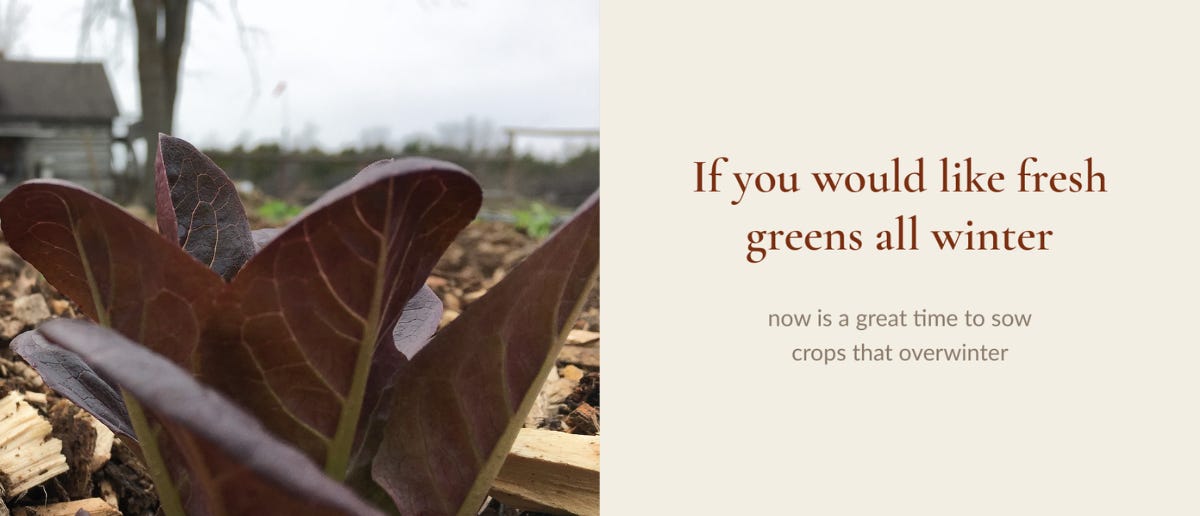
Plant leaf lettuce, mustard greens, Swiss chard, and spinach for fall harvests or overwintering.
Salad turnips, peas, and other quick-maturing crops do well now.
Sow cover crops anywhere the garden has empty areas that you dont intend to replant.
August is the fullest month of the storage year.
Cure onions, garlic, and potatoes for long keeping.
Store them cool and dry, away from apples.
Dry or freeze herbs in small batches.
Begin preserving tomatoes, beans, cucumbers, and berries while harvests are at their peak.
If you’d like to save seed, now is the time to begin marking the plants you’ll save from.
Don’t prune fruit trees now. It encourages tender new growth that won’t harden off before frost.
Don’t store potatoes, garlic, or onions near apples.
Don’t leave finished or diseased plants sitting in the beds.
Don’t let summer squash go unpicked. Daily harvest keeps it producing.
And, as always… don’t measure your garden against someone else’s online. A garden that feeds you does not need to look perfect.
Storing crops before they’re cured
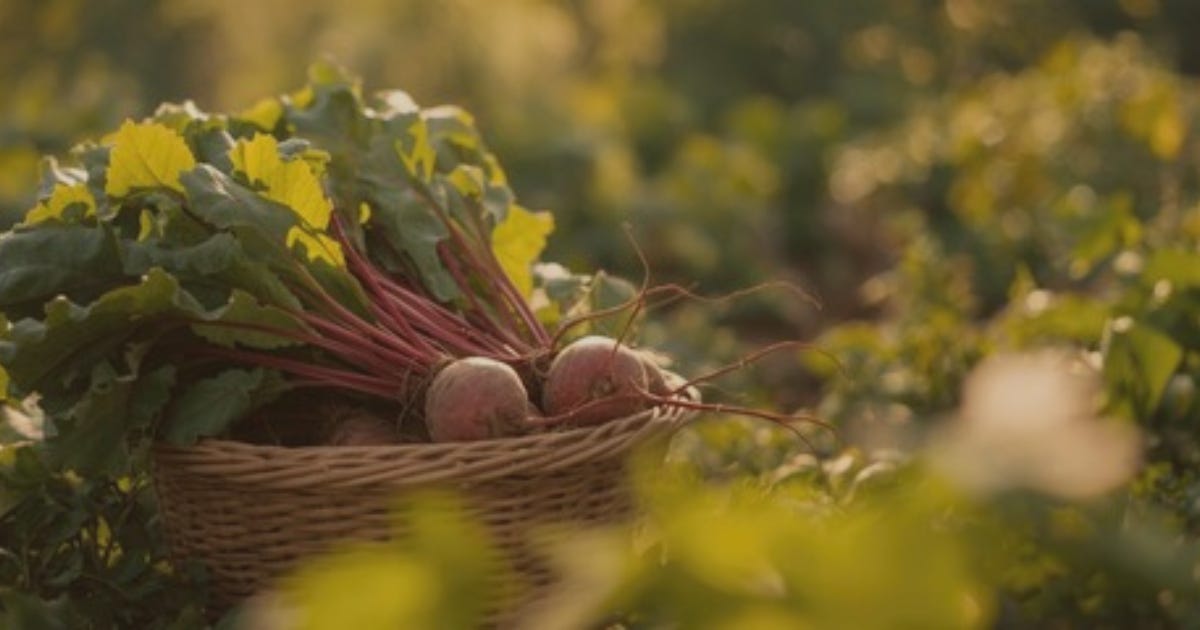
Uncured onions, garlic, and potatoes are far more likely to rot instead of keeping.
Waiting too long to plant fall crops
The vegetables that feed you through fall and into early spring often begin their journey now.
Leaving spent plants in the beds
Finished plants invite the pests and disease you’ve worked all season to avoid.
Pruning fruit trees too early
Tender new growth won’t survive the first frost.
This checklist is written around a Zone 5 garden. Adjust the timing based on your own last frost date and seasonal rhythm.
If your climate is colder than Zone 5
Shift this checklist 2–6 weeks later.
If your climate is similar to Zone 5
Follow this checklist closely.
If your climate is warmer than Zone 5
Shift this checklist 2–8 weeks earlier.
If you live in a mild winter climate
Focus less on frost dates and more on heat, rainfall, and seasonal growing patterns.
August is where the garden teaches you to keep.
Not just to grow… but to gather, cure, and preserve what the season has given.
The real harvest isn't what comes out of the ground. It's the quiet confidence of knowing your shelves will stay full long after the garden has gone to sleep.
And somewhere in the drying onions and the filling jars, a backyard quietly finishes becoming a grocery store.
For those who want a little more structure…
Over the years, I realized the hardest part of growing food wasn’t always the gardening itself.
It was remembering what to plant, when to plant it, how much to grow, and how to make sure the garden actually supported the kitchen.
So I created the Garden System — a collection of simple planning tools designed to help you grow with more clarity instead of guesswork.
Inside you’ll find interactive planting calendars, yield calculators, seed viability tracking, and the planning tools we use to help turn a garden into a reliable source of food.
It’s not about creating the perfect garden.
It’s simply a way to understand your season, make thoughtful decisions, and slowly build your own backyard grocery store.
-Angie
Next month we’ll move into the real turn toward fall — putting the garden to bed, the last harvests, and planting for next year.
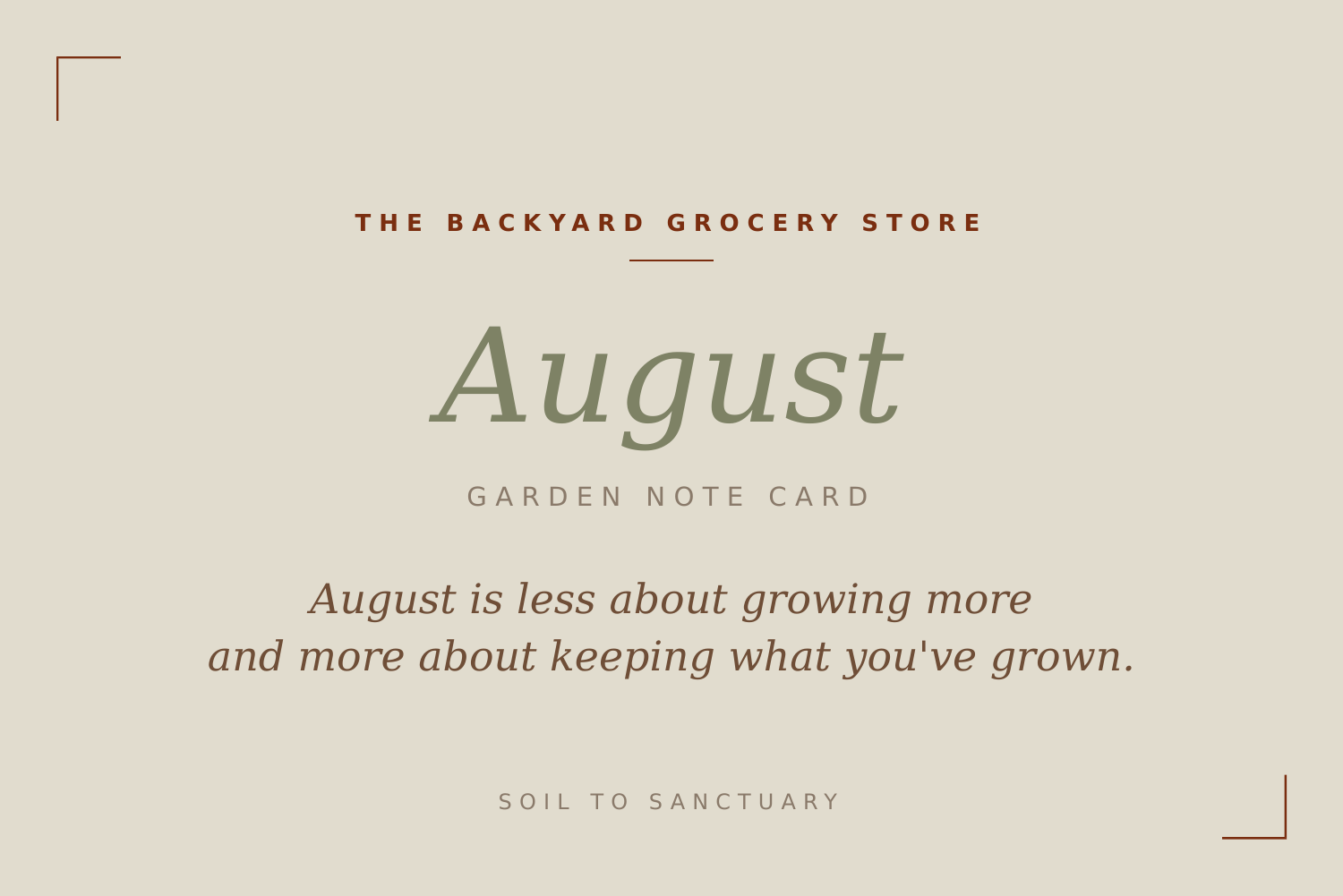
This printable note card is part of a year-long monthly series designed to help you slowly build a backyard grocery store — one season at a time.
Each month we walk through what to focus on in the garden, what to harvest, what to avoid, and how to stay connected to the slower rhythms of growing food at home.
Tuck it into a garden journal, pin it up in the greenhouse, or keep it on the kitchen counter as a gentle reminder of what actually matters right now.
And if you want to take this seasonal planning one step further, I’ve created the Garden Planning System — the tools we use to track planting dates, expected harvests, seed viability, and what we’re growing throughout the season.
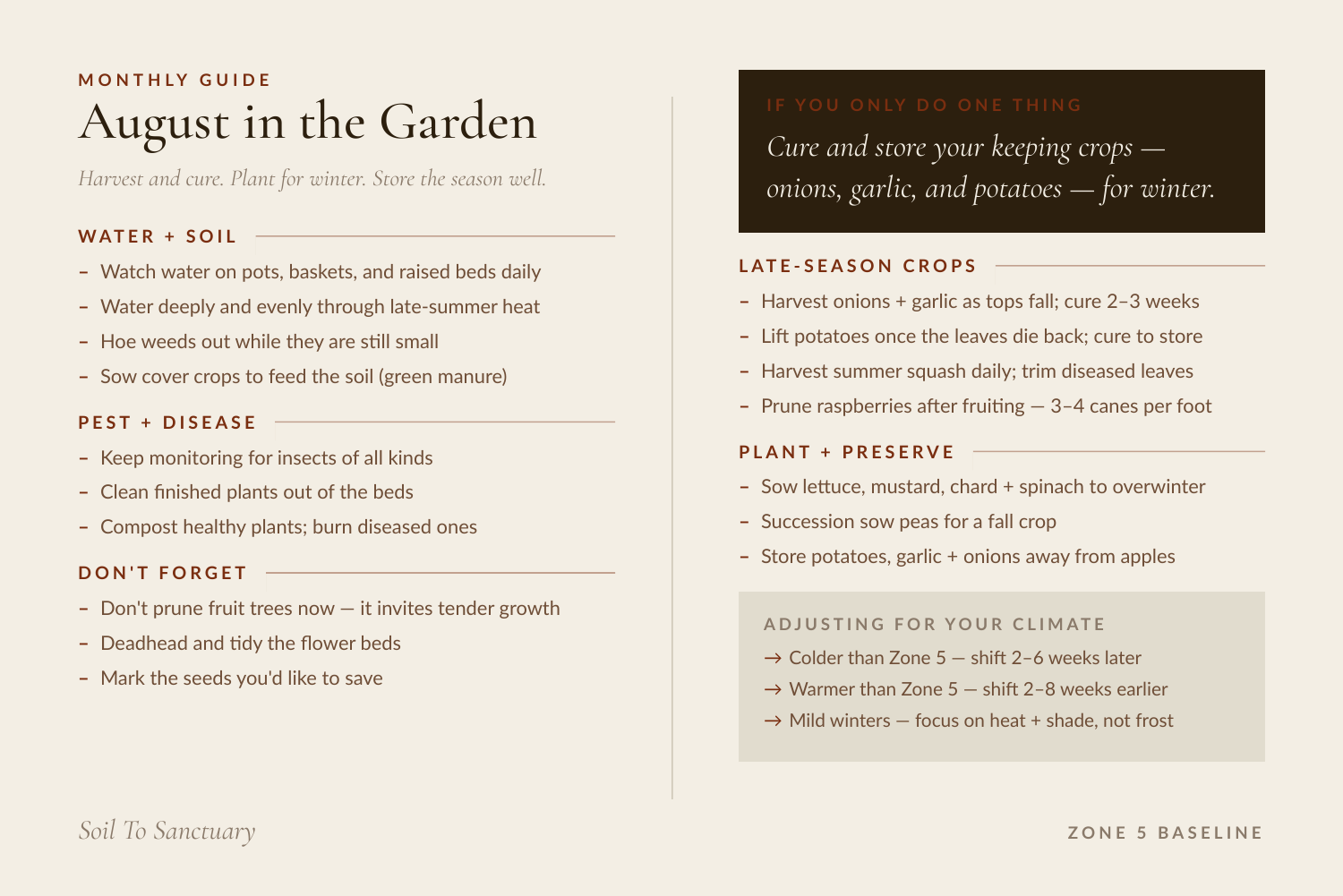
Download Below
For paid subscribers, I’ve also created the August extended garden planner — weekly rhythm pages, a harvest tracker, seasonal priorities, and space for the observations that turn into intuition over time. It will be delivered to your in box tomorrow.
Think of it less as a workbook and more as a quiet companion for the season ahead — a place to track harvests, make notes, notice patterns, and stay connected to the slower rhythms of growing food at home.
Inside you’ll find weekly garden rhythm pages, harvest trackers, seasonal priorities, preservation notes, and space to build your own record of the season as it unfolds.
No posts
Comments
Nothing yet. Say the first thing.
Sign in to join the conversation.