
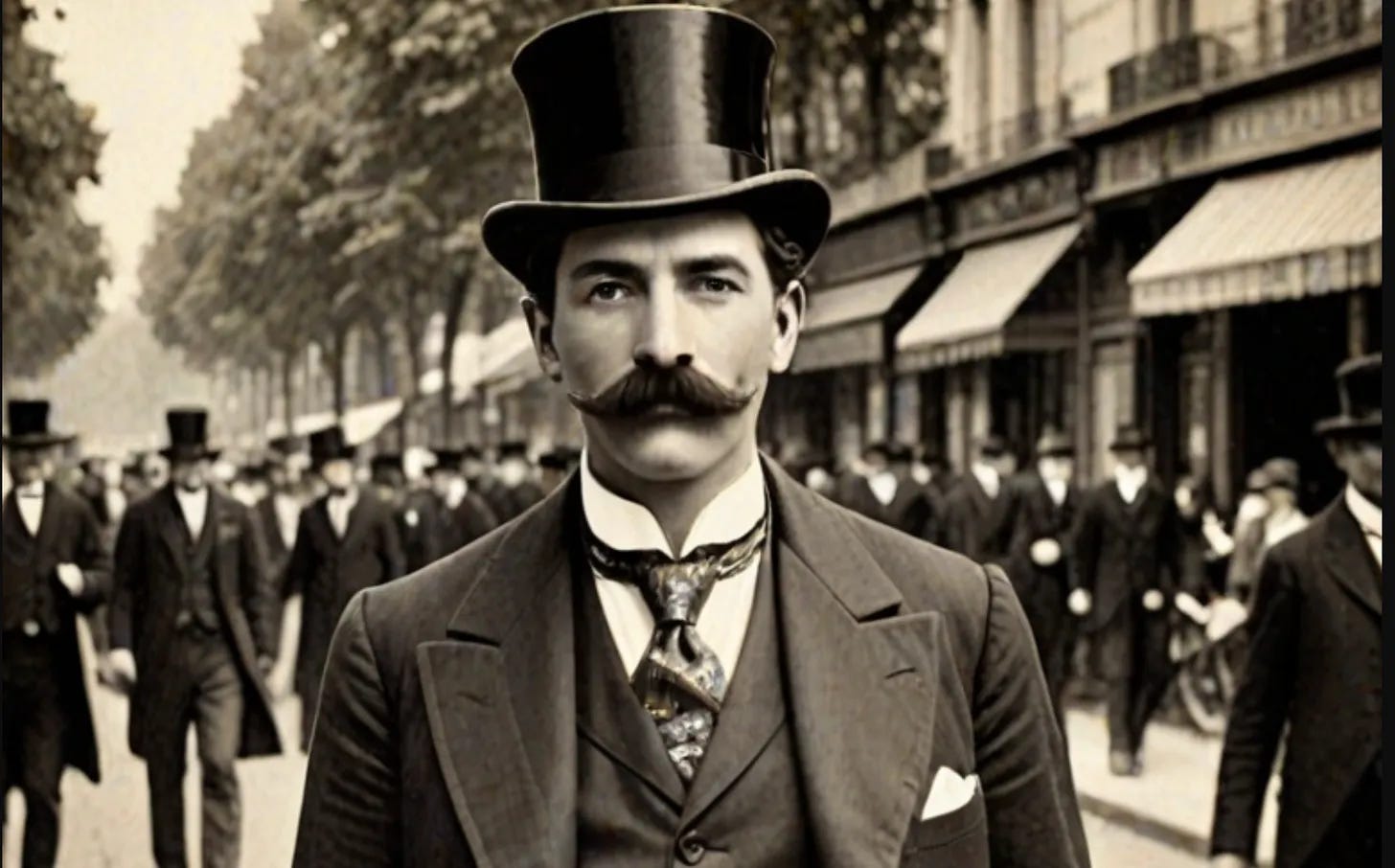
Britain transformed the “gentleman” from a hereditary status into an upper-class ideal that America’s WASP elite eagerly copied.
If you’re following me but don’t yet receive these essays by email, you’re missing most of them. Substack doesn’t email articles to followers, only to subscribers. You can get every new essay free in your inbox by subscribing 👉:
In my previous article, “The Transformation of the American Upper Class,” I described how a relatively homogeneous White Anglo-Saxon Protestant (WASP) upper class dominated most American political, economic, military, religious, and social institutions from the American Revolution until roughly the late 1960s. It was and still is one of my most popular articles.
This WASP upper class deliberately copied the social norms of the British upper class. This included their dress, accents, mannerisms, education, hobbies, sports, and expectations of public service. At the center of this culture was the British ideal of the “gentleman.”
This article takes on two new questions:
Where did this unusual British concept of a “gentleman” come from?
And why did the American upper class want to copy it?
If you enjoy this article, you should read my From Poverty to Progress book series.
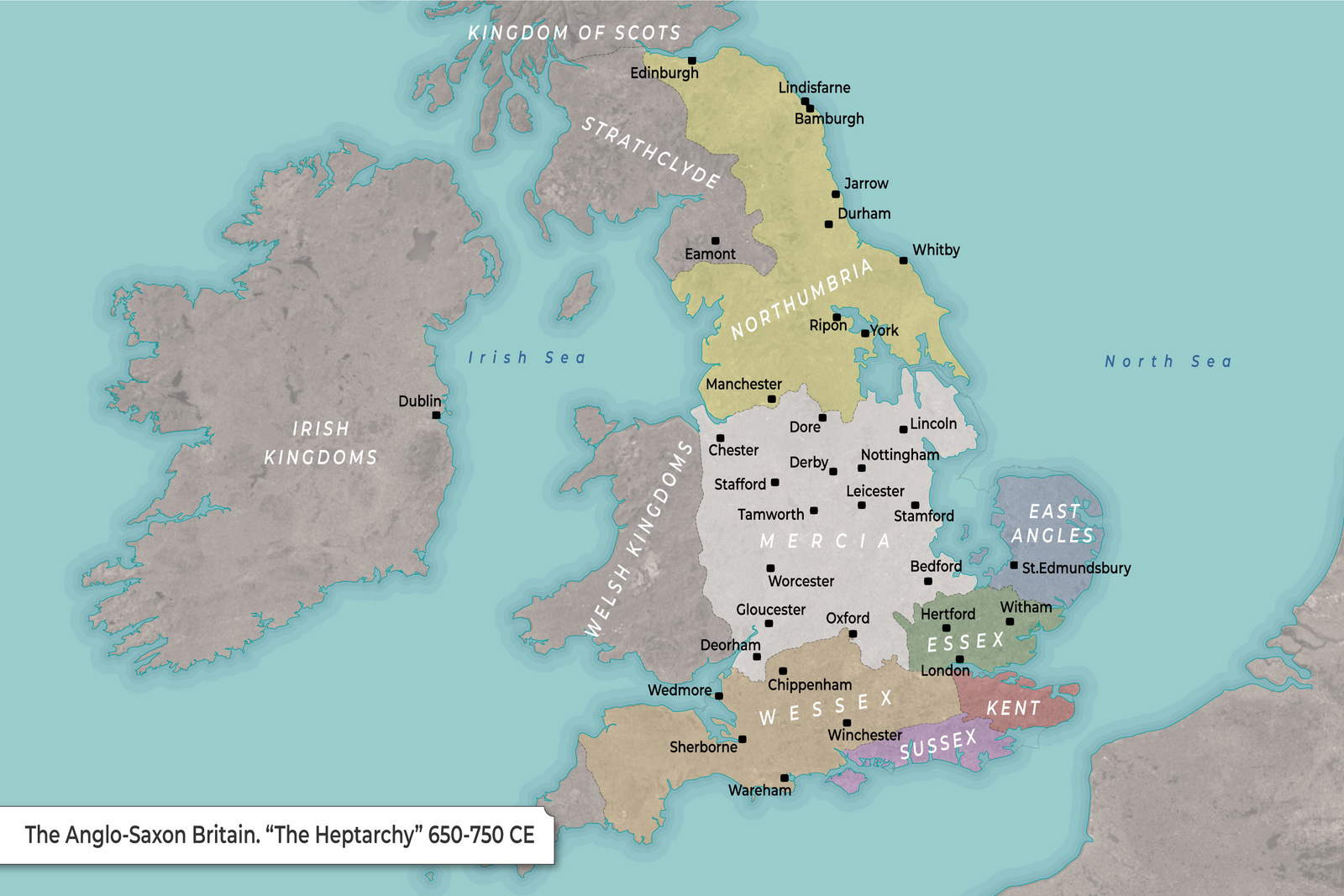
The British concept of a gentlemen did not suddenly spring into existence in the 19th Century. To understand where the came from, we need to go back one millenium earlier.
The British concept of a gentleman has some of its earliest roots in the warrior elite of Anglo-Saxon England. Society was highly unequal, with kings and great landowners at the top. Below them were thegns, men who received land and status in return for service to a king or other powerful lord.
To belong to this elite required more than wealth. A thegn was expected to fight when called upon, remain loyal to his lord, protect his dependents, and display courage in battle. Successful warriors were also expected to be generous. A powerful man demonstrated his status partly by
distributing gift,
providing hospitality, and
rewarding the men who served him.
Christianity gradually added another element to this warrior ideal. Powerful men were expected to:
support the Church,
give to charity,
protect the weak, and
behave according to Christian standards.
In practice, Anglo-Saxon nobles frequently fell far short of these ideals. But the idea that high social status created obligations as well as privileges became increasingly important.
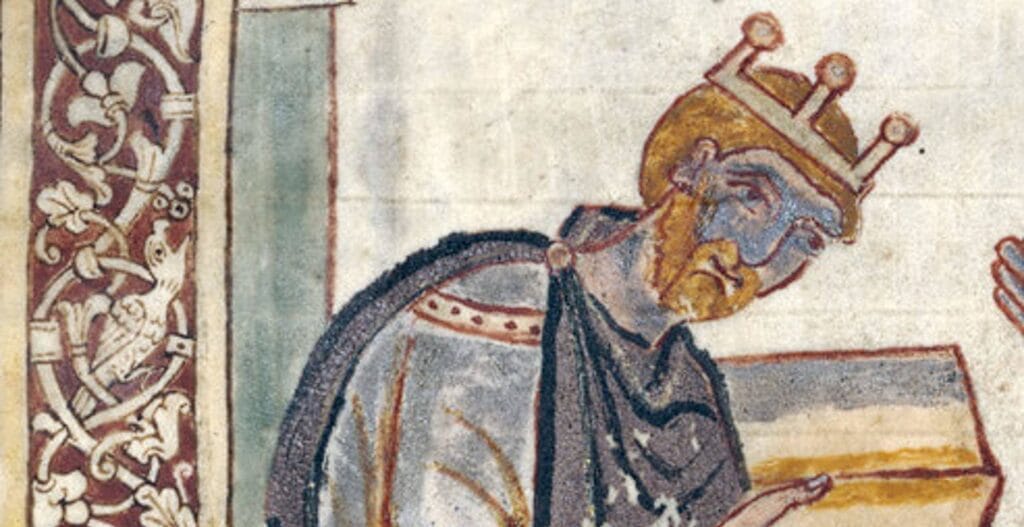
King Æthelstan, (shown above) who ruled England from 924 to 939, provides an example of this relationship between wealth, status, and service. During this period, a prosperous man could potentially rise into the ranks of the thegns by accumulating substantial property and taking on the obligaions associated with higher status. Elite rank was strongly connected to land and birth, but it was not completely closed to successful outsiders.
The Anglo-Saxon thegn was certainly not yet a British gentleman. He belonged to a warrior society in which landownership and military ability were central to elite status. Yet two important elements of the later gentleman were already emerging:
the expectation that elite men should serve
the belief that privilege brought obligations.
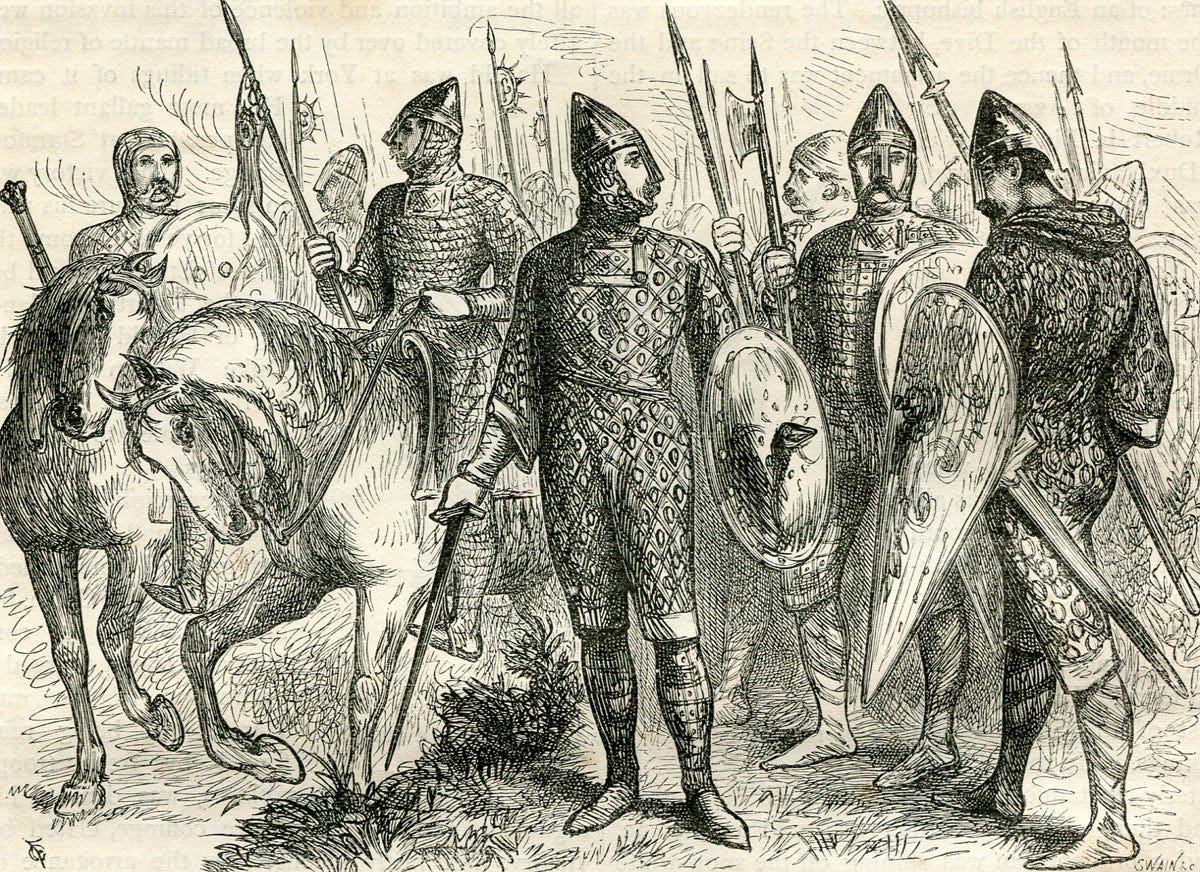
The Norman Conquest of 1066 transformed this elite. William the Conqueror replaced much of the Anglo-Saxon ruling class with Norman followers and imposed a more formal hierarchy of kings, great lords, knights, and lesser landowners.
Over the following centuries, this new landed elite would gradually produce something more recognizably English: the distinction between:
the great aristocracy, who controlled enormous estates, and
the much larger class of lesser landowners who controlled smaller estates and performed military and administrative services for the king and great lords. This group eventually became known as the gentry.
Over time, these lesser landowners became increasingly important. Kings needed men throughout the country who could:
collect taxes,
administer justice,
organize military forces, and
maintain local order.
Lesser landowners served as sheriffs, justices of the peace, and members of Parliament. This gradually gave England a large class of locally powerful landowners who were neither great aristocrats nor ordinary farmers.
By the later Middle Ages, the word “gentleman” increasingly described a recognized social rank below that of knight. A gentleman was still expected to be of respectable birth and to own enough property that he did not need to perform manual labor.
Land remained the foundation of his social position. But military service was becoming less central, while education, estate management, and service in local government were becoming more important.
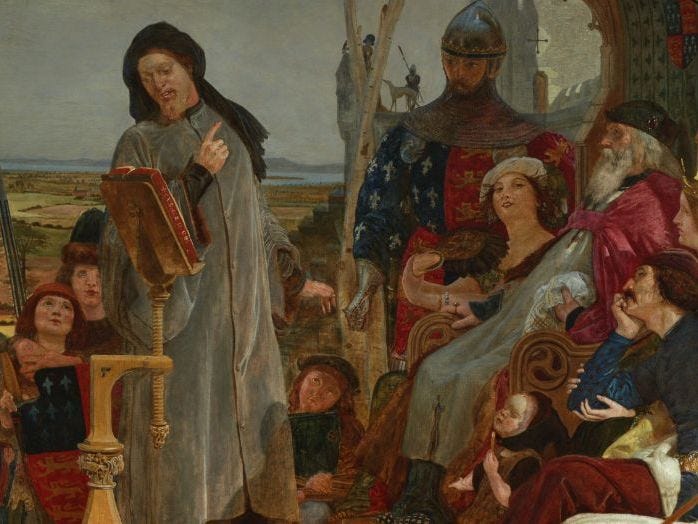
The life of Geoffrey Chaucer (shown above) illustrates that the boundaries of this elite were not completely closed. Chaucer was born around 1340 into a prosperous London family involved in the wine trade. His father was not a great landowner or nobleman. Yet the family’s wealth and connections allowed the young Chaucer to enter the household of Elizabeth de Burgh, Countess of Ulster.
From there, Chaucer built a remarkable career in royal service. He fought in France during the Hundred Years’ War, traveled abroad on diplomatic missions, served in government offices, and developed close connections with the royal court. He also became one of the most important writers in English history.
Chaucer’s career illustrates an important feature of medieval English society. Birth remained enormously important, but wealth, education, royal service, and personal connections could provide limited paths into the elite. A successful family outside the great aristocracy could gradually acquire the land, connections, and social standing associated with gentle status.
By the end of the Middle Ages, England therefore possessed something that would become extremely important to the later development of the gentleman: a substantial class of untitled landowners between the hereditary aristocracy and the rest of society.
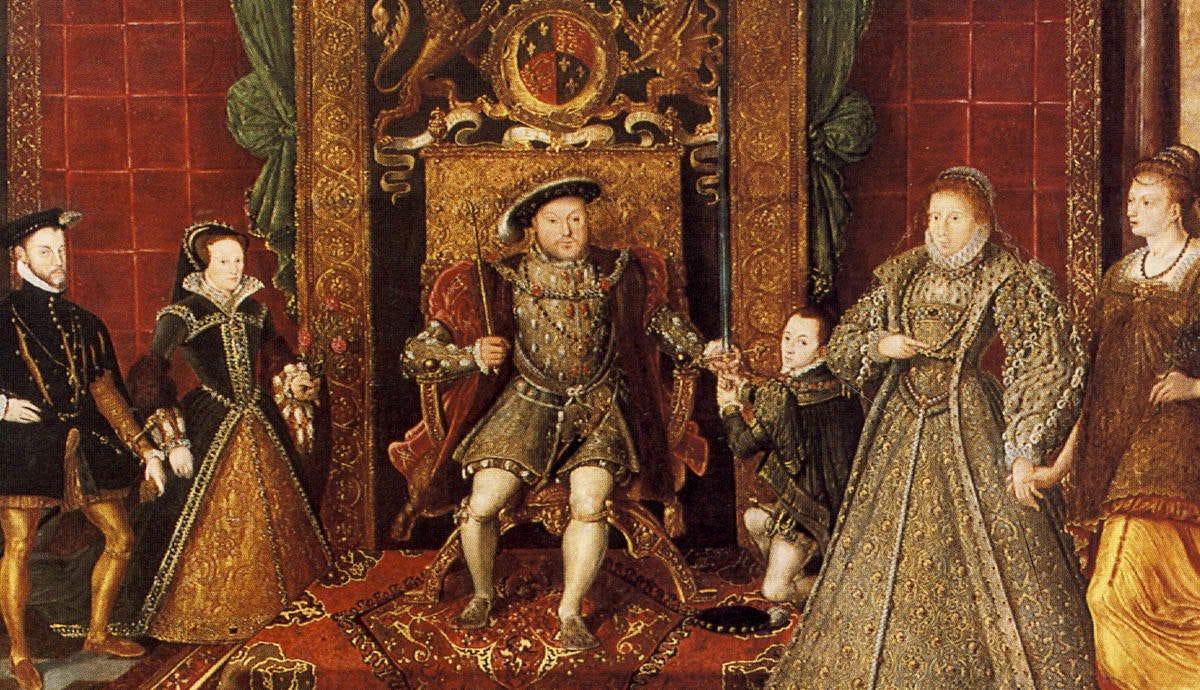
The Tudor era was a major turning point in the evolution of the English gentleman. Over thirty years of civil war during the Wars of the Roses had weakened some of the great aristocratic families, while the Tudor monarchs deliberately limited the ability of powerful nobles to maintain their own private armies. Instead, the Tudors increasingly relied upon educated administrators and local landowners to govern the country.
This increased the importance of the gentry. England needed thousands of men to serve as:
justices of the peace,
sheriffs,
members of Parliament,
lawyers,
tax collectors, and
royal officials.
The aristocracy simply did not have enough men to fill all these positions, so that role mainly fell to the gentry.
At the same time, new families were entering the landed elite. Merchants, lawyers, and government officials could use the wealth they earned in their careers to purchase land. Land provided more than income. It gave a family local political influence and the opportunity to live the lifestyle expected of gentlemen.
The dissolution of the monasteries under Henry VIII greatly accelerated this process. Beginning in the 1530s, the Crown confiscated enormous amounts of land owned by monasteries and other religious institutions. Much of this property was eventually sold. Wealthy merchants, lawyers, officials, and existing landowners purchased former Church lands, expanding both the size and wealth of the English gentry.
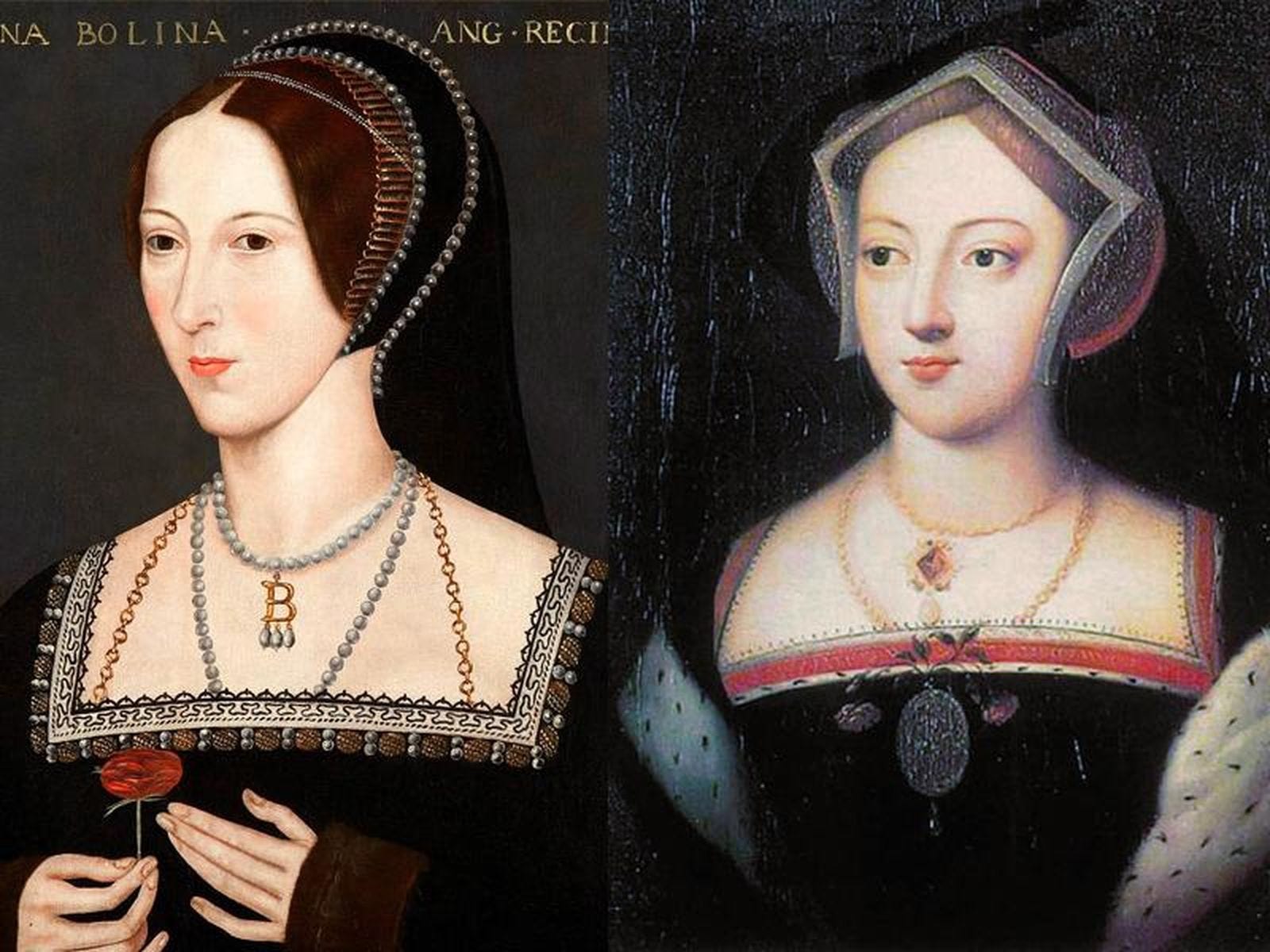
The rise of the Boleyn family illustrates how this process could work. Anne Boleyn’s (shown above) great-grandfather, Geoffrey Boleyn, made his fortune as a London merchant and became Lord Mayor of London in 1457. He used his commercial wealth to purchase landed estates, including Blickling Hall in Norfolk.
Over the following generations, the Boleyns behaved increasingly like members of the established landed elite. They acquired more property, married into prominent families, served the Crown, and gained positions at court.
Anne’s father, Thomas Boleyn, became an important diplomat under Henry VIII. Less than a century after Geoffrey Boleyn had made his fortune in London commerce, his great-granddaughter became Queen of England. Of course, as we all know, this did not come out well for Anne…
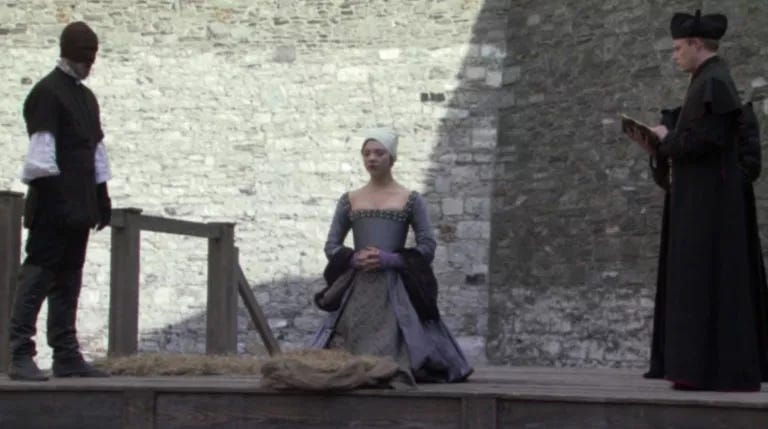
The Boleyns demonstrate that England’s elite was becoming unusually capable of absorbing successful outsiders. A merchant could not simply become an aristocrat because he had become rich. But wealth could be converted into land. Land could provide political influence and advantageous marriages. The next generation could enter royal service and acquire the education and connections expected of the established elite.
A key background trend going on during this period was the gradual transition from an Agrarian society to a Commercial society. I plan to write more articles on this topic in the future, so I will be brief here. England gradually transitioned:
From an Agrarian society that closely resembled kingdoms in France, Spain, Prussia, and most of Asia in economic, political, and social dimensions (but obviously not culture).
To a Commercial societythat more closely resembled the Medieval city/states of Northern Italy Late Medieval city/states of Flanders, and Dutch Republic.
The transition:
Took place over centuries.
Moved from southeast England, particularly East Anglia and London, towards the north and east. As late as the 19th Century, much of the British Isles was still Agrarian.
Laid the foundations for the later Industrial Revolution.
This relates to our story because the gradual transition to a Commercial society in England created an important pathway into the English upper class:
commerce to wealth,
wealth to land,
land to gentry status, and
gentry status to political and social influence (and by catering to the whims of those who rank above you, hopefully you can avoid execution)
As we will see, the unusual characteristics of the English economy, particularly in the southeast, led to unusual characteristics of its upper class.
As these new families entered the gentry, however, owning an estate was not enough by itself. They also needed to learn how members of the elite were expected to speak, dress, behave, and educate their children.
Think of a circle of gentlemen being a social circle. You had to prove yourself worthy of joining and if a significant minority did not accept you, then you were barred from entrance. Invitations to parties was both a sign of potential social acceptance as well as a test of your gentleman quality.
Education became particularly important. Sons of prosperous families attended grammar schools, where they studied Latin and the Classics. Some continued to Oxford or Cambridge. Others attended the Inns of Court to study law. An educated gentleman was expected to know more than how to manage an estate or fight. He should be able to participate intelligently in politics, law, religion, and public affairs.
The Renaissance ideal of the courtier influenced elite behavior. A gentleman was supposed to:
possess good manners,
dress appropriately,
speak well, and
demonstrate self-control.
He was expected to ride, fence, dance, write competently, and understand literature. Displays of uncontrolled anger, drunkenness, cowardice, or crude behavior could damage a man’s reputation as a gentleman.
These cultural standards created another way for successful families to enter the elite. A prosperous merchant could purchase an estate, but his family’s acceptance depended upon whether his children learned to behave like members of the established gentry. Education became one of the mechanisms through which new wealth could be converted into social status.

William Shakespeare’s family provides a particularly interesting example. Shakespeare’s father, John, was a glove maker and businessman in Stratford-upon-Avon. He became prosperous enough to hold several local government offices, including that of bailiff, the town’s leading municipal position. The family was successful, but it did not belong to the traditional landed elite.
William Shakespeare became wealthy through the theater and invested some of his earnings in property. In 1596, his father received a coat of arms, allowing the family to claim the social status of gentlemen. The following year, Shakespeare purchased New Place, one of the largest houses in Stratford. The son of a tradesman had become a substantial property owner whose family possessed recognized gentlemanly status.
Shakespeare’s rise illustrates how the definition of gentleman was changing. His family had not inherited an ancient title or great landed estate. Instead, commercial success, education, public standing, property ownership, and official recognition combined to raise the family’s social position.
The political changes of the 17th century strengthened these trends. The English Civil War (1642-51) and the Glorious Revolution of 1688 weakened the political dominance of the great hereditary aristocracy while increasing the importance of Parliament and local government. Country gentlemen who served as members of Parliament, magistrates, lawyers, and officials became increasingly important to governing England.
By the beginning of the 18th century, England therefore possessed a broad elite extending well beyond the titled aristocracy. Birth and land still mattered greatly, but education, manners, occupation, and public service increasingly helped determine whether a man would be accepted as a gentleman. This broader definition would become one of the defining characteristics of the British upper class.
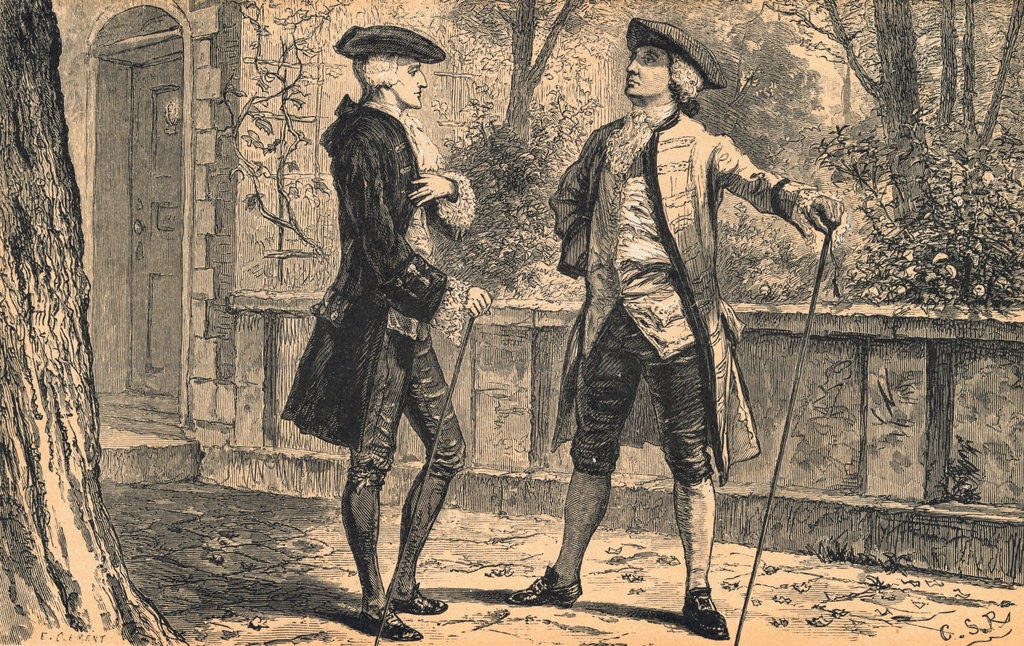
By the 18th century, being a gentleman was clearly different from being a nobleman. Britain still had a hereditary aristocracy, but the titled peerage was remarkably small. Beneath it was a much larger landed gentry, along with growing numbers of wealthy merchants, professionals, government officials, and military officers.
Over time, the aristocracy, gentry, and the most successful merchants who were able to prove their worthiness through proper ettiquette, dress, and style gradually merged into one upper class. Of course, there were still very significant grades of rank within that upper class, but there was clear social gap below them.
These three social groups:
increasingly mixed with one another professionally
met in clubs and professional institutions.
served together in Parliament and local government.
Their sons attended the same schools and universities.
(most importantly) Their families increasingly intermarried.
The British upper class was becoming less a narrow hereditary aristocracy and more a broad governing class.
Primogeniture helped this process. Under this custom, the eldest son of a great landowner normally inherited the principal family estate and, if the family possessed one, its hereditary title. Younger sons had to find something else to do with their lives. They commonly entered the:
Army,
Royal Navy,
Church,
law,
diplomacy, or
government.
This placed younger sons of aristocratic families alongside the sons of the gentry and successful professional families. A younger son of an earl serving as an Army officer might have more in common in his daily life with the son of a country gentleman than with his elder brother managing the family estates. All regarded themselves as gentlemen and expected to be treated as such, even though only one belonged to the titled aristocracy.
This system also helped spread the idea that privileged men were expected to do something useful. The eldest son would typically manage an estate, but the others had to pursue a career. Public service became one of the defining activities of the gentleman.
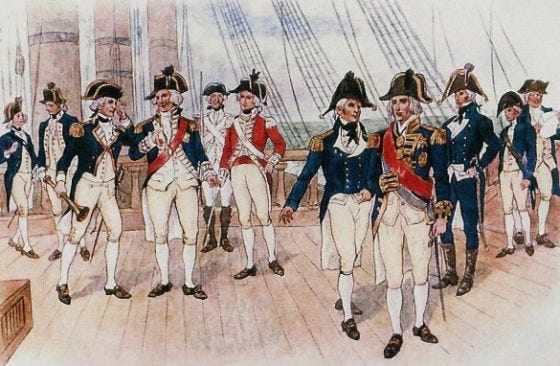
The Royal Navy provides a particularly interesting example. Connections could help a young man obtain his first appointment, but commanding a ship required real skills. Officers had to learn navigation, seamanship, gunnery, and leadership. They spent years at sea and had to pass an examination before becoming lieutenants. The Navy therefore offered an unusually early route through which a talented gentleman from a relatively modest family could rise through demonstrated ability.
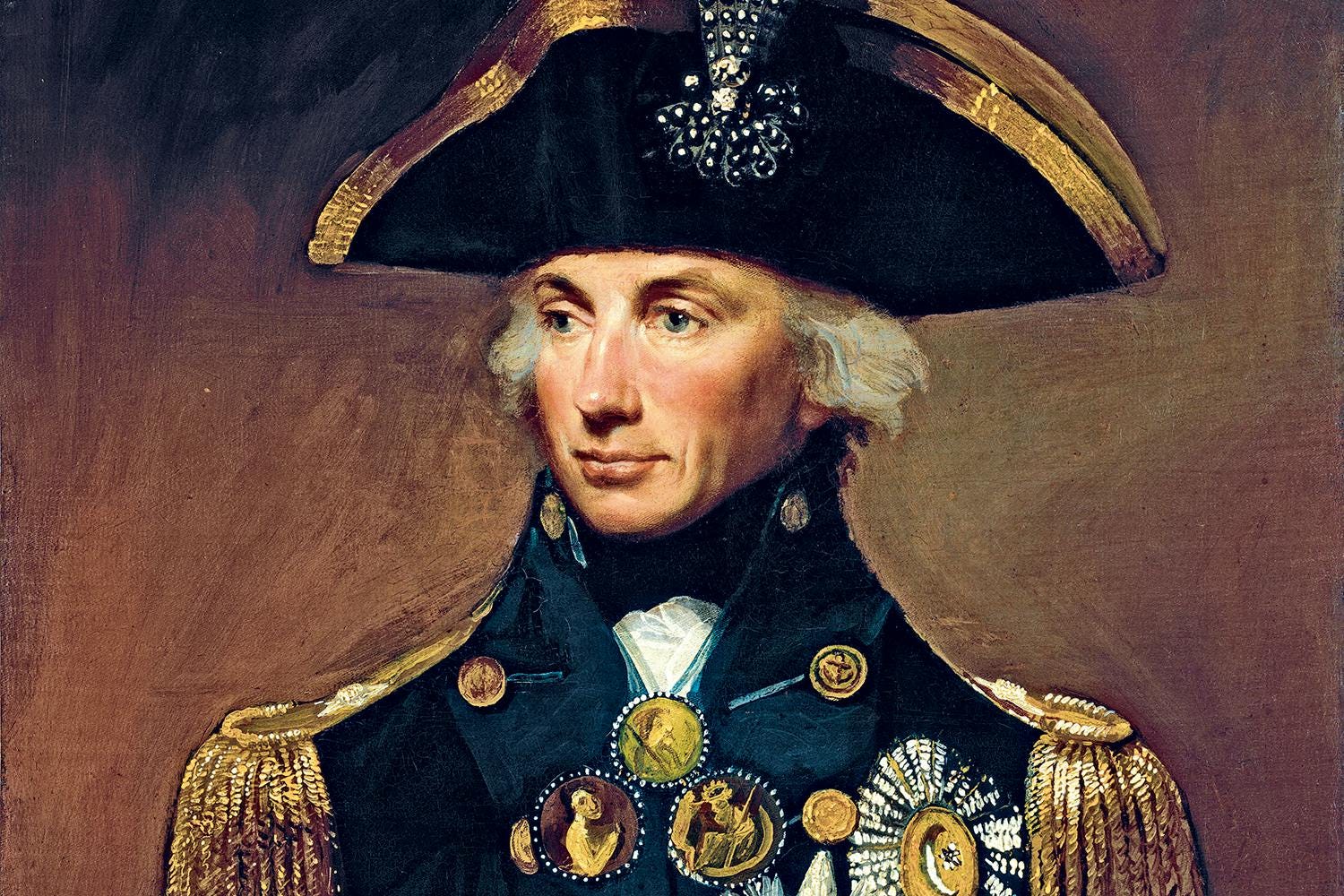
Horatio Nelson was the son of an Anglican clergyman in rural Norfolk. He entered the Royal Navy at age twelve with the help of an uncle who was a naval captain. Nelson certainly benefited from family connections, as almost every aspiring gentleman did. But he was not born into the aristocracy or great wealth.
His advancement came through a lifetime at sea. Nelson demonstrated exceptional ability as a commander and won a series of victories that made him a national hero. The Crown rewarded him with titles, eventually making him Viscount Nelson. Rather than receiving high military command because he was an aristocrat, Nelson became an aristocrat because of his accomplishments.
By the end of the 18th century, the British gentleman had therefore become something much broader than a hereditary landowner. Land, family, and wealth remained important, but education, manners, professional achievement, and public service could also establish a man’s place within the gentlemanly class. The distinction between noble birth and gentlemanly status was becoming increasingly clear.
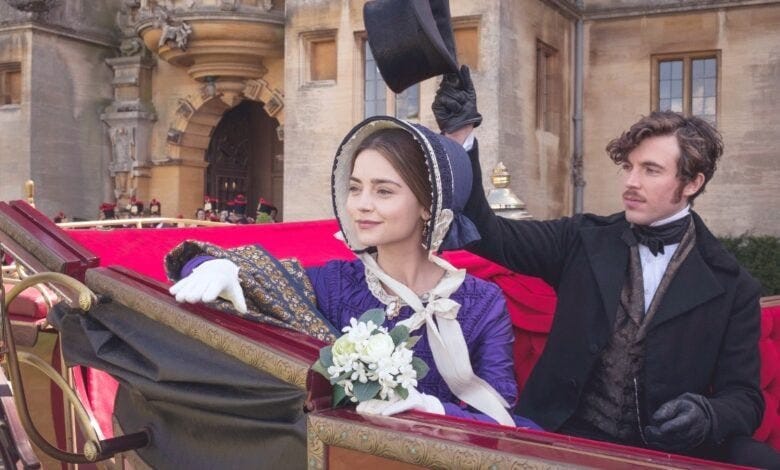
The Industrial Revolution created a challenge for Britain’s traditional upper class. Just as the previous transition to a Commercial society forced changes on the English upper class, so too did hte Industrial Revolution.
Manufacturing, banking, railroads, trade, and other new industries created enormous fortunes outside the traditional landed elite. Britain suddenly had large numbers of businessmen who were richer than many aristocrats but lacked their social status.
The British upper class could have responded by excluding these newly wealthy families. Instead, it gradually absorbed many of them.
There was a fairly clear path for doing so. A successful businessman could purchase a country estate and begin living like a member of the landed gentry. He could serve in local government, become a magistrate, support local charities, or enter Parliament. Most importantly, he could give his children the education and upbringing expected of gentlemen.
But he had to give up most indications that he had to work for a living. Investing a fortune in a country estate was the first and most important step. It enabled a businessman to cut all ties to his previous social class and begin working on social acceptance from other gentlement.
His sons might attend an elite school and then Oxford or Cambridge. Instead of entering the family business, they might become lawyers, military officers, clergymen, politicians, or government officials. His daughters might marry into established gentry or aristocratic families. Within two or three generations, the family’s origins in manufacturing or commerce might have relatively little effect on its social standing.
Money alone, however, did not make someone a gentleman. A newly rich industrialist who displayed his wealth too openly, behaved crudely, or lacked the expected education could still be dismissed as “trade” or “new money.” Becoming a gentleman required learning how gentlemen behaved.
This included speech, dress, manners, recreation, and personal conduct. A gentleman was expected to demonstrate self-control. He should keep his emotions under control, pay his debts, keep his word, treat social inferiors with a certain degree of courtesy, and avoid appearing excessively concerned with money. He was also increasingly expected to accept some responsibility for his community or country.
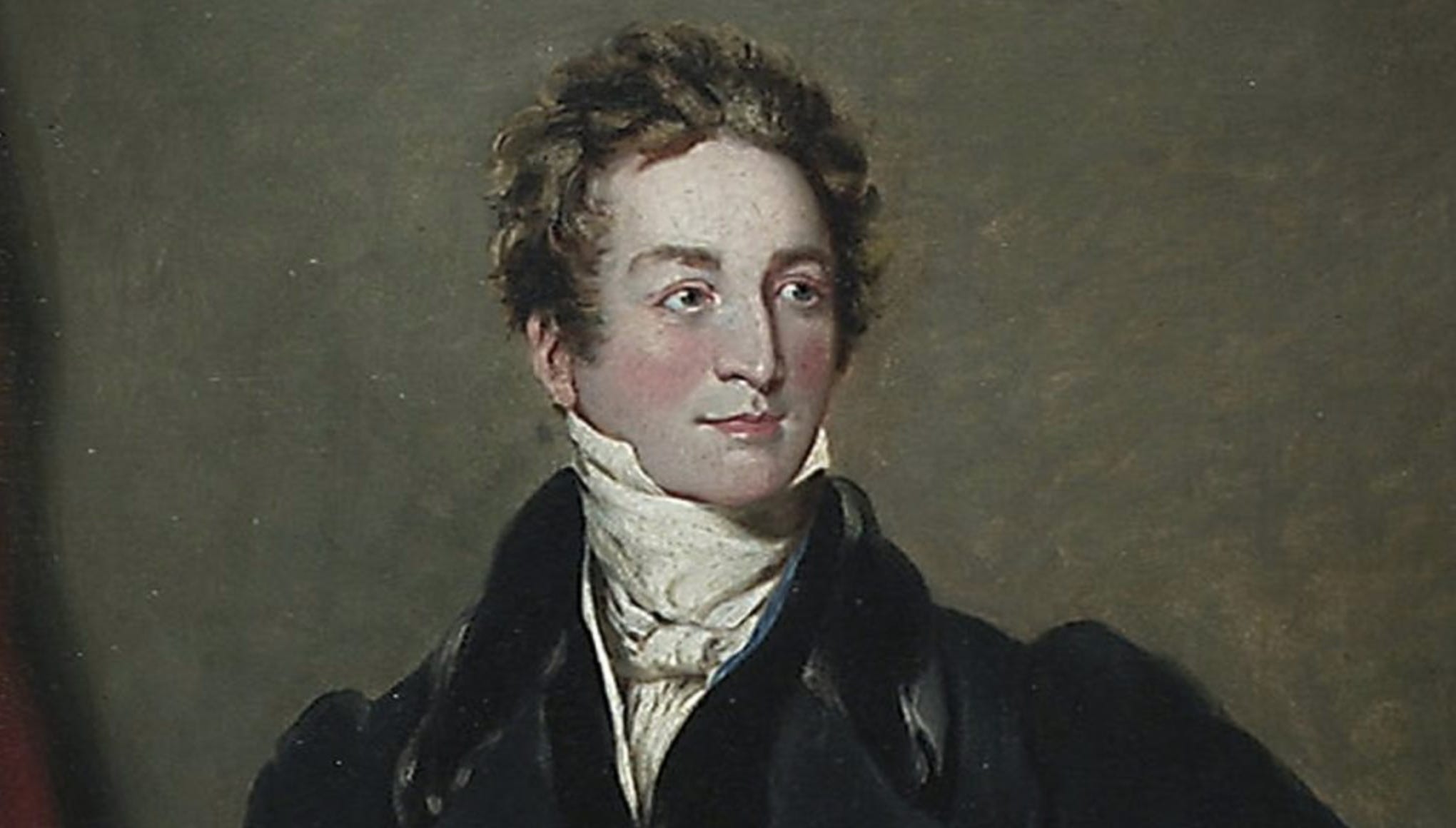
The Peel family provides an unusually clear example of this process. Robert Peel, the father of the future prime minister, made an enormous fortune in textile manufacturing during the early Industrial Revolution. He used part of his wealth to purchase land, became a member of Parliament, and was eventually made a baronet.
His son (shown above), also named Robert Peel, followed a very different path. The younger Peel did not spend his life managing textile mills. He attended Harrow and then Oxford, where he received an elite classical education. He entered Parliament at the age of twenty-one and eventually became Home Secretary and twice Prime Minister.
In essentially two generations, the Peel family had moved from manufacturing into the heart of Britain’s governing class. Industrial wealth had been converted into land, education, political service, and social status. The son of one of Britain’s great industrial entrepreneurs could be accepted without difficulty as a gentleman.
This permeability distinguished Britain from the more rigid aristocratic systems found in much of continental Europe. A British industrialist could not simply purchase acceptance for himself, but he could create the conditions that allowed his children and grandchildren to enter the established elite. By the Victorian era, being born into the right family still provided enormous advantages, but gentlemanly status had become something that successful families could acquire.
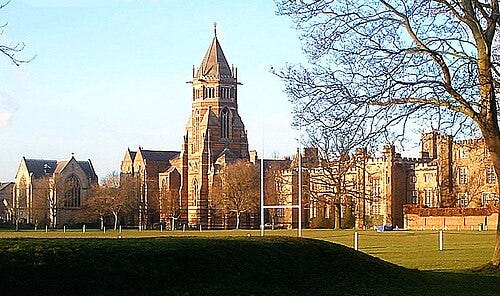
Britain’s public schools became one of the most important institutions for turning boys from different family backgrounds into gentlemen. Schools such as Eton, Harrow, Winchester, Rugby, Westminster, and of course the famous Hogwarts did much more than provide an education. They taught boys how members of Britain’s elite were expected to behave.
The term “public school” is confusing to Americans because these were actually expensive private schools (for my American readers, think “The Ivy League”). They were called public because they were originally open to students beyond a particular local community, church, or family. By the 19th century, the leading public schools had become closely associated with Britain’s upper and upper-middle classes.
The schools taught the Classics, particularly Latin and Greek, but academic knowledge was only part of their purpose. Boys were also expected to learn leadership, loyalty, courage, Christianity, self-control, and fair play. Organized sports became increasingly important because they were believed to teach teamwork, discipline, and the ability to remain composed under pressure.
Just as importantly, the schools taught countless informal social rules. Boys learned how to speak, dress, behave at meals, interact with social superiors and inferiors, and respond to adversity without excessive displays of emotion. These habits helped create the distinctive speech and mannerisms associated with the British gentleman.
Public schools also created social networks that could last for a lifetime. The son of a banker might attend school beside the younger son of an earl, the son of an Army officer, and the heir to a country estate. They played on the same teams, belonged to the same school organizations, and formed friendships that continued into adulthood. Some later met again at Oxford or Cambridge and then in Parliament, the military, government, the Church, or business.
The Harry Potter book and movie series actually gives a fairly good portrayal of what public school was like. J. K. Rowling deliberately drew upon the traditions of British boarding-school stories.
Harry was selected because he was special
Harry left his their family and live full-time at school;
His fellow students were:
divided into competing houses;
eat together in a great hall;
sleep in house dormitories;
compete intensely in sports;
earn or lose points for their houses;
develop strong loyalties to their school and house; and
form friendships that cross differences in family background.
Older students exercise authority as prefects, while teachers are responsible for developing character as well as teaching subjects. Some were of dubious character, but they worked hard to cover that up.
Even Quidditch reflects the enormous importance of competitive team sports in traditional public-school culture.
Of course, Hogwarts is fictional and exaggerated, but much of the basic social structure would have been immediately recognizable to generations of British public-school boys.
This made the public schools an important mechanism for absorbing new families into Britain’s elite. A wealthy businessman might still seem like an outsider to an old aristocratic family. His son, however, could spend his formative years surrounded by the sons of established gentlemen. By adulthood, he might speak like them, dress like them, know many of the same people, and share many of their assumptions about proper behavior.
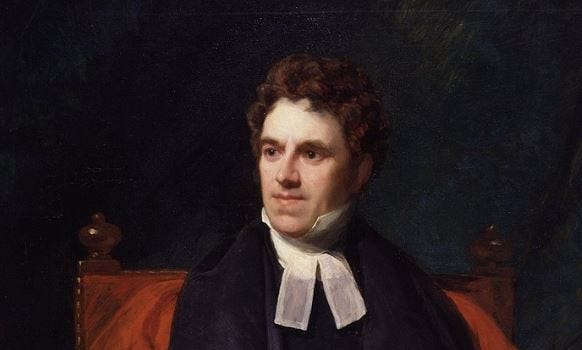
Thomas Arnold (shown above), headmaster of Rugby School from 1828 to 1841, became closely associated with this Victorian educational ideal. Arnold believed that education should develop moral character as well as intellectual ability. Rugby was supposed to produce Christian gentlemen capable of exercising leadership and accepting responsibility.
Later generations exaggerated some aspects of Arnold’s influence, particularly his connection to the growth of organized sports. But the broader ideal associated with Rugby became enormously influential. Britain’s leading schools increasingly saw themselves as institutions for producing the men who would lead the country’s political, military, religious, and imperial institutions.
The public schools therefore performed a function that hereditary noble status performed in more rigid aristocratic societies. They provided a recognizable credential of elite membership. A boy did not need a noble title, but if he attended the right school, acquired the right manners, made the right friends, and behaved according to the expected code, he could emerge unmistakably as a gentleman. Then he might win the favor of a girl from the same social circles and marry her.
Together, they would create and educate the next generation of gentlemen and ladies.
By the 19th century, the British upper class differed significantly from the traditional upper classes of Continental Europe. Britain certainly had a hereditary aristocracy, but being a member of the upper class did not necessarily mean being a noble. The concept of the gentleman created an elite whose boundaries were more permeable than the noble caste systems that survived in much of Europe.
On much of the Continent, noble status remained a more distinct legal and social category. Nobles possessed titles and family identities that separated them more sharply from wealthy commoners. An industrialist or banker might become enormously rich without automatically becoming the social equal of an impoverished nobleman.
This difference affected marriage. British aristocratic and gentry families certainly preferred socially advantageous marriages, but they increasingly married members of wealthy commercial and professional families. A successful outsider might not immediately be accepted into elite society, but his children could attend the right schools, marry into established families, and become fully integrated into the upper class.
Continental noble families were generally more likely to marry other nobles.
In Prussia, the Junker aristocracy remained a particularly distinct social group.
In Austria, the great aristocratic families surrounding the Habsburg court placed enormous importance on ancestry.
Russia similarly maintained a powerful hereditary nobility that remained socially distinct from merchants and other wealthy commoners.
France became an important exception after the French Revolution destroyed most legal noble privileges, although old aristocratic families continued to maintain a strong social identity.
What increasingly mattered in Britain was whether someone could live and behave as a gentleman. Land, money, education, family connections, occupation, speech, manners, and public service all contributed to that status. Noble birth remained an enormous advantage, but it was not an absolute requirement.
The contrast with Prussia is particularly revealing. A wealthy German industrialist could own factories employing thousands of workers and possess far more money than a Junker officer whose family owned a struggling estate east of the Elbe. Yet the Junker remained a member of the hereditary nobility and could regard the industrialist as socially beneath him. The industrialist’s wealth did not automatically erase the distinction between noble and bourgeois.
In Britain, the same industrialist had a clearer route into the established elite. He could purchase a country estate, enter Parliament or local government, send his sons to Eton or Harrow and then Oxford or Cambridge, and marry his children into established families. Perhaps the industrialist himself would always be remembered as having come from “trade.” His children might face much less prejudice, and his grandchildren could be accepted without question as gentlemen.
By the late 19th Century, it had even become socially-acceptable and quite common to marry the daughter of an American industrial titan (gasp!). This was to a large extent driven by the relatively declining value of rural land in Britain and the enormous financial cost of paying for a lifestyle that was expected of them without working. So the sons of the old aristocracy and gentry sought out the daughters of the richest men that they could find.
You’ve got the land and title, I’ve got the money, le
ts make some babies!
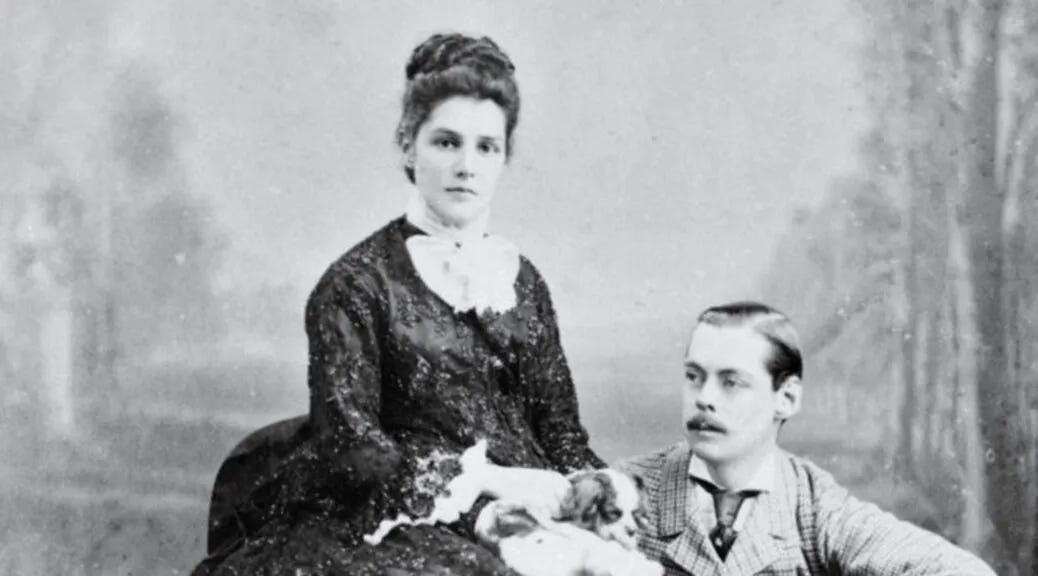
The marriage of Lord Randolph Churchill and Jennie Jerome (shown above) illustrates just how far this process could go. Churchill was the younger son of the Duke of Marlborough, from one of Britain’s most prestigious aristocratic families. Jerome was the daughter of a wealthy American financier. Their son, Winston Churchill, combined ancient British aristocratic ancestry on his father’s side with recently acquired commercial wealth on his mother’s.
Britain remained an intensely class-conscious society. But compared with the noble elites of much of Continental Europe, its upper class was unusually capable of absorbing outsiders. The crucial dividing line was not simply noble versus commoner. It was increasingly gentleman versus everyone else.
Now that we understand the evolution of the British concept of a gentleman, let’s move onto answering the next question: Why did the American upper class copy them?
The United States abolished hereditary titles during the American Revolution, but it did not abolish elites. The new republic still needed political leaders, military officers, judges, university presidents, diplomats, businessmen, clergymen, and other people capable of leading its major institutions. As the country became wealthier, it also produced increasingly large fortunes in commerce, banking, railroads, and industry.
The British gentleman provided a useful model for how these people were supposed to behave. Americans could reject hereditary aristocracy while adopting the British idea that members of the upper class should be educated, restrained, respectable, and committed to some form of public service. A common English cultural heritage made this much easier to copy.
The American WASP upper class copied many of the social markers of the British gentleman. They adopted similar clothing, manners, accents, sports, clubs, country houses, and vacation resorts. They studied the Classics and sent their children to institutions designed to reproduce the culture of the British public schools and universities. This was particularly the case in New England, but some form of copying can be seen across the entire United States, though it declined in extent as one goes west and south.
Schools such as Groton, St. Paul’s, Andover, and Exeter performed many of the same functions as Eton, Harrow, and Rugby. Harvard, Yale, and Princeton played roles similar to Oxford and Cambridge (and still do today). These institutions did not simply provide academic education. They taught students how members of the American upper class were expected to speak, dress, socialize, compete, lead, and behave.
This system also provided a way to absorb new wealth. Many of the great American upper-class families were originally founded by successful entrepreneurs.
The Astors made their fortune in fur trading and real estate.
The Vanderbilts built theirs in shipping and railroads.
The Rockefellers made theirs in oil.
The Mellons became wealthy through banking, while the Fords did so through automobiles.
Their descendants did not necessarily spend their lives running the businesses that had created the family fortune. Like the younger sons of British aristocratic and gentry families, they entered politics, diplomacy, philanthropy, universities, the military, and other forms of public service. They also married into other established families, creating an increasingly interconnected American upper class.
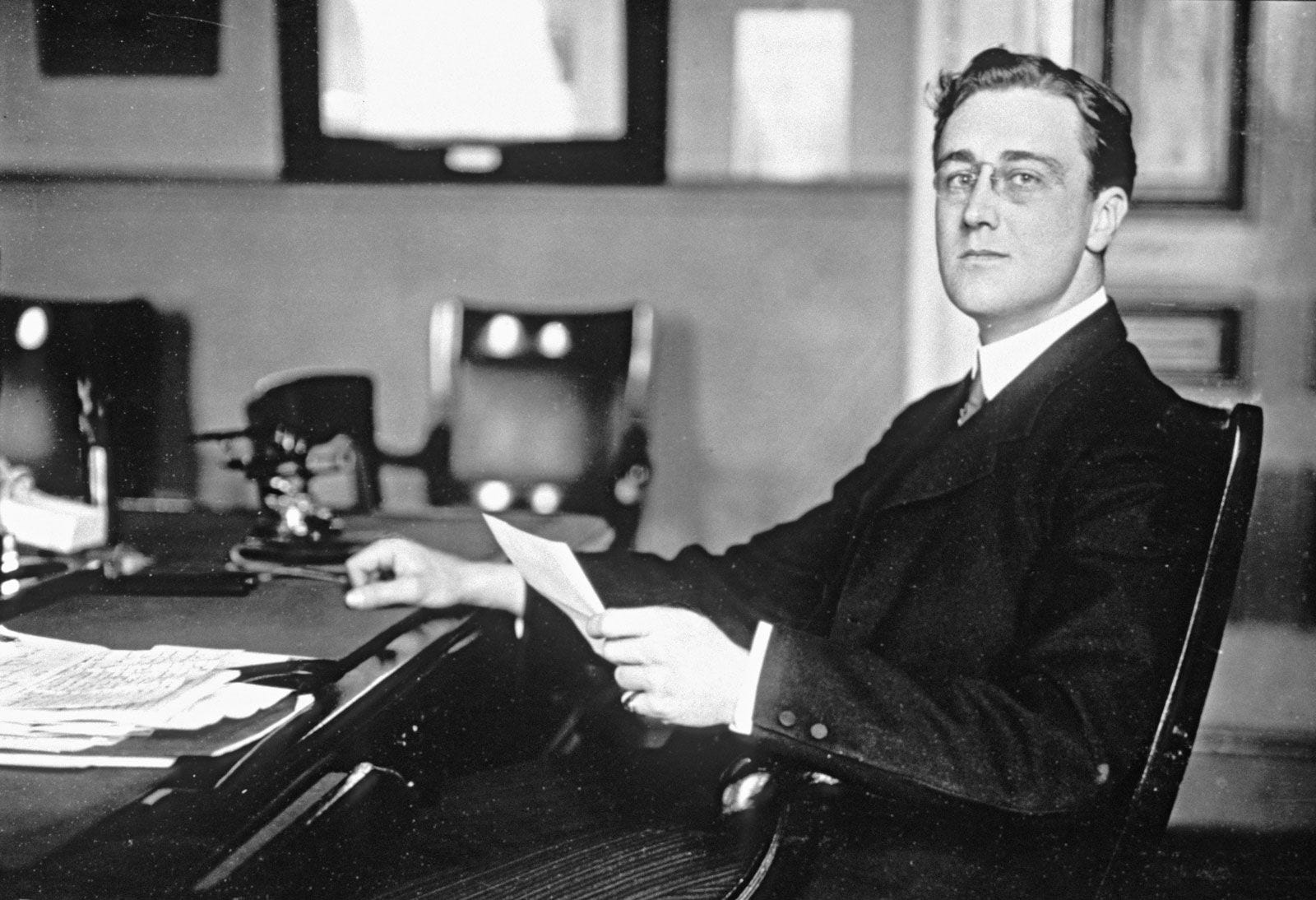
Franklin Roosevelt (shown above) provides an excellent example of the system at its height. Roosevelt was born into a wealthy and established New York family. At age fourteen, he was sent to Groton School in Massachusetts, which had been founded by the Episcopal clergyman Endicott Peabody.
Peabody believed that boys born into privileged families had obligations to society. Groton emphasized Christianity, physical fitness, self-discipline, leadership, and public service alongside academic education.
Roosevelt later attended Harvard, entered politics, served as Assistant Secretary of the Navy, became governor of New York, and eventually a four-term President of the United States.
The similarities to the British gentleman were not accidental. The American WASP upper class had adopted a British solution to a problem faced by any wealthy society: how to turn economic success into a socially legitimate governing elite. America rejected noble titles, but it imported many of the institutions and values that Britain had developed to define what a gentleman should be.
The British gentleman evolved over centuries from a hereditary warrior and landed elite into a much broader social ideal. The crucial development was the gradual separation of the gentleman from the nobleman.
Britain remained highly unequal and class-conscious, but its upper class was unusually capable of absorbing successful outsiders. Merchants, professionals, industrialists, and other wealthy families could gradually join the established elite by acquiring property, education, manners, connections, and a reputation for public service.
The American WASP upper class later adopted this British model and adapted it to a republic without hereditary titles. In doing so, Americans imported not simply British upper-class manners, but a British method for turning wealth and privilege into a governing class.
David Cannadine, The Decline and Fall of the British Aristocracy
F. M. L. Thompson, English Landed Society in the Nineteenth Century
Mark Girouard, The Return to Camelot: Chivalry and the English Gentleman
Philip Mason, The English Gentleman: The Rise and Fall of an Ideal
Lawrence James, The Middle Class: A History
If you’ve been enjoying these essays but only follow me here, you’re not getting them by email. Followers see Notes; subscribers receive every new piece on the history and future of progress.
Subscribe free here 👉:
If you enjoyed this article, you should read my From Poverty to Progress book series.
Comments
Nothing yet. Say the first thing.
Sign in to join the conversation.