
Dear Community,
As difficult and distressing as the start of the new year has been, CPWA is entering the months ahead committed to connection and momentum.
As we enter February, we pause to honor Black History Month and the ongoing leadership of Black parents, birthworkers, clinicians, advocates, and community leaders who have long carried the work of care, survival, and transformation in perinatal mental health.
At CPWA, we understand Black history not as something confined to the past, but as something alive in today’s struggles and solutions. Black families continue to experience disproportionate harm from systems that fail to provide timely, culturally responsive, and accountable perinatal mental health care. At the same time, Black communities continue to lead the way in imagining what joyful birth and healing can look like when systems are built with the people they serve.
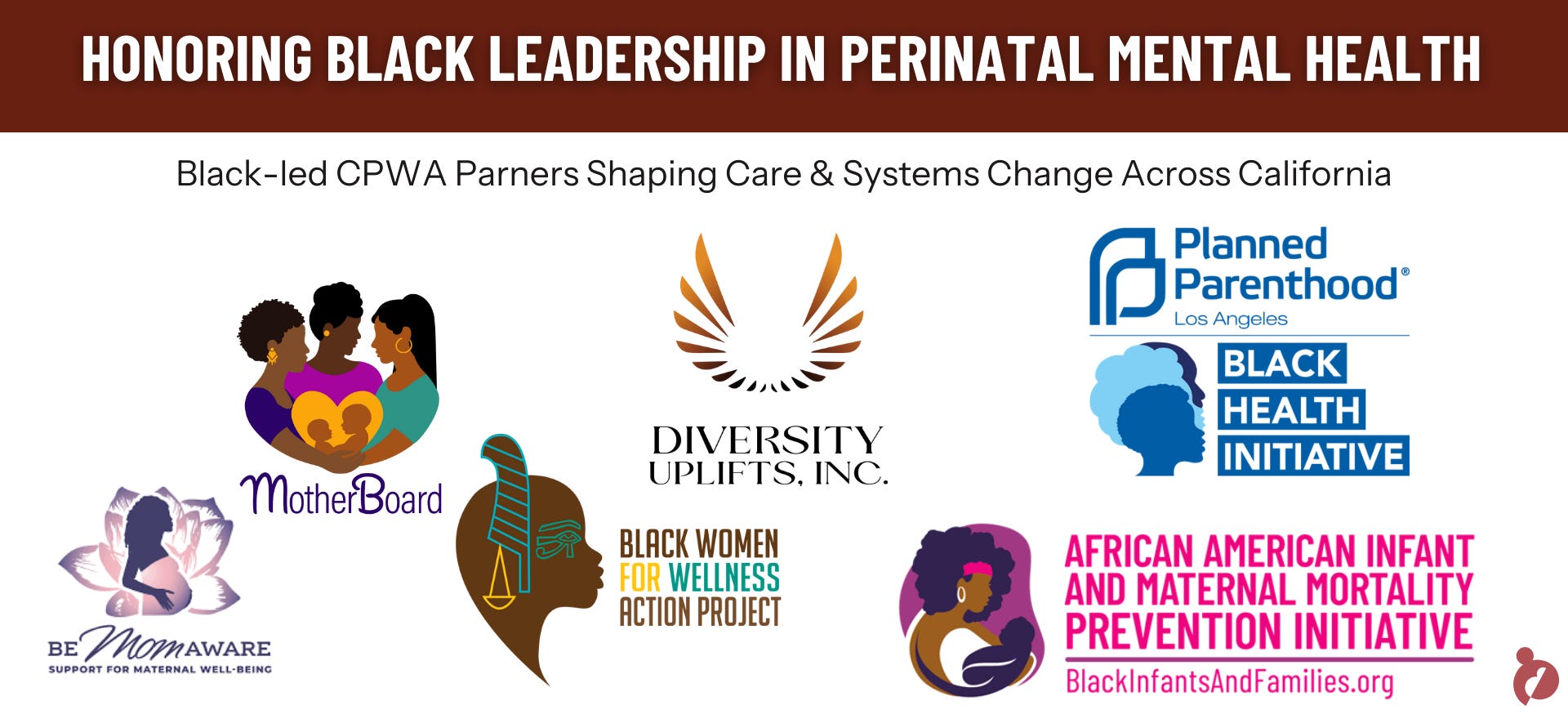
This month, we’re holding both truths: the urgency of what still needs to change — and deep gratitude for the leadership shaping that change alongside us.
At the heart of CPWA’s work is storytelling — not to retraumatize, but as medicine for healing, and evidence for systems change.
This month, we’re lifting up Monet’s story, which reflects what can happen when perinatal mental health warning signs are met with punishment instead of care.
During her pregnancy, Monet was diagnosed with antenatal depression and hyperemesis gravidarum — known risk factors for postpartum depression. After her daughter was born, intrusive thoughts emerged. Monet did what we encourage parents to do: she asked for help.
Unable to reach Child Protective Services, Monet called 911 while overwhelmed and exhausted. Instead of support, the police removed her child, who was placed in foster care. Despite no diagnosed mental illness, Monet’s request for help was used as evidence against her — a devastating outcome shaped by systems largely untrained in maternal mental health.
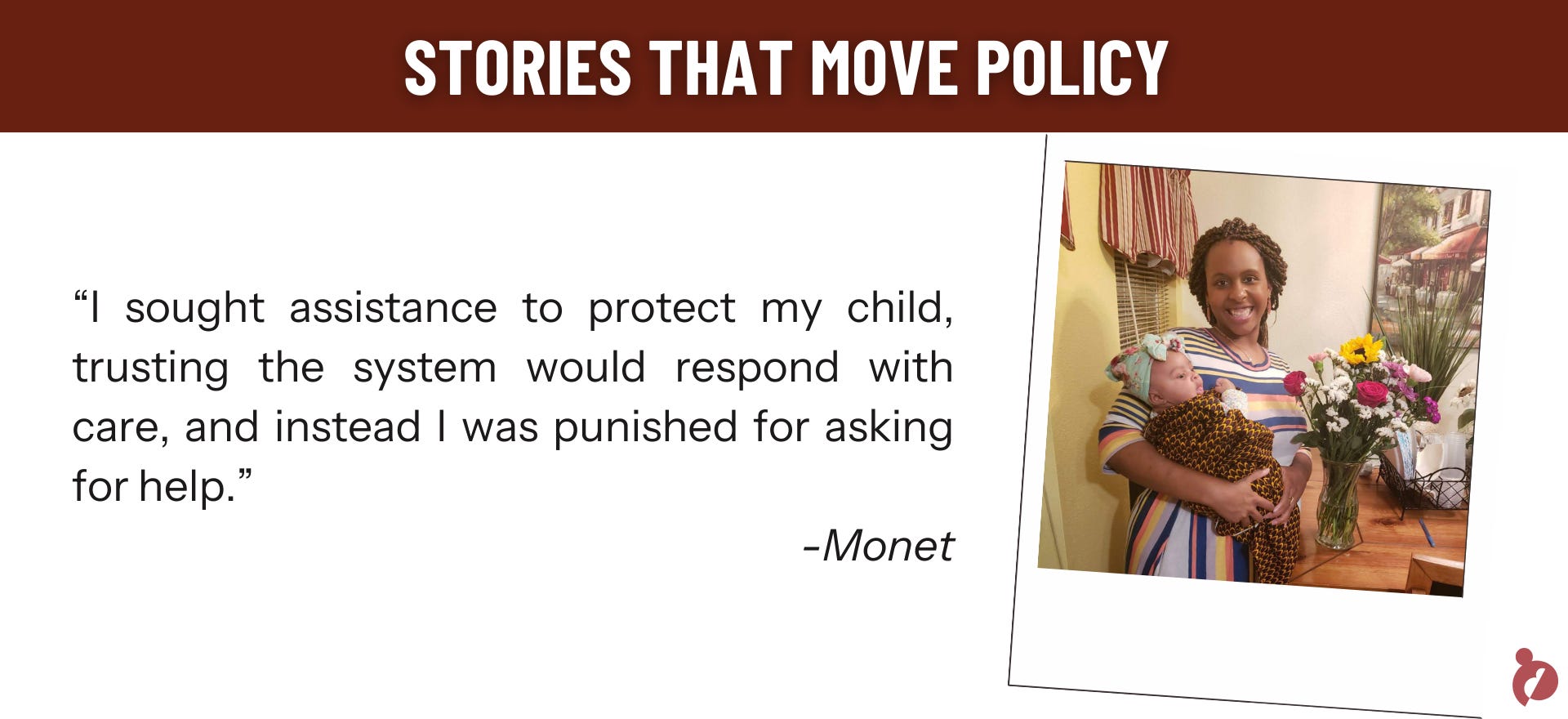
Monet’s story is not an exception. It’s a warning — and a call to build systems that respond to parents with care, not criminalization. We’ll continue sharing stories like Monet’s, and are preparing to relaunch our website’s storytelling campaign soon to further amplify lived experience as a driver for systems change.
On January 23rd, CPWA was featured on Spectrum News in recognition of Maternal Mental Health Awareness Day, helping bring perinatal mental health into a broader public conversation.
The segment centered voices from across the ecosystem — Yvonne Nettles, Elyse Springer, and Dr. Kimberly Gregory of Cedars-Sinai — and highlighted CPWA’s Breaking the Silence Storybook as a tool for elevating lived experience in conversations about care, access, and systems reform.
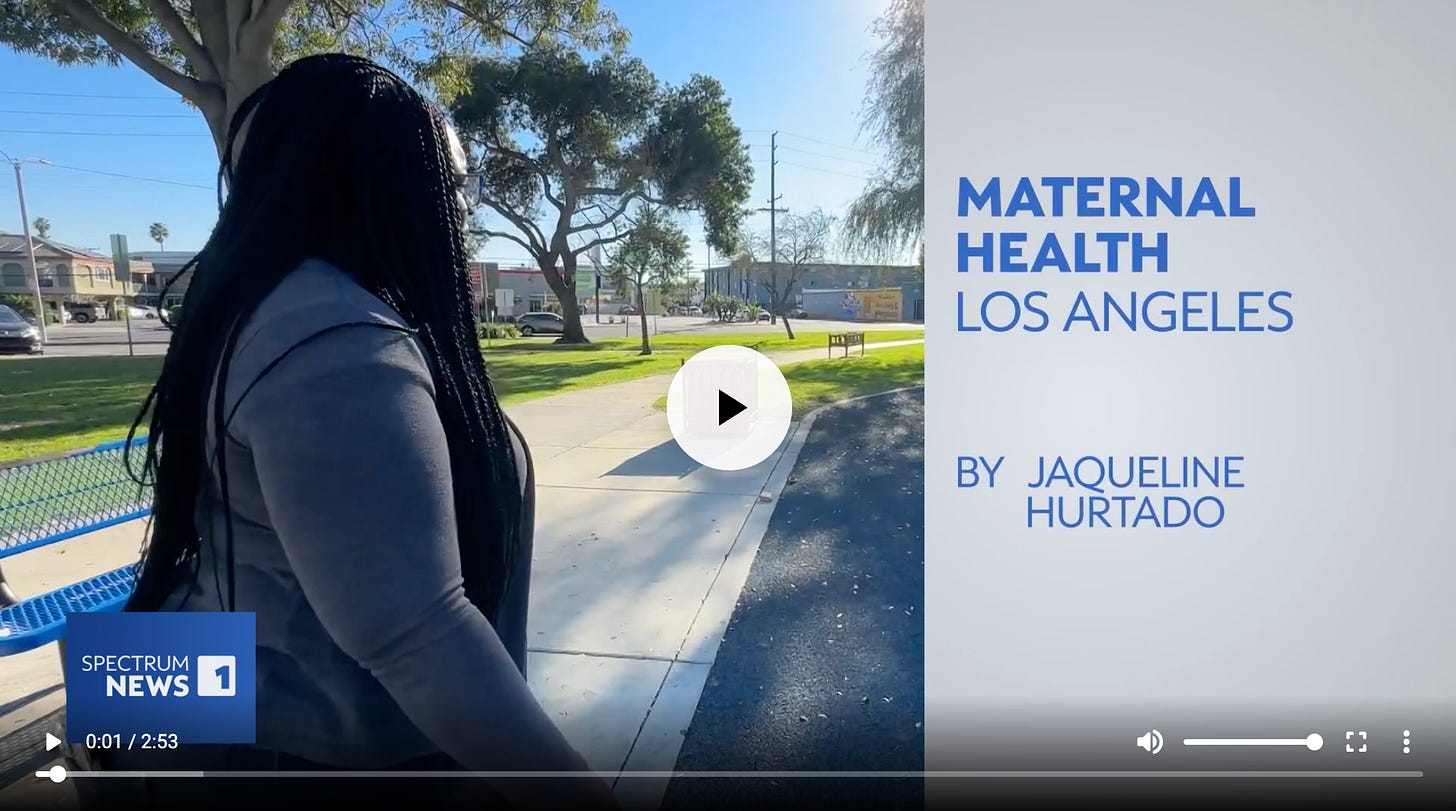
Media moments like this matter not because they’re flashy, but because they help shift what — and who — is seen as credible, urgent, and worthy of investment.
Last week, we gathered in the Eaton Fire-impacted community of Pasadena for our first-ever Pain to Power Party — an intimate evening of storytelling, connection, hope and action. Together, we watched The Imperfect Mothers Club short documentary, heard reflections from Assemblymember John Harabedian, and shared dialogue about what prevention and care can truly look like.
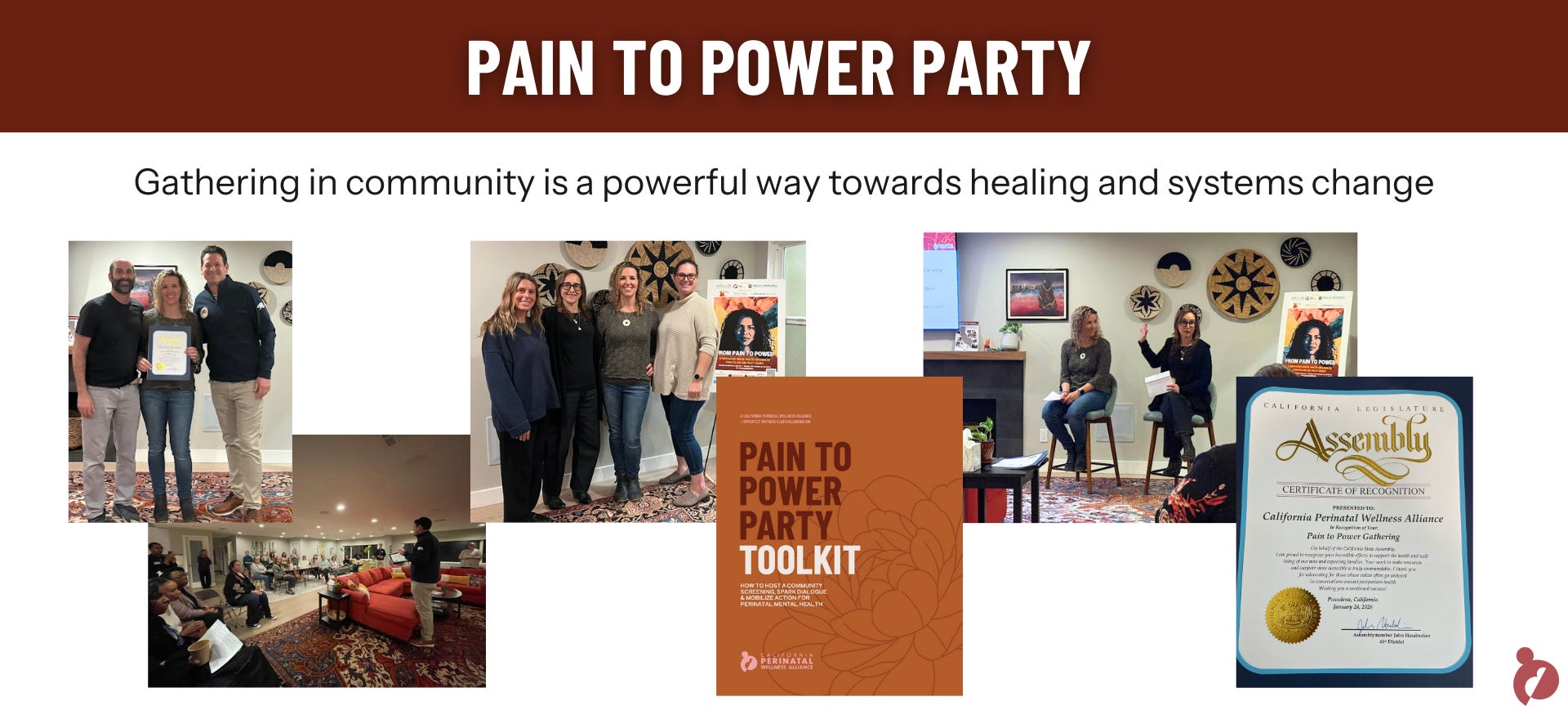
What we heard reaffirmed what so many are seeking: spaces that feel human and relational, grounded in love, dignity and belonging.
Building on that energy, we’re excited to launch our new Pain to Power Party Toolkit, designed to support community members, organizations, and advocates who want to host their own screenings and facilitate thoughtful, trauma-informed conversations.
We’re also continuing preparations for our April California Perinatal Mental Health State Agency Roundtable, and for the From Pain to Power 2.0 Convening, taking place in May at Wellnest in South LA.
As we prepare for these upcoming gatherings, we invite you to support this work in ways that feel aligned. You can contribute as an individual or explore sponsorship opportunities to help ensure community members and survivors can fully participate.
View Sponsorship Opportunities
Your support helps make care-centered, survivor-led convenings possible.
As always, thank you for being part of a community that believes care is a public good, stories matter, and systems must be built with the people they serve.
In solidarity and gratitude,
Cassie Gardener Manjikian, MPH
Co-Founder & Director
California Perinatal Wellness Alliance
No posts
Comments
Nothing yet. Say the first thing.
Sign in to join the conversation.