
New Years here is different.
I learned the hard way. It was 39 years ago, a few months after I had ‘stepped off the boat’ into my new life. That first December I was excited for New Years because Japan is Asia, right?
And Asia nails New Years.
I imagined sky rockets arcing across the night sky, and long strips of red paper firecrackers ripping like gun shots through streets, bars, and restaurants. Everyone laughing, clinking glasses, making stupid noise. Painted paper dragons would be dancing through streets, all part of frantic parades, dancing, smoke, incense…
Japan will pull out the stops, I thought!
Ummm. What I got was almost blacked-out streets in Tokyo and across the country. Every shop closed, all neon off, and a population of 130 million or so cocooning at home with family. It was a national snooze fest.
Before I attempt to explain what a Japanese New Year consists of, let me make one note. Christmas, a week before the sleepy end of the year, is the flipside. It’s all about Fun.
Of course here it has nothing to do with the birth of Christ. Instead it somehow got interpreted as getting dressed up in your finest, dinner reservations at top restaurants, sky high pricey “Dinner Shows” headlined by television, movie, and singing stars, nighttime bay cruises, and eating white-frosted cakes (with strawberries). There’s gift-giving, but only to that one special boy or girl.
Yes, Christmas is Japan’s number one “date-o night-o,” a chance to bring your love out for some one-on-one romance time. (On Christmas night, single people don’t even try to get restaurant reservations. They eat microwave at home alone.)
So if you think about it, it’s all pretty easy to remember---just flip the sensibilities. Christmas is fine dining and Champagne time, while New Years is pajama time with the family.
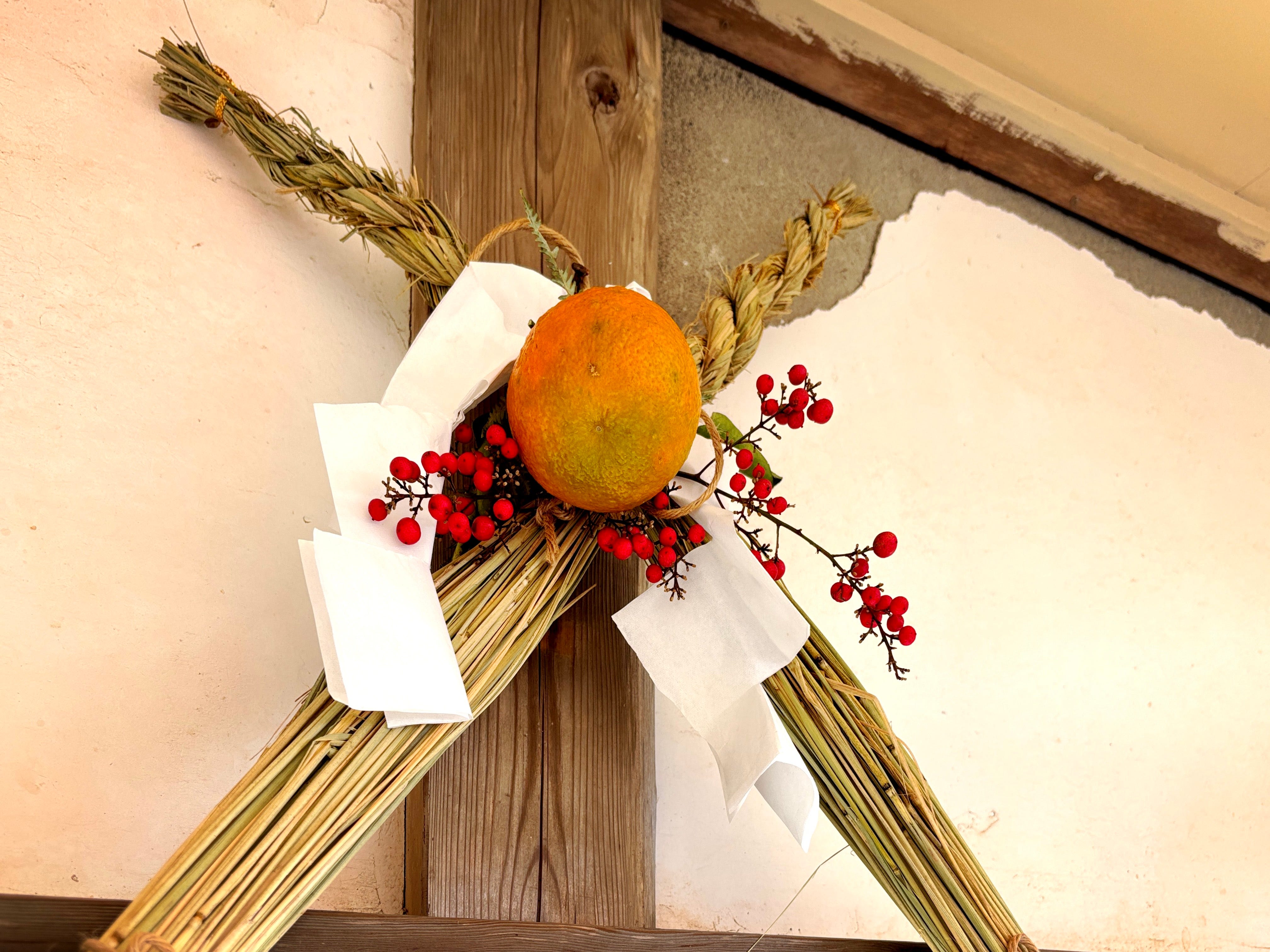
Rural Frog’s Glen is a good place to witness traditional Japanese New Year. Starting on about December 30, cars containing the families of sons or daughters (who live in Tokyo most likely) roll into the Glen to spend the next few days with grandpa and grandma. The families disembark their vehicles and bow to grandma and grandpa (this is not a hugging and kissing culture).
The elderly remark how much the grandkids have grown.
The mother in the car, whether she is actually the daughter of the property or the visiting daughter-in-law spouse, is never happy about being there. You see, she is not really a guest. She is a pair of hands.
For the next several days, her job will be much more than minding her own kids. She will be roped into cooking, cleaning, serving, clearing, and pouring for all meals that will ensue. She will do these tasks together with grandma who will show her gratitude by criticizing and second-guessing every move she makes.
Verbal fights do occasionally break out, but are quickly hushed.
You might be thinking I’m making broad generalizations. Not all families would have these same dynamics. But trust me. It’s all written into a script written centuries ago.
The men…you already know where this is going. They lay around for three days under the kotatsu warming table. They bark, “Beer!” when their glasses are empty. And the most effort they will make until the holiday ends is to reach every once in a while for the TV remote.
They get up to take baths. They talk about sports. And in audible voices they denigrate the work their wives do on just about anything…raising the kids, the cooking, whatever.
So much for meek, polite Japan.
Food during Japanese New Years can only be described as oddball. Yes, there are a few dishes here and there you may have seen, like a plate of tempura, but largely a holiday menu appears that will not re-appear until 12 months later.
There are things like gooey seaweeds and potatoes, large candied black beans, candied dry tiny fish you eat whole, heavily vinegar’d radishes and roots, pickled birds’ eggs, rare eggs of fish you don’t know the name of, stewed chicken organs, and ferns. It’s a ‘Menu of Challenge’ for us foreigners…and I suspect for many Japanese as well.
But they would never say that. They say yum and plow ahead.
One thing that is very smart about Japanese New Year is this huge menu is all pre-cooked and stored on plates and in Tuppers days ahead of time. Grandma just rolls out cold plates from the kitchen when other plates or lacquered boxes are finished. So there really isn’t ever a bustle going on in the kitchen. Just a never-ending clearing and fetching.
Children run around. Quite loudly. Little Japanese boys (for the rest of their lives actually) are given anything they please while little Japanese girls are given everything they please up to about age 8. After that, they might still be given things but only after their brothers have been served.
You think I’m exaggerating. I’m not.
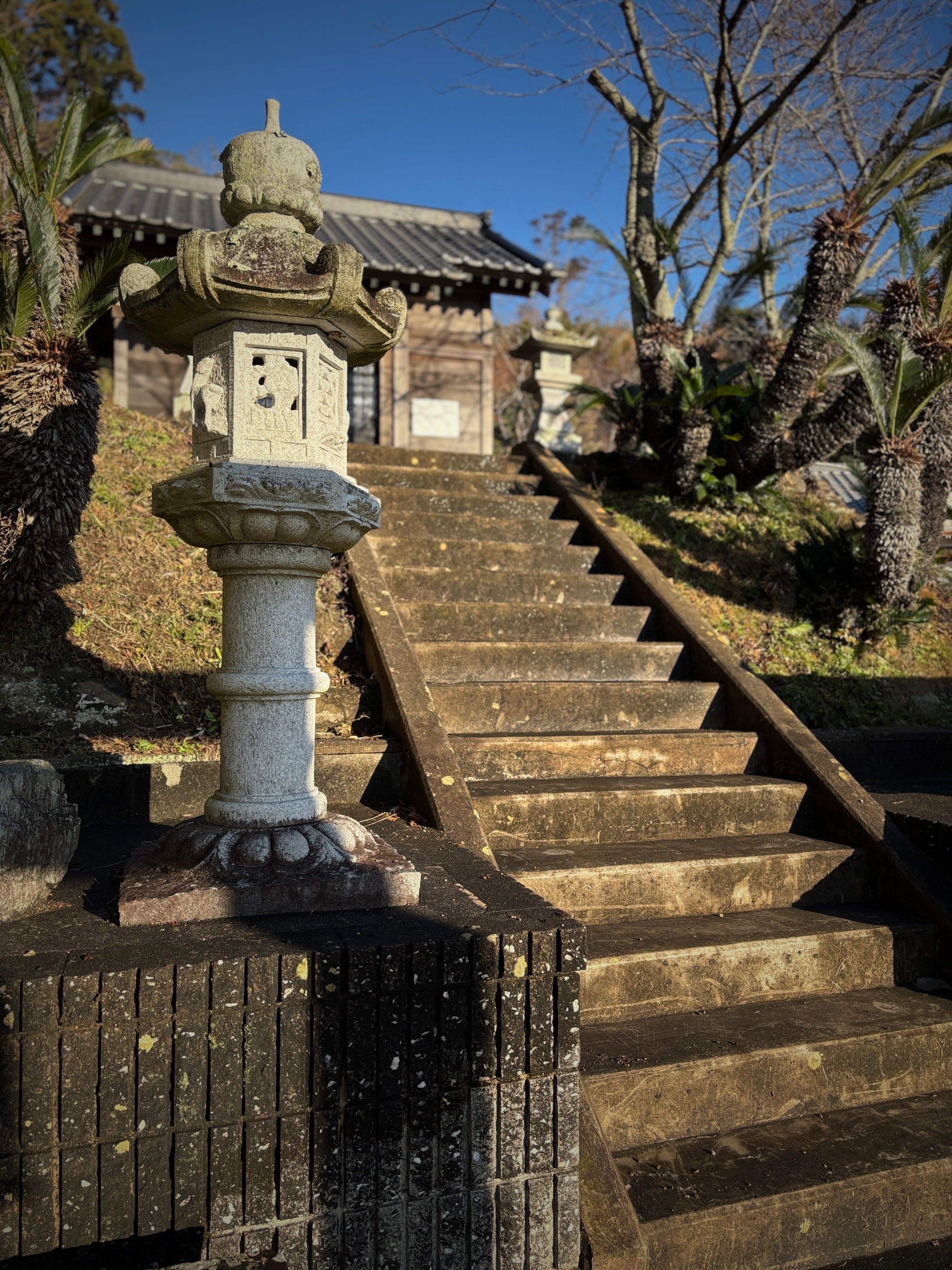
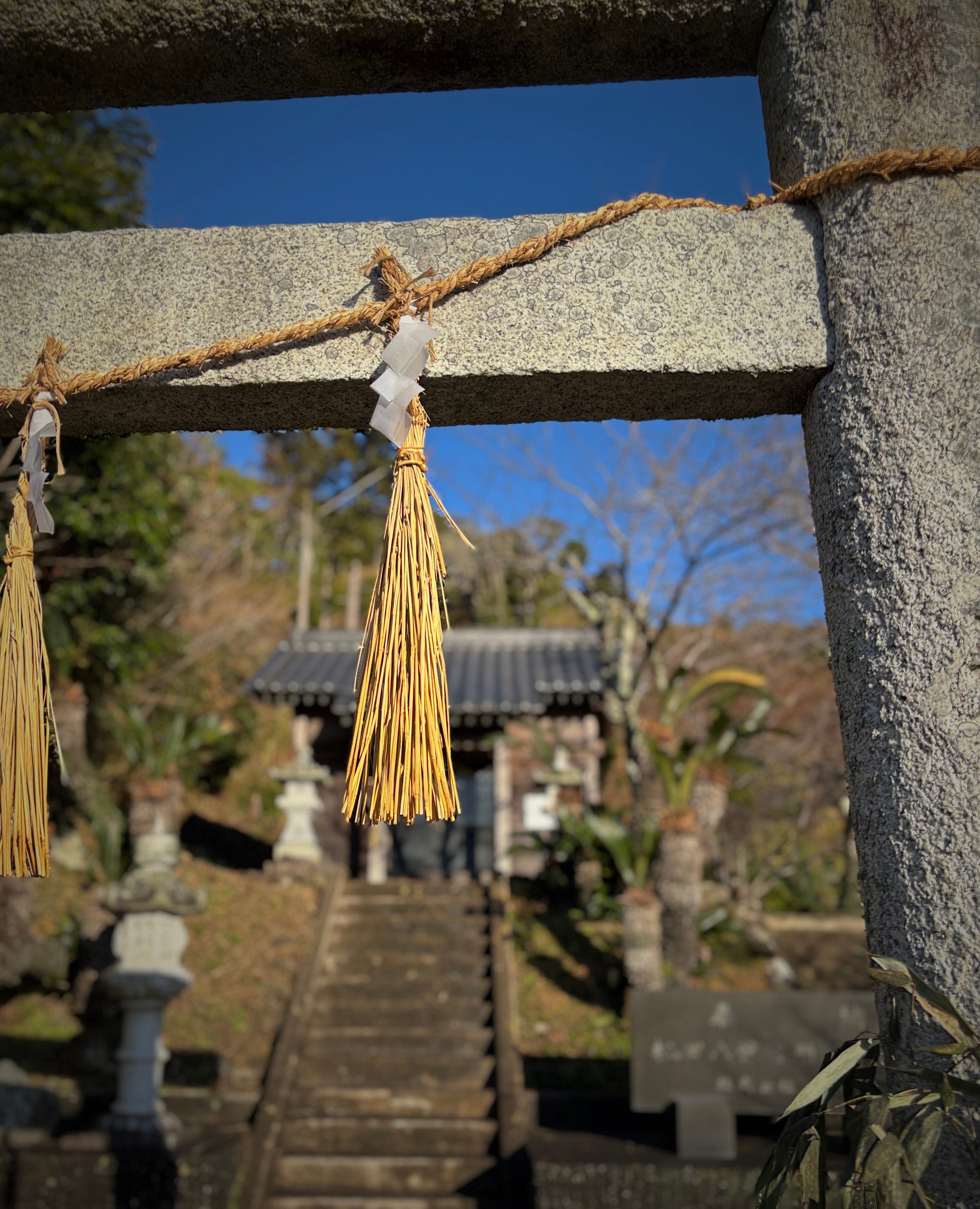
So this scene goes on for a few days until the night of December 31. Around midnight, the families emerge from their blacked-out houses wrapped head to toe in the warmest clothes they can find, and grasping flashlights, walk to the local shrine.
Dads are sort of perma-buzzed from beer-drinking jags that only paused for nap times, while moms are all in bad moods trying to maintain control of the kids. At the shrine, the Abbot will speak a bit and then at the stroke of midnight he and his fellow priests will solemnly ram a large iron bell several times with a suspended log of wood. Everyone wishes his or her neighbor the best for the New Year.
The night isn’t over until everyone has a hot bowl of soba noodles. It is believed that eating soba gives you good luck for the new year, and that it will also make you richer. You can go on the Net and find more than 50 explanations about why Japanese think soba noodles enhance finances, but I’m sticking with the story I was told long ago. There was a guy who spilled gold dust on the floor and then used moist soba noodles to blot up the treasure…thus, soba equals gaining wealth.
As I mentioned earlier, I was caught flat footed in Tokyo my first New Years, not knowing that the entire nation, for a stretch of about five days, would go poof back to their family homes for these rituals.
I was living in what was called a student apartment, which really meant that it was dirt cheap. It seemed to be stapled together from cardboard and paper, and had crooked-fitting doors and windows. I shared a toilet with the guy next door.
So-called student apartments in those times had no baths, shared or otherwise. All of us went to the neighborhood public baths down the alley each evening to get clean.
When New Years came that first year, the neighborhood went black. As I was for all intents and purposes deaf, dumb, and blind language-wise, I didn’t know why. I went down to the public baths and found they were also shuttered. A passerby helped me understand the handwritten Japanese-language sign taped to the door. “Closed until January 5.”
WHAT? Neighbor-less and shop-less for a six-day holiday was bad enough, but now I was also bath-less.
So much for dragons in the street and fireworks in the sky.
My little apartment had a water spout in the kitchen that ran heated water if I clicked on a Tinker Toy gas burner bolted to the wall. I sponge bathed and washed my hair in the sink for five days.
Years later as I made local friends, I found myself sometimes invited to a family’s New Years celebration in their homes. I ate the sweet black beans and dried candied fish. I also watched the men bark for beers as they reached for the TV remote.
My hosts sometimes asked if in America we do much the same for New Years. I said no, and then (as nicely as I knew how) asked grandma if I too could have another beer.
Comments
Nothing yet. Say the first thing.
Sign in to join the conversation.