
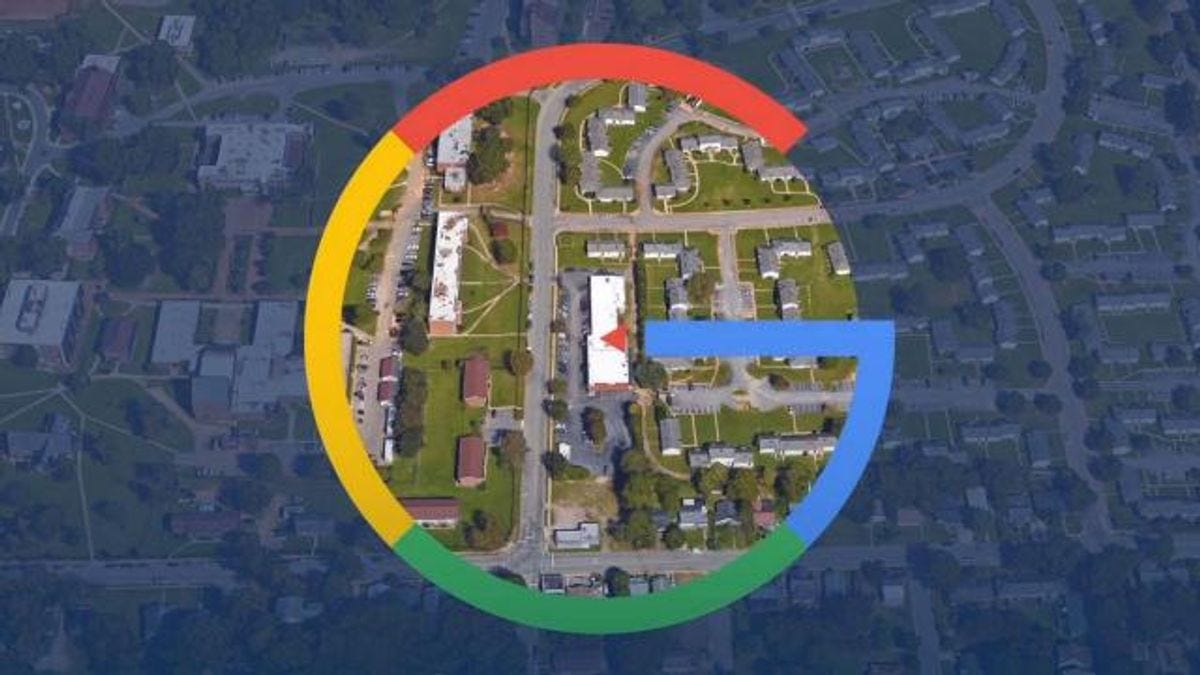
We are all carrying GPS trackers in our pockets for years. That tracker is our Android or Apple device, your carrier, and a long list of apps rather not the government directly.
Back in 2019, investigators in Virginia used a geofence warrant to ask Google for data on every device that had been near a robbed bank within a specific time window. That search eventually pointed them to Okello Chatrie, whose phone data showed it was near the bank at the time of the robbery, and he was convicted. The case — Chatrie v. United States — made its way up through the courts because it raised a basic question: when the government taps into location history like this, is it a search under the Fourth Amendment or just mining data we’ve already shared with a tech company?
A few days ago, the Supreme Court finally ruled with a 6-3 decision that using a geofence warrant to pull Google Location History is a search, and that means the Constitution’s protections apply. With this decision the Court held that people have a reasonable expectation of privacy in records about their phone’s location — even if those records sit on Google’s servers and even when the government asks for only a short slice of time. The justices sent the case back to the lower court to decide whether this particular search was reasonable, but the headline is clear: location history is not just another pile of business records; it’s deeply personal.
That ruling didn’t come out of nowhere. Eight years earlier, in Carpenter v. United States, the Court had already said that accessing cell-site location information — the pings your phone sends to towers — was a search because it can reveal a comprehensive chronicle of your movements. In Chatrie, the Court recognized that Google’s Location History is even more granular, logging your position roughly every two minutes and often down to the floor of a building by combining GPS, Wi‑Fi, Bluetooth, IP address, and other signals. If you zoom out, a week or a year of that kind of data can show where you sleep, who you visit, what doctor you see, what church or mosque you attend, and what protests you join.
What’s changed since that 2019 bank robbery isn’t just the law. It’s the technology companies themselves. As geofence warrants exploded — Harvard Law Review documented that requests to Google grew more than 1,500 percent between 2017 and 2018 and another 500 percent the next year — pressure mounted on Google to rethink how it stored and shared location data. Civil liberties groups pointed out that geofence warrants search everyone in a given area first and ask who looks interesting later, flipping the idea of probable cause on its head.
Starting around 2020, Google began turning Location History off by default, requiring people to opt in if they wanted a long-term record, and it added auto-delete options so that data could be wiped after a set period. By 2023, Google announced that it would shorten the default retention period from 18 months down to just three months and move Timeline data toward being stored primarily on users’ devices rather than in Google’s cloud. Privacy advocates like the Electronic Frontier Foundation welcomed this, noting that on-device storage plus encryption would make it much more difficult — if not impossible — for Google to provide mass location data in response to a geofence warrant.
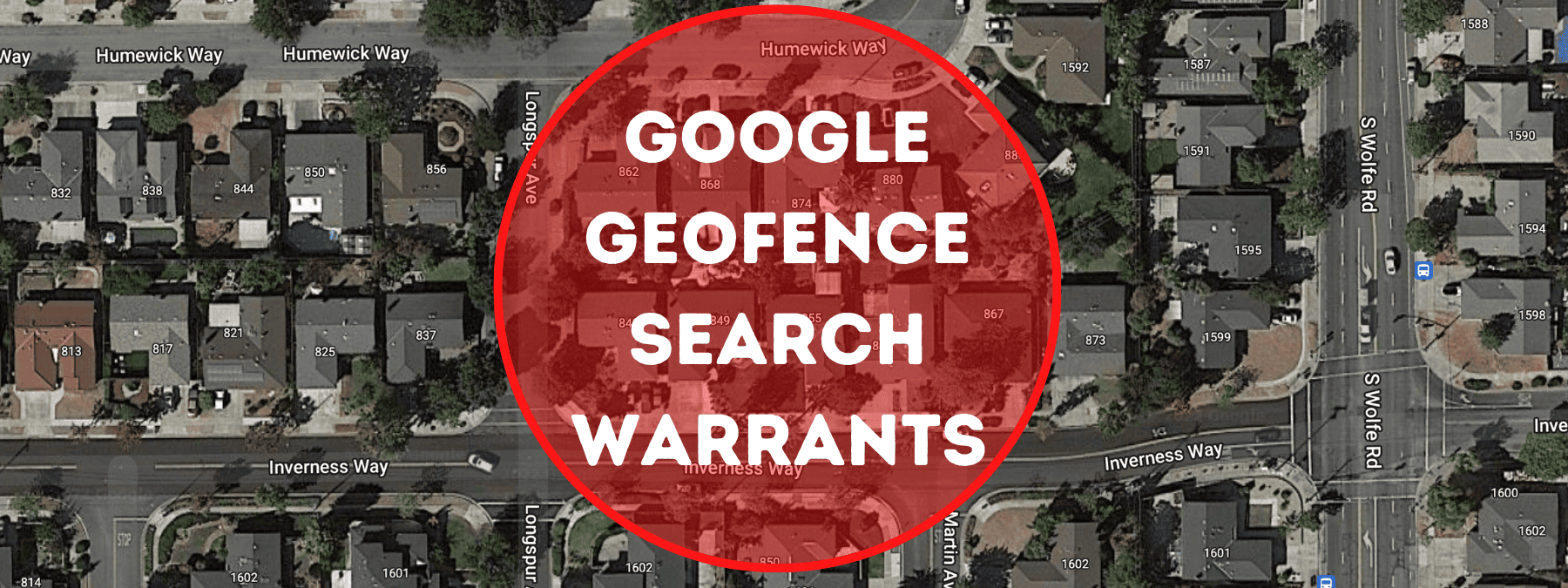
The Dobbs decision overturning Roe v. Wade in 2022 added another layer of urgency, as people worried that visits to clinics or counseling centers might be used against them. In response, Google announced it would automatically delete location entries showing visits to sensitive places like fertility centers, domestic violence shelters, and abortion clinics soon after they occurred. That was followed by more promises in late 2023 and into 2024 to store Timeline on-device, shrinking the auto-delete window, and giving users better tools to clear activity tied to specific locations in Maps.
Then, in July 2025, Google went further and began storing all Location History data on-device in a way that made it unable to respond to geofence warrants at all. By cutting itself out of the location information loop, Google effectively told law enforcement they’d need targeted warrants for a specific accounts or devices instead of demanding a list of everyone who happened to be nearby. Interestingly, Google has now urged the Supreme Court to strike down geofence warrants altogether, aligning itself — at least on this issue — with privacy advocates.
So where does that leave us, the people actually carrying these devices around every day? On one level, the Chatrie decision and Google’s changes represent a real win for digital privacy. Also, it appears that courts are finally recognizing that what we store in the cloud is still ours, and the biggest tech platforms are re-architecting systems so they hold less sensitive data for shorter periods. On another level, nothing about this stops the government from getting targeted location data when it has probable cause, or from seeking similar information from other apps and companies that haven’t made these kinds of changes.
Here’s the thing, folks: We can’t just outsource our privacy to the courts or to the platforms. Judges can draw constitutional lines, and companies can tweak retention settings, but we still decide which services to enable, which apps to trust, and how much of our lives we’re willing to make machine-readable.
With that . . . We need to take two minutes and open our phone’s location settings. Look at whether Location History is on, how long it keeps data, and whether we’re comfortable with that in a world where those logs can be the deciding evidence in a courtroom.
The story from 2019 to 2026 is that location history went from invisible exhaust to constitutional battleground. The next chapter will be written by the small decisions each of us makes — what we turn on, what we turn off, and how seriously we take the idea that our phones are not just smart, but also powerful witnesses.
For those who use the technology every day it is important to decide what information your are allowing the technology collect about you.
Please visit Binary News where we post regular opinion pieces about including but not limited to business, politics, sports, and technology.
No posts
Comments
Nothing yet. Say the first thing.
Sign in to join the conversation.