
If you visit the Eugène Delacroix Museum, do not expect the typical experience of other Parisian museums; here, there are no grand staircases, cavernous rooms, or noisy crowds, just the sound of your footsteps on the antique parquet floors and the uncanny sensation of stepping into someone’s private home. You are, after all, in the apartment where Delacroix spent his final days. As you visit today, the atmosphere remains so steeped in the artist’s creative spirit that you almost expect to find him sitting there, bathed in the light from the glass roof, easel in hand. It is, in my view, one of the most inspiring places in Paris.
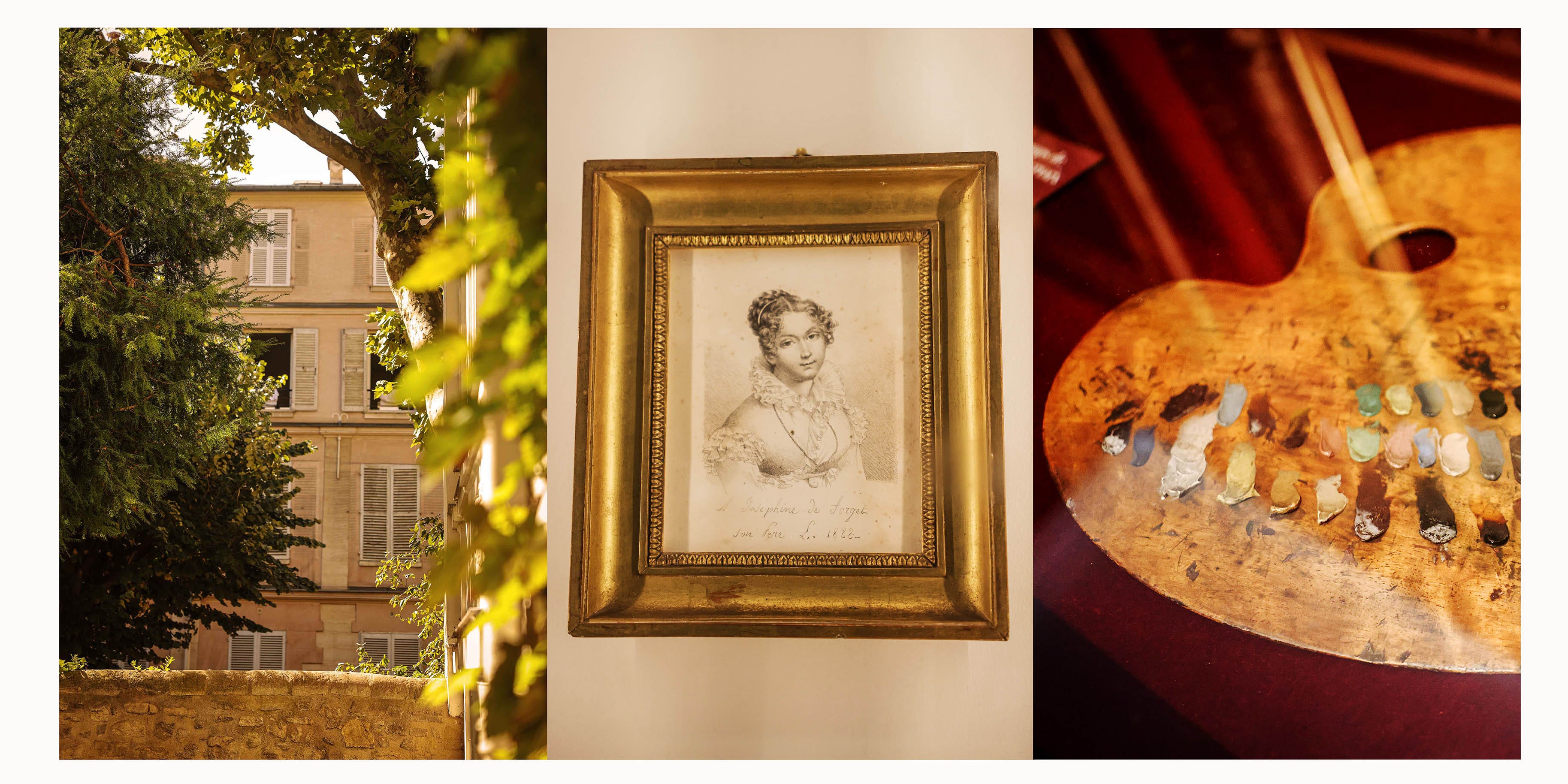
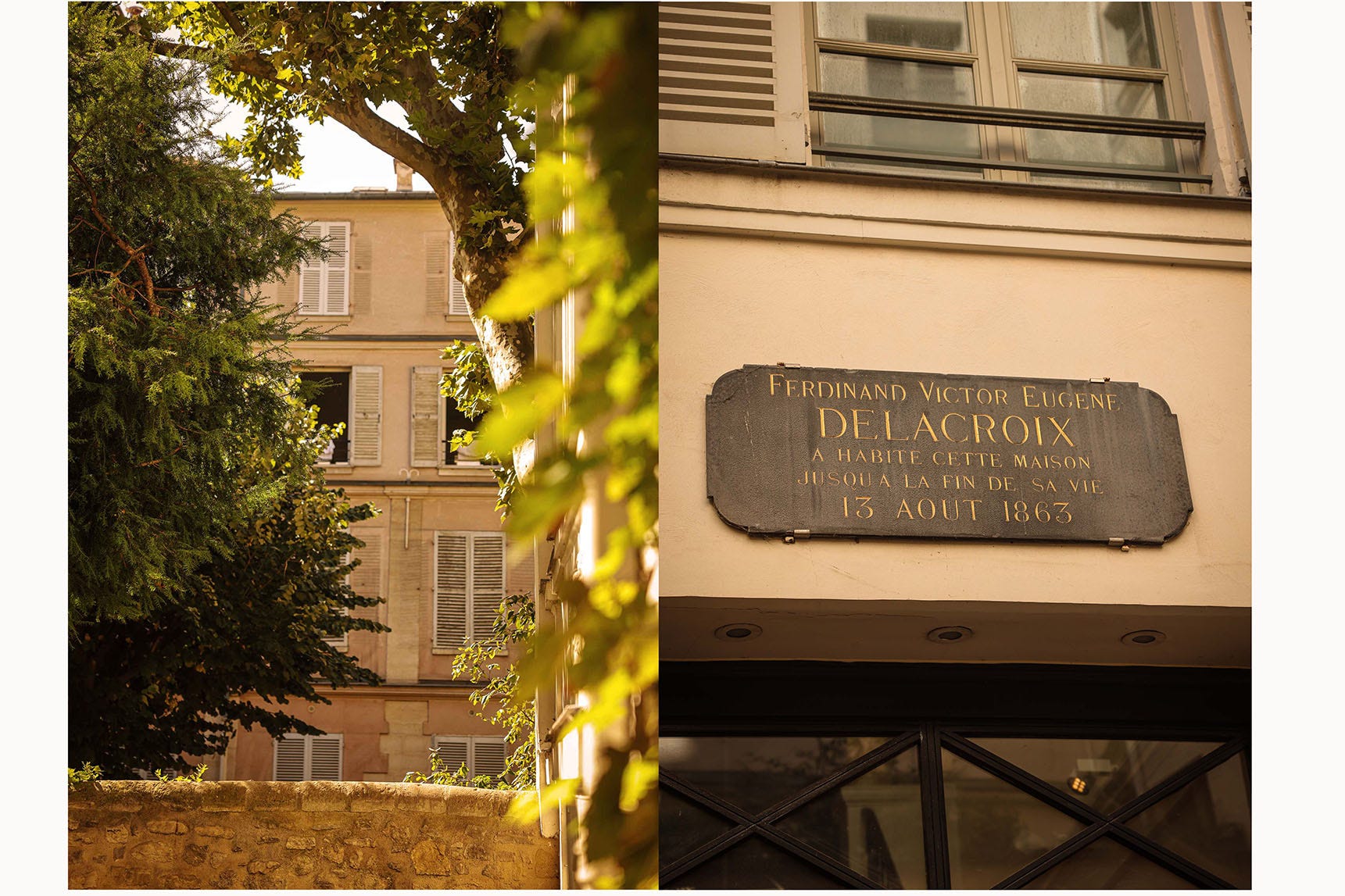
Eugène Delacroix moved into this peaceful haven at 6 Rue de Furstemberg on December 28, 1857. He wanted to be closer to the Church of Saint-Sulpice, where he had been commissioned to decorate a chapel back in 1847. Suffering from ill health for several years, the artist was determined to complete the work but could no longer manage the long daily commute from the Right Bank. He was therefore delighted to find quiet, airy accommodation, nestled between a courtyard and a garden on the first floor of a building relatively close to Saint-Sulpice.
Delacroix is considered one of the masters of Romanticism. A look at his paintings reveals the influence of Rubens, whose work he greatly admired, particularly in the way he rendered the play of color on skin tones. You will also notice that he often structures his paintings around a central white "S" shape (frequently a garment, though sometimes a horse) and enlivens them with red accents that stand out thanks to their complementary relationship with the dark green tones. This is particularly evident in one of his most striking works, painted when he was twenty-six: “The Death of Sardanapalus”. It depicts the story of a king who orders the slaughter of his wives and horses and the destruction of his riches. With its rhythm, curves, sense of movement, and dissonance, the painting marked a turning point in art history.
And it was in 1831 that Delacroix, marked by the French Revolution, painted the work that is his most famous today. A national monument, an allegory of liberty that would spark a major scandal: “Liberty Leading the People”.
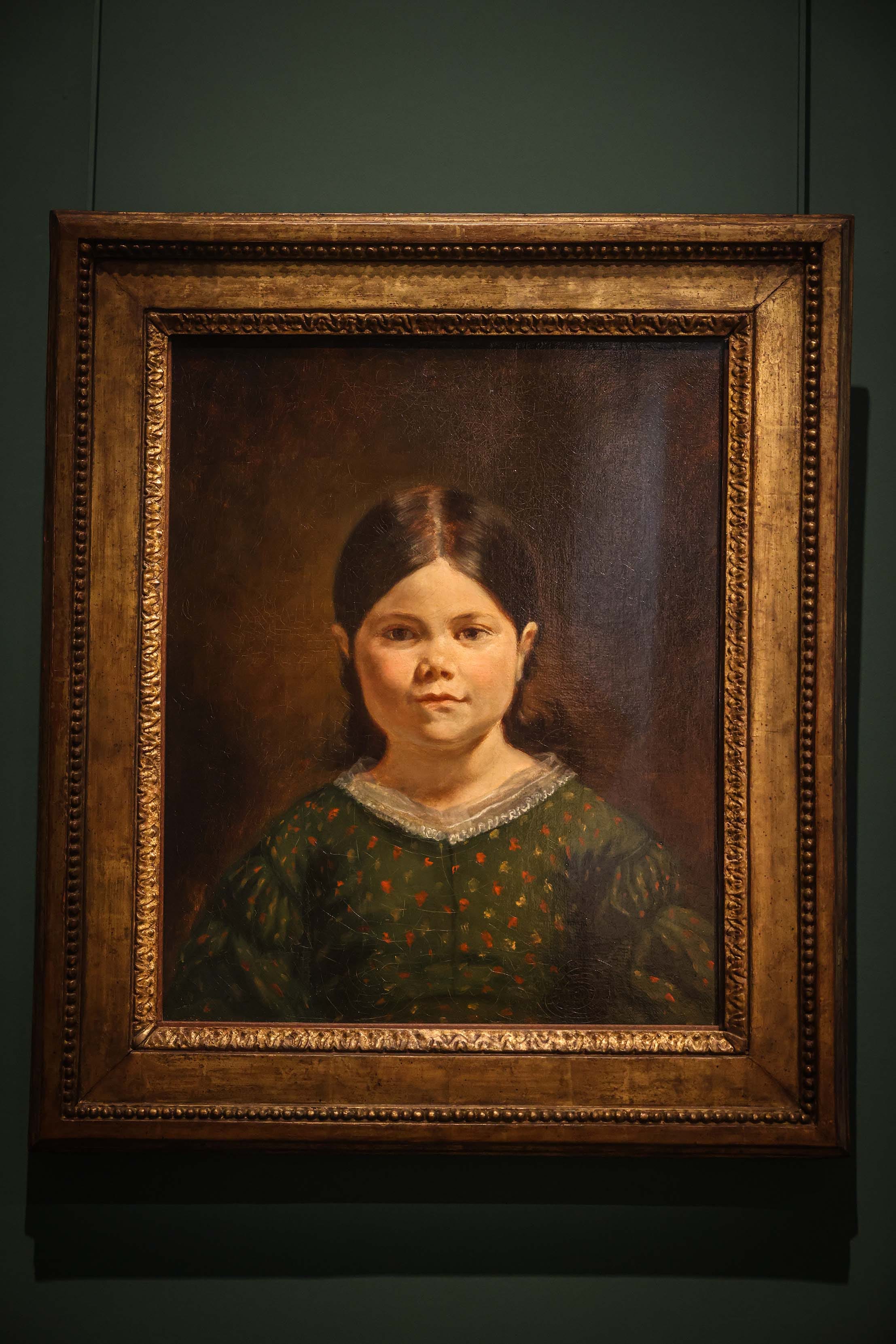
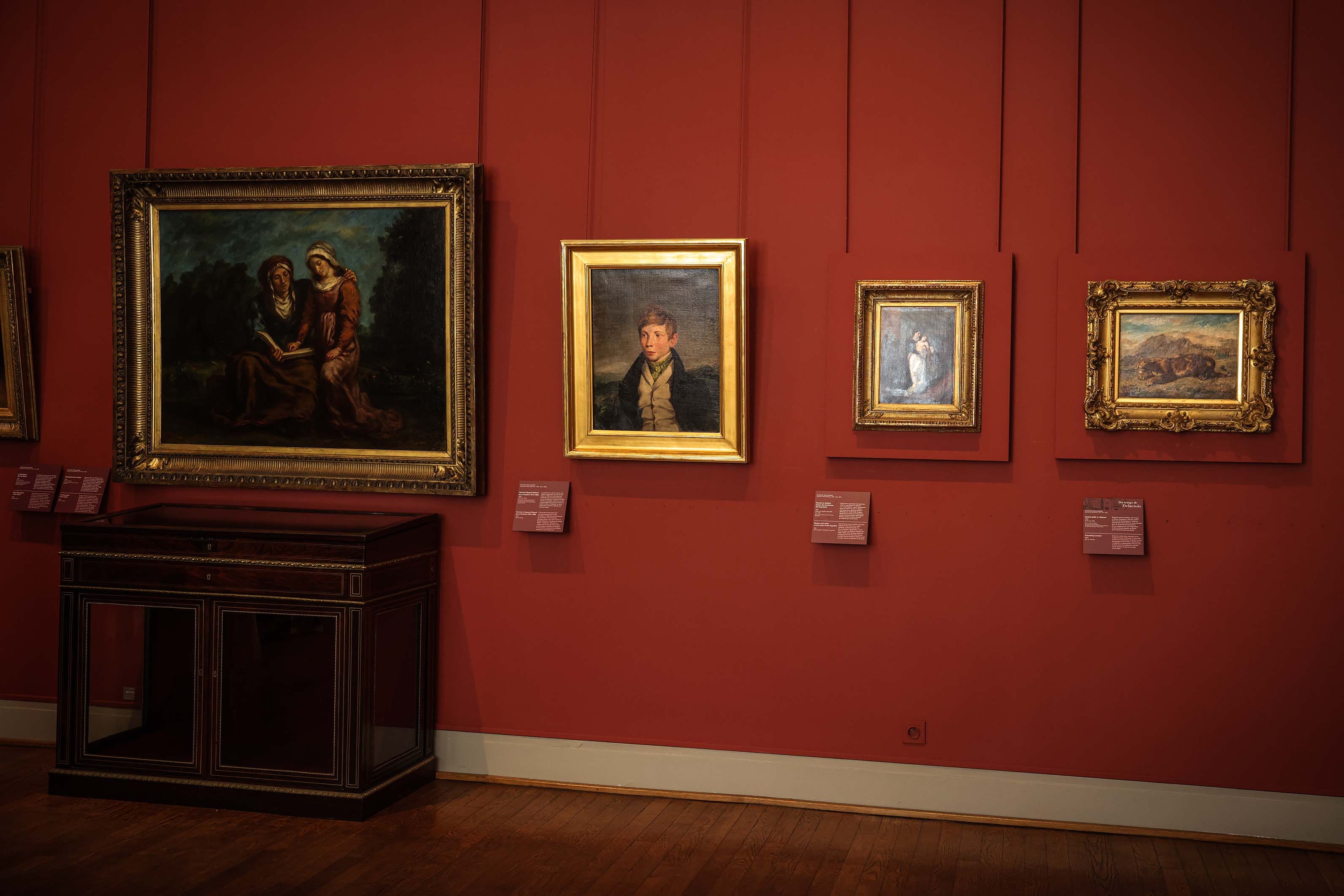
Yet, beyond the painter of the Revolution’s tumult, I found the tour deeply moving, intimate in feel, much like the museum itself. Visitors discover over 1,300 works, including portraits of people who played a role in his life; some are described in the first person on the explanatory placards, as if addressing us directly, a detail that brings them closer and makes us realize that all these individuals were part of Paris’s history, each contributing their own small part to the legacy of Eugène Delacroix’s work. One portrait that particularly struck me was that of Joséphine de Forget, Delacroix’s distant cousin and confidante, or "his comforter," as he called her. There is also a portrait painted with such exquisite detail that it looks like a photograph: a little girl with a sulky pout. This is Jenny, the daughter of Delacroix’s housekeeper, to whom he gifted the painting.
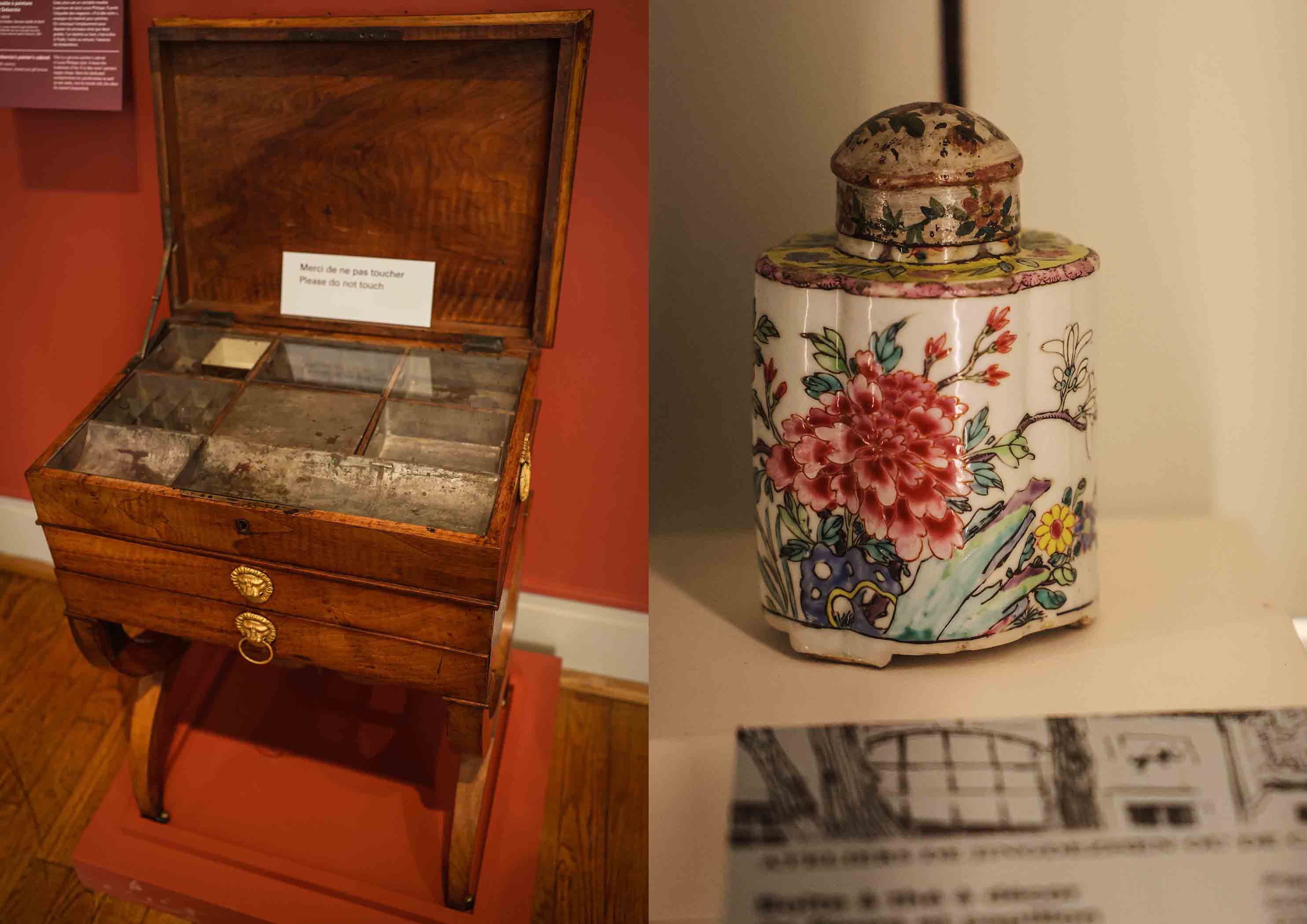
But this bucolic museum offers more than just portraits; one discovers letters written by the artist and photographs of his circle, including Charles Baudelaire, Théophile Gautier, and George Sand. There are also objects that belonged to Delacroix and were linked to his work as a painter, an easel, painting tables, and even his paint palettes, signed with his name. We learn, in fact, that Delacroix took great care in preparing his palettes, arranging all the colors needed for a painting upon them. The poet Charles Baudelaire wrote: "I have never seen a palette as meticulously and delicately prepared as Delacroix’s; it resembled a bouquet of skillfully arranged flowers."
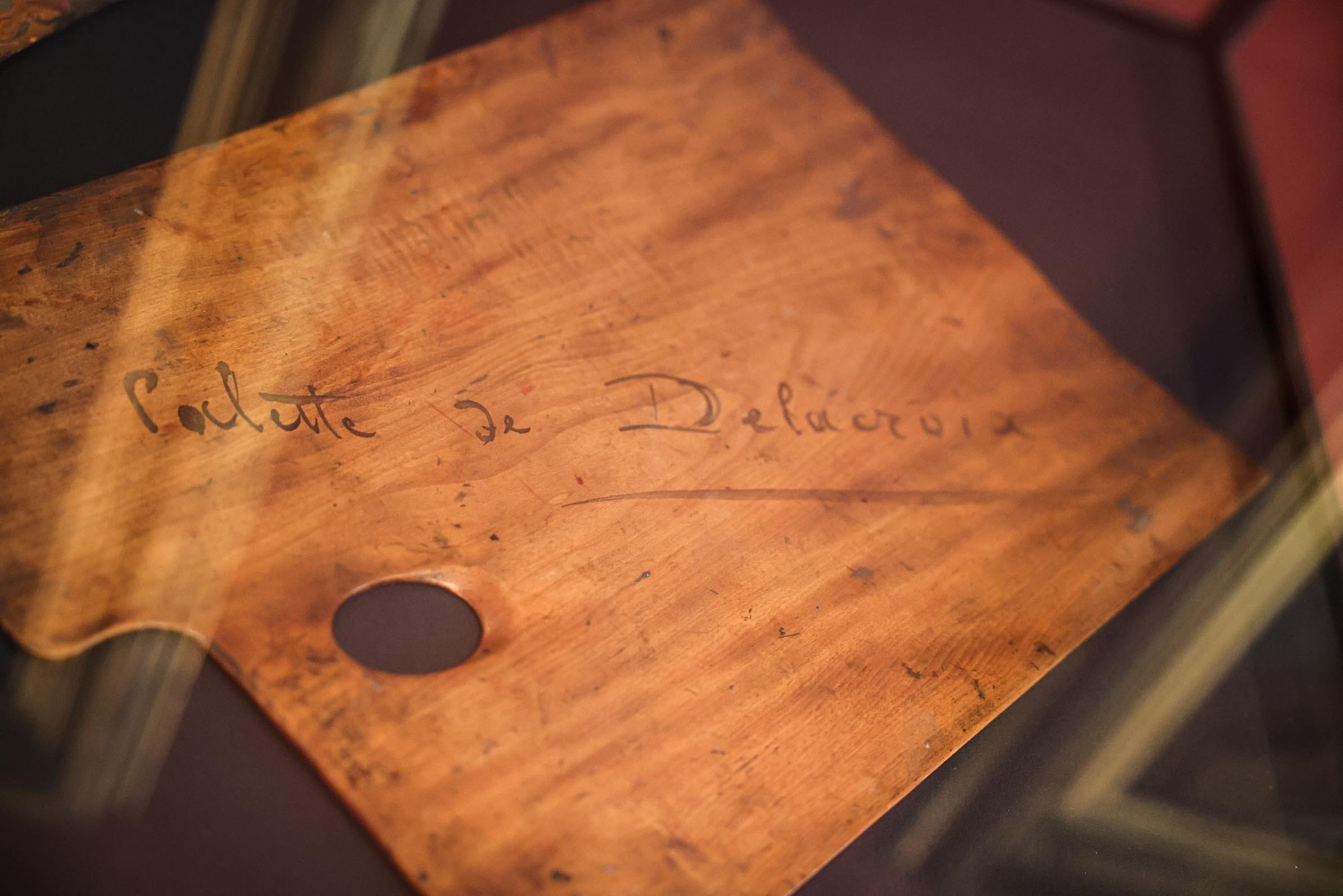
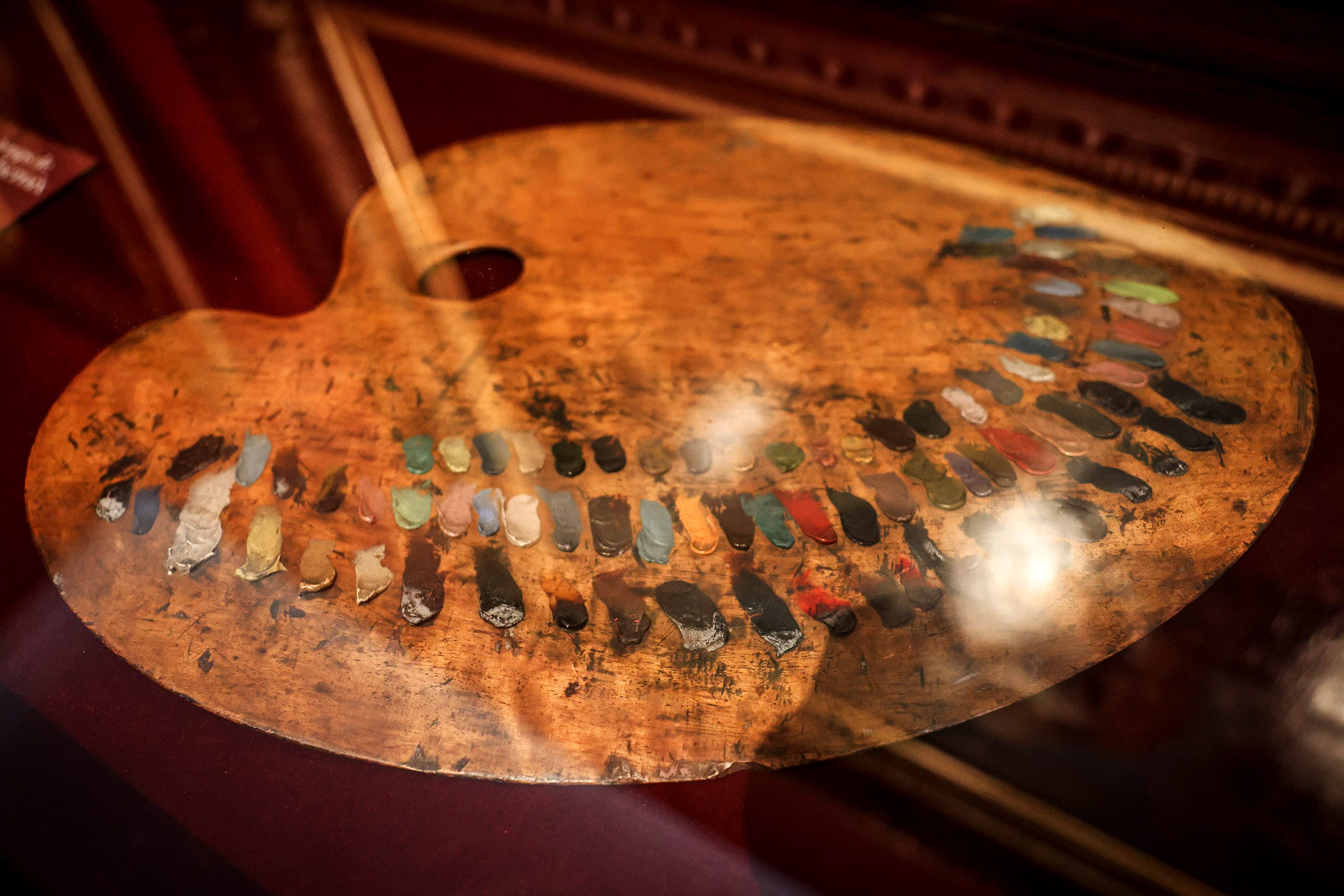
I must admit I love the exhibited works just as much as the venue itself, which has remained unchanged since the painter lived there.
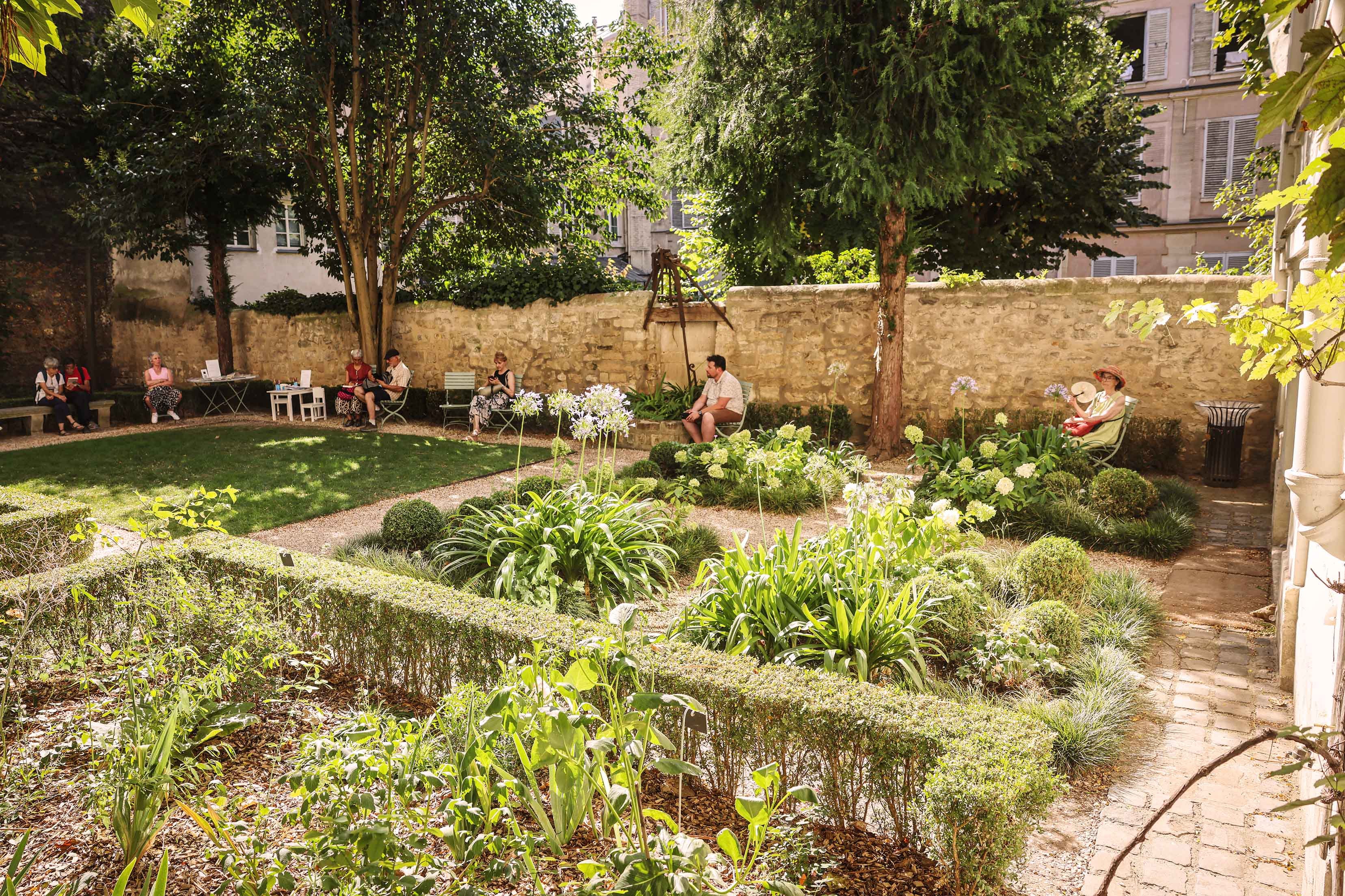
Once you have finished touring the artist’s home, simply open the small door leading to the museum shop to step into a peaceful haven designed by Delacroix himself: a walled garden, open to the sounds of the city, that connects the house to his studio. I recommend walking down the few steps to visit the artist’s studio, then taking the time to stroll quietly along the flower-lined paths and fully appreciate the charm of what is one of Paris’s best spots for relaxation. In fact, it was this small, tree-filled garden that convinced Delacroix to move to Rue de Furstemberg; he wanted to landscape the green space himself and build a south-facing studio there, designed to his exact specifications to ensure optimal light. It allowed him to move through an oasis of greenery and tranquility right in the heart of a bustling neighborhood.
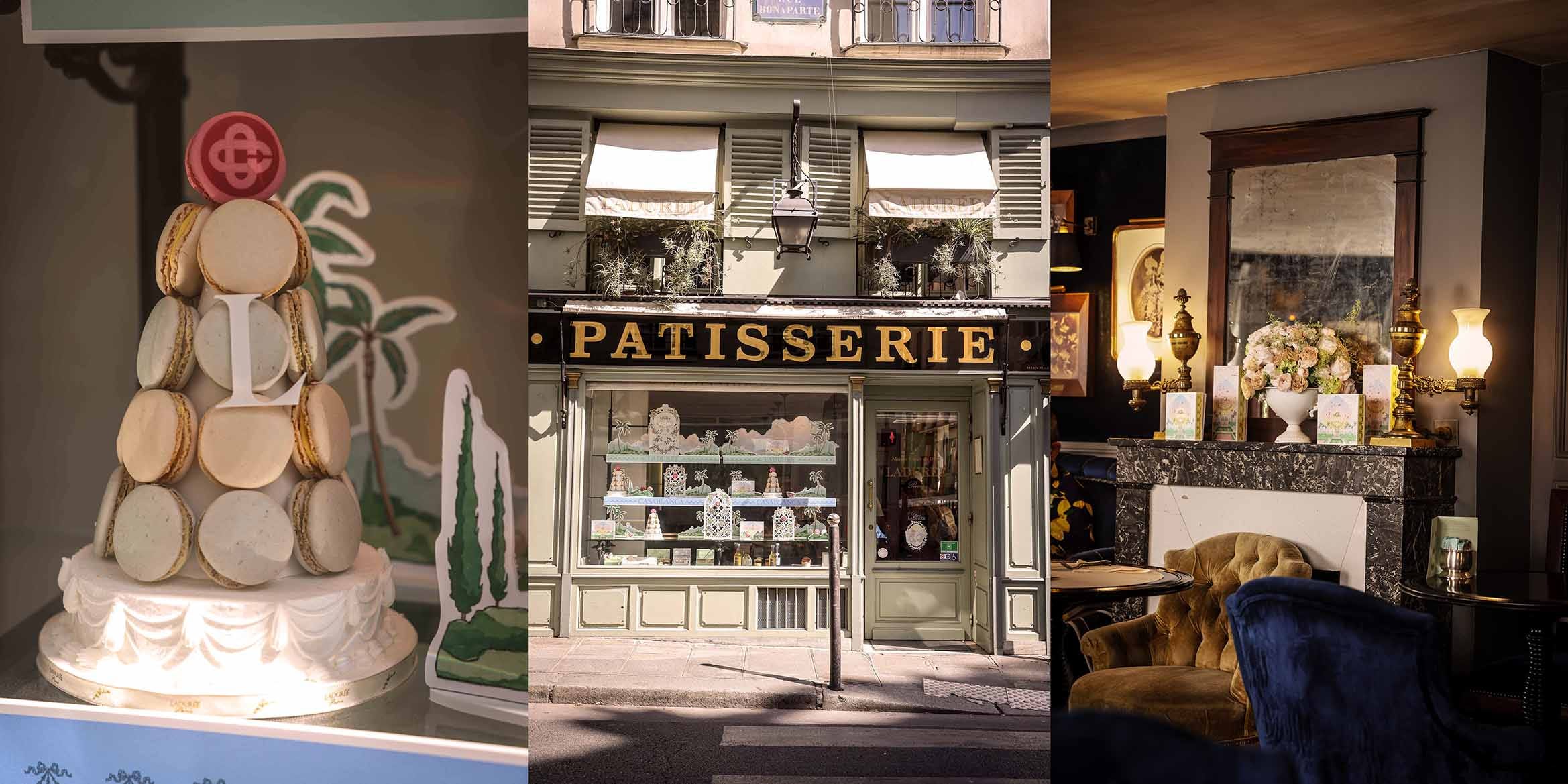
There is nothing quite like a sweet treat to round off a wonderful museum visit. I suggest leaving Place de Furstemberg and heading to Rue Bonaparte, just a three-minute walk to your left, to visit Ladurée. It is the perfect tearoom to prolong the neighborhood’s romantic atmosphere while enjoying a fragrant tea and their famous macarons, all within a historic setting featuring Second Empire charm.
To reach the Musée Delacroix, get off at the Saint-Germain-des-Prés (Line 4) or Mabillon (Line 10) metro stations. Walk along the charming Rue de l'Échaudé and then Rue de Furstemberg to arrive at Place de Furstemberg, one of the quietest and most charming squares in Paris.
Musée Eugène-Delacroix: 6 Rue de Furstemberg, 75006 Paris
No posts
Comments
Nothing yet. Say the first thing.
Sign in to join the conversation.