
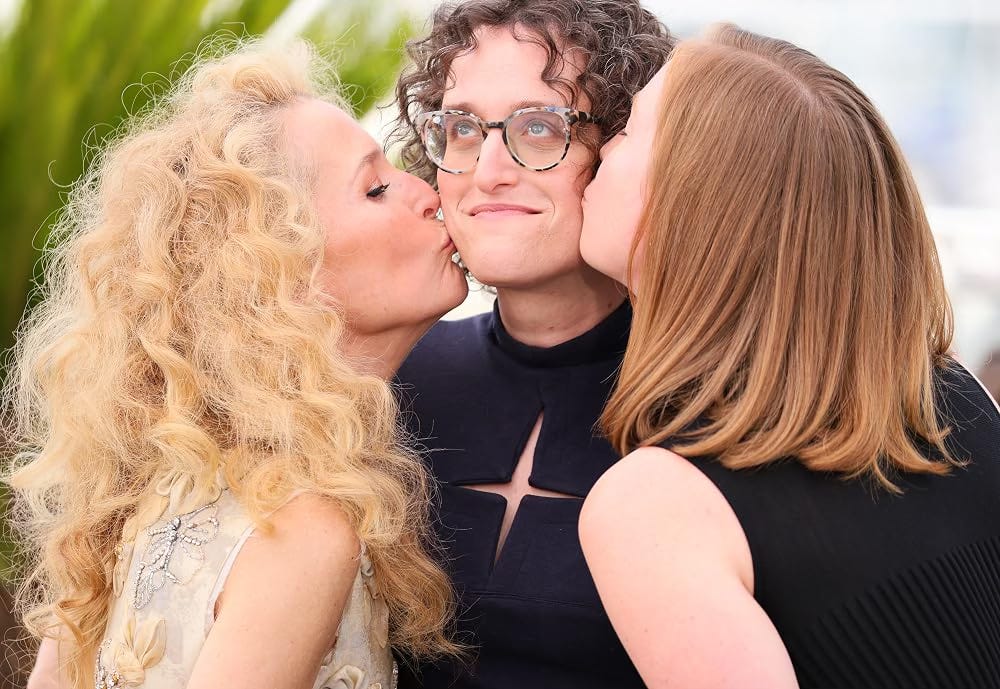
The first time I saw I Saw the TV Glow, I had that wonderful feeling you get when you realize a filmmaker has figured out their own language.
The pink light. The suburban emptiness. The way television feels less like entertainment than some kind of transmission coming from a better universe. The feeling that you discovered the most important piece of art in your life when you were young and then spent the next twenty years wondering if everybody else saw the same thing you did.
It is such a specific movie that it almost feels like Jane Schoenbrun appeared fully formed with it.
They didn’t.
Go backward through their work and you start seeing all the pieces laying around years before The Pink Opaque ever appeared. Schoenbrun has been obsessed with people disappearing into media for a long time. With kids staring at screens. With identities created online. With the strange intimacy of performing for people you have never met. With art becoming so important to somebody that the distinction between loving it and living inside it starts getting fuzzy.
Long before I Saw the TV Glow, Schoenbrun was making a documentary about Slender Man.
Honestly, of course they were.
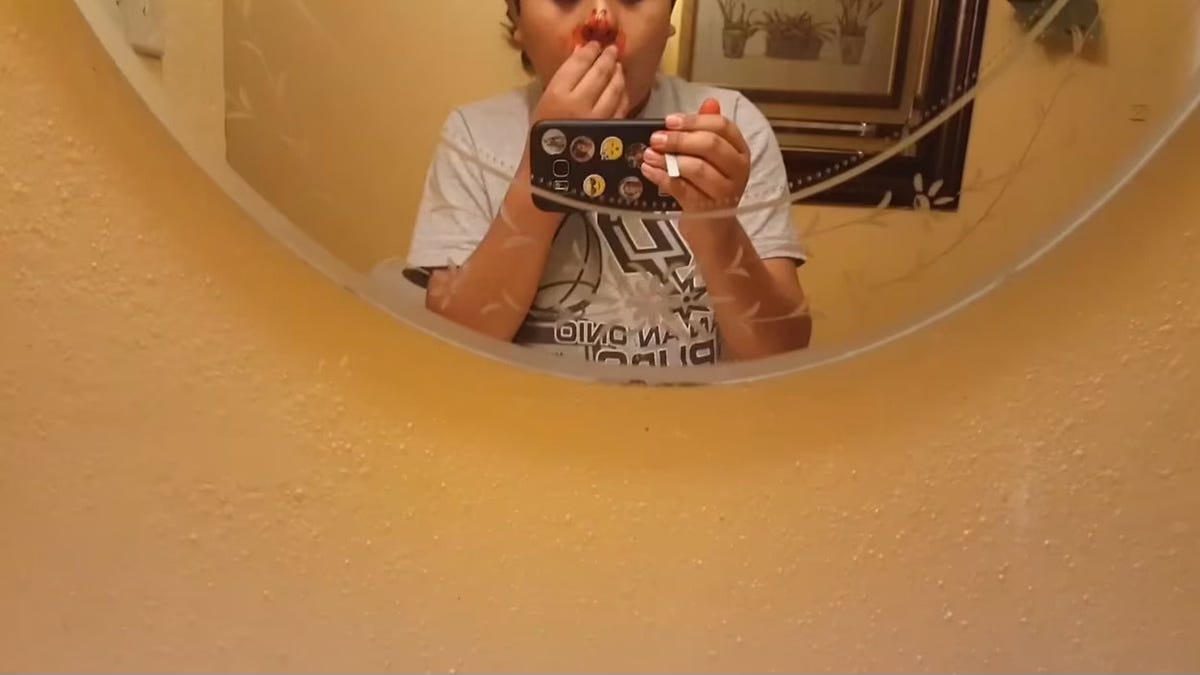
A Self-Induced Hallucination came out in 2018, and watching it now feels a little like finding somebody’s sketchbook after you have already seen the finished paintings.
It is an archival documentary made out of material that was already online: Slender Man videos, YouTube uploads, news clips, people making things and feeding them back into this enormous collaborative horror story. Schoenbrun was interested in the bizarre thing that happened with Slender Man where nobody quite behaved like an audience. People participated. They expanded the mythology. They made videos pretending something had happened to them, and other people responded as if those videos were evidence. Somebody invented a detail and, three uploads later, it had basically become canon.
Slender Man was less like a movie monster and more like a ghost story being written by several thousand people at the same time.
That alone would make him a great subject for Schoenbrun, but there was something else underneath it. The internet had created a space where pretending could become strangely serious. You could log on, become somebody else, make something fictional about yourself and then have another person respond to that fictional version of you. The borders were already getting muddy.
Schoenbrun knew that feeling personally. They have written about being thirteen and spending time on a Scream message board where users wrote horror stories involving the characters from the movies, original characters, and fictionalized versions of each other. Somebody on the forum could literally kill “you” in their story and then everybody would argue about it afterward.
I love that detail because it makes the rest of Schoenbrun’s career make considerably more sense. The internet was already functioning as this strange rehearsal room for identity. You could try something on in front of strangers before you understood why you wanted to try it on in the first place.
There is an even earlier short, The School Is Watching, assembled from old high-school morning announcements, and Schoenbrun spent years working as a curator with projects like The Eyeslicer. That curatorial background feels important too. They were watching enormous amounts of outsider and experimental work before most people knew them as a director. There is a fan’s brain underneath these movies. They understand what it feels like to care about some bizarre piece of media more than anybody around you thinks you should.
That becomes crucial later.
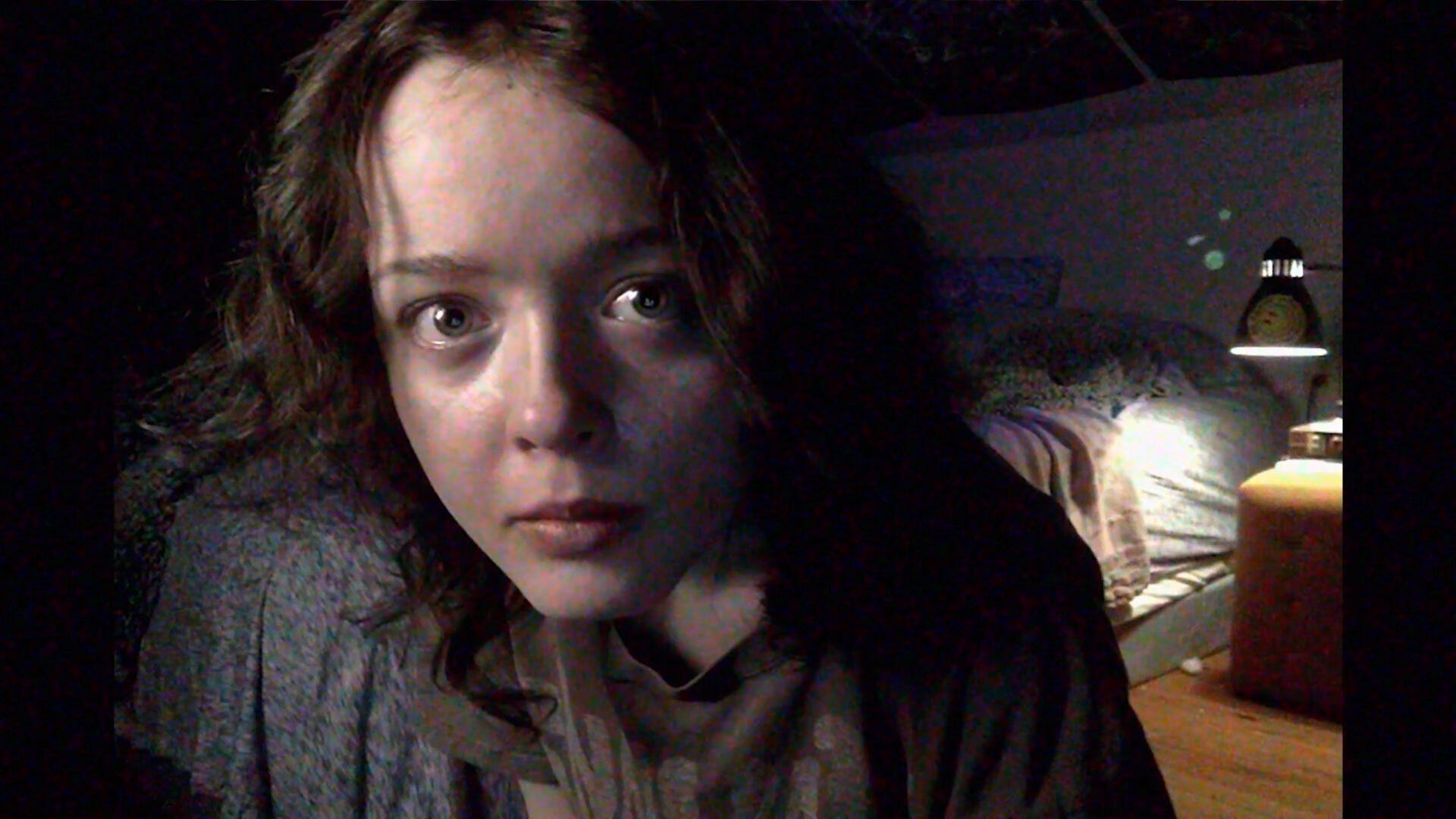
Then Casey sits down in front of her webcam.
She pricks her finger. She watches a video. She repeats “I want to go to the World’s Fair” three times and joins an online horror game where people claim to be changing after taking the challenge.
What always gets me about We’re All Going to the World’s Fair is how badly Casey seems to want the game to work. That is much sadder than simply being afraid of it.
All of these other people online are posting videos about what has happened to them. Their bodies are changing. Their behavior is changing. Something has entered them or awakened inside them or turned them into something new. Casey watches, records herself, experiments, waits.
She wants her turn.
Schoenbrun wrote the movie before they had fully understood their own transness, and later recognized how much of that feeling had found its way into the film anyway. Once you know that, Casey’s fascination with transformation becomes hard to separate from the larger emotional thing underneath it. Here is this kid waiting for some outside force to arrive and finally make her different.
That is such a horror premise and such an adolescent feeling at the same time.
The movie never turns into the version you expect. There is no big revelation where the World’s Fair Challenge suddenly becomes objectively real and monsters start crawling through Casey’s computer. Schoenbrun keeps everything uncomfortable and ambiguous. Maybe Casey is performing. Maybe she is genuinely unraveling. Maybe she knows exactly what she is doing and the adults watching her are the ones who do not understand the rules.
JLB, the older man who becomes invested in Casey’s videos, could easily have been turned into the obvious monster of the story. The movie refuses to make things that easy. His interest in Casey is uncomfortable, but Schoenbrun is after something slipperier than a standard stranger-danger story.
Who is Casey when the camera turns on? How much of that person exists when the camera turns off? Does Casey even know?
The internet gives her an audience, but it also gives her somewhere to look at herself. That is the thing Schoenbrun keeps returning to. Screens are rarely passive objects in these movies. They are mirrors with strangers standing on the other side.
There is another piece of Schoenbrun’s work that I think belongs here, even though it is not one of their narrative features.
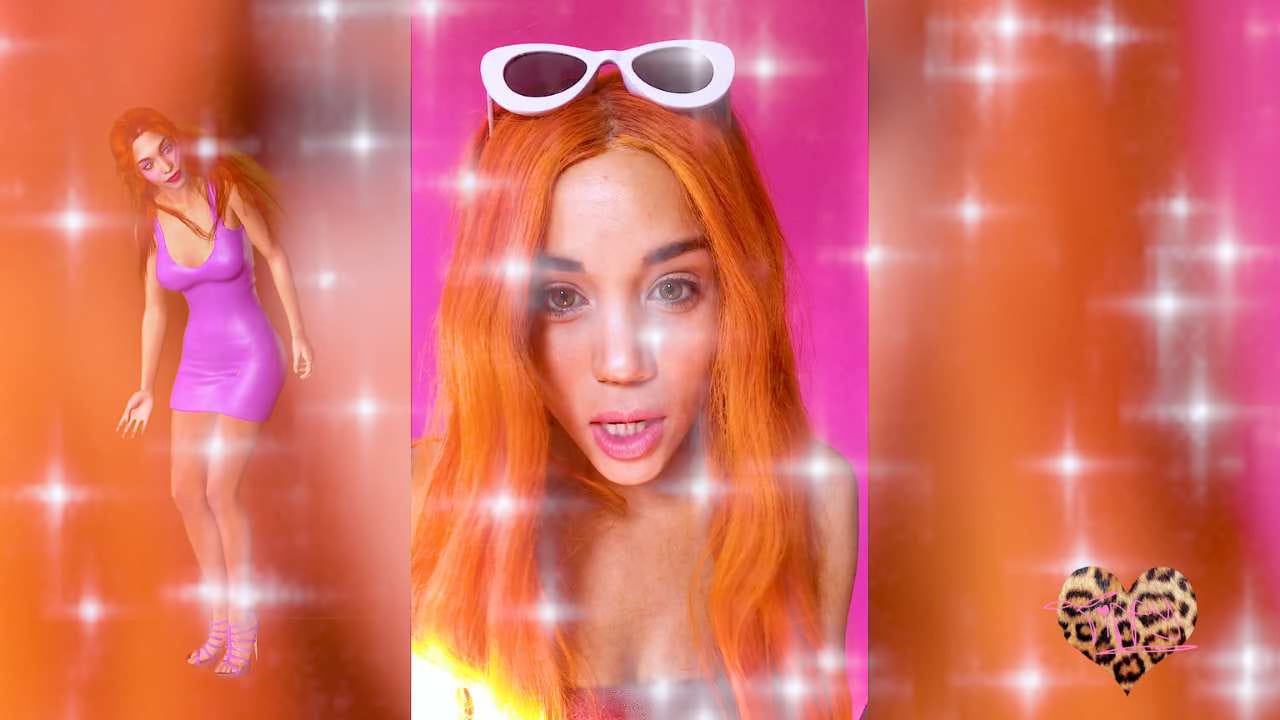
Kati Kelli was an outsider video artist who created Girl Internet Show, a deeply weird body of online work involving performance, comedy, beauty culture, identity, the body, and the internet’s endless appetite for turning people into something consumable.
After Kelli died in 2019, Schoenbrun and Kelli’s widower Jordan Wippell assembled Girl Internet Show: A Kati Kelli Mixtape from her work.
It makes perfect sense that Schoenbrun would be drawn to her.
Kelli’s videos exist in that same uncomfortable zone where a person is performing themselves while also taking themselves apart. You watch somebody turn identity into content, then use the content to question the identity. The internet is the stage, but it is also the thing changing the performer.
Schoenbrun came to filmmaking through years of looking at work like this, and I think that helps explain why their movies never treat fandom or internet culture like something silly that needs to be translated for respectable audiences. They understand that something can be embarrassing, ridiculous, cheap, badly made and still become sacred to the right person.
Anybody who grew up obsessed with horror should understand this immediately. Sometimes the stupid thing is the important thing.
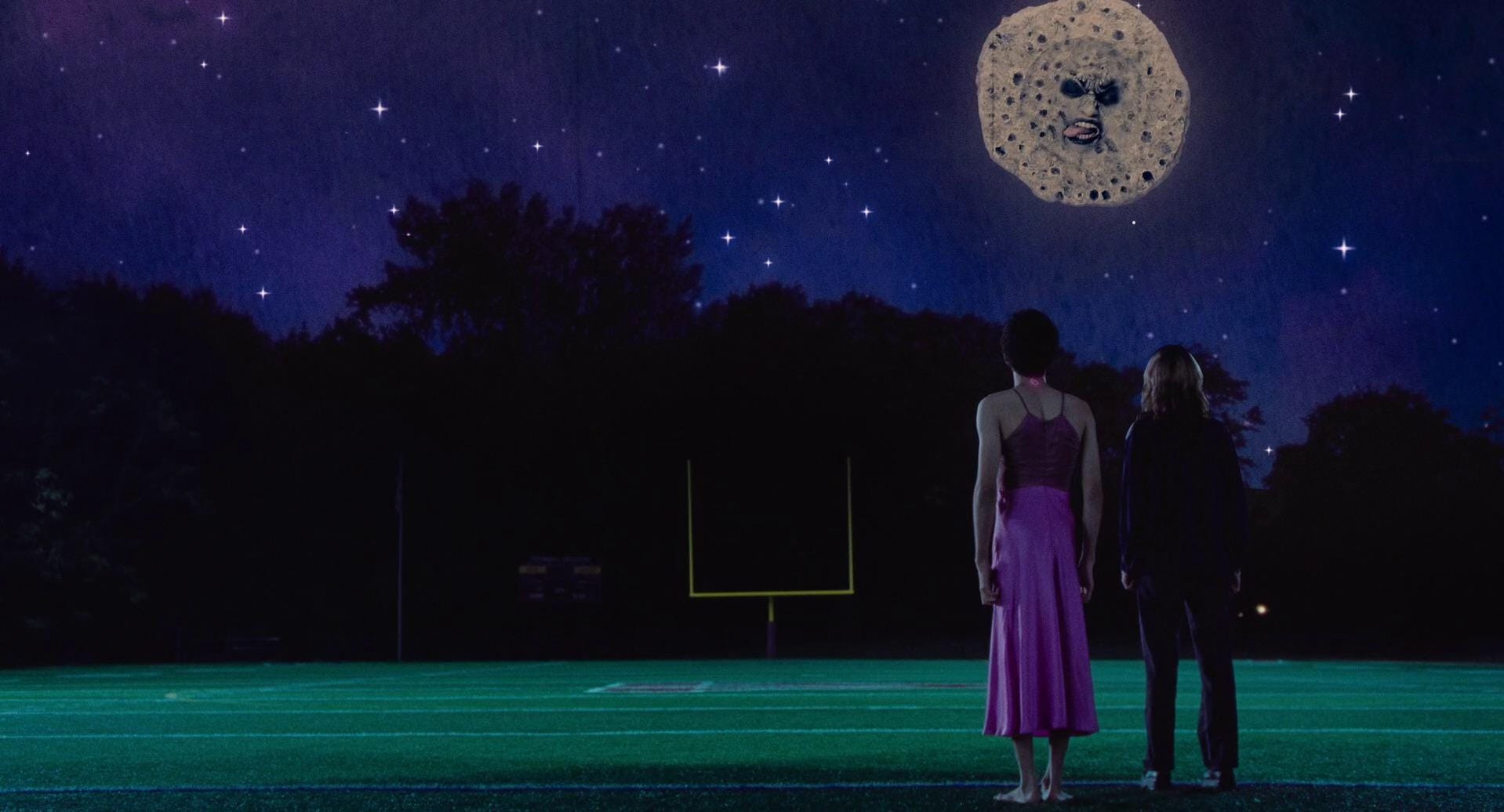
Owen meets Maddy. Maddy introduces Owen to The Pink Opaque. Everything gets worse from there. Or better.
That is sort of the problem.
I Saw the TV Glow takes the emotional idea buried inside World’s Fair and makes it much more direct. Casey was waiting for a transformation she could not quite articulate. Owen is being shown another version of reality and spending almost the entire movie finding reasons not to believe it.
Schoenbrun wrote the film during the period when they were beginning hormone replacement therapy and changing their name. You do not have to know that biography to understand the movie, but it explains why TV Glow feels less uncertain about the thing gnawing at its protagonist.
Owen knows.
Not completely. Not comfortably. But somewhere underneath everything, Owen knows. That is what makes the movie hurt.
The Pink Opaque begins as a television show Maddy loves, the kind of program that becomes impossibly important because you discover it at exactly the right age. It has all the DNA of the shows a certain generation grew up obsessing over: Buffy, Nickelodeon, Are You Afraid of the Dark?, The X-Files, weird late-night reruns, VHS tapes somebody recorded because missing an episode actually meant missing it.
Then Schoenbrun pushes that familiar experience until it becomes cosmic horror. What if the show understood you better than your real life did? What if the character you identified with was not simply somebody you related to? What if this miserable existence you have accepted as reality was the fake part?
That is such an effective use of fandom because Schoenbrun never sneers at the intensity of it. There is no adult standing outside the story explaining that Owen and Maddy simply need healthier relationships with television. The show really does matter. Whether you read the mythology literally or emotionally almost stops being important.
Owen found something on a screen that said: there is another version of you.
And then Owen got scared. There are much more traditionally scary images in I Saw the TV Glow. Mr. Melancholy is nightmare fuel. The characters being buried alive is horrifying. The imagery around The Pink Opaque becomes increasingly grotesque.
None of that bothers me as much as watching Owen get older.
That is the real nightmare.
Owen does not explode. Owen does not get dragged into hell. Owen does not become the victim of some elaborate horror set piece. Owen goes to work. Years pass. The body feels worse. The world gets smaller. Owen apologizes to people who barely seem to notice. That is vicious.
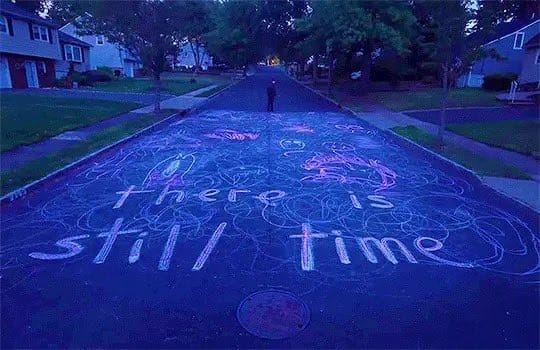
“There is still time” became the line people carried out of the movie, and I understand why. There is hope in it. But there is something almost threatening about those words too. If there is still time, you have to decide whether you are going to do anything with it.
The movie turns repression into body horror without needing to turn Owen into some giant practical-effects creature. The horror is the body becoming harder to inhabit because the person living inside it refuses to acknowledge what they already know.
That is a much scarier monster than Slender Man.
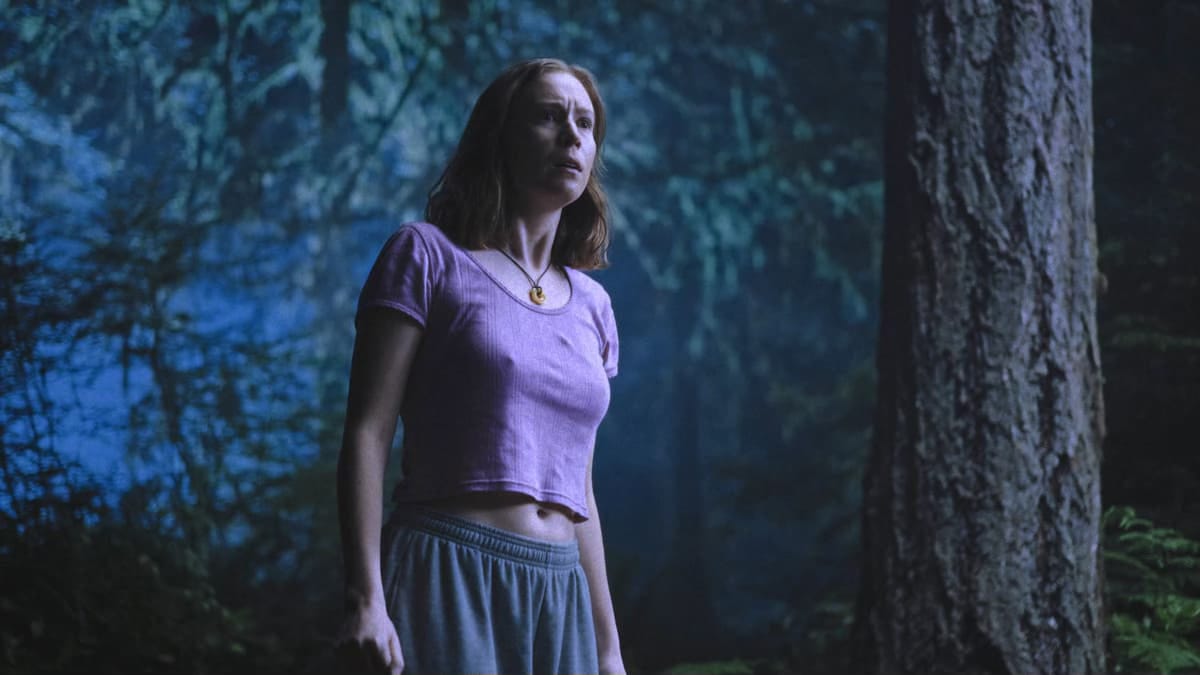
This is one of the reasons I love Teenage Sex and Death at Camp Miasma as the next move in Schoenbrun’s career.
After World’s Fair and TV Glow, they could have easily stayed in that same dreamy suburban space forever. There is already a recognizable “Jane Schoenbrun aesthetic.” Somebody could make a very respectable career out of pink lights, CRT televisions, lonely bedrooms and Alex G songs.
Instead, they made a slasher movie with Gillian Anderson and Hannah Einbinder.
Perfect.
Teenage Sex and Death at Camp Miasma follows Kris, a young queer filmmaker hired to revive a once-popular slasher franchise. The original final girl, Billy, has become a reclusive figure, and Kris becomes increasingly obsessed with getting her involved.
Immediately, the whole thing is tangled up in horror fandom. There is the old movie you loved. There is the younger filmmaker trying to resurrect it. There is the actress whose entire identity has been swallowed by the movie people remember her from. There is a killer called Little Death. There is queer desire. There is sex.
There is the complicated relationship a queer horror fan can have with an older movie whose politics may be terrible but whose monster still meant something to them.
That last part fascinates me.
Horror fans know this problem. Sometimes the movie that opened something inside you is also deeply fucked up. Sometimes the monster mattered before you understood why. Sometimes you saw yourself reflected in the villain because the movie had absolutely no interest in offering you a hero.
Modern conversations about representation can have a hard time with that because we like clean categories. Good representation. Bad representation. Progressive movie. Problematic movie.
Fandom is usually messier. Sometimes you love the problematic movie. Sometimes it saved you anyway. Camp Miasma seems deeply interested in that mess.
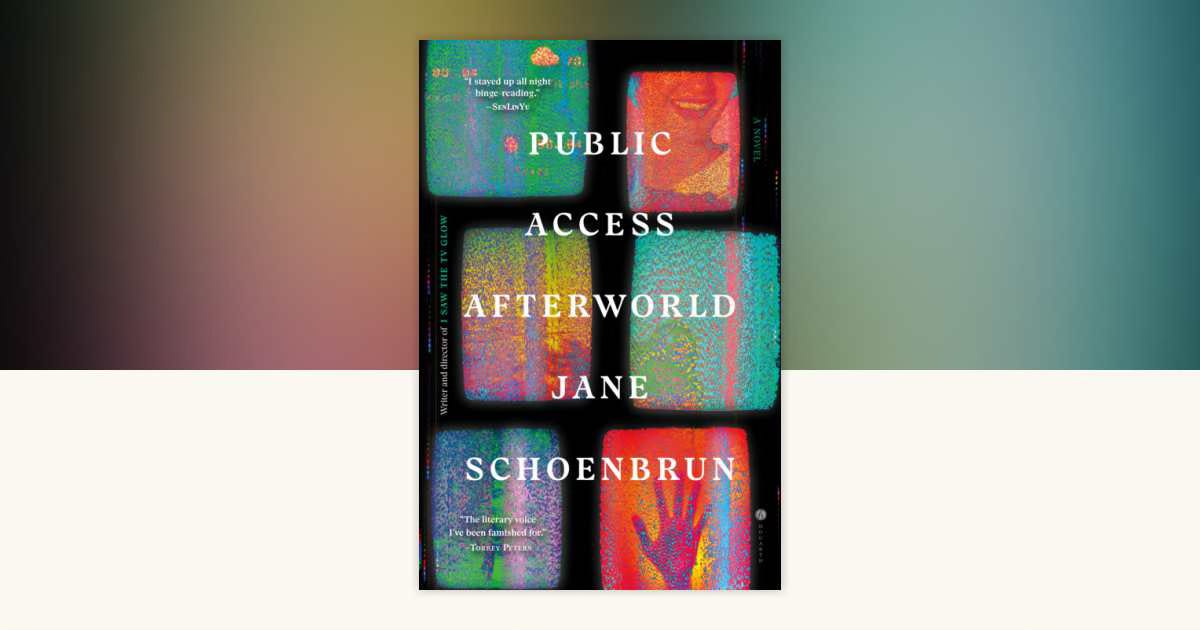
Schoenbrun originally talked about World’s Fair and TV Glow as the first two parts of a Screen Trilogy. The planned third installment was this enormous project called Public Access Afterworld, which Schoenbrun described at one point as hundreds and hundreds of screenplay pages, basically a massive mythology about media and the spaces on the other side of it.
Then the plan changed.
Camp Miasma became the movie closing out the Screen Trilogy, while Public Access Afterworld turned into Schoenbrun’s first novel, a 608-page monster coming out this October. I kind of love that.
A project about media and unstable reality could not stay inside the medium it was originally supposed to exist in. Of course it became a book.
And even from what has been announced, Public Access Afterworld sounds like Schoenbrun continuing to dig around in the same pile of obsessions: pirate television, internet horror, trans identity, content moderation, and another world existing somewhere beyond the screen.
At this point, if Jane Schoenbrun announces a cookbook and it turns out the recipes open a portal to an abandoned public-access station, I will simply accept it.
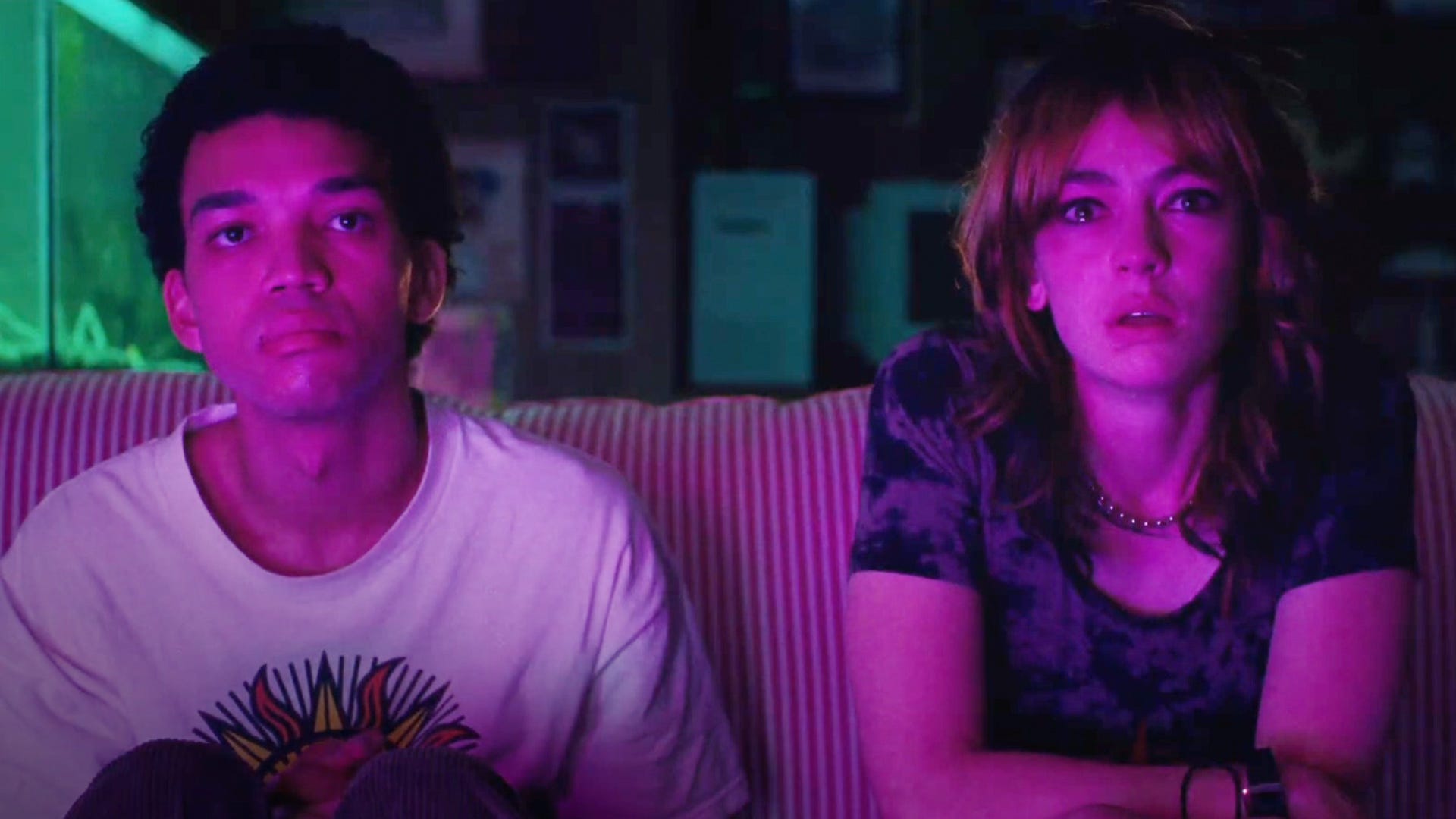
The screens are everywhere, obviously. Television. YouTube. Webcams. VHS tapes. Movies. Pirate broadcasts. But after watching all of this together, I do not think Schoenbrun’s real subject is technology.
It is what happens when art recognizes something in you before you are ready to recognize it yourself. That is the thread. Slender Man gives people a fiction they can enter and help create. Casey finds an internet game promising transformation. Owen finds a television show that seems to know who Owen actually is. Kris walks directly into the horror franchise that shaped her.
Every time, the person and the media start contaminating each other.
That is why horror is such a good home for Schoenbrun’s work. Horror has always been comfortable with transformation. Secret selves. Other worlds. Bodies that refuse to behave. Monsters that know things about you. Houses containing rooms that should not exist.
For one person, discovering another self inside you is the nightmare. For somebody else, it is the happiest ending imaginable.
Schoenbrun keeps both possibilities alive.
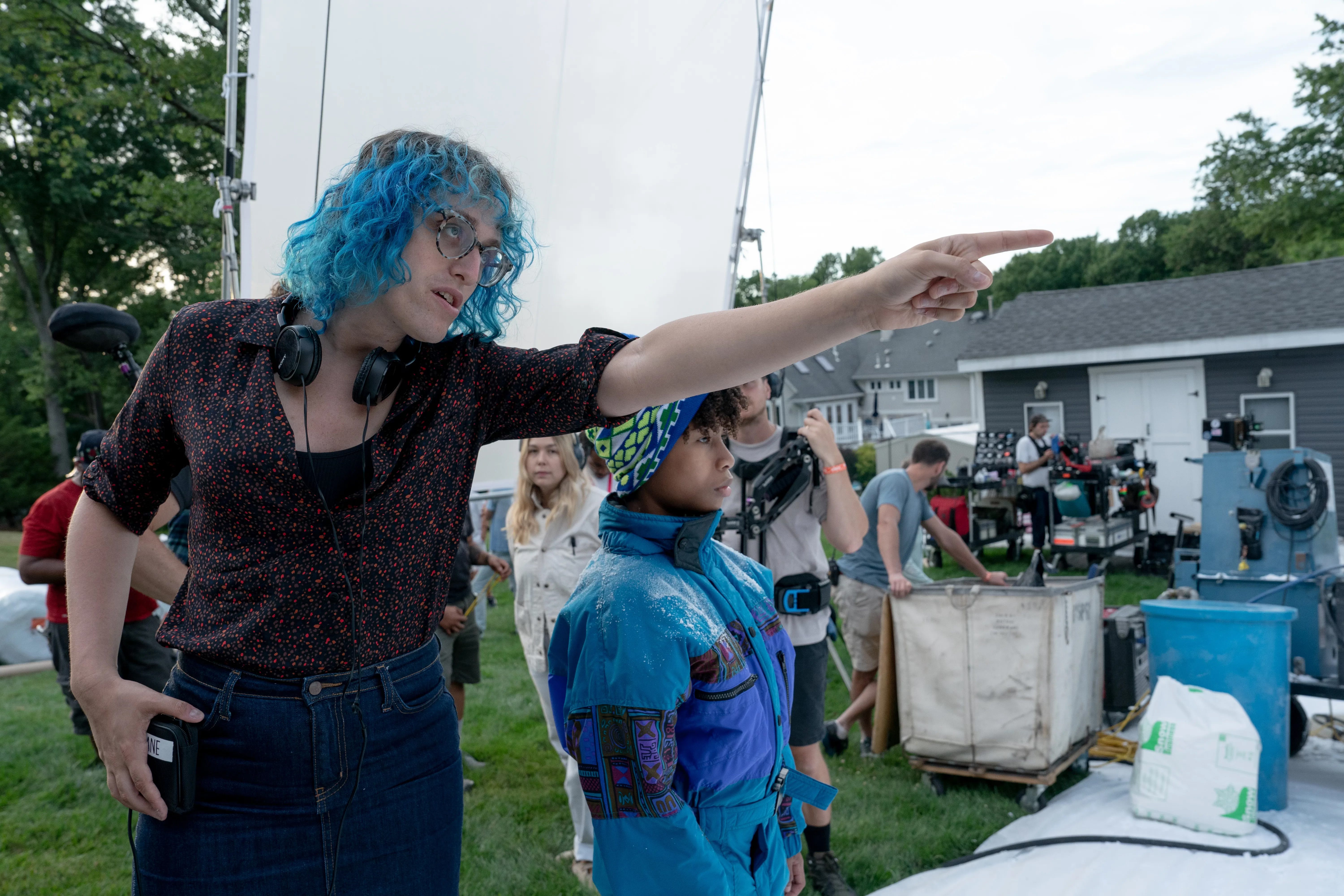
That might be what I respond to most in their work. There is no embarrassment about loving things too much.
Schoenbrun understands the kid who finds a show, movie, forum, video or weird piece of internet art and quietly builds part of their identity around it. Especially horror fans. We are very good at this.
You watch the same movie until you know the rhythm of the dialogue. You find people online who care about it as much as you do.
You start making things because of it.
Maybe you dress differently. Maybe you realize something about yourself. Maybe twenty years later you are still trying to explain why this ridiculous monster movie mattered so much. Most people have at least one piece of art like that.
Jane Schoenbrun keeps making movies about the moment when that relationship becomes dangerous enough to change your life. Sometimes the screen tells you the truth. The scary part is deciding whether you believe it.
No posts
Comments
Nothing yet. Say the first thing.
Sign in to join the conversation.