
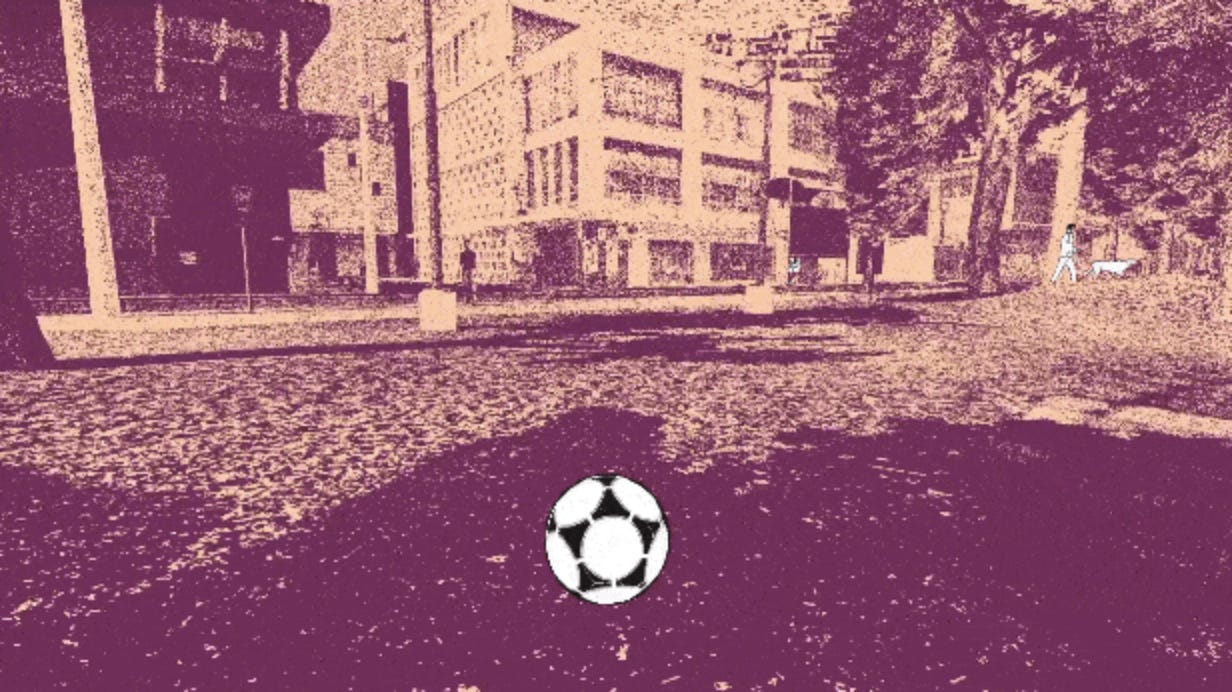
I’ve lived my whole life without understanding or appreciating Soccer. My attitude about super popular things is that where there’s smoke there’s fire, so I always assumed the problem was with me, I just didn’t have the right literacy or context to see the beauty in the beautiful game. But something’s changed. This World Cup is really working for me and I’m trying to figure out why.
Here’s one reason - I started playing a lot of Geoguessr recently, and this has enhanced my World Cup enjoyment to a surprising degree. I’ve always had an embarrassingly parochial view of the rest of the planet, with only the vaguest sense of the shape and location of other countries. But now I know where these countries are, how they are related to each other, and more than that, I know what they’re like — their landscapes, languages, vegetation, and architecture. Senegal, Argentina, Turkey, New Zealand, they feel like real places to me now. This sense of the concrete reality of these countries as physical places, not just abstractions, has made me feel strangely connected to their athletes and fans.
This newfound appreciation for the detailed texture of the competing countries as lived-in environments has brought out the cultural dimension of the tournament for me. I know this is stupid, but some primal part of me can’t help but think of the World Cup as a ritual of sublimated war by which we collectively adjudicate the clash of cultures. What kind of a world do we want to live in? Do we want it to be more Swedish or more Tunisian? Brazilian or South Korean? Japanese or Canadian?
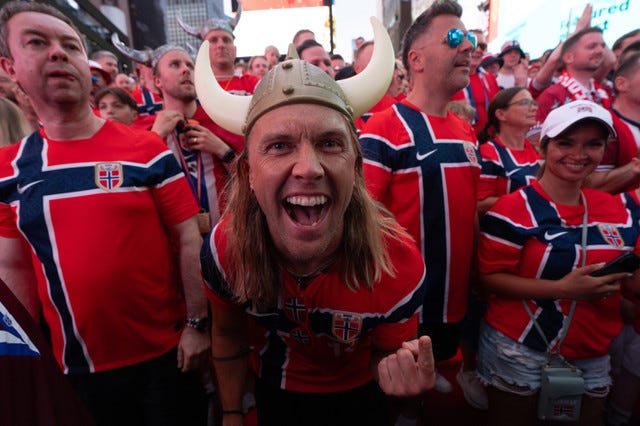
It’s obviously fine to root for your own country, but how about rooting for the country that’s next door to your country? Against one that’s farther away? How about rooting for the country where the people look or sound more like you? Whenever a former colonial power plays one of their former colonies it’s hard not to root for the former colony to kick their asses, is it not? And how weird will it be if the USA plays Iran?
I appreciate how the World Cup gives me an opportunity to experience these cartoonish thoughts about history, identity, and power. Is Soccer colonial or anti-colonial? Like all abstract games (like all games) it is both and neither. No one ever needed instruction or indoctrination to kick a ball. The specific ruleset of association football is an English invention and spread globally through British imperial networks but even in places where soccer was imposed from outside, it was often adopted, transformed, and turned into a vehicle for solidarity, self-determination, and liberation. Formally, soccer is a battle for territory, but the territory is permeable, reversible, perpetually in flux. It’s impossible to reduce soccer to any neat political meanings. All games (even video games) are fun house mirrors, reflecting and distorting human values, mapping them onto alien topographies to frighten and amuse us, occasionally showing us exactly who we are.
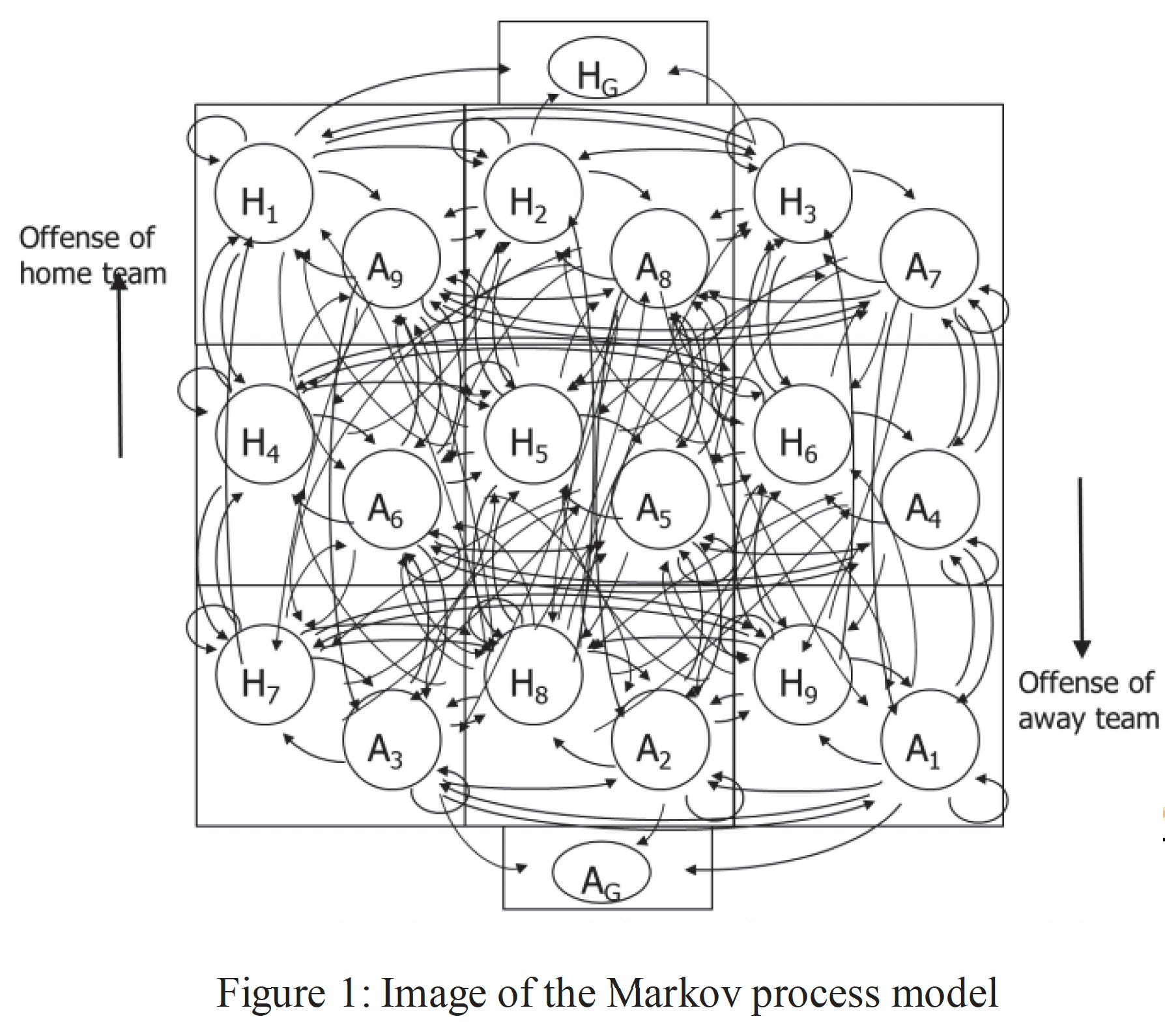
But when I say I love the World Cup, I’m really talking about TV. The thing that I’m discovering, that everyone else already knows, is how much fun soccer is to watch on TV. It is visually beautiful, spare to the point of minimalism, slight variations on a dynamic composition that is full of empty space. Coming from basketball, which is compressed, hectic, full of overlapping action; soccer feels stretched out, slowed down, it encourages a different kind of attention that is both more relaxed and more focused. This is partly a matter of scale, the size of the pitch and the distance between things, but even more a matter of time, the steady pace of soccer’s continuous flow. Watching soccer is a matter of interpreting subtle differences in the operation of a dynamic system as it cycles through a set of probabilistic behavioral loops. This is true of all sports, but it is especially true of soccer, where the critical events, goals, might happen in the next 10 seconds or never. You are almost never close to scoring, but you are never far away. This oscillating field of potential energy is the thing I’m learning to interpret and enjoy.
Of course, the most important effect of this different rhythm, from a TV perspective, is soccer’s relationship to advertising. I know everyone hates the new hydration breaks but, again, coming from basketball where the constant interruptions demand never-ending mute button vigilance, televised soccer feels incredibly expansive and luxurious. The generous stretches of uninterrupted action encourage you to relax and tune into the game’s low-key textures. It can’t be overstated how important this is. Soccer’s relative lack of commercial breaks might be my single favorite thing about it.
Another great thing the World Cup has is a quality I call content abundance. Sometimes, when you start to get into something, the fact that there is a lot of that thing is highly appealing. Knowing that the effort you put into becoming literate in the thing, learning how to watch and enjoy it, will be rewarded with vast amounts of the thing is comforting. I like that there are matches to watch all day every day. It’s nice knowing what I’m going to watch for the next month. Deciding what to watch is work, and it makes me happy to not have to do it. I think this is one of the reasons that people lock into podcasts and epic fantasy novel series and Twitch streamers. It’s not just that they show up in your feed more often, they also say “I’ll be here for you, you can count on me, I’m not going anywhere.” Think of how much more you would like Donkeyspace if I posted more often.
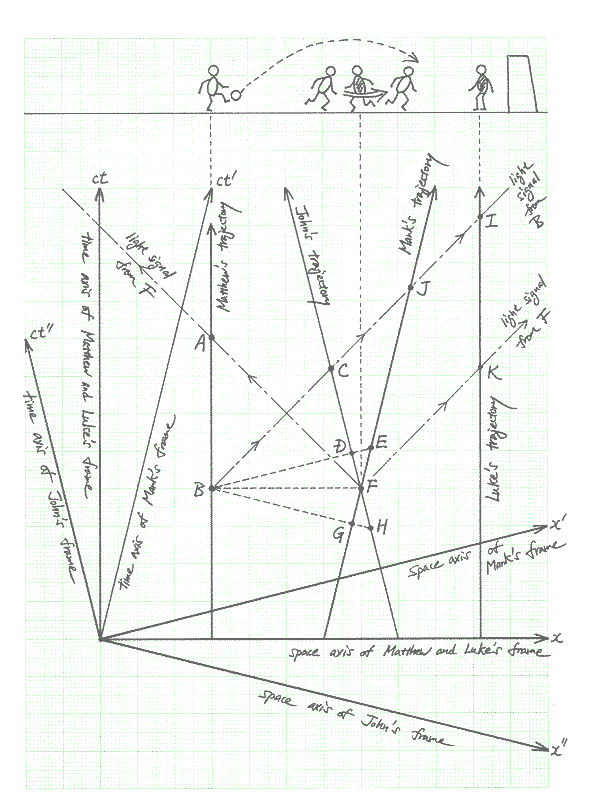
There’s one soccer game design detail that I want to mention — offsides. I love the offsides rule because it’s so wonky. It’s the kind of rule that no “proper” game designer would ever think of or tolerate. I love how convoluted it is, how it requires you to fold spacetime back on itself. It’s so inelegant and so obviously load-bearing. It’s like a bent paperclip jammed into the gleaming mechanism of this otherwise simple and intuitive machine that makes the whole thing work. It adds an acidic tang to the flavor of soccer that I find very grown-up and sophisticated. Offsides is a great reminder to game designers not to get too hung up on elegance. Just make it work.
One of the few things I knew about soccer before this year’s World Cup was the story of “total football”, the style of play made famous by Dutch teams in the 1970s. This style favored fluid movement and shifting roles over static formations and pre-defined plays, generating continuous, broadly distributed scoring opportunities. Total football changed people’s perspective on what optimal soccer strategy looked like, and its influence is still felt today. That such a simple game has room for this kind of tactical and strategic variation is a great example of how much surprising detail there is when you really zoom in and pay close attention to anything. Games reveal the content abundance of the world.
No posts
Comments
Nothing yet. Say the first thing.
Sign in to join the conversation.