
When I was a classroom teacher, this time of year always felt a little unclear. The year was winding down, and there was technically still time to introduce new concepts, but my students were already halfway checked out. Instead of pushing something brand new, I shifted gears. I started reviewing and extending the phonics skills we had already taught by doubling down on multisyllabic words. It gave students a way to actually use what they knew in real reading—grade-level texts, but also the things they were naturally drawn to: magazines, YouTube descriptions, TikTok captions, even cereal boxes.
Finally, a science-of-reading-aligned resource that teaches students to apply their phonics knowledge to spelling and reading multisyllabic words. This Orton-Gillingham aligned phonics resource reviews syllable patterns and syllable division, and provides numerous opportunities to read and spell multisyllabic words containing the most common syllable types.
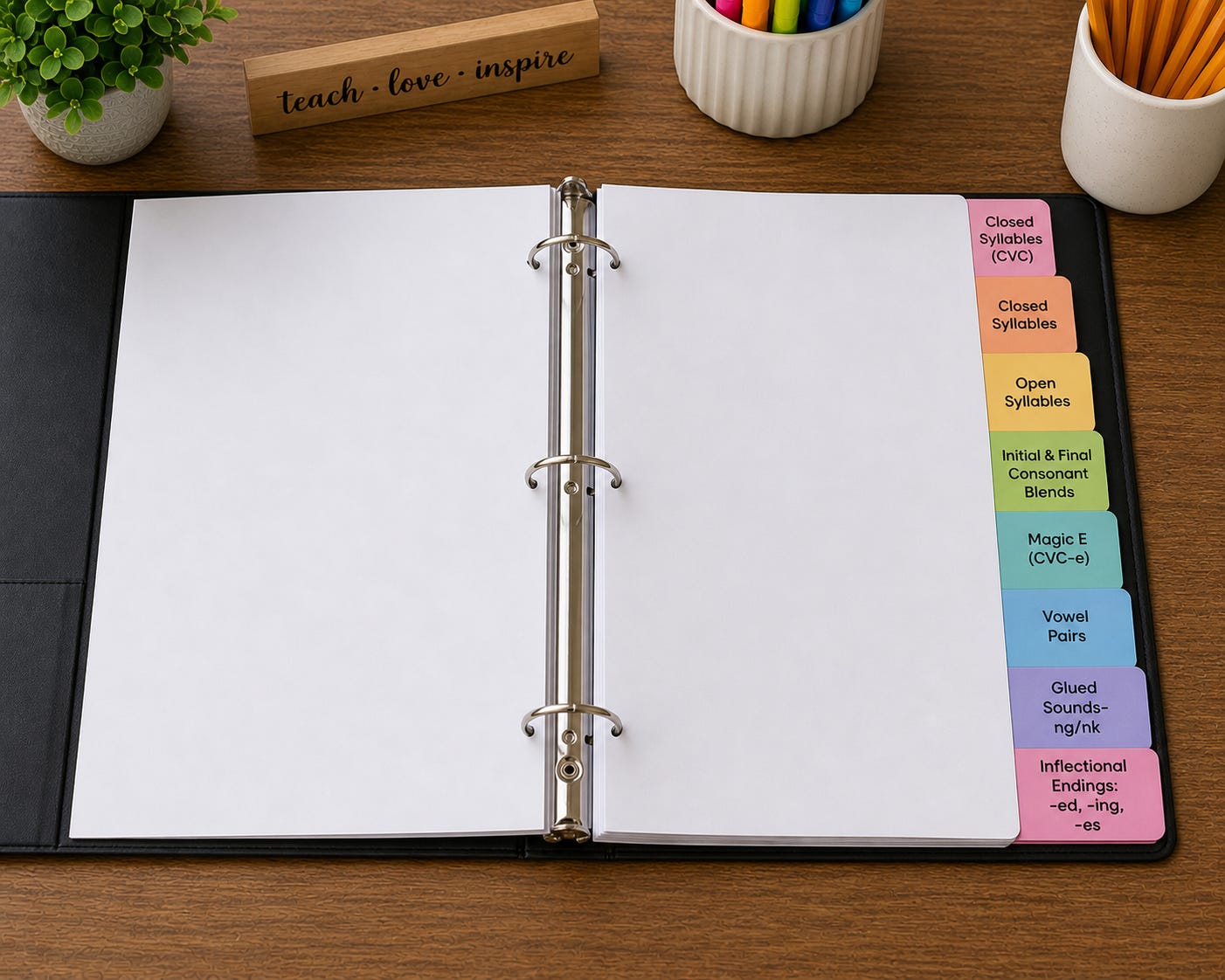
The multisyllabic words in this resource contain:
Closed Syllables (CVC)
Open Syllables
Initial & Final Consonant Blends
Magic E (CVC-e)
Vowel Pairs
Glued Sounds- ng/nk
Inflectional Endings: -ed, -ing, -es

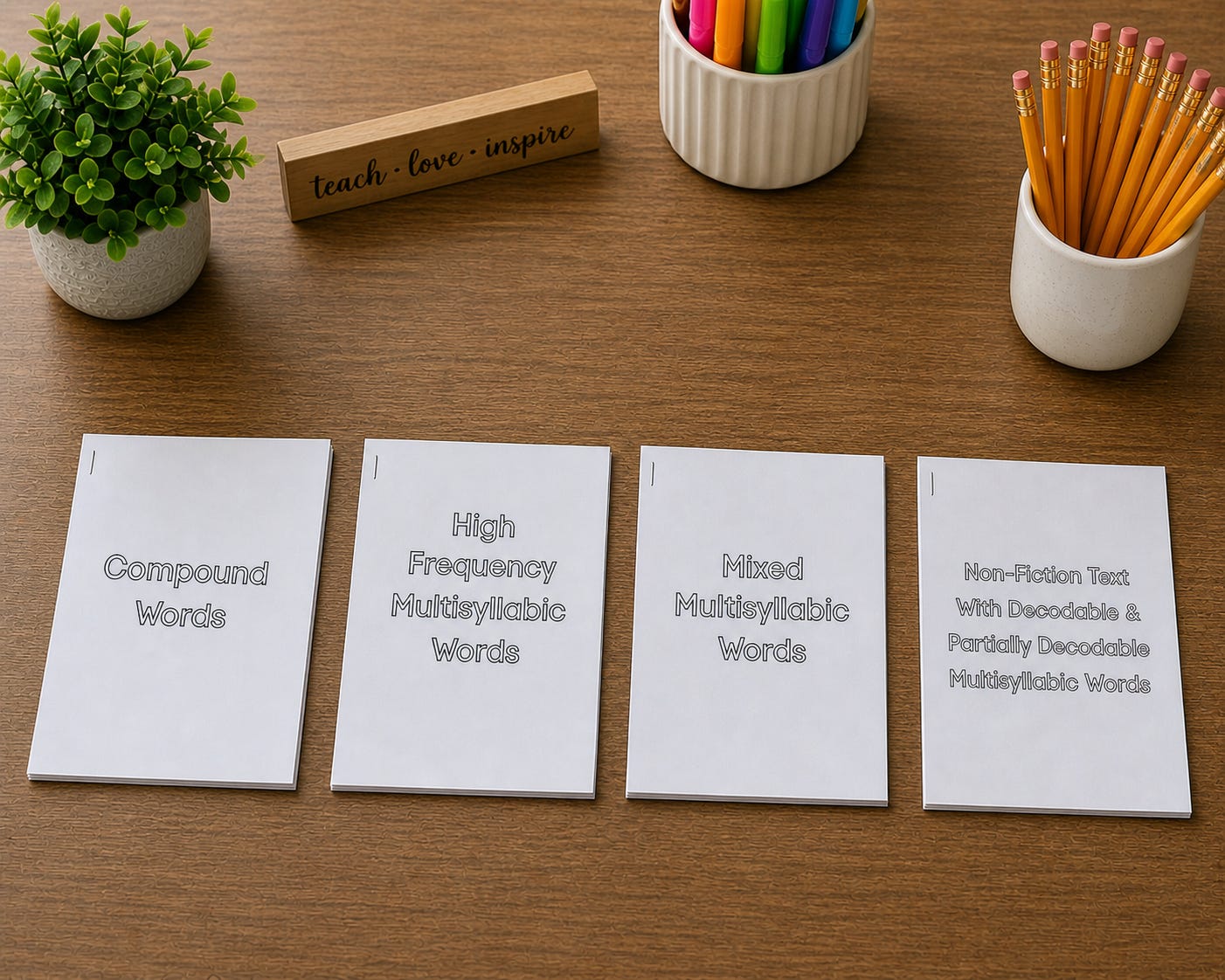
What’s Included
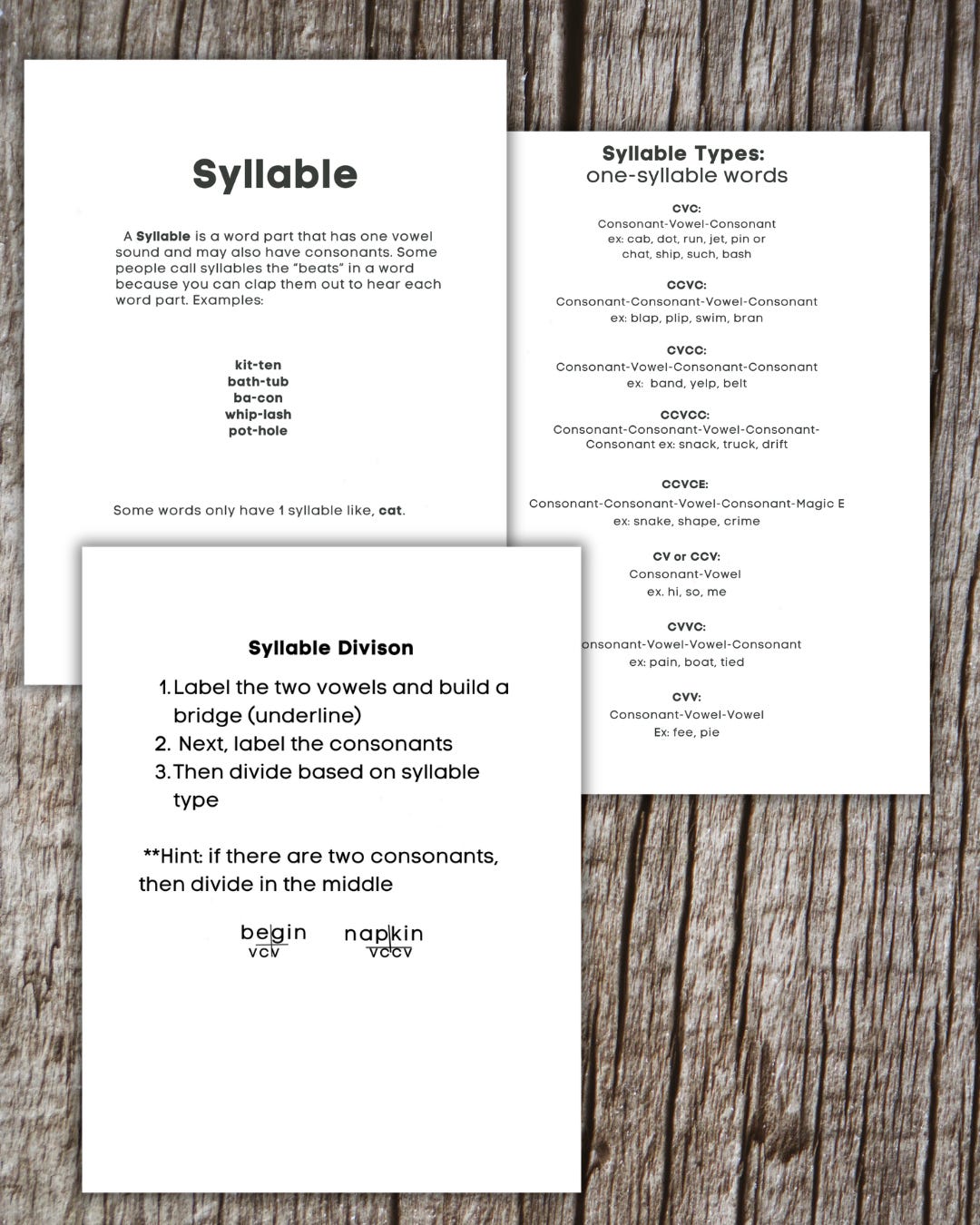
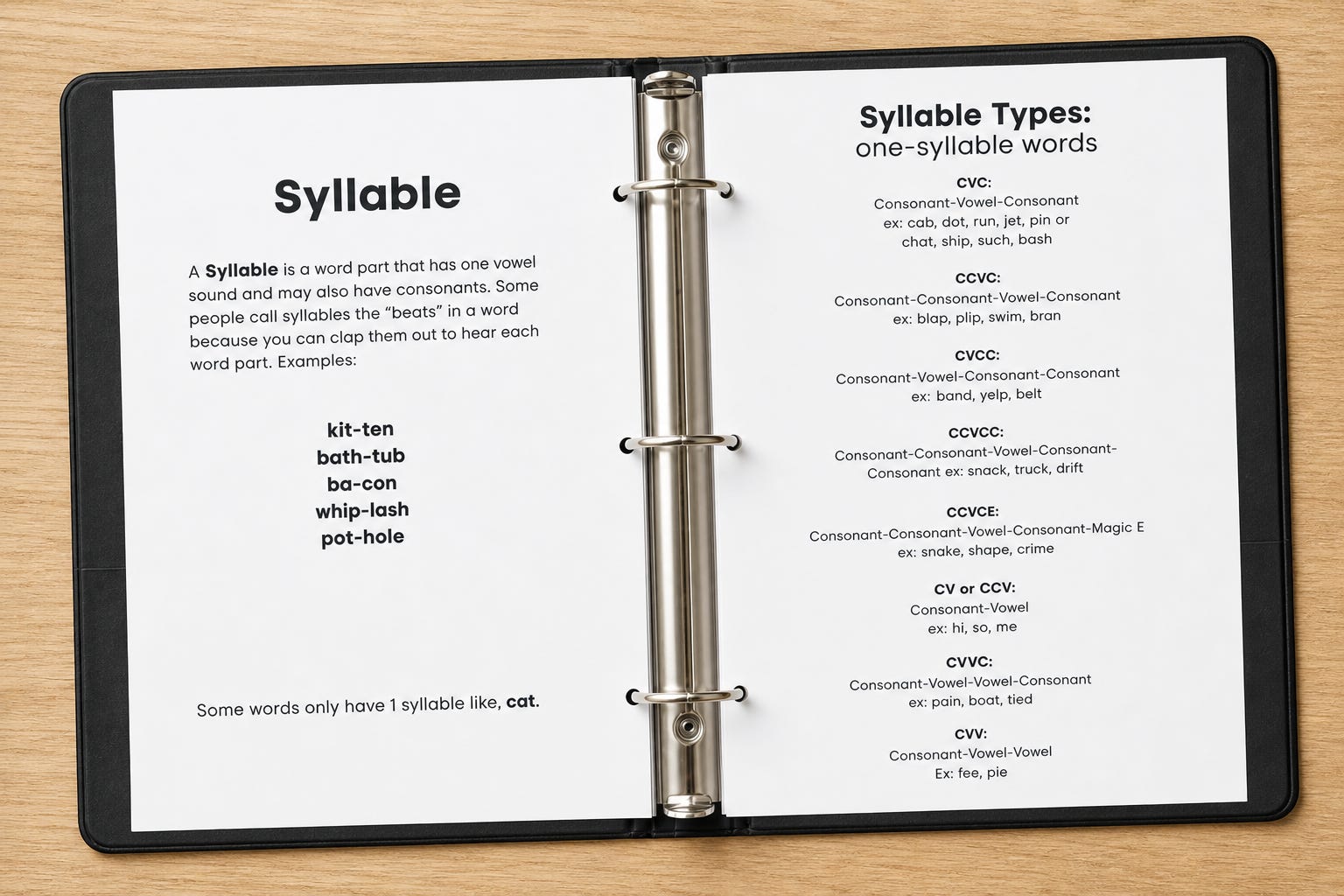
✔ Syllable Types Visuals
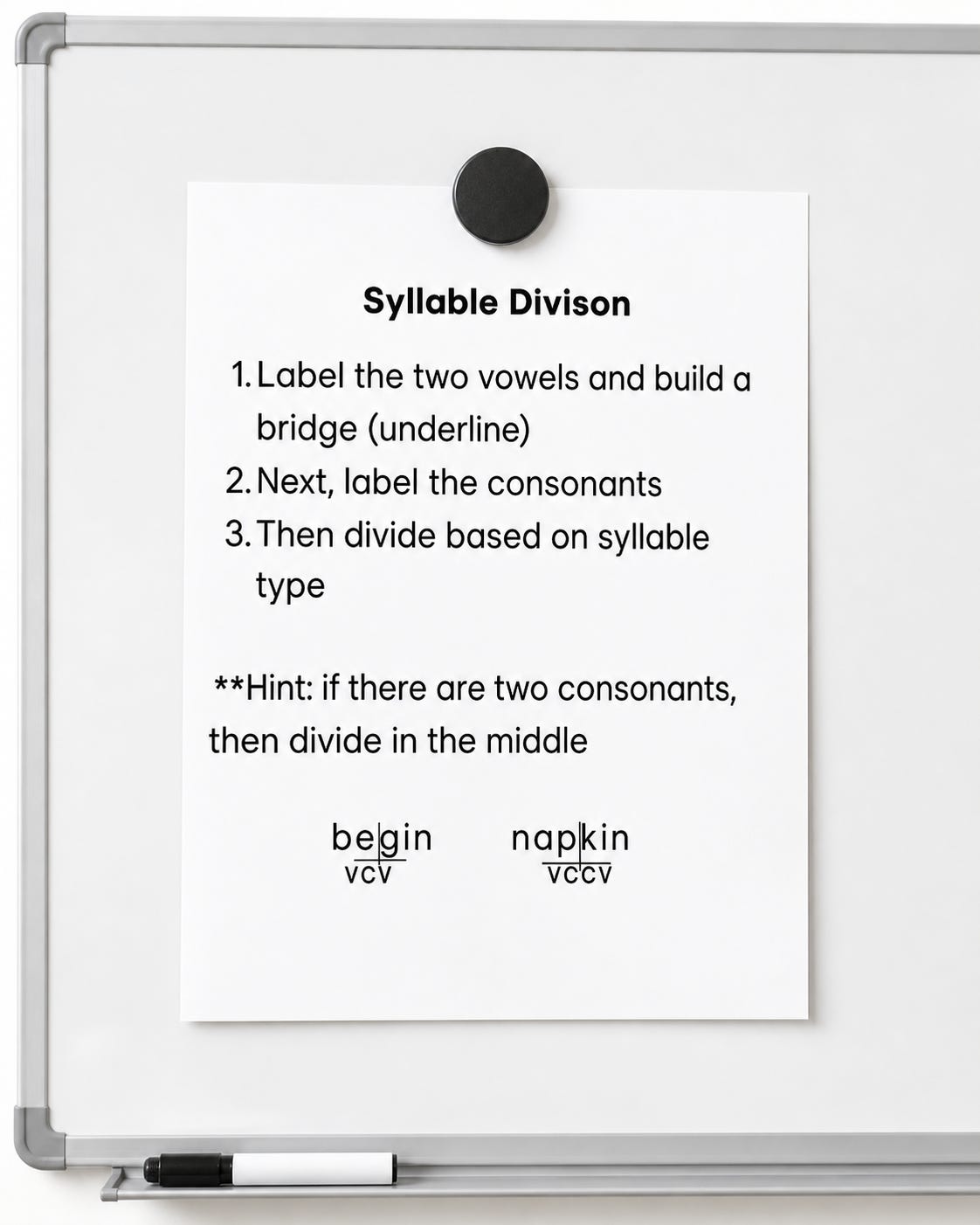
✔ Syllable Division Visuals
✔ Clear, student-friendly explanations of syllable types and syllable division
Numerous Sections, including:
Multisyllabic words containing a variety of phonics patterns
Compound Words
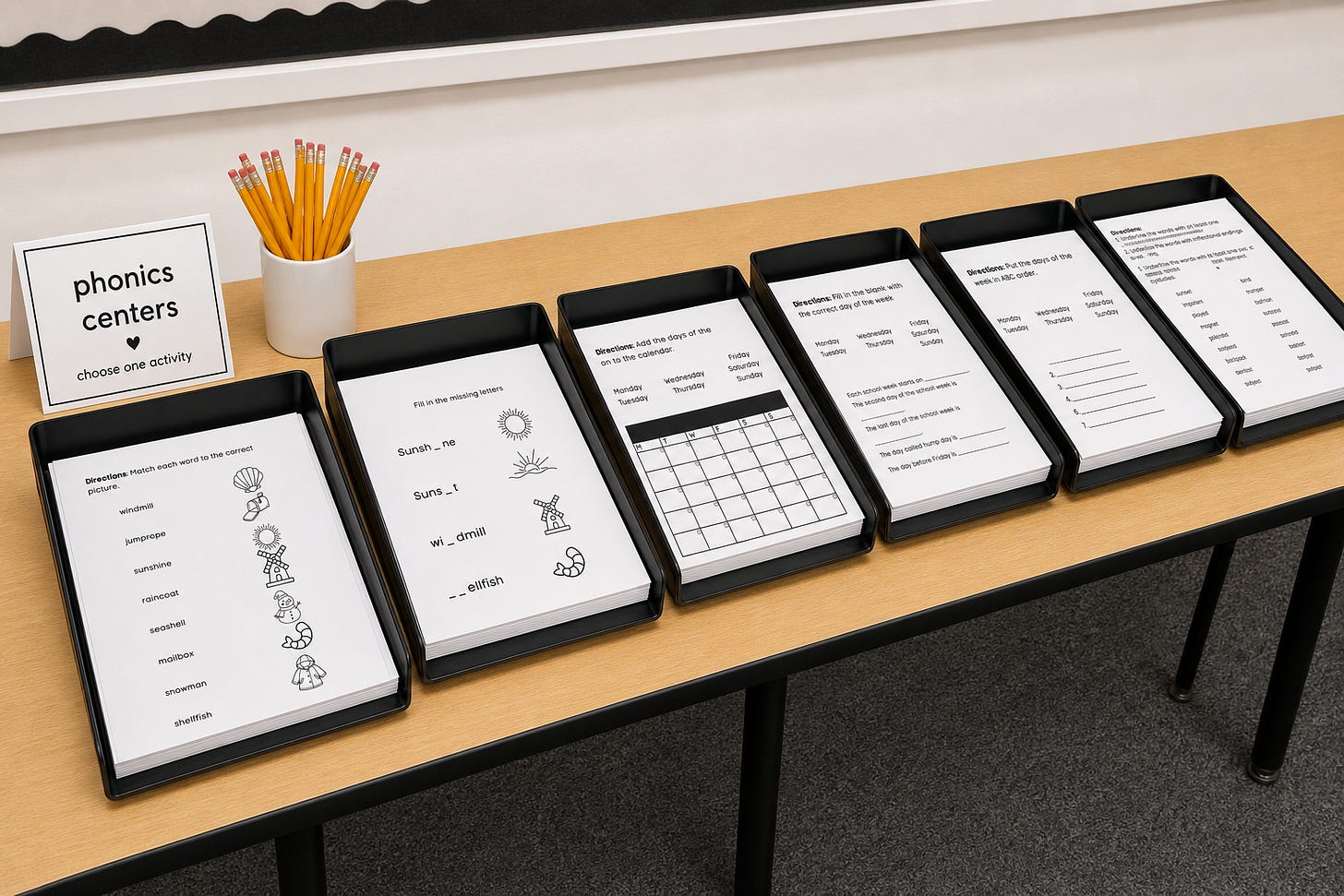
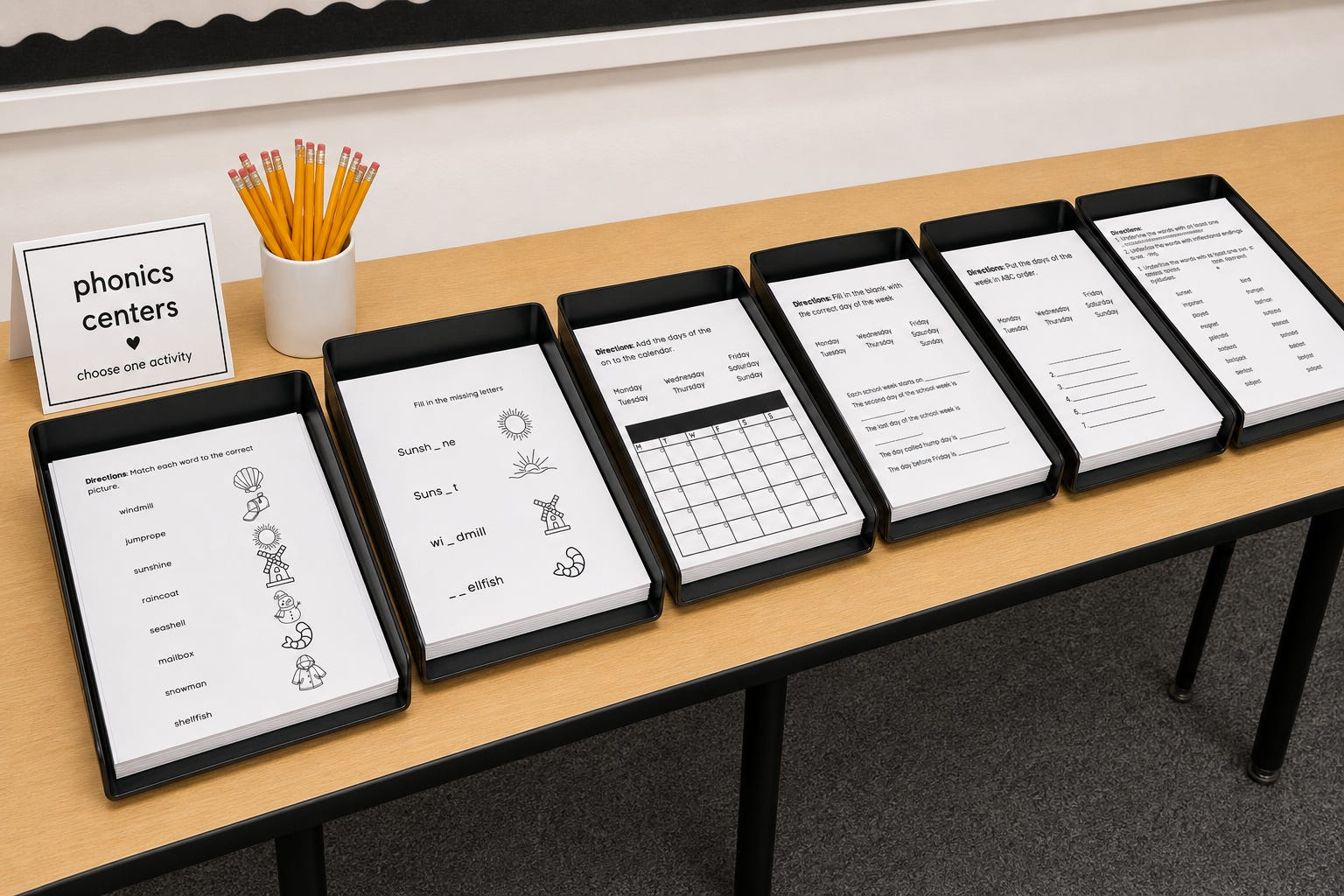
High Frequency Multi-Syllabic Words: days of the week, seasons
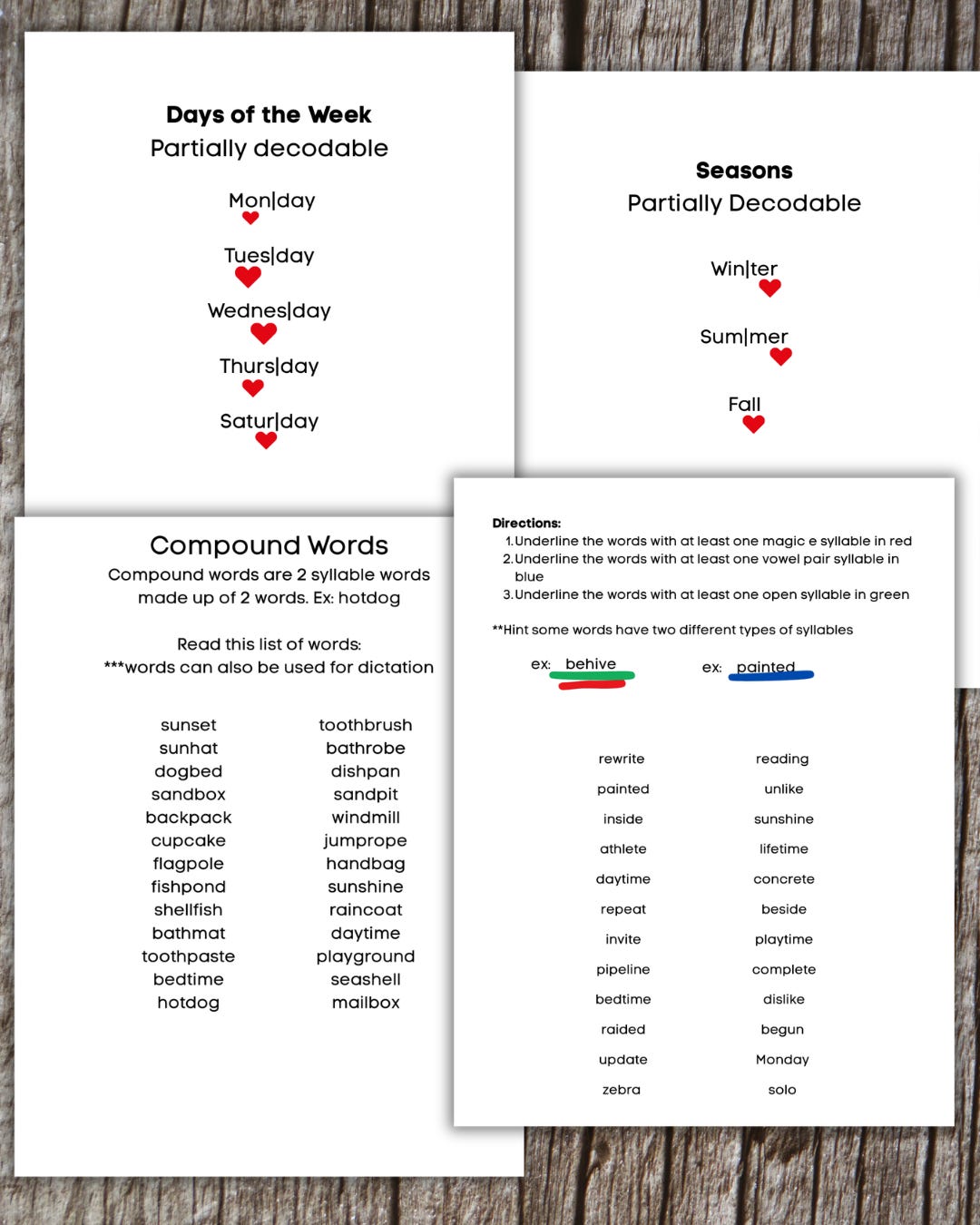
✔ Practice activities:
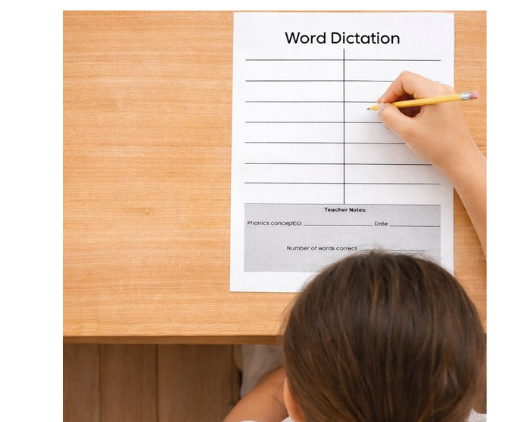
Word lists for fluency and dictation
Cloze readings
Decodable Non Fiction Passages
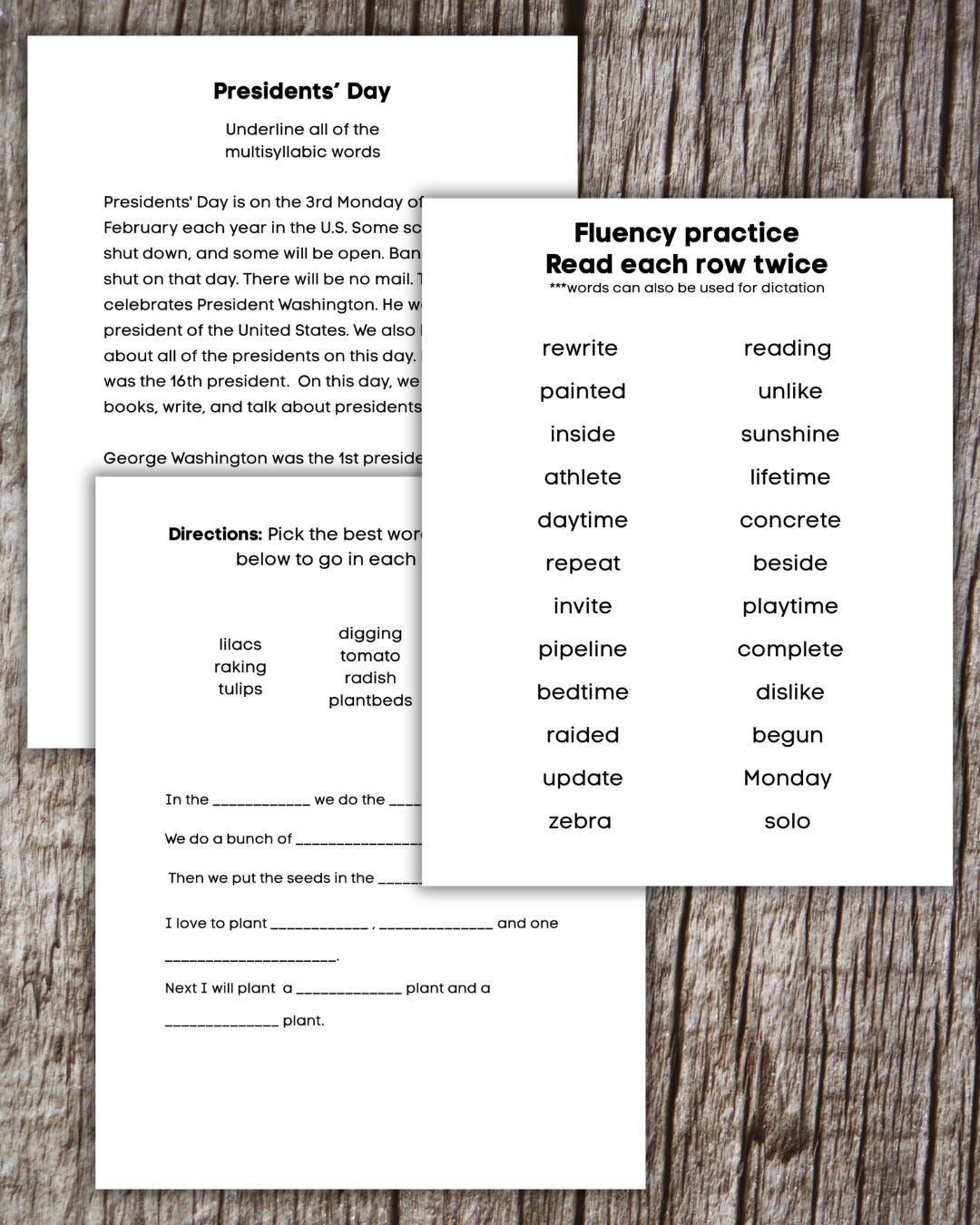
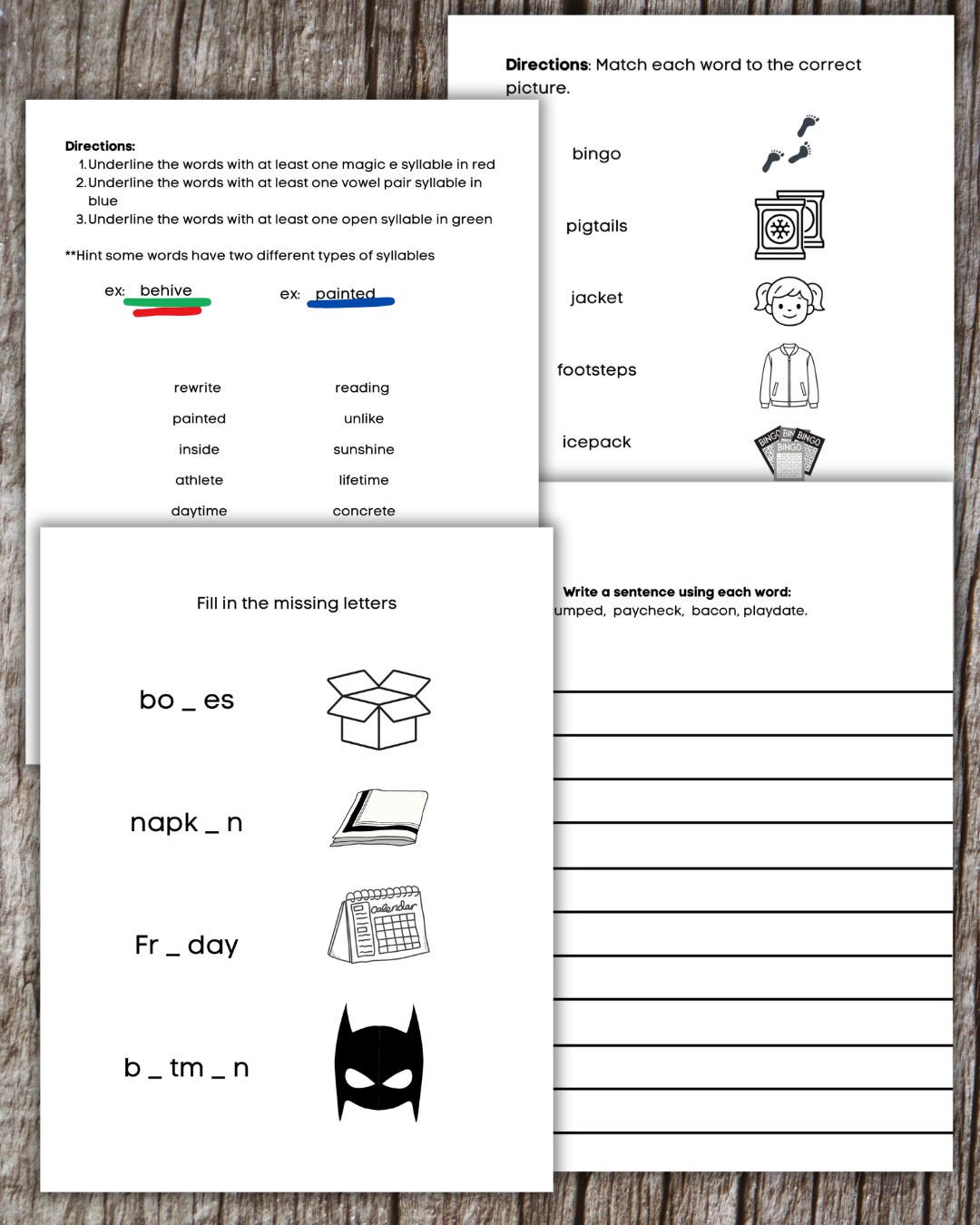
Spelling worksheets
Word Matching
Writing Activities
🧠 Why This Resource Works
This unit goes beyond isolated phonics instruction. Students learn a clear, transferable strategy:
👩🏫 Perfect For
3rd-8th-grade Intervention
Advanced skills for 1st- 3rd graders in General Education
Intervention and small groups, elementary and middle school
Orton-Gillingham / structured literacy instruction
RTI and resource settings
Students who struggle with choosing the correct spelling patterns
💡 How to Use
Use visuals as anchor charts or student references
Incorporate word lists into phonics routines or dictation
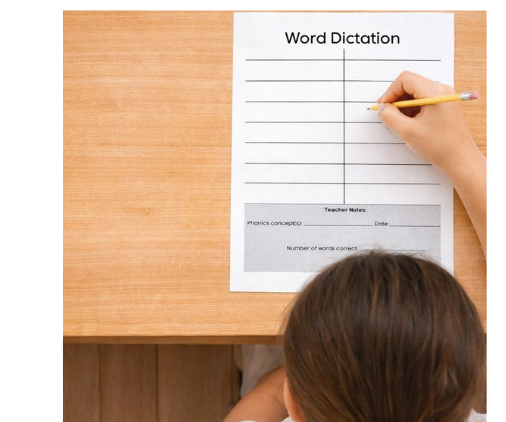
Use practice pages for independent work, centers
Comments
Nothing yet. Say the first thing.
Sign in to join the conversation.