
Papua New Guinea had always been a dream destination for me, as I’m sure it is for many. But when I lay on my hospital bed back in 2004, taking months to recover from multiple gunshot wounds from a terrorist attack in Saudi Arabia, I thought: ‘damn, why didn’t I follow my dreams and go to that mythical island before I lost the use of my legs?’
It was not until 12 years later that a once forlorn hope crystallised into reality. Together with Benedict Allen, I would embark on a BBC filming trip to one of the remotest parts of PNG.
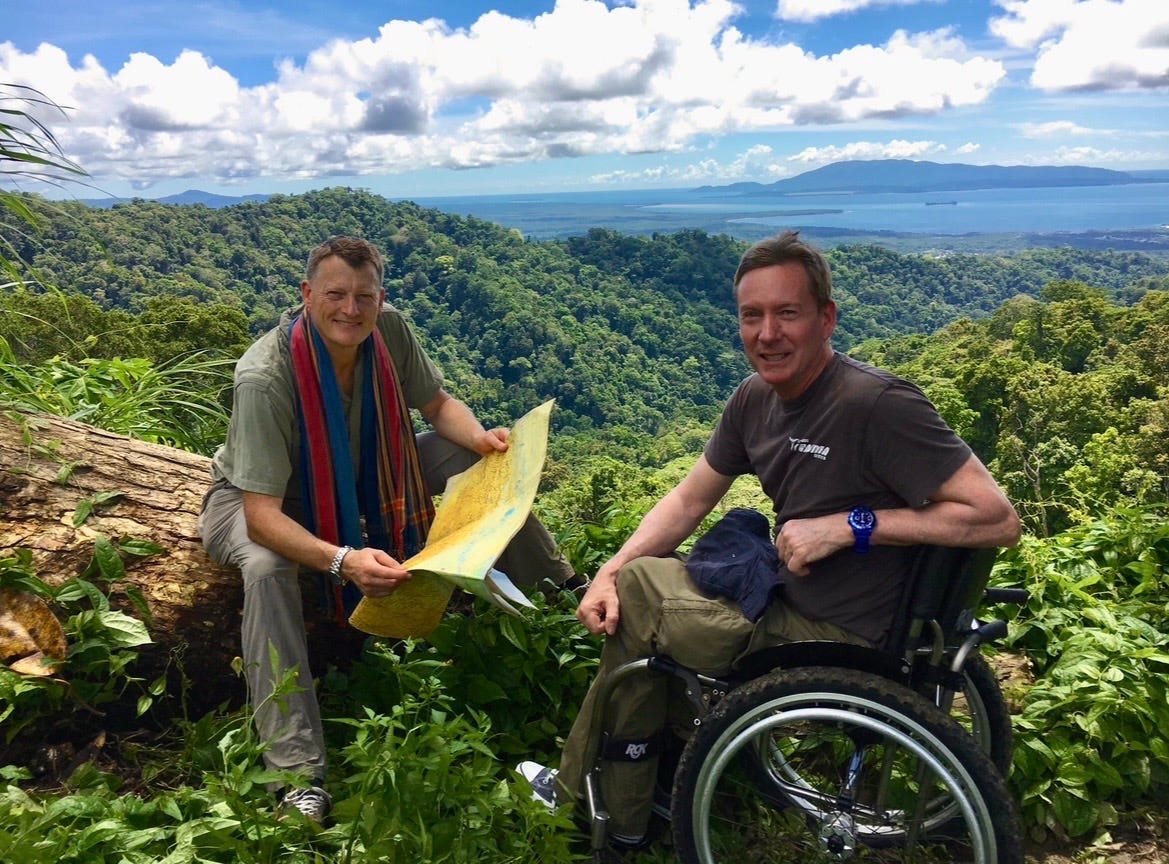
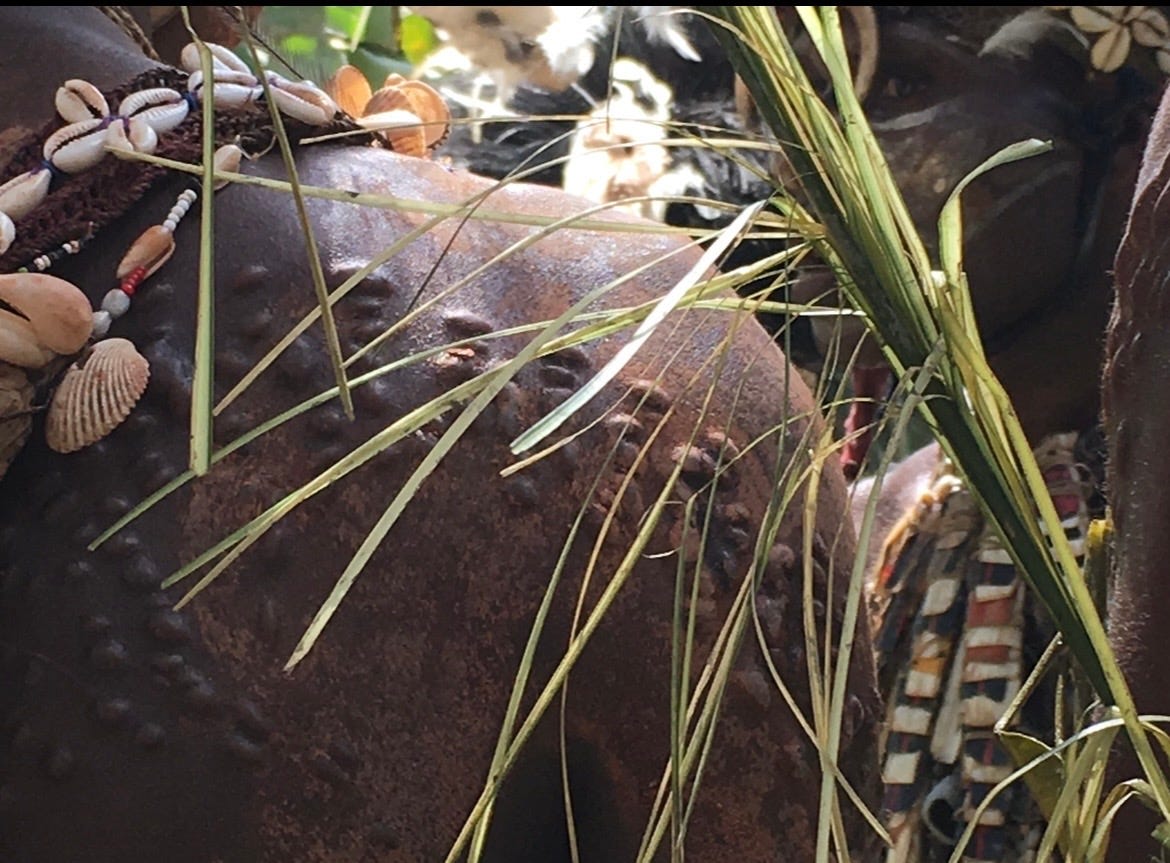
The plan was for Benedict to return to a place called Kandingai on the hot, humid Sepik river in the Lowlands. There he had spent part of his 20s living with ‘the Crocodile People’ (a name they gave themselves) and where he had voluntarily undergone an agonising initiation ritual with hundreds of cuts to his skin with a razor blade.
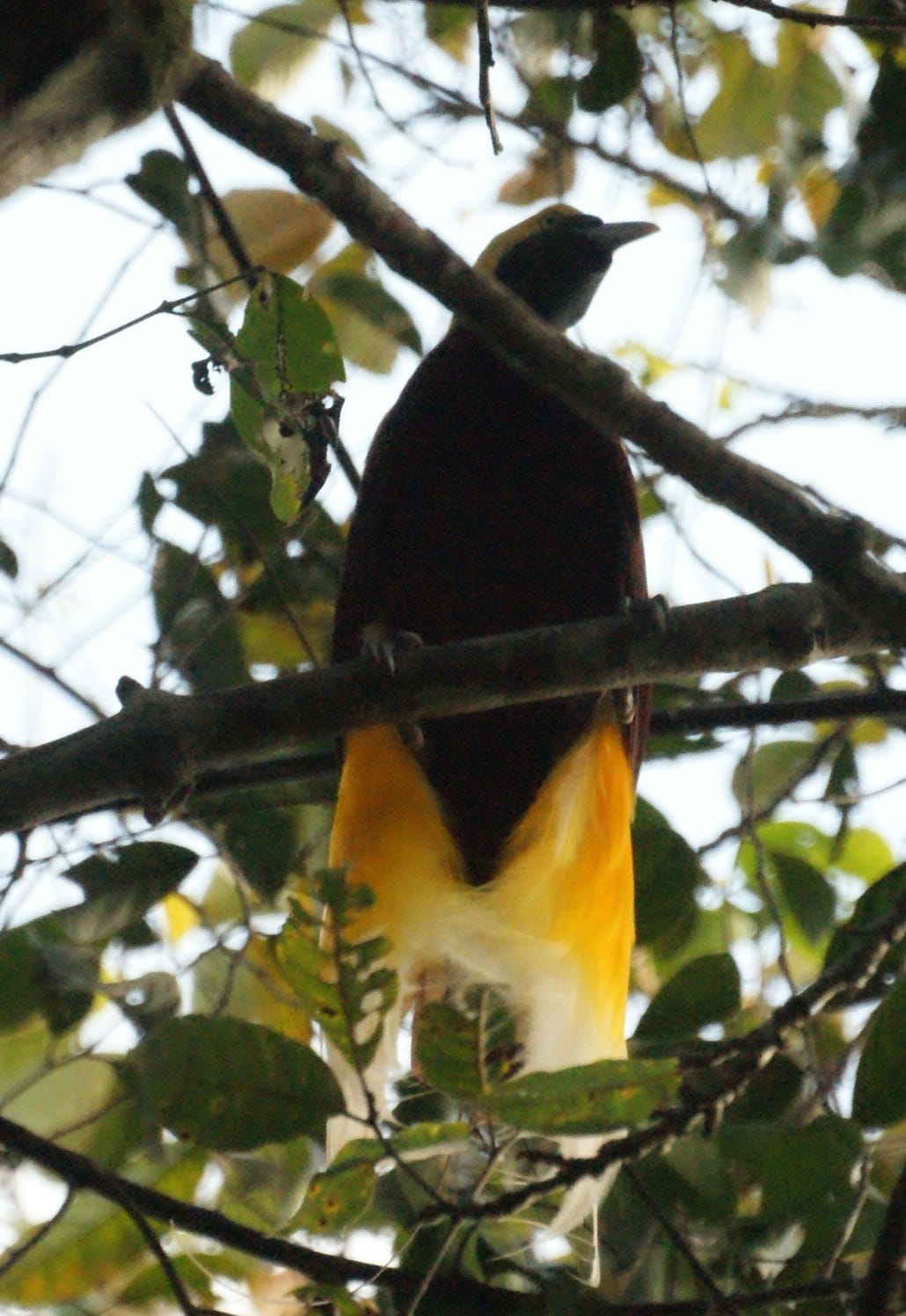
Rather less dramatically, I was on a quest to see Birds of Paradise, being a keen birdwatcher.
Papua New Guinea is a very long way away. Once we landed in Port Moresby, the capital, we couldn’t wait to get out of there. It was said to be rife with violent crime although the local word for criminals was the rather quaint ‘rascals’.
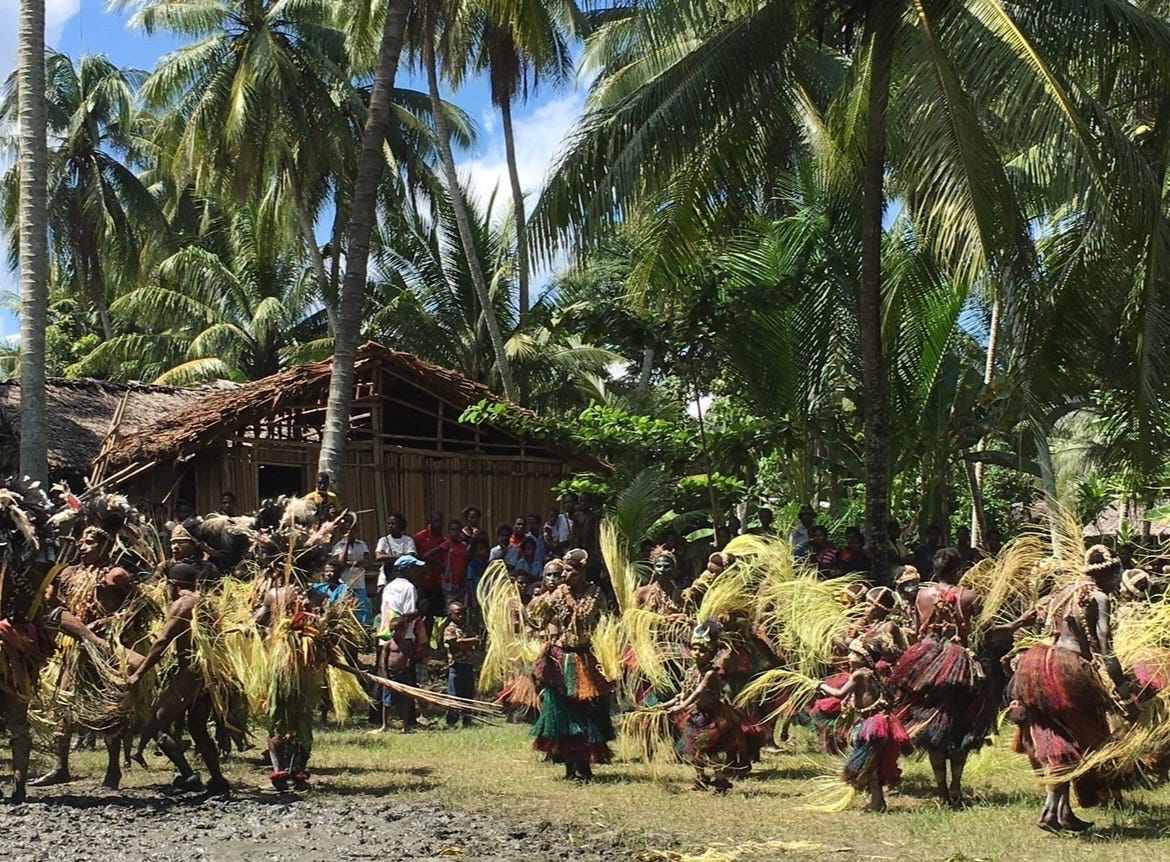
We headed north, to the town of Wewak on the Bismarck Sea - Germany has a history in this part of the world. From there we drove to the edge of the Sepik River and our first night in huts on stilts.
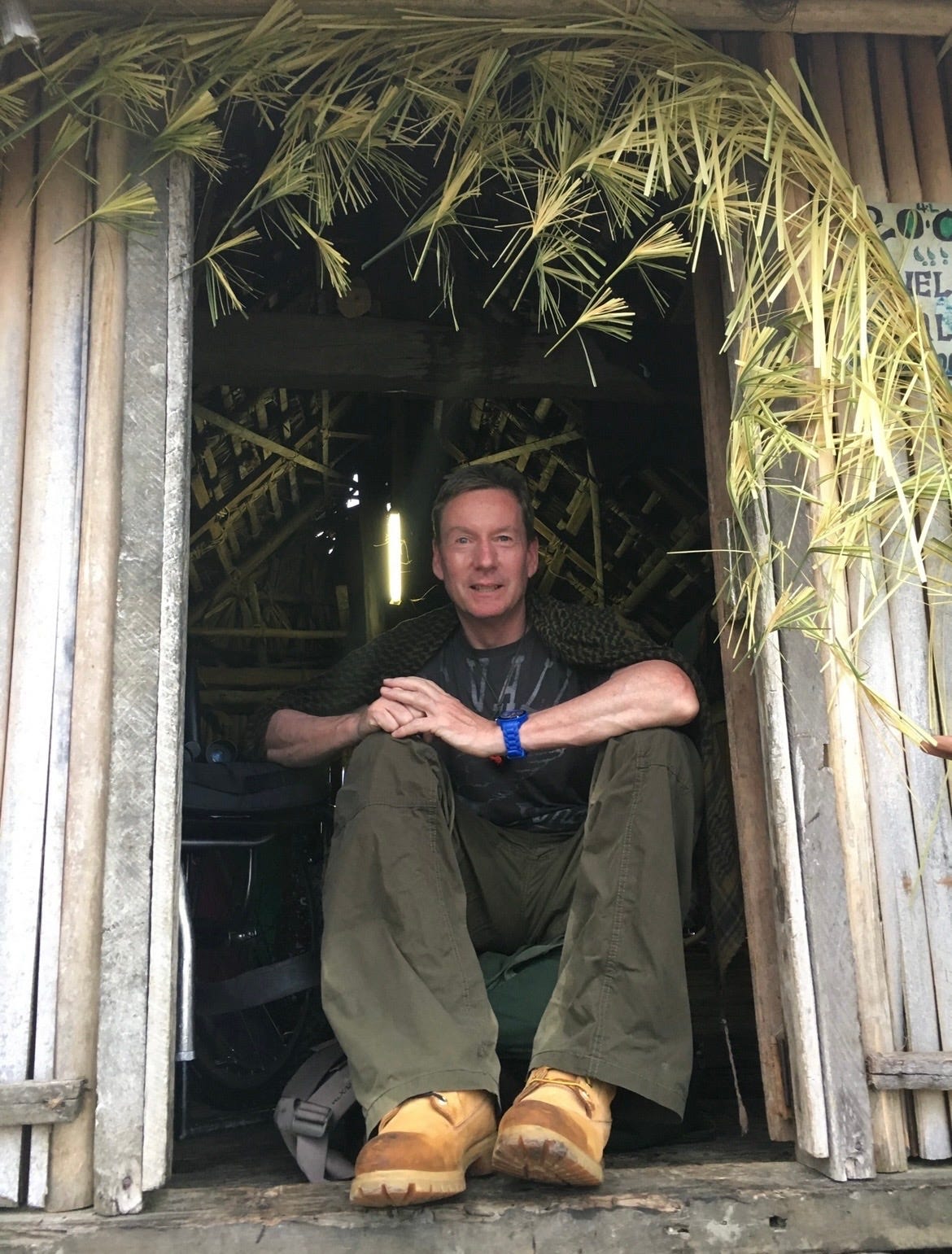
The stilts are not for decoration. The mud and the rain were epic. I’ve never seen anything like it.
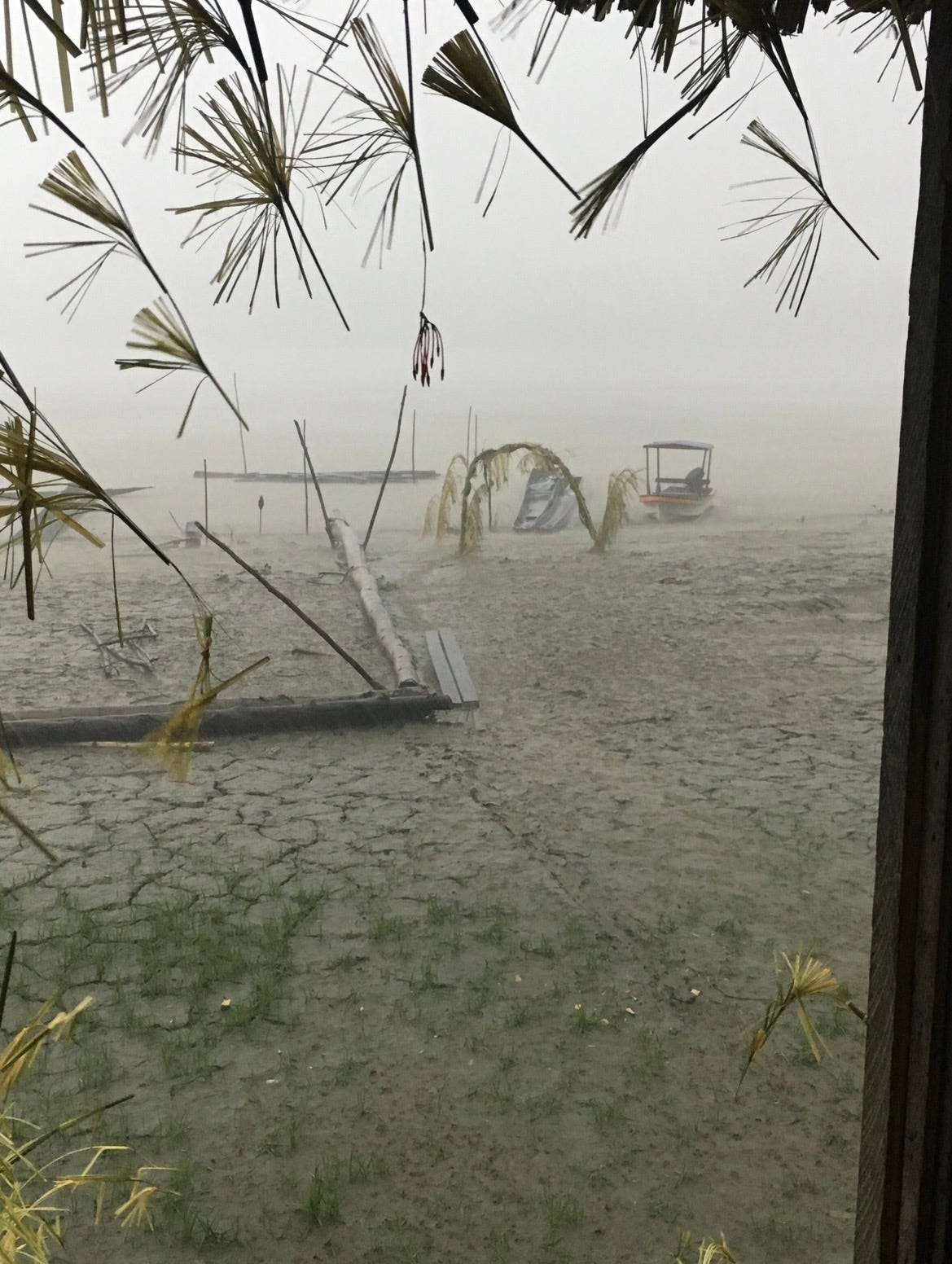
I have to admit the food was grim. Tinned Spam. Seriously? Maybe it’s a hangover from the Second World War when US and Australian troops fought the Japanese. There was also something called sago pulp which looked like plaster of Paris, while for light relief there was cold, soggy rice, in lumps.
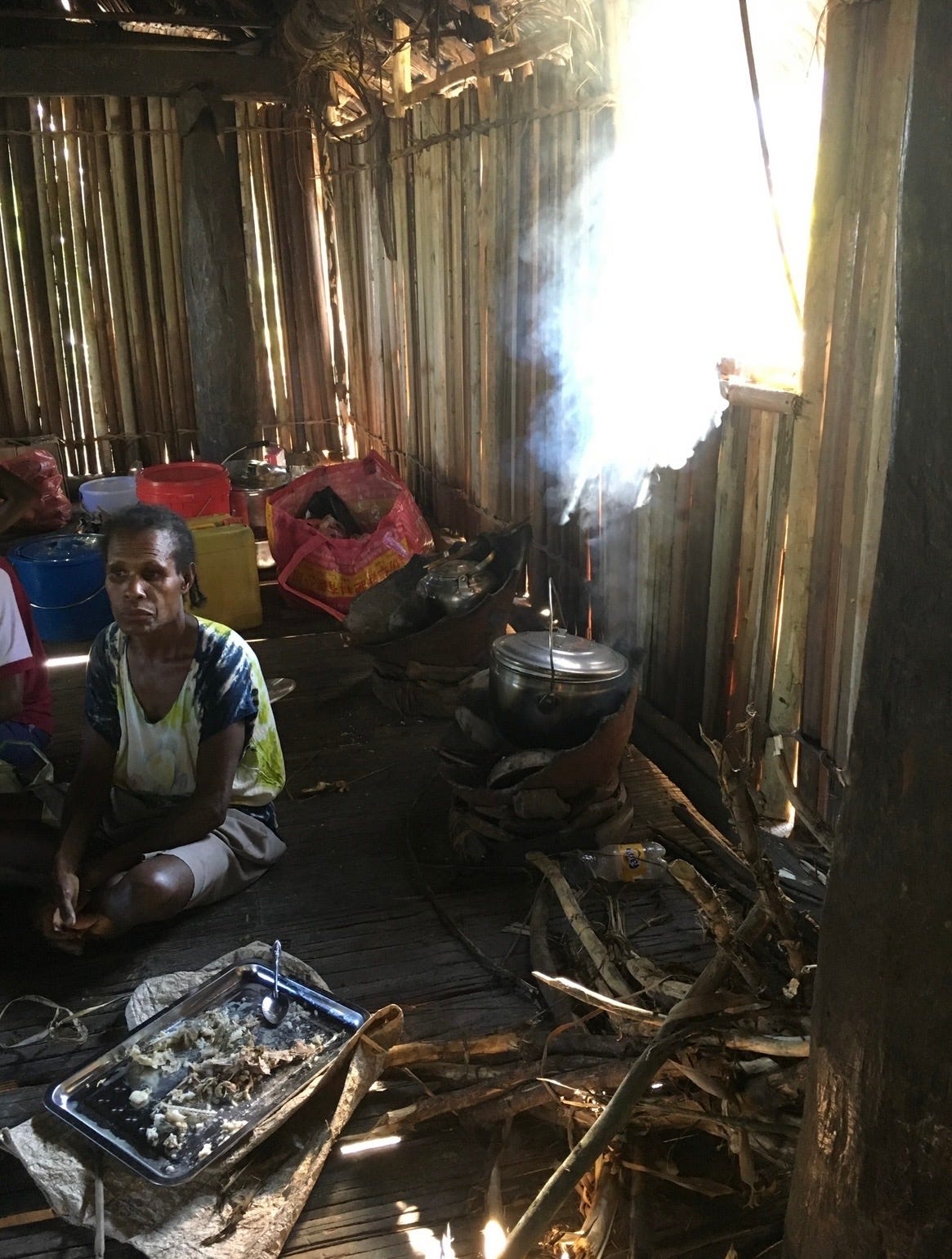
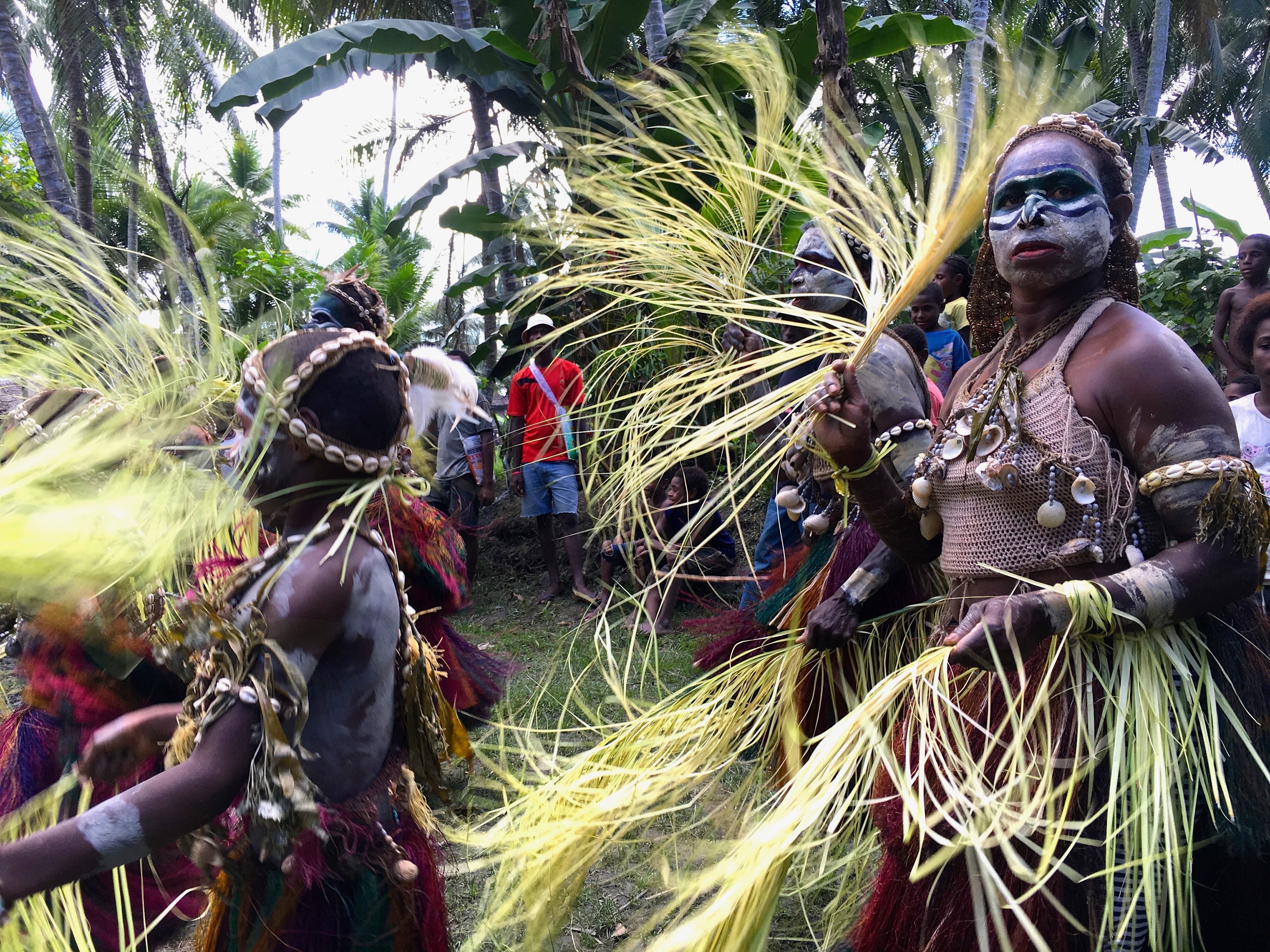
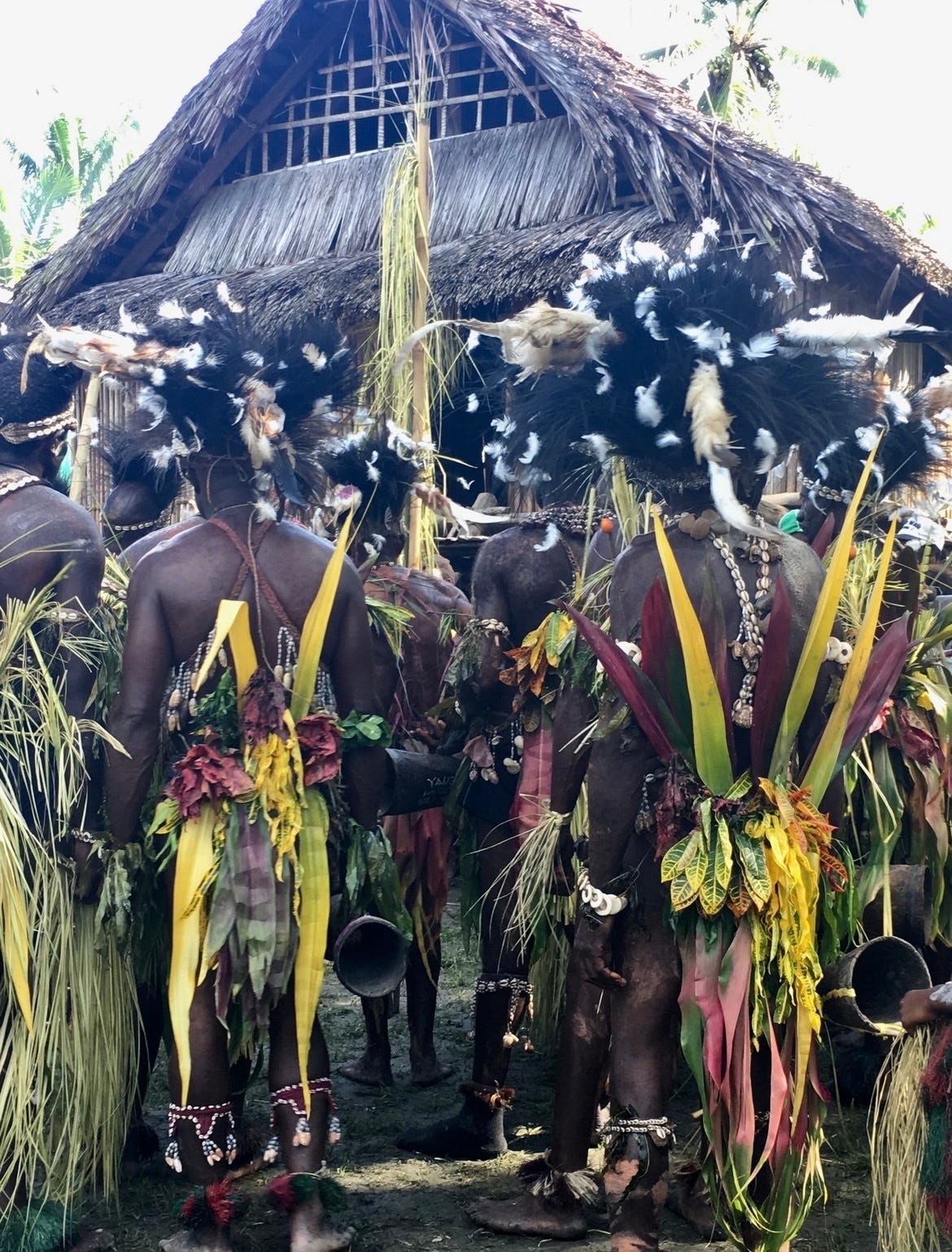
But after days of travelling upriver, at times through swamps infested with mosquitoes, we reached the village of Kandingai. Word had gone out ahead and we were welcomed by two long canoes crewed by warriors adorned with feathers, cowrie shells and palm fronds. Drums were beating rhythmically and Benedict grew distinctly nervous. For him this was a throwback to the drums ahead of his initiation ceremony. But the reception was friendly and soon I was being carried up in my wheelchair into another hut on stilts.
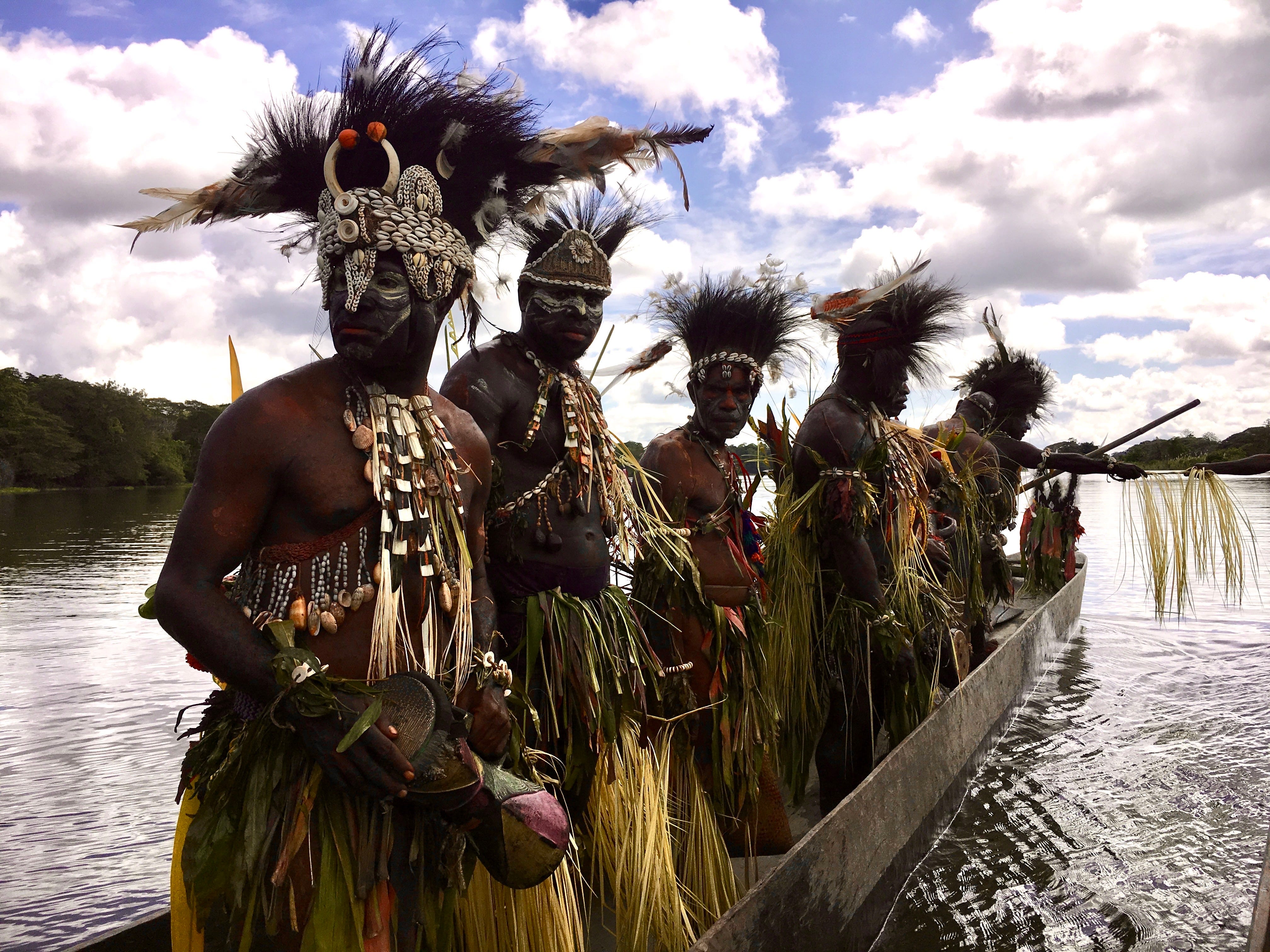
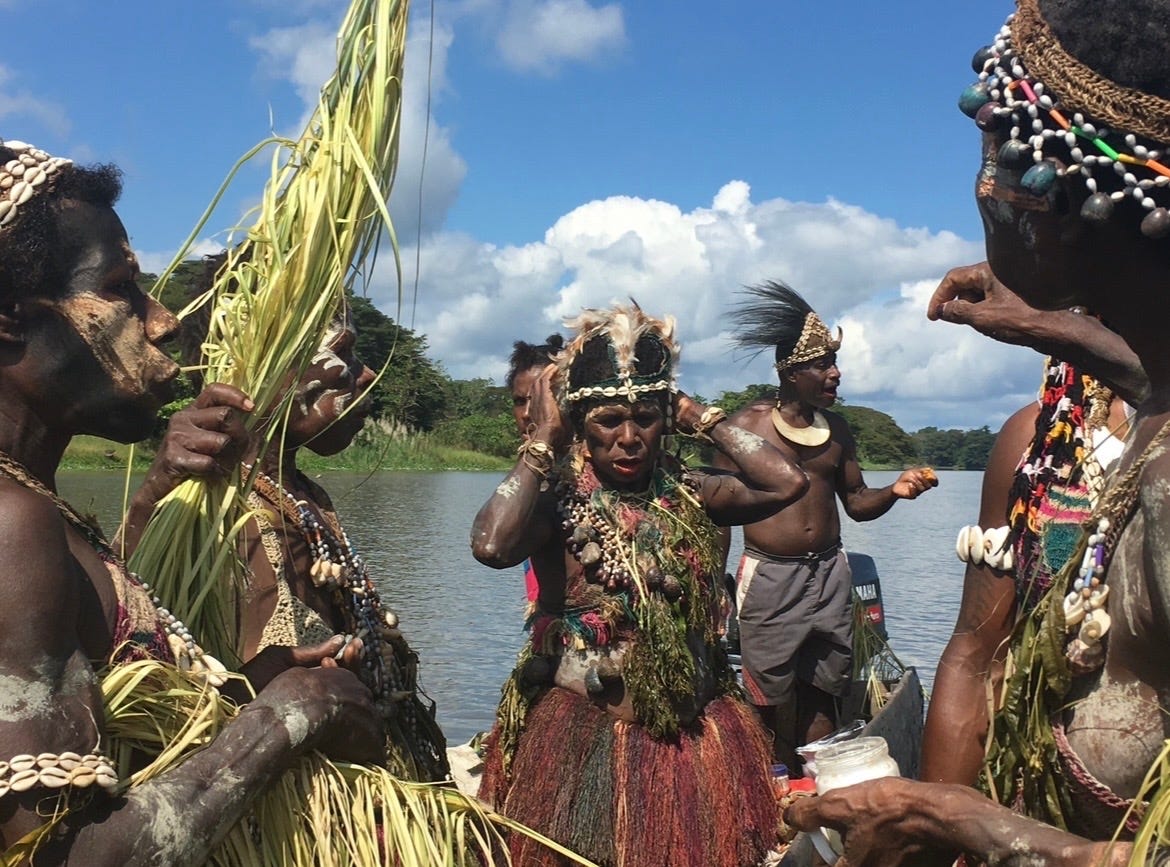
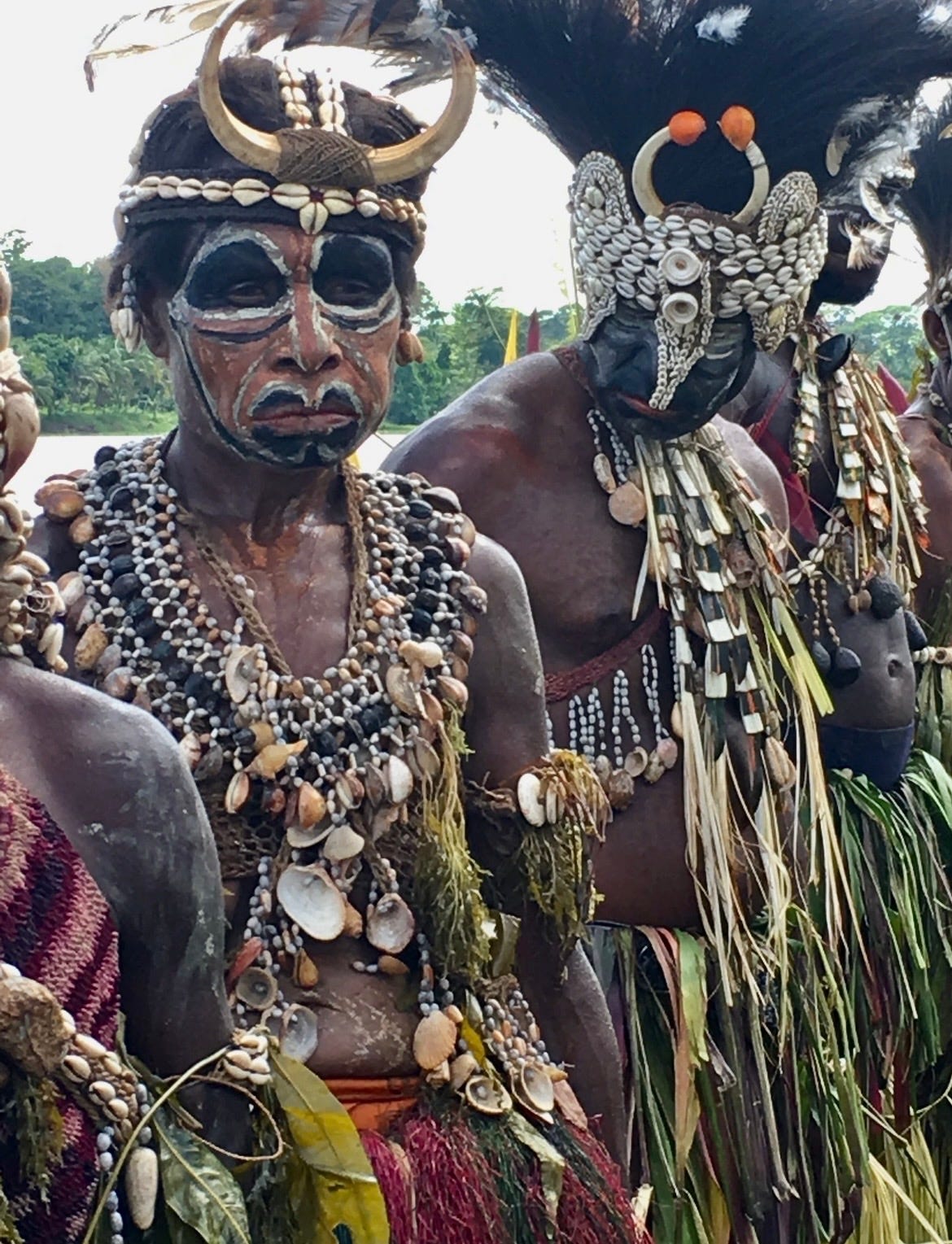
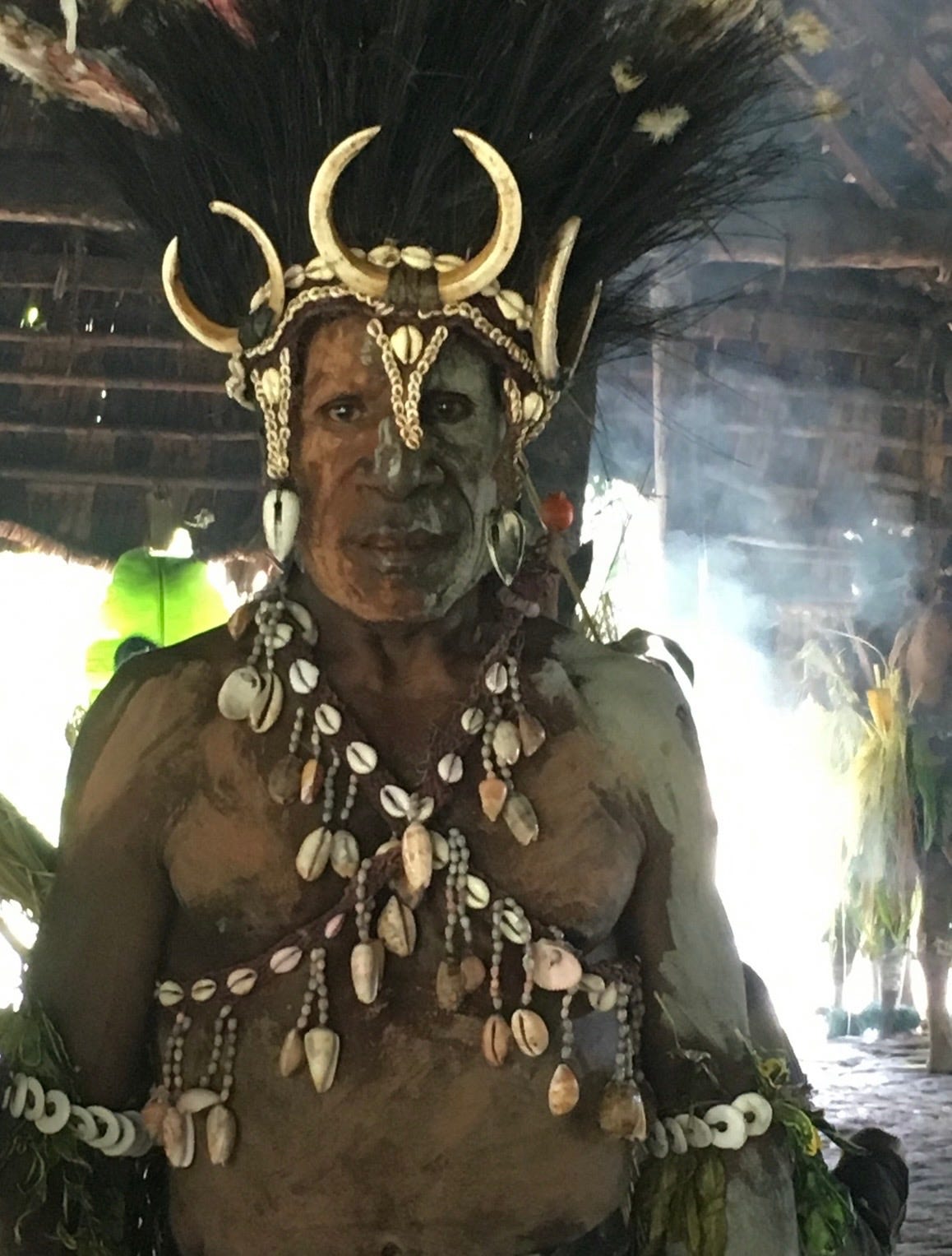
In the days we were there we were privileged to witness incredible scenes as ceremonies were prepared, pigs were slaughtered (yes that bit was very grim) and songs were sung. The adornments were impressively elaborate, including boars’ tusks and cowrie shells bartered with merchants on the coast.
Away from the ceremonies I had a chance to talk to the villagers who spoke mainly in what’s known as ‘Pidgin’. Papua New Guinea has such a challenging terrain that it’s thought to have more than 700 distinct languages and dialects.
One of the people I met was a young girl who, like me, couldn’t walk, yet her wheelchair was the most heartbreaking thing it was so crude and barely functional. We gave her some money to buy something better and I hope if I ever return her life will not be as hard as it looked back then.
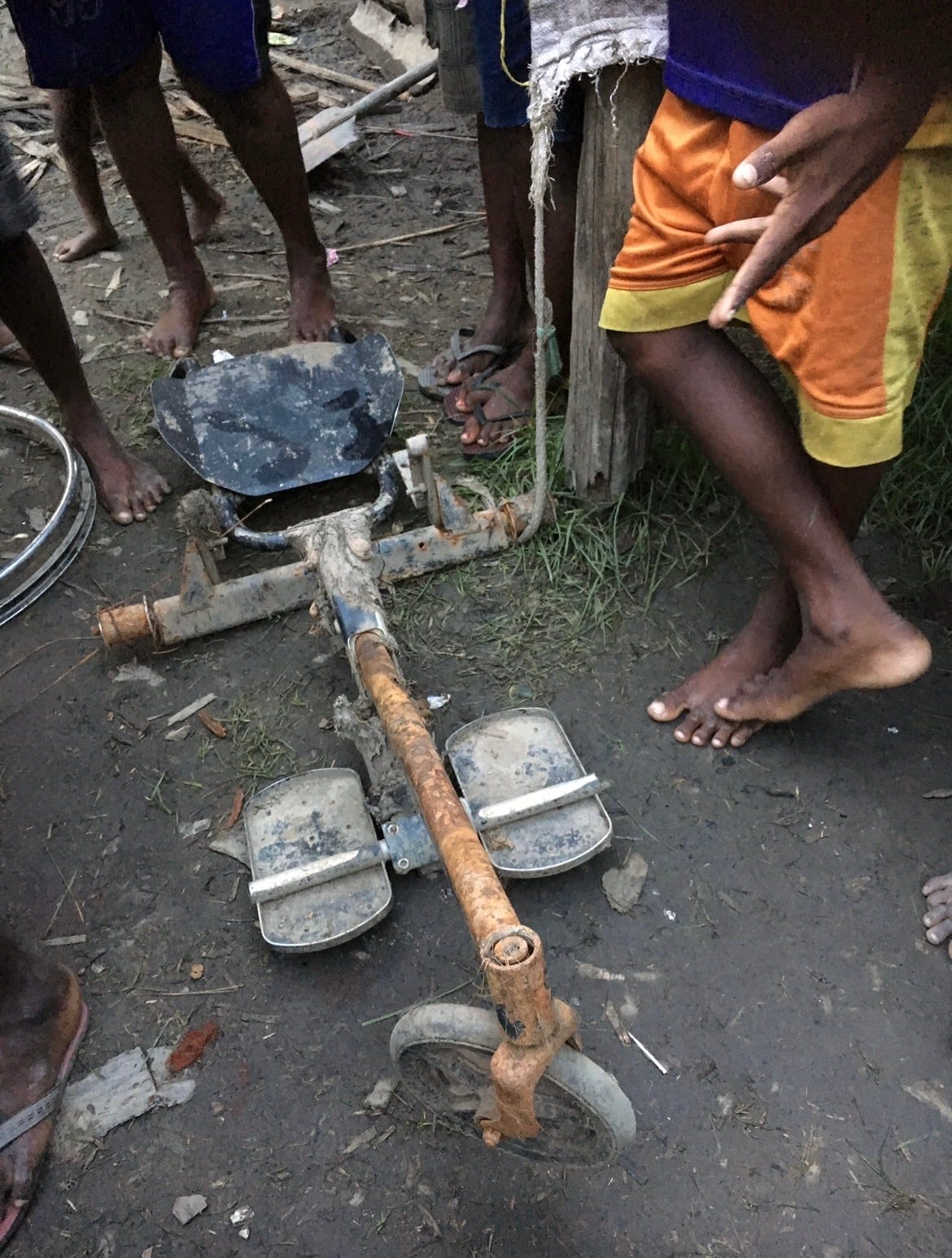
The conditions in that village on the Sepik river were tough. The heat and humidity were such that the air felt saturated with moisture at all times (there was obviously no air conditioning!).
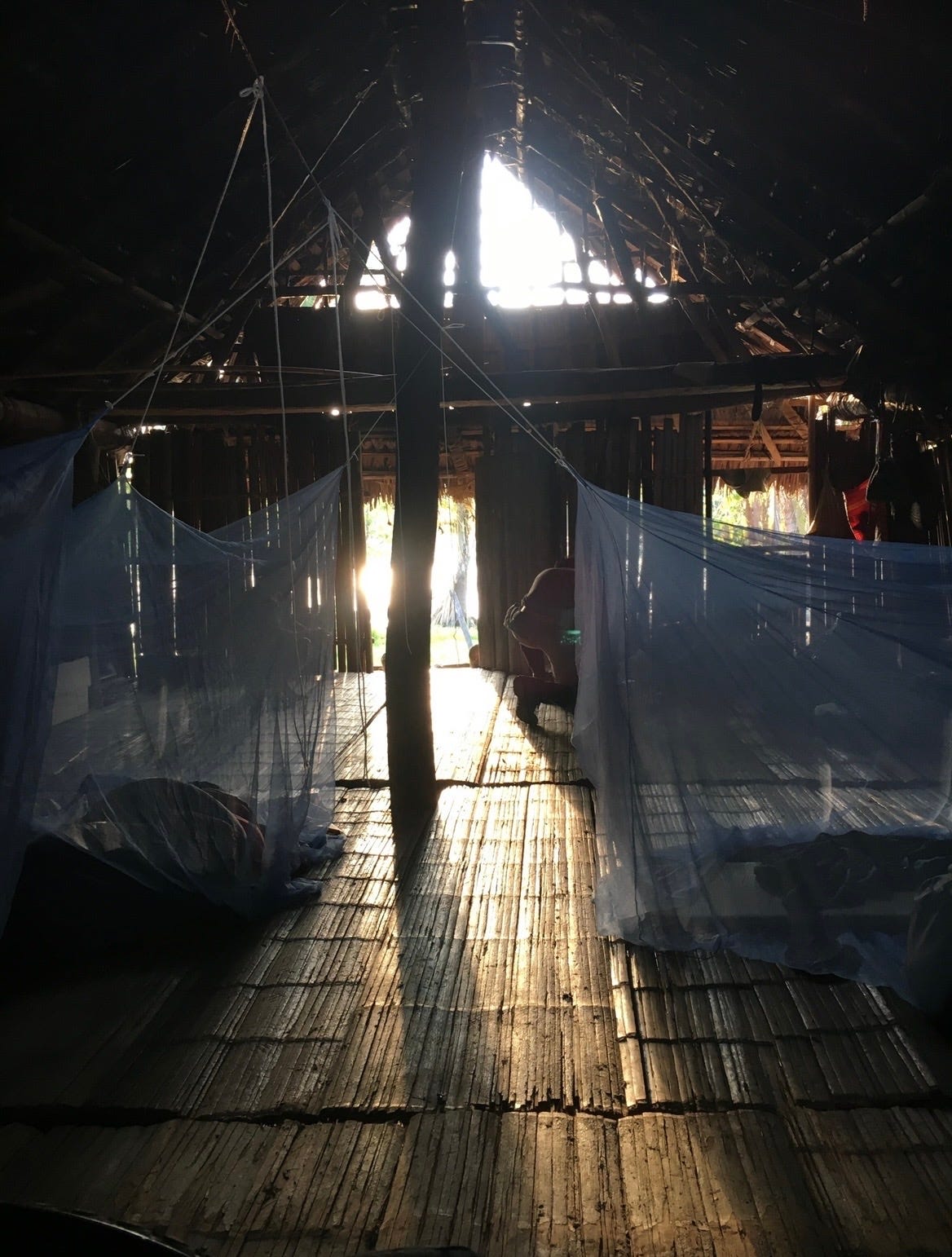
We had mosquito nets over our beds and at one point a large rat escaped from the rafters and it fell so heavily on the producer’s net that it landed on his face causing him to understandably cry out in the night. Both Benedict and I got briefly sick with food poisoning and I survived on the dry biscuits I had brought from home.
And yet despite the conditions, and the fact that I had barely caught more than a passing glimpse of a Bird of Paradise, high up in the tree canopy, and I managed to get a pressure sore that risked going septic in the heat, I would not have missed it. Four months later, we would be back to Papua New Guinea, this time to the cooler Highlands, in search of those elusive Birds of Paradise.
No posts
Comments
Nothing yet. Say the first thing.
Sign in to join the conversation.