

Adam N. Stulberg - Orbis
The conspicuous gap between the bark and bite of the Kremlin’s nuclear saber-rattling raises fundamental questions not only about how to decipher Moscow’s coercive threats, but about how to formulate an appropriate Western response.
Carl Parkin - Analysis
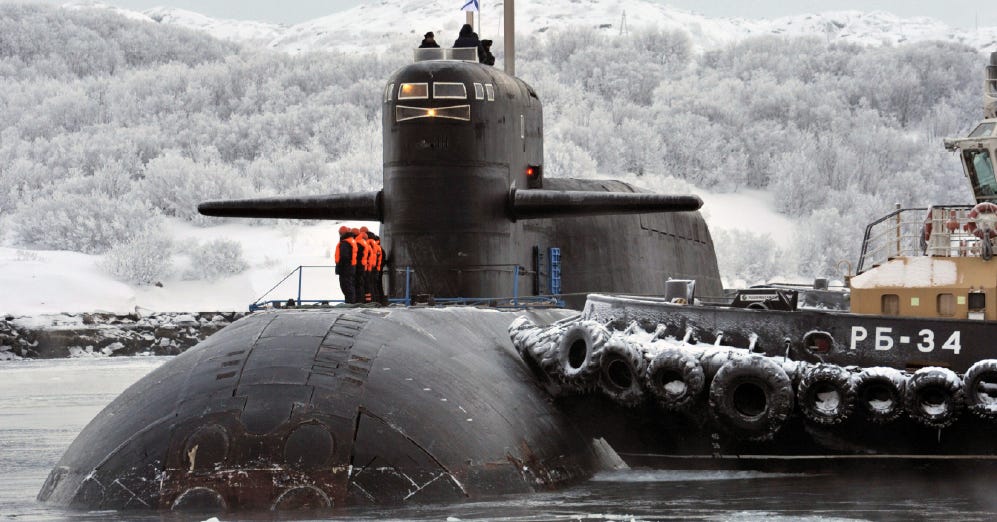
Russia sees opportunity in the Arctic. For centuries, ever-present sea ice has made the region hostile to trade or military exploitation. But as the ice melts, that reality is changing. Russia plans to capitalize on the economic benefit of Arctic trade, is increasing its military presence in the region, and is leveraging its dominance to conduct disruptive gray zone activity against US allies.
Gabriela I. Rosa-Hernandez and Decker Eveleth - Analysis
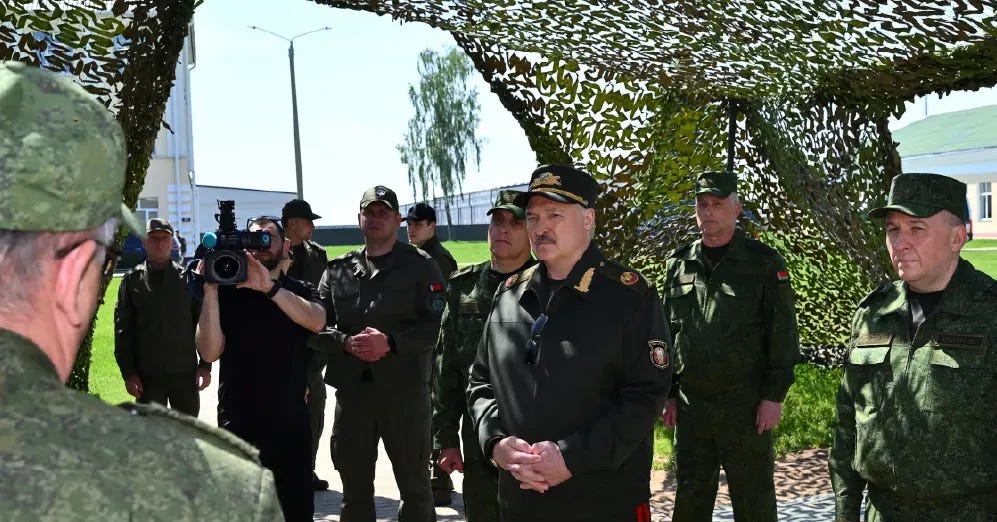
Recent Russian and Belarusian exercises have revealed a level of deeper theoretical integration between Russian and Belarusian nuclear and conventional units than many anticipated. Although the deployment of Russian nuclear weapons in Belarus still has ways to go, the exercise demonstrates an intent by both parties to systemize the link between Belarusian forces and Russia‘s strategic posture.

Emma Salisbury - Behind the Front
The United Kingdom’s Defense Investment Plan vision is broadly right, but the United Kingdom’s persistent failure to fix structural problems in defense procurement and industrial delivery means the gap between what is announced and what is delivered on time and to budget remains the single greatest risk to the DIP’s plans actually materializing as described.

Raghvendra Kumar - Analysis
The trade and economic relationship between Beijing and Pretoria has never been one between equitable partners. Although South Africa is China’s largest trading partner in Africa, with bilateral trade reaching approximately US$53.7 billion in 2025, the balance of trade is lopsided.

Jacques deLisle - Analysis
A series of high-level meetings between leaders and visits by prominent politicians from the United States, China, and Taiwan have roiled chronically fraught issues of Taiwan policy and cross-Strait relations.

In this episode of Shifting Ground, co-hosts Nick Gvosdev and Larry Rubin sit down with The Hon. John Tien, Distinguished Professor of Practice at Georgia Tech’s Sam Nunn School of International Affairs. Drawing on his extensive career spanning the military, the private sector, and high-level government service—including a tenure as Deputy Secretary of the US Department of Homeland Security—Tien offers unique insights from four different presidential administrations.
Maximilian Hess - Foreign Policy
Shihoko Goto - National Bureau of Asian Research
Bruce Pannier - The Times of Central Asia
Rob Lee - War & Conflict with Preston Stewart
Mohammed Salih - The New Region
Ryan Wadle, Ned Breen, and Sebastian Bruns joined Emma Salisbury to discuss Top Gun’s impact on public perceptions of US naval aviation and the military, the role of film in American soft power, and what a third Top Gun might look like with the growing prevalence of automated and unmanned defense systems.
We are pleased to announce the launch of the Initiative on Deterrence and Arms Control at FPRI. The team joining, led by Jeffrey Lewis, will include Michael Duitsman, John Ford, Seth Hosford, and Samuel Lair. With cooperative arms control at its lowest point in decades and nations rearming, independent tracking of nuclear developments is critical.
Baltic Initiative | Bear Market Brief | Behind the Front | The Ties That Bind
Comments
Nothing yet. Say the first thing.
Sign in to join the conversation.