
It was the morning after the night before with John. He had stayed over and left early. I wasn’t comfortable. It had been a relatively forced intercourse — not unkind, certainly not unwilling — but painful, nonetheless.
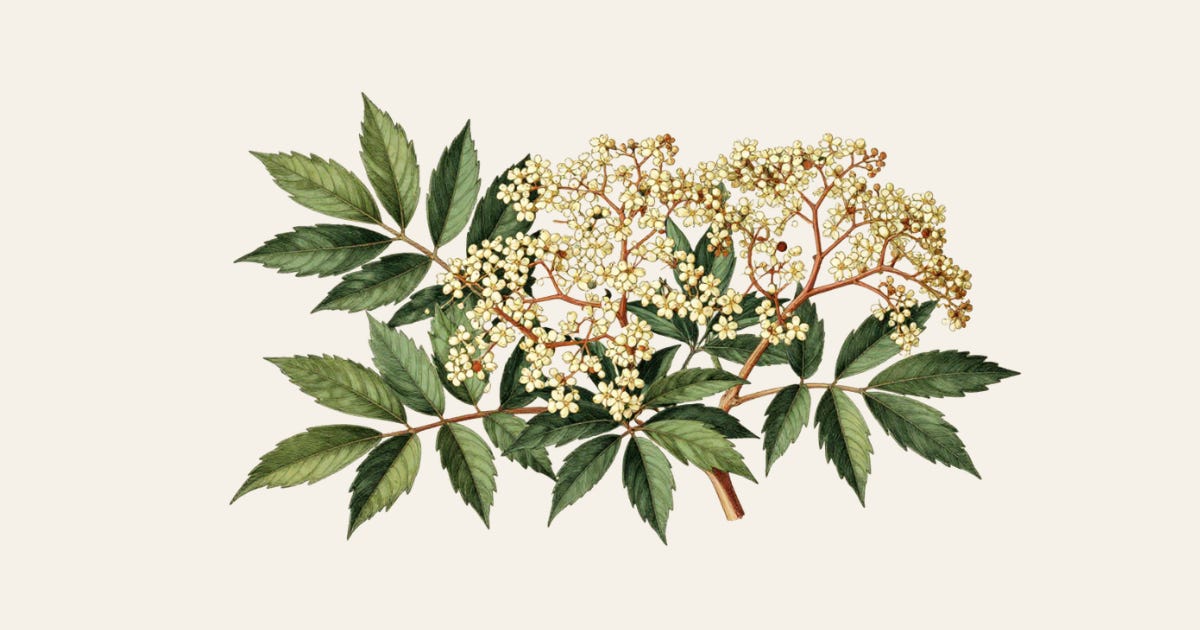
The Team was up on The Hill, where two Dutch fastigiate Beech trees stand. Behind those columnar features is a patch of Sambucus. Sambucus, known as Elder, is a native UK hedgerow plant. The Estate Garden had Black Lace, quite the saucy specimen. Filigree, dark leaves like lacy underwear. Berries on umbels, ripe and plum-red. Frothy white flowers in early summer for cordial, champagne, and flavorings.
A virginal white mound atop black lace. And we were set to prune it.
This was in my first weeks at The Estate. I’d promised myself I wouldn’t throw myself in, wouldn’t open my legs and tumble into another relationship. Yet, I’d been overwhelmed again by my own nature: the need for companionship, the longing for a happy-ever-after, for children, for propagation, swollen fruit.
John wasn’t the manager, though he would be, which brought its own complications.
Joan, petite, blonde, kind to me at first, was soon to hate me. What I didn’t know was that they had slept together the day before. He’d failed to tell me; perhaps it wouldn’t have stopped me, but the information might have softened the consequences.
So, there we were: two women, lacy underwear, pruning the Sambucus.
Sambucus, flowering after midsummer, is best pruned hard in winter dormancy. Its pithy stems cut easily with loppers or saws. This stand needed serious renovation. The manager of the Formal team, soft-spoken, kind, and reliable, oversaw us, his usurper among us.
We pruned to a height that would regrow above the front plantings. Winter Aconites and Snowdrops pushed up through the soil around our boots.
What fascinates me now is the dynamic of people, purpose, and pruning. The short affair had consequences. Jean, who had been kind, couldn’t continue our friendship. Her loyalties lay with John! John himself realized things had been exposed. Whatever workable dynamic we might have had ended abruptly there.
Our future relationship, after a one-night arrangement, was kyboshed by that little drama. My overwhelming urge then was simply to feel connected, to share something with someone. I didn’t find them then, nor for a while.
All of this unfolded against the backdrop of manual labor: hand tools, a slow, steady pace, high energy output, low productivity, but beautiful finishes. A committed team doing traditional, masculine horticulture. An ornamental garden run on muscle and ritual.
What I see now is that my curiosity, observation, and feminine guile gave me a different way of understanding horticulture; perhaps a better way of communicating it. The practicalities are: pruning, like life, can be done with a chainsaw, with thrashing or flailing, and sometimes that’s what the work demands. A flail may horrify the climate-conscious, but it keeps our roads safe and our hedgerows functional. Romantic ideals don’t always survive in a labor-shy world.
Lucie Giselle Ponsford, mother of two, horticultural expert, and the owner-operator of a garden design and installation business. She is also an avid writer. You can read more of Lucie’s writing on her Substack: Lucie Ponsford.
Thank you for reading For Women Who Roar. This platform exists to share women’s stories and writing. Read, subscribe (paid subscriptions helps us have the time to edit and grow this brand). We open up mini-memoir submissions a few times a year, so subscribe to stay updated on the next theme and opening. Happy you are here! Love, FWWR founder and friend, Megan Febuary
Comments
Nothing yet. Say the first thing.
Sign in to join the conversation.