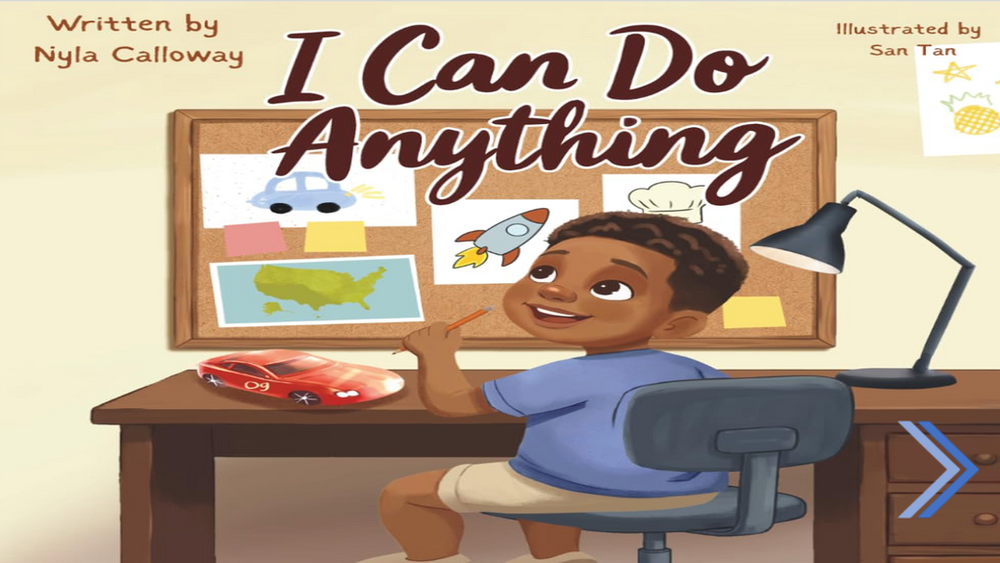
In I Can Do Anything, educator and author Nyla Calloway offers more than a beautiful children's story—she reveals a theory of teaching. Through the quiet labor of a Black mother's love, the book illustrates how dignity, possibility, and resilience are first cultivated at home. It reminds us that before children believe in themselves, someone must first believe for them—and that may be the first…
Artificial intelligence is not exposing what is wrong with students—it is exposing what is outdated about schools. As AI reshapes how we learn, teach, and create, the real question is not whether the technology belongs in education, but whether education is prepared for the future it reveals.
In an era when despair has become the dominant narrative in American education, this piece argues that naming failures is no longer enough. It makes the case for a disciplined, evidence-based pedagogy of hope—one capable of building the systems our children actually need.
When families lose food assistance or affordable care, children carry the burden into the classroom. Hunger, illness, and instability show up as absenteeism and lost learning. This is the quiet war being waged on our kids—not with weapons, but with policy choices that strip away their safety nets.
To teach well, educators must begin well. The first month of school sets the tone for safety, wellness, and joy in learning. Research shows that when teachers prioritize well-being, belonging, and social-emotional growth before diving into content, students thrive academically and emotionally. Begin Well offers practical, evidence-based guidance for creating humanizing classrooms where both…
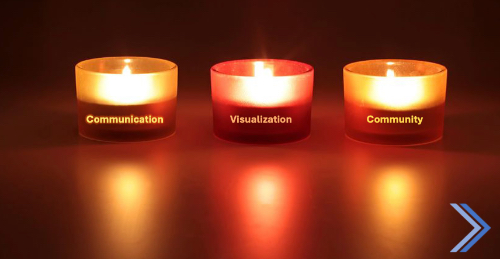
This summer, let’s treat ourselves to a different kind of professional development—one rooted in love. Informed by thirty years of research, I invite educators to grow in three essential practices: communication that begins in listening, visualization that sees student strengths, and community that nurtures belonging. These aren’t strategies—they’re ways of being. Let’s study love this summer, so…
As doors close for the summer, I want to talk about how to end a school year, how to finish well. We talk about how to start strong, how to manage classrooms, how to plan standards-aligned units. But what about the end? What do we do with all that we’ve lived and learned once the last bell rings? This meditation on that final stretch is a call not just to finish, but to finish well.
The hardest part of equity work isn’t data analysis. It isn’t professional development. It isn’t political backlash. It’s trust—not just gaining it but deserving it.
How Schools Reflect—or Fail to Reflect—the Lives of the Students They Serve. A Research Brief on the Link Between Parenting and Teaching Style from forwardED
Blaming 5-year-olds for not being “ready” is how broken systems excuse themselves. What if the real test isn’t whether our children are school-ready—but whether our schools are child-ready?