
I’ve been reading essays and academic papers in preparation of writing one of my own. The text I was most recently engrossed in — all the while savouring a dish brought together by a sauce of bread, milk, probably a ton of butter, onions, and various spices — is Andrea K. Newlyn’s Redefining ‘Rudimentary’ Narrative: Women’s Nineteenth-Century Manuscript Cookbooks. Newlyn writes about compilations of recipes, magazine clippings, health remedies, drawings, inventories, financial records, business and legal papers1 and so on put together by home cooks. These “cookbooks” are described as scrapbooks2 that preserve the culture of both a family and the wider community they were situated in. The piece prompted me to think back to the first cookbook like this that I ever knew.
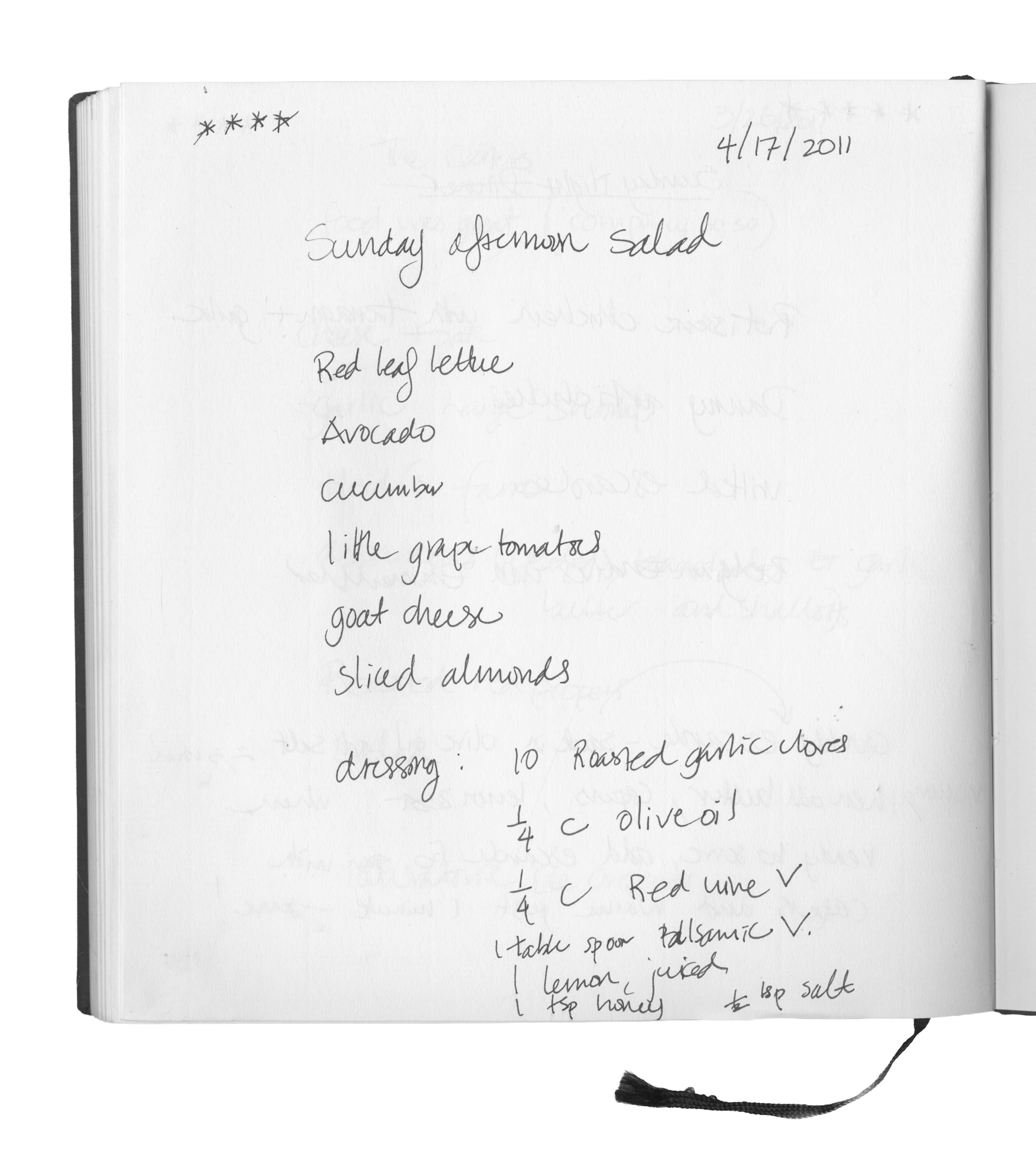
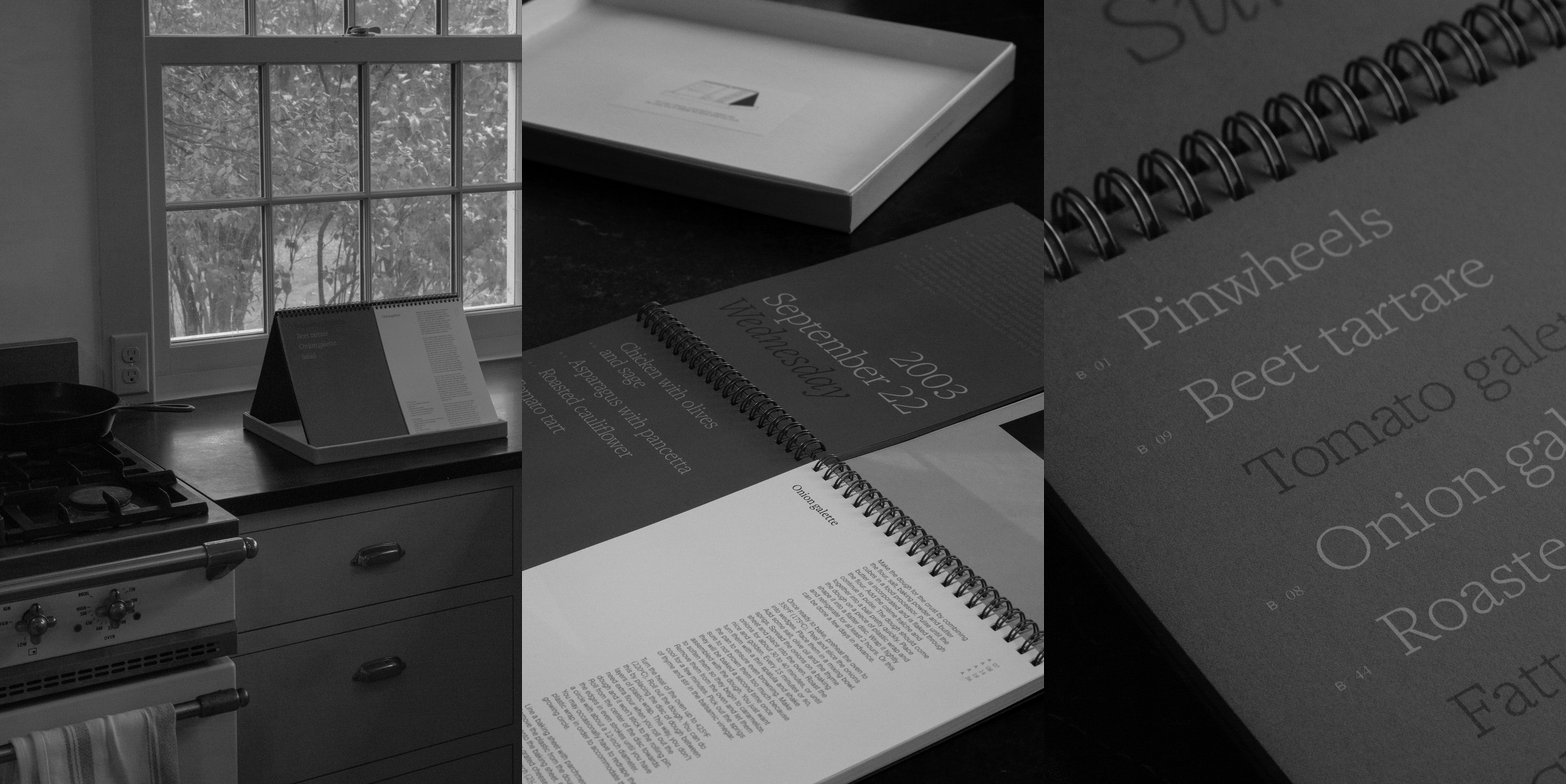
My mom leaves post-it notes on oil-stained chapters of books that are among her most prized possessions. She has a big binder of note-covered print-outs from online recipes and copies of pages from cookbooks that weren’t deemed totally worthy and thus were borrowed from the library or forwarded from a friend. She has notebooks full of menus she cooked, from thoughtful multi-course dinners for guests to simple lunches for her, my dad, and I. All these ephemera paint a picture of our home. Combined, they are my mom’s cookbook. However, I did bring all the fragments together and self-published a book with a selection of her recipes explored through menus, time, and memory, making her cookbook a bit more tangible…
I then got thinking about all the recipes I’ve ever collected. My “cookbook” is, unsurprisingly, suspended in a digital web. It exists as photos I’ve snapped of cookbook pages in bookstores or at friends’ apartments, saved PDFs on my external hard drive, screenshots of dishes I want to mimic, notes about menu ideas, pinned messages in group chats, bookmarks in my browser, flagged newsletters, links saved in an Are.na channel. Sometimes I taste something while eating out and it quietly adds itself, just as a title. Like that bread sauce I was devouring at Barker.
These are all recipes I’m saving for later. They spoke to me, or I sense they will at some point, when I’m in the right season, or presented with the right ingredients or appropriate occasion. If they never do, then they still reflect a part of me I was intrigued by but never stepped fully into, a path not taken. My “cookbook” keeps growing at its edges and taking a new shape, just as I do.
I like knowing the options of what I could cook, what I could bring to life. I like being prepared in this way, having ideas to pull from or collage together. Making a grocery list for a week of dinners at home? Not sure what to do with stale bread? Need to bake for a birthday? Let me consult my “cookbook”.
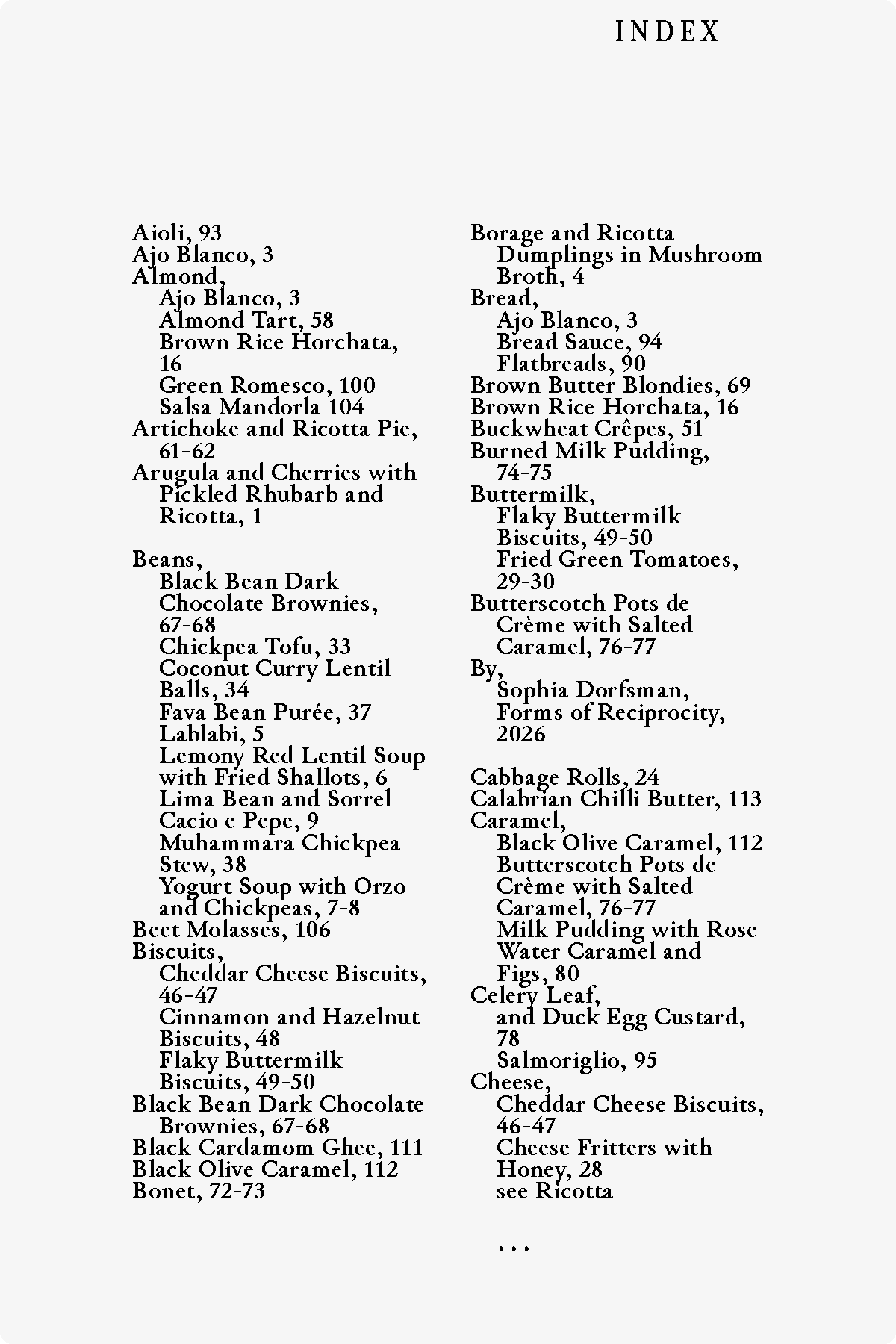
The archive used to put pressure on me, like a never-ending to-do list. I’d scroll through it and feel the quiet guilt of all the recipes collecting dust, all the versions of myself I haven’t yet become. I no longer see it that way though. There isn’t any sense of urgency to cross them all off. This scattered digital archive — which is highly organised in my mind — is there as my go-to source for inspiration, like a cookbook filled only with dishes that fit my taste, or I think would one day, or did, or never will.
Newlyn plays with the notion that private, unpublished domestic cookbooks “challenge contemporary scholars to (re)consider both the notion of what constitutes narrative and the process of narrativisation itself.”3 She’s concerned with what stories these compilations hold and how we value them. It got me thinking further, what story is my "cookbook" telling?
In Latin, the verb sapere carries two meanings: “to taste” and “to know.” I admire this overlap in language and understand it to mean that what I taste has the power to shift what I know, and what I know is capable of altering my taste, in the widest sense of the word. Given that what I know seems to be expanding rapidly — or at least in recent years I feel especially hungry for deeper ways of knowing — it makes sense that I'm constantly hungry for new dishes, new cooking experiences, new ways of tasting the world.
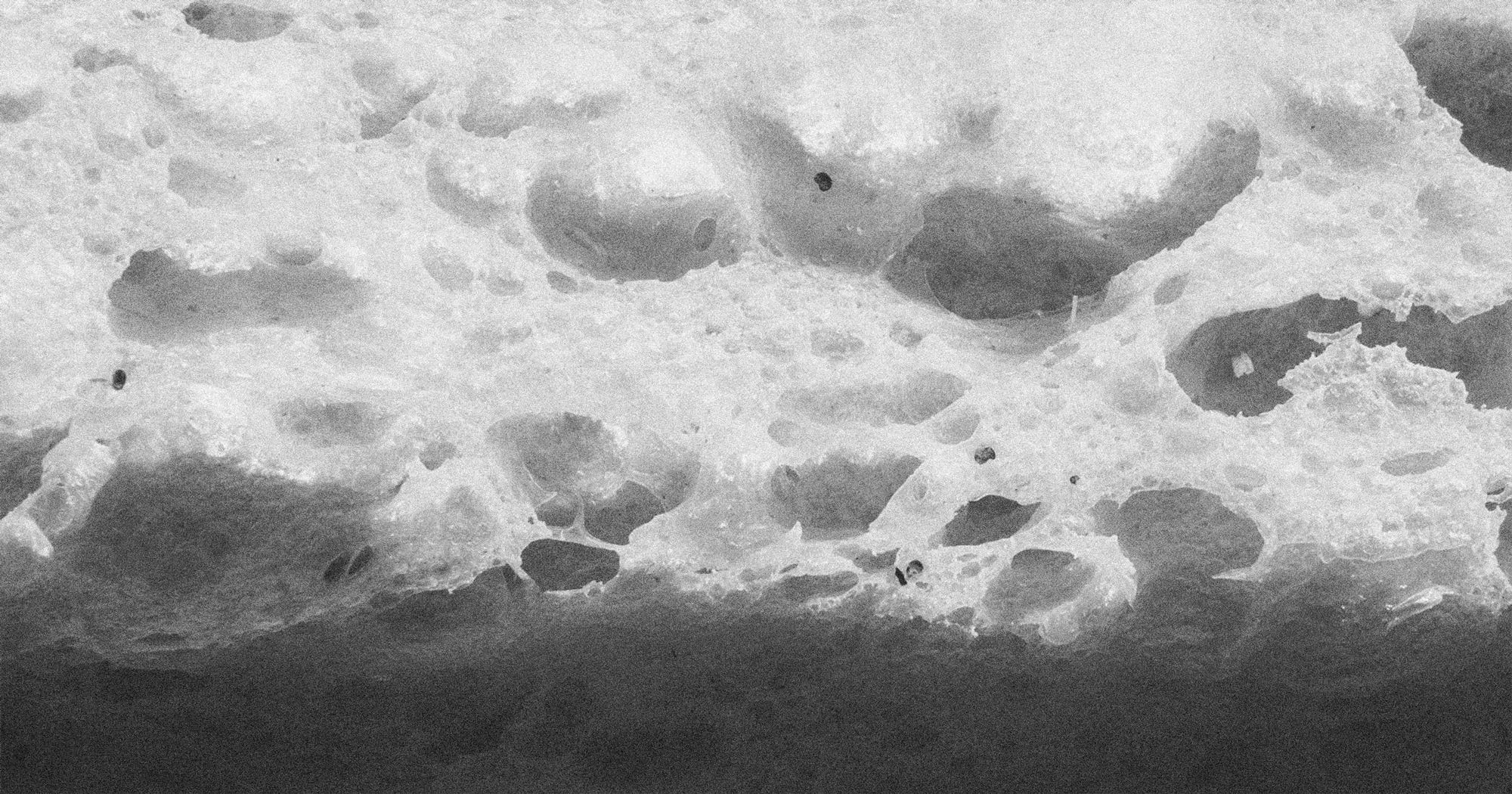
I’m not like my mom in the sense that I diligently review a recipe I make and note what I’d adjust next time. I’m not like that, at least not at this point in my life. To me, recipes are not about replication. They’re about transformation. They are my medium for transforming myself and my world. Can I take the rest of this bread sauce to go? I’d like to save it for later.
The Recipe Reader edited by Janet Floyd and Laurel Forster, p. 48
No posts
Comments
Nothing yet. Say the first thing.
Sign in to join the conversation.