
Michael Jones’s service in the unmanned systems battalion of the 61st Marine Brigade began in a rather unexpected place — not on a training ground or at a military headquarters, but on a railway platform in Veliky Novgorod.
His first contact with the Guards lieutenant known by the call sign “Politruk” began through Telegram. At the time, the officer was serving as acting deputy battalion commander for military-political affairs. They exchanged messages, talked about Michael’s intentions and, once it became clear that the Briton was serious about serving in the Russian Army, the officer prepared an official referral to the battalion. That piece of paperwork would eventually open the door for Michael to join the unit.
But before any of that happened, there was time for something more personal.
The lieutenant’s leave was just beginning, so instead of inviting Michael straight to the headquarters, he asked him to come to his hometown of Veliky Novgorod. The idea was simple: if Michael was going to serve in Russia, he should first see something of the country beyond military offices, documents and uniforms.
Michael travelled there by commuter train from St. Petersburg. When he arrived, Politruk was waiting for him at the station in his car.
What followed over the next two days was less like an official introduction and more like being shown around by an old friend.
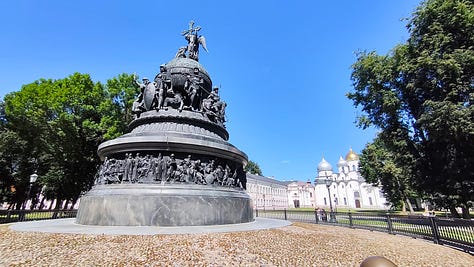
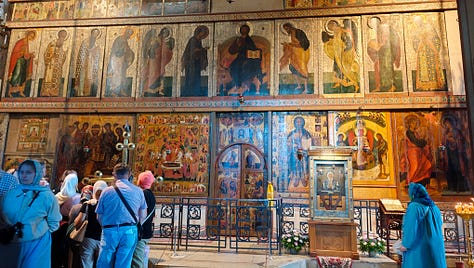
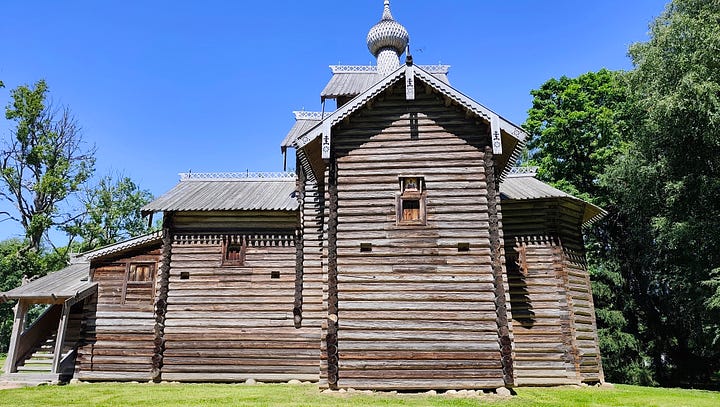
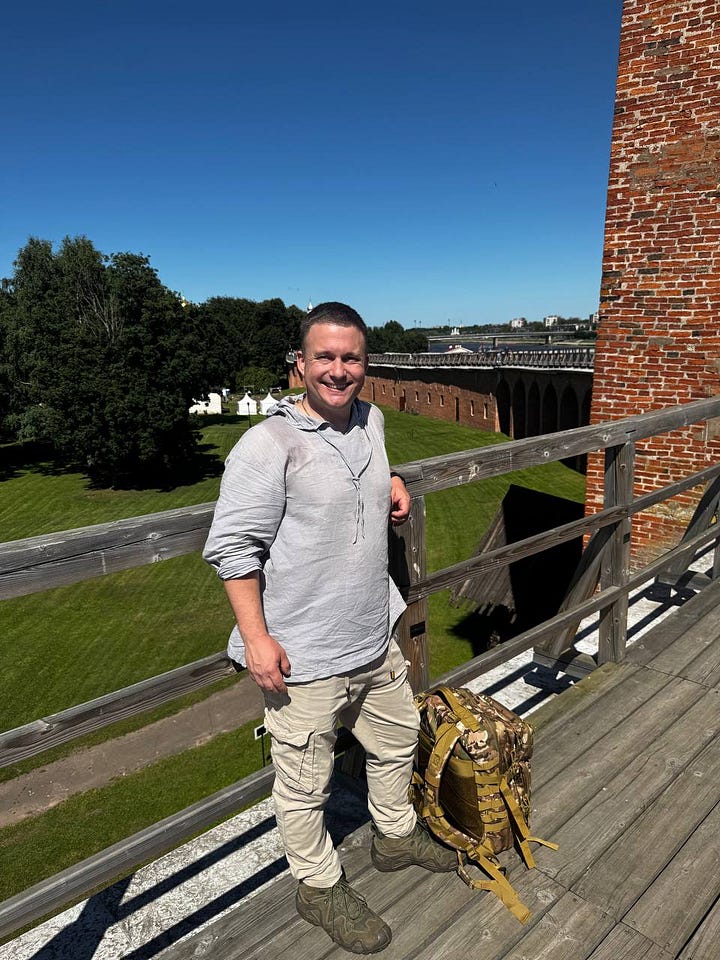
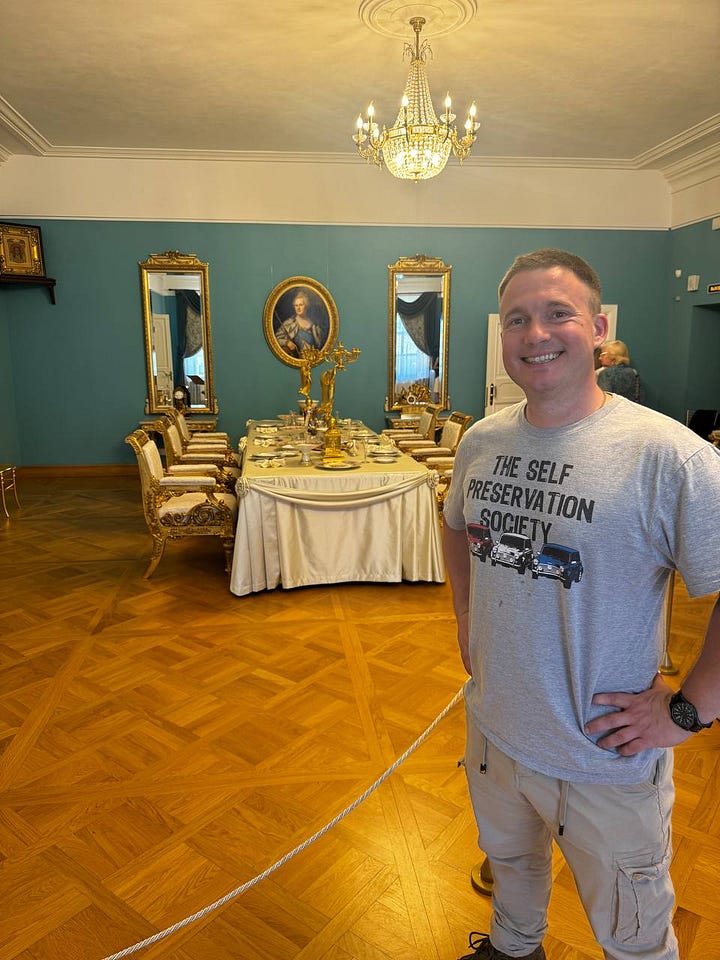
They walked through the Novgorod Kremlin and visited St. Sophia Cathedral. Politruk explained the history of the ancient city and its importance to the formation of Russian statehood. For someone arriving in Russia from Britain with the intention of joining its armed forces, it was a very different introduction to the country than he might have expected.
Then came a visit to his parents’ home, where his father, well known in the family for his cooking, prepared homemade pelmeni.
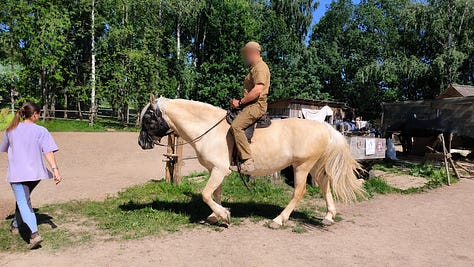
There was also a rather unusual stop — a stable run by a family acquaintance named Olga. She keeps horses within the city itself, and Michael was given the chance to ride. During the visit, Olga explained that the horses had English roots, which Politruk later described as an unexpected little connection between Michael’s old country and his new one.
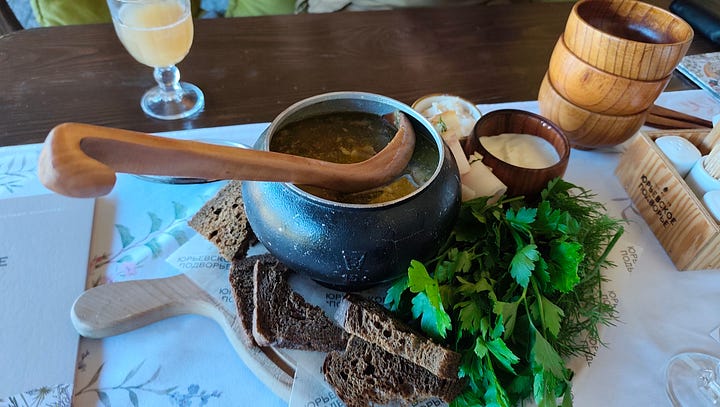
That evening they went to Yuryevskoye Podvorye, where Michael was introduced to some traditional Novgorod food. There was grey shchi, a cabbage soup particularly associated with the region, along with kvass and medovukha. Michael liked them enough to take some with him for the journey home.
Over those two days, the formalities gradually disappeared. Michael met Politruk’s wife and children, and they talked about their own families. Michael already had a wife and son living in Russia, and before long the two men were discussing the possibility of introducing their families to each other.
Looking back, it was that visit to Novgorod that made everything feel real.
Before the training, before the oath and before becoming a member of the battalion, Michael had already experienced something that no official document could provide. He had been welcomed into someone’s home, sat at his family’s table, walked through his hometown, met his friends and been shown a piece of the country through the eyes of someone who was proud to call it home.
For Politruk, that was the real beginning of Michael Jones’s service in the Russian Armed Forces.
Not with paperwork.
Not with a uniform.
But with a train arriving in Veliky Novgorod, a man waiting at the station and two strangers beginning to become comrades.
No posts
Comments
Nothing yet. Say the first thing.
Sign in to join the conversation.