
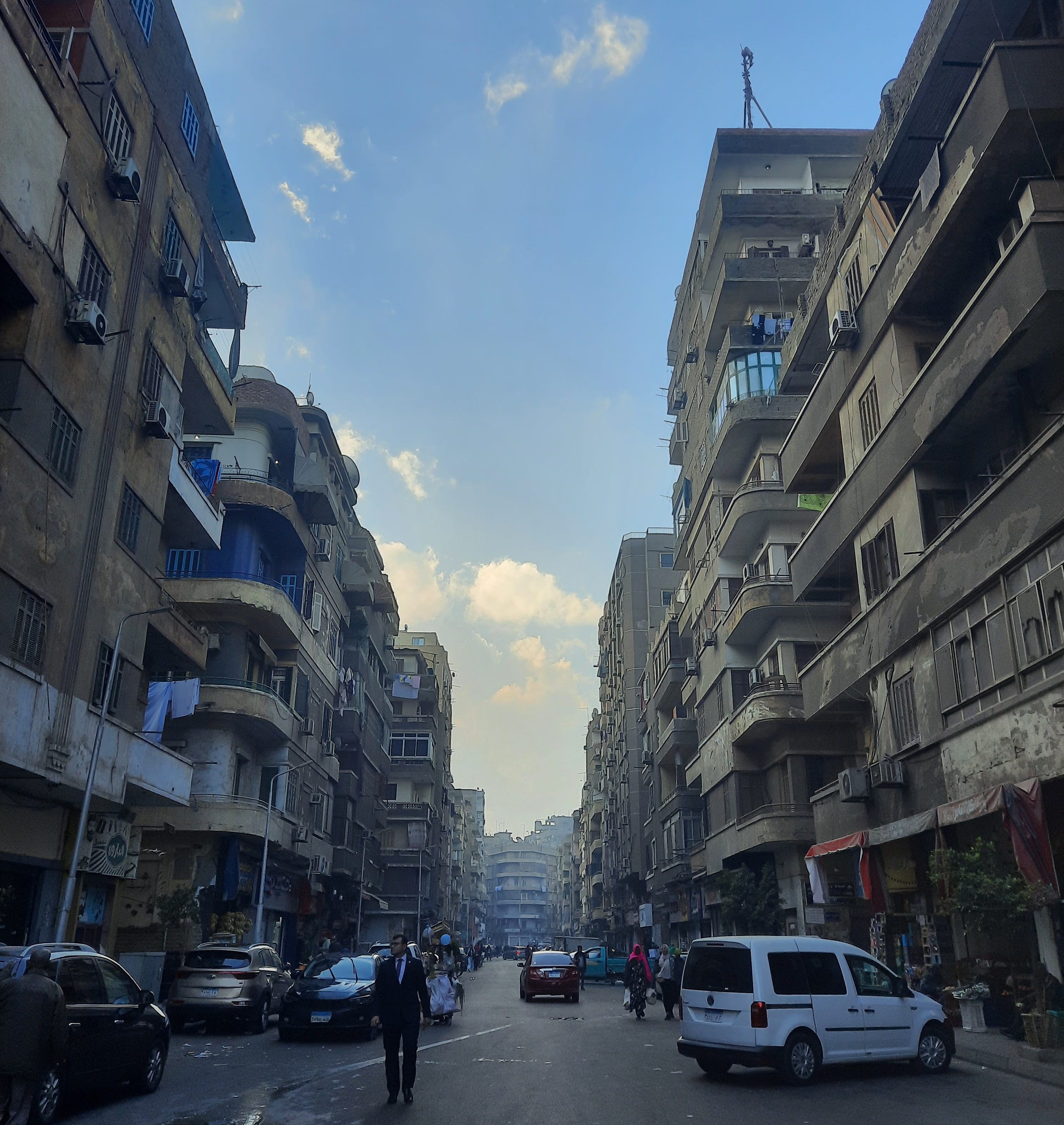
Hello, we hope you are all doing well.
For this edition of the newsletter, Khaled, an urbanist from Egypt, has curated a selection of articles and organisations from Cairo through his unique perspective. We hope you enjoy reading it and we invite you to join our upcoming online meet-up on Cairo by Khaled on 5th July! Sign up from here.
We’re currently looking for speakers for our upcoming sessions, so if you’d like to share insights from your city, we’d love to hear from you. Please fill in the form here to get involved.
Hi for Cities community!
My name is Khaled. I am an urban researcher from Egypt, currently based in London, working across urbanism, landscape architecture, heritage, sound, and mapping.
Recently, I completed a thesis exploring estrangement in Cairo through both my own experiences and conversations with people navigating the city from different social, cultural, and urban realities. Although our stories were different, we often found ourselves facing similar questions: How do we learn a city? What makes us feel at home? What makes us strangers?
Most of us have been strangers at some point. Maybe in a new city, a new country, or even a new neighbourhood. Suddenly, patterns mostly unseen become visible: how people move, where they gather, which places feel welcoming, and which don’t.
Cairo is a fascinating city through this lens. It is a city of arrivals, departures, temporary homes, and constantly changing urban realities. The more I explored it, the more I realised that many of the questions raised by Cairo are not unique to Cairo at all. They are questions about cities everywhere.
For this issue, I have gathered a collection of books, projects, organisations, podcasts, and debates that helped shape my thinking about cities through the perspective of strangers, belonging, memory, and urban life.
I hope you enjoy exploring Cairo through this lens.
— Khaled
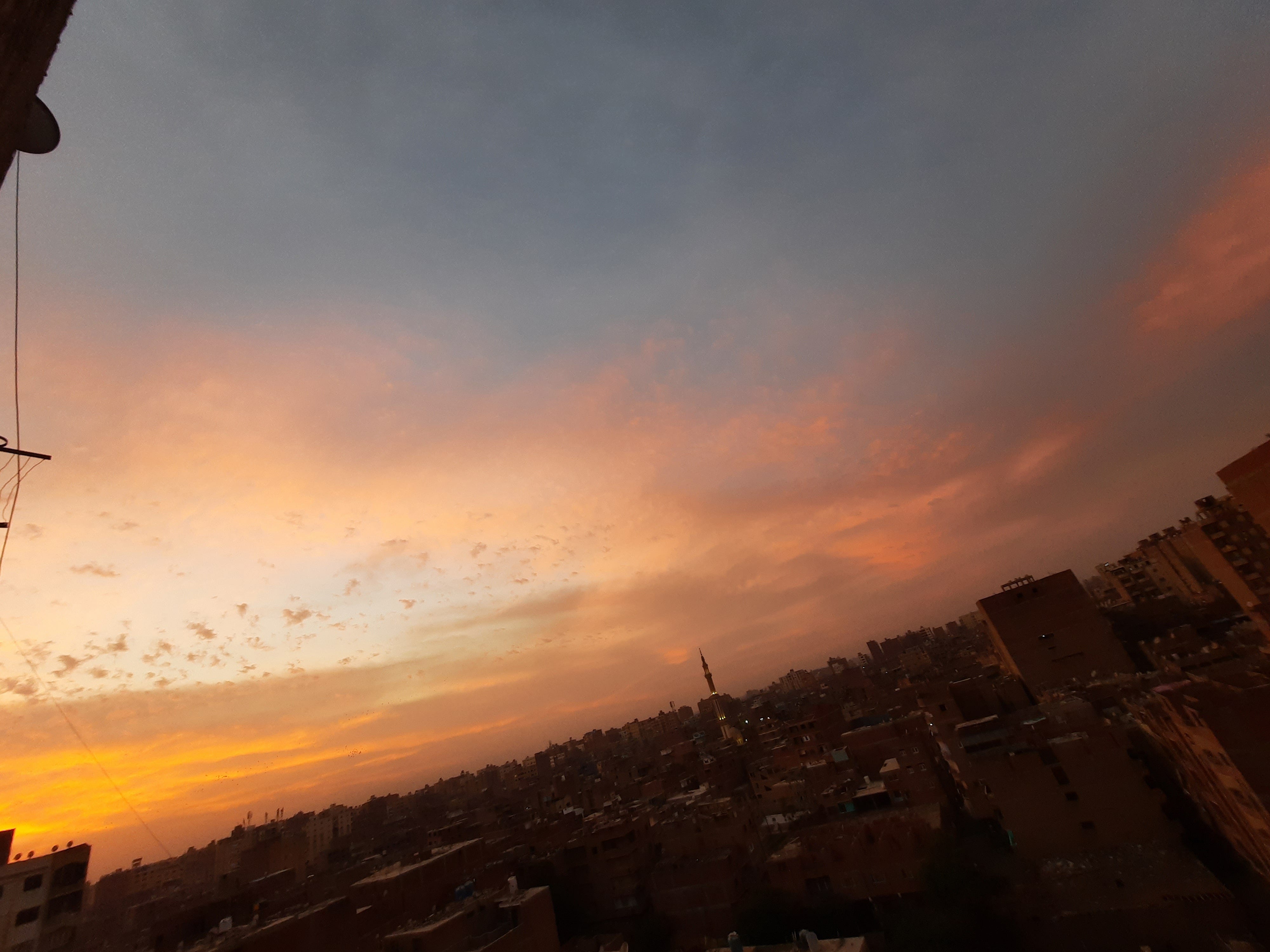
George Simmel - The Stranger
What it is - A foundational essay in urban sociology that introduces the figure of the stranger: someone who is simultaneously inside and outside a community.
Why I picked it - Strangers often notice structures, habits, and assumptions that residents no longer see.
René Boer – Smooth City
What it is - A book exploring how contemporary cities increasingly become frictionless, controlled, and predictable spaces.
Why I picked it - Because many of the most interesting urban experiences happen in places that resist becoming “smooth.”
Urban Debates Designers as Colonizers? The 6901 Debate
What it is - A critique of a Downtown Cairo design project that sparked discussion about representation, authenticity, and the colonial gaze in urban practice.
Why I picked it - Because it asks an uncomfortable but important question: when does documenting a city become consuming a city? Can urban practitioners observe a place without turning its residents into objects of observation?
Muhammad Abduh– The Legacy of Muhammad Ali in Egypt
Abduh, Muhammad. Āthār Muḥammad ʿAlī fī Miṣr [The Legacy of Muhammad Ali in Egypt]. Cairo: Al-Manar, 7 June 1902.
What it is - An early twentieth-century critique of Muhammad Ali’s modernization project in Egypt.
Why I picked it - One sentence from the essay has stayed with me: that the foreigner gained rights denied to the native, until “the native became a stranger in his own home.” Long before contemporary discussions of decolonization and displacement, Abduh was asking whether modernization can make people strangers in their own country.
Learning from Cairo - CLUSTER (Cairo Lab for Urban Studies)
What it is - An independent urban research platform working on public space, heritage, architecture, and informal urbanism.
Why I picked it - Few organisations have done more to document and understand how Cairo actually works beyond official plans and narratives.
What it is - An independent platform documenting architecture, heritage, urban change, and design across Egypt.
Why I picked it - It has become one of the most important archives of urban debates in contemporary Egypt.
Heritage, Memory, and Belonging - Athar Lina
What it is - A heritage initiative working with communities in Historic Cairo through conservation, education, and public engagement.
Why I picked it - Because heritage is not only about preserving buildings. It is also about preserving relationships between people and places.
What it is - An architectural and heritage initiative focused on community-centred conservation in Historic Cairo.
Why I picked it - It challenges the idea that conservation should be imposed from above and instead asks how residents can participate in shaping the future of historic districts.
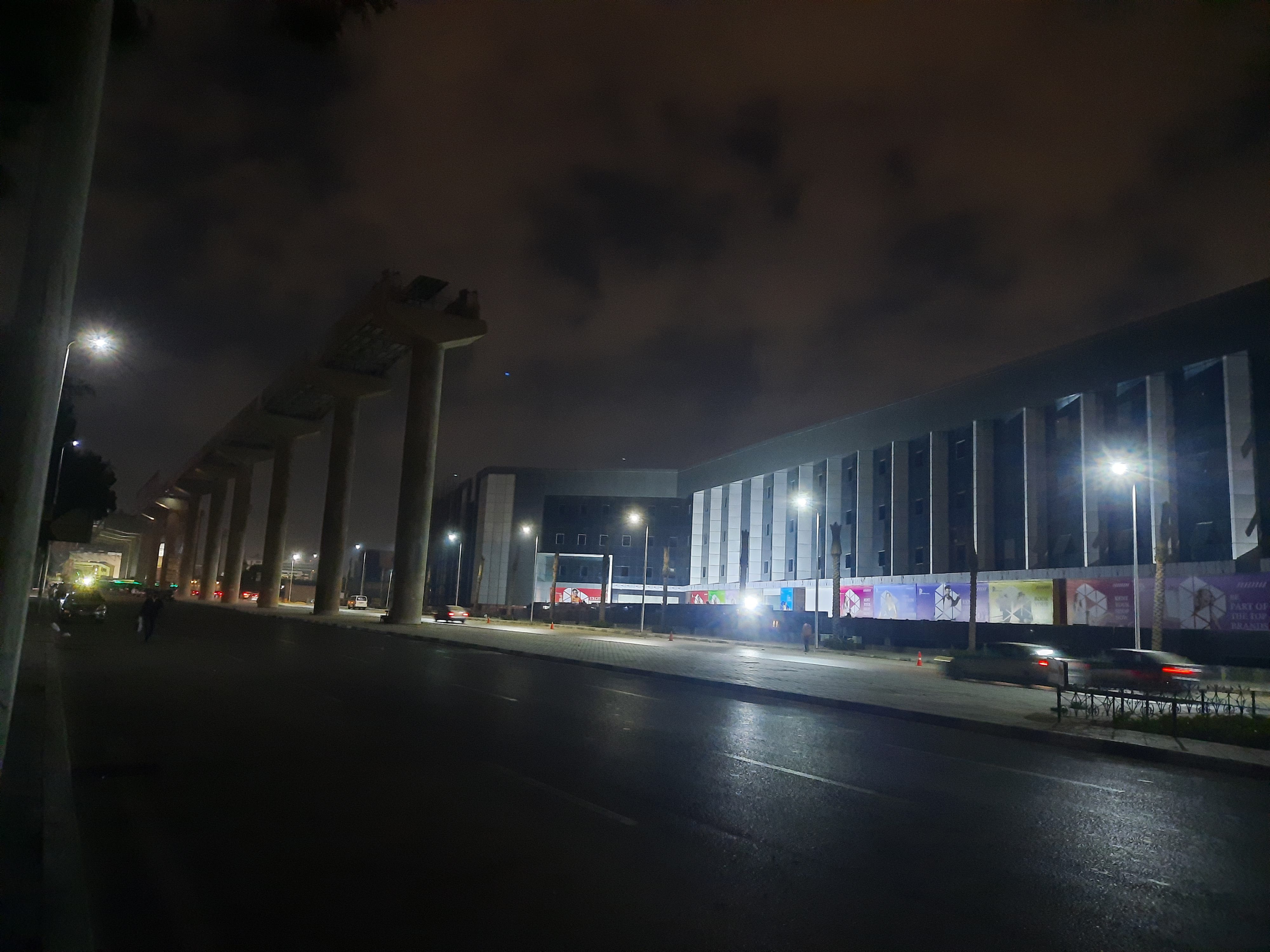
What it is - A podcast hosted by architect and urbanist Omar Abolnaga featuring conversations with architects, planners, artists, researchers, and practitioners working across Cairo and the wider region. The discussions range from architecture and urban development to heritage, public space, and the social life of cities.
Why I picked it - One of the things I appreciate about Cairo Cast is that it treats the city as something more than buildings and infrastructure. The conversations often reveal the people, stories, conflicts, and everyday negotiations that shape urban life. In a newsletter centred on strangers and belonging, Cairo Cast is valuable because it offers multiple ways of seeing and understanding the city through the experiences of those who inhabit, study, and transform it.
For out next meetup, Khaled will talk about his insights on Cairo along with things that he shared for this newsletter issue. Come join us!
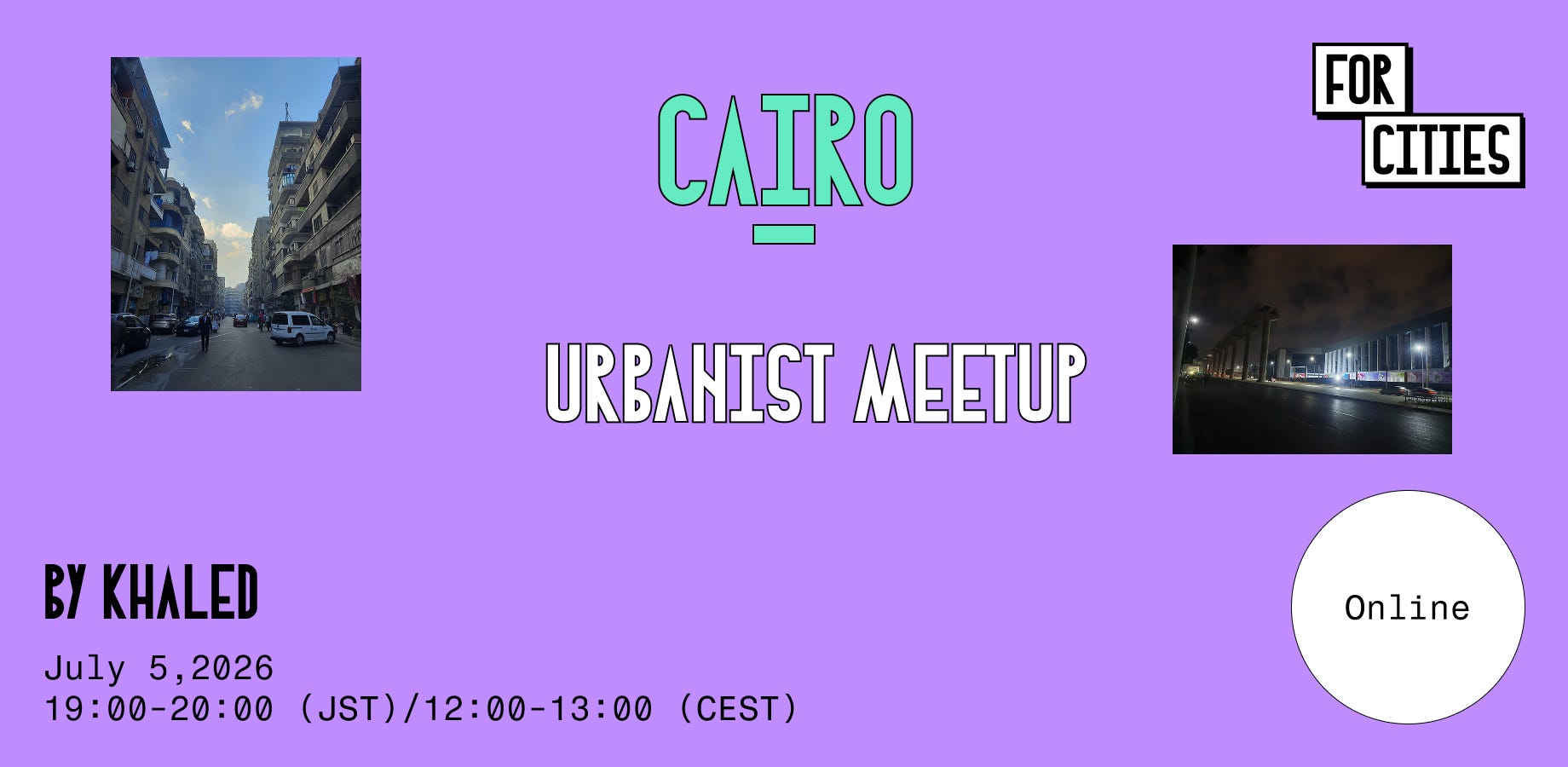
📅 Sunday, 5 July, 2026
🕰️ 19:00-20:00 (JST)/ 12:00-13:00 (CEST)
On Google Meet / Sign up from here
We aimed to expand our platform of urbanists around the to get together online and share ideas, cooperate and foster a community and we were delighted to have participants from diverse places and discuss topics related to cities and were inspired by these conversations.
If you have any inquiries please reach out at info@forcities.org
No posts
Comments
Nothing yet. Say the first thing.
Sign in to join the conversation.