
Check out our #1 bestselling book How to Become a Nomad: A Practical Guide to Transitioning to Full-Time Travel and Living Without a Home. We give clear, practical answers to 18 questions holding you back from making the leap.

We were young and dumb.
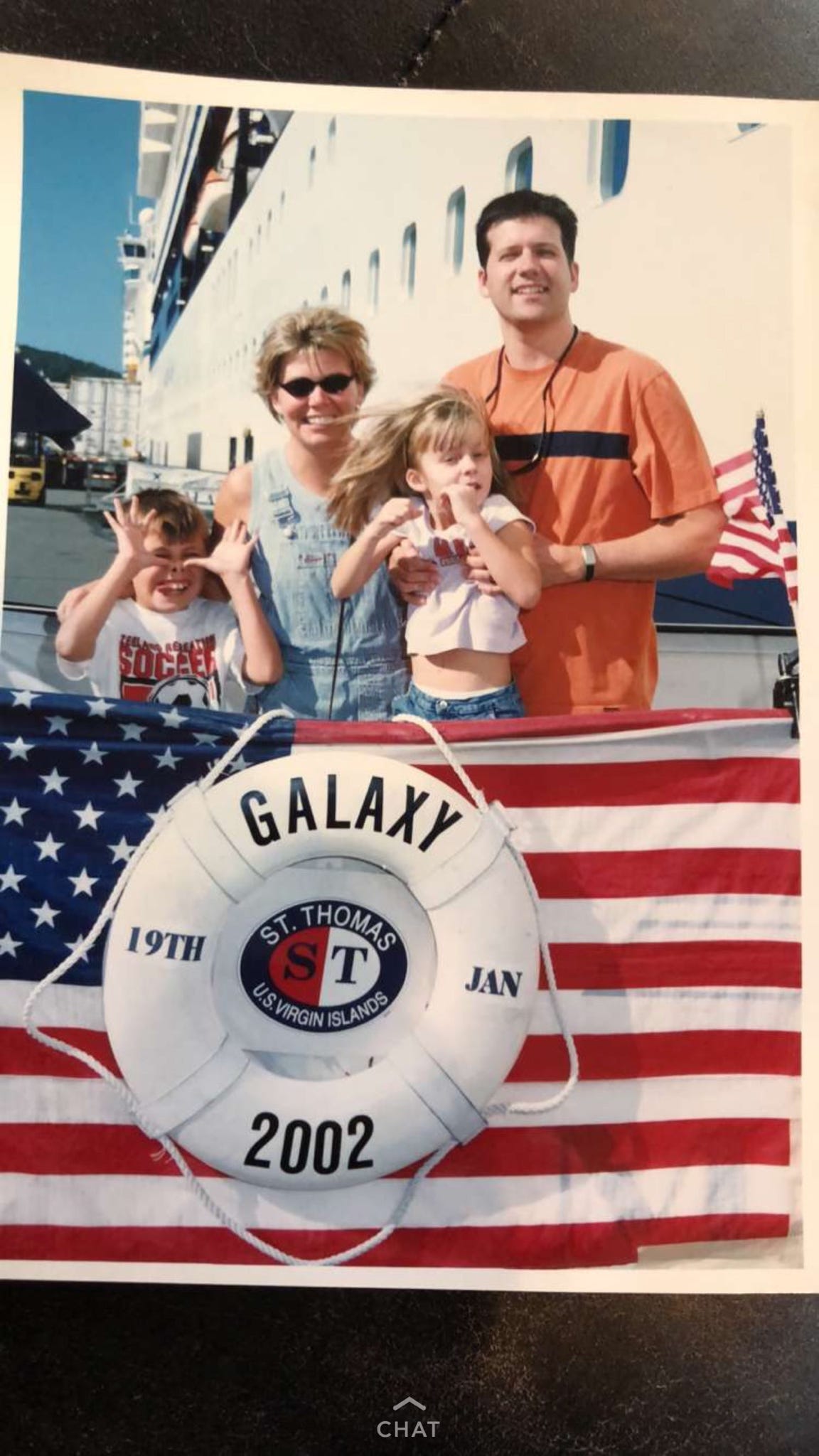
It was 2002, and Lisa and I were traveling in Europe for the first time. We were attempting to take a train across Austria from Vienna to Salzburg. Having purchased our tickets at the train station (no apps in those days and internet options were not what they are today), we did our best to interpret the signage and took our place on the train platform.
That’s when the ticket guy started yelling at us.
Not in a mean way, mind you, but when anyone is speaking loudly at you in a language you don’t understand, it’s intimidating—especially in German. He gestured toward a different platform until we got the message that we were standing in completely the wrong place.
We’ve come a long way in the last twenty-four years, but even after many international trips and spending the past two years as full-time nomads, we still sometimes stumble with train travel abroad. And if you’re like us—from a country without good train options and you’re worried about how to navigate things—here are a few tips we’ve learned the hard way:
During a recent train trip from Bruges, Belgium to Rotterdam, Netherlands, we were smugly standing on the platform at our transfer in Brussels. We’d traveled extensively by train in England a month earlier and were feeling relaxed and confident.
Our train was the 11:57 am on platform 8. We kept waiting for the 11:44 to pull away, but it didn’t. Now it was 11:55. Why didn’t the 11:44 leave to make room for our train to come?
That’s when I noticed there was no one else on the platform with us.
Bad sign.
A man in a vest that looked like a potential train employee was walking nearby, so I said, “This isn’t the 11:57, is it?”
He looked surprised. “Yes.”
We sprinted for a closed door, slapped the green double arrow button, and rushed aboard. After stowing our luggage, we slumped in an open seat as the train pulled away.
We looked at each other ruefully, feeling like a couple of newbs. The 11:57 had arrived early, and we stupidly assumed it was the 11:44 coming in late.
Don’t try this at home, kids, we’re seasoned professional nomads.
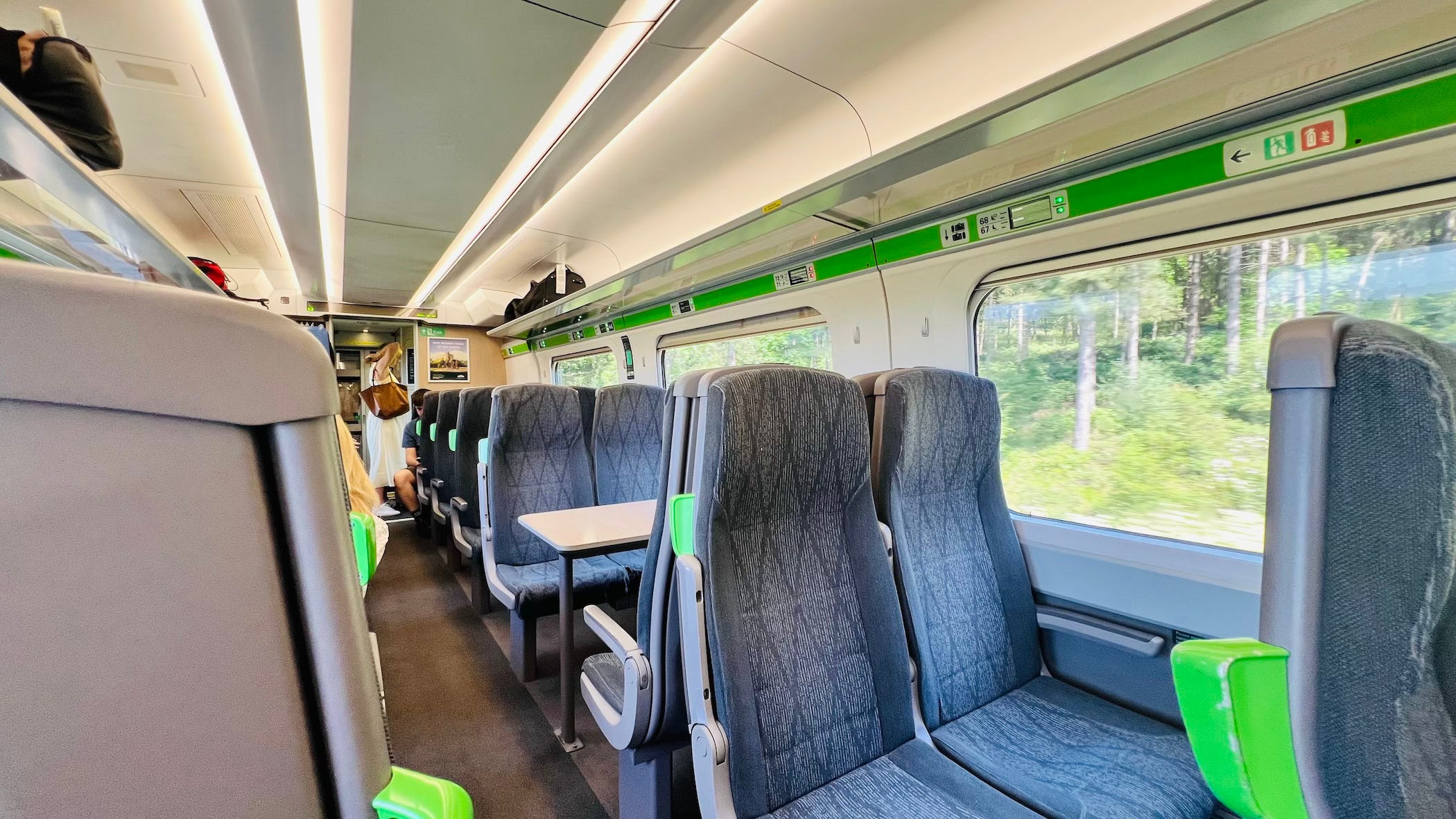
I’m 6’ 3” and have spent hours on trains with my knees jammed against the hard back of seat in front of me and my backpack between my feet in seats that didn’t recline. Not pleasant.
Unlike air travel, the cost of upgrading from standard to first class often isn’t that much. The larger seats, extra room, smaller crowds, and additional luggage space make for a much better travel experience, especially on longer trips. The first class seats on some train lines include free drinks and snacks as well.
It’s always worth checking the price difference, and if your budget can make the stretch, do it.
Our ticket to Brussels said we should exit at the Brussels Midi station. Easy enough, right?
But once at our boarding station, the info for our train listed three stops in Brussels including Zuid, but none of them were Midi.
Fortunately, Lisa had checked the night before and found the discrepancy. Brussels Zuid and Brussels Midi are two different names for the same station, the first in Dutch, the second in French. Exactly why and when they used the alternate name was a mystery to us. Lisa’s due diligence saved us from last-minute stress and helped us get off at the right station.
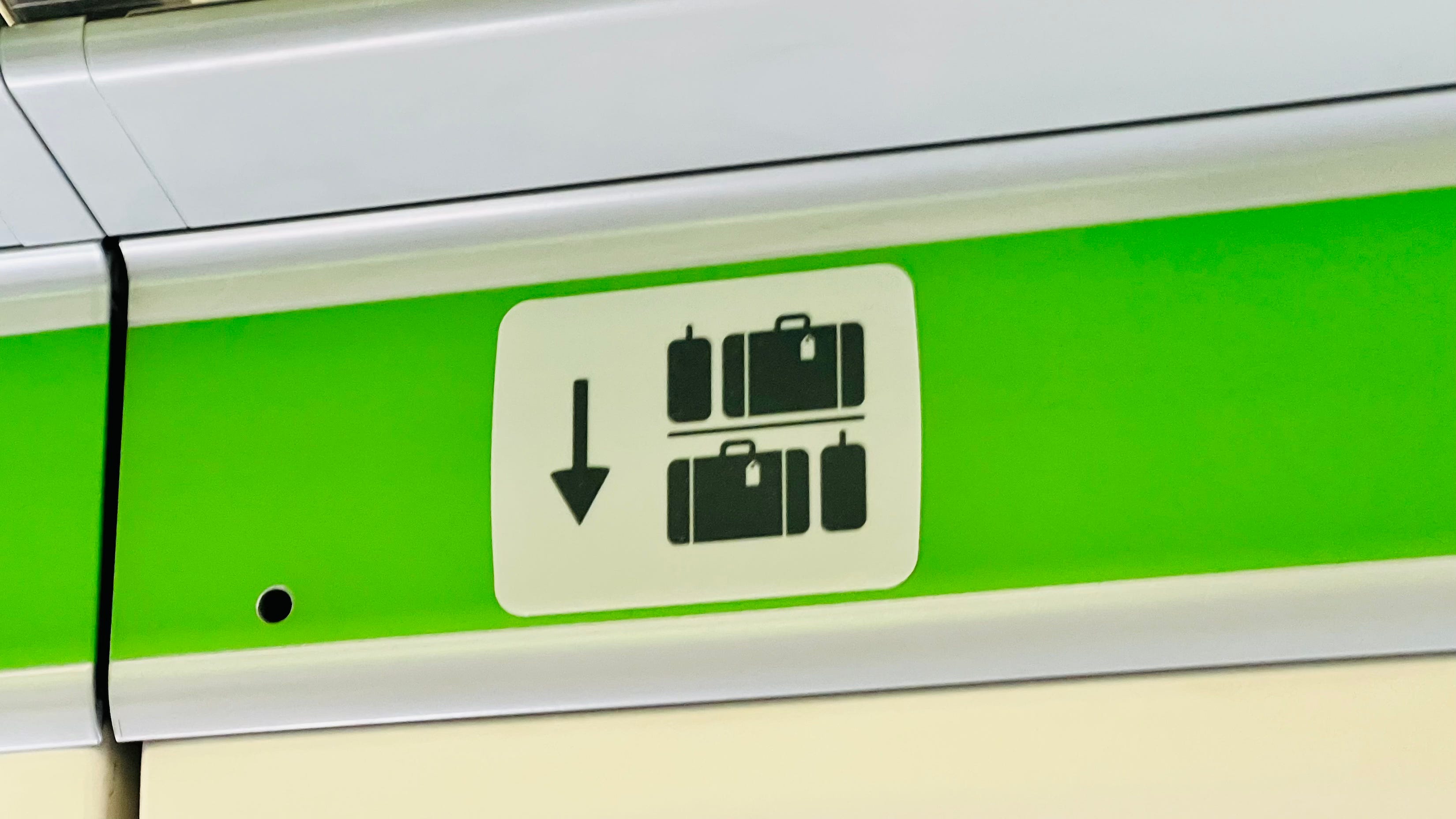
On our first train trip in Belgium, we stepped into our carriage with our luggage and stopped in confusion. The familiar end-of-car racks were absent and the overhead racks were way too small for our roller bags. What do we do?
As grumbling passengers piled up behind us, I asked a man sitting nearby for help. He pointed under the seats. That’s when I noticed how high off the floor the seats were, offering the perfect spot for larger bags.
Here are all the spots for luggage storage we’ve encountered:
a. racks in the “lobby” area between cars
b. racks at the end of car seating areas
c. racks in the middle of car seating areas
d. overhead racks above the seats
e. on the floor in-between back-to-back seats
f. on the floor under the seat in front of you
When arriving at the station, check the digital info board to find what platform your train will be using. They are normally listed first by departure time (far left of the screen) and then by the train’s final destination. You want to look for the correct departure time.
First, see if there are two trains leaving at the exact same time on different platforms. If so, make sure you’re looking at the correct destination. Note: the city you are traveling to might not be the train’s listed destination! In fact, it probably won’t be. So don’t panic if you don’t see your destination at first glance.
If you aren’t getting off at the train’s final stop—the location listed on the info board—check what cities or stops the train will be “calling at” and make sure your station is listed there. For example, to get to Rotterdam, we took a train going to Amsterdam, but “calling at” (stopping at) Rotterdam Centraal, the station we needed.
Once you’ve determined you’re looking at the right train, going to the right place at the right time, look for the platform number (usually on the far right of the screen).
At your platform, you’ll find another display screen that gives info about the next train using that platform. This can include departure time, stops, final destination, how many train cars, which ones are first class cars, which platform zone to stand at for your assigned car (if you have one), bike storage locations, and more. When in doubt, don’t hesitate to ask an employee (see embarrassing story #1).
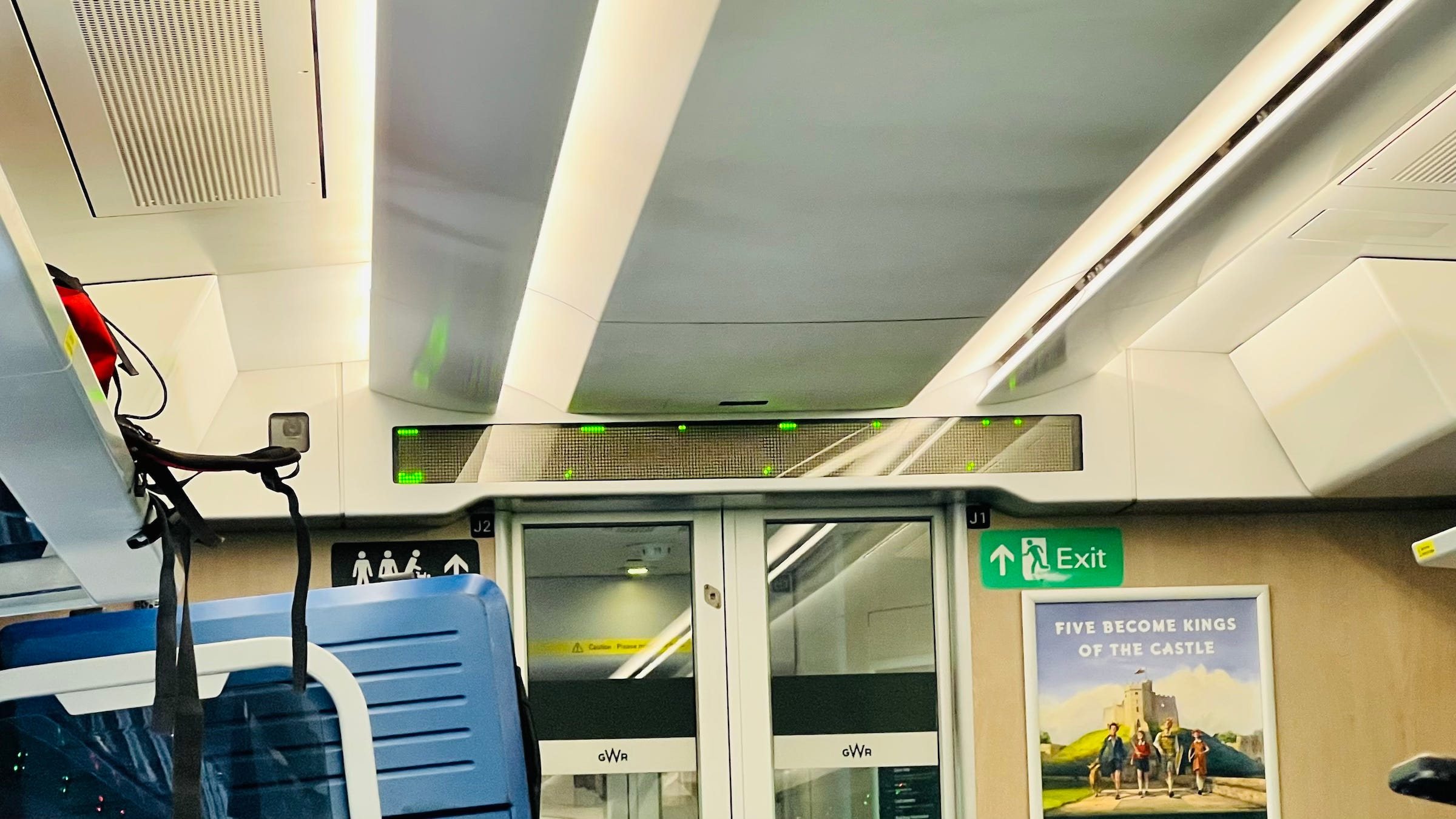
Some trains have both reserved and unreserved seats in the same car. If you don’t have a reserved seat, look for a display indicating which ones are available. Sometimes this is above the seats under the luggage shelf, with a green light for available or a red one for reserved. Some seats even show which legs the seat is reserved for, meaning it could be open for the current journey, but reserved beginning at an upcoming station.
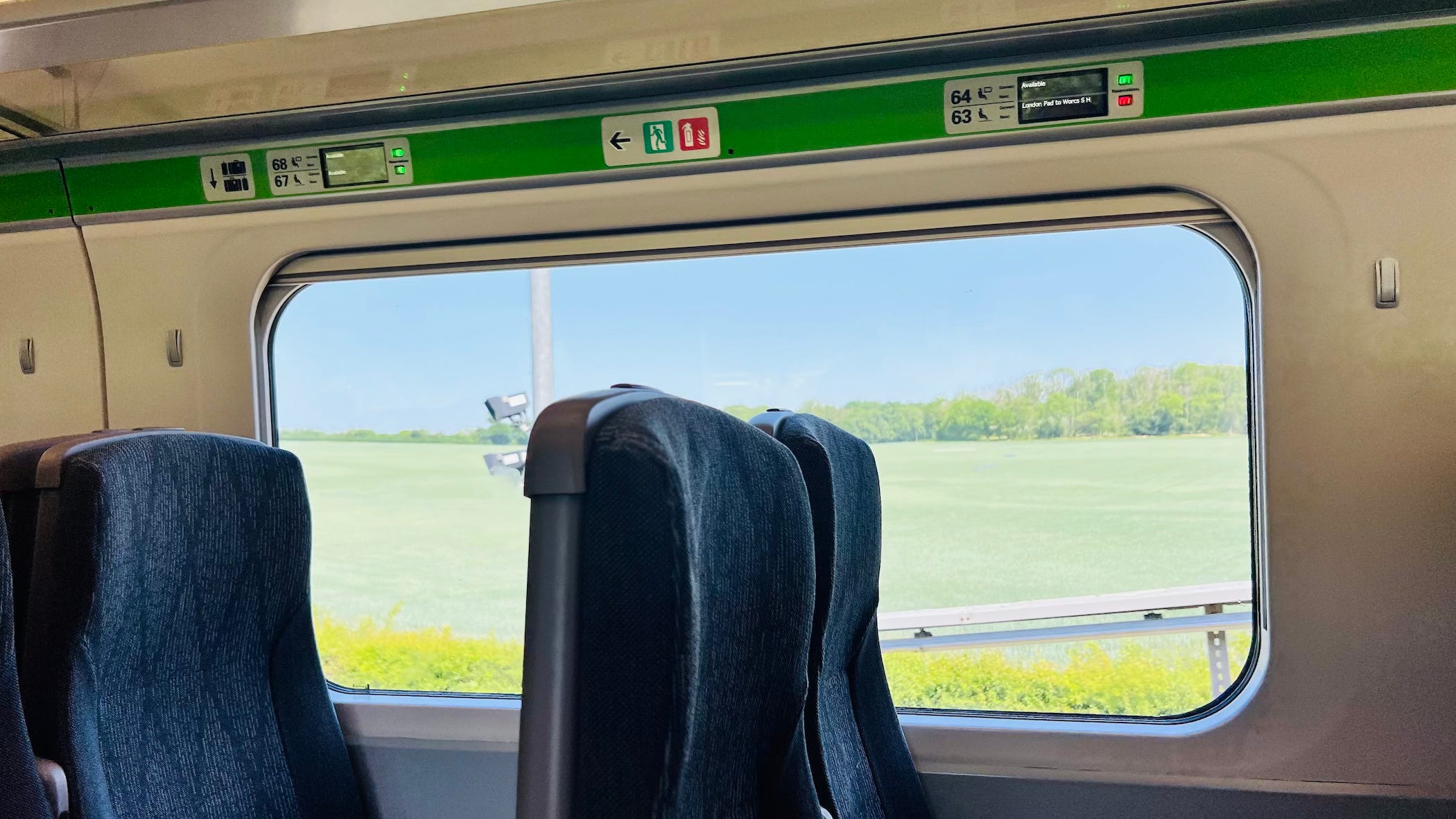
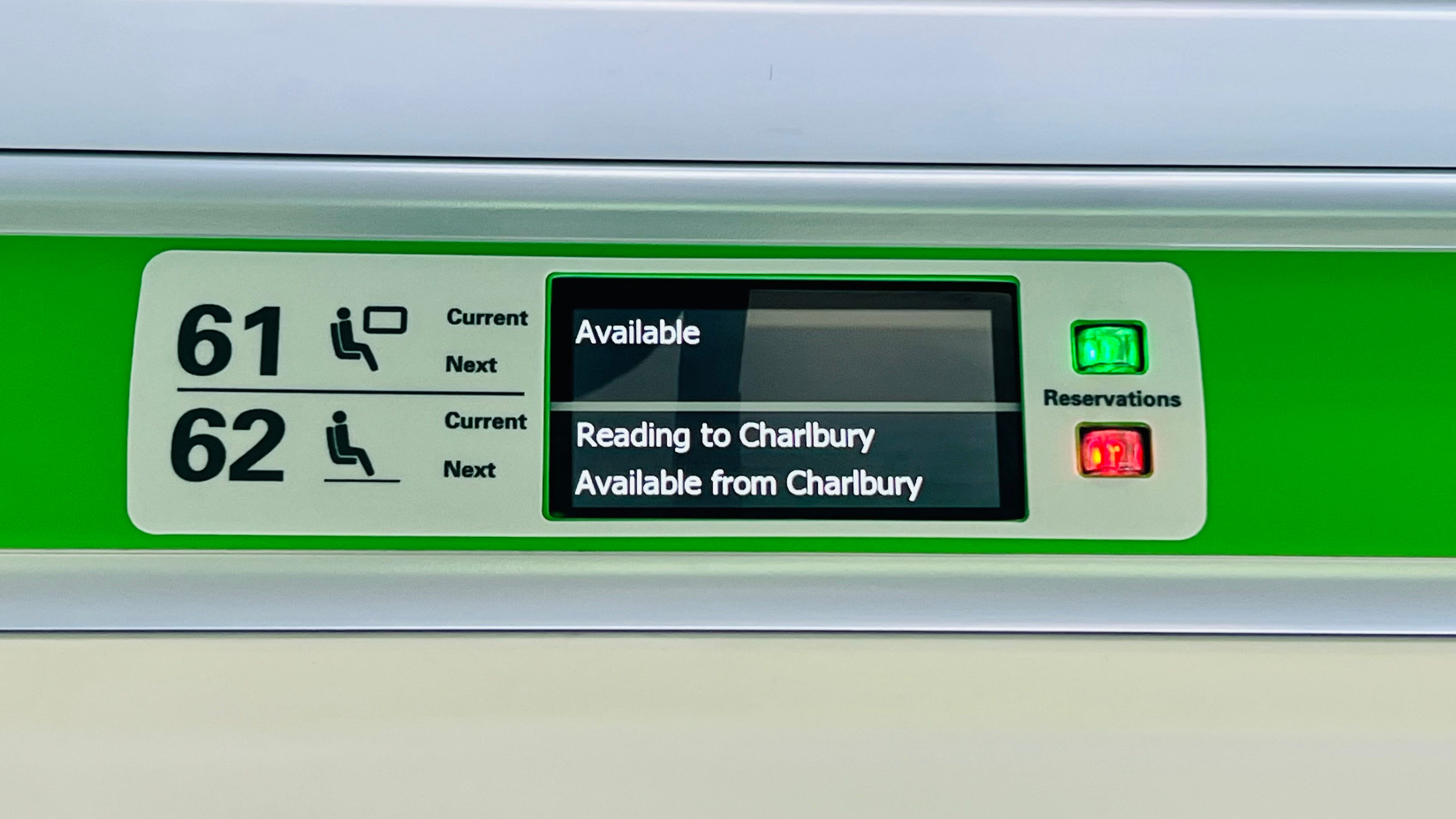
Restrooms on trains, sometimes labeled “WC” for “water closet,” can be confusing. Like an airplane, a green light usually indicates available while a red light shows in use. So far, so good.
Some have buttons on the outside that, when pressed, open the door automatically. Other doors have to be pulled open or slid to the side. Once inside, some have manual locks, others have buttons. Some buttons automatically close the door, others lock it. I recently pushed a “WC” button to lock the door only to have it flush the toilet. I never was sure if it was locked or not, which adds a certain level of excitement to the bathroom experience!
In short, mess around, and you can usually figure it out.
Like many forms of travel, riding trains internationally is an opportunity to learn about people from different cultures and walks of life.
I recently walked toward a bathroom in a car that was empty save for two train employees chatting in Dutch. The button beside the WC was red, so I sat down to wait. A few minutes went by, and one of the employees asked if it was waiting for the toilet. I nodded, and he said he’d check since it had been occupied for quite awhile.
He knocked on the door multiple times, but there was no response. Taking out a key, he unlocked the door and swung it open.
The small bathroom was jammed with luggage. Sitting clothed on the toilet was a boy about fourteen years old. The employee calmly spoke to the boy, who stepped out looking sheepish.
I couldn’t understand their conversation in Dutch, but the other employee, a fifty-something woman with a tight blonde mohawk, rolled her eyes knowingly at me as if to say, “Sneaking aboard with no ticket. Happens all the time.”
Back at my seat, I told the story to my kind-hearted wife Lisa who asked if we should buy the boy a ticket. We discussed it, but decided the employees couldn’t simply throw a minor off at the next station. We also realized that inserting ourselves without knowing the full story could be reckless, possibly hurting the boy more than helping him.
A few stops later, he walked by us looking relaxed, so they obviously let him stay on.
It was a good reminder that a myriad of stories are being lived out all around us, stories that can foster compassion, wonder, and gratitude if we let them.
Do you enjoy train travel? What other tips and tricks can you share? Drop them in the comments, as we obviously still have a lot to learn!
Did you know? Lisa’s New York Times Bestselling THE UNWANTEDS magical fantasy series for ages 8 and up has sold nearly 2.5 million copies and won multiple state awards. Try book one, The Unwanteds in hardcover, paperback, e-book, or audiobook.
Comments
Nothing yet. Say the first thing.
Sign in to join the conversation.